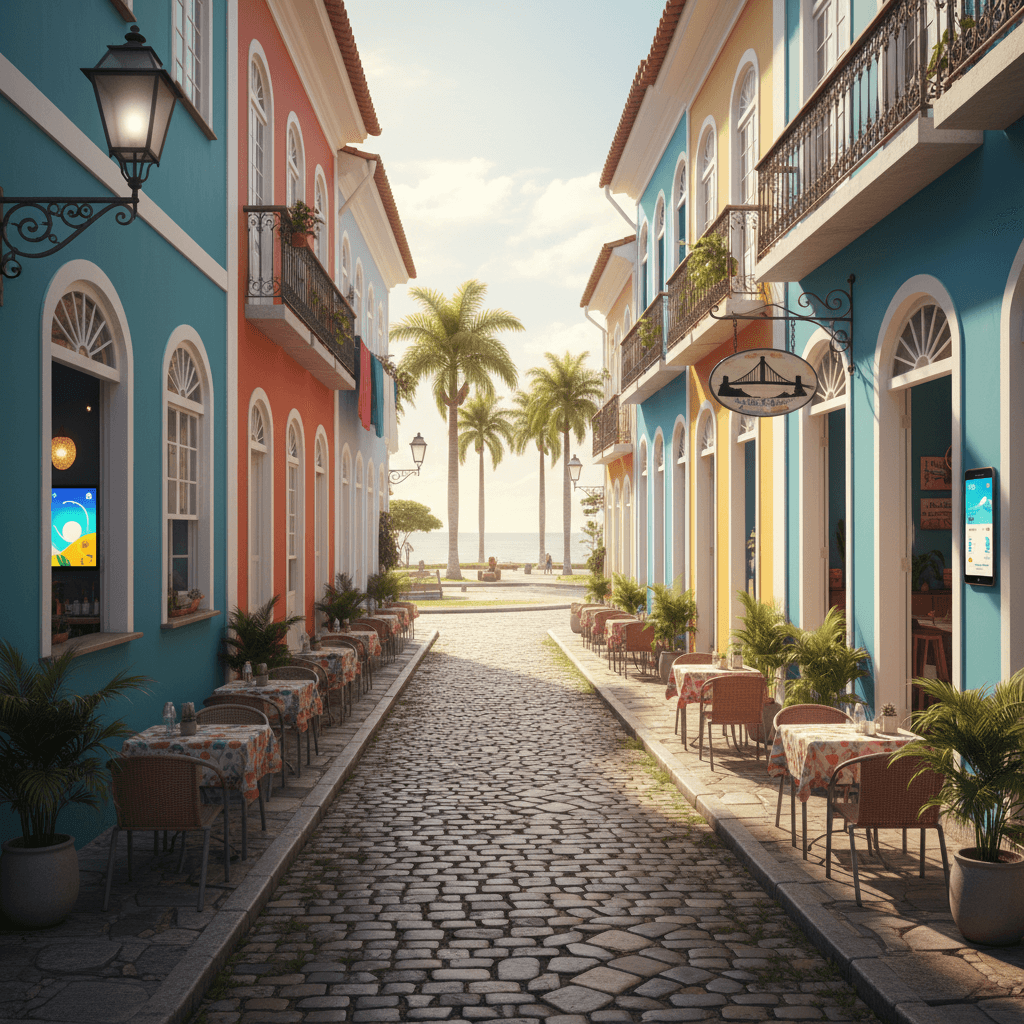
Florianópolis
🇧🇷 Brazil
The Island Life Balance
Florianópolis, or Floripa as you'll quickly learn to call it, isn't your typical Brazilian metropolis. It's a massive island that feels like a collection of distinct coastal villages tied together by lush mountains and a shared obsession with the outdoors. While São Paulo is for the hustle and Rio is for the spectacle, Floripa is where you go to actually live well. It has a high-tech heart wrapped in a surf-shack soul; you might spend your morning on a Zoom call in a sleek coworking space and your afternoon hiking to a secluded beach that looks like a postcard.
The vibe here is undeniably laid-back but professional enough to keep you productive. It's one of the safest cities in Brazil, which takes a weight off your shoulders if you're used to the hyper-vigilance required in other South American hubs. You'll find a community that prioritizes health, whether that's a sunrise surf at Joaquina or a sunset run along the lagoon. It's the kind of place where people show up to meetings in flip-flops but still deliver high-level work.
Cost of Living and Logistics
Your money goes a long way here, though it's not the cheapest spot in the country. Most nomads find they can live comfortably on $1,500 to $2,000 a month, while those on a tighter budget can scrape by on $1,000 to $1,200 by sticking to local eateries and shared housing. Cards are accepted almost everywhere, from high-end boutiques to the smallest beach kiosks, so you won't need to carry much cash.
- Housing: A decent 1-bedroom studio in a popular area like Lagoa costs between $600 and $900. If you're looking for a community vibe, coliving spots like Nomadico run about $234 per week.
- Dining: You can grab a quick street food snack for $3 to $5. A nice mid-range dinner with a drink usually lands between $10 and $15. Don't skip the local markets for cheap tropical fruits like mango and pineapple.
- Transport: Uber is reliable and cheap for getting across the island. Public buses cost about $1 per ride, though they can be slow during the peak summer season.
Where to Plant Your Laptop
Choosing a neighborhood is the most important decision you'll make. The island is large, and traffic can be a nightmare during the December to February high season, so you want to live where you work and play.
Lagoa da Conceição
- The Draw: This is the undisputed nomad heart of the island. It's walkable, sits right on a massive lagoon, and is packed with cafes and nightlife.
- Coworking: You're close to Impact Hub and plenty of laptop-friendly spots.
- The Trade-off: It can get loud on weekends, and it's a bit of a trek to the actual ocean beaches.
Ingleses (Norte/Centro)
- The Draw: A more residential, family-friendly feel with great infrastructure. It's quieter and perfect for longer stays.
- Coworking: Favo Coworking is the go-to spot here, with desks starting around $100 a month.
- The Trade-off: It feels less "central" and you'll definitely want an Uber or a bike to explore other parts of the island.
Connectivity and Community
Internet is generally reliable with average speeds around 200Mbps, though it can occasionally dip during heavy summer storms. For serious work, nomads recommend Impact Hub Floripa or Sandbox Coworking. Both offer the kind of stable fiber-optic connections and networking events that make the transition easy.
Socializing happens naturally here. Whether it's joining a beach volleyball game, attending a tech meetup at the Primavera district, or grabbing a post-surf beer in Lagoa, the "Manézinhos" (locals) and the expat crowd are famously welcoming. If you're coming for the Digital Nomad Visa, just remember you'll need proof of insurance and a steady remote income to qualify for the one-year residency.
The best time to arrive is April to June or September to November. You'll avoid the suffocating humidity and massive crowds of the Brazilian summer while still enjoying plenty of sunshine and mild temperatures between 15°C and 25°C. It's the sweet spot when the island feels like it belongs to the people who actually live there.
The Price of Paradise
Florianópolis, or Floripa as the locals call it, strikes a rare balance between island relaxation and modern infrastructure. While it is more expensive than many inland Brazilian cities, it remains remarkably affordable for anyone earning in Dollars or Euros. Most nomads find they can live comfortably on about US$1,000 to US$1,500 per month, though your lifestyle choices, particularly regarding which beach you call home, will shift that number significantly.
Cards are accepted almost everywhere, from high end malls to beach kiosks. For managing your daily spending, expats recommend using Wise or Nubank to get the best exchange rates. While the local average income sits around US$500, the influx of remote workers and the Digital Nomad Visa have created a tiered economy where you can choose between local grit and upscale comfort.
Monthly Budget Tiers
- The Budget Traveler (US$800 to US$1,200): You'll likely stay in a coliving space like Nomadico for about US$234 per week or find a shared apartment in Central. You'll eat plenty of street food and US$3 local meals while using the public bus system.
- The Mid-Range Nomad (US$1,500 to US$2,000): This covers a private 1BR studio in Lagoa da Conceição, frequent Uber rides, a dedicated desk at a coworking space, and regular dinners at mid-range bistros.
- The Comfortable Expat (US$2,500+): You're looking at upscale beachfront living in Ingleses or Jurerê, private offices at Impact Hub, and high end seafood dining several nights a week.
Housing and Neighborhoods
Rent is your biggest variable. Prices spike during the high season from December to February, so try to lock in a long term rate before the summer crowds arrive. Lagoa da Conceição is the undisputed nomad hub. It is walkable, social, and full of cafes. Expect to pay US$400 to US$600 for a budget studio here, or up to US$900 for something modern with a view.
If you prefer a quieter, family friendly vibe, Ingleses Norte offers great value and proximity to Favo Coworking. For those who want an urban feel with better access to markets and the airport, the Central and Primavera districts are well connected, though you'll trade the beach breeze for a bit more city noise and traffic.
Food and Daily Expenses
Eating out is a highlight of the Floripa experience. You can grab a quick bite at a local eatery for US$3 to US$5, while a nice dinner for two in a mid-range restaurant usually lands between US$10 and US$15 per person. Street markets are the best place to stock up on cheap tropical fruits like mango and pineapple.
- Public Bus: Approximately US$1 per ride.
- Uber: Reliable and island-wide; a trip from the airport to Lagoa costs US$15 to US$30.
- Coworking: Monthly hot desks range from US$100 to US$200 at spots like Sandbox or Vilaj Coworking.
- SIM Card: A prepaid Claro or Vivo card with a good data package costs US$10 to US$20.
Connectivity and Work
The internet is generally stable with average speeds around 200Mbps. This is more than enough for video calls and heavy uploads. Impact Hub Floripa is the go to for networking, with multiple locations and monthly memberships starting around US$150. If you prefer the cafe culture, most spots are laptop friendly, provided you keep the coffee flowing.
Safety is a major draw here. Floripa is consistently ranked as one of Brazil's safest cities. While you should still avoid isolated beaches after dark and keep an eye on your phone in crowded markets, the general atmosphere is relaxed. Healthcare is also high quality, with several reputable hospitals, though you will need private insurance to satisfy the requirements for the one year renewable nomad visa.
The Nomad Hub: Lagoa da Conceição
If you're coming to Floripa for the first time, Lagoa is almost certainly where you'll land. It's the heart of the island's digital nomad scene, centered around a massive saltwater lagoon. Most nomads find the walkability here unbeatable; you can grab a coffee, hit the gym, and find a coworking spot without ever needing a car. It's the social epicenter where expats meet for post-surf beers or sunset views at the lagoon docks.
- Rent: Budget studios go for $400 to $600, while mid-range apartments cost between $600 and $900.
- Vibe: High energy, social, and very laptop-friendly.
- Coworking: You'll likely spend time at Sandbox Coworking, which offers a creative environment and solid internet.
- Pros: Excellent nightlife, easy access to Joaquina beach for surfing, and plenty of English speakers.
- Cons: It can get loud on weekends, and traffic moving in and out of the neighborhood is notorious during peak hours.
The Long-Term Expat: Central and Primavera
For those who want a more "real world" feel away from the tourist crowds, the areas around Primavera and the city center are the go-to spots. This is where the island's tech scene lives. It's more urban and polished, offering a professional atmosphere that many remote workers prefer for long-term stays. You're closer to the major shopping malls and high-end healthcare facilities here.
- Rent: Expect to pay $700 to $1,000 for modern apartments in newer buildings.
- Vibe: Professional, convenient, and connected.
- Coworking: This is the home of Impact Hub Floripa at the Primavera Garden complex, which is arguably the best networking spot on the island.
- Pros: Fast infrastructure, great supermarkets, and easy access to the mainland.
- Cons: It feels more like a city and less like a beach town; petty theft is a slightly higher risk in crowded central markets.
Families and Slow Travelers: Ingleses Norte
If you're traveling with kids or just want a quieter, more residential pace, look toward the north of the island. Ingleses Norte offers a flatter landscape that's easier to navigate with a stroller or bike. The beaches here are calmer than the surf-heavy south, making them much better for swimming. It's a self-contained mini-city with its own banks, clinics, and schools.
- Rent: Spacious 2BR apartments usually range from $800 to $1,200.
- Vibe: Relaxed, family-oriented, and slower-paced.
- Coworking: Favo Coworking is the local favorite here, with competitive rates around $100 to $200 per month.
- Pros: Safe streets, plenty of amenities, and a very supportive community of long-term residents.
- Cons: You're far from the airport and the nightlife of Lagoa; you'll almost certainly want to rent a car or use Uber frequently.
Solo Travelers and Surfers: Campeche and South Island
Solo travelers looking for a community often gravitate toward the south, specifically Campeche. It's a bit more "bohemian" than the north and attracts a younger, outdoorsy crowd. Expats recommend this area if you want to wake up and walk straight to the beach with your board. It's also home to Nomadico, a popular coliving space where you can get a room for about $234 a week and instantly plug into a social circle.
- Rent: Shared houses or small lofts cost $500 to $800.
- Vibe: Wellness-focused, surf-heavy, and laid back.
- Pros: Incredible nature, great hiking trails, and a strong sense of community.
- Cons: Public transport is less frequent here, and the wind can get quite intense during the winter months.
Connectivity on the Island
Florianópolis, or Floripa as you'll quickly start calling it, punches well above its weight when it comes to infrastructure. For a city that feels like a collection of beach towns, the internet is surprisingly reliable. You can expect average download speeds of around 200-250Mbps. While that might feel a step behind major European or North American hubs, it's more than enough for seamless Zoom calls and heavy uploads. Most cafes and rentals have stable fiber connections, and the electricity rarely flickers, even during the summer tropical storms.
Mobile data is your best friend here. Coverage is excellent across the island, even on some of the more remote hiking trails. Most nomads grab a prepaid SIM card from Claro or Vivo. You can pick these up at the Hercílio Luz (FLN) airport or at small shops in the city center for about $10 to $20. Just bring your passport; the registration process for foreigners can be a bit quirky, but the staff in the official stores are used to helping expats through it.
Top Coworking Spaces
The coworking scene is concentrated where the action is: the central business district and the laid-back neighborhood of Lagoa da Conceição. Most spaces offer a mix of hot desks, private offices, and that all-important community vibe.
- Impact Hub Floripa: This is the heavy hitter on the island with several locations. The Primavera spot is a favorite for its professional atmosphere and nearby food court. Expect to pay between $150 and $300 per month depending on your setup.
- Sandbox Coworking: If you prefer a creative, high-design environment with plenty of natural light, this is the place. It's known for its community events and networking opportunities for entrepreneurs.
- Favo Coworking: Located in Ingleses Norte, this is the go-to for those staying on the northern part of the island. It's more affordable, with rates typically ranging from $100 to $200 a month.
- Vilaj Coworking: A solid option for those who want a quieter, more focused environment without the typical tech-bro energy.
The Cafe Office Culture
Floripa is incredibly laptop-friendly. It's standard practice to see people working from cafes for a few hours, especially in Lagoa da Conceição. Most places won't mind you staying as long as you keep the coffee and pão de queijo orders coming. Outlets are usually easy to find, though it's always smart to show up with a full charge just in case.
For a change of pace, many nomads head to local markets or beachfront kiosks. While the Wi-Fi at a beach shack might be hit or miss, your mobile hotspot will usually save the day. It's a common sight to see someone finishing a spreadsheet with their toes in the sand before heading out for a sunset surf session.
Practical Tips for Remote Work
If you're planning to stay long-term on the digital nomad visa, you'll need to show proof of health insurance and a steady income. For daily finances, skip the traditional banks and use apps like Wise or Nubank. They offer much better exchange rates for USD to BRL and are widely accepted at almost every "lanchonete" and coworking front desk on the island.
One thing to watch out for is the seasonality. During the peak months of December through February, the island swells with tourists. Coworking spaces fill up fast and the local infrastructure can feel the strain. If you value a quiet workspace, try to book your desk or coliving spot like Nomadico well in advance. Most experienced travelers recommend the shoulder seasons of April to June or September to November for the best balance of good weather and available bandwidth.
A Safe Haven in Southern Brazil
Florianopolis regularly ranks as one of the safest cities in Brazil, which is a major reason why it has become a magnet for the remote work crowd. Unlike the tense atmosphere you might find in parts of Rio or Sao Paulo, Floripa feels like a collection of beach towns where the biggest worry is usually a sunburn or a traffic jam. Most nomads find they can walk around neighborhoods like Lagoa da Conceicao or the tech corridor near Primavera with their phones out without much concern.
That said, it is still a city of over 500,000 people in the municipality. Petty theft can happen in crowded tourist areas or on the beaches during the peak summer months of December through February. Expats recommend avoiding isolated stretches of sand after dark and keeping an eye on your belongings if you are in the busy Centro district. If you stick to the well lit, populated areas where the cafes and bars are, you are likely to feel very secure.
Healthcare Standards and Access
The healthcare infrastructure on the island is excellent. You will find several high quality private hospitals and a dense network of pharmacies (farmacias) that are often open late. Most pharmacists speak a bit of English and can help with minor ailments or over the counter needs.
- Emergency Numbers: Dial 192 for an ambulance or 190 for the police.
- Quality of Care: Private facilities offer care on par with European or North American standards, though you will definitely want comprehensive insurance.
- Digital Nomad Visa: If you are applying for the VITEM XIV visa, having valid health insurance is a mandatory requirement for your one year stay.
Practical Wellness Tips
The general quality of life contributes heavily to the low stress levels here. The air quality is consistently good thanks to the Atlantic breezes, and the tap water is generally considered safe for brushing teeth, though most locals and expats prefer bottled or filtered water for drinking. Food safety is high, and you can eat at the local "kilo" restaurants or street stalls without the typical digestive worries found in more tropical regions.
For those who need specialized care, the Centro and Primavera areas have the highest concentration of specialists. If you are staying further out in Ingleses or the far south of the island, keep in mind that a trip to a major hospital might take 30 to 45 minutes depending on the notorious island traffic.
Safety Checklist for Nomads
- Uber over walking at night: While the island is safe, taking an Uber after a late night in Lagoa is cheap (usually $5 to $10) and adds an extra layer of security.
- Beach etiquette: Don't leave your laptop or expensive camera unattended on the sand while you go for a swim. Use a waterproof pouch or go with a friend.
- Banking: Use ATMs inside banks or malls rather than standalone machines on the street to avoid card skimming.
- Insurance: Even if you aren't on the official nomad visa, travelers often say that having a policy that covers outdoor sports is smart, given the popularity of surfing and hiking on the island.
The Geography of Getting Around
Florianópolis is a massive island, and its layout can be a bit of a puzzle for newcomers. The city is split between the mainland and the island itself, connected by bridges. Most nomads stick to the island side, particularly the central and eastern hubs. While the distances look short on a map, the hilly terrain and winding coastal roads mean travel times are often longer than you'd expect, especially during the peak summer months of December to February when traffic can crawl.
Public Buses: The Local Lifeline
The bus system in Floripa is surprisingly reliable and covers almost every corner of the island. It's the most affordable way to get around, with rides costing roughly US$1. The city uses a system of integrated terminals (TICEN in the center, TILAG in Lagoa), where you can switch buses without paying a second fare as long as you stay inside the terminal.
- Yellow Buses: These are the standard "Consórcio Fênix" buses that run the main routes.
- Executive Buses (Amarelinhos): These are bright yellow, air-conditioned coaches. They cost a bit more but offer a much more comfortable, direct ride between the center and the beaches.
- Pro Tip: Download the Moovit app. It’s the most accurate way to track real-time bus schedules and routes on the island.
Ridesharing and Taxis
Uber is the go-to for most expats and nomads here. It's widely available, safe, and significantly cheaper than what you'll find in North America or Europe. A typical trip from the Hercílio Luz (FLN) airport to the nomad hub of Lagoa da Conceição usually takes about 30 to 45 minutes and costs between US$15 and US$30 depending on demand.
Within neighborhoods like Lagoa or Centro, short hops usually run under US$5. If you're heading to more remote northern beaches like Ingleses, expect to pay a bit more. Most drivers are friendly, though having a few Portuguese phrases ready or using the in-app translator helps since English isn't guaranteed.
Walking and Biking
Whether you can rely on your own two feet depends entirely on where you plant your flag. If you're staying in Lagoa da Conceição or the Centro/Primavera areas, you'll find them highly walkable. You can easily stroll to coworking spaces like Impact Hub, grab a coffee, or hit a local market without a car.
For those who prefer two wheels, bike rentals are common. Use apps like BikeFloripa to grab a bicycle for quick trips along the flatter coastal paths. Many nomads find that a bicycle is the best way to bypass the afternoon traffic jams that plague the narrow roads leading to the surf breaks at Joaquina or Praia Mole.
Renting a Car
If you plan on exploring the more secluded beaches on the southern end of the island, renting a car for a weekend is a smart move. Local agencies and international brands are available at the airport. Just be prepared for "island time" when it comes to parking; spots near popular beaches fill up by 10:00 AM on sunny weekends. Most nomads find that a combination of walking for daily life and Ubers for nights out is the most stress-free way to live here.
Key Transport Costs at a Glance
- Standard Bus Fare: Approximately US$1 per ride.
- Airport to Lagoa (Uber): US$15 to US$30.
- Monthly Bike Rental: Starting around US$30 to US$50 via local shops.
- Short Neighborhood Uber: US$3 to US$6.
The Language Barrier
In Florianópolis, Portuguese is the heartbeat of daily life. While you might expect a major tourist destination to be fluent in English, the reality on the island is a bit more nuanced. In nomad heavy hubs like Lagoa da Conceição or inside tech spaces like Impact Hub, you will find plenty of English speakers. However, once you step into a local padaria or chat with a taxi driver, that safety net often disappears.
Most expats find that locals are incredibly patient and friendly, often going out of their way to understand a mix of Spanish, English, and hand gestures. That said, relying solely on English will limit your experience. Learning the basics isn't just about utility; it's the fastest way to transition from a tourist to a member of the community.
Communication Essentials
- Portuguese: The primary language. Expect a unique "Manezês" accent from locals, which is fast and often drops the ends of words.
- English: Moderate proficiency in tourist areas, coworking spaces, and upscale cafes. It is much less common in residential neighborhoods or local markets.
- Spanish: Surprisingly useful. Because of the proximity to Argentina and Uruguay, many locals understand "Portuñol," a hybrid of Portuguese and Spanish.
Staying Connected
Getting a local SIM card is one of the first things you should do. While WiFi is reliable in most Airbnbs and cafes, having data is vital for using Uber or Google Translate on the fly. Digital nomads recommend heading to a Claro or Vivo store in a shopping mall like Beiramar Shopping. It is often easier to register a chip there than at a small street kiosk.
Expect to pay around $10 to $20 for a prepaid plan with a generous data allowance. You will likely need your passport for registration. Once you're set up, you'll find mobile coverage is excellent across the island, even on many of the popular hiking trails and beaches.
Social Norms and Digital Etiquette
In Floripa, WhatsApp is the king of communication. From booking a surfboard lesson to making a restaurant reservation or chatting with a landlord, everything happens on "Zap." If you try to email a local business, you might wait days for a reply. Send a WhatsApp message, and you will usually get an answer in minutes.
The social vibe is relaxed and informal. When meeting someone, a quick "Oi" or "Tudo bem?" is the standard greeting. Punctuality is often flexible in social settings; if a beach bonfire starts at 7:00 PM, showing up at 7:30 PM is perfectly normal. However, for professional meetings at spaces like Sandbox Coworking, it is best to stay on schedule.
Useful Phrases for Your First Week
- Olá / Oi: Hello / Hi.
- Tudo bem?: How is it going? (The universal Brazilian icebreaker).
- Obrigado (m) / Obrigada (f): Thank you.
- Quanto custa?: How much does it cost?
- A conta, por favor: The bill, please.
- Você fala inglês?: Do you speak English?
Practical Tips for Success
Download the Portuguese offline pack on Google Translate before you arrive. It is a lifesaver when you are in a grocery store trying to distinguish between different cuts of meat or types of cleaning supplies. Many nomads also suggest joining local Facebook groups or WhatsApp communities for expats in Floripa. These groups are goldmines for finding English speaking doctors, dentists, or reliable apartment leads.
If you plan on staying for more than a month, consider taking a few classes at a local language school. Even a week of intensive Portuguese will significantly lower your stress levels when dealing with bureaucracy or navigating the island's bus system. Most importantly, don't be afraid to make mistakes. The locals in Floripa usually find the effort charming and will be happy to help you find the right word.
The Seasonal Rhythm
Florianópolis doesn't just have weather; it has a mood that shifts dramatically with the calendar. Because it sits in southern Brazil, you'll experience distinct seasons that affect everything from your weekend surf sessions to the price of your Airbnb in Lagoa da Conceição. It's subtropical, meaning it stays relatively green and lush all year, but you'll definitely want a sweater if you're visiting during the middle of the year.
Summer: Peak Energy (December to February)
This is when Floripa is at its loudest and hottest. Temperatures regularly hit 25°C to 30°C (77-86°F), and the humidity makes the ocean feel like the only place to be. It's the most vibrant time for social life, but it comes with a trade-off. This is the rainy season, with monthly rainfall averaging 150mm; expect heavy, tropical downpours that clear up quickly but can soak you if you're out on a hike.
For nomads, summer is a double-edged sword. Traffic becomes a genuine headache as tourists flock to the island, and prices for short-term rentals can double. If you love beach parties and a high-energy atmosphere, this is your window. If you're trying to focus on deep work, the distractions and the heat might be a bit much.
The "Sweet Spot" Months
Most long-term expats and seasoned nomads point to two specific windows as the best time to be on the island: April to June and September to November. During these shoulder seasons, the weather is mild and the oppressive humidity of summer breaks. You'll enjoy plenty of sunshine and temperatures that hover comfortably around 20°C to 24°C.
- Autumn (April-June): The crowds thin out, the ocean remains warm enough for a swim, and the wind is often perfect for kitesurfing.
- Spring (September-November): The island starts to wake up again. It's a great time for hiking the trails around Joaquina without overheating.
- Cost Savings: You'll find much better deals on monthly stays during these months compared to the December rush.
Winter: The Quiet Season (June to August)
Winter in Floripa is drier and cooler, with temperatures ranging from 15°C to 22°C (59-72°F). While it's rarely "cold" by Northern Hemisphere standards, the damp sea air can make 15 degrees feel much chillier, especially since many local apartments aren't built with central heating. You'll see locals swapped their bikinis for puffer vests and boots.
This is the best time for serious hikers and surfers. The swells are more consistent, and the trails are empty. It's also the most productive time for digital nomads. With fewer social distractions and cooler air, many find it easier to hunker down at Impact Hub or Sandbox Coworking and get through their to-do lists.
What to Pack
Packing for Floripa requires a bit of versatility. Even in the summer, a light rain jacket is a must for those afternoon storms. If you're coming in the winter, bring layers. Most nomads recommend a mix of athletic gear for the outdoors and casual, "beach-chic" clothing for the bars in Lagoa. Don't forget a sturdy pair of shoes if you plan on exploring the northern beaches like Ingleses, as the terrain can be rugged.
Climate Quick Summary
- Hottest Month: January (Average 27°C/81°F)
- Coolest Month: July (Average 16°C/61°F)
- Wettest Period: January to March
- Best for Surfing: June to September (stronger swells)
- Best for Hiking: April to May (clear skies, cool breeze)
Getting Settled and Staying Connected
You'll want to grab a local SIM card as soon as you land at Hercílio Luz International Airport. Claro and Vivo are the top choices for coverage across the island; expect to pay between $10 and $20 for a solid data package. While most cafes and rentals have decent WiFi, the local average is around 200Mbps, so it's slightly slower than what you might be used to in the US or Europe.
For a dedicated workspace, Impact Hub Floripa is the heavy hitter with locations in Primavera and other spots. Monthly hot desks usually run between $150 and $300. If you're staying in the north near Ingleses, Favo Coworking is a great local alternative with rates starting around $100. Creative types often gravitate toward Sandbox Coworking for its natural light and laid back atmosphere.
Cost of Living Breakdown
Floripa is affordable for those earning in dollars or euros, but it's pricier than other Brazilian cities. Most nomads find they can live well on $1,000 to $1,500 a month, though a more "comfortable" lifestyle with a private apartment in a prime area will push you toward $2,500.
- Housing: A studio in Lagoa da Conceição costs between $400 and $900 depending on the season.
- Dining: Local "kilo" restaurants or street food will cost you $3 to $5 per meal. A mid range dinner out is usually $10 to $15.
- Transport: Public buses are roughly $1 per ride. Ubers are everywhere and very cheap for short hops.
Choosing Your Neighborhood
Where you stay completely changes your experience. The island is large, and traffic can be a nightmare during the summer peaks.
Lagoa da Conceição
- Best For: First timers, solo travelers, and surfers.
- The Vibe: This is the nomad heart of the island. It's walkable, packed with cafes, and has the best nightlife.
- Trade off: It can get loud on weekends and during the high season.
Ingleses (Norte/Centro)
- Best For: Families and long term stays.
- The Vibe: Much quieter and more residential with easy access to calm beaches.
- Trade off: You'll definitely want a car or a scooter here as it's far from the central hubs.
Safety and Health
Florianópolis is widely considered one of the safest cities in Brazil. You can generally walk around Lagoa or the central districts without worry, but keep your wits about you in crowded markets where petty theft can happen. Avoid deserted beach trails once the sun goes down. If you have an emergency, dial 192 for an ambulance or 190 for the police. Most expats recommend having private health insurance, especially since it's a requirement for the VITEM XIV digital nomad visa.
When to Go
The high season runs from December to February. It's hot, 25 to 30°C, and the island gets incredibly crowded with tourists from Argentina and mainland Brazil. Prices spike and traffic crawls. Many long term nomads prefer the shoulder seasons from April to June or September to November. The weather is mild, the crowds are gone, and you'll have the hiking trails and surf breaks mostly to yourself.
Money and Language
Cards are accepted almost everywhere, from high end restaurants to beach stalls. Expats usually use Wise or Nubank to manage transfers and get the best exchange rates. While you'll find English speakers in coworking spaces and upscale cafes, learning basic Portuguese is a game changer. Practice "Tudo bem?" (How's it going?) and "Obrigado" at the local markets; the locals are famously friendly and appreciate the effort.
Need visa and immigration info for Brazil?
🇧🇷 View Brazil Country GuideEasy Landing
Settle in, no stress