Florence
🇮🇹 Italy
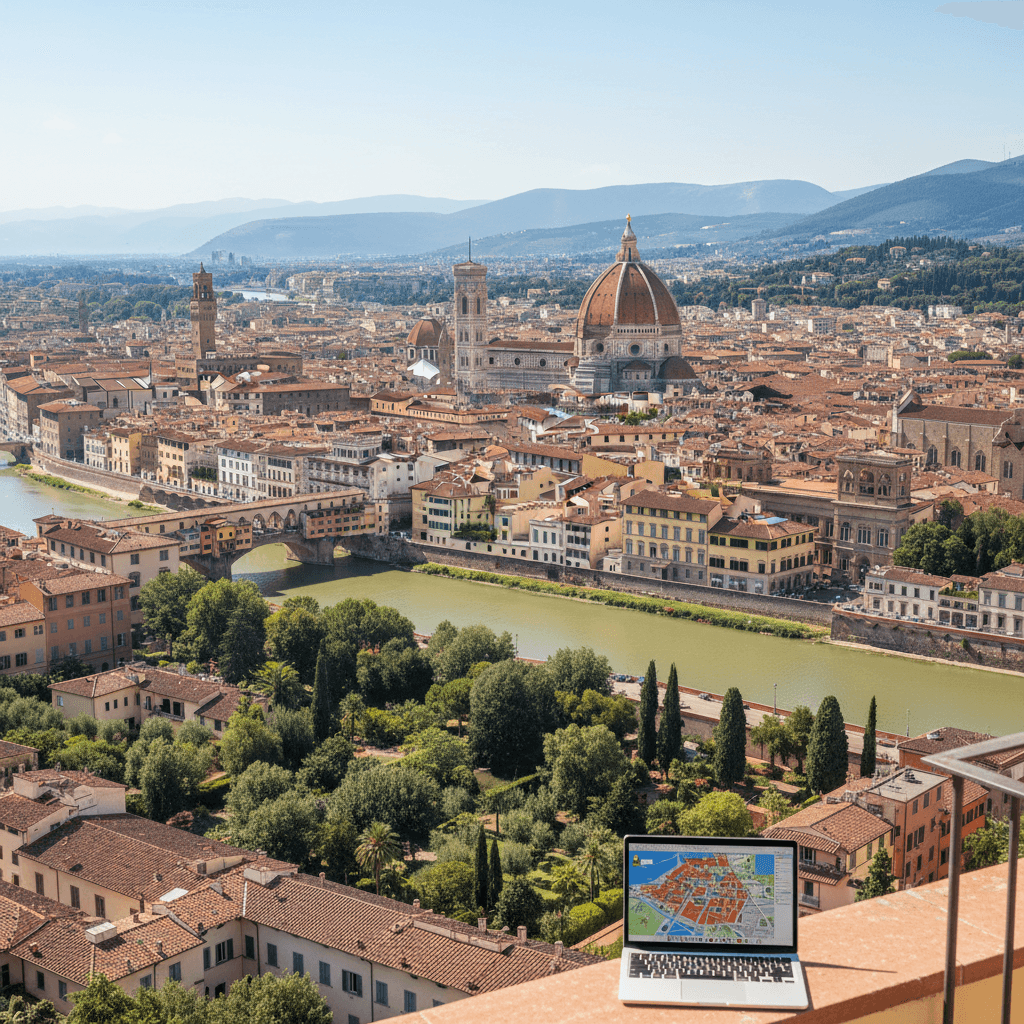
Florence feels like living inside a museum that still has to deal with scooter noise, espresso machines and laundry on balconies. Beautiful, yes, but also prickly. The center is insanely walkable, the architecture is absurdly good and the whole place has this calm, Tuscan rhythm that makes Milan feel frantic by comparison.
Nomads come here for the inspiration, the reliable WiFi and the creative crowd, then get hit with the practical stuff, crowds, prices and winter damp. The Duomo gleams, the Uffizi pulls you in and then you step outside into tourist bottlenecks, honking vans and the smell of panini grease drifting from the next street. Frankly, that mix is the point, though it can wear thin.
Budget snapshot:
- Budget: €1,500 to €2,000 a month, shared room, street food, cafe WiFi.
- Mid-range: €2,000 to €2,500, one-bedroom outside the center, trattorias, transport pass.
- Comfortable: €2,500+, Centro Storico studio, coworking, proper dinners, less compromise.
Centro Storico is the postcard version and it costs like one too, with one-bed places often starting around €900 and climbing fast. Santo Spirito and Oltrarno are where a lot of nomads actually want to be, because they feel lived-in, a little scruffy and full of artists, bars and market chatter, even if the streets get narrow and packed at night.
Best areas:
- Santo Spirito, Oltrarno: Creative, walkable, less touristy, €700 to €1,200 for a one-bed.
- Santa Croce: Energetic, central, restaurant-heavy, but louder and more touristy.
- Rifredi, Isolotto: Cheaper, greener, quieter, better if you want space over scene.
The internet scene, weirdly, is one of Florence’s better surprises. Fiber is common in cafes and coworkings like SmartHub, Studio72R and Impact Hub Florence and public FirenzeWiFi can get you through a workday if you’re not being picky, though a proper SIM from Vodafone, TIM or WindTre still makes life easier.
Safety is solid, but the area around Santa Maria Novella can get sketchy at night, especially when the station crowd thins out and the pavement feels sticky with summer heat or cold rain. The city’s charm is in the details, the clatter of glasses in tiny bars, church bells cutting through the afternoon, the smell of coffee and exhaust and that slightly smug feeling you get walking everywhere without needing a car.
Florence isn’t cheap and anyone telling you otherwise probably hasn’t paid market rent near the center. A solo nomad usually spends around €1,789 a month before rent and once you add a decent room, coffee, transport and the occasional trattoria lunch, the number climbs fast. That’s the real cost.
Centro Storico is the priciest, with 1BR places starting around €900 and climbing well past that if you want light, views or fewer tour groups under your window. Oltrarno and Santo Spirito are the sweet spot for many expats, with rents around €700 to €1,200 and Rifredi or Isolotto can dip closer to €650 to €800 if you don’t mind a longer ride in and a quieter street scene. Honestly, the center sounds romantic until you’re hearing scooter exhaust at 1 a.m. and paying for the privilege.
Food can be reasonable if you eat like locals do. Schiacciata, panini and street food usually run €3 to €7, a lunch at a mid-range trattoria is more like €15 to €25 and a nicer dinner can push past €40 pretty easily, especially once wine shows up. Coffee is still cheap enough, usually €1 to €2, which weirdly becomes one of the few daily costs that doesn’t sting.
Typical Monthly Spend
- Budget: €1,500 to €2,000, shared room, cafe WiFi, public transport, simple meals.
- Mid-range: €2,000 to €2,500, outer-neighborhood 1BR, trattorias, monthly bus pass.
- Comfortable: €2,500+, Centro Storico studio, coworking, better restaurants, less compromise.
Transport isn’t a budget killer, but it adds up if you’re lazy and honestly Florence rewards walking anyway. A monthly ATAF pass runs about €35 to €50, trams and buses are €1.70 for 90 minutes and most of the historic center is so compact you’ll just end up on foot, dodging scooters and the occasional church bell. Coworking is a bigger line item, with places like SmartHub or WeWork usually landing around €200 to €300 a month.
If you want to keep costs down, live outside the core and eat in the neighborhood instead of near the Duomo. FirenzeWiFi is free in many spots, cafes are decent for laptop time and SIM plans from Vodafone, TIM or WindTre can be surprisingly fair at €10 to €30 a month. The budget math gets ugly only when you insist on central rent and regular dinners out, which, surprisingly, is what a lot of people do in their first month.
Nomads
Santo Spirito and Oltrarno is where most nomads end up if they can swing it, because it feels lived-in, not staged for tour groups. The streets are narrow, scooters buzz by your window and the air smells like espresso, leather and dinner cooking at 8 p.m., which, surprisingly, helps you settle in fast.
- Rent: €700 to €1,200 for a 1BR
- Best for: Cafes, studios, bars, creative types
- Watch for: Narrow streets, higher night noise
Internet is solid in the center, honestly better than people expect, with fiber in many apartments and plenty of cafes where you can work off a cappuccino. SmartHub and WeWork are the easiest coworking bets if you want a desk that actually lets you focus, though €200 to €300 a month stings.
Expats
Santa Croce is the polished pick, close to the historic core, full of restaurants and expensive enough to make you think twice before signing a lease. It’s walkable and lively, but the tourist traffic gets old fast and frankly the noise can be annoying when summer windows are open.
- Rent: €1,000 to €1,500 for a 1BR
- Best for: Central living, dining out, easy sightseeing
- Watch for: Crowds, higher prices
If you want something quieter, Rifredi gives you more space for less money, plus greener streets and a calmer rhythm that feels far removed from the postcard center. It’s a better fit if you’re staying longer and don’t need the Duomo outside your door, because that convenience comes with a premium.
Families
Rifredi and Isolotto are the practical choices for families, because they’re cheaper, less chaotic and easier to live in when you’ve got strollers, grocery runs and kids who don’t care about Renaissance art. The tradeoff is distance, so you’ll use buses and trams more, but the monthly pass is around €35 to €50 and that helps.
- Rent: €650 to €800 for a 1BR equivalent
- Best for: Parks, space, quieter streets
- Watch for: Longer commutes into the center
The center can feel gorgeous for a week and then maddening, with traffic, crowds and church bells bouncing off stone all morning, so families usually prefer a neighborhood where life feels normal. You’ll still get good pharmacies, schools and decent transport, just without paying central Florence prices for every square meter.
Solo Travelers
Santa Maria Novella works if you want to be central and you’re fine with a little grit, because the station area is busy, noisy and a bit sketchier late at night than the postcard streets nearby. Pickpockets do hang around the train station, so keep your bag zipped and don’t drift around half-asleep after dark.
- Rent: Varies, often mid-range
- Best for: Easy arrivals, quick access to transit
- Watch for: Noise, station-area scams
If you’re mostly here to explore, it’s hard to beat being able to walk everywhere, grab a schiacciata for €4 to €7, then head back without messing with transport. The Duomo area is prettier, sure, but it’s also pricier and packed, so I’d only pay for it if you really want that view every morning.
Florence’s internet is better than people expect, honestly. In the center, fiber is common, public FirenzeWiFi can reach up to 500 Mbps a day and most nomads get by fine with cafe WiFi, coworking or a local SIM, though the connection can feel a little less polished than Milan. The bigger annoyance is crowds and noise, not bandwidth, so you’ll hear scooters buzzing, church bells and espresso cups clinking while you work.
Best coworking bets: SmartHub is the name that comes up most often, with hot desks and private options that usually land around €200 to €500 a month, while Impact Hub Florence is a reliable choice in the same rough range and Studio72R works if you want an alternative without the same corporate feel. The coworking scene, turns out, is one of the city’s strongest points, because you can leave the tourist crush behind and still stay within walking distance of the Duomo.
Most nomads mix coworking with cafes. 29th Parallel Coffee is a solid work spot, Caffè Rivoire is more central and a bit fancy and both are fine for a laptop session if you buy drinks and don’t hog the table all day, which, surprisingly, still works in Florence more often than you’d think.
What to expect
- Internet speed: Usually 16 to 101 Mbps, enough for calls, uploads and normal remote work.
- Public WiFi: FirenzeWiFi is free, handy and better than a lot of travelers assume.
- SIM cards: Vodafone, TIM and WindTre usually cost €10 to €30 a month for 20 to 100 GB.
- Best work areas: Santo Spirito, Oltrarno and Santa Croce, because they’ve got decent cafes and less station chaos.
The mobile setup is straightforward, though the paperwork can be annoying. Buy a SIM in-store or at the airport with your passport, then keep an eye on data caps because a video-heavy workday can chew through them faster than you'd expect, especially if you're bouncing between trains, museums and cafe seats.
Best neighborhoods for working: Santo Spirito and Oltrarno feel the most usable, with a creative crowd, walkable streets and fewer selfie sticks than the centro. Santa Maria Novella is convenient for transit, but it’s noisier and pickpocket-prone near the station, so I wouldn’t base myself there unless you really need the access. Rifredi is cheaper and calmer, though it’s a little less inspiring when the sky turns gray and damp.
Florence isn’t cheap. A coworking membership, a decent SIM and a central apartment can push your monthly bill up fast and that cold winter humidity gets into your bones when the WiFi’s great but the room heating isn’t. Still, if you want a city where you can answer emails after lunch under a faded palazzo and hear rain tapping on shutters, it does the job.
Florence feels safe in a very ordinary, reassuring way. You can walk home late through the center and hear scooters buzzing past stone walls, church bells and the usual tourist chatter, but petty theft still happens, especially around Santa Maria Novella station and the train area after dark.
Pickpockets are the main nuisance. Not violent crime. Keep your bag zipped, don’t leave a phone on a cafe table while you’re watching the street and be extra alert when crowds bunch up near the Duomo, the tram stops or on packed buses, where a quick hand can vanish into a jacket pocket, honestly, before you even notice.
Healthcare is straightforward and that matters when you’re dealing with a nasty cold, a sprained ankle or the kind of summer heat that leaves you sticky and slow. Azienda Sanitaria Firenze is the main hospital reference point, pharmacies are everywhere and marked by the green cross and most basic medical needs get handled without drama.
What to know
- Emergency numbers: Police 113, ambulance 118, fire 115.
- Pharmacies: Easy to find in every central neighborhood, many keep decent English-speaking staff.
- Hospital care: Generally high quality, with solid public services and private options if you want faster appointments.
- Common issue: Tourists and newcomers often underestimate the winter damp, which, surprisingly, can make you feel colder than the thermometer suggests.
If you’ve got a pharmacy problem, go there first, not to a clinic. Florentine pharmacists are used to giving practical advice for minor infections, allergies, stomach bugs and burns and they’ll tell you quickly if you need a doctor instead of wasting your afternoon in a queue.
Stay safer here
- Near Santa Maria Novella: Fine by day, less pleasant late at night, so use common sense and skip empty side streets.
- Centro Storico: Safe, but crowded and crowds make theft easier.
- Oltrarno: Usually calmer, though the narrower streets can feel dark and quiet after midnight.
- Rifredi: Low-key and residential, good if you want less street noise and fewer tourist headaches.
Travelers often say Florence’s biggest safety problem isn’t danger, it’s complacency. That’s fair, frankly, because the city feels so walkable and calm that people start loosening up too much, then a bag gets unzipped on a tram and they’re stuck replacing cards instead of enjoying dinner.
If you’re here for a month or longer, register where you’re staying, keep your passport locked away unless you need it and know the nearest pharmacy and clinic before you’re sick. Small habits matter here and they’re easy ones.
Florence is one of those cities where walking actually makes sense and most days you’ll want to stay on foot. The historic center is compact, the streets are noisy with scooter buzz, church bells, chatter and the occasional impatient horn and honestly the whole thing can feel like one long detour around a painting.
That said, it isn’t friction-free. The center gets crowded fast, especially around the Duomo and Uffizi, so a 15-minute stroll can turn into a slow shuffle behind tour groups and if you’re carrying groceries or crossing town in summer heat, that cobblestone grind gets old quickly.
Best Ways to Move Around
- Walking: The best default. Centro Storico, Santa Croce and Oltrarno are easy on foot, though the stones are uneven and some side streets feel narrow and a bit claustrophobic.
- Buses and trams: ATAF rides cost about €1.70 for 90 minutes, with monthly passes around €35, so they’re handy for longer hops or rainy days when you don’t want to trudge through damp streets.
- Bikes: RideMovi works well for short rides, with traditional bikes around €1.25 per 20 minutes and e-bikes about €0.30 per minute, which adds up fast if you’re lazy about docking.
- Scooters: BIT Mobility, Bird and TiMove are around, useful for quick cross-town runs, though traffic can feel chaotic and the tram tracks deserve respect.
Uber exists, but it’s more backup than daily habit. Most locals and expats just mix walking, trams and the occasional cab, because Florence is small enough that driving feels silly and parking is a headache you don’t need.
Neighborhood-to-Neighborhood
- Santo Spirito and Oltrarno: Best balance of walkability and sanity, with cafés, bars and a more local feel, though the streets can get tight and noisy at night.
- Santa Maria Novella: Super convenient for trains and central errands, but watch your bag near the station, especially after dark, because pickpockets do work that area.
- Rifredi and Isolotto: Better if you want space, slightly lower rents and less tourist mess, but you’ll use buses more often.
For airport runs, the T2 Vespucci tram is the cleanest option and it gets you between Peretola and the center for €1.70 in about 20 minutes. That’s the move, frankly, unless you’re arriving with too much luggage and no patience.
Florence is a place where a little Italian goes a long way, then the conversation usually switches to English in hotels, cafes and most coworking spots. Outside the center, though, don’t expect everyone to be fluent and honestly that’s part of the city’s charm and part of the friction.
Mainly, you need survival Italian, not poetry. Buongiorno, grazie and quanto costa? will get you through markets, taxis and small shops and people respond much better when you make the effort, even if your accent sounds rough around the edges.
The tone matters here. Florentines can be warm, but some are brisk and tourists often read that as snobby, which, surprisingly, is usually just local impatience with crowds and bad manners, not a personal attack.
What to expect
- English: Widely spoken in the center, tourist zones and hospitality jobs.
- Italian: Needed for rentals, utilities, doctors and anything bureaucratic.
- Translation apps: Google Translate helps a lot, especially for lease clauses and appointment emails.
- Menus: Often bilingual near Duomo, less so in quieter neighborhoods.
If you’re setting up life here, keep screenshots of addresses, codes and key phrases on your phone because front desks, pharmacies and landlords can move fast and the usual Florence soundtrack, scooters whining past, espresso cups clinking, church bells cutting through traffic, makes it easy to miss details.
For day to day communication, the city is friendlier than it first looks. The cashier at the market, the barista at Caffè Rivoire or the staff at SmartHub usually won’t mind a mix of English and Italian, though they’ll appreciate clear, direct questions more than long explanations.
Useful phrases
- Buongiorno: Good morning, good day.
- Grazie: Thanks.
- Quanto costa? How much does it cost?
- Parla inglese? Do you speak English?
- Dov’è...? Where is...?
One practical thing, Florence has a lot of older residents and family-run businesses, so speaking slowly and using simple words works better than trying to sound clever. Weirdly, a smile and a greeting often matter more than perfect grammar and that saves you from a lot of awkward back-and-forth.
If you’re here for a month or more, learn the basics early, because once you’re dealing with apartment issues, train delays or a pharmacy in a rainy November afternoon, the difference between “sort of understood” and “actually understood” is huge.
Florence feels best in spring and early autumn, when the light sits soft on the Duomo and the air still has a little bite at night. April to June and September to October are the sweet spots, with warm days, cooler evenings and enough sidewalk life to keep things interesting without the full tourist crush. Summer gets hot, crowded and oddly draining, while winter is cheaper but damp enough to make your bones complain.
June through August is dry, sunny and often sitting around 25 to 28°C, so yes, the weather looks perfect on paper, but the streets can feel baked by midday and the queue for everything gets long. The city smells like sunscreen, espresso and a little exhaust near the main roads and honestly, that mix gets old fast when you’re hauling a laptop in the heat. If you’re here then, plan early mornings, shaded lunches and long indoor work blocks.
Winter isn’t brutal, just dreary. November and December bring the rainiest stretch, about 73 to 117 mm and January can feel cold, damp and a bit smug about it, with wet pavement, chilly apartment tiles and gray light that lingers too long. It’s a decent season if you want lower rents and quieter museums, but don’t expect cozy charm every day, because some weeks just feel like a long, wet shrug.
Best Time by Travel Style
- For pleasant weather: April, May, September and October are the easiest months, with comfortable walking weather and fewer brutal afternoons.
- For lower prices: November through February usually brings better apartment deals, though the tradeoff is dampness and shorter, darker days.
- For the liveliest city feel: Late spring has the best balance of café life, outdoor dinners and enough buzz without feeling crushed by day-trippers.
- For work routines: Shoulder season is kinder to freelancers, because cafés aren’t packed shoulder to shoulder and you won’t melt on the walk home.
If you’re staying a month or more, I’d avoid peak summer unless you really love heat and queues, which, surprisingly, some people do. The city is walkable year-round, but Florence is at its best when you can stroll along the Arno without sweating through your shirt or dodging umbrellas and slick cobblestones. Spring and fall give you the right balance and that’s where most nomads settle once they’ve had one sticky July here.
Florence is easy to love and slightly annoying to live in. The center is compact, the streets smell like espresso, leather and warm schiacciata and you can cross town on foot, but the crowds around the Duomo and the Uffizi can get relentless, especially when tour groups clog the sidewalks and scooters keep buzzing past your knee.
Budget: not cheap. A solo nomad usually spends about €1,500 to €2,500 a month depending on rent and that jumps fast if you want a central flat, regular coworking or more than one proper dinner out each week, because Florentine rent is where most people get squeezed.
- Centro Storico: €900+ for a 1BR, central but crowded and pricey.
- Oltrarno, Santo Spirito: €700 to €1,200, creative, walkable and better value.
- Rifredi, Isolotto: €650 to €800, quieter and cheaper, though you’ll commute more.
- Meals: panini and street food €3 to €7, trattoria lunches €15 to €25, coffee €1 to €2.
The practical sweet spot for most nomads is Oltrarno, especially around Santo Spirito, because you get bars, studios, markets and a less touristy feel without giving up the river walk or the city center. Santa Croce has energy, though frankly it gets noisy and expensive, while Rifredi is calmer and works better if you care more about sleep than aperitivo scenes.
Internet: solid. Fiber is common in apartments and coworking spaces, public FirenzeWiFi can be surprisingly usable and cafes like 29th Parallel Coffee or Caffè Rivoire are fine for a few work hours if you buy something and don’t hog the table all day.
- Coworking: about €200 to €300 a month, with places like SmartHub, Studio72R and WeWork.
- SIM cards: Vodafone, TIM and WindTre usually run €10 to €30 a month for 20GB to 100GB.
- Transport: ATAF buses and trams are €1.70 for 90 minutes, a monthly pass is around €35.
- Airport: the T2 tram from Peretola is cheap and easy, no drama.
Safety is decent in the center, though the area near Santa Maria Novella station can feel sketchy at night, with the usual pickpocket nonsense and a lot of tired people dragging bags over cracked pavement. Florence’s healthcare is good, pharmacies are everywhere with the green cross and the bureaucracy, honestly, can be maddening if you’re trying to open accounts or sort paperwork in a hurry.
For money, use Wise or Revolut if you can, cash still gets you further than you’d expect and ATMs often spit out €100 notes when you’d really rather have smaller ones. Sundays can feel sleepy, church dress codes are real and if you’re heading to the Duomo or any basilica, cover your shoulders and knees or you’ll get turned away.
- Day trips: Pisa and Siena are easy by train.
- Apps: Idealista and Immobiliare.it for flats, RideMovi for bikes, TiMove or Bird for scooters.
- Customs: say buongiorno, don’t expect tipping and keep your voice down indoors.
Need visa and immigration info for Italy?
🇮🇹 View Italy Country GuideEasy Landing
Settle in, no stress
Monthly Budget Estimates
More cities in Italy
Salerno
🇮🇹 Italy
Padua
🇮🇹 Italy
Lecce
🇮🇹 Italy