Fethiye
🇹🇷 Turkey
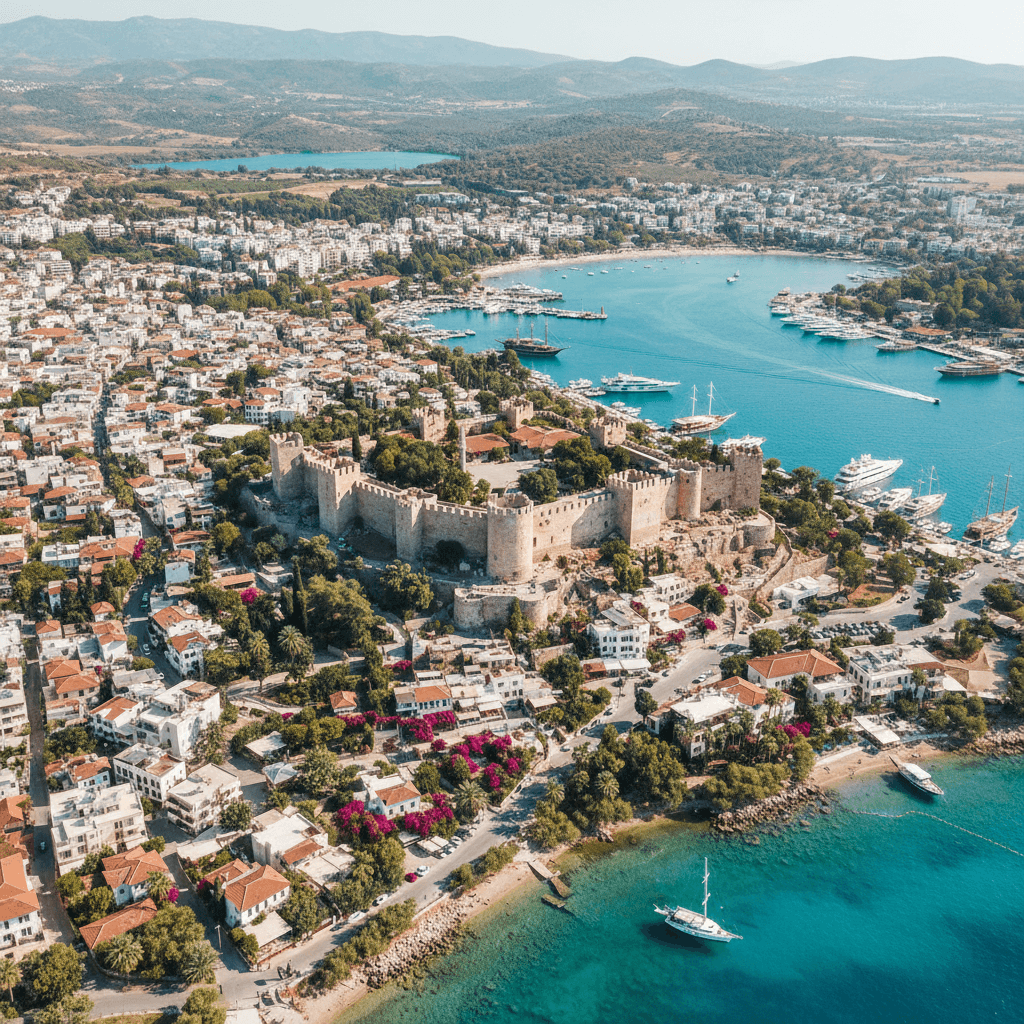
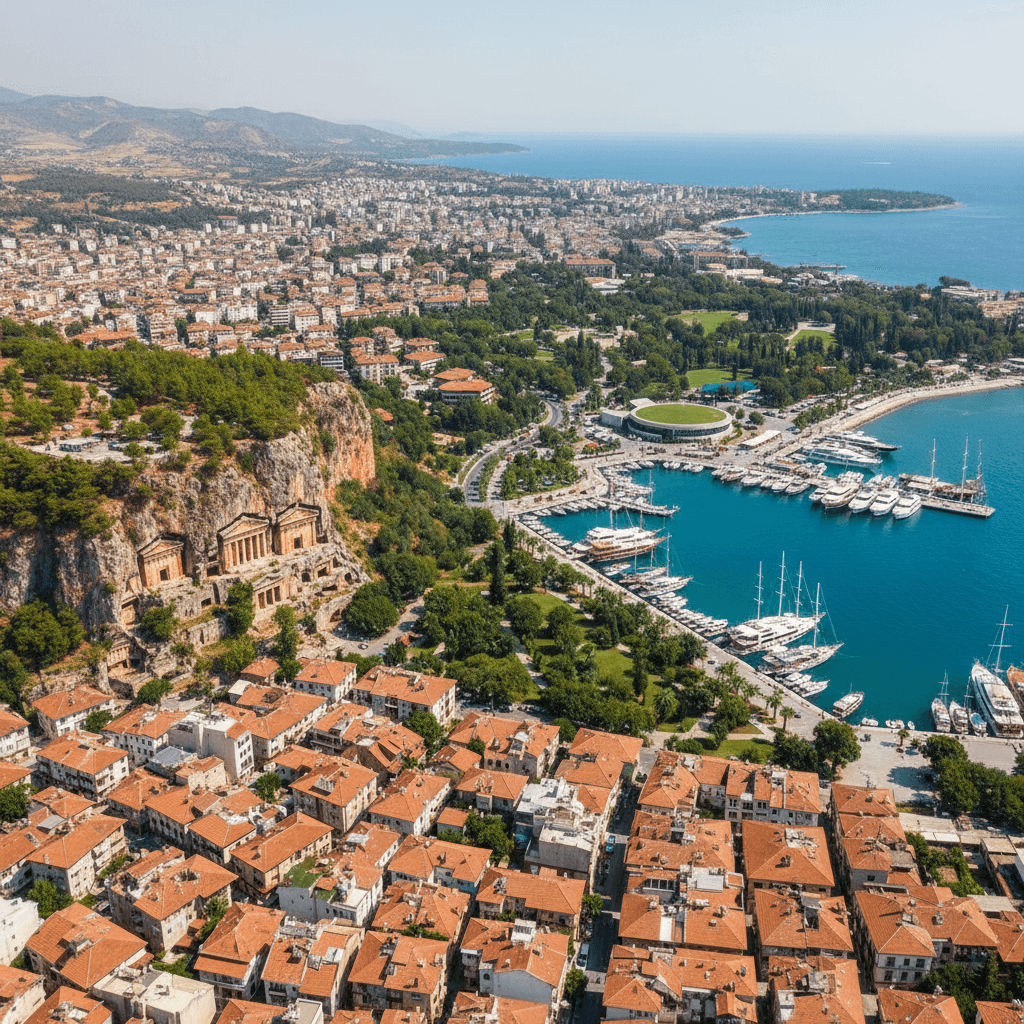
Fethiye isn't your typical high-octane digital nomad hub. While Istanbul pulses with a frantic energy, Fethiye breathes. It's a place where the morning commute might involve a short walk past 2,000-year-old Lycian rock tombs carved into the cliffs before you settle into a cafe overlooking a harbor full of wooden gulets. It feels more like a lived-in coastal town than a polished resort, striking a balance between traditional Turkish life and a modern, international community.
The vibe here is decidedly laid-back. You'll find a mosaic of Mediterranean warmth and a slow-motion pace of life that appeals to writers, solo entrepreneurs, and those recovering from burnout. About 1 in 20 residents are foreign, creating a welcoming atmosphere where English is widely spoken and finding a community is as easy as heading to the waterfront at sunset. It's the kind of place where locals remember your coffee order by the third day.
The Nomad Experience
Most nomads find the infrastructure surprisingly robust for a town of its size. Central areas and dedicated workspaces like Lokal or Hipokampus provide reliable fiber-optic internet and a steady supply of caffeine. However, travelers often say that the real magic happens away from the desk. You might spend your Tuesday afternoon paragliding over the Blue Lagoon in Ölüdeniz or hiking a section of the Lycian Way. The cost of living remains a major draw, with total monthly expenses often averaging around £650, significantly lower than what you'd pay in Europe or even Istanbul.
- The Highs: A thriving expat community, stunning natural scenery, affordable fresh seafood, and 300 days of sunshine.
- The Lows: Internet speeds can dip in more remote hillside rentals, and the town gets significantly quieter during the winter months of December through February.
Where to Plant Your Roots
Choosing a neighborhood in Fethiye depends on how much you value proximity to the sea versus proximity to a strong Wi-Fi signal.
Fethiye City Center
This is the heartbeat of the region. It's best for those who want to be near the Paspatur (Old Town) and the main harbor. You'll have the best access to coworking spaces and the central bus station for weekend trips.
Rent: Mid-range 1BR apartments around £600 to £800.
Çalış Beach
A long stretch of coastline popular with the remote work crowd. It's flatter and more walkable than other areas, with a constant sea breeze that makes the summer heat manageable. A quick £1 to £2 dolmuş ride gets you into the center.
Rent: Budget-friendly studios can be found for under £500.
Ölüdeniz & Hisarönü
These areas are closer to the iconic beaches and paragliding landing zones. While beautiful, they can feel a bit more "holiday mode" and tourist-heavy during peak season. Prices here tend to spike in the summer.
Rent: Comfortable villas or hotel stays often exceed £1,000 per month.
Life on the Ground
Getting around is simple thanks to the dolmuş, the local minibus system that connects the center to the beaches for just a few pounds. For longer distances, Dalaman Airport is about 45 minutes away, with shuttles costing roughly £10 to £15. When it comes to food, you can eat well on a budget. A quick kebab or a spread of meze at the local market usually runs between £3 and £5, while a high-end seafood dinner with a view of the Mediterranean might hit £20.
Socially, Fethiye is easy to crack. The nomad scene is active on Facebook groups and at the seafront cafes. Whether you're attending the Ölüdeniz Air Games in October or just grabbing a beer at a beach club, the community is open and unpretentious. It's a place that invites you to slow down, work efficiently, and spend your evenings watching the sky turn purple over the water.
The Bottom Line
Fethiye is a breath of fresh air for your bank account, especially if you're coming from Western Europe or North America. While Istanbul prices have climbed, this coastal stretch remains remarkably accessible. Most nomads find they can live a very comfortable, sun-drenched lifestyle for around £650 a month. It's the kind of place where you can treat yourself to a seaside dinner without checking your banking app first.
Monthly Housing Estimates
Your biggest variable will be proximity to the water and the time of year. If you're staying long-term, look for rentals in the shoulder seasons to lock in better rates.
- Budget Tier: Under £500. This usually gets you a shared apartment or a basic studio tucked away from the main tourist strips.
- Mid-Range: £650 to £900. This is the sweet spot for most remote workers. You'll find modern one-bedroom apartments in Çalış or Fethiye City Center with decent kitchens and balconies.
- Comfort Tier: £1,000+. This gets you into high-end territory, including boutique hotels, serviced B&Bs with Mediterranean views, or villas in Ölüdeniz.
Eating and Drinking
The food culture here is a major draw. You can eat like a king on a pauper's budget if you stick to local spots and markets. A quick lunch of Turkish kebabs or meze at a local shop will run you about £3 to £5. If you're heading out for a mid-range dinner of grilled fish or seafood, expect to pay between £8 and £15.
For those nights when you want to splurge on a sunset view at a high-end restaurant, you're looking at £20 or more per person. Groceries are affordable, especially if you shop at the local bazaars for fresh produce rather than relying solely on imported goods at the supermarkets.
Workspace and Connectivity
While many nomads work from beachside cafes for the price of a few coffees, dedicated coworking spaces are becoming the go-to for reliable fiber-optic speeds. Lokal in the city center is a favorite, with day passes ranging from £5 to £15. Another popular spot is Hipokampus, which offers great views and a solid community vibe. For mobile data, picking up a local SIM from Turkcell or Vodafone is easy; expect to pay £10 to £20 for a month of heavy data usage.
Getting Around
You don't need a car here. The dolmuş (minibus) system is incredibly efficient and connects the center to Çalış Beach and Hisarönü for just £1 to £2 per ride. If you prefer more independence, scooter rentals are common near the beaches for about £10 to £20 a day. When you first arrive at Dalaman Airport, a shuttle into town is roughly £10 to £15, while a private taxi will set you back about £30 to £40.
Neighborhood Cost Profiles
Fethiye City Center
- Rent: Moderate. Best for those who want to walk to Lokal and the bazaar.
- Vibe: Practical, central, and open year-round.
Çalış Beach
- Rent: Very affordable. A favorite for expats and those looking for multi-month Airbnb deals.
- Vibe: Relaxed, beachfront, and social.
Ölüdeniz
- Rent: High. Prices spike significantly during the summer months.
- Vibe: High-energy, tourist-heavy, and stunningly beautiful.
Choosing where to plant your flag in Fethiye depends entirely on your tolerance for tourist crowds and your need for a stable fiber optic connection. While the city is relatively compact, the vibe shifts dramatically between the harbor, the beach strips, and the hillside retreats. Most people get around using the dolmuş, those ubiquitous white minibuses that cost about £1 to £2 a ride, so you're never truly stuck in one spot.
For Digital Nomads and Solo Professionals
If you need to get actual work done, the Fethiye City Center is your best bet. This is where the infrastructure is most reliable. You'll find higher quality internet and the city's primary coworking hubs. Lokal is a favorite for its modern setup and membership options ranging from £5 to £15 a day. Another solid choice is Hipokampus, which lets you stare at the sea while you clear your inbox.
- The Vibe: Authentic, busy, and convenient. You're steps away from the fish market and the bazaar.
- Housing: Expect to pay around £650 to £900 for a decent one bedroom apartment.
- Connectivity: Best in the region; fiber optic is common in newer rentals.
- Social Life: High. It's easy to meet people at the coworking spaces or the harbor side cafes.
For Expats and Long-Term Residents
Çalış Beach has evolved into the primary hub for the international community. It's a bit more relaxed than the center but keeps you close to the action via a quick water taxi or bus ride. About 1 in 20 residents here are foreigners, so you won't struggle to find English speakers or international grocery items. It's particularly popular because the promenade is flat and walkable, unlike the hilly outskirts.
- The Vibe: Laid back beach life with a strong sense of community.
- Housing: Very affordable. You can often find basic studios or shared setups for under £500 a month if you look slightly inland from the beach.
- Dining: Plenty of mid range seafood and grilled fish spots where a meal costs £8 to £15.
- Daily Life: Great for those who want a sunset walk every evening without the frantic energy of the downtown core.
For Families and Outdoor Adventurers
If you're coming with a crew or you're here specifically for the paragliding and the Blue Lagoon, Ölüdeniz and Hisarönü are the go to spots. Ölüdeniz is world famous for its turquoise waters, while Hisarönü sits on the plateau above, offering slightly cooler air during the sweltering 35°C summer peaks. These areas feel more like resorts, but they offer easy access to the start of the Lycian Way hiking trail.
- The Vibe: High energy, tourist centric, and incredibly scenic.
- Housing: Pricier and more seasonal. Comfortable villas or hotels with views often start at £1,000 per month and climb quickly in the summer.
- Activities: Paragliding, boat tours, and easy beach access.
- Trade-offs: It can feel a bit "tourist bubble" and the internet can be spotty in the more remote hillside villas.
For Solo Travelers and Budget Seekers
Solo travelers often gravitate back toward the City Center or the fringe of Çalış. The ease of meeting people in the center's bars or through the active Facebook and InterNations groups makes it less lonely. Street food like kebabs and meze are everywhere, costing only £3 to £5, which keeps the daily budget low. If you're staying for a while, grab a local SIM from Turkcell or Vodafone for about £15 to stay connected while you're exploring the ruins or lounging at the beach clubs.
Connectivity and Speed
Fethiye has come a long way from being a sleepy fishing village. In the city center and popular hubs like Çalış Beach, you'll find reliable, high quality internet that handles video calls and heavy uploads without breaking a sweat. Most modern rentals and Airbnbs now come equipped with fiber optic connections, though it's always smart to ask for a speed test screenshot before you book a long term stay.
The main trade off for Fethiye's relaxed pace is the occasional evening slowdown. When the sun goes down and everyone returns from the beach to stream movies, speeds in residential areas can dip. If you're heading further out to remote spots or mountain retreats, don't expect much more than basic browsing speeds. Stick to the central districts if your job requires consistent 20-50 Mbps stability.
Top Coworking Spaces
While Fethiye doesn't have the sheer volume of workspaces you'll find in Istanbul, the options available are high quality and offer a great sense of community. Most nomads congregate at two main spots:
- Lokal: Located right in the heart of the city, this is the go to for serious deep work. It's modern, air conditioned, and offers various membership tiers. You can grab a day pass for roughly £5 to £15 depending on your needs. It's a great place to network with solo entrepreneurs and writers.
- Hipokampus: This is the spot for those who want a view with their spreadsheets. Situated near the seafront, it balances a professional environment with that quintessential Mediterranean vibe. It's particularly popular with the digital nomad crowd and often serves as the unofficial headquarters for local meetups.
The Cafe Office Culture
If you prefer the hum of a coffee shop, Fethiye has a thriving cafe culture. Many spots along the harbor and Çalış Beach are used to seeing laptops. The unwritten rule here is simple: order a coffee or a snack every few hours and you're usually welcome to stay. Just keep an eye out for "No Laptop" signs during busy weekend brunch hours.
For the best experience, look for places with "WiFi" stickers in the window. The connection in these beachside cafes is usually strong enough for emails and Slack, but maybe not for a high stakes presentation. Always have a backup plan for your most important meetings.
Mobile Data and SIM Cards
Don't rely solely on public WiFi. Local SIM cards from Turkcell or Vodafone are affordable and the 4G/LTE coverage across the Muğla province is excellent. Turkcell generally offers the best coverage if you plan on hiking the Lycian Way or taking boat trips.
- Physical SIMs: You can pick these up at the airport or in city center shops. Expect to pay between £10 and £20 for a monthly package with plenty of data. Remember to bring your passport for registration.
- e-SIMs: Apps like Airalo are a favorite for nomads who want to be online the second they land. They're convenient but often slightly more expensive per gigabyte than a local physical card.
- Data Speeds: In the city center, you'll often see mobile speeds hitting 30-40 Mbps, making it a perfectly viable hotspot backup if your apartment WiFi flutters.
Practical Tech Tips
Turkish power outlets are Type F (two round pins), the same as most of Europe. If you're coming from the UK or North America, you'll need an adapter. Power outages aren't frequent, but they do happen occasionally during heavy winter storms. Most coworking spaces have backup generators, but if you're working from a rental, keeping a charged power bank for your phone and a decent battery life on your laptop is a smart move. Most nomads find that a combination of a Lokal membership and a Turkcell SIM provides a bulletproof setup for a productive season in the sun.
Personal Safety and Local Vibes
Fethiye is one of those rare places where you can actually feel the stress leave your body the moment you drop your bags. It is remarkably safe, even by Mediterranean standards. The crime rate is very low, and the community is tight knit. You will often see locals leaving their shop doors open or bikes leaned against a wall without a second thought. For solo travelers and nomads, this creates a welcoming environment where you can focus on your work rather than clutching your bag in a crowd.
While there are no specific no go zones to worry about, common sense still applies in the busier tourist hubs like the Fethiye City Center or Hisarönü at night. Pickpocketing is rare but not impossible during the peak summer months when the crowds swell. Most nomads find that the biggest safety "risk" is simply the uneven cobblestones or the occasional stray dog, though the local pups are generally well fed, tagged, and friendly neighbors.
Healthcare Infrastructure
If you need medical attention, you are in good hands. Fethiye serves as a regional hub for healthcare in the Muğla province, so the facilities are more modern than you might expect for a coastal town. There are several private hospitals, such as Letoon Hospital and Lokman Hekim Esnaf Hospital, which are popular with the expat community. Many of the doctors and administrative staff at these private facilities speak excellent English, making the process much smoother for those who haven't mastered Turkish yet.
For minor issues, look for an Eczane (pharmacy). Turkish pharmacists are highly trained and can often provide consultations or suggest over the counter treatments for common ailments like "Pharaoh's Revenge" or sun exposure. They are easy to spot by the glowing red "E" signs. Keep in mind that on Sundays, pharmacies operate on a rotation system called Nöbetçi Eczane. You can find out which one is open by checking the list posted on the door of any closed pharmacy.
Emergency Contacts and Insurance
Turkey has streamlined its emergency services into a single universal number. Whether you need an ambulance, the police, or the fire department, just dial 112. Operators can usually route you to an English speaker if you stay on the line. Most digital nomad visas and residency permits require you to have valid health insurance, but even if you are just passing through on a tourist visa, having a policy that covers private hospital visits is a smart move. Out of pocket costs at private clinics are affordable compared to US or UK prices, but they can still add up if you require specialized care.
- Universal Emergency Number: 112
- Local Police (Polis): 155
- Gendarmerie (Jandarma - for rural/beach areas): 156
- Coast Guard: 158
Practical Health Tips for Nomads
The Mediterranean sun is no joke, especially between June and August when temperatures regularly hit 35°C. Heat exhaustion is the most common health complaint among newcomers. Stay hydrated and try to schedule your deep work sessions during the peak heat of the afternoon in air conditioned spots like Lokal or Hipokampus.
While the tap water in Fethiye is generally safe for showering and brushing your teeth, most expats and locals prefer bottled water for drinking. You can have large 19 liter carboys delivered to your apartment for about £2 to £4, which is much more sustainable and cheaper than buying small plastic bottles daily. If you are hiking the Lycian Way or exploring the ruins, always carry more water than you think you need, as the trails can be rugged and shaded spots are few and far between.
The Dolmuş Life
In Fethiye, the transit system revolves around the dolmuş. These shared minibuses are the lifeblood of the region, running on fixed routes that connect the city center to Çalış Beach, Hisarönü, and the Blue Lagoon in Ölüdeniz. You'll recognize them by the destination signs in their windows; just wave one down from the side of the road and hop in. Expect to pay around 20-30 TL (~£0.50-£0.75) per ride, often via Muğla Kent Kart. It's an affordable, reliable way to get around, though they can get packed during the peak summer heat.
Most nomads find the dolmuş system intuitive once they've done it a couple of times. You usually pay as you board or right before you get off. If you're staying in the center, you can often reach the main bazaar and the harbor on foot, but the dolmuş is your ticket to the better swimming spots and the mountain villages without needing a car.
Taxis and Ride-Hailing
For late nights or grocery hauls, taxis are plentiful. You'll find yellow taxi stands scattered throughout the city, often equipped with a buzzer you can press to call a cab to your location. While Turkey has its own apps like BiTaksi, which is the most reliable option in the tourist zones here. They provide a predictable price range and save you the trouble of explaining your destination in broken Turkish.
Short trips within the city center are inexpensive, but prices climb if you're heading out to the resorts. A trip from the center to Çalış Beach or the hills of Hisarönü is usually reasonable, but always ensure the meter is running or agree on a price before the wheels start turning.
Two-Wheeled Freedom
If you prefer more autonomy, renting a scooter or an e-bike is a popular choice among the expat community. It's the best way to bypass traffic during the busy July and August months. Rental shops are everywhere near the beaches, with daily rates typically ranging from £10 to £20.
- Bicycles: The promenade between Fethiye center and Çalış Beach is flat and scenic, making it perfect for a morning bike ride.
- Scooters: Ideal for reaching the Lycian ruins or Kayaköy (the Ghost Village) without waiting for a bus.
- Walking: The city center is highly walkable, especially around the marina and the old town (Paspatur). However, the terrain gets hilly very quickly once you move inland toward the residential areas.
Arriving and Departing
Dalaman Airport (DLM) is the primary gateway, located about 45 minutes away from the city. You have a few choices depending on your budget and how much luggage you're hauling. Most nomads recommend the Havaş or Muttaş shuttle buses; they're timed with domestic flights and cost roughly £10 to £15.
If you want door-to-door service, a private transfer or a taxi will set you back about £30 to £40. It's a smooth drive through the mountains, and many local companies allow you to book these online in advance. Once you're in the city, the central bus station (Otogar) serves as the hub for long-distance coaches if you're planning weekend trips to Antalya or Kaş. These large buses are surprisingly high-end, often featuring Wi-Fi and snack service.
Practical Transit Tips
- Cash is King: While some shops take cards, you'll need small Turkish Lira notes for the dolmuş and many smaller taxis.
- Offline Maps: Download the Fethiye area on Google Maps. While the main roads are straightforward, the winding streets in the hills can be confusing for newcomers.
- Timing: During the height of summer, the dolmuş runs frequently until late at night. In the winter off-season, schedules thin out significantly, so plan your grocery runs accordingly.
The English Advantage
One of the biggest draws for remote workers in Fethiye is how effortlessly you can get by without knowing a word of Turkish. Because of a long standing history with British expats and a massive influx of international tourists, English is widely understood in the city center, Çalış Beach, and nearly every cafe you will visit. You will find that storefront signs, menus, and even local government notices often have English translations.
While you won't struggle to order a coffee or negotiate a monthly rate at a guesthouse, the linguistic landscape changes as you head into the mountains or smaller villages like Kayaköy. In these areas, gestures and a smile go a long way. Locals are incredibly patient and famously hospitable; they are more likely to invite you for tea than to be frustrated by a language barrier.
Mastering the Basics
Even though you can survive on English alone, learning a few Turkish phrases is the fastest way to transition from a tourist to a respected member of the local community. It shows you aren't just passing through. Start with these essentials:
- Merhaba: Hello (Your most used word)
- Teşekkürler: Thank you (Pronounced te-she-kur-ler)
- Ne kadar?: How much? (Useful at the Tuesday market)
- Hesap, lütfen: The bill, please
- Tamam: Okay or understood
Nomads living here for a few months often recommend downloading the Turkish offline pack on Google Translate. It is a lifesaver for reading ingredient labels at the Migros supermarket or communicating specific needs at a pharmacy. For those wanting to go deeper, Duolingo has a solid Turkish course that helps with the unique vowel harmony found in the language.
Communication Style and Social Etiquette
Communication in Fethiye is warm and often indirect. A transaction at a local shop isn't just a swap of cash for goods; it is a social interaction. Don't be surprised if a shopkeeper asks where you're from or how you like the weather. It isn't prying; it's just the Mediterranean way. If you're invited for çay (tea), it's polite to accept at least one glass, even if you're in a hurry.
Digital nomads often find that the "language" of the city is best learned at coworking hubs like Lokal or Hipokampus. Since about 1 in 20 residents is a foreigner, you'll hear a mix of Turkish, English, and Russian in these spaces. It's a true melting pot where networking happens naturally over a shared table or a sunset beer at Çalış Beach.
Connectivity and Digital Tools
Staying connected is rarely an issue in the central districts. Most rentals and cafes offer stable WiFi, though speeds can dip during the peak summer evenings when the tourist crowds are at their highest. For your phone, grab a local SIM from Turkcell or Vodafone. You can expect to pay around £10 to £20 for a monthly package with plenty of data. If you prefer to hit the ground running, an e-SIM via Airalo works perfectly for your first few days until you can visit a physical shop in the Fethiye bazaar to get a cheaper local rate.
For navigating the city's transport, keep BiTaksi on your phone. While the dolmuş (minibus) is the most authentic and affordable way to get around for £1 or £2, having a ride-hailing app provides a safety net when you're heading home late from a dinner in the hills of Hisarönü.
The Mediterranean Sweet Spot
Fethiye thrives on a classic Mediterranean rhythm, boasting around 300 sunny days every year. For nomads, this means your "office" view stays bright and blue for the vast majority of your stay. The climate here is the primary draw, allowing for a lifestyle that prioritizes the outdoors, from morning swims at Çalış Beach to sunset paragliding off Babadağ mountain.
The peak summer months of July and August are undeniably hot. Temperatures frequently climb above 35°C (95°F), and the humidity can make deep work sessions a challenge if you aren't parked next to an AC unit. During this window, the city fills with holidaymakers, and prices for short term rentals in Ölüdeniz or the city center often spike. Most long term residents suggest shifting your schedule to early mornings or late evenings to avoid the midday glare.
The Nomad Goldilocks Zone
If you want the perfect balance of manageable weather and a social atmosphere, aim for the shoulder seasons. May, June, September, and October are widely considered the best months to be in Fethiye. During these windows, temperatures hover comfortably between 25°C and 30°C.
- Spring (May to June): The landscape is lush from winter rains, the Lycian Way hiking trails are manageable, and the sea is finally warm enough for swimming.
- Autumn (September to October): This is the local favorite. The scorching heat breaks, but the Mediterranean retains its warmth. It is also the season for the Ölüdeniz Air Games, where the sky fills with paragliders.
- The Social Factor: These months are when the nomad community is most active at spots like Lokal or Hipokampus, before the winter quiet or the summer tourist rush sets in.
Wintering in Fethiye
From December through February, Fethiye enters a sleepy phase. Temperatures drop to a cool 10°C to 18°C, and this is when the region gets the bulk of its rainfall. While it never gets truly "cold" by Northern European standards, the dampness can feel biting because many Turkish apartments are built for summer cooling rather than winter heating.
Expats who stay year round often recommend looking for rentals with "kat kaloriferi" (floor heating) or high quality heat pumps. The upside of a winter stay is the cost. You can often find a central 1BR apartment for £400-600 a month; high-end villas £800+, as landlords look to fill space during the off season. Just be aware that many beachside cafes in Çalış or Hisarönü shut down completely until April.
Seasonal Planning Checklist
- Pack for layers: Even in May or October, the transition from a sunny afternoon to a breezy evening by the harbor can be sharp.
- Book early for Summer: If you must visit in July, lock in your accommodation at least three months out to avoid the £1,000+ monthly rates seen in peak season.
- Check the festival calendar: If you enjoy a crowd, time your arrival for the Fethiye Culture and Arts Festival in the spring to see the city at its most vibrant.
- Monitor the rain: If you are planning to hike the Lycian Way, avoid January and February when trails can become muddy and dangerous.
Getting Connected
You won't have much trouble staying online in the city center. Most nomads find the internet speeds at local rentals and cafes more than enough for video calls and heavy uploads. Fiber optic is becoming the standard in newer apartment blocks. If you need a dedicated desk, Lokal in the city center is the go to spot for a modern office vibe with daily passes around £5 to £15. For those who prefer a view, Hipokampus sits right on the seafront and is a magnet for the remote work crowd.
For mobile data, grab a SIM card from Turkcell or Vodafone. You can find shops all over town, and a monthly plan with plenty of data usually runs between £10 and £20. If your phone supports it, an e-SIM via Airalo is a quick way to get data the moment you land, though local physical SIMs generally offer better value for longer stays.
Cost of Living
Fethiye is significantly easier on the wallet than Istanbul or the major European hubs. Most expats find they can live comfortably on about £650 a month, though your housing choice will be the biggest variable. Here is a breakdown of what to expect for monthly rentals:
- Budget: Under £500 for a shared house or a basic studio away from the water.
- Mid-range: £650 to £900 for a one bedroom apartment in popular areas like Çalış.
- Comfortable: £1,000+ for premium villas or boutique hotels with Mediterranean views.
Eating out is a highlight here. You can grab a quick kebab or a spread of meze for £3 to £5. A nice dinner featuring grilled fish or local seafood usually costs between £8 and £15, while the high end spots overlooking the harbor might run £20 or more per person.
Choosing Your Neighborhood
Your experience in Fethiye changes depending on which pocket of the coast you call home. Each area has a distinct personality and price point.
Fethiye City Center
- Best for: Digital nomads and solo travelers who want to be near the action.
- Pros: Walking distance to the bazaar, the best coworking spaces, and reliable high speed internet.
- Cons: It is busier and louder than the beach suburbs.
Çalış Beach
- Best for: Expats and long term remote workers.
- Pros: More affordable Airbnbs, a massive community of foreigners, and beautiful sunsets.
- Cons: It gets very crowded with tourists during the peak summer months.
Ölüdeniz
- Best for: Adventure seekers and families.
- Pros: Home to the Blue Lagoon and world class paragliding.
- Cons: Prices spike in the summer and it feels more like a resort town than a living space.
Getting Around
The dolmuş is your best friend here. These local minibuses run constantly between the city center, Çalış, and Ölüdeniz for about £1 to £2 per trip. They are reliable and easy to use once you figure out the routes. For more flexibility, you can rent a scooter or bike for £10 to £20 a day, which is perfect for exploring the coastline.
If you are coming from Dalaman Airport (DLM), the 45 minute trip usually costs around £30 to £40 by taxi, or you can hop on a shuttle for roughly £10. Within the city, use the BiTaksi app to call a cab with a transparent price.
Safety and Health
Fethiye is remarkably safe with a very low crime rate. You will see people walking alone late at night without a second thought. For health needs, pharmacies (Eczane) are everywhere and can help with minor issues. If you need a doctor, there are modern private hospitals in the city that meet international standards. In any emergency, dial 112 for help.
Language and Culture
While Turkish is the official language, English is widely spoken because about one in twenty residents is a foreigner. You will have no trouble ordering food or negotiating a lease. Learning a few basics like Merhaba (Hello) and Teşekkürler (Thanks) goes a long way with the locals, who are famously hospitable. Use Google Translate with the offline Turkish pack for those rare moments when communication stalls.
Need visa and immigration info for Turkey?
🇹🇷 View Turkey Country GuideEasy Landing
Settle in, no stress
Monthly Budget Estimates
More cities in Turkey
Konya
🇹🇷 Turkey
Adana
🇹🇷 Turkey
Mersin
🇹🇷 Turkey