Essaouira
🇲🇦 Morocco
The Windy City’s Creative Pull
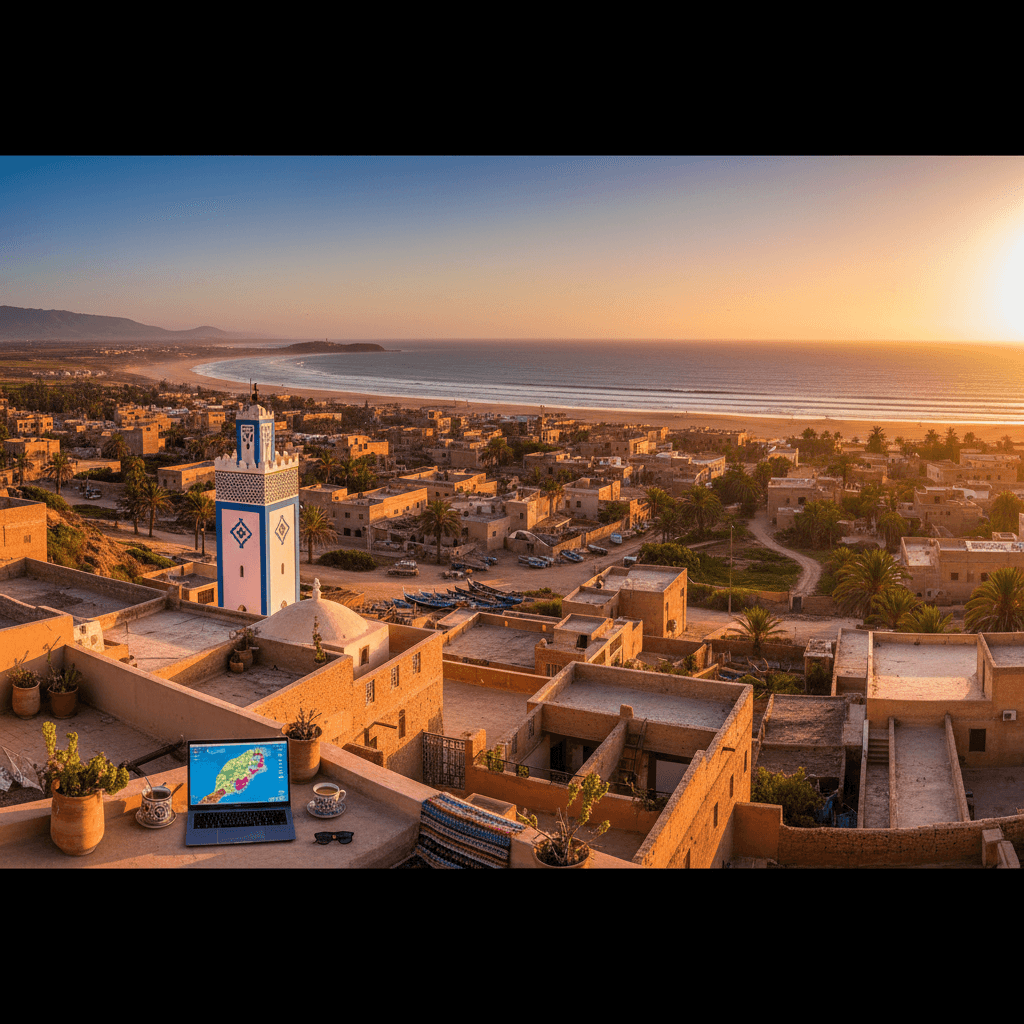
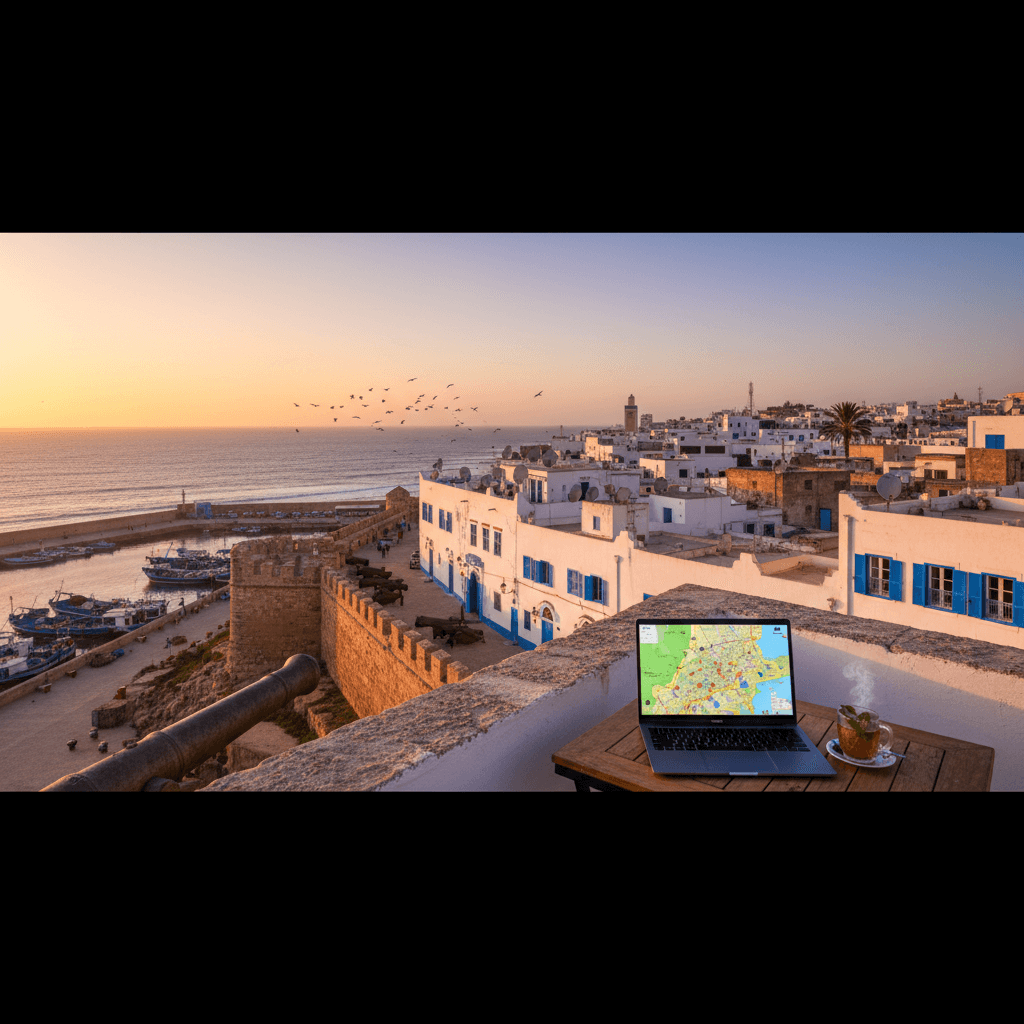
If Marrakech is Morocco’s high-octane engine, Essaouira is its deep, salt-crusted breath. Known as the Wind City of Africa, this coastal enclave trades the frantic pace of the interior for a slow-motion rhythm that revolves around the tides and the Atlantic breeze. It is a place where the morning starts with the smell of roasting coffee and grilled sardines, and the workday usually ends with a sunset walk along the beach dunes. For digital nomads, the appeal lies in this specific brand of tranquility; it’s a town that encourages deep work during the day and artistic wandering by night.
The vibe here is bohemian and unpretentious. You’ll find world-class kitesurfers sharing café tables with traditional woodworkers and European expats who came for a weekend and stayed for a decade. While it’s undeniably Moroccan, the whitewashed walls and blue shutters give it a Mediterranean feel that sets it apart from the red-clay aesthetics of the south. It’s the kind of place where you can find a quiet corner in a centuries-old riad to take a Zoom call, then spend your lunch break watching the blue fishing boats unload their catch at the port.
Living Costs & Nomad Budgets
Essaouira remains one of the most affordable coastal destinations for remote workers. Most nomads find they can live comfortably on about $812 to $1,200 per month, though your choice of neighborhood and dining habits will shift those numbers. Local street food and market produce are incredibly cheap, while a mid-range dinner at popular spots like Taros Rooftop or Ocean Vagabond will usually run you between $5 and $10.
- Budget Tier ($800 to $1,200): Includes a modest apartment in a residential area like Azlef, cooking mostly at home, and using local transport or walking.
- Mid-Range Tier ($1,200 to $1,800): Allows for a private riad in the Medina, daily café working sessions, and frequent dinners out.
- Comfortable Tier ($2,000+): Covers a high-end beachfront apartment, upscale dining, regular surfing lessons, and weekend trips to Marrakech.
Where to Set Up Base
Choosing a neighborhood depends on how much you value silence versus convenience. The Medina is the heart of the action. It is entirely walkable and puts you steps away from the best coffee shops and souks. It’s vibrant and social, but the stone buildings can get chilly and the street noise is a constant companion. If you’re looking for a shorter stay or your first time in town, this is where you want to be.
For those staying a few months, Azlef or Borj are the go-to residential choices. These areas are quieter, more modern, and offer significantly lower rent than the Medina. If you prefer a view of the Atlantic, the Beachfront/Dunes area is popular with families and long-term expats who want easy access to the water and yoga studios, though it feels a bit more removed from the traditional culture of the old town.
The Digital Infrastructure
Internet reliability has improved significantly, with speeds often reaching 47 to 90 Mbps. However, the thick stone walls of Medina riads can be notorious Wi-Fi killers. Most nomads gravitate toward Noqta Space, a dedicated coworking riad that offers high-speed fiber, a rooftop terrace, and a built-in community for around $100 to $200 a month.
The café culture is equally welcoming to laptops. You’ll see plenty of people working from Sisterhood Cafe, L’Atelier, or Mama Lova. For mobile data, locals recommend grabbing a SIM from Orange or Inwi upon arrival, or using Airalo for an immediate eSIM connection. Just keep in mind that the Atlantic wind is no joke; even in July and August, you’ll want a light jacket for when the sun dips and the "Alizé" winds pick up.
Social Life and Safety
Essaouira is exceptionally safe, even for solo female travelers. The community is tight-knit and people generally look out for one another. That said, it is a conservative town. Wearing modest clothing that covers shoulders and knees is the best way to respect local norms and avoid unwanted attention. Socializing happens naturally at the beach, in the surf shops, or through local nomad meetups and events and local Facebook groups. It isn't a party town; nightlife is more about live Gnaoua music and rooftop cocktails than late-night clubs, which suits the town’s laid-back, creative spirit perfectly.
The Bottom Line
Essaouira is one of the most budget-friendly coastal hubs for remote workers in North Africa. Most digital nomads find they can live comfortably here for around $812 per month, though your lifestyle choices will dictate where you fall on the spectrum. If you are sticking to a strict budget, you can get by on $800 to $1,200. Those looking for a mid-range experience with more frequent cafe visits and a nicer apartment usually spend between $1,200 and $1,800. For $2,000+, you are looking at a high-end lifestyle with a beachfront riad and upscale dining every night.
Cost by Neighborhood
Where you drop your bags has the biggest impact on your monthly burn rate. The Medina is the heart of the action, but you pay for the convenience of being steps away from the souks and the port.
The Medina
- Rent: This is the priciest area for short-term stays. You are paying for the aesthetic of traditional riads and the convenience of being in a car-free zone.
- Vibe: Best for solo travelers and nomads who want to be near Noqta Space and the best cafes. It is lively and loud, but everything is walkable.
Beachfront and The Dunes
- Rent: Slightly more affordable for long-term stays than the Medina heart. You will find more modern apartments and villas here.
- Vibe: Popular with expats and families. It is much quieter, perfect for sunset yoga and long beach walks, though it is a longer trek to the central shops.
Azlef or Borj
- Rent: This is where the real savings are. These residential areas are much cheaper than the tourist-heavy zones.
- Vibe: Great for long-termers who want more space and a local feel. It is less "vibrant" than the Medina, but your dollar goes significantly further.
Daily Expenses and Lifestyle
Eating out is a highlight here because it rarely breaks the bank. You can grab street food for a few dollars, or head to popular spots like Ocean Vagabond or Taros Rooftop where a solid meal runs between $5 and $10. Fresh seafood at the port is a must, though prices there can fluctuate based on the daily catch.
For your workstation, a monthly pass at a coworking space like Noqta Space typically costs between $100 and $200. If you prefer the cafe-hop method, places like L’Atelier Café and Sisterhood Cafe offer reliable WiFi for the price of a coffee. Just keep an eye on your data; while speeds hit 47 to 90 Mbps in the Medina, they can dip in residential outskirts. Most nomads pick up a local Orange or Inwi SIM card or use Airalo for immediate connectivity.
Getting around is nearly free if you like to walk. Since the Medina is pedestrian-only, you won't spend much on transport unless you take a "petit taxi" to the outskirts, which usually costs between $1 and $3 per ride. For arrivals, a taxi from the airport to the center takes about 20 minutes and costs roughly $10 to $20.
Practical Money Tips
- Banking: Use Wise or Revolut to avoid heavy foreign transaction fees. There are plenty of ATMs scattered throughout the Medina.
- Tipping: A 10% tip is standard at cafes and restaurants.
- Insurance: Many nomads use SafetyWing, which costs about $56 for four weeks of coverage while in the country.
- Housing: Check Facebook groups for long-term deals, as Airbnb prices are significantly higher than local rates.
The Medina: For Nomads and Solo Travelers
If you want to be in the thick of the action, the Medina is your home base. This is the historic heart of the city, a car free maze of whitewashed alleys and blue doors where you'll find the highest concentration of cafes and community. Most solo travelers choose this area because everything is walkable; you can grab a coffee at Sisterhood Cafe, head to a session at Noqta Space, and finish the day with sunset drinks at Taros Rooftop without ever needing a taxi.
- The Vibe: Energetic, historic, and social. You'll hear the call to prayer, smell grilled sardines, and likely bump into the same group of nomads every morning.
- Housing: Mostly traditional riads and renovated Airbnbs. It's the most expensive area for short term stays, but the convenience is hard to beat.
- Internet: Reliable at established coworking spots like Noqta Space, though thick stone walls in older riads can sometimes mess with your private WiFi signal.
Beachfront and The Dunes: For Expats and Slow Travelers
South of the Medina, the city opens up into a long stretch of coastline known for its dramatic dunes and constant Atlantic breeze. This area attracts expats and long term travelers who prioritize space and tranquility over being near the souks. It's much quieter here, making it perfect if you're the type who starts the day with yoga or a long walk on the sand before opening your laptop.
- The Vibe: Breezy, relaxed, and modern. It feels less like a medieval fortress and more like a coastal retreat.
- Housing: Modern apartments with sea views and larger balconies. Prices are often more competitive than the Medina for monthly stays.
- Best For: Those who don't mind a 15 to 20 minute walk or a quick $1 to $2 taxi ride into the center for dinner.
Azlef and Borj: For Long Term Residents and Budget Seekers
If you're planning to stay for several months and want to keep your costs closer to the $812 monthly average, look toward the residential neighborhoods of Azlef or Borj. These areas are where the local community and long term expats live. You won't find many tourist boutiques here, but you will find cheaper groceries, local gym options, and a much more authentic slice of Moroccan life.
- Rent: Significantly lower than the Medina. You can often find spacious multi bedroom apartments for the price of a small studio in the center.
- The Vibe: Quiet and residential. It's a great choice if you want to escape the "tourist bubble" and practice your Darija with neighbors.
- Logistics: You'll rely more on petit taxis, which are plentiful and cheap. It's the best spot for deep work without the distractions of the harbor.
Diabat: For Families and Creative Retreats
Just a short drive or a long beach walk away is the village of Diabat. Famously visited by Jimi Hendrix in the sixties, it's now a hub for families and creatives who want a rural feel while staying close to the city. It's ideal for those who want a garden, more square footage for kids to run around, and easy access to horse riding or quad biking on the dunes.
- The Vibe: Rustic and bohemian. It feels worlds away from the city noise but is only 10 minutes from the Medina gates.
- Amenities: Fewer cafes with high speed WiFi, so you'll likely need a solid Orange or Inwi SIM card for a backup hotspot.
- Community: A tight knit group of international families and artists who prefer the "village life" over the urban grind.
Connectivity and Speed
Essaouira might feel like a step back in time, but the digital infrastructure is surprisingly modern. Most nomads find average internet speeds ranging between 47 and 90 Mbps. Fiber optic is becoming the standard in newer apartments and established coworking hubs, though the thick stone walls of traditional riads in the Medina can occasionally act as a natural Wi-Fi shield. If you are staying in an older building, it is a good idea to check the signal strength in your specific room before committing to a long term stay.
Mobile data is your best safety net. Local SIM cards from Orange or Inwi are cheap and easy to top up at small kiosks throughout the city. For those who want to be online the second they land, an Airalo eSIM works perfectly here. It is a reliable backup for the occasional power dip or when you want to work from a beachside cafe where the router might be overworked.
Dedicated Coworking Spaces
The coworking scene in Essaouira is intimate but high quality. It serves as the primary social hub for the remote work community, especially during the annual Essaouira Digital Nomad Festival.
- Noqta Space: Located right in the heart of the Medina, this is a converted riad that perfectly balances Moroccan aesthetics with professional needs. It features high speed Wi-Fi, a dedicated cafe, and a rooftop terrace for post work sunsets. Expect to pay around 80 MAD ($8) per day, monthly around 1300-1500 MAD ($130-150).
- Atlas Coworking: Situated slightly further out in the Tamarght area, this spot is a favorite for those who need a more corporate setup. It offers ergonomic chairs, private Zoom booths for calls, and incredible sea views that make the workday feel significantly shorter.
Laptop Friendly Cafes
The cafe culture here is one of the biggest draws for nomads who prefer a change of scenery throughout the day. Most owners are used to travelers staying for a few hours with a laptop, provided you keep the coffee or mint tea flowing.
- Ocean Vagabond: Located at the edge of the beach, this spot offers a relaxed vibe and solid Wi-Fi. It is the best place to work while watching the kitesurfers, though it can get windy in the afternoons.
- L’Atelier: A boutique cafe and shop in the Medina that is quieter and more focused. The atmosphere is creative and the coffee is arguably some of the best in town.
- Taros Rooftop: While it turns into a social hub at night, the early afternoons are great for catching some sun while clearing your inbox.
- Sisterhood Cafe: A cozy, welcoming spot known for its reliable internet and healthy food options, making it a popular morning "office" for solo travelers.
Practical Workflow Tips
Digital nomads often find that the "Windy City" requires a bit of planning. If you are heading to a beachfront cafe, bring a jacket even in the summer; that Atlantic breeze is no joke and can make outdoor typing uncomfortable. Most nomads recommend using Wise or Revolut for local transactions, as many cafes and coworking spaces prefer card payments or exact change in Dirhams.
If you are planning to stay long term, look for housing in Azlef or Borj. These residential areas are much quieter than the Medina and often have more reliable, modern router setups. You can usually find a comfortable 1BR for around $400-700 depending on size in these neighborhoods, leaving you with plenty of budget for fresh seafood lunches and weekend surf lessons.
Safety for Solo Travelers and Nomads
Essaouira is widely considered one of the safest spots in Morocco for digital nomads and solo travelers. Unlike the high energy and sometimes aggressive sales tactics found in Marrakech, the vibe here is decidedly laid back. You can walk through the Medina at night without much worry, though it's always smart to keep your wits about you in dimly lit alleyways. Petty crime like pickpocketing is rare but occasionally happens in crowded souks, so keep your phone and wallet secure.
For female nomads, the experience is generally respectful. However, Morocco remains a conservative society. Most travelers recommend dressing modestly to avoid unwanted stares or "catcalling" that can occur if you're wearing revealing clothing. Covering your shoulders and knees goes a long way in blending in and showing respect for local customs. If you're staying in the Medina, you'll find a tight knit community where shopkeepers recognize faces quickly, adding an extra layer of social security.
Staying Healthy on the Coast
Healthcare in Essaouira is functional for minor issues but basic compared to European or North American standards. If you come down with a stomach bug or a cold, you'll find plenty of pharmacies scattered throughout the Medina and the newer parts of town. Pharmacists in Morocco are highly trained and can often provide over the counter advice and medication for routine ailments without a doctor's visit.
For more serious medical concerns, the local public hospital can be crowded and may lack specialized equipment. Expats usually suggest visiting private clinics for better service. If you have a significant emergency, you might need to head to Marrakech, which is about 3 hours away and has more advanced private medical facilities. Because of this, carrying a solid travel insurance policy like SafetyWing is a smart move. It typically costs around $60-65 for 4 weeks and covers unexpected medical evacuations or major treatments.
Emergency Contacts and Practicalities
It's a good idea to keep local emergency numbers saved in your phone before you arrive. In Morocco, you dial 19 for the police and 15 for an ambulance or fire services. While English is growing in popularity among the younger crowd and those in the tourism industry, have a translation app ready or learn a few words of Darija or French to help explain your situation in a pinch.
One specific health consideration in Essaouira is the wind. The "Alizee" winds are famous here, and while they're great for kitesurfers, the constant breeze can lead to surprisingly chilly evenings and earaches. Many nomads recommend packing a light windbreaker and a scarf, even in the summer, to stay comfortable. Also, stick to bottled or filtered water for drinking to avoid any digestive disruptions, though tap water is generally fine for brushing your teeth.
- Police: Dial 19
- Ambulance: Dial 15
- Travel Insurance: SafetyWing (~$60-65/month)
- Pharmacy: Look for the green crescent signs in the Medina
The Walkable Medina
In Essaouira, your own two feet are your primary mode of transport. The historic Medina is almost entirely car free, meaning you will spend your days dodging handcarts and bicycles rather than traffic. It is a compact layout where you can walk from the northern gates to the southern port in about 15 to 20 minutes. Most nomads choose to live within these old walls because everything from your morning coffee at L'Atelier to your evening tagine is just a five minute stroll away.
If you are hauling heavy luggage or moving into a new riad, look for the men with blue wooden carts near the main gates like Bab Sbaa or Bab Doukkala. They act as the Medina's delivery service. For a few dollars, they will pile your suitcases high and navigate the narrow alleys to your doorstep, saving you a lot of sweat on the cobblestones.
Petit Taxis and Local Rates
When you need to leave the old city for the residential neighborhoods of Azlef or Borj, look for the small, blue hatchbacks known as petit taxis. These are incredibly affordable and operate on a flat rate system within the city limits. You can expect to pay between $1 and $3 for a ride. Unlike Marrakech, drivers here are generally straightforward, though it is always smart to confirm the price before you hop in.
Keep in mind that ride hailing apps like Uber or Careem don't operate here. You will need to hail taxis from the street or head to designated stands near the Medina entrances. If you are heading to the airport, which is about 20 to 30 minutes away, a taxi will typically cost you between $10 and $20. Some nomads opt for the local bus to the airport to save money, but the schedule can be unpredictable.
Cycling and Coastal Cruising
The long, windy stretch of beach and the paved promenade are perfect for cycling. You will find several rental shops near the beachfront and the Dunes area where you can grab a bike for the day. It is a popular way to reach the surf spots or the quieter cafes like Ocean Vagabond without walking in the midday sun. If you are feeling more adventurous, you can rent scooters or even quads for exploring the sand dunes further down the coast.
Regional Connections
Essaouira is a great base for exploring the rest of Morocco's Atlantic coast. For trips to Marrakech or Agadir, the CTM and Supratours bus stations are your best bet. The journey to Marrakech takes roughly 3 hours and costs about $10 to $15. The buses are comfortable, air conditioned, and reliable. For a more social experience, many nomads coordinate shared grand taxis for day trips to nearby villages or surfing beaches like Sidi Kaouki, which is about 25 minutes south of town.
Quick Transport Guide
- Walking: Free and the only way to see the Medina.
- Petit Taxi: $1 to $3 for most trips within the city.
- Airport Transfer: $10 to $20 by private taxi.
- Bus to Marrakech: $10 to $15 via Supratours or CTM.
- Bike Rental: Great for the beachfront and residential zones.
Expect a slower pace here. The wind often dictates how you move; on particularly gusty days, you will find yourself sticking to the sheltered alleys of the Medina rather than fighting the breeze on the open beach. Most expats recommend keeping a light jacket or windbreaker handy, even if you are just heading out for a short walk to your favorite coworking spot like Noqta Space.
The Linguistic Landscape
You'll find that Essaouira is a polyglot's playground, but for the average nomad, it requires a bit of mental flexibility. The primary language spoken on the streets is Darija, the Moroccan dialect of Arabic. It's distinct from Modern Standard Arabic, incorporating a heavy dose of vocabulary borrowed from French and Berber languages. While it sounds intimidating at first, the locals are incredibly patient and usually thrilled when a visitor attempts even the most basic greeting.
French remains the unofficial second language of Morocco and is used extensively in business, higher education, and upscale hospitality. If you have a decent grasp of French, you'll find navigating menus and booking riads much easier. English proficiency is growing, especially among the younger generation and staff at nomad staples like Noqta Space or Ocean Vagabond. However, once you step outside the tourist-heavy Medina, English becomes less common, so having a translation app ready on your phone is a smart move.
Essential Phrases to Know
Mastering a few words of Darija goes a long way in building rapport with the shopkeepers in the souks. It can even help you land a better price during a friendly haggle. Here are the basics that nomads use daily:
- Shukran: Thank you. You'll use this dozens of times a day.
- Salam Alaykum: A formal "hello" that literally means "peace be upon you."
- Labas?: A more casual "How are you?" or "Everything okay?"
- Shnu smiytek?: What is your name?
- Bla fassi?: Without parsley. This is a lifesaver if you aren't a fan of the herb, as it's a staple garnish in Moroccan cooking.
- Wakcha: Okay or understood.
Staying Connected
Communication isn't just about what you say; it's about your signal strength. Most nomads find the local infrastructure surprisingly robust for a coastal town. To stay connected, you have two main paths. Many travelers opt for an eSIM through Airalo for immediate data upon landing. It's convenient but can be pricier than local options if you're staying for more than a week.
For better value, expats recommend picking up a physical SIM card from Orange or Inwi. You can find these shops easily near the Medina entrances. A few dollars will get you a significant amount of data, usually enough for a month of heavy map usage and social media. If you're working remotely, these local SIMs provide a reliable backup hotspot for those rare moments when the Atlantic winds mess with the riad's WiFi.
Cultural Communication Nuances
In Essaouira, communication is as much about your actions as your words. The town has a conservative heart beneath its artistic exterior. Most nomads find that dressing modestly, covering shoulders and knees, leads to much more respectful interactions. If you're wearing revealing clothes, you might experience unwanted stares, which can make a simple walk to a cafe feel more draining than it needs to be.
During Ramadan, the communication style of the city shifts. It's a time of reflection, and while the city doesn't shut down, the pace slows significantly. It's considered respectful to avoid eating or drinking publicly during daylight hours. Tipping is another key part of the local "language" of gratitude. A 10% tip at cafes or restaurants is standard and highly appreciated by the staff.
Digital Communication Tools
While you're settling in, a few apps will make your life significantly easier. Google Translate is the gold standard, particularly the feature that allows you to download the French and Arabic dictionaries for offline use. For managing your finances without losing money on exchange rates, travelers often use Wise or Revolut. These cards work at most ATMs within the Medina and are widely accepted in the more modern cafes and coworking spaces.
The Windy City Rhythm
Essaouira is famous for its trade winds, known locally as the Alizé. While these gusts are a dream for the kitesurfers and windsurfers who flock to the bay, they define the daily experience for everyone else too. You'll quickly learn why locals wear the hooded djellaba; it's the ultimate defense against the Atlantic breeze. Most nomads find the climate surprisingly mild, but the wind chill means it rarely feels like a tropical beach holiday, even in the height of summer.
When to Go: The Sweet Spots
If you're looking for the best balance of warmth and workable weather, aim for April through June or September through October. During these shoulder seasons, the winds aren't as aggressive as they are in mid-summer, and the temperatures sit comfortably between 20°C and 25°C. These months are perfect for rooftop working at places like Noqta Space or Taros without your laptop overheating or your notes blowing into the Atlantic.
Summer (July and August) is the peak season for domestic tourism and wind sports. While the rest of Morocco swelters in 40°C heat, Essaouira stays a cool 23°C. However, the wind can be relentless during these months, often sandblasting anyone trying to lounge on the beach. If you're here to work, you'll likely spend more time inside the thick stone walls of the Medina than out on the dunes.
Winter and the Rainy Season
Winter in Essaouira is quiet and atmospheric, but it isn't for everyone. From November through March, the town sees its most rain, particularly in December and January. Temperatures hover around 15°C to 18°C, but the humidity and lack of central heating in traditional riads can make it feel much colder.
Expats recommend packing more layers than you think you'll need. A heavy jacket is a must for evening walks on the ramparts, and many nomads find themselves buying local wool blankets to stay cozy during late-night deep work sessions. If you don't mind the occasional grey sky, winter is the most affordable time to snag a long-term rental in residential areas like Azlef or Borj.
Seasonal Planning at a Glance
- Best for Digital Nomads: May, June, September, and October. Clear skies, moderate breezes, and reliable outdoor Wi-Fi conditions.
- Best for Surfers: Winter months bring the biggest swells to the region, though the water is chilly.
- The Windy Peak: July and August. Great for escaping the heat of Marrakech, but expect high winds and more crowds.
- The Quietest Months: January and February. Perfect for those seeking solitude and lower rent, provided you have a warm base.
A Note on Cultural Timing
Beyond the thermometer, the lunar calendar plays a huge role in your experience. During Ramadan, the pace of the city slows down significantly. Many cafes and restaurants in the Medina may close during daylight hours or operate on limited schedules. While you can still find food at nomad hubs like Ocean Vagabond, it's a time for quiet respect. Travelers often say the evening Iftar (breaking of the fast) creates a beautiful community atmosphere that's worth experiencing if you don't mind the daytime lull.
If you're a music fan, try to time your visit for the Gnaoua World Music Festival, usually held in June. The town transforms into a massive open-air concert, but be warned: accommodation prices triple and you'll need to book your riad months in advance.
Money and Monthly Costs
Living in Essaouira is remarkably easy on the wallet. Most digital nomads find they can live comfortably on about $812 a month, though your lifestyle choices will shift that number. If you are on a tight budget, you can get by on $800 to $1,200. For a more mid range experience with regular cafe visits and a nice riad, expect to spend between $1,200 and $1,800. If you want a beachfront villa and high end dining, you will likely cross the $2,000 mark.
- Rent: Prices vary by neighborhood. The Medina is central and lively but pricier, while residential areas like Azlef or Borj offer better value for long term stays.
- Food: A mid range meal at spots like Ocean Vagabond or Taros Rooftop usually runs between $5 and $10. Street food is significantly cheaper.
- Coworking: A monthly desk at a dedicated space typically costs between $100 and $200.
- Transport: Local petit taxis are a steal at $1 to $3 per ride.
Connectivity and Coworking
Internet speeds in town generally hover between 47 and 90 Mbps. While the connection is reliable in the Medina and established cafes, it can get spotty in more remote residential pockets. For a guaranteed workflow, Noqta Space in the Medina is the go to spot. It is a riad converted into a workspace with a rooftop and a cafe, offering daily passes for $10 to $20. Atlas Coworking is another solid choice, especially if you need ergonomic chairs and Zoom booths.
The cafe culture here is perfect for remote work. You will often see nomads with laptops at L’Atelier Café, Sisterhood Cafe, or Mama Lova. For a view of the Atlantic while you type, Ocean Vagabond is a favorite. To stay connected on the move, grab an eSIM from Airalo before you land, or pick up a local SIM card from Orange or Inwi at a shop in town.
The Neighborhood Breakdown
- The Medina: This is the heart of the action. It is walkable, filled with riads, and close to all the best cafes. It can be noisy and more expensive, but for solo travelers, the convenience is hard to beat.
- Beachfront and The Dunes: If you prefer quiet mornings and sunset walks, this area is better. It is popular with families and expats who want to be away from the Medina crowds.
- Azlef and Borj: These are residential neighborhoods further out. They lack the "vacation" vibe but offer much more space and lower rent for those planning to stay for several months.
Navigation and Safety
Essaouira is a walking city. You cannot drive cars inside the Old Medina, which makes it peaceful but means you will be on your feet a lot. For longer trips, look for the small blue taxis. If you are coming from the airport, a taxi will take about 20 to 30 minutes and cost between $10 and $20. For trips to Marrakech or Agadir, the local bus network is reliable and affordable.
Safety is rarely an issue here. The town has a much more relaxed vibe than Marrakech, and petty crime is low. However, it is a conservative culture. Expats recommend dressing modestly to avoid unwanted attention, especially for women. A light jacket is also a practical necessity; the "Windy City of Africa" earns its name, and even summer evenings can feel quite chilly when the Atlantic breeze kicks in.
Culture and Social Life
Socializing revolves around the water and the cafes. You will meet people at surf spots or through local networking; Facebook groups are the most active way to find meetups or apartment leads. When dining out, it is customary to tip about 10% at cafes. If you are visiting during Ramadan, remember to be respectful by not eating or drinking in public during daylight hours. While French is widely understood, learning a few Darija phrases like Shukran (thank you) goes a long way with the locals.
Need visa and immigration info for Morocco?
🇲🇦 View Morocco Country GuideEasy Landing
Settle in, no stress
Monthly Budget Estimates
More cities in Morocco
Imsouane
🇲🇦 Morocco
Ouarzazate
🇲🇦 Morocco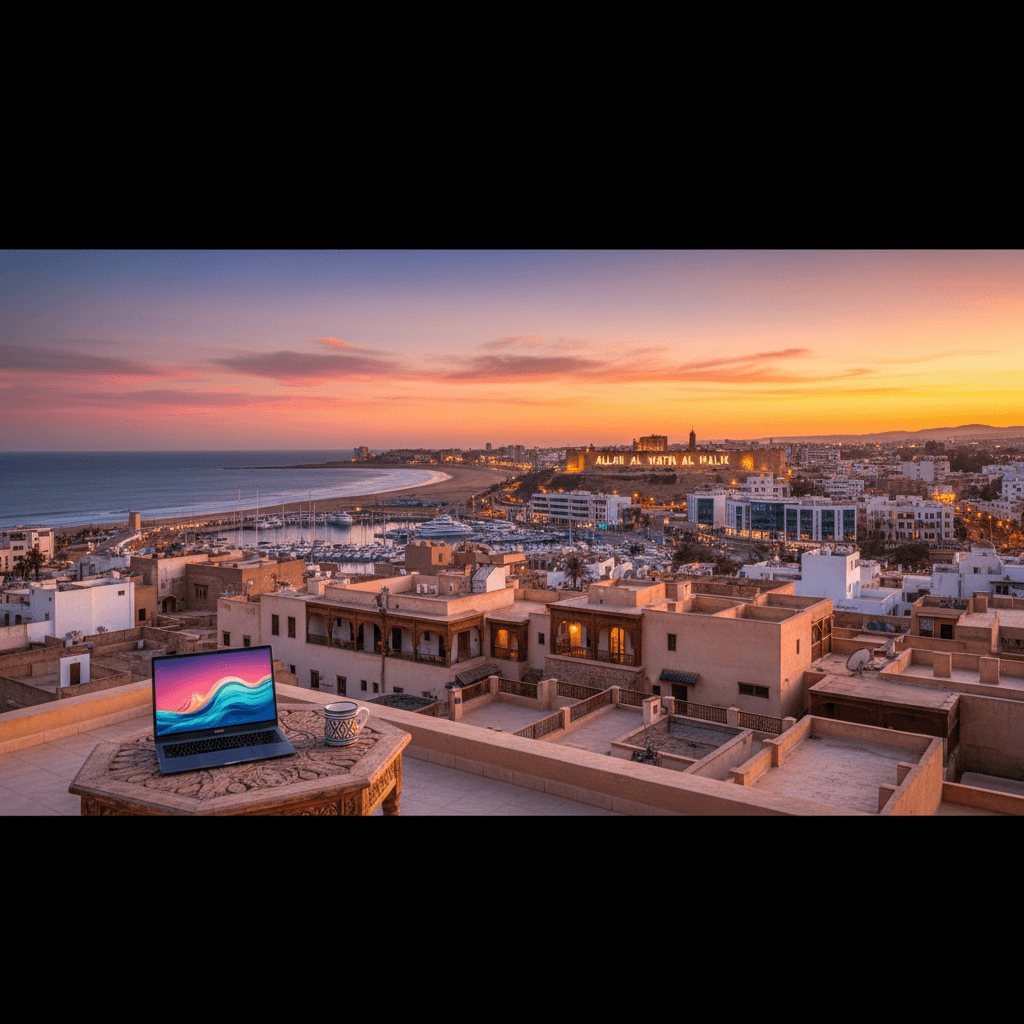
Agadir
🇲🇦 Morocco