Erdenet
🇲🇳 Mongolia
The Industrial Heart with a Nomadic Soul
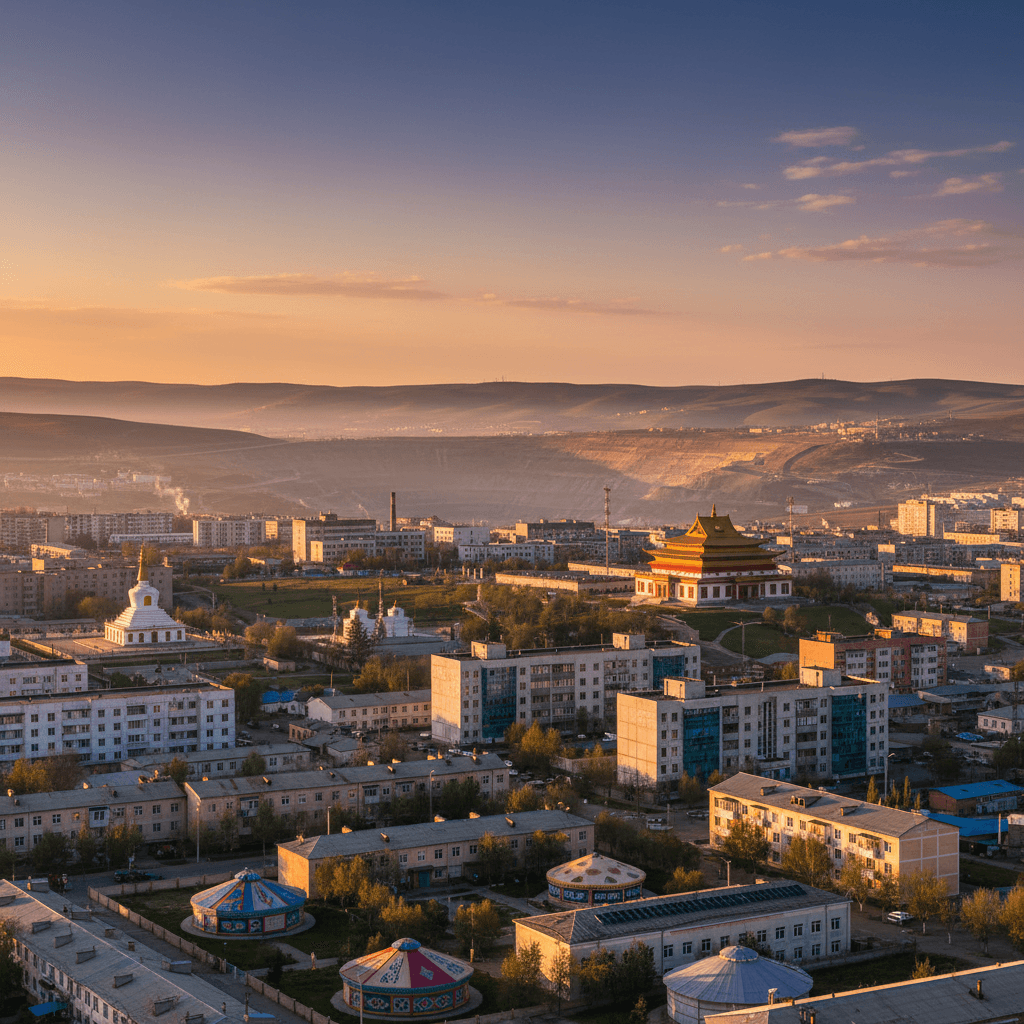
Erdenet doesn't try to impress you with skyscrapers or a frantic nightlife. Built around one of the largest copper mines in the world, it has evolved into something far more interesting for the patient remote worker: a clean, functional, and deeply quiet alternative to the chaotic sprawl of Ulaanbaatar. It feels like a city caught between its Soviet planned roots and the vast, untamed steppe that begins right where the pavement ends.
Living here means trading high speed convenience for a profound sense of space. You'll spend your mornings working from a cafe near Nomin Market and your afternoons hiking into rolling green hills where the only sound is the wind. It's a place for nomads who are tired of "scenes" and want to actually hear themselves think. The vibe is low stress and incredibly authentic; you aren't a tourist here, you're a neighbor.
The Daily Cost of Living
Your dollar goes a long way in Orkhon Province. Most nomads find they can live a very comfortable life on $1,200 to $1,500 a month, though you can easily survive on less if you lean into local habits. Digital nomads typically use the Erdenet Homestay Network to find long term housing, which bridges the gap between sterile hotels and local immersion.
- Housing: A central studio or one bedroom apartment typically runs between 800,000 and 1,500,000 MNT ($235 to $440 USD) per month.
- Dining: A quick meal at Nomin Market costs around 5,000 MNT ($1.50), while a nice dinner out might hit 50,000 MNT ($15).
- Connectivity: A 20GB local SIM from Unitel costs about 40,000 MNT ($12) for 30 days.
- Transportation: Monthly bus passes are nearly negligible at roughly 20,000 MNT ($6).
Where to Plant Your Roots
The city layout is straightforward, but your choice of neighborhood dictates your daily rhythm. There aren't specific "expat bubbles," so you'll be integrated wherever you go.
Central Erdenet
- The Vibe: Walkable, practical, and as close to "urban" as it gets. You're near the main markets and the few cafes with reliable WiFi.
- Best For: Solo nomads who need to be near the UBCab hubs and grocery stores.
- Pros: Best access to amenities and the most consistent power grid.
The Outskirts and Homestay Zones
- The Vibe: Quiet, residential, and surrounded by nature. This is where you'll find traditional gers tucked between modern houses.
- Best For: Writers, slow travelers, and families who want a deep cultural immersion.
- Pros: Incredible views and a truly local experience. You'll likely be invited for buuz (dumplings) by your neighbors.
The Reality of Remote Work
Working from Erdenet requires a bit of "nomadic grit." While 4G/LTE is surprisingly solid in the city center, the WiFi in apartments can be temperamental. Most experienced travelers recommend getting a Unitel or Mobicom SIM card immediately and using your phone as a hotspot for backup. You won't find flashy coworking spaces with ergonomic chairs here. Instead, you'll be working from local cafes or your homestay dining table. It's a trade off: you lose the office amenities, but you gain a lifestyle that's entirely free from the "hustle" culture found in Bali or Lisbon.
The language barrier is real. English isn't widely spoken, so Google Translate and the UBCab app will be your best friends for navigating taxis and menus. However, the locals are famously hospitable. If you're struggling to find the right bus, someone will usually go out of their way to point you in the right direction, even without shared words.
When to Go
Timing is everything. From June to August, Erdenet is a paradise of 20°C days and lush landscapes, perfectly timed for the Naadam Festival. Avoid the winter months of December through February unless you're prepared for -30°C temperatures that can turn a simple walk to the store into a major expedition. If you're looking for that sweet spot of low costs, high culture, and total peace, this is the Mongolian base you've been looking for.
Erdenet is one of those rare spots where your bank account finally gets a chance to breathe. While it is Mongolia's third largest city, the cost of living feels remarkably low compared to Ulaanbaatar or any Western digital nomad hub. You are looking at a lifestyle that prioritizes authenticity over luxury, and the prices reflect that grounded reality.
The Monthly Breakdown
Most nomads find they can live quite comfortably here on $1,200 to $1,500 USD per month. If you are on a tight budget and sticking to local markets, you could easily get by on $800. For those who want the best available apartment and frequent restaurant meals, $2,500 goes incredibly far, putting you at the top end of the local market.
- Studio or 1BR Apartment: 800,000 to 1,500,000 MNT ($235 to $440 USD).
- Monthly Grocery Bill: 400,000 to 600,000 MNT ($115 to $175 USD).
- Mid-range Dinner for Two: 70,000 MNT ($20 USD).
- Local Beer: 5,000 to 8,000 MNT ($1.50 to $2.30 USD).
Housing and Neighborhoods
The Central Area near Nomin Market is the go to for anyone working remotely. It is the most walkable part of town and keeps you close to the few cafes that offer decent WiFi. Rent here is slightly higher, but you save on transport. Expats recommend using the Erdenet Homestay Network to find long term stays, as traditional listings can be hard to find in English.
If you prefer a quieter pace, the Outskirts offer serene environments and larger spaces. This is where you will find more traditional homestays. It is significantly cheaper, though you will need to rely on the UBCab app or the Erdenet Transport Card to get into the city center for social events.
Food and Dining
Eating out is a bargain if you stick to Mongolian staples. A quick lunch of buuz (steamed dumplings) or tsuivan (fried noodles) at a local canteen will cost you about 5,000 to 10,000 MNT. For fresh produce, head to Nomin Market. It is the heart of the city's food scene and the best place to stock your kitchen with local meats and seasonal vegetables.
When you need a break from cooking, mid range restaurants offer international options for 20,000 to 50,000 MNT. While the nightlife is quiet, these spots serve as the primary social hubs for the small expat community and local professionals.
Connectivity and Utilities
Utilities are generally inexpensive, but internet is your biggest variable cost. Most apartments include basic web access, but serious remote workers usually supplement this with a local SIM. A 20GB 4G data plan from Unitel costs roughly 40,000 MNT ($12 USD) for 15 days. It is a smart investment for those days when the home WiFi decides to take a break.
Transport
Getting around is nearly negligible in terms of cost. A month of unlimited bus rides via the Erdenet Transport Card is only about 20,000 MNT ($6 USD). For late nights or rainy days, UBCab is the local version of Uber. Rides across town rarely exceed $3 or $4 USD. Just make sure to have your destination pinned on the map, as many drivers do not speak English.
For Digital Nomads and Solo Travelers: Central Erdenet
If you're coming to Erdenet to stay productive while soaking up the local atmosphere, you'll want to plant yourself near the Nomin Market area. This is the closest thing the city has to a downtown hub. It's the most walkable part of town, meaning you can grab a coffee, hit the market for supplies, and find a quiet corner to work without needing a car or a long bus ride.
Most nomads here gravitate toward the Erdenet Homestay Network to find long term housing. Living centrally puts you near the best LTE signals, which is vital since dedicated coworking spaces are still a myth here. You'll likely find yourself working from local cafes or your apartment. The social scene is low key, but this is where you'll run into other travelers at language exchange meetups or during the Naadam Festival festivities in July.
- Rent: 800,000 to 1,500,000 MNT ($235 to $440 USD) for a one bedroom.
- Food: 5,000 MNT ($1.50) for street food snacks; 20,000 to 50,000 MNT ($6 to $15) for a solid sit down meal.
- Connectivity: Best area for Unitel LTE; grab a 20GB SIM for about 40,000 MNT ($12).
For Expats and Slow Travelers: The Residential Blocks
Expats who plan on staying for more than a few months often move slightly away from the immediate market center into the established residential apartment blocks. These areas offer a bit more peace and a local neighborhood feel. You'll find smaller grocery kiosks and local pharmacies tucked between the buildings, providing a more authentic glimpse into daily Mongolian life.
Since English isn't widely spoken, living in these blocks is a fast track to learning the basics like Sain baina uu for hello. You'll rely more on the UBCab app to get around, as the walk to the center might take 20 to 30 minutes. It's a safe, quiet environment where the biggest noise is usually just the wind or the occasional local celebration.
- Vibe: Calm, community focused, and very safe for evening walks.
- Transport: Use the Erdenet Transport Card for bus rides costing pennies, or UBCab for point to point trips.
- Pros: Lower noise levels and more opportunities to practice Mongolian with neighbors.
For Families and Immersion Seekers: The Outskirts
If you're traveling with family or your primary goal is deep cultural immersion, look toward the outskirts. This is where the city transitions into the traditional Ger districts and larger family homestays. It's much quieter and offers more space, making it ideal for those who don't need to be in the middle of the action every day.
Living out here requires a bit more planning. You'll definitely want a reliable data plan since home internet can be spotty, and you'll likely use TapaTrip to book excursions or inter city travel. The trade off for the distance is a serene, picturesque environment that feels worlds away from the industrial roots of the city. It's the best place to experience traditional hospitality and perhaps even a milking experience at a nearby farm.
- Rent: Often cheaper than the center, though high quality modern apartments are fewer.
- Accessibility: Requires a car or frequent use of ride hailing apps; not very walkable for daily errands.
- Best for: People seeking a "slow life" pace and families who want a yard or proximity to nature.
Practical Neighborhood Tips
Regardless of where you land, keep a few things in mind. Erdenet is an industrial city at heart, so "neighborhoods" aren't always clearly defined by gates or signs. Use the Nomin Market as your North Star for orientation. If you're arriving in the winter months of December through February, prioritize apartments with modern heating, as temperatures regularly drop to -30°C.
For getting around, don't bother looking for bike rentals. Stick to the buses or UBCab. Most expats recommend keeping plenty of cash (MNT) on hand, though ATMs are easy to find in the central district. If you're ever lost, look for the nearest Unitel shop; they are usually located in high traffic areas and are good landmarks for drivers.
Connectivity Realities
Working from Erdenet requires a shift in expectations. While it's Mongolia's third largest city, the infrastructure isn't quite on par with Ulaanbaatar. You'll find that most apartments and guesthouses offer WiFi, but speeds can be temperamental. It's usually enough for emails and basic tasks, but high stakes video calls might give you some anxiety if you're relying solely on a home router.
The smartest move you can make upon arrival is picking up a local SIM card. Unitel is the gold standard here for provincial coverage. You can snag a 20GB data SIM for about 40,000 MNT (roughly $12 USD) which lasts for 15 days. Most seasoned nomads in the region use their phone as a primary hotspot when the building's fiber acts up. LTE is surprisingly reliable within the city limits, though it drops off the moment you head into the surrounding hills.
If you prefer an e-SIM for convenience, they work well, but a physical card from a local shop near Nomin Market often gives you better troubleshooting support if the settings need tweaking. Just bring your passport and some patience, as English proficiency at the kiosks is hit or miss. Google Translate is your best friend for these transactions.
Where to Work
Erdenet hasn't quite caught the dedicated coworking space fever yet. You won't find sleek, glass walled offices with ergonomic chairs and free kombucha. Instead, the working culture happens in cafes and through the Erdenet Homestay Network. Most remote workers set up in their rentals or find a quiet corner in local eateries.
Cafes in the central district are the unofficial hubs. While they don't explicitly market themselves as workspaces, they are generally welcoming to laptop users if you're buying coffee and food. Look for spots near the city center where the signal is strongest. If you're staying long term, the Erdenet Homestay Network is a great resource; they can often point you toward specific hosts who have prioritized stable internet for their guests.
- Unitel SIM (20GB): ~40,000 MNT
- Best Connectivity: Central Erdenet near the main markets
- Reliability: LTE is more consistent than residential WiFi
Digital Nomad Community
The social scene for remote workers is intimate and grassroots. You won't find hundreds of expats here, which is exactly why people choose it. Most networking happens at language exchange meetups or through informal gatherings organized on Meetup.com. It's a "know your neighbor" kind of town where you'll likely run into the same handful of travelers at the market.
If you need a break from the screen, the community often organizes group trips to the Naadam Festival events or local hiking spots. These are the best times to swap tips on which cafes have the fastest upload speeds that week. For logistics like booking inter city buses to Ulaanbaatar for a tech upgrade, everyone uses the TapaTrip app. For getting around town with your gear, UBCab is the standard, though you'll want to pin your location accurately since the drivers rarely speak English.
Expect a slower, more deliberate pace. If the internet goes down for an hour, most locals just take it as a sign to grab a tea and wait it out. Adopting that mindset will save you a lot of frustration. It’s an authentic, rugged experience that rewards those who don't mind a little troubleshooting in exchange for incredible landscapes and low costs.
A Safe Haven in the Steppe
Erdenet is widely regarded as one of Mongolia's safest urban hubs. Because it is a purpose built mining town with a tight knit community, it lacks the frantic energy and higher crime rates found in Ulaanbaatar. Most residents are welcoming and curious about foreigners, creating a relaxed environment where you can walk the central streets at night without much worry.
That said, standard common sense applies. While violent crime is rare, petty theft can happen in crowded areas like Nomin Market. Keep your phone and wallet secure in your front pockets or a zipped bag. Street lighting can be hit or miss once you leave the main central blocks, so if you are staying in the outskirts or a more remote homestay, it is best to use the UBCab app to get home after dark rather than walking long distances alone.
Healthcare Reality Check
Healthcare in Erdenet is functional for minor issues but remains basic by international standards. You will find plenty of pharmacies stocked with essentials, but the staff rarely speak English. It is a good idea to have Google Translate ready on your phone to show the pharmacist exactly what you need. If you require specific maintenance medications, bring a full supply with you; finding niche prescriptions in the Orkhon Province is a gamble.
For anything beyond a cold or a minor scrape, local facilities might not cut it. Most expats and long term nomads head back to Ulaanbaatar for serious diagnostic work or specialized care. In a true medical emergency, dial 103 for an ambulance, but be aware that response times can vary. Most seasoned travelers here carry robust travel insurance that includes medical evacuation to ensure they can get to a high quality hospital in the capital or even abroad if things get serious.
Environmental and Seasonal Safety
The biggest safety "threat" in Erdenet isn't people; it is the weather. The continental climate is brutal. If you are here between December and February, temperatures regularly plummet to -25°C or -30°C. Frostbite is a genuine risk if you aren't dressed in heavy, professional grade layers. Local nomads recommend high quality wool and windproof outer shells if you plan on being outside for more than ten minutes.
Air quality is another factor to watch. Like many Mongolian cities, Erdenet relies on coal for heating during the long winters. While it is not as severe as the smog in Ulaanbaatar, the air can get heavy and irritating for those with asthma or respiratory sensitivities. If you are visiting during the cold months, consider packing a few N95 masks for days when the air quality index spikes.
Practical Emergency Contacts
- Ambulance: 103
- Police: 102
- Fire Department: 101
- SIM Cards for Data: Stick with Unitel for the best provincial coverage. A 20GB SIM usually costs around 40,000 MNT.
Most nomads find that as long as they respect the local pace and prepare for the cold, Erdenet is a stress free home base. The community looks out for its own, and if you make an effort to learn basic phrases like Sain baina uu (Hello), you will find the locals are even more inclined to help you navigate the city safely.
Getting Around Erdenet
Erdenet is a compact city, which makes life a lot simpler for nomads compared to the sprawl of Ulaanbaatar. Most of the daily action happens in a central core that you can easily cover on foot. However, once you need to venture toward the outskirts for a homestay or head to the copper mine area, you will need to get familiar with the local transit system.
Public Buses and Microbuses
The backbone of local transport is the bus network. To ride, you should use cash for bus fares or check local kiosks for any prepaid options; monthly commuting costs remain low around 20,000 MNT. It is incredibly cheap, though the routes can be confusing if you do not speak the language. Most nomads find that sticking to the main lines passing through the central market area is the easiest way to stay oriented.
Ride-Hailing and Taxis
When the weather turns or you are carrying groceries from Nomin Market, apps are your best friend. Download UBCab before you arrive. While it was built for the capital, it works here too. A few tips for using it successfully:
- Pin your location manually: GPS can be slightly off in provincial cities, so double check your blue dot on the map.
- Use Google Translate: Most drivers speak little to no English. If you need to communicate specific drop off instructions, have the Cyrillic translation ready to show them.
- Carry cash: While some apps link to cards, having small MNT bills is better for quick exits.
Walking and Micromobility
The city center is highly walkable, especially during the mild summer months of June through August. You will find that most cafes and shops are clustered together, so you won't often need a vehicle for your daily workspace run. You won't find much in the way of formal bike or scooter rentals here yet. The infrastructure is not quite there for cycling, and the hilly outskirts make it a bit of a workout. Most expats recommend sticking to the sidewalks in the center and calling a cab for anything further than a twenty minute walk.
Inter-City Travel
If you are planning a weekend trip to see the landscapes outside the city or heading back to Ulaanbaatar, the TapaTrip app is the gold standard. You can use it to book inter-city bus tickets and even some airport transfers. For a more local experience, you can head to the bus station, but booking digitally saves you the headache of navigating the ticket window in Mongolian.
Practical Transit Tips
- Winter Precautions: From December to February, temperatures often drop to -30°C. Walking is not just uncomfortable; it can be dangerous for long periods. Budget more for taxis during these months.
- Language Barrier: Keep a screenshot of your destination's name in Cyrillic. It prevents 90 percent of navigation mishaps.
- Pace of Life: Do not expect Swiss timing. Buses might be slightly off schedule, and traffic near the market can crawl during peak hours. Just lean into the slower pace.
The Language Barrier is Real
In Erdenet, English is far from the norm. While the younger generation in Ulaanbaatar might speak a bit of English, here in Mongolia's third largest city, you'll mostly encounter Mongolian written in the Cyrillic script. Most nomads find that while locals are incredibly patient and welcoming, the language gap is the single biggest hurdle for daily logistics.
You won't see many English menus or signs once you step away from the very center of town. Expats recommend downloading the Google Translate offline pack for Mongolian immediately. It's a lifesaver for deciphering labels at Nomin Market or explaining a specific drop off point to a driver. Since the script is Cyrillic, even street signs can be a puzzle if you aren't familiar with the alphabet.
Navigating Daily Talk
If you're using ride hailing apps like UBCab, keep in mind that drivers will often call to confirm your location. Since their English proficiency is generally low, travelers often use the app's messaging feature to send translated text or simply pin their exact location and hope for the best. For face to face interactions, a few polite phrases go a long way. Start with Sain baina uu? for hello and Bayarlalaa for thank you. These small gestures break the ice quickly in a culture that prizes hospitality.
For those staying long term, joining a language exchange meetup is the best way to bridge the gap. These are often informal gatherings where you can trade English practice for Mongolian basics. It's also a great way to meet the local "nomad" community, which is smaller and more tight knit than the one in the capital.
Connectivity and Data
Reliable communication depends on your digital setup. While your homestay might have WiFi, it can be intermittent. Most digital nomads rely on a local SIM card for a stable LTE connection. Unitel offers a 20GB data plan for around 40,000 MNT (~$12 USD) valid for 30 days. You can pick these up at local shops or even set up an e-SIM before you arrive if your phone supports it.
- Unitel: Best overall coverage in Erdenet and surrounding rural areas.
- MobiCom: A solid alternative, though Unitel is often preferred for provincial travel.
- UBCab: The essential app for getting around, though you'll need a local number to register.
- TapaTrip: Use this for booking inter-city buses or flights; it's one of the few local apps that plays well with international cards.
Practical Communication Tips
When you're out in the markets or trying to negotiate a longer stay through local homestays or platforms like Airbnb, don't be afraid to use your phone as a translation bridge. It's common practice here. If you're heading into the outskirts or planning a day trip to the countryside, tell someone your plans. Signal can drop off entirely once you're deep in the steppe, so having a few key phrases written down on paper isn't a bad "analog" backup plan.
Expect a slower, more deliberate pace of communication. People here aren't in a rush, and they expect the same patience from you. If a translation app fails, a smile and some basic pantomime usually get the job done. Most travelers find that the effort to learn even five or ten Mongolian words changes the dynamic of their stay from being a tourist to being a guest.
The Sweet Spot: June to August
If you're planning a stint in Erdenet, aim for the window between June and August. This is when the city truly wakes up. While much of the world swelters, Erdenet stays comfortable with average highs around 20°C (68°F). It is the ideal time for working from a cafe patio or heading out to the nearby hills after your Zoom calls end for the day.
You should prepare for the rainy season during July and August. Don't expect week-long deluges; it usually manifests as short, intense afternoon showers that clear the air and keep the surrounding steppe incredibly green. This period also coincides with the Naadam Festival. While Ulaanbaatar gets the most press, Erdenet's local celebrations offer a more intimate look at wrestling, horse racing, and archery without the massive tourist crowds.
Survival Mode: The Winter Reality
Most digital nomads flee Erdenet by late October. The Mongolian winter is legendary for a reason. From December through February, temperatures frequently plummet to -25°C (-13°F) or even -30°C. It is a dry, biting cold that requires specialized gear and a high tolerance for isolation.
During these months, life moves indoors. While the central heating in Soviet era apartment blocks is surprisingly robust, the air quality can dip as coal heating ramps up in the surrounding districts. Unless you're specifically looking for a "deep freeze" writing retreat where you won't be distracted by the outdoors, avoid a winter stay.
Shoulder Season Transitions
May and September are the wildcards. May brings the first signs of green, but you might still see a random dusting of snow. September is arguably the most beautiful month for photographers, as the larch trees in the surrounding Orkhon valley turn a brilliant gold. The nights get crisp quickly, often dropping toward 0°C (32°F), so layers are your best friend during these months.
Packing and Preparation
Because the continental climate causes massive temperature swings between day and night, your wardrobe needs to be modular. Even in the height of summer, a clear night can feel chilly enough for a light down jacket or a wool sweater.
- Summer: Light linens for the day, a windbreaker for the evening, and sturdy boots if you plan to explore the outskirts.
- Winter: Heavy duty thermal base layers, a parka rated for -30°C, and silk or wool liners for your gloves.
- Year-round: High quality moisturizer and lip balm. The Mongolian plateau is incredibly dry, and your skin will feel it immediately.
At a Glance: Monthly Averages
- January: High of -15°C, Low of -28°C. Peak winter, very quiet.
- April: High of 8°C, Low of -5°C. Windy and dusty as the ground thaws.
- July: High of 22°C, Low of 10°C. Peak season, best for hiking and festivals.
- October: High of 6°C, Low of -6°C. The first real frosts begin.
Most long term travelers recommend arriving in late May to secure a good apartment through the Erdenet Homestay Network before the summer rush. This gives you a few weeks to settle your internet situation and find your rhythm before the festival season kicks off in July.
Survival Basics
Erdenet isn't your typical digital nomad hub. It's a city built on the copper industry that's slowly finding its feet as a remote work destination. You'll find a pace of life here that's refreshingly slow, but that means you need to adjust your expectations. Patience is your best friend when dealing with local bureaucracy or waiting for a bus. Most travelers suggest leaning into the community vibe rather than expecting a high-speed urban experience.
Cost of Living
Your money goes a long way here. It's one of the most affordable spots in Mongolia, especially compared to the rising prices in Ulaanbaatar. Most nomads find they can live comfortably on a mid-range budget of $1,500 to $2,000 per month, though you can easily scrape by on $800 if you're frugal.
- Studio Apartment: Expect to pay between 800,000 and 1,500,000 MNT ($235 to $440 USD) for a central spot.
- Daily Meals: A quick bite at Nomin Market costs about 5,000 MNT ($1.50). A nicer dinner out will run you 20,000 to 50,000 MNT ($6 to $15).
- Transportation: A monthly pass for the bus system is a steal at roughly 10,000 to 20,000 MNT ($3 to $6).
Connectivity and Workspace
Don't rely on your apartment's WiFi for high-stakes Zoom calls. While home internet is improving, it can be hit or miss. The smart move is to grab a Unitel SIM card immediately. You can get 20GB of data for 40,000 MNT ($12) which lasts 15 days. LTE coverage is surprisingly solid within the city limits.
There aren't dedicated coworking spaces in Erdenet yet. Expats usually set up shop in local cafes or use the communal areas in homestays. If you need a more formal environment, look for language exchange meetups; the organizers often have leads on quiet spots with reliable power outlets.
Navigating the City
The city center is quite walkable, especially around the Nomin Market area. For longer trips, download the UBCab app. It's the most reliable way to hail a ride, but since many drivers don't speak English, you'll want to pin your location precisely and keep Google Translate open. For travel between cities, TapaTrip is the go-to app for booking bus tickets and even airport transfers.
Health and Safety
Erdenet is generally very safe. You can walk around most neighborhoods without worry, though it's always smart to stay aware of your surroundings after dark. Healthcare is basic. There are plenty of pharmacies for minor issues, but for anything serious, you'll need to head to Ulaanbaatar. Dial 103 if you have a medical emergency. Make sure you pack a decent supply of any prescription meds before you arrive, as specific brands can be hard to track down.
Language and Culture
Mongolian is the primary language, and English isn't widely spoken. You'll definitely need a translation app to navigate menus and conversations with taxi drivers. Learning a few basics goes a long way with the locals. Try "Sain baina uu?" for hello and "Bayarlalaa" for thank you. The Erdenet Homestay Network is a great resource for finding long-term housing and getting plugged into the local culture.
When to Visit
The weather here is extreme. Unless you're a fan of -30°C temperatures, avoid the winter months of December through February. The sweet spot is June through August. The weather is mild, usually between 15°C and 25°C, and you'll be there in time for the Naadam Festival. Just be prepared for short, heavy rain showers in July.
Need visa and immigration info for Mongolia?
🇲🇳 View Mongolia Country GuideOff the Radar
Pioneer territory