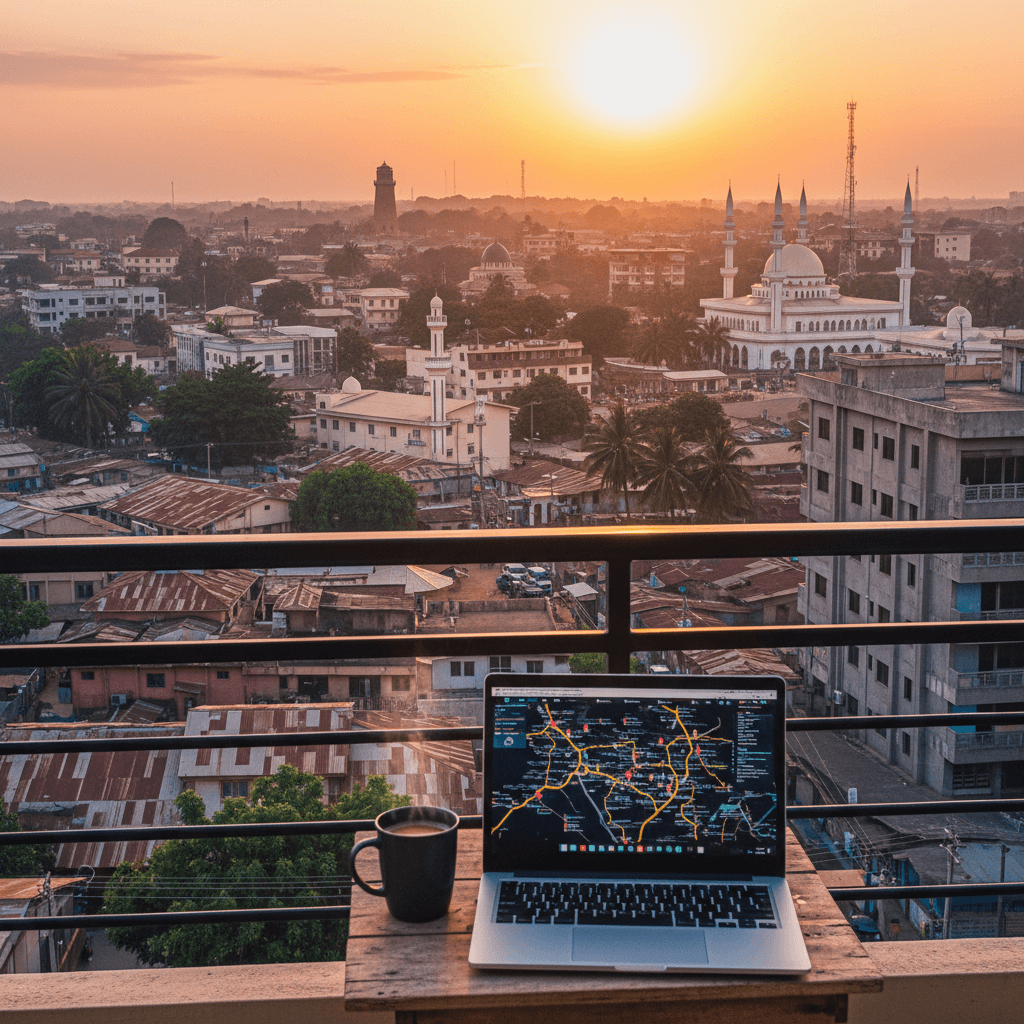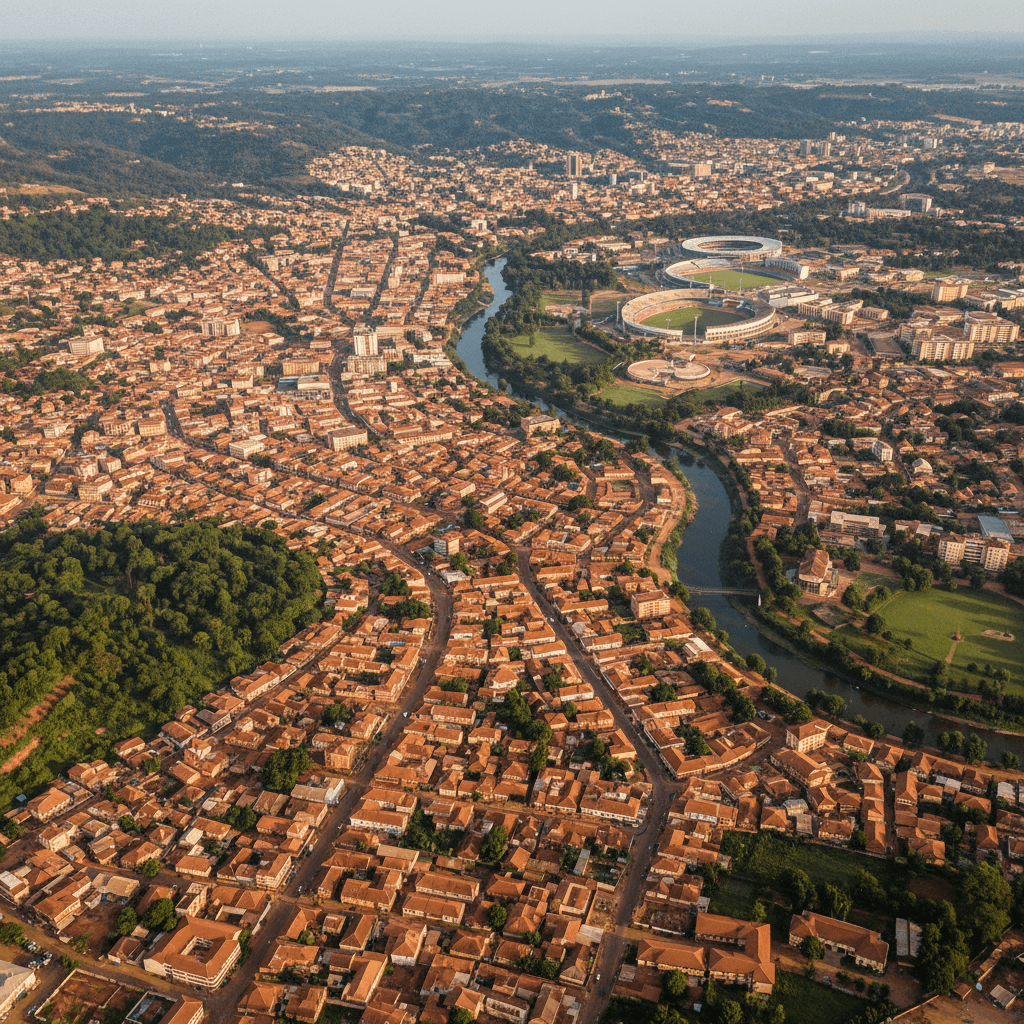
Enugu
🇳🇬 Nigeria
The Coal City Rhythm
If Lagos is a high-speed chase, Enugu is a Sunday afternoon drive. Known locally as the Coal City, this highland capital trades the chaotic coastal humidity for rolling green hills and a pace that actually lets you think. It feels more like a large, leafy university town than a state capital, and you notice that difference the moment you step out of Akanu Ibiam International Airport. The air is crisper. Drivers use their horns less. The red earth cuts a striking contrast against the canopy of the Milken Hills.
Nomads land here when they want the infrastructure of a Nigerian city without the sensory overload. The catch most nomads miss is how genuinely livable the rhythm is once you settle in: mornings on a Zoom call, afternoons hiking through the Ngwo Pine Forest or visiting the Awhum Monastery. The vibe is rooted in Igbo hospitality, community-focused, proud of its mining history, and increasingly tech-curious. You are a guest in a city that still values a slow "Ndewo" (hello) over a hurried nod.
Costs at a Glance
Your dollar or euro stretches significantly further here than in Abuja or Lagos. The full cost-of-living breakdown is in the Cost of Living section, but the short version: most mid-range nomads live well on about $1,200 per month, and budget travelers can manage on $800 by leaning into local markets and public transit.
One honest cost people underestimate: budget an extra $50 a month for fuel. Even in better neighborhoods, the national grid is temperamental. You will need a generator or inverter system to stay reliably online, and that expense adds up faster than expected.
Neighborhoods Worth Knowing
Choosing a neighborhood is about balancing quiet against connectivity. The city's hilly geography means some areas feel tucked away while others sit at the center of everything.
- New Haven is the practical choice for remote workers. Cafes, shops along Aba Road, and consistent apartment options make it the closest thing Enugu has to a working nomad base. Expect some traffic during peak hours.
- Independence Layout offers wide, calm streets and plenty of greenery. It is quiet and family-friendly, though you will need Bolt or Uber to reach the better restaurants.
- GRA (Government Reserved Area) is the old colonial heart of the city: upscale, secure, and home to most expats. It is beautiful, but it can feel cut off from the local energy, which is either a feature or a drawback depending on what you are after.
If you are coming from a city like Lagos or Nairobi expecting a dense coworking scene, recalibrate. Most nomads here work from home or set up in New Haven cafes. That is not a bug; it is just the reality on the ground.
Getting Online and Getting Around
MTN and Airtel are the reliable choices for 4G and 5G data. Twenty gigabytes runs about $10. Always use a VPN on public networks, and confirm your accommodation has dedicated power backup before you commit to a lease.
Bolt dominates ride-hailing, with most central trips costing between $3 and $5. The yellow Danfo minibuses run for about $0.50 a ride if you want the local experience, though they are a squeeze. One specific note: if you are heading to Ogbete Main Market, leave the laptop at home and keep your phone in your front pocket. It is the one place where the city's relaxed character gives way to a high-energy scramble.
Best Time to Come
The window from November through March is the clear winner. The air is dry, evenings are pleasant, and the festive energy runs high. Avoid June and July if you can. The rains are heavy enough to turn some roads into streams and trigger frequent power outages that push even good backup batteries to their limit.
Plan your arrival for November and you will hit the sweet spot before the holiday crowds and after the worst of the wet season.
What You'll Actually Spend in Enugu
The numbers here will surprise you. While the national average for remote workers in Nigeria hovers around $1,249 a month, most nomads in Enugu get by comfortably on $800 to $1,200, depending on how hard they lean into air conditioning and private rides. That gap is real, and it's the main reason people who've done both Lagos and Enugu tend to stay longer than planned.
The catch most nomads miss is power. The grid runs inconsistently, so if your apartment depends on a backup generator, budget an extra $50 monthly for fuel and maintenance. It's the one cost that doesn't show up in any listing.
Budget Tiers, Broken Down
Your actual spend depends heavily on neighborhood and how often you eat out. Here's how the three tiers shake out:
The Budget Nomad (~$800/mo)
- Housing: $150 to $250 for a studio in Uwani or the outskirts of Independence Layout.
- Food: $1 to $2 for street snacks like suya, or $3 to $5 at local bukas.
- Transport: Public minibuses at $0.50 a ride, with the occasional okada.
The Mid-Range Professional (~$1,200/mo)
- Housing: $300 to $500 for a modern 1BR in New Haven or parts of GRA.
- Food: Home cooking mixed with mid-range dinners at $5 to $10 per plate.
- Transport: Daily Bolt or Uber use, averaging $3 to $5 per trip.
The High-End Stay (~$2,000/mo)
- Housing: $600 or more for a premium New Haven apartment with 24/7 power.
- Food: Regular dinners at upscale spots, grilled fish and continental dishes running $15 to $25.
- Transport: Private drivers or full-day taxi hires at roughly $10 a day.
Connectivity
Skip the public Wi-Fi hunt. It's slow and carries real security risks. Pick up an MTN or Airtel SIM at the airport or a local kiosk instead. Twenty gigabytes of data runs about $5 to $10, which covers most work-from-laptop days without issue. Run a VPN regardless.
Coworking is still developing here. New Haven has a growing cafe scene where you can post up for a few hours. Dedicated desks in shared offices run $10 to $20 a day. If you need guaranteed AC and high-speed fiber, expect to pay closer to $30. On paper this looks limiting, but in practice most nomads settle into a cafe-plus-apartment rhythm within the first week.
Getting Around
Bolt and Uber are the reliable standard for getting across the city without negotiating fares in the heat. A ride to Akanu Ibiam International Airport from the center takes about 20 minutes and costs $10 to $15. Watch your pockets around Ogbete Main Market; petty theft clusters in crowded spots like that one.
Healthcare and Safety
Most expats use private clinics over public facilities. Parklane Specialist Hospital handles basic needs reliably, and HealthPlus pharmacies carry most standard medications. For emergencies, the national dial code is 112.
Logistics Checklist
- Fintech: Download Opay or Palmpay. Both move money faster locally than traditional bank cards, and you'll use them constantly.
- Apartment hunting: Start on PropertyPro.ng or Jiji.ng to read the market, then expect to pay an agent fee of around $300 to lock down a good spot in New Haven.
- Timing: November to March is the window. Dry, pleasant, and easy to move around. June and July bring localized flooding that turns commuting into a genuine problem.
Once you've sorted a SIM, a place to stay, and a coworking rhythm, Enugu runs itself. The neighborhoods section above covers which areas actually suit remote work day-to-day.
Where Nomads Actually Work Best: New Haven
New Haven is your base if getting work done is the priority. It is the closest thing Enugu has to a digital hub, with modern apartment blocks and cafes where nobody blinks at an open laptop. Most of the city's emerging digital scene clusters here, with easy access to shops along Aba Road. The catch most nomads miss: traffic gets genuinely bad during morning and evening peaks, and rents run higher than the rest of the city, typically $300 to $600 for a quality one-bedroom.
For a dedicated workspace, look at cafes around New Haven or local tech hubs that mirror the CcHUB model from larger cities. Daily passes run $10 to $20. Power cuts are a real variable here, so prioritize apartments that advertise generator backup, which adds roughly $50 a month to utilities. Pick up an MTN or Airtel SIM for about $10 to get 20GB of mobile data as a backup when Wi-Fi drops. That SIM will earn its cost within the first week.
GRA: The Expat Default
The GRA (Government Reserved Area) is where most expats land, and the reasons are straightforward: security, quiet streets, upscale homes, embassies, and private clinics in one contained area. It feels less like local Enugu and more like a secluded suburb. Budget $600 or more for premium housing. The downside is isolation. You will depend on Bolt or Uber for almost everything, with most trips costing $3 to $5.
Dining options in and around the GRA skew toward higher-end spots. Hotel lounges nearby offer the city's more refined social settings, though nightlife here is noticeably quieter than Lagos.
Independence Layout: Best for Families and Long Stays
Residents consistently describe Independence Layout as the "real Enugu." Wide, calm streets and more greenery than the central districts make it a natural fit for families or anyone committing to several months. The hilly terrain is good for morning walks, humidity permitting.
- Rent: Mid-range houses go for $300 to $500 per month.
- Atmosphere: Quiet, residential, and genuinely green.
- Downsides: Nightlife options are thin, and some low-lying spots flood during heavy rains in June and July.
Uwani: Central, Loud, and Cheap
Uwani is the move for budget-conscious travelers who want to be in the middle of everything. It is central, noisy, and affordable in a way the other neighborhoods are not. Street food here is some of the best in the city: suya skewers for $1, pepper soup for $2. Proximity to Ogbete Main Market is a plus, though watch your phone and wallet in crowded areas. Basic studios rent for $150 to $250.
Getting around is easy. Danfo minibuses run along Okpara Avenue for under $1 a ride, and okada motorcycle taxis cover short hops for about $1. Petty crime risk runs slightly higher than the GRA, but the trade-off is an unfiltered look at how the Coal City actually operates day to day.
From here, the practical tips section covers daily budgeting across all four neighborhoods in more detail.
Connectivity: What Actually Works Here
Nigeria's national mobile internet averages around 20-40 Mbps, but Enugu's hilly terrain creates dead zones that will catch you off guard. Run a dual-SIM setup. MTN and Airtel are the two carriers worth using, and you can grab a SIM at Akanu Ibiam International Airport or any local kiosk for a few dollars. A 20GB monthly data plan runs about $20 to $40.
Speed isn't the real problem. Power is. Grid electricity is inconsistent, and most nomads factor a "generator tax" into their budget. If you're renting in New Haven or Independence Layout, ask specifically about backup power before you sign anything. Many expats spend an extra $50 a month on fuel or solar maintenance to keep routers alive through Zoom calls. Use a VPN on any public network in the city.
Coworking and Cafe Options
The dedicated coworking scene is still developing. There's no WeWork here, but local tech hubs and business centers fill the gap reasonably well. Most nomads settle in New Haven, the city's unofficial digital center. A desk with stable power and air conditioning runs $10 to $20 per day; monthly memberships make more sense for stays longer than two weeks.
- Tech hubs modeled on the CcHUB approach charge around $15 per day. These are the best spots to connect with local developers and entrepreneurs, and the power backup tends to be more reliable than cafes.
- New Haven cafes offer free WiFi and solid food, including Indomie, at low cost. The connection is slower than a dedicated hub, so treat these as backup options for lighter work sessions.
- Hotel lobbies in GRA work well for afternoon sessions. Quiet, with reliable generators. Coffee costs more, but the consistency is worth it when you have a deadline.
Budget Tiers at a Glance
Your money goes further here than in Nigeria's coastal cities. The cost of living breakdown below covers the main categories; for a full monthly spending analysis, see the Cost of Living section above.
Budget tier, approx. $800/mo
- Rent: $150 to $250 for a basic studio on the outskirts of Independence Layout.
- Internet: $20 to $40 for mobile data, supplemented by free cafe WiFi.
- Food: $1 to $2 per meal at street food stalls, suya and pepper soup being the staples.
Mid-range tier, approx. $1,200/mo
- Rent: $300 to $500 for a decent apartment in Uwani or parts of GRA.
- Coworking: $150 to $200 for a monthly pass at a dedicated space.
- Food: $5 to $10 per meal at spots like Mama Cass.
Premium tier, approx. $2,000/mo
- Rent: $600 or more for a modern flat in New Haven with a dedicated generator.
- Coworking: $30 per day for premium spaces with high-end AC and meeting rooms.
- Food: $15 to $25 for upscale dining and grilled fish at exclusive clubs.
Day-to-Day Workflow
Use Opay or Palmpay for daily transactions. Both apps accept international cards and make paying at markets or cafes straightforward. For getting between work sessions, Bolt and Uber are the most reliable options at $3 to $5 per trip.
One timing note worth taking seriously: avoid the Ogbete Main Market area between 4 PM and 7 PM if you have a hard deadline. That gridlock can stretch a ten-minute ride into an hour.
Staying Safe in Enugu
Enugu runs quieter than most Nigerian cities. The violent crime rate is lower here than in Lagos or Port Harcourt, and the residential feel of neighborhoods like Independence Layout means most nomads walk the streets during the day without issue.
The catch most nomads miss: petty theft and opportunistic scams concentrate around Ogbete Main Market. Visit during daylight, keep your phone in a front pocket, and leave the expensive gear at home. After dark, stay in well-lit, populated areas and skip the unlit outskirts entirely.
- Emergency Numbers: Dial 112 for the national emergency line or 0800-000-0800 for police.
- Late-night transport: Use Bolt or Uber instead of flagging a taxi. You get a digital trail and a fixed price, usually $3 to $5 for a cross-city trip.
- Public WiFi: It is rare and mostly unsecured. Run a VPN whenever you work from cafes in New Haven.
Healthcare: What Works, What Doesn't
Enugu's healthcare is adequate for routine problems. Parklane Specialist Hospital handles diagnostics and general treatment well enough for most situations nomads actually face.
For anything specialized, the honest answer is that you will need to travel. The facilities here do not match what you would find in Europe or North America, and that gap matters if you have a complex condition. Travel insurance with medical evacuation coverage is not optional in this context.
- Private clinics: Long-term nomads use these over public hospitals for faster service and newer equipment. Costs are low by Western standards, but you pay out of pocket.
- Pharmacies: HealthPlus is the reliable chain for authentic medications. Stock your specific prescriptions before arriving; basics like antibiotics and malaria prophylaxis are easy to find locally.
- Water: Never drink from the tap. Bottled brands like Eva or Nestle Pure Life are at every corner shop for under $1.
- Malaria: It is a real risk in West Africa. Use repellent in the evenings and sleep under a net if your accommodation is not well screened.
Banking, Community, and Getting Settled
Banking trips to a physical branch are rarely worth it. Linking an international card to a local fintech app like Opay or Palmpay covers most healthcare payments and daily expenses without the hassle of carrying cash. If you do need a branch for a wire transfer or currency exchange, the banks along Okpara Avenue handle international issues more efficiently than most.
Join the Digital Nomads Nigeria Facebook group early.
Members post real-time updates on clinic quality, neighborhood safety changes, and which services have gone downhill. That kind of ground-level intelligence takes weeks to gather on your own and saves you from avoidable mistakes in the first month.
Getting Around Enugu
Enugu is spread out and hilly, but the layout is logical enough that you can figure it out within a few days. There is no subway. What you get instead is a workable mix of ride-hailing apps, minibuses, and motorcycle taxis that covers most of the city without much friction.
Bolt and Uber: The Default for Most Nomads
Bolt and Uber are the practical default here. Both apps work reliably across the central areas, and you skip the fare negotiation entirely. A typical cross-city trip runs $3 to $5. Airport runs from the city center take about 20 minutes and cost $10 to $15.
If you are planning a day trip to Ngwo Pine Forest or Awhum Monastery, both outside the main city limits, hire a private driver for the day. Rates start at $10. Negotiate before you leave.
Danfos, Okadas, and Getting Around Like a Local
The yellow Danfo minibuses run major routes including Okpara Avenue and Aba Road for $0.50 to $1 per ride. They are crowded and loud. They are also the fastest way to understand how the city actually moves, which matters if you plan to stay more than a week.
Okadas (motorcycle taxis) fill the gaps where cars cannot easily go. Expect to pay $1 to $2. Always wear a helmet if the driver has one, and keep your bag in front of you.
Where You Can Actually Walk
The hills make midday walking genuinely unpleasant in most parts of the city. A few neighborhoods are the exception:
- Independence Layout: Wider streets, more greenery, and calm enough that a morning walk does not feel like a logistics problem. The catch is localized flooding between June and July when heavy rains hit.
- GRA (Government Reserved Area): Quiet, paved roads with light traffic. The most comfortable area for getting around on foot.
- New Haven: Shops and cafes are close together, which helps. The sidewalks are uneven in places and traffic is noticeably heavier than in GRA or Independence Layout.
Traffic Windows Worth Knowing
Enugu does not have Lagos-style gridlock, but the main arteries slow down between 7:00 AM and 9:00 AM and again from 4:00 PM to 7:00 PM. A ten-minute trip can stretch to thirty during those windows. If you need to visit Ogbete Main Market, mid-morning on a weekday is the move.
A Few Practical Notes
- Download Opay or Palmpay before you need them. Many drivers prefer digital transfers, and linking an international card to either app makes payments straightforward.
- Save an offline Google Maps version of Enugu. Signal drops near the hills without warning, and you do not want to be navigating blind in an unfamiliar neighborhood.
- After dark, use ride-hailing apps only. Unlit outskirts and market areas at night carry a real petty theft risk, which the safety section covers in more detail.
Once you have the transport layer sorted, the bigger question is which neighborhood to base yourself in. The neighborhoods section breaks down New Haven, Independence Layout, and GRA by what each one actually delivers for remote work.
Language on the Ground
English works fine for daily logistics. Business owners, service workers, and the younger tech crowd in Enugu speak it well enough that you will not hit a wall negotiating rent in New Haven or booking a ride on Bolt. The real language of the city, though, is Igbo, specifically the Waawa dialect, spoken in homes, local markets, and on the street.
A handful of Igbo phrases will open doors that English cannot. Vendors at Ogbete Main Market respond to the effort with better prices. A neighborhood bar in Uwani gets noticeably warmer. The accent here is more melodic and unhurried than what you hear in Lagos, which makes it easier to pick up than you might expect.
Igbo Phrases Worth Memorizing
You do not need fluency. These words cover most of what you need when greeting elders or opening a conversation with a vendor.
- Ndewo: Hello or Greetings, a respectful opener that works in almost any situation
- Daalụ: Thank you, the single most useful word you will learn
- Biko: Please, helpful when asking for directions or a favor
- I mela: You have done well, used to acknowledge someone's effort
- Kedu?: How are you? The standard reply is O di mma, meaning "I am fine"
Google Translate, WhatsApp, and the Tools That Actually Work
Google Translate handles Igbo surprisingly well for basic sentence structures and vocabulary. If you are staying long term, download the offline language pack before you head out toward the outskirts near Ngwo, where your data connection will dip without warning.
For everything else, WhatsApp runs the city. Landlords, tailors, local coworking communities: all of it is organized through the app. Link your MTN or Airtel SIM to your account the day you arrive.
How Communication Actually Works Here
The catch most nomads miss is that communication in Enugu is as much about etiquette as vocabulary. Igbo culture places real weight on seniority. When you enter a room, greet the oldest person or the person in charge first. A simple "Good morning" or "Ndewo" with a slight nod is enough.
Directness is appreciated, but it comes after pleasantries, not before. Jumping into a business transaction without a brief "How is your day?" reads as rude. Spend an extra 30 seconds on greetings and the rest of the interaction goes faster, not slower. If someone invites you to their home in Independence Layout, expect food or a drink to be part of the conversation. That is not optional hospitality; it is the conversation.
Finding Your People
The nomad community here is growing but still small enough that everyone knows each other. Most people find their footing through Facebook groups like Digital Nomads Nigeria or by spending time at mid-range spots like Mama Cass. Because the infrastructure is still developing, people are genuinely helpful about sharing tips on stable power and quiet spots for a Zoom call. That openness is one of the more practical reasons to be here early.
Temperature, Rain, and What It Means for Your Work
Enugu sits among the rolling hills of southeastern Nigeria, which cuts some of the stagnant coastal heat, but humidity is still a daily reality. Temperatures run between 22°C and 36°C (72°F to 97°F) year-round. That range matters less than the rain: heavy downpours can knock out power and flood roads in Independence Layout, so the season you arrive in will shape your first few weeks more than you expect.
November to March: The Window Most Nomads Target
The dry season is the easier half of the year to work in. Skies clear, roads stay passable, and the hilly terrain around the GRA and Iva Valley is actually worth exploring on foot.
December pulls in a significant wave of Igbo returnees from abroad. Weddings, festivals, and family gatherings fill the social calendar, which is genuinely useful for meeting people. The catch is cost: short-term rentals and Bolt rides tick up during the holiday influx.
- The Harmattan runs from December through February. It is a dry, dusty wind off the Sahara that drops morning temperatures to a pleasant cool and leaves a haze over the city. The downside is real: dust gets into keyboards and vents faster than you would expect. Keep your laptop in a bag between sessions and drink more water than you think you need.
- January mornings can surprise you with genuine chill. A light jacket is not optional if you are working from an open-air cafe before 9am.
April to October: Workable, With Caveats
June and July are the wettest months, regularly seeing 200mm to 400mm of rainfall. Power outages become more frequent. If your accommodation in a budget area like Uwani lacks a reliable generator, a high-capacity power bank for your router is the move, not an afterthought.
- Heavy storms back up traffic on Okpara Avenue badly. If you have a flight out of Akanu Ibiam International, add at least an hour of buffer during storm season.
- The upside: the city turns a deep, genuine green, and the Harmattan dust is completely gone. For anyone sensitive to dry air, the rainy season is physically easier.
Shoulder Months and Your Budget
April and October are the sweet spot for cost. Holiday pricing has not hit yet, apartment listings on Jiji are negotiable, and serviced apartments in Independence Layout are easier to lock in at long-term rates. If your monthly budget runs around $1,200, arriving in a shoulder month gives you room to negotiate before the December crowd arrives.
What to Pack
Move between air-conditioned cafes in New Haven and humid streets often enough and you will want layers, not just light clothing. Sturdy walking shoes matter on the hills. A heavy-duty umbrella, not a travel compact, is worth the bag space from April onward. Dress is generally modest and practical; nothing about Enugu's day-to-day requires anything formal.
Daily Costs at a Glance
Enugu is cheap by Nigerian standards, but the range is wide. Most nomads land somewhere around $1,200 a month for a comfortable setup. Push down to local markets and shared transport and you can manage on $800. Add consistent air conditioning and regular restaurant meals and you are looking at closer to $2,000.
Rent drives most of that variance. GRA and Independence Layout run $300 to $600 for a one-bedroom. Uwani drops as low as $150, though you trade off some quiet and security to get there. One line item most people miss: power outages are frequent, so budget an extra $50 a month for generator fuel or solar upkeep. That cost is real and consistent.
Food is where Enugu genuinely surprises. Street pepper soup or suya runs about $2. Grilled fish and continental dishes at the higher-end New Haven restaurants land between $15 and $25.
Which Neighborhood Actually Works for You
New Haven is the default choice for remote workers. It sits centrally, with shops along Aba Road and cafes that have decent WiFi. Traffic gets heavy during morning and evening rushes, which matters if you have calls to make or a routine that depends on predictable commute times.
- Independence Layout: Wide, leafy streets with a quiet residential feel. Good for families or anyone who values calm over convenience. The late-night scene is essentially nonexistent.
- GRA (Government Reserved Area): The most secure and expensive part of town, where you will find embassies and the most reliable infrastructure. Worth the premium if stability is the priority.
- Uwani: Affordable and close to major markets, but noisy and more prone to petty crime. Fine for short stays on a tight budget; less ideal if you are settling in for a month or more.
Internet, SIM Cards, and Banking
Pick up an MTN or Airtel SIM on arrival. Expect to pay about $10 for 20GB of data. 4G is common; 5G coverage is expanding but patchy. Dedicated coworking spaces are still sparse, so most nomads work from hotel lounges or cafes in New Haven. Use a VPN on any public network.
For day-to-day payments, Opay and Palmpay are faster and more practical than traditional banks. Both accept international card links and cover most services around the city.
Getting Around
The city is hilly and spread out. Bolt and Uber handle most cross-town trips for $3 to $5. Okadas (motorcycle taxis) cover shorter hops for about $1. The yellow Danfo minibuses run major routes like Okpara Avenue for under $1 if you want the local experience.
Akanu Ibiam International Airport sits about 20 minutes from the city center. A private taxi from the airport to your accommodation runs $10 to $15.
Health and Safety
Enugu is calmer than most Nigerian cities. Violent crime is rare, but stay alert around busy spots like Ogbete Main Market and avoid unlit areas or the outskirts after dark. For medical care, Parklane Specialist Hospital covers basic needs. HealthPlus pharmacies carry most common medications.
When to Come and What to Expect
November to March is the window most nomads target. Skies are clear, temperatures sit between 31 and 34 degrees Celsius, and the festive energy in the city is high. June and July bring the heaviest rain. Localized flooding is common and the hilly roads get difficult to navigate.
- Dry season (November to March): 31 to 34 degrees Celsius. Good conditions for getting outside and exploring.
- Rainy season (April to October): 28 to 32 degrees Celsius, with high humidity and heavy afternoon storms that can disrupt afternoon plans or commutes.
If you are planning your arrival window, November gives you the best combination of weather and local activity. From there, the neighborhoods section above covers where to actually land.
Need visa and immigration info for Nigeria?
🇳🇬 View Nigeria Country GuideHidden Gem
Worth the effort
Monthly Budget Estimates
More cities in Nigeria
Uyo
🇳🇬 Nigeria
Akure
🇳🇬 Nigeria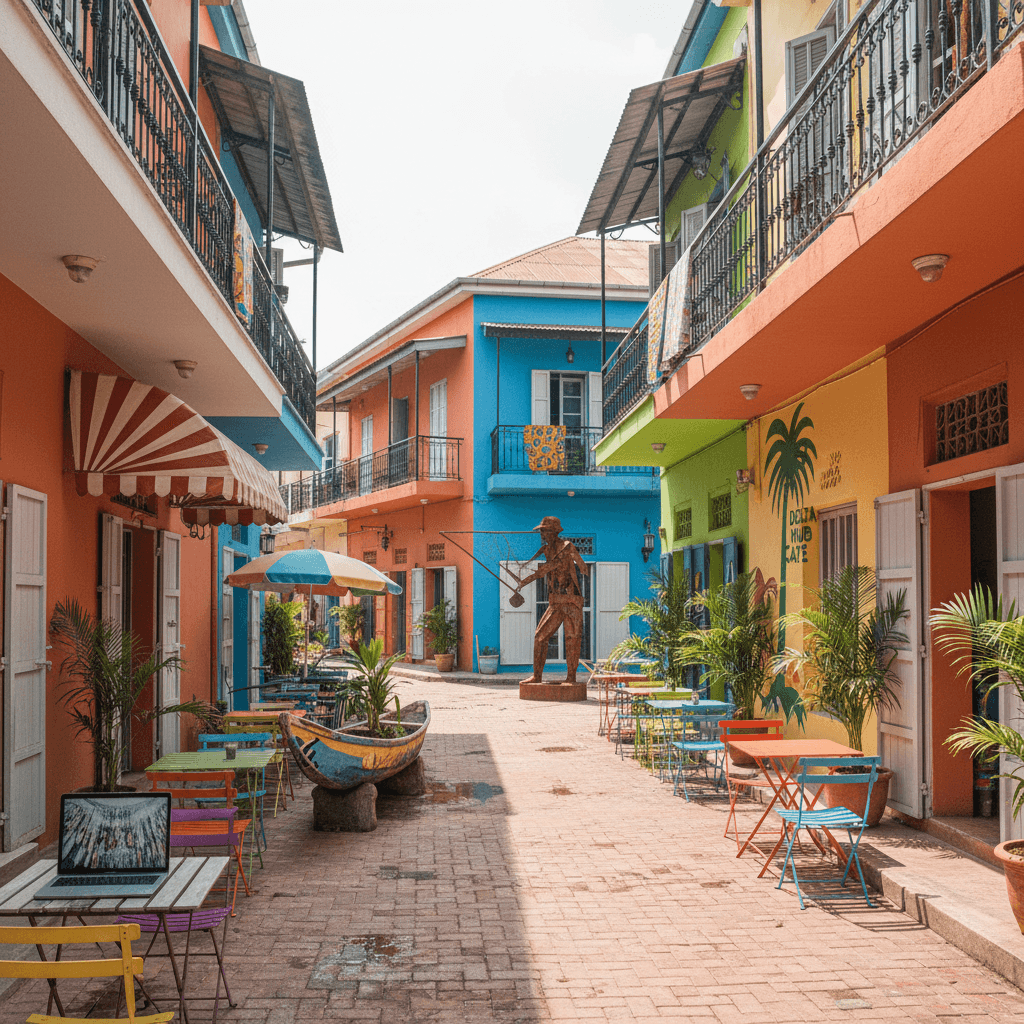
Port Harcourt
🇳🇬 Nigeria