Ensenada
🇲🇽 Mexico
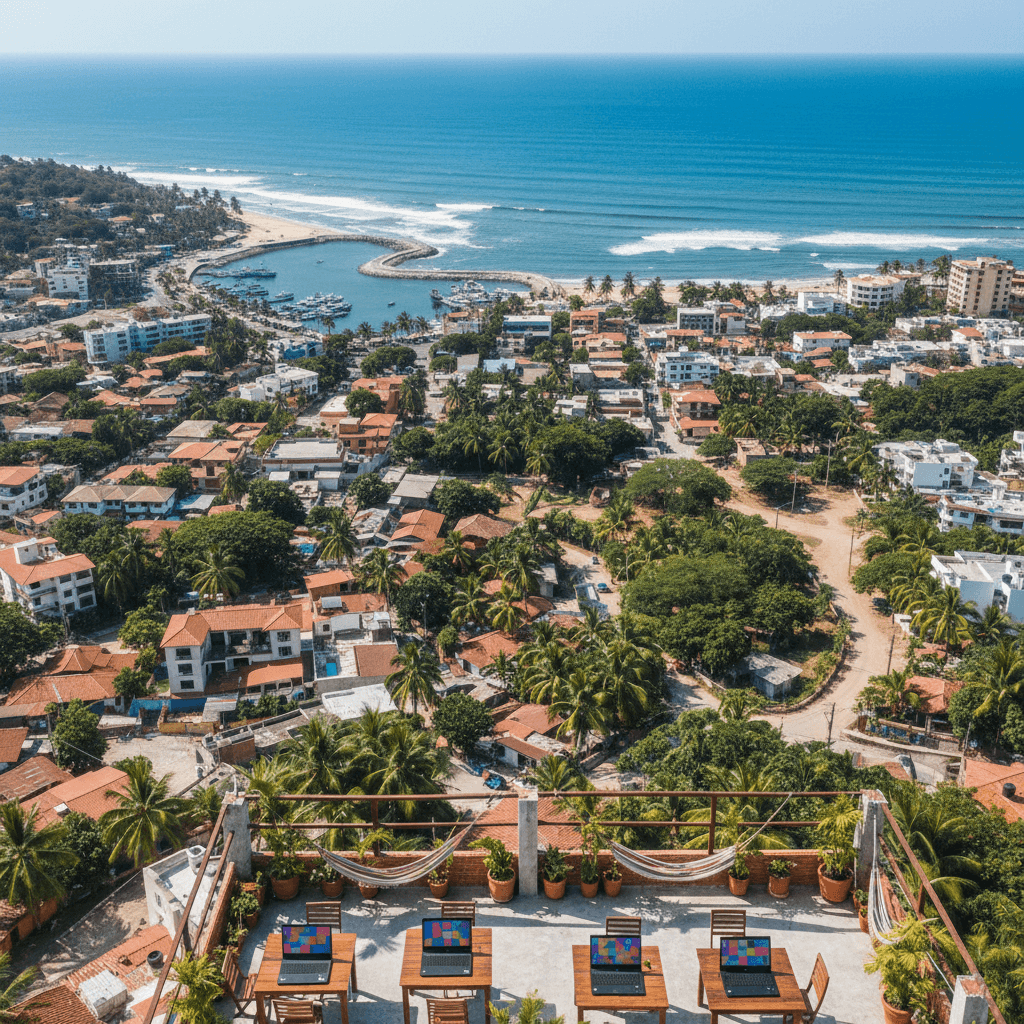
Ensenada feels like the cooler, more grounded cousin of Mexico's high-octane nomad hubs. While the crowds flock to the humidity of Playa del Carmen or the frantic pace of Mexico City, people come here for the crisp Pacific breeze and a lifestyle that revolves around the tides and the vines. It is one of the few places where you can spend your morning surfing at Playa Hermosa, your afternoon on a Zoom call with fiber optic internet, and your evening sipping a world class Nebbiolo in the Valle de Guadalupe.
The city has a distinct maritime soul. You will feel it when you walk past the fish markets or hear the seals barking near the harbor. It is not a manicured resort town; it has a gritty, authentic charm that rewards travelers who prefer a local cantina over a tourist trap. Most nomads find the pace of life here restorative. It is easy to settle into a rhythm where the biggest stress of your day is deciding between a 50 peso seafood tostada at La Guerrerense or a fresh oyster spread at El Güero.
The Neighborhood Breakdown
- Playa Hermosa: This is the sweet spot for remote workers. It is quieter than downtown, offering ocean views and a relaxed, residential feel. You can find modern 1BR apartments here that feel like a steal compared to US coastal prices, and the beach is clean enough for a daily sunset run.
- Zona Centro: If you want to be in the thick of it, this is your base. It is home to legendary spots like Hussong’s Cantina, which has been a local fixture since 1892. Just be warned: the nightlife is loud. If you have early morning video calls, the street noise here might be a dealbreaker.
- La Bufadora: Located a bit further out, this area is rugged and rustic. It is perfect for a weekend escape to see the marine geyser, but the spotty cell service makes it a tough place to actually live if you are tethered to a laptop.
Cost of Living & Logistics
Your dollar goes a long way here, especially if you lean into the local scene. A budget of 25,000 pesos ($1,250 USD) per month gets you a comfortable mid range lifestyle, including a nice apartment in Playa Hermosa and plenty of meals out. If you want to go all out with a high end oceanview condo and frequent wine tours, 40,000 pesos ($2,000 USD) will have you living exceptionally well.
The internet situation is surprisingly solid for a coastal town. Fiber optic connections are standard in the main neighborhoods, costing between 500 and 1,200 pesos ($25 to $60 USD) monthly. While there is not a massive "coworking" brand name in town yet, the cafe culture is catching up. You will see plenty of people working from laptops in the cafes near the plaza or at the waterfront bars during the quieter afternoon hours.
The Social Scene
The expat and nomad community in Ensenada is growing but remains low key. You won't find the aggressive "networking" events common in other cities. Instead, you meet people at wine tastings or while watching the whales migrate between December and April. Social life often migrates to the Valle de Guadalupe on weekends, where 200 to 500 peso tastings offer a sophisticated break from the salty air of the coast.
Safety is a common question, but most residents feel very secure in the primary tourist and residential zones. Stick to the well lit areas of Zona Centro at night and use common sense on the outskirts. The proximity to the US border, just a 90 minute drive from Tijuana, adds a layer of convenience that most other Mexican nomad spots can't match. It is the perfect middle ground for those who want the Mexican coastal experience without feeling completely isolated from the north.
Making Your Pesos Stretch
Ensenada is a breath of fresh air for your wallet, especially if you're coming from Southern California or bigger Mexican hubs like Playa del Carmen. You get that coveted Pacific Coast lifestyle without the astronomical price tag. Most nomads find they can live quite well here for about half of what they'd spend in San Diego, just ninety minutes north.
Your monthly burn depends heavily on your neighborhood choice. If you're looking for a mid-range lifestyle in a spot like Playa Hermosa, where you can wake up to ocean views, expect to budget around 25,000 pesos ($1,250 USD). This covers a nice one bedroom apartment, regular dinners out, and your utilities. For those on a tighter budget, sharing a house or living slightly further inland can bring your costs down to roughly 15,000 pesos ($750 USD) a month while still eating plenty of world class street food.
Housing and Utilities
Rent is your biggest variable. Zona Centro is great for walking to bars and markets, but it can get noisy at night. Playa Hermosa is the expat favorite for its balance of beach access and quiet. For a high end, comfortable lifestyle with a modern condo and all the perks, you're looking at 40,000 pesos ($2,000 USD) or more.
- Studio/1BR Apartment: Prices vary by proximity to the water, but they remain affordable compared to other coastal cities.
- High-Speed Fiber Internet: Essential for remote work, this will cost you between 500 and 1,200 pesos ($25 to $60 USD) per month depending on your speed tier.
- Gas and Electricity: Monthly gas for cooking and hot water usually hovers around 1,300 pesos ($55 USD).
The Food Scene
You'll likely spend more on food than you planned, not because it's expensive, but because it's incredible. Ensenada is a culinary heavy hitter. You can eat like a king on the street or splurge in the nearby wine valley.
- Street Eats: A legendary seafood tostada at La Guerrerense or fresh oysters at El Güero will run you between 50 and 200 pesos ($2.50 to $10 USD).
- Mid-Range Dining: A nice dinner with drinks in the city usually lands around 400 pesos ($20 USD) per person.
- Valle de Guadalupe: If you head thirty minutes inland for wine tastings, expect to pay 200 to 500 pesos ($10 to $25 USD) per person for a flight of local reds.
Transport and Lifestyle
Getting around is cheap if you stay central. Zona Centro is very walkable, and local buses are efficient for a few pesos. Many nomads use ride hailing apps to get between the city center and the beach. If you're bringing a car from the US, gas is your main expense, but the convenience of driving to La Bufadora or the vineyards is worth it.
Entertainment costs are manageable too. A whale watching tour during the December to April season costs between 600 and 1,200 pesos ($30 to $60 USD). For daily connectivity, expats recommend grabbing an Airalo eSIM or a local Telcel SIM to stay online, though you should remember that cell service can get spotty once you head into the rustic outskirts or deep into the Valle.
The Digital Nomad: Playa Hermosa
If you're balancing a 9 to 5 with a desire for Pacific views, Playa Hermosa is the consensus pick. It's the most reliable spot for high speed fiber optic internet, which usually costs between 500 and 1,200 pesos per month. Unlike the chaotic center, the noise levels here won't ruin your Zoom calls.
- The Vibe: Relaxed, coastal, and uncrowded. You can transition from a meeting to a surf session in five minutes.
- Rent: Expect to pay around 25,000 pesos for a mid range one bedroom with an ocean view.
- Work Life: While dedicated coworking spaces are still popping up, the cafe culture is strong. You'll find plenty of nomads with laptops at local spots near the beach.
- Pro Tip: Cell service can get spotty as you move toward the outskirts, so download your Google Maps for offline use and stick to Airalo for your data needs.
The Solo Traveler: Zona Centro
For those who want to be in the thick of it, Zona Centro is where Ensenada feels most alive. It's walkable, social, and puts you within arm's reach of the city's best street food and legendary bars. It's the best area if you don't plan on renting a car.
- The Vibe: High energy and urban. You're steps away from the seafood tostadas at La Guerrerense and the historic margaritas at Hussong’s Cantina.
- Rent: This is often the most affordable area for studios, though you swap peace and quiet for convenience.
- Social Scene: It's easy to meet people at La Bête Noire, a popular speakeasy known for electronic beats and great cocktails.
- The Trade off: The streets are loud. If you're a light sleeper or need a silent office environment, the constant hustle might wear on you.
Families and Nature Lovers: La Bufadora and Surroundings
Families often gravitate toward the rustic charm of the areas surrounding the La Bufadora geyser. It feels more like a getaway than a city, offering a slower pace and plenty of outdoor space for kids to run around. It's also the prime spot for whale watching tours from December to April, which typically cost between 600 and 1,200 pesos.
- The Vibe: Quiet, scenic, and focused on the natural environment. It’s perfect for those who prefer hiking and stargazing over nightlife.
- Practicality: You'll definitely need a car here. While it's safe and family friendly, you're further away from the major supermarkets and healthcare facilities found in the city center.
- Day Trips: You’re in a great position for quick runs to the Valle de Guadalupe wine region, where tastings usually range from 200 to 500 pesos.
The Long Term Expat: Residential Enclaves
Expats looking for a "comfortable" tier lifestyle often look for homes in the hills or gated communities between the city and the wine valley. This allows for a 40,000+ peso monthly budget that covers a large home, frequent upscale dining, and private security. Most expats recommend working with a local relocation guide to find these spots, as the best deals aren't always listed on major English language sites. You'll get the Mediterranean climate without the tourist crowds, though a basic grasp of Spanish is more important here than in the downtown tourist zones.
Connectivity and Speed
Ensenada has quietly become a reliable base for remote work, largely thanks to the widespread rollout of fiber optic infrastructure. You'll find that most modern apartments and Airbnbs in neighborhoods like Playa Hermosa or the newer developments near Zona Centro offer speeds ranging from 100 Mbps to 500 Mbps. For a private connection, expect to pay between 500 and 1,200 pesos ($25 to $60 USD) per month depending on the tier.
While the home internet is solid, mobile data can be hit or miss. The city center has strong 4G and 5G coverage, but service drops off quickly as you head toward the outskirts or down the coast toward La Bufadora. Experienced nomads recommend downloading offline maps on Google Maps before heading out on day trips. For data, many travelers skip the local SIM card lines and use an Airalo eSIM for immediate connectivity, though grabbing a local Telcel SIM remains the cheapest way to get high data caps for tethering.
Coworking Spaces and Community
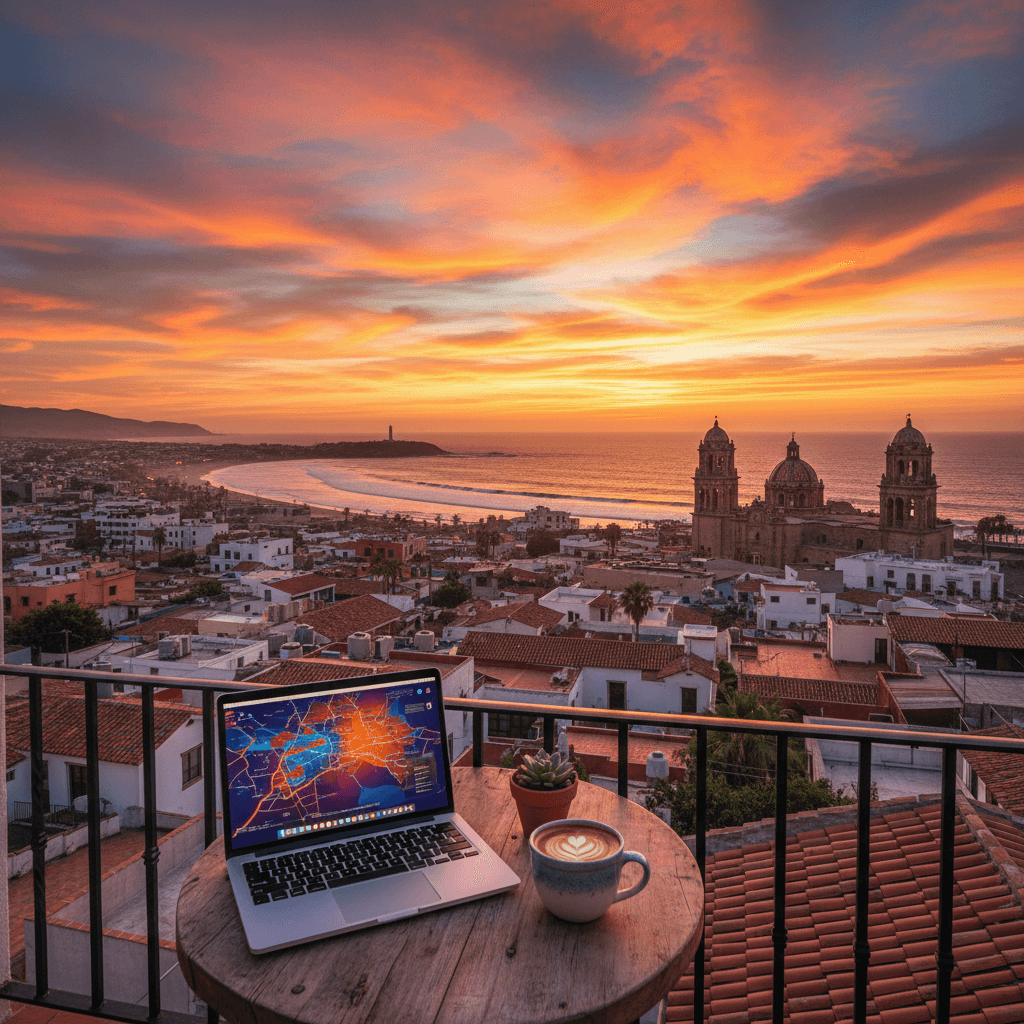
Unlike the saturated nomad hubs of Mexico City or Tulum, Ensenada doesn't have a massive corporate coworking scene. The community here is more organic, centered around shared work sessions in cafes or within the common areas of boutique hotels. Most nomads find that the lack of dedicated "hot desk" warehouses is balanced out by the city's relaxed pace and the ability to work from ocean-view balconies.
If you need a professional environment for video calls, focus on the Zona Centro area. Just be aware that the downtown core gets noisy with traffic and street music. If your job requires frequent Zoom meetings, look for housing in the quieter residential pockets of Playa Hermosa where the background noise is mostly just the Pacific Ocean.
The Cafe Office Scene
The coffee culture in Ensenada is sophisticated, and many shop owners are used to seeing laptops. It's common to spend a few hours working over a pour-over or a local craft brew. Here are a few spots where the Wi-Fi is generally dependable:
- Hussong’s Cantina: While legendary for its margaritas and history dating back to 1892, it's a great spot to catch up on emails during the quieter afternoon hours before the live boleros start.
- La Bête Noire: This speakeasy style spot has a great vibe for those who prefer working in a more moody, creative environment later in the day.
Digital Nomad Logistics
Living and working here is remarkably affordable compared to Southern California, which is only about 90 minutes away. Most nomads find a comfortable lifestyle costs around 25,000 pesos ($1,250 USD) a month, including a nice 1BR apartment and frequent meals out. If you're looking for luxury, a 40,000 peso ($2,000 USD) budget gets you a high-end oceanfront setup with top-tier internet.
- Best backup: Keep a local SIM with a data plan handy, as occasional power flickers can happen during winter storms.
- Networking: The nomad community often overlaps with the wine enthusiast crowd. You'll meet more fellow remote workers at a wine tasting in Valle de Guadalupe than you will in a traditional office.
- Security: Public Wi-Fi is common in the main tourist plazas, but always use a VPN, especially when accessing banking apps or client portals.
Staying Safe on the Pacific Coast
Ensenada is a breath of fresh air compared to the high-intensity border cities nearby. Most nomads find it feels like a relaxed coastal town where common sense goes a long way. The tourist areas and neighborhoods like Playa Hermosa or Zona Centro have a visible police presence, which helps keep the peace during the day and early evening.
The general rule here is to stick to well-lit, busy streets once the sun goes down. While the main drag is usually fine, the dimly lit outskirts can get sketchy after dark. Expats recommend avoiding isolated beach stretches at night and staying away from neighborhoods that don't have a clear residential or commercial flow. If you're out late at Hussong’s Cantina or La Bête Noire, it's smarter to call a ride-hailing app rather than walking back to your apartment, especially if you've been enjoying the local margaritas.
Petty theft can happen, so don't leave your laptop or phone visible in a parked car. When you're working from a cafe, keep your gear within reach. Most travelers say they feel perfectly comfortable walking around during the day, even with camera gear, but it pays to stay aware of your surroundings.
Healthcare and Medical Services
One of the biggest perks of living in Ensenada is the access to high-quality, affordable medical care. It's a popular spot for medical tourism because the standards are high but the costs are a fraction of what you'll pay in the US or Europe. You'll find plenty of pharmacies, known as farmacias, on almost every block in the center. These are great for daily needs or over-the-counter meds, and many have a doctor on-site for quick, low-cost consultations.
For more serious issues, the city has reputable hospitals that are well-equipped to handle emergencies. Most expats find the private facilities are the way to go for faster service and more English-speaking staff. While the specific quality is suitable for most needs, if you have a complex chronic condition, you're only about 90 minutes from major specialists in Tijuana or San Diego.
- Emergency Services: Dial 911 for immediate assistance.
- Pharmacy Costs: Basic consultations often cost between 50 and 100 pesos.
- Hospital Access: Stick to private clinics for shorter wait times and modern equipment.
- Navigation: Use Google Maps for finding clinics; it's reliable and accurate for the city center.
Practical Safety Tips
If you're driving down from the States, the scenic loop highway is generally safe and well-maintained. Just make sure you have Mexican auto insurance, as your US policy won't cover you here. Stick to the main roads and avoid driving through rural areas at night to steer clear of potholes or wandering livestock.
For digital nomads, the biggest "safety" concern is often losing your connection. While the city center is solid, cell service gets spotty as you head toward La Bufadora or deep into the Valle de Guadalupe. Expats recommend downloading offline maps on Google Maps so you don't get turned around in areas with no bars. Using an Airalo eSIM is a popular move for instant data, but having a local physical SIM as a backup is never a bad idea if you're planning to stay for a few months.
Water safety is another thing to watch. While Playa Hermosa is usually clean and great for a swim, always check local reports after heavy rains. Like most of Mexico, don't drink the tap water. Most rentals will have a garrafón (a 20-liter water jug) delivered for a few dollars, which is the standard way to stay hydrated without getting sick.
Getting Around Town
Ensenada is a city of two speeds. In the Zona Centro, you'll find a compact grid that's remarkably walkable. Most nomads spend their days hopping between seafood carts like La Guerrerense and the local cantinas without ever needing a car. However, if you're staying in the more relaxed Playa Hermosa area, you'll want to budget for short rides or a bike to get into the heart of the action.
For daily errands, local buses are the most budget-friendly way to move. They're efficient and cover the main arteries of the city for just a few pesos. If you prefer the convenience of your phone, ride-hailing apps are the gold standard here. They work just as seamlessly as they do in San Diego, providing a safe and predictable way to get home after a late night at La Bête Noire.
Driving and Regional Travel
Many expats choose to bring their own vehicles, especially those coming from the United States. The drive down the coast via the loop highway is famous for its ocean views and is generally straightforward. Having your own wheels is a huge plus if you plan on frequenting the Valle de Guadalupe wine region, which is about a 30-minute drive away. Just keep an eye on your gas budget; locals typically spend around 1,300 pesos ($55 USD) monthly on fuel for personal use.
If you're flying in, you'll likely land at Tijuana International Airport. From there, it's a 1.5-hour drive to Ensenada. You can arrange private shuttles or take a high-quality motorcoach, which is a common choice for travelers looking to avoid the stress of driving across the border themselves.
Navigation Tips for Nomads
While the city center is well-connected, cell service can get spotty once you head toward the outskirts or down to La Bufadora. Experienced travelers always download offline maps on Google Maps before heading out on a day trip. It's a small step that saves a lot of frustration when you're looking for a specific trailhead or a remote winery.
- Walking: Best for Zona Centro and the Playa Hermosa boardwalk.
- Ride-Hailing: Reliable, affordable, and the safest bet for night travel.
- Bikes and Scooters: Great for the flat coastal roads near the beaches.
- Public Buses: The cheapest way to cover long distances within the city limits.
Practical Transit Costs
Transportation won't eat up much of your budget here compared to other coastal hubs. Most nomads find that a mix of walking and occasional ride-hails keeps costs low. If you're planning on exploring the surrounding nature, factor in these typical prices:
- Monthly Gas: Approximately 1,300 pesos ($55 USD).
- Whale Watching Tours: Between 600 and 1,200 pesos ($30 to $60 USD) during the December to April season.
- Valle de Guadalupe Day Trip: Budget 200 to 500 pesos ($10 to $25 USD) for transport and basic tastings.
Whether you're sticking to the urban core or venturing out to the rugged cliffs, getting around is more about the pace than the struggle. Stick to the main roads after dark, keep your offline maps ready, and you'll find the city very easy to navigate.
The Language Landscape
In Ensenada, Spanish is the undisputed king of conversation. Because the city sits just 90 minutes south of the border, you will find a higher level of English proficiency here than in deep southern Mexico, but it is not quite a bilingual bubble. In tourist heavy pockets like Zona Centro or the popular seafood stalls near the harbor, most staff speak enough English to get through a transaction smoothly. However, as you move into residential neighborhoods like Playa Hermosa or head out to the rustic outskirts near La Bufadora, that safety net thins out quickly.
Most nomads find that while they can survive with "Spanglish," learning the basics goes a long way with the locals. Ensenadenses are famously friendly and patient with learners. If you are heading to the local markets or dealing with a landlord for a long term rental, having a translation app ready is a smart move. Expats recommend downloading the offline Spanish dictionary on Google Translate, as cell service can be spotty when you are exploring the coastal cliffs or the winding roads of Valle de Guadalupe.
Digital Communication and Connectivity
Staying connected is relatively straightforward if you stay central. For your phone, travelers often suggest using an Airalo eSIM for an instant data fix upon arrival. If you are staying longer than a week, picking up a local physical SIM from Telcel is the move for better coverage and lower rates. Expect to pay between 500 and 1,200 pesos ($25 to $60 USD) per month for high speed fiber optic internet at your home or "casita," which is fast enough for video calls and heavy uploads.
Be aware that the outskirts and some beach areas have dead zones. If you are planning a work session from a remote beach, check your bars first. Within the city, the "café culture" serves as a makeshift office for many. While there are not many dedicated big brand coworking spaces yet, spots like La Bête Noire or the various coffee shops near the plaza provide the reliable Wi-Fi and caffeine needed to power through a workday.
Key Phrases for Your Arrival
You do not need to be fluent, but tossing out a few local terms shows respect for the culture. Here are the basics you will use daily:
- "¿Cuánto cuesta?" (How much does it cost?): Use this at the street carts like La Guerrerense where prices might not be on a giant board.
- "¿Dónde está...?" (Where is...?): Vital for finding the hidden craft cocktail bars in the downtown alleys.
- "La cuenta, por favor" (The check, please): Essential for winding down those long lunches in the wine valley.
- "Con permiso" (Excuse me): Use this when navigating through the crowds at the fish market or Hussong’s Cantina.
Social Integration
The expat and nomad community in Ensenada is growing but spread out. You will find most English speakers hanging out at the wine tastings in the Valle or catching sunset beers at Playa Hermosa. Since there are few formal "nomad meetups," communication usually happens in Facebook groups or through organic chats at the beach. If you want to make local friends, showing an interest in the regional food scene is the fastest icebreaker. Locals are incredibly proud of their long history of hospitality, and a simple "gracias" goes a long way in this relaxed coastal town.
The Mediterranean of Mexico
Ensenada is a bit of a weather anomaly for Mexico. If you are expecting tropical humidity or jungle heat, you will be surprised. It sits in a semi-arid Mediterranean climate zone, meaning it stays relatively dry and mild throughout the year. Most nomads find the air crisp and refreshing, especially compared to the heavy heat of the Yucatan or the smog of the capital.
The Pacific Ocean acts as a natural air conditioner here. Even when the sun is out, the coastal breeze keeps things comfortable. You'll rarely find yourself sweating through a Zoom call if you're staying near Playa Hermosa or the waterfront. However, the temperature can drop quickly once the sun goes down, so expats always recommend keeping a light jacket or hoodie handy, even in the summer.
When to Pack Your Bags
The sweet spot for visiting is between May and October. This is when the city truly wakes up. The days are long and sunny, and the water is warm enough for surfing or a quick dip. If you're a fan of the vine, August is a massive month because of the Vendimia wine harvest festivals in the nearby Valle de Guadalupe. Just be prepared for higher prices and more crowds during this window.
- Summer (June-August): Expect highs around 78°F to 82°F (25°C-28°C). It is the peak season for beach days and outdoor dining.
- Autumn (September-November): Many locals consider this the best time. The summer crowds thin out, but the weather stays warm and the wine country is at its most scenic.
- Winter (December-March): This is the rainy season, though "rainy" is a relative term. You might get a few grey days a week, and temps can dip into the 50s°F (10°C-15°C) at night.
- Spring (April-May): The landscape turns green and the wildflowers bloom. It is a great time for hiking in Sierra San Pedro Mártir before the summer heat hits.
The Whale Watching Window
If you aren't just here for the Wi-Fi and tacos, you should aim for the winter months. From December to April, Gray Whales migrate past the bay. You can hop on a tour boat for about 600 to 1,200 pesos ($30-$60 USD). While it is the "off-season" for swimming, the marine life is at its most active. Be aware that winter storms can occasionally make the cell service in the outskirts a bit spotty, so keep your offline maps downloaded.
What to Watch Out For
While the weather is generally your friend, the "Santa Ana" winds occasionally blow in from the desert. These usually happen in late autumn or winter and can bring sudden spikes in heat and dry, dusty conditions. If you have allergies, these days might be a bit rough. Also, keep in mind that coastal fog is common in the mornings, especially in late spring. It usually burns off by noon, giving you a clear afternoon to work from a cafe in Zona Centro or grab a seafood tostada at La Guerrerense.
For those planning a long-term stay, remember that many local apartments don't have central heating. Since winter nights can get chilly, expats suggest looking for places that include a space heater or a fireplace, otherwise you'll be buying a lot of blankets at the local markets.
Connectivity and Tech Infrastructure
Ensenada is surprisingly well equipped for remote work, but you have to be smart about where you set up shop. Most nomads opt for fiber optic internet, which typically costs between 500 and 1,200 pesos ($25 to $60 USD) per month depending on your speed tier. While the city center handles video calls without a hitch, cell service gets spotty the moment you head into the outskirts or toward the rugged coastline near La Bufadora.
Expats recommend downloading offline maps on Google Maps before you arrive. If you want to skip the hassle of hunting down a physical SIM card, an Airalo eSIM is the easiest way to get data immediately. For those who prefer a local number, Telcel remains the most reliable provider for broader coverage in Baja.
Cost of Living Breakdown
Living here is significantly more affordable than across the border in San Diego, but your lifestyle determines the final bill. Most people find they can live comfortably on 25,000 pesos ($1,250 USD) a month, though you can stretch a budget much further if you stick to local markets and shared housing.
Budget Tier
- Total: Around 15,000 pesos ($750 USD) per month
- Housing: Shared apartments or older studios in Zona Centro
- Food: Street food staples like the legendary seafood tostadas at La Guerrerense for 50 to 100 pesos ($2.50 to $5 USD)
Mid-Range Tier
- Total: Around 25,000 pesos ($1,250 USD) per month
- Housing: A private 1BR in Playa Hermosa with ocean views
- Food: A mix of home cooking and mid-range dining at spots like El Güero, where fresh oysters run about 200 pesos ($10 USD)
Comfortable Tier
- Total: 40,000+ pesos ($2,000+ USD) per month
- Housing: High-end condos or modern houses with full amenities
- Activities: Regular wine tastings in Valle de Guadalupe for 200 to 500 pesos ($10 to $25 USD) and whale watching tours for 600 to 1,200 pesos ($30 to $60 USD)
Getting Around and Safety
Zona Centro is very walkable, and you can easily reach the main markets and bars on foot. For everything else, local buses are efficient and cheap. If you're driving down from the USA, the loop highway offers incredible ocean views and is generally well maintained. Just keep an eye on your gas; monthly fuel costs for a personal vehicle usually hover around 1,300 pesos ($55 USD).
Safety in Ensenada is mostly about common sense. Stick to well lit, busy areas at night and avoid isolated streets on the outskirts after dark. The tourist zones have a strong police presence, and the community is generally welcoming to foreigners. If you need medical care, pharmacies are everywhere, and the local hospitals are reputable and much more affordable than those in the States.
Practical Logistics
Spanish is the main language here. While you will get by with English in the downtown core and at the wineries, it drops off quickly in residential neighborhoods. Travelers often suggest keeping a translation app handy for more complex interactions like setting up utilities or visiting a mechanic.
Banking is straightforward with widespread ATMs, and many businesses in the center accept cards, though you should always carry pesos for street food and smaller shops. If you're looking for an apartment, skip the international sites and check local real estate listings or relocation guides to find the best deals in Playa Hermosa or Zona Centro.
Need visa and immigration info for Mexico?
🇲🇽 View Mexico Country GuideEasy Landing
Settle in, no stress
Monthly Budget Estimates
More cities in Mexico
Mazatlán
🇲🇽 Mexico
Querétaro
🇲🇽 Mexico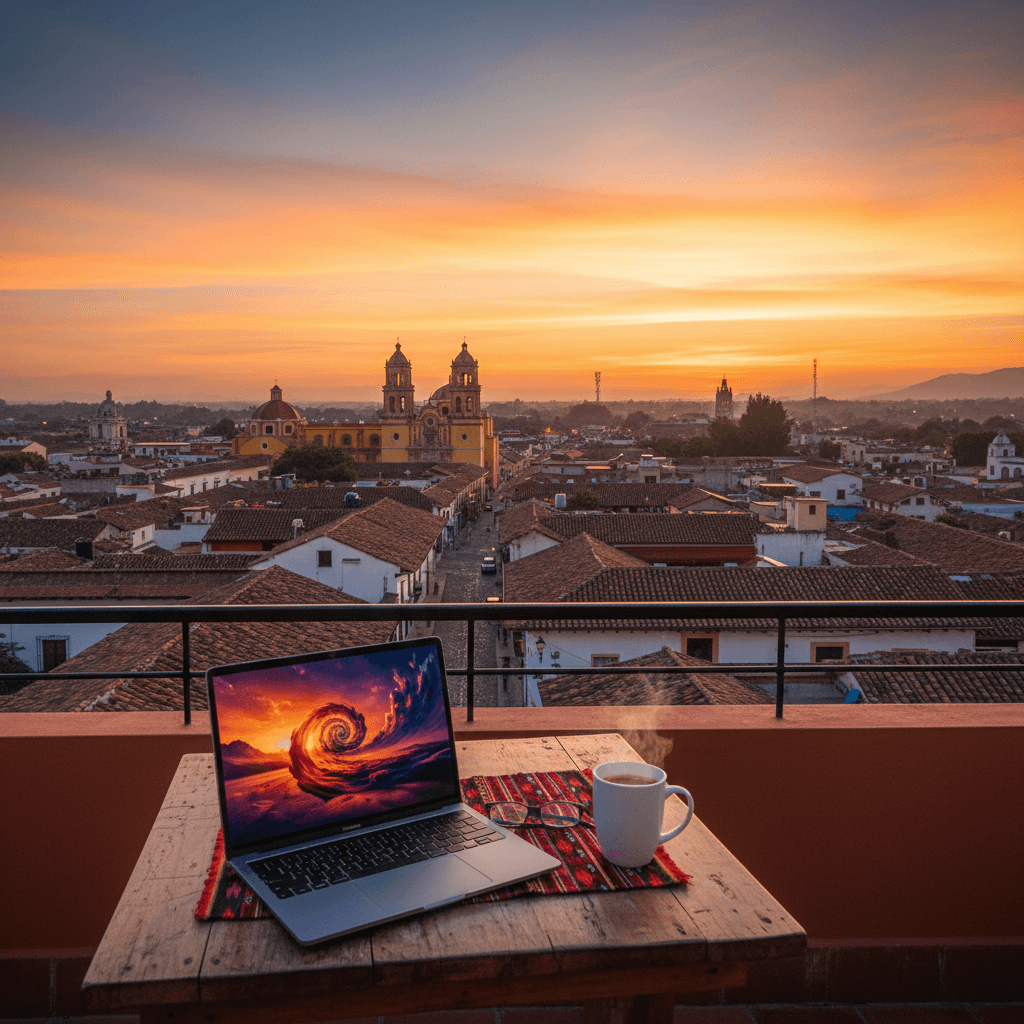
San Cristóbal de las Casas
🇲🇽 Mexico