Encarnación
🇵🇾 Paraguay
The Pearl of the South
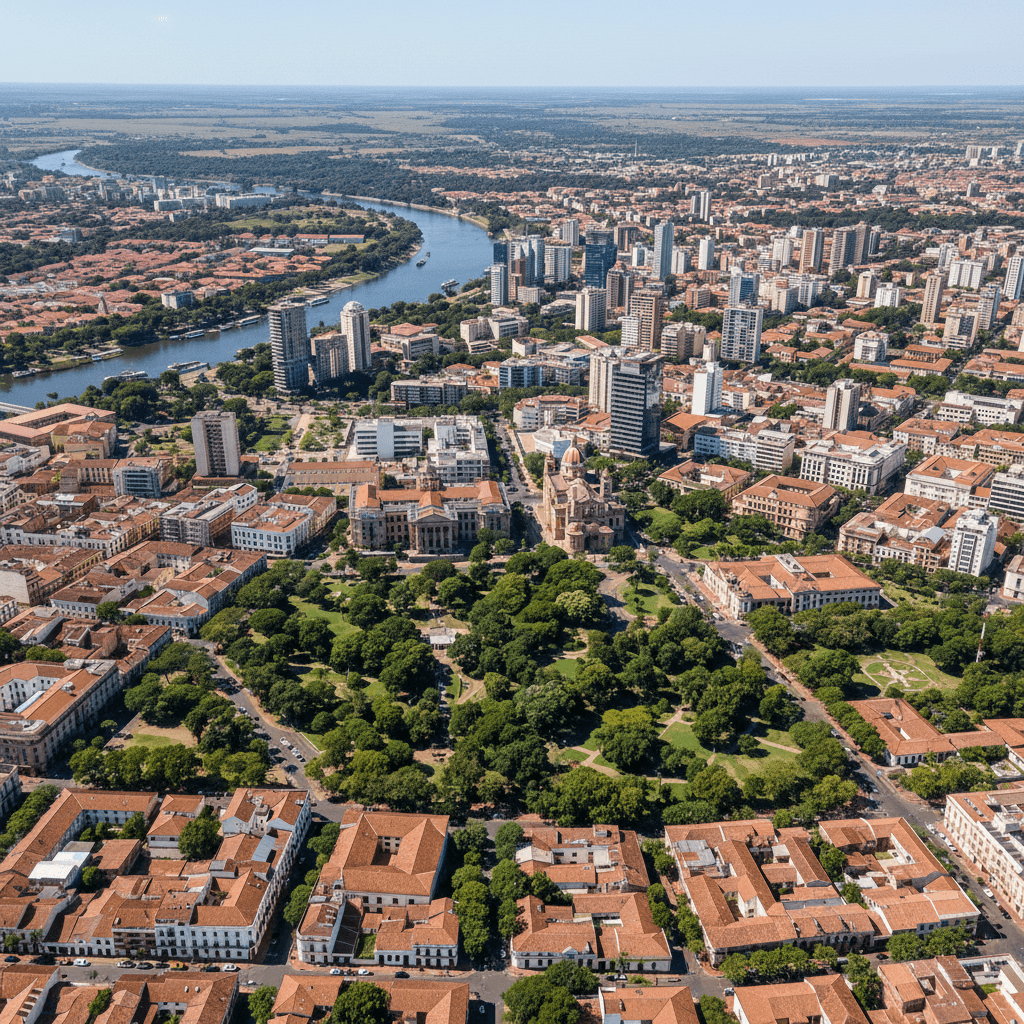
Encarnación is Paraguay's unexpected summer capital, a city that feels less like a gritty border crossing and more like a laid back seaside resort. While it sits on the banks of the Río Paraná rather than the ocean, the atmosphere is pure vacation mode. It’s the kind of place where the pace of life slows down to a crawl, dictated by the heat of the afternoon and the evening breeze off the water.
Most nomads arrive here expecting a dusty transit point to the Jesuit Ruins or a quick stop before crossing into Posadas, Argentina. What they find instead is a tidy, organized city of about 107,000 people that punches way above its weight class in terms of livability. It’s significantly cleaner and more relaxed than Asunción, offering a manageable scale that makes it easy to find your footing within forty eight hours.
The Riverfront Vibe
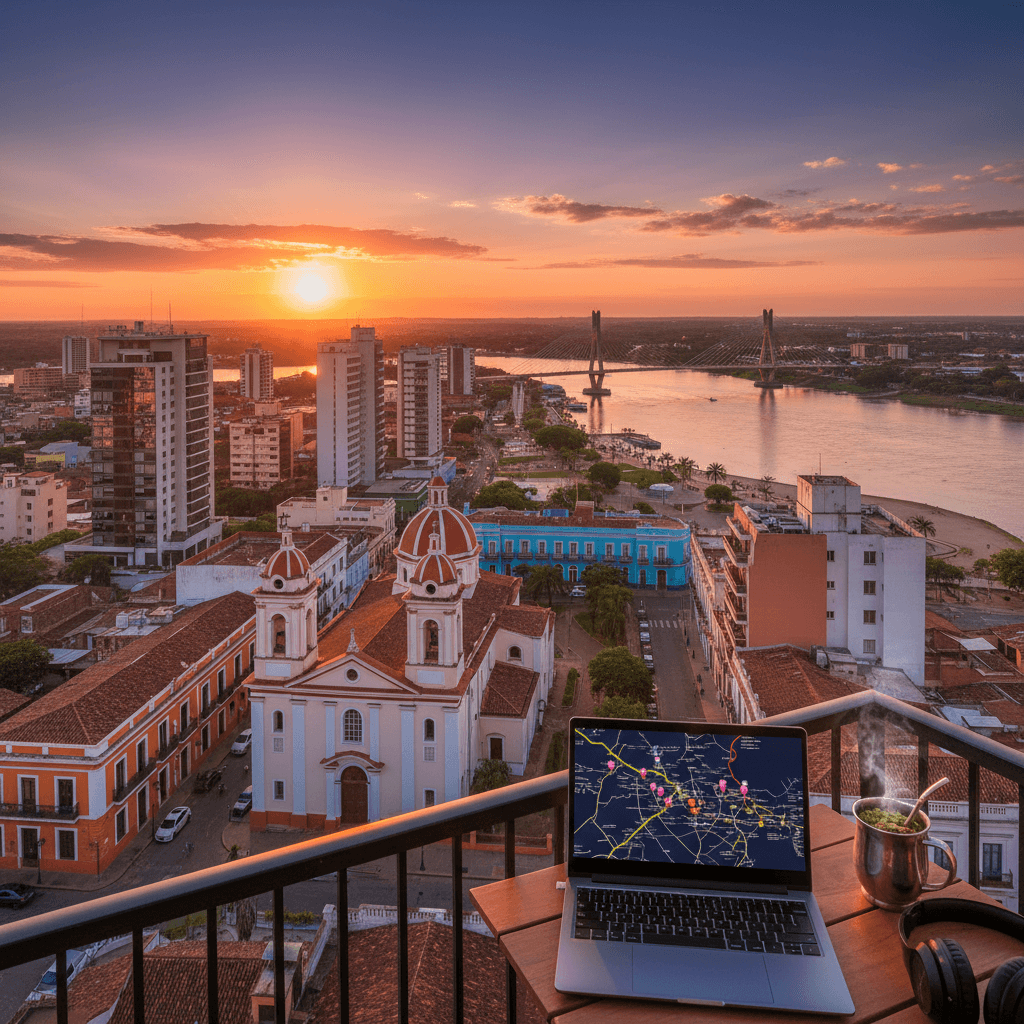
The city's soul resides on the Costanera, a massive riverside promenade that stretches for kilometers. During the day, it's a quiet expanse of concrete and sand, but as the sun dips, it transforms into the city’s communal living room. You'll see locals sipping tereré (cold yerba mate) from ornate thermals, joggers dodging skateboarders, and families claiming spots on the Playa San José.
The vibe is decidedly "slow travel." You won't find the frantic startup energy of Medellín or the digital nomad infrastructure of Mexico City here. Instead, Encarnación offers a rare chance to disappear into a real South American community. It’s a place for the nomad who is tired of "hustle culture" and wants a base where the most stressful part of the day is deciding which parrillada to visit for dinner.
Life Around the Plaza
Away from the beach, the city centers on the Plaza de Armas. This isn't just a patch of grass; it’s a lush, wooded park that serves as the anchor for the local shopping district. The surrounding streets function like a traditional Main Street, filled with small boutiques, electronics shops, and cafes. It’s walkable and surprisingly safe, though it retains a sleepy, small town feel where shops often close for a long siesta in the mid afternoon.
Living here feels like being let in on a local secret. Because it’s a mission to reach, requiring multiple flight connections or a long bus ride from the capital, the international tourist crowd is thin. You are more likely to be surrounded by vacationing Paraguayans than backpackers. This creates an authentic, hospitable environment where people are genuinely curious about why you've chosen their corner of the world.
What Sets It Apart
- The River Lifestyle: The proximity to the water changes everything. Having a massive beach within walking distance of the city center is a luxury you won't find in many landlocked countries.
- Border Dynamics: The constant flow of people and goods across the bridge to Argentina gives the city a unique commercial energy and provides an easy escape for a weekend in Posadas.
- The Carnival Spirit: If you're here in January or February, the city explodes. The Carnaval Encarnaceno is the biggest in the country, turning this quiet town into a riot of feathers, drums, and dancing.
- Affordability: While specific prices fluctuate, your dollar or euro goes incredibly far here compared to almost anywhere else in the Southern Cone.
You’ll love Encarnación if you appreciate order, safety, and water views. It’s a city that doesn't demand anything from you. You can spend your mornings working from a quiet cafe near the plaza and your afternoons watching the sunset over the Paraná. It’s not a high octane tech hub; it’s a place to breathe, reset, and enjoy the simple pleasure of a cold drink on a hot Paraguayan night.
Encarnación sits in a unique spot for nomads. It is significantly cheaper than Asunción and a world apart from the price tags of Buenos Aires or Montevideo. Because it serves as a summer playground for Paraguayans, you will find a strange split in the economy: prices for short-term rentals can spike in January, but for the rest of the year, your dollar or euro stretches remarkably far.
The city operates on a cash-heavy basis, though larger supermarkets and restaurants along the Costanera accept cards. You will want to keep a stash of Guaraní (PYG) for local markets and the ubiquitous motorcycle taxis. Expect a lifestyle here to cost roughly $800 to $1,200 per month for a comfortable, solo setup, though budget-conscious travelers can easily dip below that mark.
Housing and Neighborhoods
Unlike larger capitals, Encarnación doesn't have a massive inventory of high-end apartments, but what is available is affordable. Most nomads look toward the Costanera area for proximity to the river and better internet infrastructure. If you want a more local feel, the area around Plaza de Armas offers colonial charm and easy access to the city's main shopping district.
- Modern Apartment (1-Bedroom): $350 to $500 per month. These are usually found in newer builds near the water.
- Local Studio: $200 to $300 per month. These are often simpler units further from the beach.
- Utilities (Electricity/Water/Trash): $40 to $70 per month. Be careful with air conditioning in the summer; Paraguayan heat is intense and can double your bill.
Food and Dining
Eating out is one of the biggest perks of living here. You can find a menú del día (lunch special) at local spots for about $3 to $5. If you are heading to the more polished restaurants near the San José beach, prices rise but remain modest by international standards. Grocery shopping at chains like Superseis is affordable, especially if you stick to local beef and seasonal produce.
- Mid-range Dinner for Two: $20 to $30. This usually includes a couple of drinks and a hearty meal.
- Domestic Beer (0.5L): $1.50 at a bar, even less at the market.
- Cappuccino or Coffee: $2.00 to $3.00 in the newer cafes.
- Monthly Groceries: $150 to $200 for a single person eating mostly at home.
Transportation and Connectivity
The city is compact enough that you can walk many places, but the heat often makes that a poor choice. Public buses are cheap but can be confusing for newcomers. Most expats rely on the MUV or Bolt apps, which are the local answers to Uber and are very inexpensive for getting across town.
- Bolt Ride (Short City Trip): $1.50 to $3.00.
- Monthly Gym Membership: $20 to $35.
- Prepaid SIM Card (Data Heavy): $10 to $15 per month for plenty of gigabytes.
The Argentina Factor
Living in Encarnación gives you a strategic advantage because you are right across the bridge from Posadas, Argentina. Many locals and expats cross the border specifically to shop for certain goods or to take advantage of the exchange rate. While the border crossing can be a headache due to traffic, it acts as a pressure valve for your budget. If prices for electronics or specific imports are high in Paraguay, a quick trip across the river often solves the problem.
The Beachfront Seekers
If you are coming to Encarnacion, you are likely here for the water. The area surrounding Playa San Jose is the heartbeat of the city, especially during the humid summer months. This is where the Costanera, a long riverside promenade, serves as the primary social hub for the entire region. It is the most modern part of town, featuring wide paved paths, contemporary apartment buildings, and a constant stream of locals sipping terere while watching the sunset over the Parana River.
- The Vibe: Energetic, breezy, and very walkable. It feels more like a coastal resort town than a landlocked Paraguayan city.
- Pros: You are steps away from the sand and the best sunset views in the country. The security presence is high here, making it one of the safest spots for a night stroll.
- Cons: It gets incredibly loud and crowded during January and February when the Carnival celebrations take over. Prices for short term rentals spike significantly during this window.
Digital Nomads and Remote Workers
For those needing to get work done, the area around Plaza de Armas is your best bet. While the city is small, this central district functions as the commercial core. It lacks the shiny skyscrapers of Asuncion, but it makes up for it with a leafy, established feel. You will find more reliable Wi-Fi in the cafes here than in the newer beachfront kiosks. Most nomads find that staying within three or four blocks of the Plaza keeps them close to the supermarkets and the main bus terminal for weekend trips to the Jesuit Ruins.
- The Vibe: Low key and functional. It has a small town Main Street energy where people actually recognize their neighbors.
- Work Spots: Look for local cafes like Palove Confiteria or Bistró del Centro for a decent workspace. You won't find many formal coworking spaces, so a stable Airbnb connection is vital.
- Rent: Expect to pay between $400 and $600 USD for a comfortable, furnished apartment in this central zone.
Expats and Long Term Residents
Expats looking for a quieter, more residential lifestyle often gravitate toward Barrio San Roque or the outskirts near Quiteria. These areas offer more traditional houses with yards and gated entries rather than high rise condos. It is a slower pace of life where you will need a car or a reliable taxi contact, as the city's public transit is informal and sometimes hard to predict. Living here allows you to escape the tourist prices of the Costanera while still being a 10 minute drive from the action.
- The Vibe: Quiet, suburban, and very green. It is where you go to disappear into the local rhythm.
- Daily Life: You will be closer to larger wholesale markets and hardware stores. It is the practical choice for anyone staying longer than a few months.
- Social Scene: Most expats here connect through local sports clubs or by frequenting the same handful of parrilladas and German influenced eateries.
Solo Travelers and Budget Explorers
If you are traveling solo and want to keep costs down, the streets near the Circuito Comercial near the international bridge are an option, though they are chaotic. This area is a frenzy of cross border trade with Posadas, Argentina. It is not the most aesthetic place to live, but it is the cheapest. You will find the most affordable guest houses and street food here. Just be prepared for the area to go completely silent and feel a bit desolate once the shops close at dusk.
- The Vibe: Busy, mercantile, and a bit gritty. It is all about the hustle of the border trade.
- Food: This is the place to find $2 USD empanadas and cheap local lunches.
- Safety: Stay alert here at night. While not inherently dangerous, the lack of foot traffic after dark makes it less ideal for solo walking than the beach area.
The Connectivity Reality
Encarnacion is a laid back river town, not a high tech hub. If you are expecting the lightning fast fiber optics of Asuncion, you need to recalibrate your expectations. Most digital nomads here rely on home internet packages from providers like Tigo or Personal, which generally offer speeds between 30 Mbps and 100 Mbps. While this is plenty for Zoom calls and standard workflows, the stability can be hit or miss during the heavy summer storms that roll off the Rio Parana.
Most expats and long term travelers recommend getting a local SIM card immediately. Personal tends to have the most reliable 4G coverage in the city center. You can pick up a SIM for about $2 and load it with data packages that cost roughly $10 to $15 per month for generous allowances. This acts as a necessary backup because power outages, though usually brief, do happen during the peak of the heat season.
Coworking and Workspaces
Dedicated coworking spaces are a rarity in Encarnacion. Unlike the capital, this city operates on a slower, more traditional schedule. You won't find a massive WeWork or a dedicated nomad hub here. Instead, the remote work scene happens in modern cafes and hotel lobbies around the Plaza de Armas and the Costanera.
- The Plaza de Armas Area: This is the heart of the city's commercial life. You'll find several cafes with decent Wi-Fi where the staff won't mind if you linger for a few hours. It feels like a small town Main Street, and it's where most of the daytime energy is focused.
- Costanera Cafes: During the summer months, the waterfront is the place to be. Some of the newer spots along the river offer great views and workable internet, though they can get noisy as the sun starts to set and the vacationers arrive.
- Hotel Lobbies: Larger hotels like the Awa Resort or Savoy are often the best bet for a quiet afternoon of deep work. They generally have the most consistent routers and more comfortable seating than the local eateries.
Practical Tips for Remote Workers
Because there aren't many formal offices for rent, most nomads choose their accommodation based strictly on Wi-Fi reviews. If you are scouting an Airbnb or a local rental, always ask for a screenshot of a speed test. Many apartments in the newer buildings near the water are beginning to install fiber, but it is not the standard in older colonial style homes.
The city effectively shuts down for a siesta in the early afternoon. If you need to buy tech supplies, a new charger, or get a SIM card registered, do it before 12:00 PM or after 4:00 PM. Trying to get anything technical sorted during the midday heat is a losing battle. Most locals head for the shade or the river, and you should probably do the same.
If your work requires 99.9% uptime or massive file uploads, you might find the infrastructure frustrating. However, for the average freelancer who just needs a decent connection and a quiet corner, Encarnacion offers a peaceful pace that's hard to find in the bigger South American metros. It’s a place where you work to live, rather than the other way around.
A Slower Pace of Life
Encarnación is often touted as the safest city in Paraguay, and for the most part, that reputation holds up. It lacks the gritty, high-pressure atmosphere you might find in parts of Asunción or Ciudad del Este. Because it functions as a resort town for Paraguayan families, the local authorities keep a close eye on the Costanera and the beach districts. You can generally walk around the Plaza de Armas or the riverfront at night without looking over your shoulder, which is a luxury in many South American border towns.
That said, don't let the relaxed river vibes lull you into total complacency. Petty theft like phone snatching can happen, especially during the Carnival season in February when the city swells with tourists and crowds get dense. Keep your tech tucked away when you aren't using it and stick to well lit areas after dark. If you are staying in a more residential neighborhood outside the center, taking an Uber or a local taxi at night is a cheap way to buy peace of mind.
Healthcare Essentials
For minor ailments or a quick prescription, you'll find pharmacies (farmacias) on almost every other block in the city center. Many stay open 24 hours and can provide over the counter fixes for common travel bugs. If you need a doctor, the private clinics are where you want to go. Most expats and long term travelers head to Sanatorio Alemán or Sanatorio Itapúa. These facilities are clean, professional, and much faster than the public system.
Expect to pay out of pocket for consultations, though the costs are quite reasonable compared to North American or European standards. A specialist visit usually runs between $30 and $50 USD. While some doctors in these private clinics speak English, it is hit or miss. Having a translation app ready or bringing a Spanish speaking friend is a smart move for more complex medical issues. For anything truly major or specialized, most people make the five hour trek to Asunción or cross the bridge into Posadas, Argentina, where the medical infrastructure is slightly more robust.
Practical Safety Tips
- Road Safety: This is likely your biggest physical risk. Traffic can be unpredictable, and motorcyclists often treat stop signs as suggestions. Be extra cautious when crossing the street, even if you have the right of way.
- The Border Crossing: The bridge to Posadas is a busy transit point. It is generally safe, but watch your bags in the bus terminals and be wary of anyone offering "expedited" crossing services for a fee.
- Water Quality: While the tap water in Encarnación is better than in many rural areas, most nomads stick to bottled or filtered water to avoid any stomach upsets, especially for longer stays.
- Emergency Numbers: Dial 911 for police emergencies. It is helpful to have your accommodation's address written down in Spanish to help dispatchers locate you quickly.
Insurance is a non negotiable here. Make sure your policy covers medical evacuation, just in case you need to be moved to a larger hub for treatment. Most nomads find that as long as they use common sense and stay aware of their surroundings, Encarnación feels more like a sleepy lakeside community than a high risk zone.
Navigating the Pearl of the South
Encarnacion is a compact city that feels more like a sprawling beach town than a frantic urban center. Since the city is relatively small, you will find that your feet do most of the work if you stay near the center or the waterfront. The layout is fairly intuitive, centered around the Plaza de Armas and extending toward the river, but the midday heat often dictates how you choose to move from point A to point B.
Walking and the Layout
Most of your daily life revolves around the Plaza de Armas and the Costanera. The Plaza functions as the heart of the city, and the surrounding blocks are packed with shops and cafes. It is a pleasant walk during the cooler morning hours, but the Paraguayan sun is unforgiving. If you are heading down to the San Jose beach area, it is a straightforward walk, though nomads usually prefer to save their energy for the beach itself rather than the trek there.
Public Buses and Colectivos
For longer trips or reaching the outskirts, the local bus system is the most authentic, albeit slightly chaotic, way to get around. You will see colorful buses, often referred to as colectivos, running various routes through the city. There isn't a centralized digital map for these routes, so your best bet is to ask a local or look for the destination signs in the front windows. Rides are incredibly cheap, usually costing around 5,000 PYG, and you pay the driver in cash as you board. Be prepared for a bumpy ride and plenty of local music.
Taxis and Ride-Sharing
While Asuncion relies heavily on apps, Encarnacion is a bit more old school. You can find taxi stands, known as paradas, located near the main plaza and the bus terminal. It is always smart to agree on a price before you get in, as meters are not always used or reliable. A short trip within the city limits typically runs between 25,000 and 40,000 PYG. If you are heading out late at night after drinks at a parrillada, taxis are the safest and most reliable option.
The International Connection
One of the most unique aspects of getting around Encarnacion is the international bridge connecting it to Posadas, Argentina. You have three main ways to cross the San Roque Gonzalez de Santa Cruz Bridge:
- The International Train: This is the fastest way to skip the notorious bridge traffic. It runs frequently and takes about 10 minutes to cross the river.
- International Buses: These run constantly between the two bus terminals. They are cheap but can get stuck in long border queues that last for hours during peak season.
- Private Cars: Unless you have a lot of patience, avoid driving across yourself. The wait times can be unpredictable and exhausting.
Cycling the Costanera
The Costanera is a wide, paved promenade that stretches for kilometers along the Parana River. It is arguably the best place in the city for cycling. While dedicated bike rental shops aren't on every corner, some hostels and local vendors near Playa San Jose offer hourly rentals. It is a fantastic way to catch the sunset or get some light exercise without dealing with the city's vehicular traffic. Just keep an eye on the humidity; even a breeze off the water won't stop you from breaking a sweat in the summer months.
Long Distance Travel
The main bus terminal, Terminal de Omnibus, is your gateway to the rest of Paraguay. If you are heading to Asuncion, the trip takes about 5 to 6 hours. Several companies offer "Coche Cama" services, which feature fully reclining seats. These tickets usually cost around 100,000 to 150,000 PYG and are well worth the extra few dollars for the comfort, especially if you need to get some work done on your laptop during the journey.
The Linguistic Landscape
In Encarnación, language isn't just about what you say, it's about how you blend into the local rhythm. While Spanish is the primary language for business and tourism, you'll quickly notice a melodic, rhythmic undertone in every conversation. That's Guaraní. Paraguay is unique in South America because the majority of the population is bilingual, and in a border city like this, the two languages often fuse into a hybrid called Jopara.
Most locals will start a conversation in Spanish, but they'll sprinkle in Guaraní expressions to convey emotion or humor. You don't need to be fluent in Guaraní to get by, but learning a few phrases like "Mba'éichapa" (How are you?) will earn you immediate respect. It shows you're not just another tourist passing through the river beaches, but someone taking an interest in the local identity.
English Proficiency
Don't expect English to be widely spoken once you step away from the higher end hotels or the larger service hubs near the Plaza de Armas. While younger people and university students in the metropolitan area of about 107,000 people might have a basic grasp of English, the general level of proficiency is low. If you're planning to stay for more than a weekend, you'll find a basic command of Spanish is mandatory for daily life.
Digital nomads who've spent time here suggest having a translation app ready for more complex interactions, like setting up a local SIM card or explaining a specific dish at a comedor. However, the residents are generally patient and used to the cross border traffic from Posadas, so they're skilled at interpreting hand gestures and context clues.
The Border Influence
Because Encarnación sits directly across the Río Paraná from Argentina, there's a distinct regional accent. It's softer than the sharp, rapid fire Spanish you might hear in Asunción. You'll also hear a lot of Portuñol, a mix of Portuguese and Spanish, due to the proximity to Brazil and the frequent flow of traders and travelers through the region. This makes the city a fascinating linguistic crossroads where the rules of formal grammar often take a backseat to practical communication.
Practical Communication Tips
- Download Offline Maps: Data can be spotty when you're moving between the beach zones and the older shopping districts, so keep your translation packs and maps available offline.
- Use WhatsApp: Just like the rest of Paraguay, WhatsApp is the lifeline for everything. Whether you're booking a table at a restaurant or asking a shop owner about their hours, don't bother with emails. Send a voice note or a text.
- Learn the "Tranquilo" Vibe: Communication here is rarely rushed. Small talk is a prerequisite for any transaction. Jumping straight to business is often seen as slightly rude.
- The Power of "Gracias": Politeness goes a long way. Even if your Spanish is limited to a few words, a well timed "permiso" when passing through a crowd or a "gracias" to your server makes a world of difference in how you're treated.
Digital Connectivity
While the city feels like a relaxed summer town, staying connected is relatively straightforward. Most cafes around the Plaza de Armas offer Wi-Fi, though speeds are more suited for checking emails than heavy video editing. If you're working remotely, nomads recommend getting a local SIM from providers like Tigo or Personal as soon as you arrive. This ensures you have a stable connection for Google Translate while you're navigating the window shopping stalls or coordinating a meet up at the beach.
The Seasonal Rhythm
Encarnación is famous for being the Pearl of the South, but that title comes with some serious heat. Because it sits right on the Paraná River at the southern tip of Paraguay, the city operates on a binary schedule. It is either a sleepy riverside town or a high energy beach party. If you are planning a stint here, you need to time your arrival based on whether you want to join the crowd or hide from the sun.
The peak season runs from December through February. This is when the city truly wakes up. Locals from Asunción and travelers from across the border in Argentina flood the three main river beaches, particularly San José Beach. Expect temperatures to hover around 90°F to 100°F regularly. The humidity can make it feel much heavier, so a place with reliable air conditioning is not just a luxury, it is a survival requirement.
When to Visit for Work
For most digital nomads, the sweet spot is the shoulder season. March to May and September to November offer the most manageable climate. During these months, the mercury usually sits between 70°F and 85°F. You can actually walk around the Plaza de Armas or the waterfront Costanera without melting. The city is quieter, prices for short term rentals stabilize, and you won't have to fight for a table at the better restaurants near the water.
Winter in Encarnación, which spans June to August, is surprisingly brisk. While it rarely drops to freezing, you will see plenty of days in the 50s and 60s. It can get damp and gray, which makes the riverfront feel a bit ghost like. If you enjoy a moody, quiet atmosphere for deep work, this is your window. Just keep in mind that many buildings in Paraguay are designed to vent heat, not trap it, so you might find yourself needing a space heater.
The Carnival Factor
If you are in town during January or February, you are there for the Carnaval Encarnaceno. This is the biggest party in the country. It takes place over several weekends and turns the city into a mini Rio de Janeiro. While it is an incredible cultural experience, it is a nightmare for productivity.
- Accommodation: Prices can triple or quadruple for the weekends of Carnival.
- Noise: The Sambadrome area stays loud well into the early morning hours.
- Connectivity: With the influx of thousands of tourists, mobile data speeds can occasionally dip during peak event hours.
Rain and Packing Essentials
Rain is fairly evenly distributed throughout the year, but it often comes in short, intense bursts rather than a week long drizzle. When it rains in Encarnación, the streets can flash flood quickly due to the tropical intensity. You'll want to pack light, breathable fabrics for 80 percent of the year. If you are visiting in the middle of summer, don't even bother with heavy jeans; linen and quick dry gear are the standard. For those winter months, a solid windbreaker or a medium weight fleece will handle the river breeze just fine.
Getting Grounded
Encarnación is a laid back river town that feels much smaller than its population suggests. Most of your daily life will revolve around the Plaza de Armas and the Costanera. The city layout is straightforward, but it is not the kind of place where you can just wing your arrival. Since there are no direct long haul flights, you will likely fly into Asunción and take a 5 to 6 hour bus ride south. These buses are surprisingly comfortable, often featuring fully reclining seats, but keep your passport handy for checkpoints near the Argentine border.
Money and Connectivity
Cash is still king here, especially for street food and small shops. You will be using the Paraguayan Guaraní. While larger supermarkets and nice restaurants take cards, the local ATMs can be finicky with international chips. It is smart to carry a backup card from a fee-free bank like Charles Schwab or Revolut. For your phone, skip the roaming and grab a local SIM from Tigo or Personal. You can find their kiosks near the Plaza de Armas. A decent data plan will run you about $10 to $15 per month, and the 4G signal is generally reliable along the riverfront.
Digital Nomad Infrastructure
Do not expect a massive tech scene. Unlike Asunción, Encarnación is still catching up on dedicated coworking spaces. Most remote workers set up shop in cafes near the Costanera during the morning. Internet speeds in modern apartments usually hit 30 to 50 Mbps, which is plenty for Zoom calls, but always ask for a speed test screenshot before signing a short term lease. If the power goes out during a summer storm, having that local SIM card with a hotspot is your best safety net.
Getting Around
The city is very walkable if you stay near the center, but the heat can be brutal. When you need a lift, use the Bolt app. It is the dominant ride sharing service in Paraguay and is significantly cheaper and safer than hailing random taxis on the street. A cross town trip rarely costs more than $3 or $4. If you are feeling adventurous, the local buses are cheap, though they do not follow a strict schedule that you can find on Google Maps. You just have to learn the routes by asking the locals.
Daily Costs
- One bedroom apartment: $350 to $500 per month
- Local lunch (Menú del día): $4 to $6
- Great cup of coffee: $2.50
- Domestic beer: $1.50
- Monthly gym membership: $25 to $35
Safety and Health
Encarnación is widely considered one of the safest cities in Paraguay. You can walk the Costanera at night without much worry, though you should still use common sense and keep your phone tucked away. For healthcare, the Sanatorio Adventista is a reliable private clinic that many expats prefer for its high standards and efficiency. Always have travel insurance that covers private hospital visits, as public facilities can be overcrowded and underfunded.
Crossing the Border
One of the perks of living here is the proximity to Posadas, Argentina. You can take a short train or bus ride across the bridge for a change of scenery or a steak dinner. Keep in mind that border queues can be long on weekends. Always check the current visa requirements for your nationality before heading across the bridge, as Paraguay and Argentina have different entry rules that change frequently.
Need visa and immigration info for Paraguay?
🇵🇾 View Paraguay Country GuideHidden Gem
Worth the effort
Monthly Budget Estimates
More cities in Paraguay
Villarrica
🇵🇾 Paraguay
Ciudad del Este
🇵🇾 Paraguay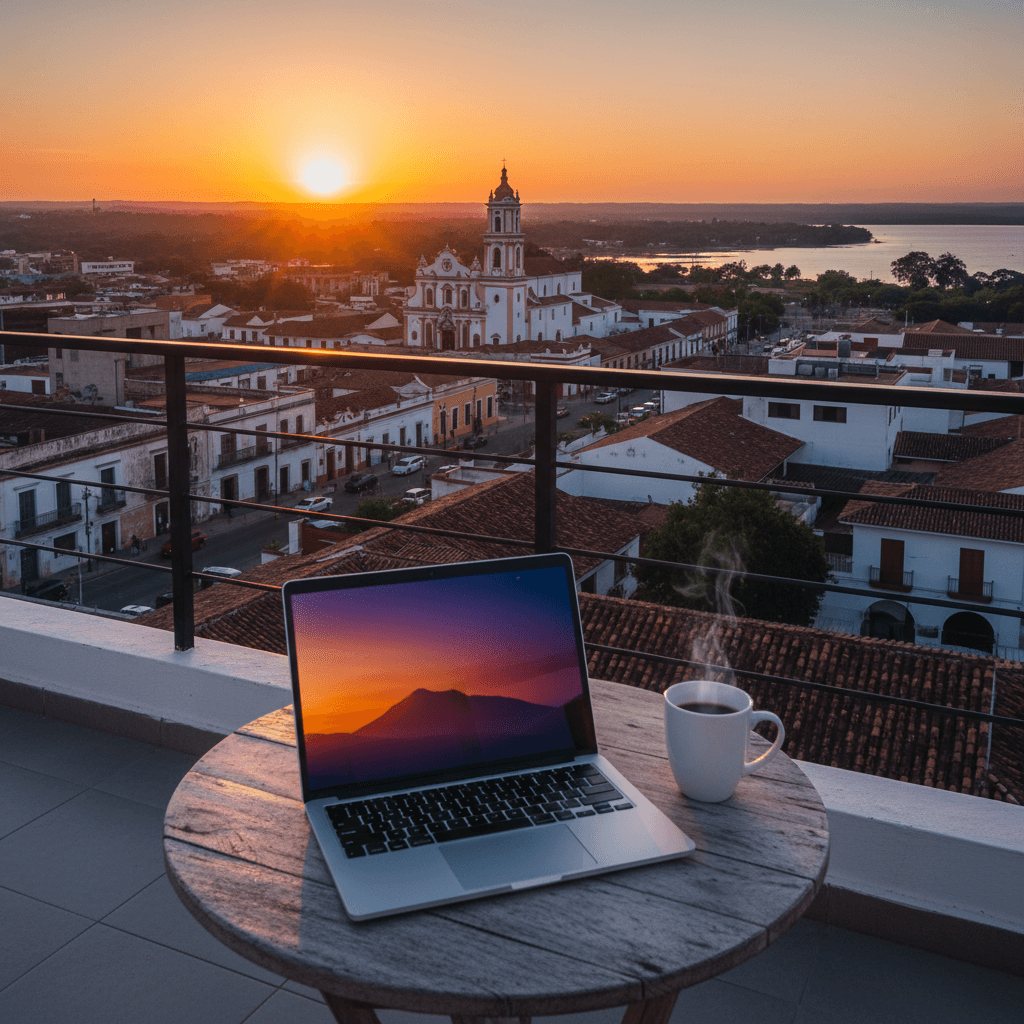
San Bernardino
🇵🇾 Paraguay