Eldoret
🇰🇪 Kenya
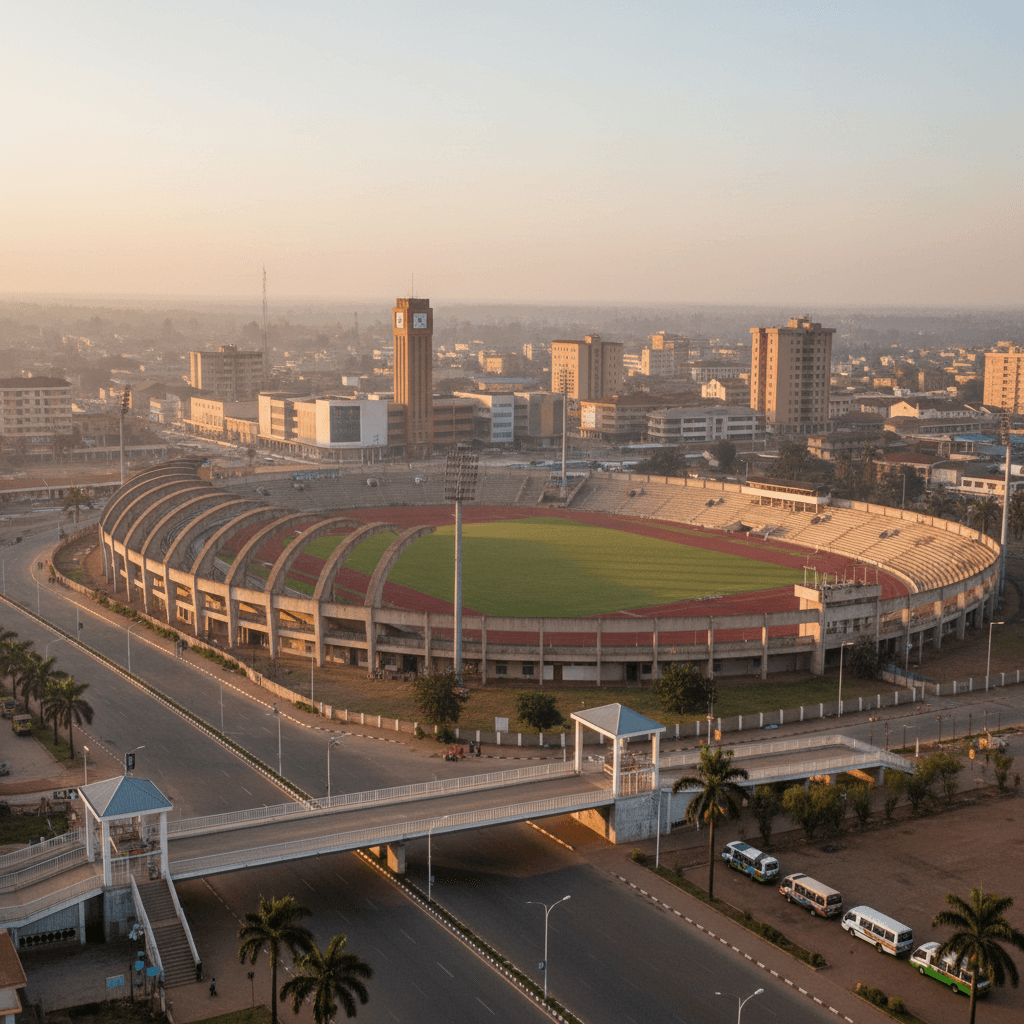
Eldoret feels like a runner’s city that forgot to rush. It’s Kenya’s fifth-largest city, but the pace stays calm, the air is cooler than Nairobi’s and the whole place has this athletic, slightly dusty confidence that comes from years of producing world-class athletes. The mornings smell like wet grass and exhaust, evenings bring matatu horns and barbecue smoke and the mood is practical, not flashy.
That said, don’t come expecting a polished expat bubble. Nightlife is limited, infrastructure can be patchy and some days the power flickers just when you’re settled in with a laptop, which, surprisingly, feels pretty normal here. Still, most nomads find the low costs, friendly locals and easygoing rhythm hard to beat, especially if you’d rather hear birds and boda noise than nightclub bass.
Monthly budget: about $400 to $600 if you’re keeping it lean, $700 to $1,000 for a more comfortable setup and $1,200+ if you want a nicer apartment, cafe workdays and fewer compromises. One person’s monthly spend averages around $520 with rent, food, transport and utilities and that’s not fancy money by city standards. Not expensive.
Typical costs:
- 1BR rent, city center: 10,000 to 14,000 KSh, roughly $65 to $90
- 1BR rent, outside center: 6,500 to 18,000 KSh, roughly $42 to $120
- Cheap meal: 300 to 700 KSh, usually street food or a basic local plate
- Mid-range meal for two: 2,500 to 5,000 KSh
- Transport: matatus are cheap, ride-hailing to the airport can run 1,500 to 2,500 KSh
For where to stay, the CBD is the cheapest and most walkable, but it’s noisy and petty theft is a real annoyance. Kapsoya is the smarter middle ground, with a more settled feel and better housing options, while Elgon View and Poa Place work well if you want modern malls and easier access to coworking. Illula is better for security-minded long stays, though it’s farther out and feels more suburban.
The work scene is better than you’d expect. The WorkNest at Elgon View Mall is the main dedicated coworking option people keep mentioning and cafe WiFi can be okay, though it’s often the kind of connection that makes you mutter at your screen. Safaricom is the SIM to get, M-Pesa runs everything and English is widely used, so day-to-day life doesn’t feel hard.
Eldoret suits people who like simple routines, early starts and a city that still has one foot in the countryside. If you want beach clubs and polished international services, skip it. If you want affordable living, clean air and a place where runners, traders and remote workers all end up sharing the same streets, Eldoret has a very specific, very likeable charm.
Eldoret isn’t expensive, but it isn’t dirt cheap either. A solo nomad can live on about $520 a month if they keep rent modest, eat local and lean on matatus instead of private cars. That’s the real number people usually feel in their wallet.
Food is where you save fast. Street meals and simple local plates usually land around 300 to 700 KSh, so you can eat well without thinking too hard, though café breakfasts and imported snacks push the bill up quickly and honestly, that’s where many newcomers overspend.
Typical monthly budgets
- Budget: $400 to $600, shared housing, street food, matatus.
- Mid-range: $700 to $1,000, one-bedroom outside the center, café meals, occasional Bolt or Uber rides.
- Comfortable: $1,200+, nicer apartment, more dining out, coworking and a bit less penny-pinching.
Rent and housing
- City center 1BR: 10,000 to 14,000 KSh, roughly $65 to $90.
- Outside center 1BR: 6,500 to 18,000 KSh, roughly $42 to $120.
- Popular areas: CBD for cheaper rent, Kapsoya for a more settled feel, Elgon View for newer apartments and easier access to coworking.
The CBD is cheaper and walkable, but it can be noisy, with honking, vendor calls and the odd bit of petty crime after dark. Kapsoya feels calmer and more residential, while Elgon View is where a lot of nomads end up because the apartments are newer and The WorkNest is nearby, which makes remote work a lot less annoying.
Day-to-day costs
- Transport: about $55 a month if you mostly use matatus and the occasional ride-hail.
- Utilities and internet: around $60 to $70 total, though power cuts can still mess with your plans.
- Internet: Safaricom SIMs are the safest bet and café WiFi is, weirdly, fine in some places and useless in others.
The price of comfort goes up fast if you want reliable power, strong WiFi and less hustle. Rides from Eldoret International Airport can run 1,500 to 2,500 KSh and if you’re living here long term, you’ll probably use M-Pesa for nearly everything, from rent top-ups to lunch.
Bottom line, Eldoret rewards people who like simple routines. It’s not flashy and the infrastructure can be frustrating, but the cold mornings, affordable groceries and low-key pace make it easier to stretch a budget than in bigger Kenyan cities.
Eldoret feels calmer than Nairobi and that’s the appeal for a lot of people. The streets smell like dust, roasted maize and exhaust near the matatu stages, traffic still honks, but the whole city moves at a slower, friendlier clip.
Solo travelers
- Best bet: CBD, if you want cheap food, walkability and easy access to markets.
- Watch out for: noise, petty theft and the fact that nights can feel thin once shops close.
- Why it works: you can grab a 1BR for around 10,000 to 14,000 KSh in the center, then live off matatus, street food and quick rides on Bolt when the rain starts tapping on tin roofs.
The CBD is practical, not pretty. Frankly, if you like being in the middle of things, it’s the place to land, but don’t expect a glossy nightlife scene or polished sidewalks everywhere.
Nomads
- Best bet: Elgon View and Poa Place, especially if you care about modern apartments and nearby work options.
- Work setup: The WorkNest Eldoret at Elgon View Mall is the clearest coworking pick, with steadier internet than random cafe WiFi.
- Why it works: You’re closer to malls, cafes and better connectivity, though green space is a bit limited and power cuts still happen citywide, which, surprisingly, is just part of the rhythm here.
Most remote workers end up in this corridor because it’s easier to keep a routine, get lunch and avoid the CBD’s chaos. Internet is decent, Safaricom works best and 20 to 30 Mbps is usually enough unless you’re uploading huge files all day.
Expats
- Best bet: Kapsoya, where you’ll find a middle-class feel, gated compounds and easier access to malls.
- Trade-off: more traffic, more development noise and a few half-finished projects hanging around.
- Why it works: it gives you a safer, more settled base without pushing you too far from town and honestly, that balance is why a lot of long-term residents stick there.
Kapsoya is the sensible choice if you want less daily friction. Rent is still lower than bigger Kenyan cities and you’re not paying Nairobi prices just to hear construction and generators all day.
Families
- Best bet: Illula, near Kapjagir Highway, for gated communities and a quieter setup.
- Also consider: Kapsoya, if you want schools, malls and a more established neighborhood feel.
- Why it works: the extra distance from the center buys you security and space, though you’ll spend more time in traffic and fewer places are truly walkable.
Families tend to like the calmer edges of town, because the core can get noisy fast and the evenings empty out early. If you want a place that feels secure first and lively second, go east or south of the CBD and skip the flashy addresses near the middle.
Eldoret’s internet is decent, not dazzling. In cafes and dedicated workspaces you’ll usually see 20 to 30 Mbps, which is enough for calls, docs and normal browsing, but free WiFi can wobble hard when the lunch crowd piles in and the power flickers, which it does, honestly, more than you’d like.
For most remote workers, the move is simple: get a Safaricom SIM, then treat coffee shop WiFi as a backup. A starter SIM runs about 100 to 200 KSh and a 10GB bundle is around 1,000 KSh, so mobile data stays cheap enough that you won’t feel punished for skipping a fixed line.
Best coworking bet: The WorkNest Eldoret at Elgon View Mall. It’s the most reliable option for serious work, with high-speed WiFi, flexible hourly, daily, weekly and monthly rates, plus a short-stay setup nearby if you want to keep your commute stupidly short.
What works in practice
- Cafes: Fine for a few hours, especially around Rupa’s Mall, but the signal can dip when the place gets busy.
- Coworking spaces: Better if you’ve got meetings, deadlines or a cranky laptop that hates weak connections.
- Mobile data: Safaricom is the safest bet and M-Pesa setup is easy if you’ve got your passport.
The coworking scene is small, but it’s more useful than flashy and that suits Eldoret. You’re not coming here for glass towers or polished startup theater, you’re coming because the pace is calmer, the air is cooler and you can hear birds in the morning instead of nonstop traffic grinding at your nerves.
Where nomads actually go
- Elgon View: Best for WorkNest and modern apartments.
- Rupa’s Mall: Good for coffee, casual laptop sessions and lunch breaks.
- CBD: Cheap and walkable, though noisy and sometimes annoying after dark.
If you need a dependable work setup, skip the random free WiFi hunt and pay for it. That’s the real cost, not the coffee and frankly it saves you from the irritation of a dropped Zoom call just as someone starts explaining something important.
Safety
Eldoret feels calmer than Nairobi, but don’t mistake that for carefree. Petty theft and muggings still happen, especially around the CBD after dark and the noisy matatus, hawkers and exhaust fumes can make late evenings feel more chaotic than dangerous, just less forgiving if you’re distracted.
Daytime is usually fine in central areas, though locals still keep an eye on phones, bags and loose routines. Honestly, the biggest mistake visitors make is treating the city like a sleepy town and wandering around unlit streets late, because that’s when trouble tends to show up.
Stay alert in the CBD, use Bolt or Uber at night and skip random shortcuts through poorly lit areas, especially if the streets are quiet and you can hear dogs barking and gates slamming shut. Frankly, most nomads find Eldoret manageable, but only if they keep the same habits they’d use in any mid-sized East African city.
Where to Stay
- CBD: Cheapest and walkable, but noisier and more exposed to petty crime.
- Kapsoya: A solid middle ground, with more gated housing and easier access to malls.
- Elgon View: Popular with longer-stay nomads, close to better cafes and coworking spots.
- Illula: Quieter and more secure, though you’ll be farther from the center.
Kapsoya is the one I’d pick for most people, because it balances convenience and security without feeling dead at night and you’re still close enough to grab groceries, coffee or a ride without turning it into a project.
Healthcare
For routine care, Eldoret’s fine. Pharmacies are easy to find, Moi Teaching and Referral Hospital handles the bigger cases and clinics around town can sort out fevers, infections and basic injuries without much drama, though advanced treatment can get complicated fast.
That’s the catch. If you need specialist care, serious diagnostics or anything that feels beyond a standard city hospital, you may end up facing delays or a transfer, which, surprisingly, is the part that frustrates expats most.
Bring your prescriptions, use bottled or filtered water if your stomach’s sensitive and don’t wait around if something feels off. For emergencies, dial 999 or 112 and keep local pharmacy names saved in your phone, because when you’re sick and the rain’s drumming on a tin roof, you won’t want to start searching from scratch.
Eldoret is easy to get around, but it isn’t slick. Matatus do the heavy lifting for short hops, buses cover the bigger routes and Bolt or Uber are the sane choice when you’ve got luggage, rain or zero patience for waiting at a dusty stage with engines idling and horn blasts bouncing off the CBD. Short matatu rides usually run 100 to 200 KSh, airport transfers by app often land around 1,500 to 2,500 KSh and the whole system works best if you leave buffer time, because traffic can get weirdly sticky near the center.
The city core is fairly walkable, honestly, especially around the CBD, markets and a few of the newer mall areas. That said, sidewalks can vanish, boda bodas cut through gaps and the road shoulders are often shared with pedestrians, exhaust and the occasional livestock drift if you’re on the edges of town, so don’t assume you can stroll everywhere comfortably.
Best ways to move
- Matatus: Cheapest option for most trips, loud, crowded and very local.
- Bolt/Uber: Best for airport runs, evening trips or when you just want less hassle.
- Buses: Fine for longer connections, but slower and less flexible than app rides.
- Walking: Works in the center, though you’ll want to stay alert after dark.
For airport transfers, app rides are the cleanest solution and they’re usually straightforward from Eldoret International Airport to neighborhoods like Kapsoya, Elgon View or the CBD. Most nomads skip trying to negotiate with random drivers on arrival, because the price difference isn’t worth the back and forth and honestly, after a flight you’ll want the cold aircon and a door-to-door drop.
Neighborhood feel
- CBD: Most walkable, cheapest, but noisy and busy.
- Kapsoya: Better for longer stays, though traffic can be annoying.
- Elgon View: Handy for malls and coworking, less gritty than the core.
Bikes and scooters aren’t really a thing here in the way they are in some smaller cities, so if you’re used to gliding around on two wheels, you’ll miss that freedom. The roads can be rough in places, power cuts happen and rain turns certain stretches into slick, muddy messes, so plan with a little slack and don’t leave late moves to chance. That’s the real trick in Eldoret, moving is cheap enough, but smooth movement takes a bit of patience.
English will get you far in Eldoret, especially in the CBD, at malls, in hotels and with anyone handling rent, transport or business. Swahili helps everywhere else and if you pick up a little Kalenjin, people warm up fast, honestly, because it shows you’re paying attention instead of just drifting through.
Simple greetings go a long way. Say Jambo for hello, Habari for how are you and Asante when someone helps you, then stop there if your Swahili runs out, nobody expects a speech and, weirdly, that usually earns you a smile.
Most day-to-day communication is straightforward, though accents can take a minute to tune into, especially when people speak fast over phone calls or from a matatu doorway with the engine rattling and music thumping in the background. In shops and cafes, staff usually switch to English without fuss, but outside those spaces you’ll hear much more Swahili mixed with local languages.
How people communicate
- Business and services: English is the default in offices, banks, hotels and coworking spots like The WorkNest Eldoret.
- Street interactions: Swahili gets you farther with boda riders, market vendors and matatu crews.
- Local conversation: Kalenjin phrases pop up often, especially with older residents and in neighborhood chats.
- Translation: Google Translate helps in a pinch, but it can sound clunky, so don’t rely on it for anything delicate.
Phone service is decent and Safaricom works best for most nomads, so if you’re setting up M-Pesa, buying data or calling a driver from Eldoret International Airport, that’s the SIM you want. Data is cheap enough for normal remote work, but free WiFi can be hit-or-miss and frankly the connection drops at the worst moments.
People here are generally patient with foreigners who try. Speak clearly, keep your volume moderate and don’t rush the exchange, because Eldoret runs on a slower rhythm than Nairobi, with more pauses, more small talk, and, turns out, less tolerance for loud impatience.
Useful phrases
- Jambo: Hello
- Habari: How are you?
- Asante: Thank you
- Karibu: You’re welcome
- Bei gani? How much?
If you only learn one thing, make it this, a little Swahili changes the whole tone of the interaction. The city sounds like honking, chatter and the low hum of shops opening early and once you can answer in kind, you’ll feel less like a visitor and more like someone who belongs there.
Eldoret’s weather is one of the city’s biggest selling points and it’s a big reason people stick around. The highland climate stays mild, with daytime temperatures usually around 16 to 19°C, so you’re rarely sweating through your shirt and you’re rarely freezing either. Honestly, that balance matters more than people expect.
July is the coolest month and March usually feels the warmest, but neither one gets harsh. You’ll still want a light jacket in the evenings, especially if you’re in Kapsoya or out near the edges of town where the air feels sharper after sunset, with cold tile floors and that dry, high-altitude chill creeping in.
Best Months
- September to October: Best overall. Dry, bright and comfortable for walking around town, working from cafes or taking day trips.
- November to February: Also good. Mostly dry, with clear mornings and pleasant afternoons, though the sun can still feel strong.
- April to May: Skip if you can. This is the wettest stretch, roads get muddy, matatus slow down and rain can hit hard enough to rattle tin roofs for hours.
- June: Cooler and still damp in places, but less annoying than the peak rainy weeks.
The rainy season runs roughly April through June, with another shorter wet spell around August and September and that second one can catch newcomers off guard, weirdly, because the skies look fine until the clouds open up. Street drains can get messy, shoes get splashed and the red dust turns into sticky mud fast.
For most nomads, the sweet spot is September through February, because you get steady weather without the heavy downpours that make traffic crawl and outdoor plans collapse. It’s also the easiest time for running, cycling or early mornings at places like Poa Place and around Elgon View, where the air feels crisp before the sun climbs.
Humidity stays lower than on the coast, so Eldoret feels easier on the body and the air smells cleaner too, with grass, exhaust, roasted maize and nyama choma smoke mixing near the CBD. That said, rain can make the city feel gloomy fast and if you’re sensitive to wet weather, April and May will test your patience.
Best pick: September to February. Worst stretch: April and May.
Pack a light rain jacket, closed shoes and one warm layer, because Eldoret’s weather is gentle but not boring and evenings can still surprise you.
Eldoret is easy to like if you want a city that still feels human. The pace is slower than Nairobi, the air’s cooler and the main annoyance, frankly, is that things can feel a bit stitched together, with power cuts, patchy sidewalks and the occasional burst of matatu horn noise outside your window.
Money goes further here. A solo nomad can live on about $520 a month with rent included, though budget setups can dip to $400 to $600 if you’re sharing or eating local most days and a nicer one-bedroom with cafe lunches and rideshares pushes you past $1,200.
Where to Stay
- CBD: Cheap, walkable, noisy. Best for quick errands and street food, but don’t expect quiet nights.
- Kapsoya: Better for long stays, with a more settled feel and gated options, though traffic can be irritating.
- Elgon View / Poa Place: Handy if you want malls and coworking nearby, and, weirdly, it feels calmer than the center even when it’s busy.
- Illula: Secure and newer, but you’ll be farther from the action.
For apartments, most people hunt through Facebook groups and local agents and that’s usually faster than waiting around for polished listings that don’t match reality. A simple one-bedroom in the city center often runs around 10,000 to 14,000 KSh, outside the center you’ll see 6,500 to 18,000 KSh depending on the building, the landlord and how optimistic the ad is.
Getting Connected
- SIM: Safaricom is the safest bet and you can sort one at the airport or in malls with your passport.
- Internet: Cafes and workspaces usually give 20 to 30 Mbps, which is fine for remote work, though free WiFi can be flaky.
- Coworking: The WorkNest at Elgon View Mall is the name that keeps coming up, because it’s more reliable than hopping between cafes.
M-Pesa runs the place. Use it for taxis, rent and small bills, because cash disappears fast and bankers can be slow, honestly, in a way that’ll test your patience. If you need banking, Equitel and the big local banks are the usual backup.
Getting Around and Staying Safe
- Matatus: Cheap and common, usually 100 to 200 KSh for short rides.
- Bolt or Uber: Better at night and airport trips often land around 1,500 to 2,500 KSh.
- Walking: Fine in the center during the day, but after dark, keep it short and stick to well-lit routes.
Food is one of the better parts of living here. Nyama choma smoke hangs in the air near busy spots, chai is everywhere and you’ll find decent international meals at Rupa’s Mall if you get tired of ugali and grilled meat.
For day trips, Iten is the obvious one, then Kitale if you want a change of pace. Dress modestly, greet older people properly, tip around 10 percent and don’t be flashy with your phone, because petty crime tends to happen when people get careless.
Frequently asked questions
How much does it cost to live in Eldoret as a digital nomad?
How much is rent for a one-bedroom apartment in Eldoret?
What is the best neighborhood for digital nomads in Eldoret?
Where is the best coworking space in Eldoret?
How fast is internet in Eldoret?
Which SIM card should I get in Eldoret?
Is Eldoret safe for solo travelers and remote workers?
Need visa and immigration info for Kenya?
🇰🇪 View Kenya Country GuideHidden Gem
Worth the effort