El Tunco / La Libertad
🇸🇻 El Salvador
The Horizontal Life
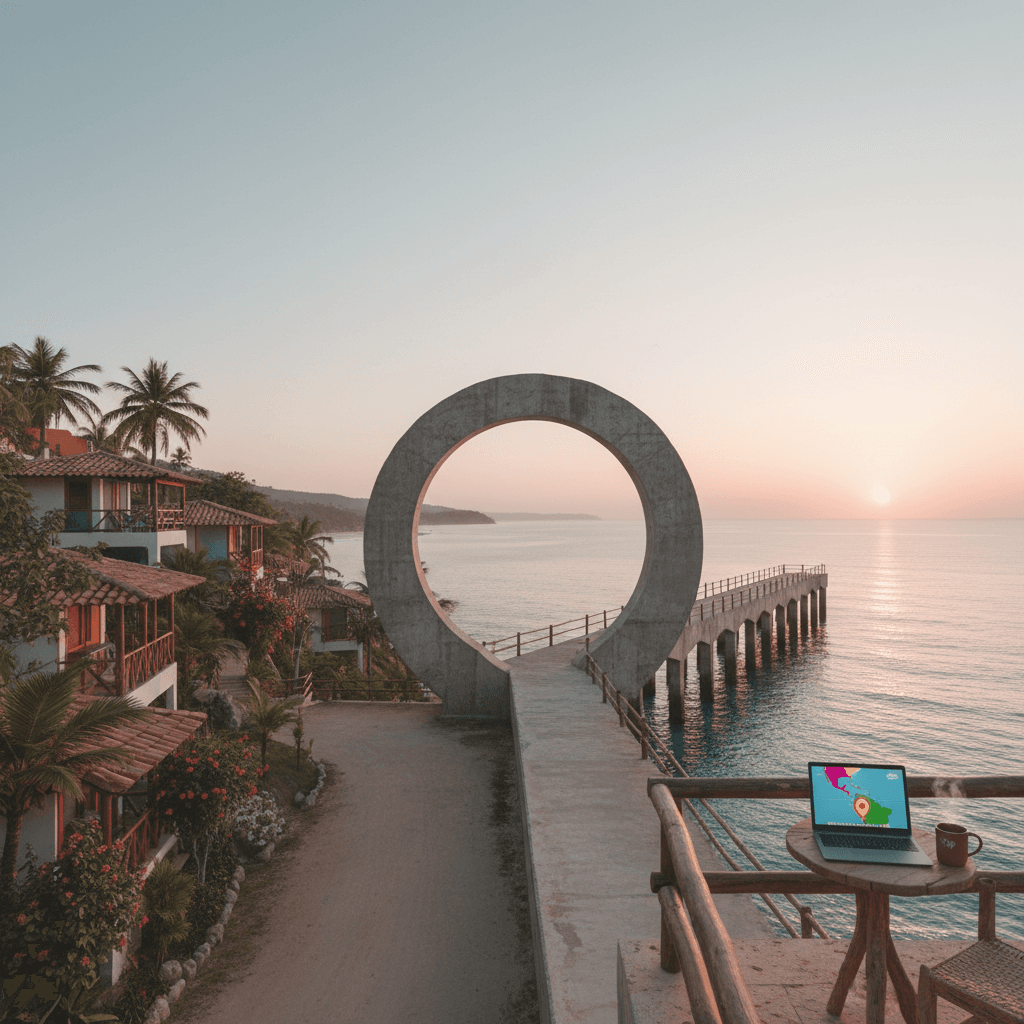
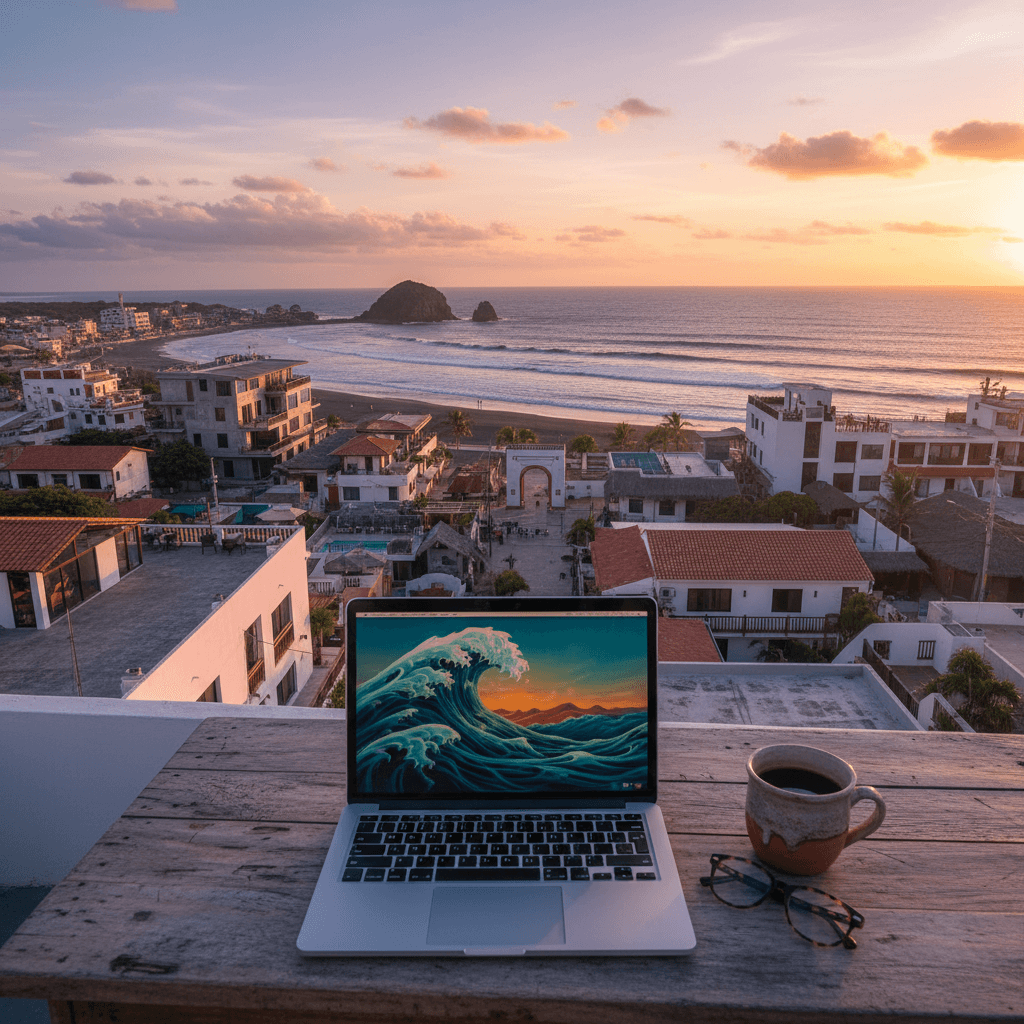
El Tunco isn't a place you visit to check off a bucket list; it's a place where you intentionally slow down until your pulse matches the rhythm of the Pacific. Known for its "horizontal" vibe, this tiny three street triangle is a sanctuary for those who prefer bare feet over dress shoes and surfboards over spreadsheets. You'll find a unique blend of bikinis and laptops here, where the morning commute consists of a thirty second walk down a sandy path to find a patch of shade and a strong cup of Salvadoran coffee.
What sets El Tunco apart from the crowded nomad hubs in Mexico or Costa Rica is its raw, unpretentious energy. It feels like a village that happens to have world class waves. There is a palpable sense of community that forms naturally at sunset. Whether you are a crypto trader, a coder, or a yoga teacher, everyone ends up on the beach at 5:30 PM to watch the sky turn neon orange. It is the kind of place where you'll bump into the same freelancer at the pupusa stand for lunch and then find yourself invited to a waterfall hike or a bonfire by dinner.
The Digital Nomad Reality
Living here is a budget nomad's dream, especially with the 2025 Digital Nomad Visa allowing stays for up to 12 months. Most remote workers find they can live comfortably on $1,200 to $1,800 a month, though you can certainly scrape by on less if you develop a dedicated pupusa habit. While the infrastructure is catching up to the hype, the town still lacks formal coworking spaces. Instead, the local cafes serve as "mobile offices" where the sea breeze acts as your air conditioning.
- The Pros: Ultra low cost of living, a tight knit social scene, and the ability to surf during your lunch break.
- The Cons: Internet can be temperamental during tropical storms, and you won't find a fancy barber or a high end mall without heading into the city.
- The Sweet Spot: Low tide is the magic hour. This is when the mysterious beach caves reveal themselves and the "rock" (El Tunco) that gives the town its name looks most iconic.
Cost of Living Breakdown
While prices are creeping up as El Salvador gains global attention, your dollars still go incredibly far here. Most nomads use the Blue Bus 80 for local errands, which costs a staggering $0.25, or grab an Uber into San Salvador for around $25 to $35.
Budget Expectations
- Monthly Rent: $300 to $600 for a basic beachside room or local guesthouse; $1,000+ for modern Airbnb style apartments.
- Daily Meals: $1 to $3 for street food pupusas; $5 to $10 for a fresh fish lunch at the water's edge.
- Coffee and Workspace: $2 to $5 per day spent at local cafes.
Choosing Your Base
The layout of the area is simple, but your choice of neighborhood changes your daily experience significantly. Most solo nomads stick to El Tunco proper for the convenience, while those staying longer might look toward the more "local" hub of La Libertad.
- El Tunco: The heart of the action. It is entirely walkable and puts you steps away from the best surf breaks and social hangouts. It is the best choice for anyone traveling solo who wants to make friends immediately.
- La Libertad: Located about 20 minutes east by bus, this is a working port town. It is better for expats or families who need access to large supermarkets, the famous Mercado del Mar fish market, and the new amusement park pier. It is less "nomad chic" and more authentic Salvadoran bustle.
- El Zonte: A short trip west, this is the "Bitcoin Beach" alternative. It is even quieter than El Tunco and attracts a more niche crowd of tech enthusiasts and long term surfers.
Ultimately, El Tunco is for the nomad who is tired of the polished, corporate feel of modern "coliving" hubs. It is a place where the internet might drop for ten minutes, but the sunset never misses a beat. It is a town that demands you relax, and once you give in to that pace, you might find it very hard to leave.
El Tunco has earned its reputation as a budget nomad's dream for a reason. While the rest of the world sees soaring inflation, this sandy three street triangle remains a place where you can live a high quality beach life without a corporate salary. Most digital nomads find they can live comfortably here on $1,200 to $1,800 per month, though those willing to embrace the local lifestyle can easily drop that closer to $1,000.
Monthly Budget Estimates
- Budget Tier ($800 to $1,200): This covers a bed in a social hostel or a very basic local room, a diet heavy on pupusas and street food, and using the local blue buses to get around.
- Mid-Range ($1,200 to $1,800): You'll land a private room or a modest apartment, mix in several seaside fish dinners a week, and enjoy daily lattes at local cafes while you work.
- Comfortable ($1,800+): This budget gets you into the nicer beachfront stays, consistent air conditioning, upscale dining, and regular Uber trips into San Salvador or nearby El Zonte.
Housing and Accommodation
Rent is your biggest variable. Because El Tunco is so small, there isn't a massive inventory of formal apartment buildings. Most nomads secure long term stays by negotiating with local guesthouse owners or finding monthly deals on Airbnb. Expect to pay between $300 and $600 for a basic beachside spot. If you want a dedicated workspace and reliable AC, prices can climb toward $900. Many regulars suggest starting in a hostel for a week to meet people and scouting for "for rent" signs or asking around at the taco stands for better local rates.
Food and Dining
Eating like a local is the secret to keeping your costs down. The pupusa is king here, and you can find "pupusa heaven" near the La Libertad market where a filling meal costs just $1 to $3. If you're craving fresh seafood, the seaside restaurants offer incredible fish lunches for $5 to $10. Even the more "upscale" spots in the village rarely break the bank, though prices are slightly higher than in the non tourist areas. For groceries, nomads often take the short bus ride into La Libertad to hit the larger supermarkets and the Mercado del Mar for the catch of the day.
Transport and Connectivity
Getting around is almost free if you have patience. The local blue bus (Route 80) costs about $0.25 and will take you to the fish markets or neighboring surf breaks. For a more direct trip from the airport or San Salvador, an Uber usually runs between $25 and $35. Within El Tunco itself, you won't spend a dime on transport because the entire town is walkable in about ten minutes.
Since there are no formal coworking spaces yet, your "office" budget will mostly consist of coffee and snacks at cafes. Budget about $2 to $5 per day for a spot at a laptop friendly cafe. The internet is generally adequate for most remote work like coding or writing, but it can be spotty during storms or peak hours. Most successful nomads use a local SIM card as a backup hotspot to stay connected during those inevitable village wide flickers.
Daily Essentials
- Coffee at a cafe: $2.50 to $4.00
- Local beer (Pilsener): $1.50 to $3.00
- Dozen pupusas: $6.00 to $9.00
- Surfboard rental (daily): $10.00 to $15.00
- Gallon of water: $1.50
The real value in El Tunco isn't just the low prices; it's the lifestyle those prices buy you. You're paying for a front row seat to world class sunsets and a community where your "commute" is a barefoot walk across a sandy path. For those looking to stretch their runway while El Salvador's 2025 Digital Nomad Visa gains traction, this village remains one of the most affordable surf hubs in the Americas.
El Tunco and the surrounding La Libertad coastline are defined by a "horizontal" lifestyle. Most of the action happens along a sandy three street triangle where shoes are optional and your daily schedule is dictated by the tide chart. While the area is compact, where you choose to drop your bags depends on whether you want to be in the heart of the social surf scene or closer to local infrastructure.
Digital Nomads
The town of El Tunco proper is the undisputed headquarters for the remote work crowd. It is a walkable, car free enclave where you can bounce between a sunrise surf session and a mid morning Zoom call without breaking a sweat. Most nomads gravitate toward the small cluster of open air cafes along the main path to set up shop for the day since dedicated coworking spaces are still in the "coming soon" phase. You will find a tight knit community of coders, designers, and crypto traders who congregate at local taco stands or sunset yoga sessions.
- Rent: Budget rooms go for $300 to $600 a month when booked through local hosts, while more modern apartments can reach $1,200.
- Internet: It is reliable enough for standard tasks, though savvy workers keep a local SIM card as a backup for high stakes meetings.
- The Vibe: High social turnover, bikini and laptop culture, and easy networking over $1 to $3 pupusas.
Solo Travelers
If you are traveling alone, stay right in the center of El Tunco. The layout of the town makes it nearly impossible not to meet people; you will likely run into the same group of travelers at the surf break, the breakfast spot, and the beach caves at low tide. For those who find El Tunco a bit too "on the grid," El Zonte (often called Bitcoin Beach) is a 20 minute bus ride west. It offers a quieter, more intentional atmosphere that is popular with solo travelers looking for a deeper focus on surfing and wellness.
- Daily Costs: You can get by on $30 to $50 a day by eating street food and staying in social hostels.
- Getting Around: The blue 80 bus is your best friend, costing just $0.25 to hop between different surf breaks along the coast.
- Social Scene: Organic and spontaneous. Most connections happen during the golden hour on the beach or while waiting for a fresh batch of pupusas.
Expats and Long-Term Residents
For those planning to stay for the duration of the 12 month Digital Nomad Visa, the port town of La Libertad is a practical alternative. Located about 20 minutes east of the surf breaks, this is a real Salvadorian town rather than a tourist hub. It is where you go for the major supermarkets, the Mercado del Mar fish market, and the new pier amusement park. Expats often prefer this area because it feels less like a vacation bubble and provides better access to everyday amenities like pharmacies and hardware stores.
- Monthly Budget: A comfortable lifestyle here ranges from $1,200 to $1,800, depending on how often you dine at the upscale seaside restaurants.
- Pros: Lower prices for groceries, better infrastructure, and a more authentic local feel.
- Cons: It lacks the "toes in the sand" walkability of El Tunco and requires more frequent use of Ubers or buses to reach the best swimming beaches.
Families
Families usually find the chaotic energy of central El Tunco a bit cramped. Instead, look for gated communities or beachfront villas situated between El Tunco and La Libertad. These pockets offer more square footage, private pools, and quiet nights while remaining a short $5 to $10 Uber ride from the restaurants and surf schools. Having a home base with a kitchen is a major plus here, as you can take advantage of the incredibly cheap, fresh catch from the La Libertad port to cook at home.
- Best Feature: Proximity to the Sunset Park amusement area in La Libertad, which is a hit with kids.
- Transport: Renting a car is often recommended for families to explore the nearby waterfalls and inland parks comfortably.
- Safety: The area is generally very welcoming, and the growing expat presence has led to a very safe, community oriented environment for children.
The Connectivity Reality Check
Working from El Tunco requires a specific mindset: you are trading fiber-optic stability for the ability to check the surf from your "desk" every twenty minutes. While El Salvador has made massive strides in infrastructure, this is still a tiny beach village where the salt air and occasional tropical storms can mess with the signal. Most nomads find the internet perfectly adequate for standard remote work like coding, writing, or managing emails, but you might want to keep your camera off during high-stakes Zoom calls if the wind picks up.
The town lacks a formal, dedicated coworking space with ergonomic chairs and soundproof booths. Instead, the community has embraced a "mobile office" culture. You will see designers and crypto traders perched at open-air tables, fueled by local coffee and the Pacific breeze. If you need a reliable connection, the best move is to find a modern guesthouse or a high-end beachfront hotel, as these are the most likely to invest in private satellite setups or dedicated lines.
Best Laptop-Friendly Cafes
Since there are no official hubs, the local cafes serve as the de facto headquarters for the digital nomad scene. Expect to spend between $2 and $5 on coffee and snacks to secure your spot for a few hours. Most places are relaxed about people lingering, provided you keep the orders coming.
- Seaside Eateries: Many of the restaurants along the main sandy path offer Wi-Fi. While the views are distracting, they are perfect for low-pressure tasks or afternoon admin sessions.
Data and Backup Plans
Never rely solely on your accommodation's Wi-Fi. Savvy travelers always set up a local SIM card as a hotspot. Tigo and Claro are the primary providers in El Salvador, and coverage in El Tunco is generally strong. You can pick up a SIM card in nearby La Libertad or even at the airport. Data packages are cheap, often costing less than $10 to $15 for a generous amount of weekly data. If the town's power flickers, having a charged power bank and a solid 4G signal on your phone will save your workday.
The Digital Nomad Visa
El Salvador's 2025 Digital Nomad Visa has changed the game for long-termers. It allows remote workers to stay for up to 12 months, making it much easier to settle into the rhythm of the coast without worrying about constant border runs. This new legal path is a big reason why the crowd is shifting from short-term backpackers to professional freelancers who stick around for months at a time. The application process is relatively straightforward, but you will need to prove a consistent remote income to qualify.
Managing the Workflow
The biggest challenge to your productivity won't be the internet speed, it will be the "horizontal" lifestyle. Most nomads here structure their day around the tides. They work early in the morning, head out for a surf or a yoga session during the midday heat, and finish up their tasks as the sun sets. If you need a more corporate environment, you can take a $25 to $35 Uber into San Salvador for the day, where you will find world-class coworking spaces and high-speed fiber. However, most people find that once they get used to the El Tunco pace, they rarely want to leave the beach.
Safety in the Surf Village
The general vibe in El Tunco is remarkably safe and welcoming. While El Salvador had a complicated reputation in the past, the current reality on the ground in La Libertad is a world away from those old headlines. You will find a tight knit community where locals and foreigners mingle freely, and it is common to see nomads walking home after a sunset session or a late dinner without a second thought. The town is essentially a three street triangle, so it is hard to get lost and people tend to look out for one another.
Most travelers find that common sense is their best friend here. Don't leave your laptop unattended on a cafe table while you go for a swim, and keep an eye on your phone if you are out at the bars on a busy weekend night. Petty theft is rare but not impossible. If you are heading out to explore the more remote caves or waterfalls, going with a small group or a local guide is the standard move, mostly to ensure you don't lose your footing on the rocks.
The biggest safety concern for most nomads actually comes from the Pacific Ocean. The waves here are world class but powerful, and the shoreline is rocky. If you aren't an experienced surfer, stick to the beginner breaks or take a lesson. Low tide reveals a massive sea cave that is a favorite for photos, but keep a close eye on the tide charts. You don't want to be caught inside when the water starts rushing back in.
Healthcare and Medical Services
Healthcare in El Tunco itself is limited to basic needs. For anything minor, there are small pharmacies in town where you can grab bandages, antiseptic, or stomach meds. If you need a more robust selection or specific prescriptions, you will want to hop on the blue bus 80 for a 20 minute ride into the town of La Libertad. There are larger supermarkets and well stocked pharmacies there that can handle most routine issues.
For serious medical emergencies or specialist consultations, you will need to head into San Salvador. The capital is about a one hour drive away and houses high quality private hospitals that meet international standards. Many expats and long term nomads keep a private health insurance policy that covers these facilities. Most doctors in the top tier San Salvador hospitals speak English and have often trained in the US or Europe.
Emergency Contacts and Practicalities
While you likely won't need them, it is smart to have the local emergency numbers saved in your phone. Most nomads use WhatsApp to communicate with local guesthouses or services, but for official help, you can dial 132 for the police or 123 for an ambulance. If you are staying for a few months on the new 2025 Digital Nomad Visa, it is worth registering with your embassy in San Salvador just as a standard precaution.
- Pharmacy: Local pharmacies in La Libertad
- Hospital: Hospital de Diagnostico (San Salvador)
- Police: Dial 132
- Ambulance: Dial 123
Water safety is another point to remember. While the infrastructure is improving, most nomads stick to bottled or filtered water for drinking and brushing their teeth. Large 5 gallon jugs (garrafones) are cheap and available at every small tienda in the village for about $2 to $3. It is a small price to pay to avoid a week of "surfer's stomach" ruining your work schedule.
The Two-Foot Commute
In El Tunco, your primary mode of transport is your own two feet. The town is essentially a small triangle of three sandy streets, meaning you can walk from a beachfront surf session to a pupusa stand in under five minutes. It is one of the few places where "no shoes, no service" doesn't apply; most nomads spend their days in flip-flops or barefoot. If you are staying within the village proper, you won't need a car, a bike, or even a scooter to manage your daily routine.
Public Buses and "Chicken" Adventures
When you need to venture beyond the village limits to stock up on groceries or explore neighboring surf breaks, the local bus system is remarkably efficient and dirt cheap. The Blue Bus 80 is the lifeline of the coast, running frequently between El Tunco, La Libertad, and El Zonte. A ride usually costs just $0.25. You don't need to find a formal stop; just stand on the side of the main road and wave it down.
For those heading into the capital, San Salvador, look for the #102 bus. It costs about $1.50 and takes roughly 1.5 hours. While these "chicken buses" are colorful and a bit of an adventure, they are the standard way locals and budget-conscious nomads get around. If you are heading to the La Libertad fish market, tell the driver you want to get off at the Mercado del Mar.
Ride-Hailing and Transfers
Uber operates in the region, though availability within El Tunco itself can be hit or miss depending on the time of day. It is most reliable for trips originating from San Salvador or the airport. A one-way ride from San Salvador to the beach typically costs between $25 and $35. This is often the preferred choice for nomads arriving with heavy luggage or surfboards, as it takes about one hour and offers door-to-door service.
For local trips where a bus feels too slow, you can often find local drivers willing to act as a private taxi. Always negotiate the price before you get in. Most travelers recommend downloading Maps.me for offline navigation, as cell signals can occasionally drop out when you are moving between the coastal cliffs.
Getting Around the Region
- El Tunco to La Libertad: Take the #80 or #192 bus for $0.25. It is a 20-minute ride to reach the larger supermarkets and the pier.
- Airport Transfers: Most nomads arrange a private shuttle or use Uber for the 45-minute to 1-hour drive from Comalapa International Airport.
- Exploring Surf City: To reach El Zonte or other nearby breaks, the #80 bus remains your best bet, though many nomads eventually make friends with someone who has a rental car for sunset missions.
While some nomads consider renting a scooter, the narrow roads and lack of formal rental shops in the village make it less common than in places like Bali. Most find that the combination of walking for daily life and using the $0.25 buses for errands is more than enough to enjoy the slow, horizontal pace of the Salvadorian coast.
The Language Landscape
In El Tunco, the linguistic vibe is as relaxed as the surf. Spanish is the local tongue, but because this tiny triangle of streets has become a magnet for international travelers and digital nomads, English is widely spoken in most cafes, hotels, and surf shops. You can easily order a $5 fish taco or book a yoga session without knowing a word of Spanish, though relying solely on English will keep you in a bit of a "tourist bubble."
Most nomads find that while the beach town is bilingual-friendly, the nearby hub of La Libertad is a different story. If you are heading to the Mercado del Mar to buy fresh catch or hopping on the $0.25 blue bus 80, having some basic Spanish phrases is a game changer. The locals are incredibly welcoming and patient, so even a clumsy attempt at "Cuanto cuesta?" goes a long way in building rapport.
Staying Connected
Working remotely from a beach village comes with its quirks. While the infrastructure is improving, the internet in El Tunco can be temperamental. Most cafes and hostels provide WiFi that is adequate for emails, Slack, and basic coding, but it might stutter during a high-stakes video call during a tropical storm. Expats recommend having a solid backup plan to stay online.
- Local SIM Cards: Pick up a SIM from providers like Tigo or Claro. They offer reliable 4G/LTE coverage throughout the La Libertad area. Data packages are cheap and easy to top up at small tiendas.
- Mobile Hotspots: Many nomads use their phones as hotspots when the cafe WiFi dips. It is a lifesaver for those afternoon Zoom meetings.
- Power Stability: Occasional power flickers happen. If your laptop battery is shot, keep it charged or scout out cafes with backup generators.
Digital Nomad "Offices"
Since there are no formal, dedicated coworking spaces in El Tunco yet, the town’s cafes have evolved into makeshift hubs for the laptop brigade. You will see designers and crypto traders tucked into corners of open air spots, fueled by local coffee and the ocean breeze. Expect to spend $2 to $5 a day on coffee or smoothies to "rent" your seat.
The social side of communication happens organically here. Because the town is so small, you will likely run into the same group of freelancers at the surf break in the morning and the taco stand at night. Most networking happens over a sunset beer or during a hike to the local waterfalls rather than on LinkedIn. If you are looking for specific meetups, keep an ear out at popular breakfast spots; the community is tight-knit and word-of-mouth is the primary way news travels.
Practical Communication Tips
- Navigation: Download Maps.me for offline use. While the town is walkable, it is helpful for finding specific trailheads or bus stops when your data is spotty.
- Translation: Google Translate with the Spanish pack downloaded for offline use is helpful for reading menus in La Libertad or chatting with bus drivers.
- WhatsApp: This is the lifeblood of communication in El Salvador. From booking a $25 Uber to San Salvador to messaging a local landlord about a room, everyone uses WhatsApp.
The mix of Spanish and English creates a unique "Spanglish" atmosphere in the lineup and at the bars. While you can survive on English alone, learning the local slang will help you transition from a temporary visitor to a true member of the El Tunco community.
The Tropical Rhythm
El Tunco operates on a tropical clock where the sun dictates your schedule. Because it is located just 13 degrees north of the equator, the temperature remains consistent year round, typically hovering between 85°F and 92°F. You aren't choosing a season based on temperature, but rather on how much rain you can handle and how big you want the waves to be.
Dry Season (November to April)
This is the peak window for digital nomads and sunshine seekers. During these months, the sky is a constant, brilliant blue and rain is almost non-existent. It is the most comfortable time for working from open-air cafes because the humidity drops slightly, making those "bikinis and laptops" sessions much more bearable.
- Crowds: This is the busiest time in town. Expect higher demand for the best beachside rentals and a more social atmosphere at the taco stands.
- Surfing: The waves are smaller and more "user friendly," which is perfect if you are a beginner or intermediate surfer looking to practice during your lunch break.
- Vibe: The town feels most alive now, with sunset yoga sessions and weekend parties at their peak.
Wet Season (May to October)
Don't let the "rainy" label scare you off. In El Tunco, the wet season usually means sunny mornings followed by intense, cinematic thunderstorms in the late afternoon or at night. Many long term nomads actually prefer this time because the landscape turns a lush, electric green and the dust from the dirt roads settles.
- The Big Swell: This is prime time for pro surfers. The south swells kick in, bringing world class waves that are best left to the experts.
- Cost: You can often find better deals on monthly stays. If you are on a budget, this is when your $1,000 to $2,000 monthly budget stretches the furthest.
- Atmosphere: It is much quieter. If you need deep focus for a big project, the sound of rain on a tin roof provides a great backdrop for a productive afternoon.
The Best Month to Visit
If you want the absolute sweet spot, aim for November or early December. The rain has just stopped, so the mountains behind La Libertad are still vibrant green, but you are guaranteed clear skies for those famous El Tunco sunsets. The holiday crowds haven't fully arrived yet, meaning you can snag a prime table at a cafe without fighting for a power outlet.
What to Pack
The "horizontal" lifestyle means your wardrobe will be minimal. Most travelers find they overpack. You'll spend 90% of your time in swimwear, flip flops, and light linen or cotton clothes. Since there aren't formal coworking spaces, a pair of noise-canceling headphones is a must to block out the crashing surf or the hum of a nearby blender while you work. If you plan on visiting during the wet season, bring a sturdy waterproof bag for your laptop; those tropical downpours move fast and they don't mess around.
Practical Realities
Keep in mind that high humidity can be tough on electronics. Most nomads suggest staying in a place with air conditioning, not just for your comfort, but to give your laptop a break from the salt air and heat. If you are chasing the 2025 Digital Nomad Visa, arriving in the dry season gives you the best opportunity to scout long term housing and build a community before the slower summer months kick in.
Getting Settled
El Tunco is a tiny, three street triangle where shoes are optional and the vibe is decidedly horizontal. Most nomads find the transition here seamless because the town is entirely walkable. You can cross the whole village in ten minutes on the sandy main path, which makes bumping into fellow remote workers at taco stands or surf breaks inevitable. It is a tight knit community where a morning coffee often turns into a sunset yoga invite or a group hike to nearby waterfalls.
For a more local experience, La Libertad is just 20 minutes east by bus. It is less of a nomad bubble and more of a functional port town. This is where you will find the major supermarkets and the Mercado del Mar, a massive fish market where the daily catch is sold right off the pier. If you need a break from the village pace, the new amusement park and shopping complex at the pier provide a bit of modern infrastructure.
Cost of Living
This is a budget nomad's dream, especially compared to the rising prices in Costa Rica or Mexico. You can live comfortably on $1,200 to $1,800 a month, though scrappy backpackers often get by on closer to $1,000 by sticking to hostels and street food. The beach is the main attraction, and it is free every single day.
- Rent: Basic beachside rooms or local apartments typically run between $300 and $600 a month. High end beachfront stays or modern Airbnbs can push your budget over $1,000.
- Food: Street pupusas are the ultimate life hack, costing between $1 and $3 for a filling meal. A fresh fish lunch at a seaside spot in La Libertad usually lands between $5 and $10.
- Transport: Local buses like the blue bus 80 are a flat $0.25. If you are coming from the airport or San Salvador, an Uber will cost you roughly $25 to $35.
Connectivity and Coworking
While the infrastructure is improving, do not expect lightning fast fiber optics in every corner. The internet is adequate for typical tasks like coding, writing, or sending emails, but it can be inconsistent during storms or peak hours. There are currently no formal, dedicated coworking spaces with private booths in the village, so the local cafe culture serves as the de facto office.
Most nomads set up at open air cafes where a $3 to $5 coffee buys you a seat and a breeze for the afternoon. It is a very social way to work, but you should have a backup plan. Many travelers recommend getting a local SIM card with a generous data plan to use as a hotspot when the village WiFi decides to take a siesta. If your work requires heavy video rendering or constant high stakes calls, test the connection at your accommodation before committing to a long term stay.
Practical Logistics
The village attracts a steady stream of coders, designers, and crypto traders who often stick around much longer than the average surfer. Safety is rarely a concern in the village; the vibe is welcoming and locals are used to the laptop carrying crowd. For healthcare needs, you will find well stocked pharmacies in La Libertad, though major medical procedures still require a trip to San Salvador.
To get around effectively, download Maps.me for offline navigation. While the town is small, the trails leading to the low tide caves or hidden surf spots can be tricky. If you are heading into the city, the 102 bus is a reliable and cheap way to reach San Salvador for about $1.50, taking roughly 90 minutes depending on traffic.
Need visa and immigration info for El Salvador?
🇸🇻 View El Salvador Country GuideHidden Gem
Worth the effort
Monthly Budget Estimates
More cities in El Salvador
Ataco
🇸🇻 El Salvador
Santa Ana
🇸🇻 El Salvador
Suchitoto
🇸🇻 El Salvador