Çeşme
🇹🇷 Turkey
The Aegean Slow Burn
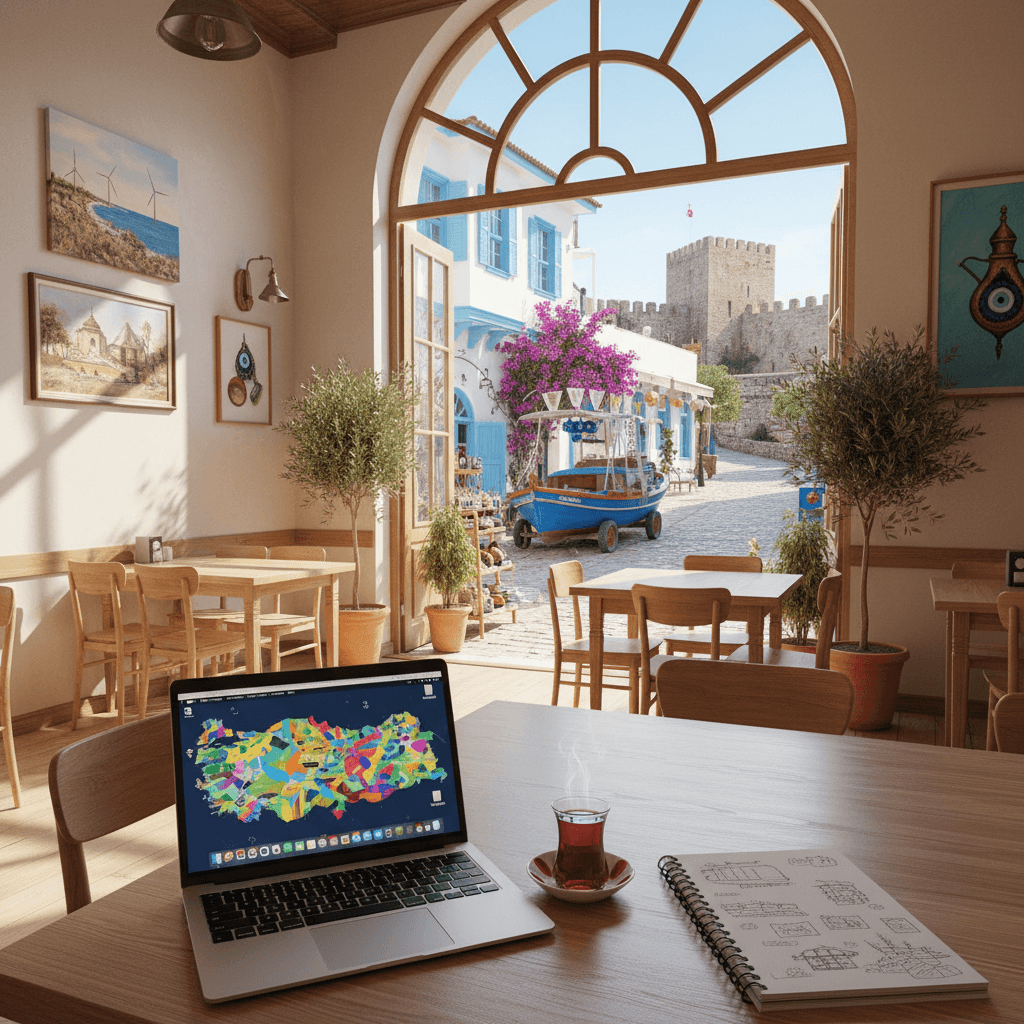
If Istanbul is a high-octane espresso shot, Çeşme is a chilled glass of local white wine enjoyed at sunset. This sun-drenched peninsula, jutting out from the İzmir coast, feels like a secret the rest of the world hasn't quite caught onto yet. It shares the same turquoise DNA as the Greek islands just across the water, but with a distinctly Turkish soul. You’ll find stone houses draped in bougainvillea, thermal springs that locals have used for centuries, and some of the most consistent windsurfing conditions on the planet.
Most nomads come for the "Alaçatı aesthetic." It’s a village of cobblestone streets and blue-shuttered windows where the lifestyle revolves around slow breakfasts and late-night meze. While the summer months of July and August bring high-society crowds from Istanbul, the shoulder seasons of May, June, September, and October are the sweet spots. During these months, the air is a perfect 25°C to 30°C, the prices drop, and the town breathes again.
The Nomad Lifestyle and Cost
Living here isn't about grinding in a glass-walled office; it’s about working from a seaside cafe with a view of the marina. While Çeşme lacks a massive dedicated coworking scene, the WiFi is surprisingly sturdy, often hitting 50 to 200 Mbps. Most expats find that a Turkcell SIM with a 20GB starter pack for about $15 provides a reliable backup for those afternoon Zoom calls by the beach.
Your monthly burn rate depends heavily on how close you want to be to the water. A solo nomad can live comfortably on $1,500 to $2,500. If you’re sticking to a tighter $1,000 to $1,500 budget, you’ll likely find a cozy spot in the outskirts of Çeşme town or Dalyan. Local street food like a simit or a fresh gözleme will only set you back $1 to $3, while a full seafood spread at the marina might run $30 or more.
Neighborhood Deep Dive
- Alaçatı: The heart of the nomad scene. It’s bohemian, trendy, and pricey. Expect to pay $600 to $1,200 for a one-bedroom stone house. It’s the best place to meet people, but be prepared for the summer noise.
- Çeşme Town Center: More authentic and functional. It’s walkable, closer to the ferry to Chios, and has better access to local markets. Rents are more reasonable here, often ranging from $400 to $800.
- Ilıca: Famous for its white sand and thermal waters. It’s quieter and dominated by resorts, making it a great choice if you want a serene environment to focus on a big project.
- Dalyan and Çiftlikköy: These are the "local" secrets. You’ll need a car or a scooter to get around, but the rents are the lowest in the area, and the beaches are far less crowded.
Logistics and Getting Around
You don't necessarily need a car if you stay in the center of Alaçatı or Çeşme town, as the local dolmuş (minibus) network is efficient and cheap at under $1 per ride. However, to truly explore the hidden coves or head into İzmir for a day of urban coworking at available spaces in the city, having your own wheels is a game changer. Scooter rentals usually hover around $15 a day.
Safety is a non-issue here. Travelers often remark that Çeşme feels safer than almost any major European hub. You can walk the marina at midnight without a second thought. If you need medical care, the Çeşme State Hospital or private clinics at the marina are top-tier, with many doctors speaking excellent English. For anything specialized, the world-class hospitals in İzmir are only a 60-minute drive away.
The Social Fabric
Integration is easy if you like food and the outdoors. The social scene is anchored by the "rakı-balık" (anise spirit and fish) culture. You’ll likely meet fellow nomads at windsurfing schools in the mornings or at cafes like Asma Yaprağı in the evenings. While Turkish is the primary language, English proficiency is high in the service industry, often reaching 80% in the more popular cafes and hotels. If you’re staying long-term, the Turkey Digital Nomad Visa is a great pathway, provided you can show a monthly income of $3,000.
The Cost of Living in Çeşme
Living on the Çeşme peninsula feels like a smart hack for nomads who want the aesthetics of the Greek islands without the Eurozone price tag. While it's more expensive than nearby İzmir, your dollars or euros go significantly further here than in Mykonos or Santorini. You can live a comfortable life for $1,500 to $2,500 per month, though big spenders can easily double that by chasing the high-end beach club scene in Alaçatı.
Rent is your biggest variable. If you're looking for a stone cottage in the heart of Alaçatı, expect to pay between $600 and $1,200 a month. For better value, nomads often look toward Çeşme Town Center or the outskirts like Dalyan, where a decent one-bedroom apartment might run $400 to $700. Keep in mind that prices fluctuate wildly with the seasons. A place that costs $800 in May might triple in price during the peak of July and August.
Monthly Budget Tiers
- The Budget Nomad ($1,000 to $1,500): This covers a modest studio in the outskirts, plenty of street food like $2 gözleme, and using the local dolmuş (minibus) to get around. You'll likely skip the pricey beach clubs and stick to public stretches of sand.
- The Mid-Range Professional ($1,500 to $2,500): This is the sweet spot. You can afford a nice 1BR apartment with a view, eat out at seafood spots like Asma Yaprağı a few times a week, and maintain a membership at a coworking space in İzmir or frequent the better cafes in town.
- The High-End Lifestyle ($2,500+): This budget allows for a luxury villa, frequenting the upscale marina restaurants where dinner can hit $50, and weekend trips to the Greek island of Chios.
Daily Expenses and Lifestyle Costs
Eating out is a highlight of the Aegean lifestyle. A quick simit or pastry for breakfast costs less than $1. For lunch, a local kebab or meze plate usually sits around $8 to $15. If you're heading to the Çeşme Marina for a high-end seafood dinner, expect to pay $25 to $50 per person including wine.
Transportation is affordable if you use the local network. A ride on the Eshot bus to İzmir costs about $3 to $5, while local trips within the peninsula are usually under $1. If you prefer the convenience of ride-hailing apps like BiTaksi, most trips between neighborhoods will cost between $5 and $15. For digital nomads, a prepaid SIM card from Turkcell with 20GB of data will set you back about $15 to $20.
Neighborhood Price Comparison
- Alaçatı: The most expensive and trendy area. High demand for boutique stays and proximity to windsurfing schools keeps prices elevated. Rent: $600 to $1,200.
- Çeşme Town Center: A balanced mix of local life and tourism. It's more walkable and offers better deals on long-term rentals. Rent: $500 to $900.
- Dalyan or Çiftlikköy: Quiet, residential, and much more affordable. You'll likely need a scooter or car here, but the savings on rent are substantial. Rent: $400 to $700.
Most nomads find that while the lack of dedicated coworking spaces in Çeşme is a minor hurdle, the low cost of coffee and high-speed home internet makes working from cafes or a home office very viable. Expats frequently recommend using Wise or Revolut for transfers to avoid high local bank fees, and suggest looking for long-term rentals on Sahibinden to find prices that aren't inflated for the tourist market.
For the Social Nomad: Alaçatı
If you want the quintessential Çeşme experience, Alaçatı is the place to be. It is the heart of the peninsula's social scene, characterized by narrow cobblestone streets, whitewashed stone houses, and purple bougainvillea. Most nomads cluster here because it feels the most international, with a bohemian atmosphere that rivals the Greek islands.
- The Vibe: Trendy, upscale, and windsurf-centric. It is high-energy in the summer but turns into a peaceful, creative village in the off-season.
- Workability: While there are no dedicated coworking spaces, the cafe culture is elite. You will find nomads working from spots like Sailor’s Coffee or the various garden cafes tucked behind the main stone buildings.
- Cost: This is the priciest neighborhood. Expect to pay between $600 and $1,200 for a decent one-bedroom apartment or a boutique hotel stay.
- Pros: Incredible dining at spots like Asma Yaprağı, world-class kiteboarding, and a built-in community of expats.
- Cons: It gets extremely crowded and loud during July and August.
For the Long-Term Expat: Çeşme Town Center
Living near the Marina offers a more authentic, year-round Turkish lifestyle compared to the seasonal flux of the beach resorts. It is the most practical choice if you do not want to rely on a car, as the main markets, banks, and the ferry terminal to Chios are all within walking distance.
- The Vibe: Nautical and grounded. It feels like a real town where people actually live and work, not just a holiday destination.
- Daily Life: You will spend your mornings at the local bakery for a $1 simit and your evenings walking the Kordon. For a serious meal, the seafood joints at the Marina are the local standard, with dinner usually costing between $25 and $50.
- Rent: More affordable than Alaçatı. You can often find apartments for $500 to $800 a month.
- Pros: Better access to healthcare like the Çeşme Marina Hospital and reliable high-speed fiber internet.
For Families and Slow Travelers: Ilıca
Ilıca is famous for its long, white sand beach and thermal springs that bubble up directly into the sea. It is a fantastic choice for those who want a slower pace and plenty of space for kids to run around. The neighborhood is flatter and more spread out than the hilly center, making it easier to navigate with a stroller.
- The Vibe: Relaxed resort living. It has a classic "summer home" feel that is much quieter at night than Alaçatı.
- Amenities: You are close to the thermal spas and larger supermarkets. Most housing consists of villas or larger apartment complexes rather than cramped studios.
- Cost: Mid-range. A comfortable family-sized rental usually starts around $1,000, though prices spike significantly for beachfront property.
- Pros: The water is shallow and warm, making it the safest swimming spot on the peninsula.
For the Budget-Conscious Solo Traveler: Dalyan and Çiftlikköy
If you are looking to keep your monthly burn under $1,500, head to the outskirts. Dalyan is a charming fishing village to the north, while Çiftlikköy sits on the western tip. Both offer a glimpse of what Çeşme looked like before the luxury boom.
- The Vibe: Quiet, rustic, and very local. These areas are perfect if you want to hunker down and get deep work done without the distractions of the party scene.
- Logistics: You will likely need a car or a scooter to get around, as the local Dolmuş buses are less frequent here. Rentals for a scooter usually run $10 to $20 per day.
- Rent: This is where the deals are. You can find simple, clean apartments for $400 to $700 per month.
- Pros: Best value for money and some of the quietest beaches on the peninsula.
- Cons: Limited English proficiency and fewer social opportunities for solo travelers.
Connectivity and Speed
You won't have much trouble staying connected in Çeşme, provided you choose your base wisely. Most boutique hotels in Alaçatı and modern apartments in the town center offer stable fiber connections with speeds ranging between 50 and 200 Mbps. It's plenty for Zoom calls and heavy uploads, though nomads often notice a slight lag during peak summer evenings when the tourist crowds saturate the local towers.
If you're planning a longer stay, local expats recommend getting a dedicated fiber line installed rather than relying on shared hotel WiFi. For mobile data, Turkcell is the gold standard for coverage in the peninsula. You can grab a prepaid SIM with 20GB of data for about $10 to $20. Just remember that these tourist SIMs usually expire after 90 days, so you'll need to transition to a resident plan if you're sticking around on a Digital Nomad Visa.
Coworking and Work-Friendly Cafes
Dedicated coworking spaces are still a rarity in Çeşme itself. Most nomads treat the entire coastline as their office, hopping between seaside cafes that are happy to let you linger if you're ordering coffee or meze. If you absolutely need a professional office environment with ergonomic chairs and networking events, you'll likely need to make the one-hour trip into İzmir. Various coworking spaces in İzmir offer day passes around $10 to $20 and monthly memberships for $150 to $250.
For a more local setup, try these spots where the WiFi is reliable and the atmosphere is work-friendly:
- Çeşme Marina: Several upscale cafes here offer high-speed internet and plenty of power outlets. It's a bit pricier, but the view of the yachts makes for a great backdrop for meetings.
- Alaçatı Stone House Cafes: Tucked away from the main tourist drag, many boutique cafes provide a quiet, shaded environment during the day. Just check the signal strength before you order your first Turkish coffee.
- Ilıca Beachfront: Great for those who want to work with their toes near the sand. Speeds are generally good, though the salt air isn't always kind to laptops.
Practical Work Setup Costs
Budgeting for your mobile office is straightforward here. Since you aren't paying for a dedicated desk in town, your "office rent" is essentially the price of a few lattes or a lunch. Here is what to expect for your tech and work expenses:
- Mobile Data: $15 for a 30GB Turkcell starter pack.
- Daily Cafe Spend: $10 to $15 for coffee and a mid-range meal.
- İzmir Coworking Day Pass: $10 to $20 plus the $5 bus fare.
- Home Fiber (Monthly): Included in most mid-range rentals, or roughly $20 to $30 for a private contract.
Most travelers find that the lack of formal coworking is a fair trade-off for the lifestyle. You might miss the networking events of a big city hub, but the ability to close your laptop and be in the Aegean Sea within five minutes is a massive perk. If you find yourself craving a community of creators, keep an eye on the İzmir Digital Nomads Facebook group; they often organize weekend meetups or co-working days in Çeşme during the warmer months.
Stay Secure on the Peninsula
Çeşme is remarkably safe, even by the high standards of the Turkish Aegean. Most nomads find the atmosphere here significantly more relaxed than the frantic pace of Istanbul. It is the kind of place where you can walk home from a late dinner in Alaçatı without a second thought. Violent crime is extremely rare, and the local community is generally protective of its reputation as a high end destination.
That said, common sense still applies. While the town center and marina are well lit and active, avoid wandering through isolated beaches or unlit rural paths after dark. If you are staying in the outskirts like Dalyan or Çiftlikköy, keep an eye on your belongings at public beaches, as opportunistic petty theft can happen during the crowded summer months. For any immediate help, the 112 emergency number covers police, fire, and medical services. There is also a dedicated tourist police presence in the center during the high season who usually speak English.
Healthcare and Medical Facilities
You won't have to travel far for quality care. For minor issues, Çeşme has several private clinics and the Çeşme Marina Hospital, which many expats recommend for its modern equipment and English speaking staff. If you encounter something more serious, the city of İzmir is only an hour away and houses world class facilities like Dokuz Eylül University Hospital. These İzmir hospitals are preferred for specialized surgeries or complex diagnostics.
Pharmacies, known locally as Eczane, are your first stop for basic ailments. They are ubiquitous in the town center and Alaçatı. On Sundays and late at night, look for the Nöbetçi Eczane (Duty Pharmacy). Every pharmacy window will have a sign or a digital screen listing the name and location of the nearest one open for 24/7 service. Many pharmacists speak enough English to help you find common over the counter medications.
Health Insurance and Practicalities
If you are applying for the Turkey Digital Nomad Visa, you'll need to prove you have health insurance that covers you within the country. Most nomads opt for international providers like SafetyWing or Genki, but you can also purchase local private insurance once you arrive if you are transitioning to a residence permit. Prices for out of pocket visits at private clinics are reasonable compared to US or EU costs, usually ranging from $40 to $80 for a standard consultation.
- Emergency Number: Dial 112 for all services.
- Tap Water: While okay for brushing teeth, most locals and nomads stick to bottled or filtered water for drinking. A large 19 liter jug delivered to your door usually costs around $2 to $4.
- Sun Safety: The Aegean sun is brutal from June to August. Heatstroke is a more common "safety" issue for travelers than crime is.
- Stray Animals: You will see plenty of street dogs and cats. They are generally tagged, vaccinated, and friendly, but it is best to avoid petting them if they seem territorial or unwell.
Nomad Perspectives on Safety
The general consensus among the digital nomad community is that Çeşme feels like a bubble. Solo female travelers frequently report feeling comfortable dining alone or exploring the backstreets of Alaçatı at night. The biggest "danger" you are likely to face is the aggressive driving on the highway between İzmir and Çeşme. If you are renting a scooter or car, stay alert and don't expect everyone to use their blinkers. Stick to the pedestrianized zones in the town centers whenever possible to avoid the summer traffic chaos.
Getting Around the Peninsula
While the Çeşme peninsula feels expansive, the layout is actually quite manageable once you understand the hub and spoke system. Most of your daily life will likely center around the walkable cores of Alaçatı or Çeşme Town, but you'll want a strategy for hitting the better beaches or making the occasional run into İzmir.
On Foot and Two Wheels
If you've set up shop in the stone houses of Alaçatı or near the Çeşme Marina, your feet are your best asset. These areas are dense and pedestrian friendly, though the cobblestones in Alaçatı can be a bit of a workout for your ankles. For quick trips between the boutique hotels and the windsurfing schools at the bay, many nomads rent bicycles or electric scooters. Expect to pay around $10 to $20 per day for a decent rental from local shops. It's the most efficient way to dodge the narrow street traffic during the peak summer months.
Public Transit and the İzmir Connection
The local bus system, known as the dolmuş, is the backbone of regional travel. These blue and white minibuses run frequent loops between the town center, Alaçatı, and the thermal springs of Ilıca for about $0.50 to $1 per ride. They're reliable and surprisingly frequent, though they can get packed with beachgoers in July and August.
For trips further afield, the Eshot buses connect the peninsula to İzmir for roughly $3 to $5. If you're heading to the Adnan Menderes Airport, the Havaş shuttle is the gold standard. It takes about 60 minutes and costs around $5, much cheaper than the $50 you'll pay for a private taxi.
Ride-Hailing and Taxis
Uber isn't the primary player here. Instead, download the BiTaksi app or the İzmirim Kart app to summon rides. Most trips within the peninsula will run you between $5 and $15. Taxis are everywhere, but always ensure the meter is running; drivers are generally honest, but the tourist premium can sometimes creep in during the high season. For those staying in the quieter outskirts like Dalyan or Çiftlikköy, having these apps ready is a necessity since those areas aren't as well served by the dolmuş.
The Island Hop
One of the perks of living on this coast is the proximity to Greece. Seasonal ferries run from the Çeşme port to the Greek island of Chios. It's a popular weekend getaway for expats and nomads looking to reset their visa clock or just enjoy a different pace of life. Prices vary by season, but it's a straightforward trip that adds a lot of value to staying in the region.
Practical Transport Stats
- Local Dolmuş Ride: $0.50 to $1
- Scooter Rental: $10 to $20 per day
- Airport Shuttle (Havaş): $5
- Taxi to İzmir: $50+
- İzmirim Kart: The essential reloadable card for all regional public transport
Most nomads find that a combination of walking and the occasional dolmuş ride is plenty for daily life. However, if you're planning to stay through the winter or live in one of the cheaper peripheral neighborhoods, you might want to consider a long term scooter or car rental to maintain your freedom when the bus schedules thin out.
The Communication Landscape
In the upscale corridors of Çeşme and the cobblestone alleys of Alaçatı, you'll find a surprisingly high level of English proficiency. Most locals working in the boutique hotels, trendy cafes, and windsurfing schools speak English well, with many hitting 70% to 80% fluency. This makes the peninsula one of the easiest places in Turkey to settle into without a steep language barrier, especially if you spend your days working from seaside spots like the Çeşme Marina.
While you can easily get by with English for your morning latte or a dinner reservation, Turkish remains the heart of daily life. Nomads who stay for more than a few weeks usually find that learning a handful of basics opens doors to better service and local friendships. It's common to hear Greek or German in the crowds too, reflecting the area's history and its popularity with European expats.
Essential Language Tools
Don't rely solely on gestures when you're off the beaten path in smaller villages like Dalyan or Çiftlikköy. Digital nomads here swear by a few specific tools to keep things moving:
- Google Translate: Download the Turkish offline pack. The camera feature is a lifesaver for reading menus or ingredient labels at the local markets.
- iTranslate: Useful for quick voice translations when you're trying to explain a specific request to a taxi driver or a local shopkeeper.
- BiTaksi: While primarily for transport, the app helps bridge the communication gap with drivers by allowing you to set your destination digitally.
Key Phrases for Your Toolkit
Dropping a few Turkish words goes a long way in building rapport. Start with these basics:
- Merhaba: Hello
- Teşekkürler: Thanks
- Ne kadar?: How much?
- Hesap, lütfen: The bill, please
- Kolay gelsin: A polite greeting used when someone is working (literally "may it come easy to you")
Connectivity and SIM Cards
Working remotely in Çeşme requires a reliable mobile backup. Most nomads recommend heading to a dedicated phone shop in the town center rather than buying at the airport, where prices are inflated. You'll need your passport to register a prepaid SIM, and keep in mind these are usually valid for 90 days unless you have a residence permit.
- Turkcell: Generally considered the gold standard for coverage, especially if you plan to work from the quieter beaches. Expect to pay around $15 to $20 for a 20GB starter pack.
- Vodafone & Turk Telekom: Solid alternatives that are often slightly cheaper, though coverage can occasionally dip in rural pockets of the peninsula.
- Data Speeds: You'll typically see 50 to 200 Mbps on stable Wi-Fi in Alaçatı cafes, though speeds can lag during peak summer evenings when the tourist crowds saturate the network.
Local expats often suggest getting a fiber installation if you're renting a villa for the long term. If you're just passing through, the "work from a cafe" culture is alive and well. Most seaside spots are happy to let you linger over a $3 Turkish coffee as long as you're a paying customer, though they don't always have the "hushed office" vibe you might find in İzmir's dedicated coworking spaces.
The Sweet Spot: May, June, and September
If you want the quintessential Çeşme experience without the suffocating crowds, aim for the shoulder seasons. May and June are spectacular, with temperatures hovering around 20°C to 26°C. The Aegean Sea is just starting to warm up, and the famous Alaçatı breeze is refreshing rather than gusty. This is when the bougainvillea is in full bloom against the white stone houses, making your "office for the day" look like a postcard.
September and October are arguably even better for nomads. The chaotic summer rush of Istanbulites and European tourists thins out by the second week of September, but the water remains a balmy 23°C. You can snag a prime table at a seaside cafe in the Marina or a quiet corner in an Alaçatı bistro without a reservation. Prices for Airbnbs often drop by 20% to 30% once the schools back in session, making it the best time for a mid range budget stay.
The High Summer Sizzle: July and August
July and August are when Çeşme turns into a high energy playground. Temperatures regularly hit 32°C to 35°C, though the Meltem wind keeps it from feeling like a furnace. This is peak season for windsurfing and kiteboarding at Pırlanta Beach or Alaçatı Surf Bay. Expect the town to be packed, loud, and expensive. If you enjoy beach club parties and a high octane social scene, you'll love it. If you need quiet for deep work, you might find the constant hum of tourism distracting.
The Off Season: November to April
Winter in Çeşme is a quiet, contemplative affair. Temperatures stay mild, usually between 10°C and 15°C, but the rain picks up significantly from November through March. Many of the boutique hotels and trendy seasonal restaurants in Alaçatı close their doors for the winter, giving the town a bit of a ghost town feel.
For a nomad, this period is a double edged sword. You'll get the lowest possible rent, but you'll have to deal with limited social options. Most long termers head into İzmir (only an hour away) during these months for a more consistent community and reliable indoor heating, which isn't always a given in older stone houses. If you stay, make use of the thermal springs in Ilıca to beat the winter dampness.
Seasonal Climate Breakdown
- Spring (April to June): Expect highs of 20°C to 25°C. Ideal for hiking to the Çeşme Castle or exploring the Urla vineyards. Rainfall is low, around 40mm.
- Summer (July to August): Hot and dry with highs of 32°C+. Rainfall is almost non existent, usually under 10mm. Perfect for water sports but tough for midday outdoor work.
- Autumn (September to October): Very pleasant with highs of 25°C. A favorite for digital nomads who want stable weather and reliable 50 to 200 Mbps internet without the summer bandwidth congestion.
- Winter (November to March): Cool and wet with highs of 12°C. Rainfall peaks in January at 80mm. You'll want a place with a solid HVAC system or a fireplace.
Pro Tip for Remote Workers
Most nomads find that while the weather is great year round, the "vibe" shifts dramatically. If you're coming for the community, stick to the May to October window. If you're a writer or developer looking for total isolation and rock bottom prices, February in a stone cottage can be incredibly productive, provided you don't mind the occasional rainy day and a much quieter social calendar.
Logistics and Connectivity
Internet reliability in Çeşme is generally solid, with most central rentals and hotels offering speeds between 50 and 200 Mbps. It's plenty for video calls, though you might notice a slight lag during peak summer evenings when the tourist crowds saturate the local towers. For the most stable connection, nomads often recommend asking your host for a fiber optic setup if you're staying long-term.
Dedicated coworking spaces are scarce in town. You'll find most of the professional infrastructure an hour away in İzmir at spots like Kolektif House. Locally, the "work from anywhere" crowd gravitates toward the seafront cafes in the Marina or the stone-walled coffee shops in Alaçatı. These spots are usually happy to let you linger for the price of a few Turkish coffees.
For mobile data, grab a SIM card from Turkcell or Vodafone as soon as you arrive. A 20GB prepaid pack usually runs around $15 to $20. Just remember that your passport registration for these cards typically expires after 90 days unless you have a residence permit.
Cost of Living
Çeşme offers a Mediterranean lifestyle at a fraction of the price of the Greek islands across the water. Your budget will fluctuate wildly based on the season; July and August prices for rentals can double compared to the shoulder months.
- Budget Tier ($1,000 to $1,500/month): This covers a modest studio in the outskirts like Dalyan, street food meals like $2 simit or gözleme, and using local buses.
- Mid-range ($1,500 to $2,500/month): You'll land a nice 1BR in Alaçatı, eat out at seafood spots like Asma Yaprağı for $15, and have plenty left for weekend trips.
- Comfortable ($2,500+): This budget buys you a luxury villa with a pool, daily dining at upscale beach clubs, and private transport.
The Neighborhood Breakdown
Choosing where to base yourself depends on whether you want "village vibes" or "beach access."
Alaçatı
- The Vibe: Bohemian, trendy, and famous for its stone houses and windsurfing.
- Rent: Expect to pay $600 to $1,200 for a 1BR.
- Pros: High English proficiency, great social scene, and very walkable.
- Cons: Can feel like a theme park in August; prices are the highest in the region.
Çeşme Town Center
- The Vibe: A more authentic, year-round hub near the marina.
- Rent: $400 to $800 for a central apartment.
- Pros: Best access to markets and the ferry to Chios; more affordable dining.
- Cons: Quieter nightlife compared to Alaçatı.
Dalyan or Çiftlikköy
- The Vibe: Quiet, residential, and coastal.
- Rent: $400 to $700.
- Pros: Peaceful environment and lower cost of living.
- Cons: You'll definitely need a car or scooter to get around.
Getting Around
The town centers are highly walkable, but for everything else, use the BiTaksi app or the İzmirim Kart for public buses. A local bus ride is usually under $1, while a taxi across the peninsula might cost $10. If you're coming from the İzmir Adnan Menderes Airport, the Havaş shuttle is the most cost-effective way to get here for about $5.
Safety and Health
Expats frequently mention feeling safer here than in Istanbul or London. It's a family-oriented destination with very low crime. If you need medical care, Çeşme Marina Hospital provides high-quality private services, and many doctors speak English. For emergencies, dial 112. Pharmacies (Eczane) are everywhere, and there's always one "on-call" (nöbetçi) for 24/7 service in every neighborhood.
Visas and Paperwork
If you're planning a long stay, Turkey now offers a Digital Nomad Visa. You'll need to show proof of income of at least $3,000 per month. For banking, most nomads stick with Wise or Revolut for daily spending, though Ziraat Bank ATMs are the most reliable for local cash withdrawals.
Need visa and immigration info for Turkey?
🇹🇷 View Turkey Country GuideEasy Landing
Settle in, no stress