Durrës
🇦🇱 Albania
The Seaside Slow Burn
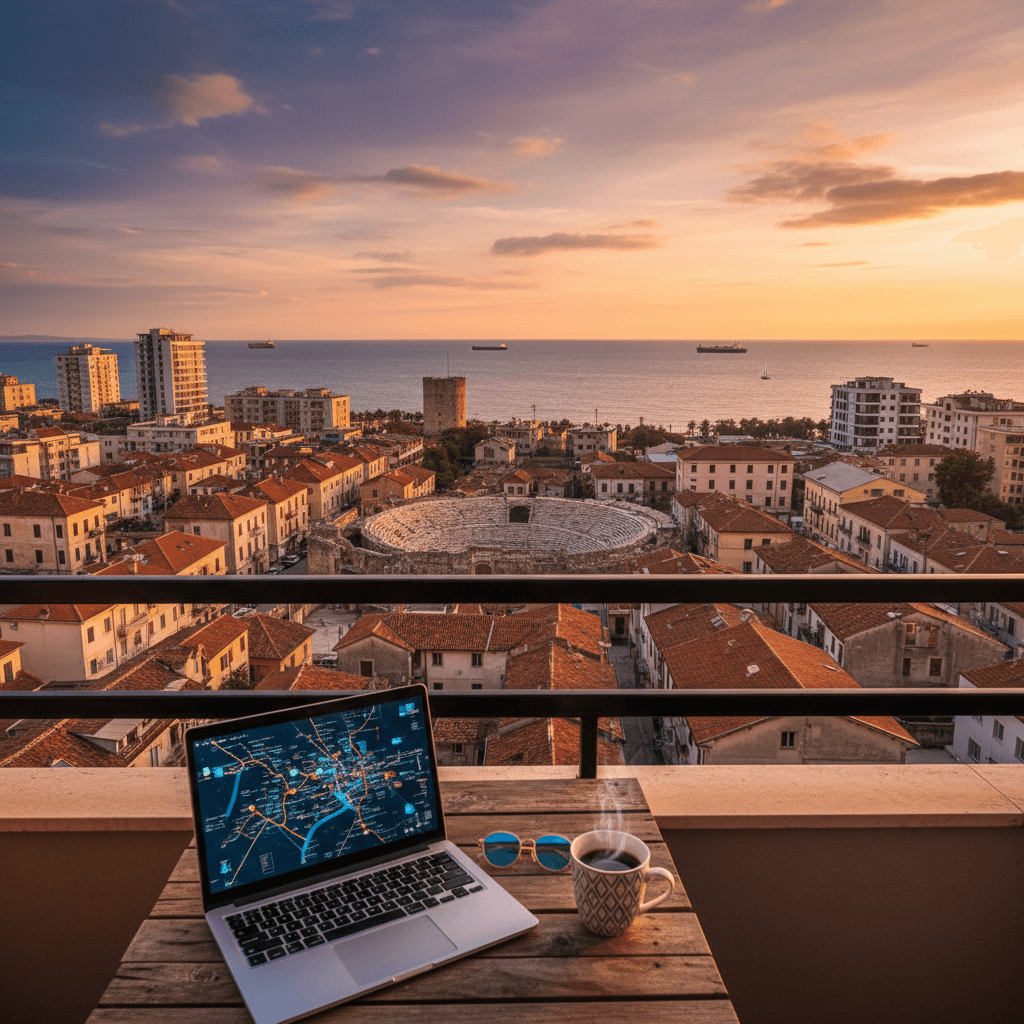
Durrës is Albania's coastal workhorse, a city that doesn't try too hard to impress but wins you over with its unpretentious, salt-crusted charm. While Tirana feels like a caffeinated rush toward the future, Durrës is where the country goes to exhale. It is a place where 3,000 years of history sit right next to a beach bar playing deep house. You might spend your morning answering emails from a balcony overlooking the Adriatic and your afternoon walking through a Roman amphitheater that once held 20,000 people.
The vibe here is distinctly Mediterranean but with an Albanian edge. It is less polished than the French Riviera and more affordable than the Greek islands, making it a pragmatic choice for nomads who want the sea without the "resort" price tag. You will find palm-lined promenades where retirees play chess and digital nomads flip open laptops in cafes that charge €1.50 for a macchiato. It is a city of transitions, blending crumbling Ottoman walls with modern, glass-fronted apartments.
Why Nomads are Moving In
Most people come to Durrës for the proximity to the capital and the low cost of entry. You can live a comfortable life here on €1,000 to €1,200 a month, which is a rare find for a Mediterranean city of this size. The "Durrës lifestyle" is centered around the Xhiro, the traditional evening walk where the whole city turns out to stroll along the waterfront as the sun dips into the sea.
- The Cost Advantage: Rent for a solid one-bedroom apartment near the beach typically ranges from €350 to €500, significantly cheaper than similar setups in Tirana.
- The Commute: You are only 30 to 40 minutes from Tirana International Airport and the capital itself, giving you easy access to big-city networking when the seaside gets too quiet.
- The Workspace: While dedicated coworking spaces are still catching up, the cafe culture is elite. Places like Plazhi i Durrësit are lined with spots where the WiFi is fast, the seats are comfortable, and nobody will glare at you for staying three hours.
The Emotional Landscape
Living in Durrës feels like being in on a secret that is just starting to get out. There is a specific kind of productivity that comes from working with a sea breeze hitting your face, followed by a €2 byrek lunch. It is not always perfect; the infrastructure is still developing, and the summer months can bring a surge of local tourists that makes the promenade feel a bit crowded. But in the shoulder seasons of May, June, and September, the city hits a sweet spot of perfect weather and quiet streets.
Expats often mention the hospitality as the deciding factor. It is common for a "quick coffee" with a local to turn into a two-hour history lesson or an invitation to dinner. There is a lack of pretension here. You aren't just another tourist; in the neighborhood cafes near the City Center, you quickly become a regular. If you can handle the slightly slower pace and the occasional power flicker during a winter storm, Durrës offers a level of freedom that is becoming harder to find in Europe's more established nomad hubs.
Budget Expectations
- Budget Tier (€800 to €1,000): Best for those sticking to the City Center, eating local street food, and using the €0.40 bus to get around.
- Mid-range Tier (€1,000 to €1,200): Allows for a modern apartment with a side sea view and regular dinners out at seafood spots where a meal costs €7 to €12.
- Comfortable Tier (€1,200 to €1,500): Covers a premium beachfront penthouse, a gym membership, and frequent weekend trips to places like Butrint or Ksamil.
Affordability by the Adriatic
Durrës is one of the most budget friendly coastal hubs in the Balkans. While Tirana draws the crowds with its urban grit, Durrës provides a similar level of affordability but with the added perk of the Adriatic Sea right outside your window. Most nomads find they can live a high quality life here for anywhere between €800 and €1,500 per month, depending on how often they want to wake up to a view of the water.
The city operates on a seasonal rhythm. During the summer months of July and August, prices for short term rentals can spike as local tourists flock to the coast. However, if you're staying for a few months or arriving in the shoulder season, your Euro goes incredibly far. It's the kind of place where you can enjoy a fresh seafood dinner and a glass of local wine without constantly checking your banking app.
Monthly Budget Tiers
To give you a realistic idea of what your bank statement might look like, here is how the monthly costs typically break down for a solo nomad:
The Budget Nomad
- Total Monthly Spend: €800 to €1,000
- Housing: €350 for a modest studio or a 1BR apartment slightly inland or in the City Center.
- Food: €200 focusing on local markets and street food like byrek (€1 to €2).
- Transport: €50 using the local bus system (€0.40 per ride) and plenty of walking.
- Other: €200 for basic utilities, a local SIM card from Vodafone, and occasional coffee.
The Mid-Range Nomad
- Total Monthly Spend: €1,000 to €1,200
- Housing: €400 for a modern apartment, likely closer to the Plazhi i Durrësit area.
- Food: €250 mixing home cooking with frequent meals at mid range beach cafes (€5 to €10 per meal).
- Transport: €70 including a monthly bus pass (€15) and the occasional ride hailing trip via the Speedy app.
- Other: €280 for weekend trips to Tirana or nearby ruins and faster home internet.
The Comfortable Nomad
- Total Monthly Spend: €1,200 to €1,500
- Housing: €500 for a premium apartment with a sea view along the Promenade.
- Food: €300 for regular dining at upscale spots like those on the beachfront (€15 to €25 per meal).
- Transport: €100 for frequent taxis and perhaps a scooter rental for exploring the coast.
- Other: €400 for a gym membership, higher end entertainment, and regular coworking at beach clubs.
Daily Expenses and Practicalities
Living in Durrës means embracing a cash heavy culture. While larger supermarkets and upscale hotels accept cards, you'll need Lek (the local currency) for the best deals at local markets and smaller cafes. Expats recommend using Wise or Revolut for ATM withdrawals to keep conversion fees low.
Eating out is a major draw here. You can grab a coffee and a pastry for under €3, while a hearty lunch at a local grill house rarely exceeds €7. If you're working from cafes, most owners are happy for you to stay for several hours if you're ordering coffee or sparkling water, which usually costs about €2 to €5 for a few hours of "rent."
Connectivity is surprisingly cheap and reliable. A local SIM with 20GB of data from Vodafone or Abissnet costs around €10. This is a life saver for nomads who want to work from the beach where the cafe Wi-Fi might occasionally struggle with the sea breeze. For long term stays, platforms like Flatio or local Facebook groups are your best bet to find apartments in the €350 to €500 range, which is significantly lower than Tirana's average of €400 to €600.
Durrës doesn't have the clearly defined, trendy districts you'll find in Tirana, but the city naturally splits into zones that cater to different lifestyles. Whether you want to wake up to the sound of the Adriatic or be steps away from a 2,000 year old Roman amphitheater, where you drop your bags will define your experience in Albania's coastal hub.
Best for Digital Nomads: The Promenade & Beachfront
Most nomads gravitate toward the stretch of coastline near the city center. This area is built for people who need to balance a laptop on a cafe table while glancing at the water. The vibe here is social and walkable, with a high concentration of modern cafes that have reliable 250 Mbps Wi-Fi and plenty of power outlets.
- The Vibe: Energetic and scenic. You'll find yourself working from seaside spots during the day and joining the locals for the "xhiro," the traditional evening sunset stroll.
- Housing: Modern apartments are the norm here. Expect to pay between €400 and €500 for a one bedroom with a sea view.
- Connectivity: Since there aren't many dedicated coworking spaces, nomads treat beach bars like offices. It's perfectly acceptable to occupy a table for three hours for the price of a €2 macchiato.
- Pros/Cons: Walking to the beach for a lunch break is a huge perk, but summer crowds between June and August can make the area noisy and crowded.
Best for Expats: City Center
If you're planning to stay long-term, the area surrounding the Amphitheater and the City Hall offers a more authentic, year-round community. This is where the local life happens away from the seasonal tourist rush. It's the most practical spot for those who want proximity to pharmacies, traditional markets, and the main bus stations for quick trips to Tirana.
- The Vibe: Historic and grounded. You're living among Roman ruins and Ottoman-era architecture rather than just vacation rentals.
- Housing: Rents are slightly more affordable than the beachfront, often ranging from €350 to €450. The buildings might be older, but they usually have more character and better insulation for the rainy winter months.
- Daily Life: You'll do your shopping at local bakeries for €1 byrek and hit the fruit markets instead of relying on tourist-priced convenience stores.
- Pros/Cons: It's the most convenient location for logistics and banking, though you'll face more traffic and a 15 minute walk to get your feet in the sand.
Best for Families: Plazhi i Durrësit
Located just south of the main port, this is the primary beach district. It's flatter, more residential, and significantly quieter during the shoulder seasons. Families often prefer this area because the beaches are sandy and shallow, making them safer for kids than the rocky stretches further north.
- The Vibe: Relaxed and suburban. It feels less like a city and more like a permanent vacation community.
- Housing: You can find larger, multi-bedroom apartments here for the same price as a small studio in the center. A comfortable family flat usually sits around €500.
- Amenities: The area is packed with grocery stores and playgrounds. Most restaurants here are family-run and offer mid-range meals for €5 to €10 per person.
- Pros/Cons: It's very peaceful in the off-season, but it can feel a bit "ghost town" during January and February when many seasonal businesses close their doors.
Best for Solo Travelers: Near the Port
For those passing through or staying for just a few weeks, the area near the Port of Durrës is the most strategic. It serves as the city's transit heart, making it easy to hop on a ferry to Italy or grab a €0.40 bus ride to explore the rest of the country.
- The Vibe: Fast-paced and functional. It's the bridge between the historical center and the beach.
- Housing: High turnover means plenty of short-term rentals and hostels. Solo travelers often use the Speedy app to find quick transport or stick to the highly walkable streets near the promenade.
- Social Scene: This is the best spot to meet others. The bars here are less about family dinners and more about casual drinks and meeting fellow travelers.
- Pros/Cons: You're in the middle of everything, but the industrial nature of the port means this isn't the prettiest part of town.
Connectivity and Speed
Durrës might feel like a sleepy coastal town compared to the frantic energy of Tirana, but its digital infrastructure is surprisingly robust. Most modern apartments and hotels offer reliable fiber connections with averages around 70 Mbps. This makes it a reliable base for nomads who spend their days on heavy video calls or uploading large files. You won't struggle with stability in the city center or along the main beach promenade.
For a backup plan or working on the move, pick up a local SIM card immediately. Vodafone and Abissnet are the primary providers. You can grab a 20GB data package for about €10 at the airport or at various shops around the city. Mobile data coverage is excellent throughout Durrës, so tethering to your phone at a beach bar is a perfectly viable way to spend a Tuesday afternoon.
The Coworking Situation
If you are looking for a dedicated, glass walled coworking space with ergonomic chairs and a community manager, you won't find it here yet. Unlike Tirana, which is home to spots like Coolab and InnoSpace, Durrës relies entirely on a "work from anywhere" cafe culture. Most nomads find this lack of formal space is easily offset by the abundance of laptop friendly cafes that overlook the Adriatic.
The city's work culture is incredibly relaxed. Locals spend hours over a single espresso, so you won't feel pressured to move. Expect to spend between €2 and €5 per day on coffee and snacks to "rent" your seat. While there aren't official hubs, you'll often spot other remote workers clustered in the modern cafes near the Amphitheater or along the Promenade.
Top Spots for Remote Work
- The Beachfront Promenade: This is the heart of the nomad scene. Dozens of cafes line the water, offering fast WiFi and plenty of power outlets. The sea breeze and Mediterranean views are unbeatable for productivity, though it gets loud during the peak summer months.
- City Center Cafes: For a quieter environment, head inland toward the historical center. The cafes near the Roman ruins tend to be a bit more stationary and less touristy, making them ideal for deep work sessions.
- Plazhi i Durrësit: The main beach area is packed with hotels and restaurants that are happy to host laptop users during the day. It is a more seasonal vibe, but during the shoulder season, it is exceptionally peaceful.
Practical Tips for Digital Nomads
While the internet is fast, the power grid in Albania can occasionally flicker during heavy winter storms. It doesn't happen often, but keeping your laptop charged and having a mobile hotspot ready is a smart move. Most cafes are happy to let you plug in, but it's polite to ask before you start hunting for an outlet behind a sofa.
Cash is still king in many smaller establishments. While high end beach bars and hotels take cards, many of the best "work offices" (local cafes) will expect Albanian Lek. Keep some cash on hand for your daily caffeine fix. If you need to take a private call, the promenade has plenty of quiet corners, but the general cafe noise is usually manageable with a decent pair of noise canceling headphones.
Keeping Your Peace of Mind
Durrës is remarkably safe for a city of its size. Most expats find the atmosphere along the Adriatic coast much more relaxed than in major Western European hubs. Violent crime is rare, and the local culture places a high value on hospitality. You'll likely feel comfortable walking through the city center or along the Volluga Promenade well after sunset.
That said, use common sense as you would anywhere else. Petty theft like pickpocketing can happen in crowded areas during the peak summer months of July and August when the city swells with tourists. Travelers often suggest avoiding poorly lit, isolated stretches of beach or the industrial outskirts late at night. There aren't any specific "no-go" zones, but sticking to the well-trafficked areas near the Roman Amphitheater or the main beach districts is the standard move for nomads.
One specific safety tip for Durrës: watch your step. The sidewalks can be uneven, and drivers in Albania are known for being assertive. When you're crossing the street, don't assume a car will stop just because you're in a crosswalk. Make eye contact and move predictably.
Healthcare Infrastructure
If you need medical attention, the Durrës Regional Hospital is the primary public facility. It’s adequate for basic emergencies and routine issues, but the facilities may feel dated compared to what you’re used to in Northern Europe or North America. For anything specialized or serious, most nomads take the 30 to 40 minute taxi ride to Tirana, where private hospitals like American Hospital or Hygeia offer international standards of care and more English-speaking staff.
Pharmacies (Farmaci) are everywhere in Durrës, especially along Rruga Taulantia. They are affordable and many common medications that require a prescription elsewhere can often be bought over the counter here. Pharmacists are generally very knowledgeable and can help with minor ailments if you're in a pinch.
Emergency Contacts and Practicalities
It’s a good idea to have a local SIM card from Vodafone or Abissnet so you can access data for maps or translation apps in an emergency. You can pick these up for about €10. If you do run into trouble, keep these numbers handy:
- General Emergencies: 112
- Police: 129
- Ambulance: 127
- Fire Department: 128
For digital nomads, the stability of the internet is a health and safety plus. With speeds often exceeding 250 Mbps, you can easily hop on a telehealth call with a doctor back home if you aren't comfortable visiting a local clinic for non-urgent advice. Most modern cafes along the beachfront have reliable enough WiFi to support video consultations without a hitch.
Health Insurance for Nomads
While healthcare costs in Albania are low, expats recommend carrying private international insurance. This ensures you can skip the wait times at public hospitals and head straight to the private clinics in the capital. Always keep a digital copy of your policy and the local emergency numbers saved in your phone. Most clinics in Durrës prefer cash payments, so keep a few Lek or Euros on hand for immediate co-pays or prescriptions.
Durrës is a city that moves at two speeds. During the summer, the beachfront is a high energy stretch of sun loungers and music, but for the rest of the year, it settles into a manageable, walkable rhythm that makes it one of the easiest Albanian cities to navigate without a car. Whether you are staying in the historic center or down by the Adriatic, getting from point A to point B is rarely a headache.
On Foot and Two Wheels
If you choose your base wisely, your primary mode of transport will be your own two feet. The Promenade and the City Center are highly pedestrian friendly, especially the palm lined stretch along the water where most nomads spend their afternoons. It is entirely possible to walk from the Roman Amphitheater to the main port area in about 15 minutes.
For those living further down the coast in Plazhi i Durrësit, cycling is a popular alternative. You can find bike or scooter rentals along the beach for roughly €5 to €10 per day. It is a flat, scenic ride, though you should keep an eye out for erratic traffic once you move off the dedicated pedestrian paths.
Public Buses and Local Transport
The local bus system is the most authentic, and certainly the cheapest, way to get around. The yellow city buses run frequently between the center and the beach areas. A single ride costs just €0.40 (40 Lek), and you pay the conductor in cash after you board. While monthly passes are available, it is best to check locally for current rates, though most expats find the pay as you go method simpler.
While there is no formal "bus app" with live tracking, the main terminal near the train station is the hub for all local and intercity routes. Buses to Tirana depart every 30 minutes and cost about €1.50 to €2, making it easy to head into the capital for a night out or a coworking day.
Ride Hailing and Taxis
Albania does not have Uber or Lyft, but the local alternatives are reliable and surprisingly affordable. Most nomads use the Speedy Taxi app or Ups Taxi to book rides. These apps give you a clear price estimate and avoid the "tourist tax" sometimes associated with hailing a car on the street.
- Short city trips: Expect to pay between €3 and €5.
- Durrës to Tirana: A private taxi usually runs between €20 and €30.
- Late night rides: Prices stay fairly consistent, but it is always better to use an app after midnight to ensure a fair rate.
Airport Transfers
Getting to Tirana International Airport (TIA) from Durrës is straightforward. The drive takes 30 to 40 minutes depending on traffic. You can take a direct shuttle bus for €5, which is the most budget friendly option. If you have heavy luggage or are arriving late at night, a pre booked taxi is the way to go. Most expats recommend arranging a pickup through your accommodation or using the Speedy app to avoid negotiating with drivers at the arrivals gate.
Driving and Car Rentals
Unless you plan on taking frequent day trips to places like Butrint or Ksamil, you probably won't need a car within Durrës itself. Parking in the city center can be a nightmare, and Albanian driving styles are famously assertive. If you do decide to rent for a weekend getaway, expect to pay around €25 to €40 per day for a basic manual transmission vehicle. Just remember to carry cash for the small tolls and parking fees you will encounter along the coast.
The Linguistic Landscape
In Durrës, the language barrier is a bit of a mixed bag. The local tongue is Albanian, or Shqip, a language that sits on its own unique branch of the Indo-European family tree. It sounds nothing like Italian, Greek, or Slavic languages, so don't expect to pick it up via osmosis. In the tourist heavy areas like the Promenade and Plazhi i Durrësit, you'll find that most younger staff and business owners speak decent English. However, once you step into the more residential parts of the City Center or deal with older shopkeepers, English proficiency drops off significantly.
Expats often find that Italian is a surprisingly useful backup. Because of the city's proximity to Italy and the historical ties across the Adriatic, many older residents are fluent in Italian. If you have a background in Romance languages, you might find it easier to communicate in Italian than English when dealing with landlords or older taxi drivers.
Digital Communication and Connectivity
Staying connected is rarely an issue here. Most nomads recommend picking up a local SIM card immediately upon arrival. Vodafone and Abissnet are the two main players. You can usually snag a tourist SIM with 40GB data for around €23-25 at the airport or at various mobile shops throughout the city. This is a smart move because while cafe WiFi is generally reliable, having a hotspot backup is a lifesaver for those beachfront afternoon calls.
For getting around and local logistics, a few apps will make your life much easier. Since English isn't universal, Google Translate is your best friend. Most travelers recommend downloading the Albanian offline pack so you can translate menus or signs without burning through data. For transport, skip the confusion of verbal directions and use the Speedy app to hail rides; it functions similarly to Uber and keeps the pricing transparent.
Practical Phrases for Daily Life
While you can get by with English in the digital nomad hubs, locals genuinely appreciate when you make an effort with the basics. It opens doors and often leads to better service in the smaller byrek shops. Here are the essentials you'll use daily:
- Përshëndetje: Hello (Standard greeting)
- Faleminderit: Thank you (You'll say this constantly)
- Po / Jo: Yes / No
- Mirë: Good / Okay
- Ku është...?: Where is...? (Useful for finding the Amphitheater or a specific cafe)
- Faturën, ju lutem: The bill, please
Social Etiquette and Non-Verbal Cues
Communication in Durrës isn't just about the words you use. The pace of life is intentionally slow, especially when it involves coffee. If you're meeting a local contact or a fellow expat at a seaside cafe, don't expect a quick "grab and go" interaction. Coffee culture is the primary mode of social networking here. You are expected to sit, linger, and chat. Rushing through a conversation is often seen as a bit rude.
One specific quirk to watch out for is the Albanian nod. In some traditional contexts, a side to side head shake can mean "yes" while a nod can mean "no." While this is fading among the younger, more globalized crowd in Durrës, it still pops up occasionally with the older generation. If you're confused, look for a verbal "Po" or "Jo" to confirm what they actually mean.
Staying in the Loop
Since the expat community in Durrës is smaller and more fragmented than the one in Tirana, most communication happens in digital silos. Nomads recommend joining Facebook groups like "Expats in Albania" or "Albania Digital Nomads" to find meetups or community events. These groups are also the best place to ask for recommendations on English speaking doctors or reliable real estate agents, as word of mouth is still the most trusted form of information in the city.
Climate and Seasonal Rhythms
Durrës enjoys a classic Mediterranean climate, which means you can expect plenty of sunshine and mild temperatures for the better part of the year. The city follows a distinct seasonal cycle that dictates everything from the cost of your apartment to whether the beach bars are actually open for a sunset beer.
For most nomads and expats, the sweet spot falls between May and October. During these months, the city is fully awake, the water is warm enough for swimming, and the promenade cafes are in full swing. If you're looking for that perfect balance of productivity and seaside relaxation, this is your window.
- Summer (June to August): It gets hot, with highs frequently hitting 30°C to 35°C. This is peak tourist season, so expect the beaches to be packed and the promenade to stay noisy well past midnight.
- Shoulder Seasons (May, September, October): These are arguably the best times to be here. Temperatures hover around a comfortable 20°C to 25°C, the crowds have thinned out, and you can usually negotiate better monthly rates on beachfront rentals.
- Winter (December to February): It’s a quiet, sleepy affair. While it rarely gets freezing, with highs around 13°C, it can be quite damp and grey. Many seasonal businesses along Plazhi i Durrësit shut down entirely during this period.
When to Visit for Work and Play
If your priority is deep work and low costs, April and May are fantastic. You'll beat the summer heat and the spike in rental prices, and the internet in the beach cafes is usually faster when there aren't thousands of tourists fighting for the same bandwidth. Most nomads find that the spring air is perfect for long walks along the Roman city walls without breaking a sweat.
Expats who live here year round often say that September is the local favorite. The Adriatic Sea has been baking all summer and stays warm, but the frantic energy of the July vacationers has evaporated. It’s the best time for afternoon swims after you finish your tasks for the day.
What to Pack and Prepare For
The rainiest months are November through March. Durrës doesn't see much snow, but the rain can be persistent. If you're planning a winter stay, make sure your apartment has a reliable heating system. Many older buildings are designed to stay cool in the summer and can feel like ice boxes in January since central heating isn't the standard.
For a summer visit, high quality sun protection is a must. The Albanian sun is deceptively strong, especially when you're working from a terrace or one of the many cafes near the Amphitheater. Travelers often underestimate the humidity in July, so light, breathable fabrics will be your best friend.
The Seasonal Budget Shift
Keep in mind that Durrës has a "dual" pricing reality. From late June to late August, Airbnb prices and short term rentals can double. If you're on a budget, aim to arrive in September and sign a multi month lease. You can often snag a sea view apartment for €400 or €500 that would easily go for €1,000 a month in the height of the summer rush.
- Best for Beach Lovers: July and August (expect crowds).
- Best for Digital Nomads: May, June, and September.
- Best for Budget Seekers: October through April.
- Wettest Month: November.
Connectivity and Tech Setup
Staying connected in Durrës is surprisingly straightforward. Most nomads head straight to a Vodafone or Abissnet shop upon arrival. You can grab a local SIM with 20GB of data for about €10. While the airport has kiosks, you might find slightly better service at the shops near the city center or the port.
Home internet is reliable, often hitting speeds over 250 Mbps. This makes video calls and heavy uploads a breeze. If you are working from a rental, always ask for a speed test before signing anything. Power outages happen occasionally during winter storms, so keeping your laptop charged and having a mobile hotspot as backup is a smart move.
Money and Banking
Cash is king in Albania. While high end restaurants and supermarkets take cards, you will need physical Lek for your morning coffee, byrek, and bus fares. Most expats use Wise or Revolut to avoid heavy conversion fees, but be aware that many local ATMs charge a withdrawal fee of €4 to €7. Look for Credins Bank or OTP, as their fees are sometimes more manageable for international cards.
Tipping is not mandatory, but rounding up the bill or leaving about 10% at a nice seaside restaurant is standard practice. If you are buying produce at the local markets, don't expect to haggle aggressively; prices are already quite low and usually fixed.
Getting Around the City
The city is highly walkable, especially if you stay near the Promenade or the Amphitheater. For longer trips down the coast to Plazhi i Durrësit, the local yellow buses are your best bet. A single ride costs only €0.40. They can get crowded and sweaty in July and August, so plan accordingly.
If you need a private ride, download the Speedy app. It is the local go to for ride hailing and much more reliable than trying to negotiate with a taxi driver on the street. A typical trip across town will set you back between €3 and €5. For those arriving from Tirana International Airport, a taxi costs around €25 to €30 and takes about 40 minutes.
Health and Safety
Durrës is a safe place to live. You can walk the promenade late at night without much worry, as the area remains active with families and locals well into the evening. Common sense applies: keep an eye on your belongings in crowded beach areas during peak summer. There are no specific no go zones, though the outskirts can feel a bit dark and industrial at night.
For medical needs, the Durrës Regional Hospital handles basics, but many expats head to private clinics in Tirana for more specialized care. Pharmacies are everywhere and many pharmacists speak enough English to help with minor ailments. If you have an emergency, dial 112 for general services or 129 for the police.
Language and Local Customs
You will get by with English in the tourist heavy beach bars and modern cafes, but it fades quickly once you move inland. Learning a few phrases in Shqip goes a long way. Faleminderit (thank you) and Mirëdita (good day) will earn you plenty of smiles. Download the Albanian offline pack on Google Translate; you will need it for reading menus at smaller tavernas.
The local culture revolves around coffee. It is perfectly normal to sit for two hours with a single espresso. If you are invited to an Albanian home, remember to remove your shoes at the door. It is a sign of respect that locals take seriously. Also, don't be surprised by the "nodding" confusion; sometimes a shake of the head means yes and a nod means no, though this is becoming less common with the younger generation.
Best Times to Visit
- May to June: The weather is perfect for the beach, around 20 to 25°C, and the summer crowds haven't arrived yet.
- September to October: The sea is still warm enough for swimming, but the city settles into a much quieter, more productive rhythm.
- November to March: This is the rainy season. It is cheap, but many beachside cafes close down and the vibe can feel a bit lonely for solo travelers.
Need visa and immigration info for Albania?
🇦🇱 View Albania Country GuideEasy Landing
Settle in, no stress
Monthly Budget Estimates
More cities in Albania
Sarandë
🇦🇱 Albania
Korçë
🇦🇱 Albania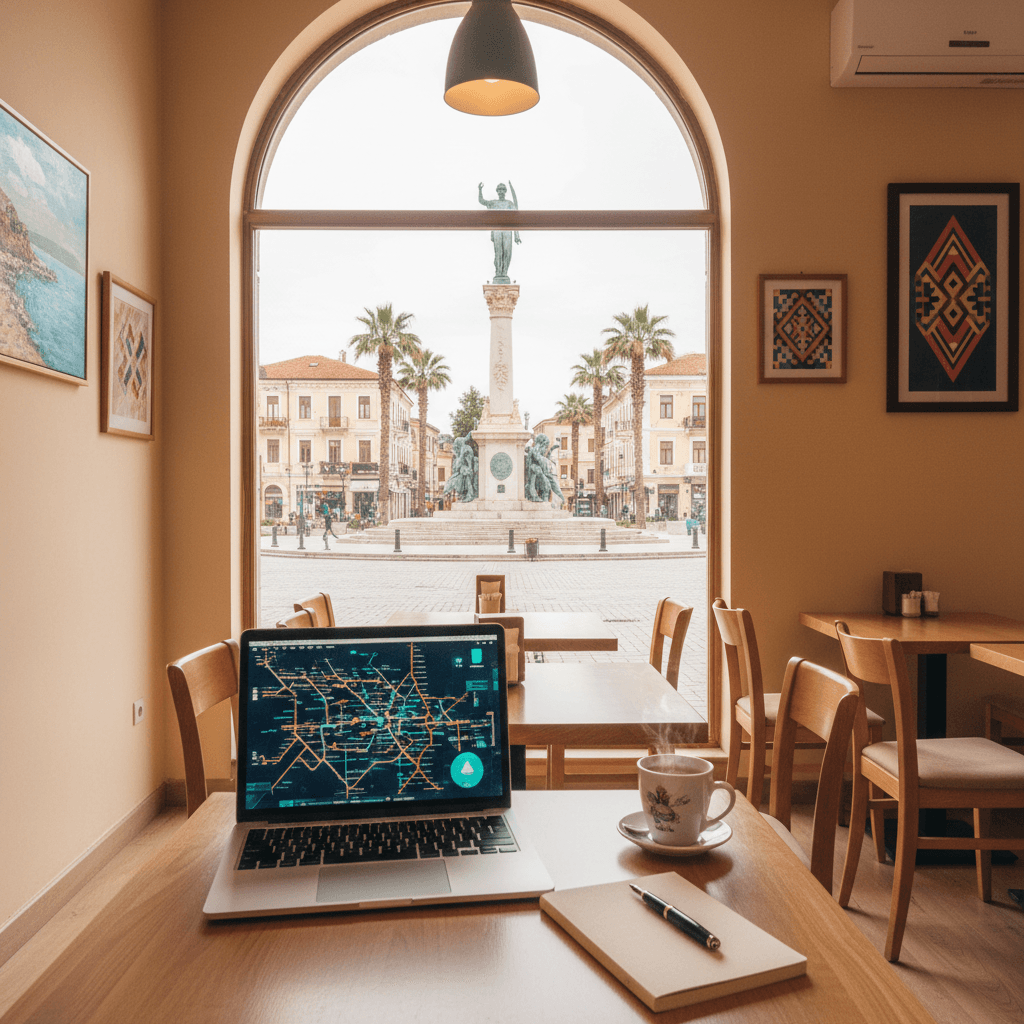
Vlorë
🇦🇱 Albania