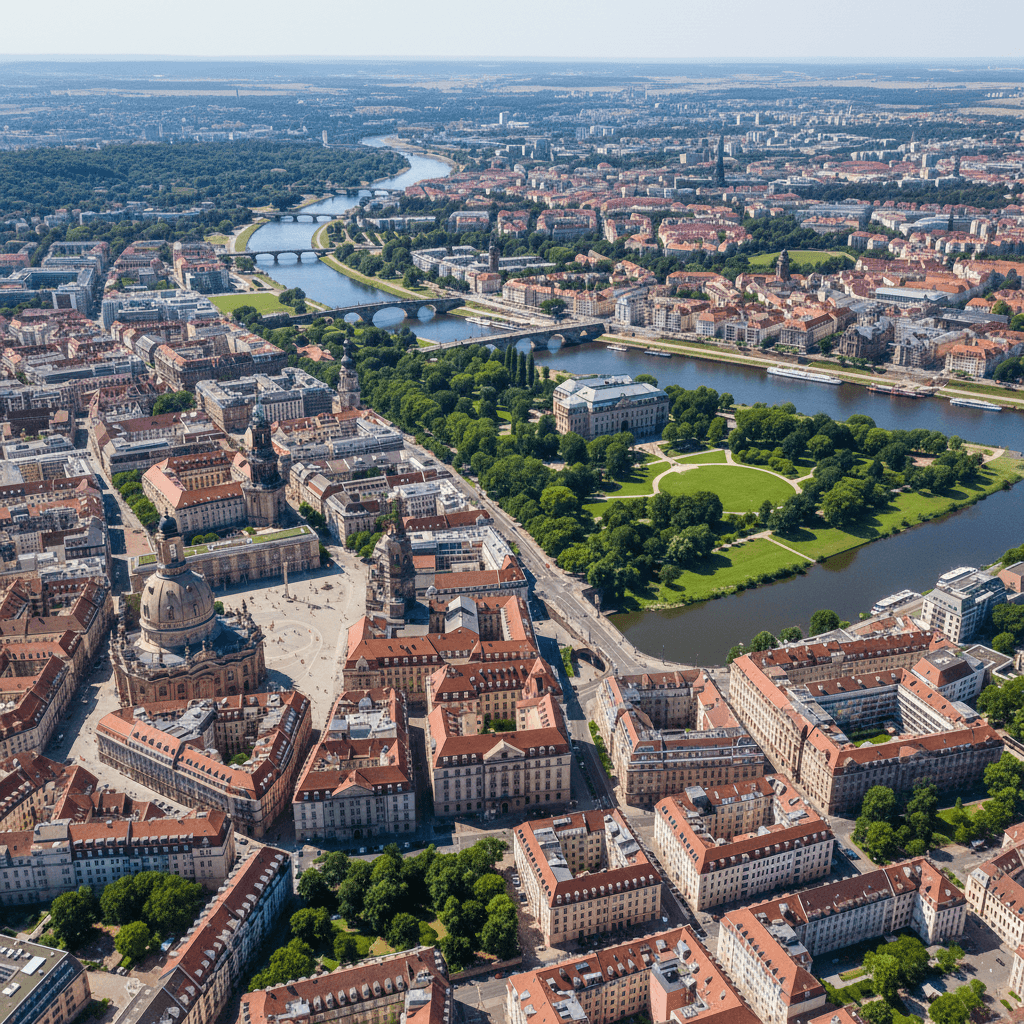
Dresden
🇩🇪 Germany
The Florence on the Elbe
Dresden hits a sweet spot that few German cities manage. While Berlin is loud and chaotic, and Munich feels polished to a high shine, Dresden is comfortably composed. It balances a world class Baroque skyline with a gritty, creative underbelly that makes it feel alive but never frantic. Most nomads find the pace here refreshing; you get the infrastructure of a major European hub without the soul crushing crowds or the aggressive price tags of the west.
The city is split by the Elbe river, creating two distinct personalities. On one side, you have the Altstadt, a reconstructed masterpiece of domes and spires that feels like a living museum. On the other, the Neustadt offers a raw, alternative energy. It is the kind of place where you can spend your morning admiring 18th century architecture and your afternoon working from a cafe covered in street art. It feels established yet evolving, making it a perfect base for those who want deep history alongside a modern remote work lifestyle.
Cost of Living Breakdown
Dresden is remarkably affordable for its size, especially compared to the rent spikes hitting other German tech hubs. You can live a comfortable, mid range life here for about $3,800 to $4,000 per month, though budget conscious travelers can make it work on $3,000 if they stick to shared flats and local eats.
- Housing: A private one bedroom apartment in the city center typically runs between €500 and €1,000. If you look further out in Plauen, prices drop to around €400 to €700.
- Food and Drink: You can grab a quick currywurst or street snack for €3 to €5. A solid dinner at a mid range spot in Neustadt costs about €10 to €15, while a high end meal with river views will set you back €30 or more.
- Transportation: A monthly transit pass is roughly €50 to €70. Many nomads prefer biking, which is almost free if you own one or €10 a day for a rental.
- Workspaces: Expect to pay €10 to €20 for a day pass at local coworking hubs, or around €150 to €250 for a monthly hot desk.
Where to Plant Your Roots
Choosing a neighborhood in Dresden changes your entire experience. Most expats and digital nomads gravitate toward Neustadt. It is the heart of the city's social scene, packed with bars, vegan cafes, and small galleries. The rent is fair, usually €500 to €800 for a one bedroom, and the energy is infectious. The only downside is the noise; it is a late night neighborhood, so expect some evening buzz and plenty of graffiti.
If you prefer quiet and classic views, Altstadt is the place. It is walkable and stunning, but it can feel touristy and rents are higher, often starting at €700 for a small flat. For families or those seeking peace, Plauen or Loschwitz in the southern hills offer green spaces and a suburban feel. You will be about 20 minutes from the center by tram, but the air is cleaner and the streets are silent at night. Budget seekers often look toward Friedrichstadt, where modern flats go for €400 to €600, though it lacks the historic charm of other districts.
Remote Work and Connectivity
Internet reliability is a non issue here. Average speeds hover between 15 and 74 Mbps, and travelers often report consistent 50+ Mbps in most apartments and cafes. While Dresden doesn't have a massive "startup" scene like Berlin, local hubs like Nomad Around Here provide a professional environment for about €150 a month.
Cafe culture is strongest in Neustadt. You can easily set up at a table for a few hours with a €3 coffee. For mobile data, most nomads recommend grabbing a local Vodafone or O2 prepaid SIM for €10, or using an eSIM like Jetpac for around €20 to €30 if you need an unlimited hotspot. English is widely spoken among people under 40 and in the coworking spaces, though having a few German phrases like Guten Tag or Wie viel kostet das? will go a long way when dealing with landlords or local shops.
Safety and Logistics
Dresden is exceptionally safe, even by German standards. It feels family friendly and secure at all hours, though it is always smart to avoid dark alleys in the heart of Neustadt late at night. The public transport system, run by DVB, is flawless. Trams and buses are the primary way to get around, and the DB Navigator app makes planning trips simple. For quick hops, Nextbike rentals cost just €1 to unlock plus a small per minute fee.
The weather follows a typical Central European pattern. May through September is the sweet spot, with temperatures between 12°C and 22°C. Winters are cold and gray, with January and February often dipping to 0°C. If you can handle the winter gloom, the reward is the famous Christmas markets that turn the Altstadt into something out of a fairytale.
The Price of the "Florence on the Elbe"
Dresden is one of Germany's best kept secrets for remote workers who want the European lifestyle without the Berlin price tag. While prices in the capital have skyrocketed, Dresden remains remarkably grounded. You can live a high quality life here for significantly less than in Munich or Hamburg, typically spending between $3,000 and $4,000 a month depending on how often you're dining out in the Altstadt.
Most nomads find that their biggest savings come from housing. While the historic center commands a premium, the surrounding neighborhoods offer modern flats at rates that feel like a steal for Western Europe. You'll also save on daily logistics; the city is compact enough that many residents skip the car entirely and rely on a mix of trams and bicycles.
Monthly Budget Breakdowns
- The Budget Nomad ($3,000): You're likely living in a shared flat (WG) or a studio in Friedrichstadt, cooking most meals at home, and using a bicycle as your primary transport.
- Mid-Range Professional ($3,800 to $4,000): This covers a private one bedroom apartment in Neustadt, a monthly transit pass, regular coworking desk fees, and eating out a few times a week.
- Comfortable Living ($4,500+): At this level, you're looking at a premium apartment in Loschwitz, frequent dinners at upscale Elbe-view restaurants, and regular weekend trips to nearby spots like Saxon Switzerland or Prague.
Housing and Neighborhood Costs
Where you plant your flag matters. The city is split by the Elbe river, and the price difference between the two banks can be noticeable. Rent usually includes "warm" costs (heating and water) in the final quote, so keep an eye out for that when browsing listings.
Neustadt (The Nomad Favorite)
- Rent: €500 to €800 for a one bedroom apartment.
- The Vibe: This is the creative heart of the city. It's packed with street art, independent cafes, and the best nightlife. It's where you'll find the most expats and fellow remote workers.
- Cons: It can get loud on weekends, and some streets are a bit gritty.
Altstadt (The Historic Center)
- Rent: €700 to €1,000+ for a one bedroom.
- The Vibe: You're surrounded by Baroque masterpieces and the city's main shopping districts. It's walkable and polished, though it feels more like a tourist hub than a lived-in neighborhood.
- Cons: Higher prices for groceries and dining; very crowded during the day.
Plauen or Friedrichstadt (The Budget Options)
- Rent: €400 to €700 for a one bedroom.
- The Vibe: Friedrichstadt is more industrial and modern, while Plauen offers a quieter, residential feel in the southern hills. Both are well connected by tram.
- Cons: Fewer coworking spaces and a much quieter social scene.
Daily Expenses and Lifestyle
Dining out is one of Dresden's highlights. You can grab a quick currywurst or a kebab for €3 to €5 if you're on the move. A solid lunch at a banh mi shop in Neustadt will run you about €12, while a three course dinner at a spot like Sophienkeller costs around €30 per person. Most nomads recommend a monthly grocery budget of €250 to €350 if you enjoy shopping at local markets.
For your workspace, local hubs like Nomad Around Here offer desks for roughly €150 a month or €15 to €20 for a day pass. If you prefer the cafe route, Neustadt is full of laptop friendly spots where a €3 coffee buys you a few hours of productivity. Internet speeds are reliable across the city, typically ranging from 15 to 74 Mbps, though many modern apartments easily hit the 100 Mbps mark.
Getting around is cheap and efficient. A monthly pass for the DVB (trams and buses) costs between €50 and €70. If you prefer two wheels, Nextbike rentals are everywhere and cost just €1 to unlock. For late nights, a 15 minute Uber or Free Now ride usually stays under €15.
The Creative Nomad: Neustadt
If you want to be where the action is, cross the Elbe to Neustadt. This is the city's heartbeat for anyone working remotely. It feels worlds away from the polished Baroque center, defined instead by street art, independent cafes, and a gritty, high-energy charm that avoids the overwhelming chaos of Berlin. Most nomads gravitate here because it is the easiest place to find a community. You can grab a coffee for €3 at a local spot near King George March and work for hours without being hassled.
Living here is relatively affordable. Expect to pay between €500 and €800 for a one bedroom apartment. While the nightlife can get a bit loud and the walls are often covered in graffiti, the trade-off is immediate access to the best coworking hubs and a social scene that stays active late into the night. It is the kind of place where you'll bump into other remote workers at a banh mi shop or a craft beer bar.
The Solo Traveler and Culture Seeker: Altstadt
For those who want to wake up surrounded by Dresden's "Florence on the Elbe" architecture, the Altstadt (Old Town) is the primary choice. It is incredibly walkable and puts you steps away from iconic landmarks like the Frauenkirche. It is the most convenient base if you are only in town for a few weeks and want to soak up the history without worrying about tram schedules.
- Rent: Prices are steeper here, usually starting at €700 for a small flat.
- Vibe: Very central and safe, though it can feel a bit touristy and crowded on weekends.
- Connectivity: You'll find solid 50+ Mbps internet in most rentals, making it a reliable spot for video calls.
Families and Long-Term Expats: Plauen and Loschwitz
If you are relocating with a family or just need a break from the urban buzz, look toward the southern hills of Plauen or the riverside greenery of Loschwitz. These neighborhoods offer a much quieter, residential pace of life. You'll find more green space, better access to local schools, and a community of long-term residents rather than transient travelers.
The commute into the center takes about 20 minutes by tram, which is a small price to pay for the peace and quiet. Rent in Plauen is particularly attractive for those on a budget, with flats often ranging from €400 to €700. While there are fewer coworking spaces in these areas, the reliable public transport system means you are never truly isolated from the city's infrastructure.
The Budget-Conscious Professional: Friedrichstadt
Friedrichstadt is the up-and-coming alternative for nomads who prioritize saving money over aesthetics. It has a more industrial feel and lacks the historic charm of the Altstadt or the hip energy of Neustadt, but it offers some of the most modern apartments in the city at the lowest price points. You can often find decent flats for €400 to €600.
Expats recommend this area if you are planning a longer stay and want a high-quality, modern living space without the "Neustadt tax." You can easily hop on a bike, which many nomads find is the best way to get around, and reach the city center in minutes. It is a practical, no-frills choice for those who want their $3,000 monthly budget to stretch as far as possible.
Quick Neighborhood Comparison
- Neustadt: Best for social life and cafes. Rent €500 to €800.
- Altstadt: Best for short stays and history. Rent €700+.
- Plauen: Best for families and quiet. Rent €400 to €700.
- Friedrichstadt: Best for modern flats on a budget. Rent €400 to €600.
Connectivity on the Elbe
Dresden doesn't just look like a postcard; it functions like a modern tech hub. You'll find internet speeds here are remarkably consistent, typically ranging between 15 Mbps and 74 Mbps. Most nomads find that a 50+ Mbps connection is the standard in Neustadt apartments and local cafes, making it reliable for heavy Zoom schedules or uploading large files without the lag spikes common in older European cities.
For your mobile setup, skip the hassle of physical stores if your phone supports it. eSIM providers like Jetpac or Airalo offer unlimited hotspot data for about $20 to $30 a month. If you prefer a local SIM, head to a Vodafone or O2 shop where a 20GB prepaid plan will set you back around €10. Just remember that German law requires ID verification for all SIM cards, so keep your passport handy.
Top Coworking Spaces
While Dresden doesn't have the massive coworking campuses you'll see in Berlin, the local scene is intimate and productive. You can expect to pay between €10 and €20 for a day pass, or roughly €150 to €250 for a monthly membership at the various hubs scattered throughout the city center and the creative districts.
Laptop-Friendly Cafes and Libraries
If you prefer the hum of a milk steamer to the silence of an office, the Neustadt district is your best bet. This neighborhood is packed with cafes where nobody will bat an eye if you stay for a few hours, provided you keep the coffee flowing. Travelers often recommend the spots near King George March, where a €3 cappuccino buys you a comfortable seat and decent Wi-Fi.
For those days when you need absolute silence and zero cost, the local public libraries are excellent. They are free to enter, offer stable Wi-Fi, and provide a focused atmosphere that's a nice break from the social energy of the cafes. The SLUB (Saxon State and University Library) is particularly impressive, though it can get crowded with students during exam seasons.
Remote Work Logistics
Living and working here is significantly more affordable than in Munich or Frankfurt. Most nomads find they can live comfortably on a budget of $3,000 to $4,000 per month. To stay organized, expats recommend using the DB Navigator app for your commute and N26 or Revolut for your daily banking to avoid high currency conversion fees.
- Daily Coworking Rate: €10 to €20
- Monthly Coworking Rate: €150 to €250
- Local Prepaid SIM (20GB): €10
- Average Internet Speed: 50 Mbps
The general consensus among the digital nomad community is that Dresden offers a better work-life balance than the bigger German hubs. You get the fast fiber optics and professional spaces you need, but you're only a short bike ride away from the Elbe riverbanks when you need to unplug.
A High Standard of Safety
Dresden is remarkably secure, even by German standards. Most nomads find the city feels significantly safer and more relaxed than Berlin. Whether you are wandering through the Altstadt after a late dinner or cycling home from a coworking hub, the general atmosphere is calm and orderly. Violent crime is rare, and the city maintains a high safety rating across the board.
That said, common sense still applies in the nightlife districts. While Neustadt is the heart of the social scene, expats recommend staying aware of your surroundings in poorly lit alleys late at night. Petty theft like bike stealing is the most common annoyance, so invest in a high quality lock if you plan on using the city's excellent cycling paths. If you ever run into trouble, the police can be reached at 110, while 112 is the universal number for fire and medical emergencies.
Navigating the Healthcare System
Germany’s healthcare is world class, and Dresden is no exception. If you are here on a freelancer visa, you will likely be tapped into the statutory or private insurance systems. For short term stays, most nomads rely on international travel insurance. Either way, you will have access to top tier facilities like the University Hospital Carl Gustav Carus, which is known for its specialized care and English speaking staff.
For everyday health issues, look for an Apotheke (pharmacy). They are everywhere, marked by a large red "A." While most close by 6:00 PM or 8:00 PM, there is always a rotating "emergency" pharmacy open 24/7 in every district. You can find the schedule posted on the door of any closed pharmacy or through local apps.
Practical Medical Tips for Nomads
- English Proficiency: Most doctors under 40 speak excellent English, but administrative staff might not. Using an app like DeepL can help with paperwork.
- Appointments: For non emergencies, use the Doctolib app to book appointments. It allows you to filter for English speaking practitioners and see real time availability.
- Pharmacies: Be aware that German pharmacies are strict. Many medications that are over the counter in the US or UK require a prescription here.
- Costs: A standard consultation with a GP without insurance usually costs between €30 and €60.
Emergency and Support Contacts
Keep these numbers and locations handy just in case. The city is well equipped to handle tourists and remote workers, but knowing where to go saves time during a crisis.
- General Emergency (Ambulance/Fire): 112
- Police: 110
- On-Call Medical Service: 116 117 (For non life threatening issues when clinics are closed)
- Major Hospital: University Hospital Carl Gustav Carus, located in the Johannstadt area.
Overall, the peace of mind you get in Dresden is a huge part of its draw. It provides a stable, low stress environment that lets you focus on your work during the day and enjoy the Elbe river views by evening without worrying about your personal safety.
The Pulse of the City: Public Transit
Dresden is a dream for anyone who hates being stuck in traffic. The city is served by the DVB, a network of yellow trams and buses that run with clockwork precision. Most nomads living in the center find they rarely need a car. A single ticket costs €3, but if you are staying for a month, grab a pass for €50 to €70. It covers everything within the city limits and saves you the hassle of fumbling with ticket machines every morning.
For getting around on the fly, download the DB Navigator app. It is the gold standard for checking schedules in real time. If you are out late in Neustadt and the trams have thinned out, Free Now or Uber are your best bets. A typical ride across the city usually lands between €10 and €15.
Life on Two Wheels
The Elbe River isn't just for looking at; the paths running alongside it are the city's main cycling arteries. Expats and locals alike recommend biking as the most efficient way to commute between the Altstadt and Neustadt. It is flat, scenic, and surprisingly fast. If you don't want to commit to buying a bike, Nextbike has stations everywhere. You can unlock one for €1 and pay about €0.10 per minute as you go.
Electric scooters from brands like Lime are also scattered around the sidewalks. They are fun for short bursts, but the cobblestones in the historic district can make for a bumpy ride. Stick to the bike lanes when you can to keep your wrists from rattling.
Walking the Neighborhoods
Dresden is a city of two halves, and both are incredibly walkable. The Altstadt is compact enough that you can see the major sights, like the Frauenkirche and the Royal Palace, entirely on foot. It is touristy, but the architecture makes the walk feel like a stroll through a museum.
Across the river, Neustadt offers a different pace. It is a maze of street art, narrow passages, and independent shops. You will find most digital nomads here because everything you need, from grocery stores to your favorite banh mi spot, is within a ten minute walk. Travelers often say the best way to find a great cafe is just to wander the side streets near the Alaunpark.
Arriving and Departing
Getting into the city from Dresden Airport (DRS) is straightforward. You have two main choices: the S-Bahn train or a taxi. The S2 S-Bahn line is the most popular route, taking about 20 minutes to reach the main station (Hauptbahnhof) for a €3 fare. If you have heavy luggage, a taxi will get you to the center in about 15 to 20 minutes for roughly €20.
For weekend trips, the train connections are excellent. You can be in Leipzig in 30 minutes for about €20, or head south to the Saxon Switzerland mountains for a hike in under an hour. The central location makes it easy to explore Eastern Germany without feeling like you are constantly in transit.
Practical Transport Tips
- Validation is key: If you buy a paper ticket from a machine on the platform, make sure to stamp it in the small yellow or orange boxes before you board. Plain tickets without a timestamp can result in a hefty fine.
- Mind the cobbles: Wear comfortable shoes. The historic areas are beautiful but brutal on thin soles or heels.
- Late night shifts: While trams run late, they switch to a "Gute Nacht" schedule after midnight, meaning they come less frequently. Check the app so you aren't waiting in the cold for 30 minutes.
- Bike safety: Always use a sturdy lock. While the city is safe, bike theft is a common nuisance in the busier parts of Neustadt.
The Language Landscape
You'll find that Dresden is a bit of a mixed bag when it comes to getting by with English. In the historic Altstadt or the hipster-heavy Neustadt, most people under 40 speak English quite well. In cafes, coworking spots, and university areas, you can expect about 70% proficiency. However, once you step into a government office or a local bakery in quieter spots like Plauen, German is very much the rule of the land.
Most nomads find they can survive just fine with English for daily transactions, but the vibe changes if you're staying long term. If you need to deal with the Ausländerbehörde (immigration office) or sign a rental contract for a flat on WG-Gesucht, having a German-speaking friend or a translation app is a lifesaver. Locals appreciate the effort, so even a mangled "Guten Tag" goes a long way in softening the famous Saxon directness.
Essential Phrases for Your Kit
While you don't need to be fluent, tucking these phrases into your back pocket will make your life easier at the Neustadt markets or when grabbing a €4 currywurst.
- Guten Tag: Hello / Good day (standard greeting).
- Entschuldigung: Excuse me (useful for crowded trams).
- Wie viel kostet das?: How much does this cost?
- Die Rechnung, bitte: The bill, please.
- Sprechen Sie Englisch?: Do you speak English?
- Ich hätte gerne...: I would like... (ordering at a cafe).
Digital Tools and Communication
Don't rely on your home data plan; it'll get expensive fast. Expats recommend grabbing a local prepaid SIM from Vodafone or O2 for about €10 to €20, which usually nets you around 20GB of data. If you prefer the convenience of an eSIM, Airalo or Jetpac are the go-to choices for nomads, with unlimited hotspot plans ranging from €20 to €30 per month.
For actual communication, DeepL is far superior to other translators for German nuance. It's particularly helpful when you're trying to decipher a formal letter or a menu at a traditional spot like Sophienkeller. For navigating the city's excellent tram system, keep the DB Navigator or the local DVB app handy. They're reliable and usually have English interfaces.
Social Etiquette and Culture
Communication in Dresden is famously direct. It’s not meant to be rude; it’s just efficient. If a waiter or a shopkeeper seems blunt, they're likely just being professional. Punctuality is another big one. If you're meeting a local for a coffee near King George March, being five minutes late is considered quite a faux pas.
When you're meeting people for the first time, a firm handshake and direct eye contact are the standard. While the expat community is smaller than Berlin's, it's very tight-knit. Travelers often find their feet by joining the Digital Nomads Dresden Facebook group or attending small meetups at local coworking hubs. In these settings, English is the lingua franca, and you'll find plenty of people happy to help you decode the local customs.
The Seasonal Sweet Spot
Dresden is a city of distinct moods, shifting from the golden, beer garden days of summer to the moody, candlelit charm of a Saxon winter. For most remote workers, the window between May and September is the undisputed champion. During these months, temperatures hover between 12°C (54°F) and 22°C (72°F), creating the perfect environment for working from a riverside cafe in Neustadt or taking a laptop to the Elbe meadows.
July is the peak of the social calendar. The air is warm, the evenings are long, and the city feels alive with outdoor film screenings and festivals. While it’s the most popular time for visitors, Dresden rarely feels as suffocating as Berlin or Prague. You'll find the AQI stays low (20 to 30), and the breeze off the river keeps the Altstadt’s stone plazas from becoming heat traps.
Spring and Autumn Transitions
If you prefer a quieter pace and lower short-term rental prices, aim for April or October. April brings the first signs of green to the south hills of Loschwitz, though you should pack an umbrella as the city averages about 8 rainy days. The weather is unpredictable; you might get a week of 15°C (59°F) sunshine followed by a sudden frost.
October is arguably the most beautiful time for hikers. The nearby Saxon Switzerland mountains turn deep shades of orange and red, and the air stays crisp at around 10°C (50°F). It’s a great time for nomads who prioritize weekend trips over nightlife. Just keep in mind that the "rainy season" technically starts in October and lingers through March, so reliable indoor coworking spaces like those in Neustadt become your best friends.
Surviving the Saxon Winter
Winter in Dresden is a game of two halves. January and February are the toughest months, with highs often stuck at 5°C (41°F) and lows dipping to 0°C (32°F). Gray skies are the norm, and the city can feel a bit sleepy. Most nomads find this the best time to hunkered down in cozy spots like King George March or local libraries to focus on deep work.
However, December is a total outlier. Despite the cold, the city transforms into a Christmas capital. The Striezelmarkt is one of the oldest in the world, and the smell of toasted almonds and Gluhwein fills the Altstadt. It’s magical, but it’s also the most expensive time for accommodation. If you’re planning a December stay, book your apartment at least three months in advance to avoid the holiday price spikes.
Quick Climate Reference
- Best for Sun: July (Avg high 22°C / 72°F)
- Coldest Month: January (Avg low 0°C / 32°F)
- Rainiest Period: October to March (Expect 9 to 10 rainy days per month)
- Nomad Favorite: June for the balance of low humidity and vibrant outdoor social life
Regardless of when you arrive, Dresden’s public transport is built for the elements. The DVB trams are heated, punctual, and run frequently even during snow spells. If you’re here in the colder months, a €50 to €70 monthly pass is a better investment than a bike rental, saving your sanity when the wind picks up across the Augustus Bridge.
The Cost of Doing Dresden
Dresden is a breath of fresh air for your wallet, especially if you are used to the eye watering rents of Berlin or Munich. Most nomads find they can live comfortably here on $3,800 to $4,000 per month, though you can easily scale down to $3,000 if you stick to street food and shared flats. Expect to pay between €500 and €1,000 for a decent one bedroom apartment in the popular central districts.
Daily life is equally affordable. A quick currywurst or street snack will set you back about €4, while a solid mid range dinner costs around €15. If you want to splurge on a meal with a view of the Elbe at Sophienkeller, budget about €30. For getting around, a monthly transit pass runs between €50 and €70, though the city is famously bike friendly and flat.
Where to Plant Your Flag
Choosing a neighborhood defines your Dresden experience. The city splits its personality across the river, and where you land depends on your tolerance for noise versus history.
- Neustadt: This is the undisputed nomad favorite. It is the creative heart of the city, packed with bars, street art, and cafes like those near King George March. Rents are reasonable, usually €500 to €800, but it can get rowdy on weekends.
- Altstadt: If you want to wake up surrounded by Baroque spires, this is it. It is walkable and central, but very touristy. Expect to pay a premium, with rents starting at €700 for smaller spaces.
- Plauen: Located in the southern hills, this area is a hit with families and those seeking quiet. It is green and peaceful, with rents between €400 and €700, though you will face a 20 minute tram ride to reach the action.
- Friedrichstadt: For those on a strict budget, this industrial area offers modern flats for €400 to €600. It lacks the charm of the other districts but keeps your overhead low.
Productivity and Connection
Internet reliability is a non issue here. Speeds typically range from 15 to 74 Mbps, and travelers often report consistent 50+ Mbps in most apartments and cafes. If you need a dedicated desk, local hubs like Nomad Around Here offer monthly memberships for about €150, or you can drop in for a day for €10 to €20.
For mobile data, grab a local prepaid SIM from Vodafone or O2 for about €10. If you prefer to hit the ground running, an eSIM from Jetpac or Airalo costs around €20 to €30 for a month of data. When you need a break from the screen, the nomad community is smaller than Berlin's but very welcoming. Check Facebook groups like Digital Nomads Dresden or look for meetups in Neustadt to find your crowd.
Health, Safety, and Logistics
Dresden is remarkably safe and often feels more relaxed than Germany's larger hubs. Low crime rates make it family friendly, though it is smart to stay aware in the quieter alleys of Neustadt late at night. If you need medical help, the University Hospital Carl Gustav Carus has excellent English speaking staff. For emergencies, dial 112 for medical or 110 for police.
The best time to visit is from May to September, when temperatures hover between 12°C and 22°C and the riverbanks come alive. Winters are cold and gray, with temperatures dipping to 0°C in January. To navigate the city like a local, download the DB Navigator app for trams and trains. For quick trips, Nextbike rentals cost just €1 to unlock and €0.10 per minute.
The Local Rhythm
While English is widely spoken by people under 40 in cafes and coworkings, learning a few German phrases goes a long way. A simple "Guten Tag" or "Entschuldigung" helps break the ice. Locals value punctuality and directness, so do not be late for meetings. If you are staying long term, you will need to tackle the "Anmeldung" (address registration) before you can open a local bank account at a place like Sparkasse, though many nomads stick with fintech options like N26 or Revolut.
Need visa and immigration info for Germany?
🇩🇪 View Germany Country GuideHidden Gem
Worth the effort