Dodoma
🇹🇿 Tanzania
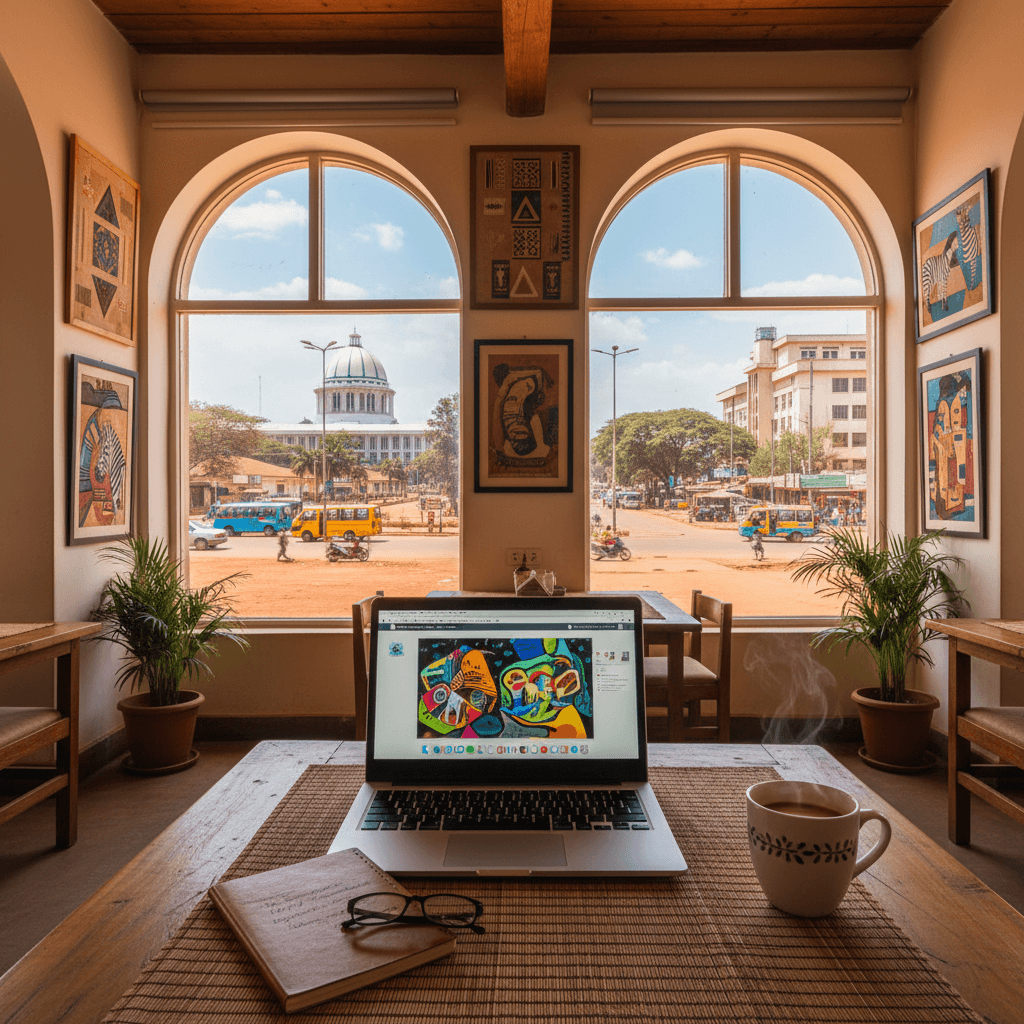
Dodoma feels calm in a way that can surprise people who’ve only known Dar es Salaam. It’s the capital, but it doesn’t act like one, wide roads, low traffic, government offices, university buildings, then long stretches where the wind kicks up dust and you can hear boda engines buzzing past.
That slower rhythm is the whole appeal, honestly. Most nomads come here for focus, lower costs and a bit of breathing room, not for a wild social scene and if you want nightlife every night, Dodoma will frustrate you fast.
What it feels like: quiet mornings, hot afternoons, cold tile floors at night and those dry-season gusts that leave grit on your laptop after five minutes outside. There’s a serious, practical mood here, with more civil servants and students than backpackers, so people tend to work, eat, head home, repeat.
- Best for: focused work, budget living, safety and a slower pace.
- Not great for: party people, coworking die-hards or anyone who needs constant social energy.
- Vibe: orderly, dusty, calm, a little sleepy.
Money goes further than in the coastal cities, which, surprisingly, changes the mood of your whole month. A solo nomad can get by on about $400 to $600 in the leanest setup, while a more comfortable life, with better housing, Bolt rides and café lunches at places like The Ridge Cafe or Atom Coffee Hub, pushes you closer to $700 to $1,000.
Neighborhoods matter here: Area C and Area D are the polished picks, but rents jump quickly; Kisasa and Ipagala are the sweet spot for many expats; Nkuhungu, Chang'ombe and Majengo are cheaper, noisier and more local. If you want paved roads and less hassle, pick the center or near-center areas, because outskirts can mean dirt roads, water headaches and more dust than you’ll like.
Internet is decent, frankly and that’s a bigger deal than it sounds. Cafes can hit 40 to 100 Mbps, home internet is workable and local SIMs from Vodacom or Airtel are the move if you need backup data, but the coworking scene is thin, so most people end up working from cafés or a Regus desk when they really need a quiet setup.
Dodoma also feels safe enough for solo travelers if you stay sensible, keep to lit streets after dark and don’t wander into half-empty corners late at night. The city isn’t flashy, it isn’t loud and that’s the point, it’s a place where you can hear your own thoughts, then get ambushed by a dust gust and a nyama choma smoke cloud five minutes later.
Dodoma looks cheap on paper and mostly, it's. A solo nomad can live here for about $506 a month with rent included, though your real number swings hard depending on whether you want a bare-bones place in the outskirts or a newer flat in Kisasa or Area C.
Food and transport stay low if you live like a local and honestly, that’s the easiest way to keep costs down here, because daladala rides are pocket change, street plates of nyama choma or ugali are still cheap and Bolt only starts feeling expensive when you use it every day.
Monthly Budget
- Budget: $400 to $600, usually an outskirts room, street food and daladala trips.
- Mid-range: $700 to $1,000, with a 1BR in Kisasa, café lunches and the occasional Bolt ride.
- Comfortable: $1,200+, if you want Area C or D, nicer dining, a gym and better furnished housing.
Rent by Area
- Center: Around $203 for a studio or 1BR.
- Outskirts: Roughly $86, which sounds tiny until you deal with dust and longer commutes.
- Kisasa, Ipagala: TZS 300,000 to 450,000 for a decent 1BR and this is where a lot of expats land.
- Area C, Area D: TZS 600,000 and up, pricier but cleaner, calmer and closer to the CBD.
Area C and Area D feel the most polished, with paved roads and better security, but you’ll pay for it. Nkuhungu, Chang'ombe and Majengo are cheaper and more practical, though they can feel crowded and noisy, with boda engines buzzing and radios leaking music into the street all evening.
Everyday Costs
- Street meal: About $3.69.
- Mid-range dinner for two: About $19.20.
- Fast food meal: About $9.68.
- Daladala ticket: About $0.36.
- Monthly transport pass: Around $14.
- Taxi for 8 km: About $10.50.
Internet is decent in the right places and that matters, because a weak connection in a dry, dusty city gets old fast. The Ridge Cafe can hit 100 Mbps, Atom Coffee Hub is around 50 Mbps and home fiber can run about $19 a month, so most nomads end up splitting time between cafés and their apartment.
Regus has desk options if you want structure, but cafe culture is stronger here than the coworking scene, turns out and that’s probably why many people work from Bean There or Vynn instead of signing a long contract. Dodoma feels affordable, quiet and a little rough around the edges, so if you like peace and can live with dust, water quirks and a limited nightlife, the numbers make sense.
Dodoma feels calm in a way that can catch you off guard, wide roads, light traffic and a dry wind that kicks dust into your teeth by late afternoon. It’s a good base if you want focus, not fireworks and honestly, that’s the tradeoff here.
Nomads
Kisasa and Ipagala are the best bets if you want a modern apartment, decent access to cafes and a shorter run to the CBD. The Ridge Cafe, Atom Coffee Hub and Regus give you workable desks and real WiFi and the whole setup is quieter than coastal nomad hubs, which, surprisingly, helps you get things done.
- Rent: about TZS 300,000 to 450,000 for a 1BR
- Best for: remote work, cafes, easy CBD access
- Watch for: dust, patchy roads in some pockets, rising prices
Area C and Area D are the pricier pick, with paved roads, better security and a more polished feel, but the rents can jump fast, so don’t move there unless your budget’s already comfortable. Internet is fine in the center, home fiber can run around 50 Mbps for about $19 and Bolt works well for short hops.
Expats
Area C, Area D and Uzunguni are where most expats end up if they want security, cleaner streets and quick access to government offices or international schools. It’s quieter at night, though and you’ll hear less music than in Dar, just the odd generator hum and the call to prayer drifting over the block.
- Rent: TZS 600,000+ for higher-end places
- Best for: security, paved roads, central convenience
- Downside: expensive by local standards, fewer late-night options
If you want a settled routine, this is the strongest zone, but don’t expect a lively social scene on your doorstep. You’ll probably end up making your own plans, then heading to a pub or café instead of waiting for the neighborhood to entertain you.
Families
Njedengwa and Swaswa work well for families who want more space, easier school access and a less cramped feel than the inner districts. The streets are broader, the plots are bigger and the area still feels like it’s growing into itself, so some streets are neat while others are still a bit rough around the edges.
- Rent: varies, usually better value than central areas
- Best for: space, schools, quieter residential life
- Downside: fewer shops, fewer amenities, less polished roads
Solo Travelers
Nkuhungu, Chang'ombe and Majengo are the budget picks and they make sense if you’d rather save cash than pay for polish. Rent can drop to TZS 200,000 to 300,000, transport runs often and you’re never far from street food smoke, motorcycle engines and noisy little corners that stay active late.
- Rent: TZS 200,000 to 300,000 for a 1BR
- Best for: low budget, frequent transport, simple living
- Downside: dense, noisy, less comfortable
If you’re solo and watching costs, these neighborhoods make the most sense, just pick a place near a main road and avoid dark side streets after sunset. That part matters.
Dodoma’s internet is better than people expect, honestly, but the city still feels a bit patched together. In the center, cafes like The Ridge Cafe can hit 100 Mbps, Atom Coffee Hub gets around 50 Mbps and Margli Restaurant sits closer to 40 Mbps, so you can usually work without swearing at your screen every ten minutes. Still, dusty winds and occasional power quirks can make a smooth call feel fragile.
The easiest setup is a local SIM from Vodacom or Airtel, then a home connection if you’re staying a while. A decent home line runs about $19 a month for 50 Mbps or more, which is a bargain compared with many capital cities and local data bundles usually land around $10 to $20 for enough flexibility to keep Slack, WhatsApp and Google Maps alive. Weirdly, the internet feels best when you stop expecting perfection.
There isn’t a huge coworking scene here, which is the main downside. Regus is the most obvious formal option, with a dedicated desk around TZS 18,000 a day, a day pass at roughly TZS 89,000 and monthly plans that work out to about TZS 13,500 a day, though most nomads just split time between cafes and home.
Best Work Areas
- Area C and Area D: Best for people who want quieter streets, better security and easier access to the CBD, though rents are higher and you’ll pay for the convenience.
- Kisasa and Ipagala: Good if you want modern apartments and quick access to shops, but dust from some dirt roads gets into everything, including your laptop bag.
- Nkuhungu and Chang'ombe: Cheaper, busy and practical, with daladala and bajaj traffic nearby, so you’re never stuck, but it’s noisier and less polished.
Most nomads set up in a cafe first, then move to home internet once they trust the place. That makes sense here, because the city’s pace is slow, the air is dry and the sound of boda bodas outside is easier to ignore than a bad office vibe. Don’t expect a big digital nomad crowd.
If you need to work from day one, grab a SIM at the airport or in town, use Bolt for short hops and keep a backup hotspot ready. Frankly, that’s the Dodoma formula, simple and a little improvised, but it works.
Dodoma feels calm in a way that surprises people. The center is usually fine, but you still want to keep to lit streets after dark and if you’re headed into rural areas like Mtera, go with someone who knows the area.
Violent crime is low by big-city standards and solo female travelers generally say they feel okay here with normal caution, though the empty stretches at night can feel unsettling, honestly, because the streets go quiet fast and the wind kicks dust across the road.
For day-to-day safety, most expats stick to Area C, Area D, Uzunguni, Kisasa and Ipagala, since they’re better lit and easier to move around. Nkuhungu, Chang'ombe and Majengo are cheaper, but they’re busier, noisier and you’ll hear motos, daladala horns and street chatter late into the evening.
- Emergency: Police 112, ambulance through major hospitals.
- Night walking: Avoid dark alleys, especially outside the CBD.
- Rural trips: Use a guide for places like Mtera.
Healthcare is workable, not fancy. Benjamin Mkapa National Hospital handles more serious cases, Dodoma Christian Medical Centre is a common private option and smaller dispensaries in Kisasa are handy for quick visits, while a basic doctor consult runs around $18, which, surprisingly, isn’t bad if you need antibiotics or a checkup fast.
Pharmacies are easy to find in the main neighborhoods and that matters because the dry season can be brutal on your skin, throat and sinuses, especially when the dust comes through the windows and you wake up with gritty teeth and a blocked nose. For anything complex, people usually head to a larger private clinic or go to Dar if they need specialist care.
Most nomads keep a small health stash and that’s smart here. Pack rehydration salts, antihistamines, painkillers, mosquito repellent, sunscreen and a thermometer, then buy the rest locally since basic meds are easy to find.
- Best for care: Benjamin Mkapa National Hospital, Dodoma Christian Medical Centre.
- Quick fixes: Kisasa dispensaries, city pharmacies.
- Good habit: Carry cash for small clinics, some don’t love cards.
If you’re renting long-term, ask about water storage before you sign anything. Outskirts can get patchy and a building with a tank beats a cheap apartment that leaves you rationing showers after a hot, dusty afternoon.
Dodoma is easy to get around, mostly because the city still feels small and spread out. The CBD is walkable, the roads are wide and daladalas only cost about $0.36 a ride, so locals use them for cheap hops across town. Not fancy. Bolt works too, which, surprisingly, makes airport runs painless. The 9-kilometre trip from Dodoma Airport to the center is often around TZS 1,855 and that’s hard to beat.
If you’re staying in Area C, Area D, Uzunguni or Kisasa, you’ll get by fine with ride-hailing and the occasional bajaj. The last-mile stuff matters here, because some side streets are dusty, rough and frankly miserable on foot in the dry season when the wind kicks up grit and the sun bakes everything flat.
Best ways to move around
- Daladala: Cheapest option, good for everyday errands, noisy and crowded, but reliable enough on main routes.
- Bajaj: Handy for short distances and side streets, especially when you don’t want to arrive coated in dust.
- Bodaboda: Fast for solo trips, though you’ll want to be picky and wear a helmet if you can get one.
- Bolt: Best for comfort, airport transfers, rainy weather or late returns home.
Walking works in the center, though not everywhere and after dark you’ll want to stay on lit streets because the quieter corners can feel empty fast. The city sounds different at night, less traffic, more distant music, a motorbike whining past, maybe a call to prayer drifting over the rooftops. It’s calm. Outskirts like Nkuhungu and Swaswa are more spread out, so don’t count on strolling between errands unless you enjoy heat and a lot of shoulder dust.
There isn’t much of a bike or scooter rental scene, so most nomads just lean on Bolt, daladalas and the occasional bajaj. If you’re based near the university or in a newer neighborhood, trips take longer than you’d expect, because Dodoma can look compact on a map and still eat time with stop-and-go traffic, roadworks and the odd detour.
Practical transport tips
- Airport to center: Bolt is the easiest choice, usually quick and cheap.
- Evenings: Use ride-hailing or trusted taxis, especially if you’re heading home late.
- Outskirts: Budget for extra transport, because walking isn’t always realistic.
- SIM data: Keep a local SIM active, so you can book rides without hunting for WiFi.
Honestly, the real win in Dodoma is how little transport eats into your budget. It’s cheap, simple and a bit rough around the edges, but that’s the tradeoff for a city where you can still cross town without losing your whole afternoon.
Swahili runs the show in Dodoma. English is widely used in government offices, universities and with most business people, so you won’t be stranded, but if you open with a few Swahili words, people soften fast. Jambo, asante, habari, that kind of thing, it goes a long way.
Most day-to-day interactions are plain and direct, though. Shopkeepers, boda riders and daladala conductors speak quickly and if you miss a fare or a direction, just ask again, honestly, nobody minds. Google Translate works fine here, which, surprisingly, saves more awkward moments than you’d expect.
- Hello: Jambo
- Thank you: Asante
- How are you?: Habari
- Respectful greeting: Shikamoo, used for elders
For digital nomads, the language barrier is manageable, but not zero. In cafes like The Ridge Cafe or Atom Coffee Hub, staff usually switch into English without drama and in offices around Area C or the CBD, it’s often smoother than in smaller towns. Still, if you’re dealing with rent, water delivery or SIM registration, a local friend helps a lot because forms, accents and half-heard instructions can get messy fast.
Communication gets more physical here too, with gestures, smiles and a lot of patient repetition. People speak a bit louder in markets, partly over the buzz of generators and tinny music, partly because the streets are dusty and everyone’s trying to be heard over engines and footsteps. Not subtle.
What helps most
- Translation: Google Translate is the easiest backup
- SIM setup: Vodacom or Airtel staff can usually help in English
- Work calls: Best done in your room or a quiet cafe, because street noise can be a pain
- Politeness: Use shikamoo with older people, then wait for their reply
If you’re staying a while, learn enough Swahili to handle taxis, markets and small favors, because it makes everything cheaper and less stressful. The difference is real and honestly, it can save you from the classic foreigner price. Dodoma’s a calm city, but communication here still rewards people who show a little effort.
Dodoma has a semi-arid climate that feels dry most of the year, with hot afternoons, cold nights from May to August and a real rainy season from November to April. The good months are June to September, when the sky stays clear, the dust settles a bit and you can work without sweating through your shirt by 10 a.m. Hot is normal, though and the midday sun can be unforgiving.
Dry season is the easiest time to live here. Mornings are crisp, evenings can feel surprisingly chilly on tile floors and you’ll get that brittle, dusty air that kicks up along the wide roads and gets into your shoes, your laptop bag and your nostrils, honestly. If you like long walks, café work and calm streets, this is the sweet spot.
Rainy season changes the mood fast. Roads get muddy in the outskirts, rain hammers on tin roofs and the heat turns sticky before a storm rolls in, then the whole city smells like wet dust and grilled meat from roadside stalls. November to March can feel rough if you hate humidity and February to April is the messiest stretch.
Best Months
- June to September: Best overall, dry, sunny and comfortable for work or city errands.
- May and October: Shoulder months, decent weather, fewer crowds, still manageable.
- November to March: Wet and warm, fine if you don’t mind rain and slower roads.
If you’re choosing around the weather alone, skip the peak rains unless you actually enjoy sitting through gray skies and puddled streets. July is usually the cleanest bet, with low rainfall and daytime highs around 26°C, which, surprisingly, feels much nicer than the numbers suggest. Nights can still get cool enough for a light sweater.
For remote work, dry season also means fewer random power and transport headaches than the soggy months, though dust is the tradeoff. Not perfect. But for most nomads, Dodoma makes the most sense when the weather’s settled and the air feels clear enough to think.
- Best for: June to September
- Avoid if possible: November to March
- Pack: Sunscreen, a light jacket and something for dust
Dodoma feels calmer than most Tanzanian cities and that calm can be a gift if you’re trying to work, read or just think without constant noise. The tradeoff is real, though, the dust gets into everything in the dry season and some evenings feel a little too quiet once the offices empty out.
Money is manageable. A solo nomad can live on roughly $400 to $600 a month if you keep rent low, eat street food and use daladala minibuses, while a more comfortable setup with a decent apartment in Kisasa or Area C pushes you closer to $700 to $1,200+. Rent swings fast, so check the neighborhood first, then lock in the budget.
- Budget stay: Outskirts studios can start around $86 to $100.
- Mid-range: Kisasa 1BRs often run TZS 300,000 to 450,000.
- Upscale: Area C and Area D can jump past TZS 600,000.
- Meals: Street food is around $3.69, a dinner for two about $19.20.
For neighborhoods, Kisasa and Ipagala are the sweet spot for many expats, modern enough, still practical and close to markets and schools. Area C and Area D feel cleaner and more polished, but you’ll pay for it and honestly, some places price in dollars like you’ve just landed in a different country.
Getting online is usually fine. The Ridge Cafe, Atom Coffee Hub and Margli Restaurant all get decent WiFi and home internet around 50 Mbps can run about $19 a month, which, surprisingly, beats a lot of regional capitals on value. Vodacom and Airtel SIMs are easy to find at the airport or in town and an eSIM is the fastest way to get moving.
Don’t expect a giant coworking scene. Regus has the most straightforward setup, but most people just work from cafés, then move on before the lunch crowd starts clattering plates and spoons.
- Transport: Daladala rides are cheap, about $0.36.
- Ride-hailing: Bolt works and airport transfers are easy.
- Getting around: CBD is walkable, outskirts aren’t.
- Best to skip: Unlit side streets after dark.
Safety is decent in the center, still use normal city sense and avoid dark alleys at night. Healthcare is workable too, with Benjamin Mkapa National Hospital, Dodoma Christian Medical Centre and private clinics in Kisasa for faster visits, where a doctor consultation is around $18.
Locals appreciate modest dress, a proper greeting and a quick “shikamoo” to elders. Remove your shoes indoors, don’t photograph officials and if the wind kicks up, expect grit in your teeth and dust on your phone by noon.
For downtime, Four Ways rock paintings and Mtera Dam make easy day trips, though you’ll want transport sorted before you go. Dodoma’s not flashy, frankly, but it’s easy to live in if you like quiet mornings, low bills and a city that doesn’t chew up your focus.
Frequently asked questions
How much does it cost to live in Dodoma as a digital nomad?
Which neighborhoods are best for digital nomads in Dodoma?
Is the internet good enough to work remotely in Dodoma?
Are there coworking spaces in Dodoma?
Is Dodoma safe for solo travelers and remote workers?
Which areas in Dodoma are best for safety and easier getting around?
What are the best hospitals and clinics in Dodoma?
Need visa and immigration info for Tanzania?
🇹🇿 View Tanzania Country GuideEasy Landing
Settle in, no stress