Dharamshala (McLeod Ganj)
🇮🇳 India
The Little Lhasa Vibe
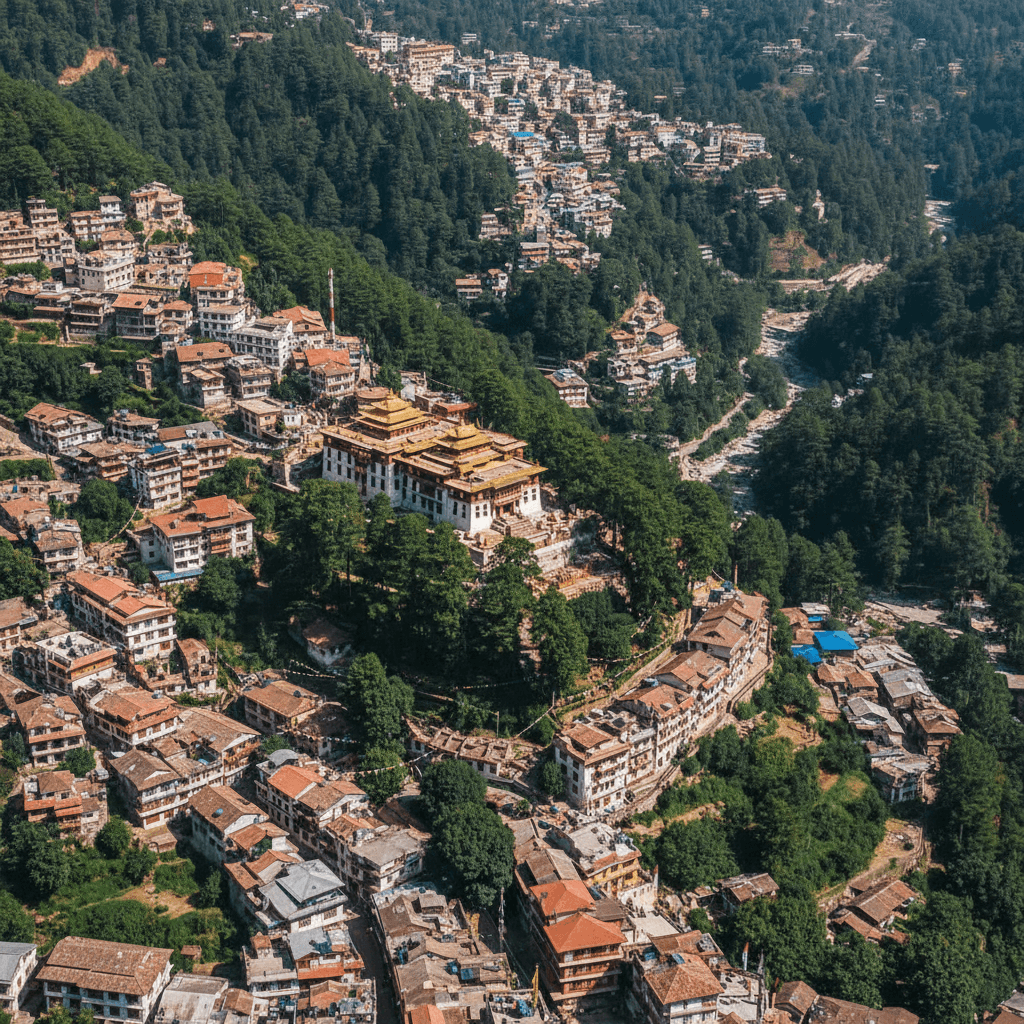
There is a specific frequency you feel the moment you step into the mountain air of McLeod Ganj. It is a place where the scent of cedar wood and incense mingles with the steam from fresh momos. Known globally as Little Lhasa, this is the residence of the Dalai Lama, and that spiritual weight anchors the entire town. You will find monks in crimson robes walking alongside tech nomads with MacBooks, creating a contrast that somehow feels entirely natural.
The pace of life here is intentionally slow. It is a place for people who want to trade city noise for the sound of prayer wheels and the sight of the Dhauladhar range. Most nomads find themselves staying far longer than planned because the community is incredibly sticky; strangers become friends over a single ginger lemon honey tea at a hillside cafe. It is less about the hustle and more about gratitude, meditation, and high altitude productivity.
Living Costs and Neighborhoods
Living here is remarkably affordable for the Himalayas. A comfortable monthly budget usually sits between $800 and $1,300, depending on how much you value a private balcony with a view. While the terrain is steep and requires some legwork, the lifestyle rewards you with a low burn rate and high quality of life.
Dharamkot: The Nomad Hub
- The Vibe: This is the primary base for the remote work crowd. It is quieter than the main town and feels like a forested village retreat.
- Rent: Budget around $200 to $500 for a studio or a 1BR with mountain views.
- Best For: Deep work, yoga enthusiasts, and those who want to be steps away from the Triund trek trailhead.
McLeod Ganj: The Cultural Center
- The Vibe: Busy, colorful, and spiritual. You are in the heart of the markets and near the Tsuglagkhang Complex.
- Rent: Apartments can be found for $200 to $300, though they are often more basic.
- Best For: First timers who want everything walkable and easy access to the best Tibetan food.
Upper Bhagsu and Naddi
- The Vibe: Upper Bhagsu is the go-to for the "hippie" crowd and long term expats, while Naddi offers the most dramatic, unobstructed sunset views.
- Rent: Expect to pay $300 to $500 for nicer guesthouses.
- Best For: Peace seekers and families who want to escape the central traffic.
The Work-Life Balance
The internet infrastructure has improved significantly. You are no longer tethered to spotty guesthouse WiFi. Coworking spaces like Alt Life and NomadGao in Dharamkot provide stable, high speed connections and a built-in social life for about $5 to $10 a day. When you aren't working, the social scene revolves around "cafe hopping" and low key live music rather than loud clubs.
Expats recommend using Airtel or Jio for local data, as they tend to have the best coverage in the hills. For getting around, your feet are your best asset, but local taxis are available for longer hauls, and scooter rentals usually run between $50 and $80 per month. Just be prepared for the monsoon season from June to September, when the rain is relentless and the mountain paths get slippery.
The real magic of this place is the emotional shift it forces on you. You might come for the cheap cost of living, but you stay for the morning walks through the pines and the quiet dignity of the Tibetan community. It is a destination that demands you slow down and actually look at the mountains every once in a while.
The Cost of Himalayan Serenity
Dharamshala remains one of the most budget-friendly mountain escapes for the remote work crowd. While prices across India are rising, you can still live a very comfortable life here for between $800 and $1,300 per month. Most nomads find that their biggest expense isn't the rent or the food, but the occasional splurge on guided treks or weekend trips to nearby Bir for paragliding.
The local economy runs on a mix of cash and UPI apps like PhonePe or Google Pay. Even the smallest momo stall in the McLeod Ganj market usually has a QR code tucked away somewhere. For international travelers, keeping a stash of Indian Rupees is still smart for taxi rides and smaller guesthouses that haven't fully digitized.
Monthly Budget Breakdowns
The Budget Traveler ($800 to $1,000)
- Housing: You'll likely be staying in a modest studio or a long-term guesthouse in Dharamkot or McLeod Ganj for $200 to $300.
- Food: Sticking to street food like $2 plates of momos and local Tibetan joints keeps the daily food cost around $5 to $10.
- Workspace: You'll probably skip the dedicated desk and work from local favorites like Illiterati Cafe for the price of a coffee.
- Transport: Mostly walking or taking the occasional $1 local bus.
The Mid-Range Nomad ($1,000 to $1,300)
- Housing: A private 1BR apartment in Upper Bhagsu or Naddi with a decent balcony view will run you $300 to $500.
- Food: A mix of home cooking and mid-range cafes where meals cost $5 to $10.
- Workspace: A monthly hot desk at Alt Life or NomadGao for roughly $50 to $100.
- Transport: Renting a scooter for the month costs about $50 to $80, plus fuel.
The Comfortable Expat ($1,300+)
- Housing: High-end private villas or premium coliving spaces in Dharamkot with reliable power backup and heaters for $500 to $700.
- Food: Dining out at upscale Tibetan spots and trendy cafes for $15+ per meal.
- Workspace: A dedicated 24/7 desk at a coworking space for $150 or more.
- Transport: Frequent use of private taxis, including the $30 to $50 trip to the Kangra airport.
Key Daily Expenses
Understanding the micro-costs helps you manage your daily "burn rate." A standard Tibetan meal of Thukpa or Momos is incredibly affordable, usually under $4. If you're craving Western comfort food, expect to pay $8 to $12 at the more popular nomad hubs. A liter of milk is less than $1, and a local beer at a licensed shop is around $2 to $3.
Connectivity is another small but vital cost. An Indian SIM card from Airtel or Jio with a hefty daily data limit is usually under $10 for the entire month. If you're staying long-term, many nomads recommend getting a local SIM in the McLeod Ganj market rather than relying solely on international roaming or eSIMs, as local towers prioritize domestic providers.
One thing to budget for is the "mountain tax." Because goods have to be hauled up steep hills, prices for bottled water or snacks might be slightly higher in Upper Bhagsu or Dharamkot than they are down in the main Dharamshala town. It's a small price to pay for the view, but it adds up if you aren't paying attention.
For Digital Nomads: Dharamkot
Dharamkot is the undisputed headquarters for the remote work crowd. Tucked just above the main town, it feels like a separate world where the air is thinner and the WiFi is surprisingly thick. It is a quiet, forested village where you will find the most robust infrastructure for working, including Alt Life and NomadGao. These spots offer dedicated desks and reliable power backups, which are vital when Himalayan storms roll through.
Most nomads here opt for studios or guesthouses that range from $200 to $500 per month depending on how many mountain peaks you can see from your balcony. Life here involves morning yoga, afternoon deep work sessions, and sunset treks toward Triund. It is steep, so your glutes will get a workout just going to get a coffee, but the community of like-minded creators makes it worth the hike.
For Solo Travelers: McLeod Ganj (The Center)
If you want to be in the thick of the Tibetan pulse, stay in the main hub of McLeod Ganj. This is the spiritual heart of the region and the residence of the Dalai Lama. It is perfect for solo travelers because you are never truly alone; the streets are filled with monks, pilgrims, and backpackers sharing stories over $2 plates of momos at local stalls.
The vibe is high-energy and social. You can find basic apartments or rooms for as little as $200 a month, and everything you need is within a five-minute walk. While the traffic and crowded markets can get a bit loud, the proximity to the Tsuglagkhang Complex and the best Tibetan libraries is a fair trade. It is the best place to find travel partners for day trips to the Bhagsunag Waterfall or paragliding excursions in nearby Bir.
For Expats and Long-Termers: Upper Bhagsu
Expats who find McLeod Ganj too noisy and Dharamkot too "nomadic" often settle in Upper Bhagsu. It strikes a balance between local life and traveler comforts. You will find plenty of yoga schools and specialized cafes that make it easy to build a routine. The terrain is hilly, but the reward is a peaceful base near the waterfalls with a slightly more settled, residential feel.
- Rent: Expect to pay $300 to $500 for a decent one-bedroom setup.
- Food: Mid-range cafes like those serving Thukpa or healthy bowls usually cost $5 to $10 per meal.
- Transport: Most people walk, but a monthly scooter rental will run you about $50 to $80.
For Families: Naddi
Naddi is situated further away from the backpacker trail, making it the top choice for families or those who prioritize quiet nights. It offers the most expansive views of the Dhauladhar range without the constant foot traffic of the lower villages. The pace is significantly slower here, and the accommodation options tend to be larger, more traditional houses or hotels rather than cramped hostels.
While you are further from the coworking hubs, the internet is still functional for moderate use. It is a great spot if you have kids, as there is more space to breathe and less risk of them getting lost in the narrow, crowded alleys of the main market. You will likely want to budget for taxis or a private car, as the $30 to $50 trip from the airport is just the beginning of your transport needs if you head into town daily.
For the Off-Grid Soul: Rakkar
If you really want to disappear into the old-world charm of Himachal Pradesh, look into Rakkar. It is located further down the valley and feels much more like a traditional village than a tourist destination. It is home to Ghoomakad, a coliving space that caters to those who want to work while being surrounded by farms and mud houses. It is remote, tranquil, and significantly cheaper than the mountain-top villages, though you will be a long taxi ride away from the Dalai Lama's temple and the main social scene.
Connectivity in the Clouds
Dharamshala has come a long way from the days of patchy dial up. In 2026, the internet infrastructure in McLeod Ganj and Dharamkot is surprisingly robust for a mountain town sitting at 2,000 meters. Most guesthouses and cafes now offer fiber optic connections that handle Zoom calls and heavy uploads without breaking a sweat. You'll generally find speeds ranging from 30 to 100 Mbps in the main hubs.
The biggest hurdle isn't the bandwidth; it's the occasional power cut, especially during the monsoon months from June to September. Most serious nomads carry a power bank for their laptops and use a local SIM as a hotspot backup. If you're staying in Dharamkot, check that your accommodation has a power backup or "inverter" to keep the router humming when the grid goes down.
Top Coworking Spaces
While many nomads work from their balcony with a view of the Dhauladhar range, the social scene revolves around a few dedicated hubs. These spots are where you'll find the community and the most reliable hardware.
- Alt Life (Dharamkot): This is arguably the most popular spot for serious deep work. It features a 70-person capacity, ergonomic chairs, and 24/7 access. A day pass usually runs between $5 and $10, and the community vibe is excellent for solo travelers looking to network.
- NomadGao (Dharamkot): Known for its quiet, focused atmosphere, NomadGao offers a terrace with incredible mountain views and a shared kitchen. It's less about the "party" and more about getting things done in a serene environment.
- Ghoomakad (Rakkar): If you want to escape the McLeod Ganj crowds, head down to Rakkar. This space is built into a traditional mud house and offers a more rustic, eco friendly coworking experience for those who prefer birdsong over scooter horns.
The Best Work Cafes
If you don't need a dedicated desk, the cafe culture here is elite. Most owners are happy to let you linger for hours as long as you're ordering the occasional ginger lemon honey tea or a plate of momos.
- Common Ground Cafe: A great spot in McLeod Ganj for those who need a large table and a quiet corner. They serve fantastic Tibetan and Chinese food to keep you fueled.
- Snow Lion Restaurant: A classic Tibetan spot where you'll often find monks and nomads sharing the same space. It's reliable, central, and very affordable.
Mobile Data & SIM Cards
Don't rely solely on cafe WiFi. Grab a local SIM card as soon as you arrive in the McLeod Ganj market. You'll need your passport and a couple of passport sized photos to get registered.
- Airtel: Generally considered the most reliable provider in the hills with the best 4G and 5G coverage around Dharamkot and Bhagsu.
- Jio: A solid secondary choice that often has better signal in the deeper parts of the valley.
- Airalo: If you want to skip the paperwork, an eSIM works well here, though it's more expensive than local prepaid plans. Expect to pay around $10 to $15 for a month of heavy data on a local SIM.
Practical Productivity Tips
Most nomads find that their productivity peaks in the morning before the afternoon clouds roll in. If you're planning to trek to Triund, do your heavy lifting on Monday and Tuesday so you can take advantage of the clear mountain weather later in the week. Also, keep in mind that the "Himalayan stretch" applies to time; if your Zoom meeting is at 9:00 AM, give yourself 15 minutes to troubleshoot the connection just in case a monkey has decided to play with the overhead cables.
A Culture of Respect and Safety
Dharamshala and the surrounding villages of McLeod Ganj and Dharamkot are among the safest places in India for solo travelers and long term nomads. The heavy presence of the Tibetan exile community and the spiritual focus of the region foster a peaceful, low crime environment. Violent crime is extremely rare; the vibe here is more about meditation and mountain treks than late night revelry.
That said, the most common "danger" you'll face is the terrain itself. The streets in McLeod Ganj are narrow, steep, and often congested with cars, motorbikes, and cows. Pedestrians don't have the right of way, so keep your wits about you when walking the main loop. In the markets, keep an eye on your bag to ward off the occasional pickpocket, though even this is less frequent than in major hubs like Delhi or Mumbai.
For solo women, the area is generally very comfortable. Most nomads feel safe walking between McLeod Ganj and Bhagsu during the early evening, but it's smart to avoid unlit forest paths after dark. Stick to the main paved roads if you're coming back late from a café in Dharamkot.
Healthcare Infrastructure
You'll find sufficient medical care for routine issues and minor emergencies right in town. For anything specialized or serious, most expats head down the hill to the larger hospitals in Dharamshala proper or even further to Chandigarh for top tier facilities.
- Zonal Hospital Dharamshala: The primary public facility located in the lower town. It handles most general emergencies and has a variety of specialists.
- Delek Hospital: Located on the road to McLeod Ganj, this facility serves the Tibetan community and travelers. It's well regarded for its clean environment and professional staff.
- Men-Tsee-Khang: If you're interested in Tibetan Sowa Rigpa medicine, the Tibetan Medical and Astro-institute is world famous. Many nomads visit for pulse readings and herbal treatments.
Pharmacies are everywhere in McLeod Ganj and Bhagsu. You can pick up most over the counter meds, antibiotics, and basic first aid supplies without a hassle. Most pharmacists speak excellent English and can recommend local equivalents for common international brands.
Mountain Health and Wellness
Living at 2,000 meters (6,500 feet) requires an adjustment period. If you're arriving directly from the plains, give yourself 48 hours to acclimate before attempting the Triund trek. Dehydration happens faster at this altitude, so double your water intake.
Monsoon season, which runs from June to September, brings its own health risks. The paths become incredibly slippery, and leeches are a common annoyance on forest trails. This is also when waterborne illnesses are most likely, so stick strictly to filtered or boiled water. Most long term guesthouses and coliving spaces like Alt Life or NomadGao provide high quality UV filtered water for residents.
Emergency Contacts
Keep these numbers programmed into your phone. Local SIM cards from Airtel or Jio usually have reliable reception throughout the town, though signals can drop once you head high into the Dhauladhar range.
- Police: Dial 100
- Ambulance: Dial 108
- Tibetan Delek Hospital: +91 1892 222053
Expats recommend carrying a small physical card with your blood type and emergency contact info, as well as proof of your travel insurance. While local clinics are affordable, any medical evacuation from the mountains will be pricey without a solid policy.
The Daily Commute: Feet First
In the steep, winding terrain of McLeod Ganj and Dharamkot, your most reliable mode of transport is your own two feet. This isn't a city where you hop in an Uber to cross the street. The layout is vertical, and many of the best nomad cafes and guesthouses are tucked away on narrow walking paths where cars simply can't go. Expect to get your steps in; walking from the center of McLeod Ganj up to Dharamkot takes about 20 to 30 minutes and involves a decent incline.
Most expats find that walking is the only way to truly experience the town's rhythm. You'll share the paths with monks in maroon robes, local goats, and fellow travelers. If you're staying in Upper Bhagsu or Dharamkot, a sturdy pair of boots is a requirement, especially during the monsoon months when the stone paths can get slick.
Taxis and Auto-Rickshaws
For longer distances or when you're hauling groceries up the hill, you'll rely on the local taxi stand located in the main square of McLeod Ganj. Unlike the plains of India, you won't find many auto-rickshaws here because the roads are too steep for them. The taxis operate on a fixed rate system for common routes, so you don't have to haggle as much as you might in Delhi.
- Short hops: A ride from McLeod Ganj to Dharamkot or Bhagsu usually costs between $2 and $5.
- Airport runs: Getting to Kangra Airport (DHM) takes about 1 to 2 hours depending on traffic and costs roughly $30 to $50.
- Ride-hailing: While apps like Ola and Uber technically exist in the region, they are notoriously unreliable in the mountains. Most nomads stick to the local taxi unions or save the number of a driver they trust.
Two-Wheeled Freedom
If you're comfortable handling tight switchbacks and occasional mountain debris, renting a scooter or a small motorcycle is a popular choice for long-termers. It gives you the freedom to explore Naddi or head down to Dharamshala for better grocery options without waiting for a cab.
Expect to pay between $50 and $80 per month for a standard scooter rental. Just be aware that parking in McLeod Ganj is a nightmare; many nomads prefer to leave their bikes at the bottom of the walking trails in Dharamkot and walk the final stretch to their front door. If you're feeling adventurous, a Royal Enfield is the vehicle of choice for trips further into the Himalayas, like the drive to Bir or Billing.
Local Buses
For the budget-conscious traveler, the local HRTC buses are a lifeline. They are loud, colorful, and incredibly cheap, often costing less than $1 for a trip down to the lower Dharamshala bus stand. They run frequently from the main square, but they can get extremely crowded during peak tourist season. It's a great way to see how the locals move, but it's not the best option if you're in a rush to get to a Zoom call.
Navigation Tips
While Google Maps is generally accurate for main roads, it often fails when it comes to the "stairs" and "trails" that connect the upper villages. Most nomads recommend asking for landmarks like Alt Life or the Dalai Lama Temple rather than relying solely on a GPS pin. If you're heading out for a trek like Triund, which is a 4-hour self-guided hike, make sure to start early in the morning to avoid navigating the rocky paths in the dark.
The Linguistic Landscape
In the winding streets of McLeod Ganj, you'll hear a unique symphony of Hindi, Tibetan, and English. Because this is the seat of the Tibetan government in exile, the linguistic vibe is different from anywhere else in India. You'll find that communication flows easily, especially in the "nomad triangle" of Dharamkot, Bhagsu, and McLeod Ganj center.
Most locals working in the service industry, from guesthouse owners to café baristas, speak fluent English. You won't have trouble ordering a yak butter tea or negotiating a long term stay at a homestay. However, the town attracts pilgrims and travelers from across the globe, so the English you'll encounter is often a utilitarian, global version that's easy to understand once you get used to the local accent.
Key Languages to Know
- Hindi: The primary language for local administration, taxi drivers, and shopkeepers. While many speak English, a little Hindi goes a long way in building rapport.
- Tibetan: Spoken by the monk population and the Tibetan refugee community. It's the language of the monasteries and many traditional eateries.
- English: The lingua franca for the digital nomad community and high end tourism. You'll find English menus and signage everywhere in the main hubs.
Digital Tools and Translation
Google Translate is your best friend here, particularly for reading signs or menus that aren't translated. The app's camera feature works reasonably well for Hindi script. For Tibetan, it's a bit more hit or miss, but since most Tibetans in the area are bilingual, you'll rarely find yourself truly stuck.
Expats recommend downloading the Hindi offline pack on Google Translate. Internet can be spotty when you're hiking up toward Triund or exploring the quieter corners of Naddi, so having those translations available without a signal is a smart move. For daily logistics, most nomads use WhatsApp to communicate with landlords and local fixers, as it's the standard for all text based communication in India.
Mastering the Basics
While you can get by with zero local language skills, learning a few phrases shows respect for the culture. In the Tibetan community, the most common greeting is "Tashi Delek" (hello/good luck). It’s a great way to start a conversation at the Tsuglagkhang Complex.
On the Indian side of things, a simple "Namaste" is the standard greeting. If you're shopping in the McLeod Ganj markets for prayer flags or singing bowls, you'll want to know "Kitna?" (how much?). To say thank you, use "Dhanyavaad" in Hindi or "Thuk-je-che" in Tibetan. Locals genuinely appreciate the effort, and it often leads to better prices or a more welcoming experience at your favorite momo stall.
Social Etiquette and Communication Style
Communication here is generally soft spoken and polite, reflecting the spiritual nature of the town. In the monasteries, silence is often expected, especially during meditation or prayer sessions. When talking to elders in the Tibetan community, a slight nod or bow is a sign of respect. Nomads often find that the pace of conversation is slower here; people take their time to listen, so don't feel the need to rush your interactions.
If you're looking to dive deeper into the culture, many long term expats take Tibetan language classes. There are several small schools and private tutors around the Library of Tibetan Works and Archives that offer affordable lessons for about $5 to $10 per hour. It's a fantastic way to connect with the community on a level that most tourists never reach.
The Seasonal Sweet Spots
Timing your stay in the Dhauladhars is all about balancing clear mountain views with the reality of Himalayan infrastructure. Most nomads aim for the windows between March and May or October and November. During these months, daytime temperatures hover between 15°C and 25°C, providing the perfect climate for working on a terrace in Dharamkot without freezing or melting.
The spring window from March to May is arguably the peak of the nomad social calendar. The rhododendrons are in bloom, the air is crisp, and the Triund trek is fully accessible. It is the best time for those who want to mingle at Alt Life or grab a coffee at the Tibetan cafes in McLeod Ganj while the sun is out. You'll find the town at its most energetic, though traffic in the main square can get a bit hectic.
Autumn, specifically October and November, offers the most stable weather for deep work and photography. The monsoon rains have washed away the dust, leaving the air incredibly clear and the mountain peaks razor-sharp. It is slightly cooler than spring, but the lack of haze makes it the preferred season for long-term expats who prioritize hiking and quietude.
The Monsoon Factor
If you are planning to stay through July and August, prepare for a different pace of life. Dharamshala is one of the wettest places in India. The rain is heavy, persistent, and can turn the steep paths in Upper Bhagsu into slippery streams. While the lush greenery is stunning, the humidity can be tough on electronics, and power outages become more frequent.
Many nomads use the monsoon as a "deep work" retreat, hunkering down in coliving spaces like NomadGao with a good tea and a laptop. Just keep in mind that cloud cover often obscures the mountain views you came for, and the famous Triund trail can become treacherous. If you hate damp clothes and limited mobility, this is the time to head elsewhere.
Wintering in the Clouds
From December through February, the crowds thin out significantly as temperatures drop to between 5°C and 15°C. Snow is possible, especially in higher spots like Naddi and Dharamkot. It is a peaceful time to be here, but it requires a specific kind of preparation. Most budget guesthouses and apartments lack central heating, so you will be relying on space heaters and heavy wool blankets from the local markets.
Expats who stay through the winter often move down to lower elevations or ensure their rental has thick walls and reliable power. While the days are often sunny and beautiful, the nights are biting. If you enjoy a quiet, contemplative atmosphere and don't mind wearing three layers of fleece while you type, the winter peace is hard to beat.
Month-by-Month Snapshot
- March to June: Peak season. Bright, sunny, and perfect for social nomads. Expect to pay slightly more for short-term rentals.
- July to September: Monsoon season. Heavy rains, misty landscapes, and lower prices. Great for writers, less ideal for hikers.
- October to November: Post-monsoon gold. Clear skies and cool air. This is the sweet spot for trekking and outdoor work.
- December to February: Cold and quiet. Snow is a highlight, but make sure your accommodation has a heater and backup power.
Connectivity and Tech Logistics
Staying connected in the mountains used to be a gamble, but things have changed. Most nomads rely on Airtel or Jio for their mobile data. You can pick up a physical SIM at the small shops in the McLeod Ganj market for a few dollars, but make sure you have your passport and a passport sized photo handy. If you prefer the convenience of an eSIM, Airalo works well here, though local physical SIMs generally offer better speeds in the deeper valleys like Dharamkot.
For serious work, you'll want a dedicated space. Alt Life in Dharamkot is the heavy hitter here, offering a 70 person capacity and 24/7 access for about $5 to $10 a day. It's the place to go if you need a guaranteed backup generator during the occasional mountain power cut. NomadGao is another favorite for those who want a quieter, more community focused vibe with solid terrace views. If you're staying further down in Rakkar, Ghoomakad provides a more rustic, homestay style coworking experience.
Money and Payments
Cash is still king for small street vendors and local buses, but the digital revolution has hit the Himalayas. Google Pay and PhonePe are used almost everywhere, from mid range cafés to grocery stores. Most expats find it easiest to link their international cards to these apps or use a Wise card at ATMs. You'll find plenty of ATMs in the main square of McLeod Ganj, but they occasionally run out of cash during peak tourist weekends, so it's smart to keep a small emergency stash of 2,000 to 5,000 INR in your bag.
Safety and Local Etiquette
McLeod Ganj is remarkably safe, even for solo travelers at night. The spiritual atmosphere tends to keep the vibe respectful and mellow. However, the terrain is your biggest safety concern. The paths between McLeod Ganj, Bhagsu, and Dharamkot are steep and often unlit. If you're walking back to your guesthouse after dark, use a headlamp or your phone light to avoid tripping or surprising a stray cow.
When you're visiting the Tsuglagkhang Complex or other monasteries, dress modestly. This means covering your shoulders and knees. It's common practice to walk clockwise around temples and stupas. If you're lucky enough to attend a public teaching by the Dalai Lama, remember that security is tight and electronics are usually prohibited inside the temple grounds.
Health and Wellness
The air is crisp, but the altitude and steep hills can take a few days to get used to. For minor ailments, there are pharmacies stocked with everything from altitude sickness pills to basic antibiotics right in the center of town. If you need a doctor, there are small clinics near the temple, and larger hospitals are located about 30 to 45 minutes away in lower Dharamshala. Most nomads find the biggest health hurdle is "Delhi Belly" from street food. Stick to busy stalls where the turnover is high, and always drink filtered or boiled water.
Best Times to Visit
Timing your stay is everything. The sweet spots are March to May and October to November. During these months, the weather is mild, usually between 15°C and 25°C, and the skies are clear enough for the Triund Trek. Avoid the monsoon season from July to August unless you enjoy heavy, relentless rain and slippery mountain paths. Winters from December to February are beautiful and quiet but can get biting cold with temperatures dropping toward 5°C, and most budget guesthouses don't have central heating.
Getting Around
Expect to walk a lot. The narrow streets of McLeod Ganj weren't built for cars, and traffic jams are frequent. For longer distances, a taxi from the main stand to the airport will run you about $30 to $50. If you're staying for a month or more, consider renting a scooter for $50 to $80 a month, though only do this if you're comfortable with steep, winding roads and aggressive local buses.
Need visa and immigration info for India?
🇮🇳 View India Country GuideEasy Landing
Settle in, no stress
Monthly Budget Estimates
More cities in India
Dehradun
🇮🇳 India
Thiruvananthapuram
🇮🇳 India
Rishikesh
🇮🇳 India