Denver
🇺🇸 United States
The High-Altitude Hustle
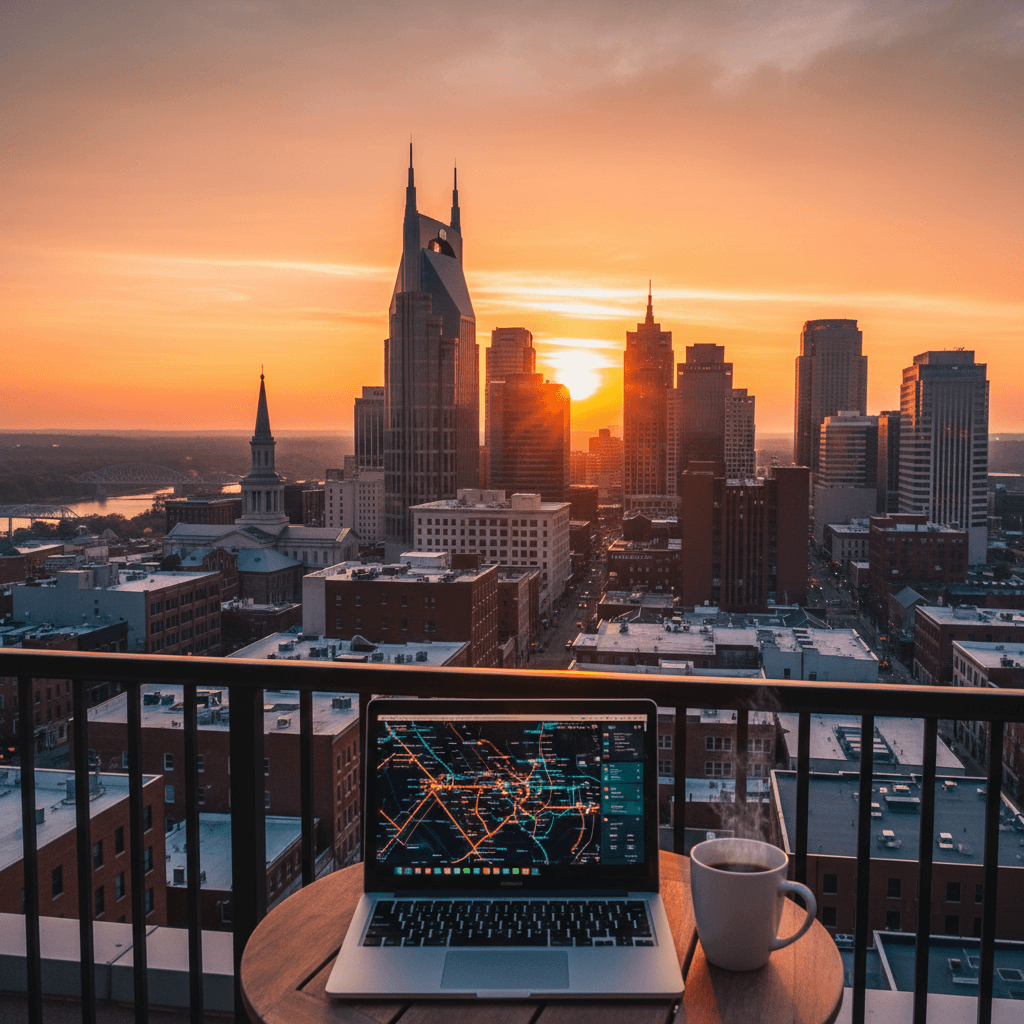
Denver strikes a rare balance between big-city energy and a laid-back mountain town soul. It is a place where people actually use their lunch breaks to go for a run, and the local dress code almost always involves Patagonia or North Face. While other tech hubs feel frantic, Denver is active but relaxed. You are more likely to be asked about your weekend hiking plans than your LinkedIn profile.
The city sits at the foot of the Rocky Mountains, creating a constant pull toward the outdoors. This proximity to nature defines the local culture. Nomads love the 300 plus days of sunshine and the dry, crisp air, though the mile-high altitude can catch you off guard if you do not stay hydrated. It is a city of neighborhoods, each with a distinct personality, connected by a growing network of bike lanes and a skyline that looks best at sunset.
The Cost of Living Reality
Living here is not cheap compared to the rest of the United States, but it remains more accessible than coastal hubs like New York or San Francisco. Most nomads should budget between $2,500 and $3,200 per month to live comfortably. Rent is the biggest hurdle, especially in trendy districts, but the quality of life often justifies the price tag.
- Budget Tier ($2,500): Shared housing in Capitol Hill, frequenting taco trucks, and using the RTD bus system.
- Mid-range Tier ($3,000): A private studio in RiNo, eating out a few times a week, and a basic coworking membership.
- Comfortable Tier ($4,000+): A modern apartment in LoDo, car rental for weekend ski trips, and premium dining in the Highlands.
Where to Set Up Your Base
Choosing a neighborhood is about deciding how much you want to rely on a car. While Denver is not the most walkable city, certain pockets are perfect for the car-free nomad.
RiNo (River North Art District)
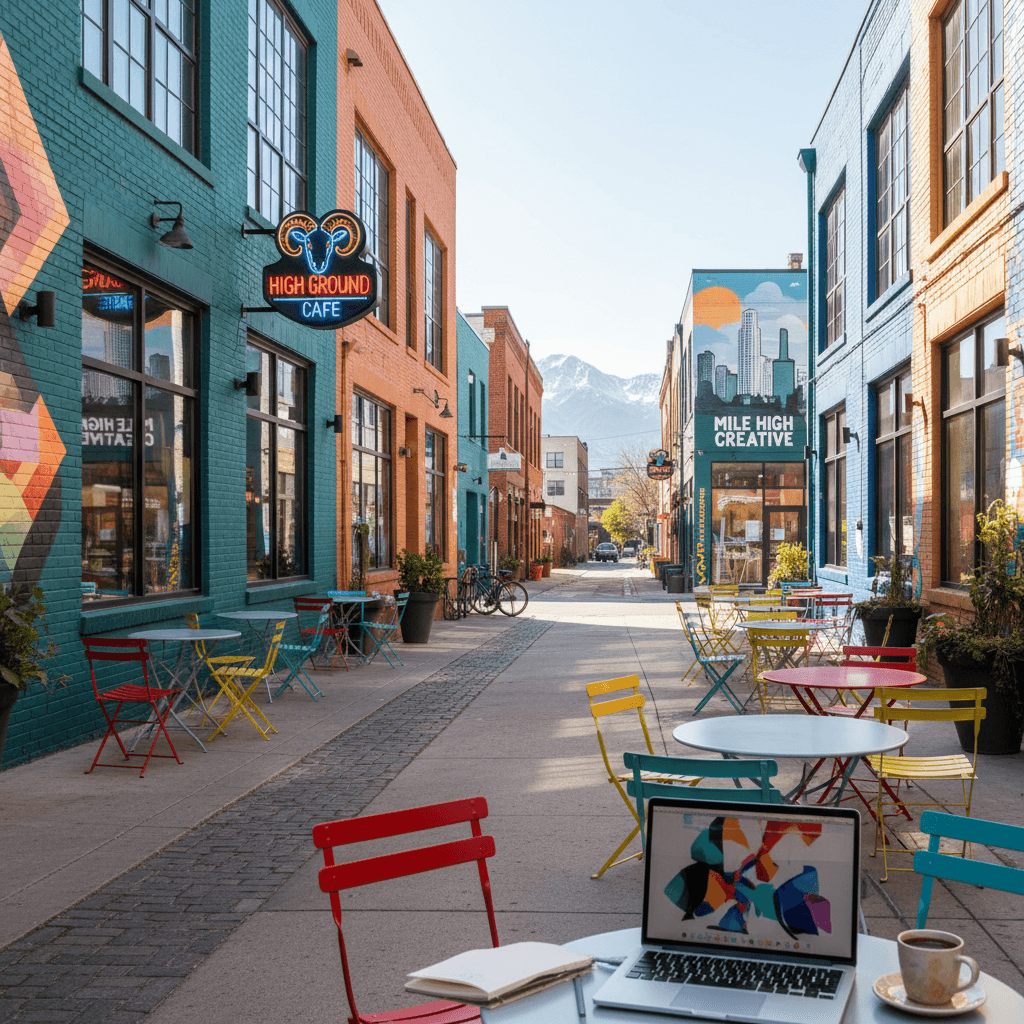
This is the nomad favorite. It is packed with street art, converted warehouses, and some of the best breweries in the country.
- Rent: $1,800 to $2,200 for a 1BR.
- Pros: Incredible food scene, home to The HUB coworking, and very social.
- Cons: Can feel gritty in spots and requires an Uber to get to other parts of town.
LoDo (Lower Downtown)
The historic heart of the city near Union Station. It is polished, professional, and very walkable.
- Rent: $1,800 to $2,500 for a 1BR.
- Pros: Easy access to the airport train and the best shopping on Larimer Street.
- Cons: High prices and can feel a bit corporate or touristy.
Capitol Hill
A bohemian, densely populated area with a lot of character and history.
- Rent: $1,400 to $1,700 for a 1BR.
- Pros: Most affordable central option, great coffee at Crema, and creative energy.
- Cons: Parking is a nightmare and it can get noisy at night.
Connectivity and Coworking
The infrastructure for remote work is rock solid. Internet speeds typically range from 43 to 252 Mbps, and you will find reliable public WiFi in almost every coffee shop. If you need a dedicated desk, the city has a deep roster of coworking spaces.
- Creative Density: Located in North Capitol Hill, this spot is known for being friendly and community-focused. Expect to pay $200 to $350 per month.
- Steno: A sleek option in City Park West with flexible desks for $250 a month.
- The HUB: The go-to in RiNo for those who need a professional environment and networking opportunities for about $300 a month.
For a more casual afternoon, nomads recommend Little Owl Coffee for a quick deep-work session or Crema Coffee House for its welcoming atmosphere and strong WiFi.
Getting Around
The RTD bus and light rail system is functional, especially the A Line train that runs from the airport to Union Station for $10. However, Denver is still a car-heavy city. Most residents use Uber or Lyft for cross-town trips, which usually cost between $10 and $20. If you want to explore the mountains, a rental car is a must. For local hops, the city is very bike-friendly, and you can grab a B-Cycle for a few dollars to navigate the dedicated trails.
Safety and Local Life
Denver is generally safe, though like any major US city, you should keep an eye on your belongings in crowded areas. Health-wise, the air is clean, and the city is home to world-class facilities like Denver Health. Socializing is easy if you lean into the local interests. Join the Denver Digital Nomads group on Meetup.com or head to a brewery in RiNo on a Friday night. People are approachable, and the shared love for the outdoors is a natural conversation starter.
Denver strikes a unique balance between big city energy and a laid-back mountain town attitude. While it is certainly more affordable than coastal hubs like New York or San Francisco, you should prepare for a higher price tag than what you would find in the Midwest. Most solo nomads find that a monthly budget between $2,500 and $3,526 allows for a comfortable lifestyle without having to constantly pinch pennies.
The Monthly Breakdown
Your biggest expense will undoubtedly be housing. If you want to be in the heart of the action, expect to pay a premium. Mid-range nomads typically spend around $3,000 a month, which covers a decent one bedroom apartment, regular dining out, and a dedicated coworking membership. If you are on a tighter budget, you can get by on $2,500 by opting for shared housing and sticking to the city's excellent taco trucks and public transit.
- Budget Nomad ($2,500): Focuses on shared living spaces, street food like $8 tacos, and free WiFi at cafes like Crema Coffee House.
- Mid-Range Nomad ($3,000): Includes a private apartment in RiNo, more frequent rideshares, and a desk at a space like Creative Density.
- Comfortable Nomad ($4,000+): Covers a high end LoDo studio, frequent upscale fusion dinners, a car rental for mountain trips, and premium coworking.
Where to Plant Your Flag
Neighborhood choice dictates your daily costs and your social life. Travelers often find that RiNo (River North Art District) is the sweet spot for the nomad lifestyle because of its high density of breweries and street art. A one bedroom here usually runs between $1,500 and $2,000. It is hip and social, though you will likely rely on Uber or a bike to get elsewhere.
If you prefer being in the thick of it, LoDo (Lower Downtown) is the most walkable area, though it is touristy and pricey with rents hitting $1,800 to $2,500. For a more creative, slightly grittier vibe, Capitol Hill offers some of the most competitive prices in the city, with studios starting around $1,400. It is noisy, but you are steps away from great coffee at Little Owl and the lush greenery of Cheesman Park.
Workspace and Connectivity
The internet in Denver is exceptionally reliable, with speeds often reaching 1000+ Mbps (gigabit) in many areas, with average speeds around 150+ Mbps. This makes it easy to work from almost anywhere, though the local coworking scene is worth the investment for the community alone. Most spaces offer day passes for $20 to $30 if you just need a temporary desk.
- Steno (City Park): A favorite for those who want a quiet, professional environment. Monthly desks are around $250.
- The HUB (RiNo): Perfectly situated for after work socializing, with monthly memberships starting at $300.
- Creative Density (North Cap Hill): Known for being the friendliest community in town, with flexible options ranging from $200 to $350.
Eating and Moving Around
Dining costs vary wildly depending on your habits. A quick lunch at a local Mexican spot will cost $8 to $12, while a mid-range dinner with a craft beer usually lands between $15 and $25. If you are exploring the upscale fusion scene in RiNo, plan for $40 or more per person. For groceries and deliveries, apps like Uber Eats and DoorDash are the standard go-tos.
Transport is where Denver can get tricky. The RTD bus and rail system is functional for getting from the airport to Union Station for $10, but it is not the most comprehensive for daily life. A monthly pass costs $114. Many nomads find themselves using Uber or Lyft for $10 to $20 per trip, or renting a B-Cycle for $5 to $10 a day to navigate the city's extensive bike lanes.
Practical Spending Tips
To keep your costs down, expats recommend using fintech apps like Wise or Revolut to avoid unnecessary banking fees. If you are staying for more than a month, look into Blueground for furnished apartments that include utilities, as setting up your own accounts with local providers can be a headache for short stays. Finally, remember that tipping 15 to 20 percent is the standard here, so factor that into your dining budget from the start.
For Digital Nomads & Remote Workers: RiNo & Five Points
If you want to be in the thick of Denver's creative energy, RiNo (River North Art District) is the undisputed heavyweight. This neighborhood is famous for its industrial warehouses covered in massive murals and a brewery-to-human ratio that is frankly impressive. It's the most social part of the city for solo travelers, where you can easily strike up a conversation over a craft beer or at a communal table in the Denver Central Market.
The workspace infrastructure here is top-tier. Most nomads gravitate toward The HUB, where monthly desks run around $300, or spend their mornings at Crema Coffee House. While the rent is leaning toward the higher end, averaging $1,900 to $2,300 for a one-bedroom, the convenience of having dozens of fusion restaurants and galleries within a ten-minute walk usually justifies the price tag. Just keep in mind that while it's walkable internally, you'll still want an Uber or a bike to get into the city center.
- Average Rent: $1,900 to $2,300
- Coworking: The HUB, Green Spaces
- Vibe: Industrial, artsy, high-energy
For Solo Travelers & Creative Souls: Capitol Hill
Capitol Hill is where you'll find Denver's "urban grit" and historic charm. It's a densely populated, bohemian area that feels lived-in and authentic. It's also one of the more budget-friendly central options, with older apartments and studios ranging from $1,400 to $1,700. It's perfectly situated for those who don't want to rely on a car, as it's one of the few truly walkable pockets of the city.
The community here is diverse, and the coffee shop culture is built for laptop work. Creative Density is a local favorite coworking spot that feels more like a community center than a corporate office, with flexible memberships between $200 and $350. You'll be close to the Denver Art Museum and several parks, though nomads often mention that it can get a bit noisy at night.
- Average Rent: $1,400 to $1,700
- Coworking: Creative Density
- Vibe: Historic, edgy, walkable
For Families & Long-Term Expats: City Park West & Cheesman Park
If you're moving with a family or just prefer a quiet morning jog over a late-night bar crawl, the areas around City Park and Cheesman Park are the gold standard. These neighborhoods feel like an escape from the city while still being ten minutes from downtown. You'll find wide streets, stately old homes, and plenty of green space for kids or dogs to run around.
The lifestyle here is centered on wellness and balance. You'll see locals hitting CorePower Yoga or grabbing groceries at organic markets. For work, Steno offers a polished, quiet environment with flexible desks for $250 a month. Rent usually sits between $1,900 to $2,300 for a quality one-bedroom or small house, but the peace and quiet are worth the premium for long-term residents.
- Average Rent: $1,900 to $2,300
- Coworking: Steno
- Vibe: Residential, green, peaceful
For Corporate Expats & Short-Stay Luxury: LoDo (Lower Downtown)
LoDo is the polished, professional face of Denver. It's the most convenient spot for anyone who needs to be near Union Station for easy airport access via the $10 A-Line train. You're surrounded by high-end dining on Larimer Street and major sporting venues like Coors Field. It's the most "big city" Denver gets, which means it's also the most expensive.
Expats often choose LoDo for its high-rise apartments and proximity to corporate offices. Expect to pay anywhere from $2,200 to $2,700 for a modern one-bedroom. While it lacks the "neighborhood" feel of RiNo or Cap Hill, it's the safest bet for those who want everything handled, from 24-hour gym access to concierge services. It's also the best base if you plan on using the RTD rail system frequently, as all lines converge here.
- Average Rent: $2,200 to $2,700
- Coworking: WeWork, various hotel lobbies
- Vibe: Upscale, central, tourist-friendly
Denver strikes a rare balance between high-altitude adventure and high-speed productivity. For nomads who need to stay connected while staring at the Rockies, the infrastructure here is rock solid. You can expect fixed line speeds ranging from 150 to 1000+ Mbps, making it one of the more reliable hubs in the Mountain West for video calls and heavy data uploads.
Coworking Spaces
The city has moved past the era of generic cubicles, favoring spaces that feel more like community hubs. Prices have stabilized, though they reflect the city's general cost of living. Most nomads settle into one of these three favorites:
- The HUB (RiNo): Located in the heart of the arts district, this is where you'll find the most "startup" energy. Dedicated desks run around $300 per month. It is surrounded by breweries and street art, perfect for a post-work social hour.
- Creative Density (North Capitol Hill): This is the go-to for those who find big corporate spaces soul-crushing. It is friendly, community-focused, and slightly more affordable at $200 to $350 per month depending on your access level.
- Steno (City Park): If you prefer a quieter vibe near green space, Steno offers flexible desks for $250 per month. It has a great kitchen and a professional yet relaxed atmosphere that suits focused deep work.
The Cafe Scene
If you prefer the "coffee shop crawl" method of working, Denver is incredibly accommodating. Unlike some coastal cities where laptops are frowned upon, many Denver baristas expect you to stay for a while. Crema Coffee House in RiNo is a staple for nomads; the WiFi is free, the food is excellent, and the atmosphere is loud enough that you won't feel awkward taking a quick call. For a quieter, more refined environment, Little Owl Coffee offers plenty of outlets and a cozy setup, though it fills up fast on weekday mornings.
Mobile Connectivity & SIMs
Mobile data is seamless across the metro area. If you are arriving from abroad, skip the expensive roaming and grab a local prepaid SIM. The "Big Three" (Verizon, T-Mobile, and AT&T) all have excellent 5G coverage throughout the city. You can pick up a prepaid plan with unlimited data for roughly $30 to $50 per month at any branded store or even at the DEN airport upon arrival. If you plan on heading into the mountains for the weekend, Verizon generally has the best reputation for maintaining a signal in the canyons, though no carrier is perfect once you get deep into the wilderness.
Digital Nomad Community
Finding your people in Denver is relatively easy if you know where to look. Most nomads recommend joining the Denver Digital Nomads group on Meetup.com or keeping an eye on the Slack channels managed by local coworking spaces. There is a heavy crossover between the tech crowd and the outdoor community, so do not be surprised if "networking" involves a 6:00 AM hike or a Saturday trip to a ski resort. People here are generally open and happy to share tips on the best places to work without a car, though most eventually admit that Uber or Lyft (usually $10 to $20 per cross-town trip) are necessary evils for getting around the less walkable neighborhoods.
Practical Tech Tips
- Banking: Cards are king here. You will rarely need cash. Use Wise or Revolut to avoid hefty conversion fees at local ATMs.
- Power: Outlets are standard US Type A and B. If you are coming from Europe or Asia, bring a sturdy adapter.
- Apps: Download RTD MyRide for public transit, and DoorDash or Uber Eats for those nights when the mountain air makes you too tired to cook.
Staying Safe in the Mile High City
Denver is generally a laid back place where you can feel comfortable walking around during the day. Most nomads feel right at home with the city's low violent crime rates, though property theft is a nagging issue. If you're renting a car for mountain trips, don't leave your laptop or hiking gear in the backseat, as "smash and grabs" happen in popular trailhead parking lots and busier parts of town.
While neighborhoods like LoDo and RiNo are safe and well lit, some travelers suggest staying alert around the edges of Five Points or near Colfax Avenue late at night. The city has a visible unhoused population, particularly in the central business district, but most interactions are harmless. It's the kind of city where common sense goes a long way; stick to the main drags when walking back from a brewery after dark.
World-Class Medical Care
The healthcare system in Denver is excellent, with several top tier facilities that are easy for expats and nomads to access. Denver Health and UCHealth are the heavy hitters here, offering specialized care and 24/7 emergency rooms. You won't face any language barriers, as staff are English speaking and translation services are standard for other languages.
For minor issues like a stubborn cough or a small injury, skip the hospital and head to an urgent care clinic. They're all over the city and much faster than an ER. You'll find a Walgreens or CVS pharmacy on almost every major corner for prescriptions and over the counter meds. If you're calling for help, 911 is the universal emergency number, while 720-913-2000 handles non-emergency police matters.
The Altitude Factor
The biggest health "danger" for newcomers isn't a bug or a crime, it's the 5,280-foot elevation. Altitude sickness is real. You might feel a bit winded, get a headache, or find that one craft beer hits you like three. Locals recommend doubling your water intake and taking it easy on the exercise for your first 48 hours.
The air is also incredibly dry, which can lead to nosebleeds or dry skin. Pack a heavy duty moisturizer and a reusable water bottle. Also, remember that the sun is much stronger at high altitudes. Even if it's 20°F in January, you can still get a sunburn during a lunchtime walk in Cheesman Park. Always wear SPF if you're going to be outside for more than 15 minutes.
Food and Water Standards
You can drink the tap water here without a second thought; it's some of the cleanest in the country, often sourced directly from mountain snowmelt. Food safety standards are strictly enforced, so eating from the taco trucks in RiNo or the fusion spots in LoDo is perfectly safe. If you have allergies, Denver is a very "dietary-friendly" city. Most servers will proactively ask about gluten or dairy restrictions before you even order.
Practical Health and Safety Info
- Emergency Services: Dial 911 for police, fire, or ambulance.
- Health Insurance: Ensure your travel insurance or nomad policy covers US private hospitals, as out of pocket costs are extremely high.
- Air Quality: Generally good, though "Ozone Days" can occur in peak summer. Check the AirNow app if you have asthma.
- Safety App: Many locals use Citizen to get real time safety alerts based on their GPS location.
The Logistics of Getting Around
Denver is a city in transition. While it has a reputation for being a car heavy town, the reality for nomads depends entirely on where you plant your flag. If you're staying in LoDo or RiNo, you can get away with walking to your morning coffee and evening tacos. However, if you want to see the Rockies or hop between neighborhoods, you'll need a plan beyond your own two feet.
Public Transit and the RTD
The Regional Transportation District (RTD) manages the buses and light rail. It's functional but can feel limited if you're used to the subways of NYC or London. Most nomads use it primarily for the A Line train, which is the most efficient way to get from Denver International Airport (DEN) to Union Station. It costs $10 and takes about 35 minutes, beating any Uber during rush hour.
- Single rides: $3 for a standard fare.
- Monthly passes: $114, ideal if you're commuting to a coworking space daily.
- The Free MallRide: A zero fare shuttle that runs up and down 16th Street Mall, handy for quick hops across downtown.
Ride Hailing and Driving
Uber and Lyft are the lifeblood of Denver nightlife and mid range travel. Most rides between central neighborhoods like Capitol Hill and RiNo will set you back $10 to $20. If you're planning on hitting the slopes or hiking in Rocky Mountain National Park, a rental car is almost mandatory. A day trip via rideshare is possible but will likely cost you more than a weekend car rental. Most expats recommend using apps like Turo for more flexible, peer to peer vehicle access when the mountains call.
Biking and Scooters
Denver shines when you're on two wheels. The city is remarkably flat and boasts over 196 miles of on street bike lanes. You'll see Lime and Bird scooters scattered on almost every corner. For a more structured approach, B-Cycle offers rentals for $5 to $10 a day. The Cherry Creek Trail is a local favorite, providing a paved, car free artery that connects the suburbs directly to the heart of the city.
Walkability by Neighborhood
Your need for a car scales with your choice of neighborhood. Travelers who prioritize walkability usually stick to a few specific pockets:
- LoDo: The most walkable area, packed with amenities and transit links.
- RiNo: Highly walkable within the district for food and breweries, but you'll want a bike or Uber to leave the immediate area.
- Capitol Hill: Dense and pedestrian friendly, though parking here is a nightmare if you do choose to keep a car.
- City Park West: Great for strolling to the park or Steno coworking, but feels more residential and spread out.
Practical Transit Tips
Download the RTD MyRide app before you arrive to buy digital tickets and track bus locations in real time. If you're heading to the mountains on a weekend, leave before 6:00 AM or after 10:00 AM to avoid the infamous I-70 traffic. Most nomads find that a combination of the light rail for airport runs, a bike for daily errands, and the occasional Uber for late nights is the sweet spot for staying mobile without the overhead of a personal vehicle.
The Local Lingo
You won't face much of a language barrier in the Mile High City. English is the universal standard here, spoken with a neutral Midwestern-meets-Western accent that's easy to understand. While you'll hear Spanish frequently, especially in service industries or when exploring the West Colfax and Sun Valley areas, you can easily get by with zero Spanish skills. Most nomads find that a simple "hello" or "thanks" is all they ever need to navigate a day at Crema Coffee House or a night out in RiNo.
The local dialect is pretty straightforward, though you might notice some regional quirks. People here tend to swallow the "t" in words like "mountain" (pronounced more like moun-un). If someone mentions "The Hill," they probably mean the Capitol Hill neighborhood, and "The A-Line" is your go-to train from DEN airport to Union Station. Don't be surprised if strangers strike up a conversation while you're waiting for a latte at Little Owl Coffee; Denverites are notoriously friendly and love to chat about the weather or their weekend hiking plans.
Digital Communication and Connectivity
Staying connected is seamless. Denver's infrastructure is built for remote work, with average speeds ranging between 150 and 1000+ Mbps. You'll find reliable, free WiFi in almost every cafe, though some high-traffic spots in LoDo might have time limits during the lunch rush. If you're planning a long-term stay, expats recommend picking up a local SIM card immediately to avoid roaming fees. You can grab a prepaid plan from T-Mobile or Verizon at the airport or any retail shop for roughly $30 to $50 a month for unlimited data.
For those who prefer a dedicated workspace over a noisy cafe, the city is packed with options. Steno in City Park and The HUB in RiNo are favorites for their community feel and high-speed setups. Creative Density in North Capitol Hill is another solid pick, with monthly memberships starting around $200. These spaces are also the best way to find the "Denver Digital Nomads" crowd, who coordinate most of their meetups through Meetup.com or private Slack groups.
Practical Apps and Social Etiquette
Since English is the primary language, you won't need translation apps for daily life. However, you'll want to load your phone with the logistics apps that keep the city running. Uber and Lyft are the standard for getting home after a few craft beers, with most rides across the central neighborhoods costing between $10 and $20. For food, DoorDash and Uber Eats are the heavy hitters, though many locals use Grubhub to support the taco spots and fusion joints scattered throughout Five Points.
- Google Maps: Essential for tracking the RTD light rail and bus schedules.
- Wise or Revolut: Best for managing your budget and avoiding bank fees at local bars.
- B-Cycle: Use this to rent bikes for $5 to $10 a day to cruise the Cherry Creek Trail.
The social culture is casual and outdoorsy. Tipping is a big part of the communication here; expect to add 15% to 20% to your bill at restaurants and bars. It's also worth noting that while cannabis is legal for those 21 and older, smoking in public is technically not allowed. Most nomads find the social scene easy to break into, especially if you show up to a brewery with a dog or mention a recent trip to the Rocky Mountains. The "Denver Nice" vibe is real, and as long as you're polite, you'll fit right in.
The 252-Day Sunshine Rule
Denver receives approximately 252 days of sunshine annually (about 69% of days), making it one of the sunniest cities in the US, though the famous "300 days" claim is marketing exaggeration. This abundance of light makes a massive difference when you're staring at a laptop screen for eight hours. Because it's a semi-arid high desert, the air is dry and the sky is a deep, piercing blue. You won't deal with the oppressive humidity found in the Midwest or the damp, grey winters of the Pacific Northwest.
The local weather follows a predictable but fast-moving pattern. It’s common to see a foot of snow fall on a Tuesday and have it completely melted by Thursday afternoon under 50°F sunshine. Most nomads find the "layering" strategy vital here; you might start your morning in a heavy parka and end up in a t-shirt by your 2:00 PM coffee break at Crema Coffee House.
Season by Season Breakdown
- Spring (March to May): This is Denver's most unpredictable window. It’s actually the snowiest time of year, particularly March, but the storms are usually followed by immediate warmth. If you enjoy spring skiing, this is the sweet spot for day trips to the Rockies.
- Summer (June to August): Expect hot, dry days with highs reaching 90°F. Afternoon thunderstorms are a staple; they roll in fast around 4:00 PM, dump rain for twenty minutes, and disappear, cooling the city down perfectly for rooftop drinks in RiNo.
- Fall (September to November): Many locals consider this the best time to be in Colorado. The air is crisp, the aspen trees in the nearby mountains turn gold, and the city temperatures hover in a comfortable 60°F to 70°F range. It’s peak hiking season before the passes freeze over.
- Winter (December to February): It gets cold, with lows dipping to 20°F, but it rarely stays brutal for long. Unlike Chicago or New York, Denver winters feel bright. If you aren't a skier or snowboarder, you might find these months a bit quiet, as much of the social life migrates toward the resorts.
The Best Time for Nomads
If you're planning a three-month stint, aim for May through October. This window gives you the full Denver experience: outdoor markets, active hiking trails, and the ability to walk between coworking spaces like The HUB and Steno without freezing. You'll catch the best of the brewery patio culture and the street art festivals in Five Points.
For those specifically moving here to chase "powder days," January and February are the peak. Just keep in mind that mountain traffic on I-70 is notorious during these months. Expats recommend leaving the city by 5:00 AM if you want to hit the slopes before the crowds. If you stay in the city during mid-winter, you'll still enjoy plenty of sun, but the outdoor gear vibe becomes the universal uniform.
A Note on the Altitude
New arrivals often underestimate the "Mile High" factor. At 5,280 feet, the air is thinner and the sun is significantly stronger. Travelers often say they feel the effects of a single craft beer much faster than at sea level. Drink twice as much water as you think you need during your first week, and don't forget sunscreen, even in the middle of January. Your body usually adjusts within three to five days, but those first few gym sessions or hikes will definitely feel a bit more taxing than usual.
Settling In and Staying Connected
Denver hits that sweet spot between a high altitude adventure hub and a functional tech center. Most nomads find the city incredibly easy to integrate into, provided you have a solid plan for the slightly higher price tags. You can expect a monthly burn rate between $2,500 and $3,500. While it is cheaper than New York or San Francisco, rent has climbed recently, so many travelers stick to neighborhoods like RiNo or Capitol Hill to stay near the action without needing a car for every single errand.
The internet here is world class, with speeds frequently hitting 250 Mbps. If you need a more professional setup than a kitchen table, the coworking scene is mature and social. Expats often recommend Creative Density in North Capitol Hill for its community feel and monthly rates around $200. For a more modern, high energy vibe, The HUB in RiNo offers desks for about $300 a month and puts you right next to the city's best breweries and street art.
When you aren't at a dedicated desk, the cafe culture is welcoming to laptops. Crema Coffee House is a local favorite for its industrial feel and reliable WiFi, while Little Owl Coffee is perfect for shorter deep work sessions. For mobile data, just grab a prepaid SIM from T-Mobile or Verizon at the airport or any suburban strip mall; expect to pay $30 to $50 for an unlimited monthly plan.
Where to Base Yourself
Your choice of neighborhood dictates your entire Denver experience. Since the city is sprawling, pick an area that matches your daily rhythm.
- RiNo (River North Art District): This is the nomad headquarters. It is packed with street art, food halls, and breweries. A 1BR here runs $1,500 to $2,000. It is trendy and social, though you will likely need an Uber to get to other parts of town.
- LoDo (Lower Downtown): Best for those who want total walkability and proximity to Union Station. It is pricey, with rents between $1,800 and $2,500, and can feel a bit touristy on game days.
- Capitol Hill: The creative heart of the city. It is slightly more affordable at $1,400 to $1,900 for a 1BR and is incredibly walkable, though it has a bit more "urban grit" than the manicured downtown blocks.
- Cheesman Park: A favorite for expats and remote workers who prioritize quiet mornings and green space. Expect to pay $1,600 to $2,100 for a 1BR near the park.
Moving Around the Mile High
Public transport is the one area where Denver can be frustrating. The RTD light rail and bus system is decent for getting from the airport to Union Station for $10, but it doesn't reach every pocket of the city. A monthly pass costs $114, but many nomads find they rely on Uber or Lyft for evening social plans, which usually cost $10 to $20 per trip.
If the weather is nice, which it usually is given the 300 days of sunshine, biking is the way to go. The city is flat and has an extensive trail system. You can grab a B-Cycle rental for a few dollars or buy a cheap used bike if you are staying for a few months. For mountain trips, you will definitely want a rental car; the Rockies are only an hour away, but public transit to the trailheads is almost non-existent.
Daily Life and Safety
Denver is generally very safe, though like any major US city, you should keep an eye on your belongings in crowded areas. Health standards are high, and Denver Health provides excellent care if you need it. For groceries and supplies, Walgreens and CVS are on almost every corner.
The social scene is centered around the outdoors and the "apres" culture. Join the Denver Digital Nomads group on Meetup or check out local Facebook groups to find hiking buddies. People are friendly and the vibe is casual; you can wear flannel and hiking boots almost anywhere, from a dive bar to a nice dinner. Just remember to tip 15 to 20 percent at restaurants, and be aware that while cannabis is legal for those 21 and over, public consumption is still technically restricted.
The Weather Factor
Don't let the "mountain town" reputation fool you. Denver is semi-arid and stays quite dry. May through October is the prime window for nomads, offering mild temperatures and clear skies. Winters are snowy but the sun comes out almost immediately after a storm, melting the roads quickly. If you hate the cold, avoid December through February, when temperatures can dip to 20 degrees.
Need visa and immigration info for United States?
🇺🇸 View United States Country GuideEasy Landing
Settle in, no stress
Monthly Budget Estimates
More cities in United States
Miami
🇺🇸 United States
Las Vegas
🇺🇸 United States
Phoenix
🇺🇸 United States