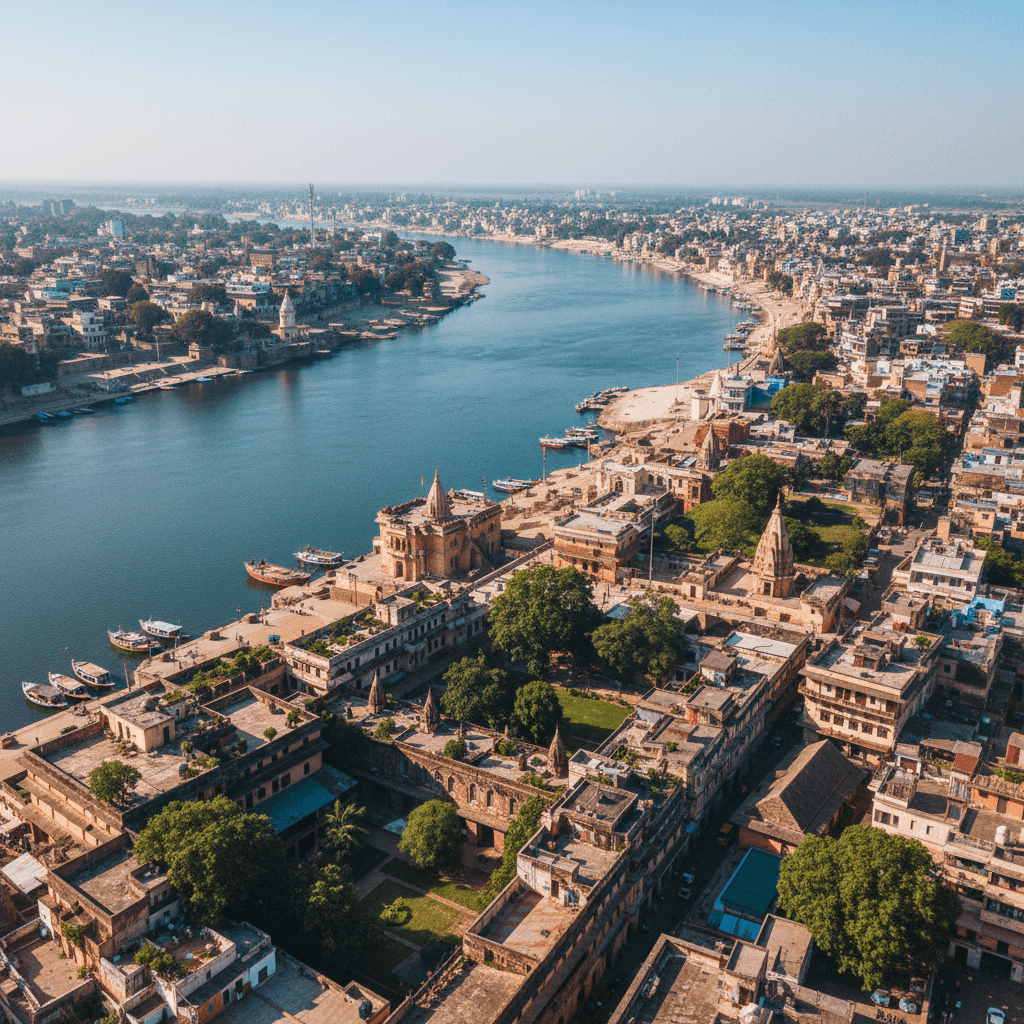
Dehradun
🇮🇳 India
The Foothill Slow-Down
Dehradun is where the frantic energy of North India finally hits the brakes. Nestled in the Doon Valley, it serves as the gateway to the Himalayas, but for the modern nomad, it's more than just a pit stop on the way to Mussoorie or Rishikesh. It’s a city that trades the smog of Delhi for mountain breezes and the high-octane hustle for a student-driven, intellectual pace. You’ll find a unique blend here: colonial-era architecture and elite boarding schools sitting right next to trendy cafes and experimental hostels.
The personality of the city is defined by its "grey-green" aesthetic. You’ve got the lush forest cover of the foothills meeting the concrete convenience of a state capital. Nomads often find themselves staying longer than planned because it’s easy to build a routine here. It’s affordable, the air is breathable, and you’re never more than a twenty-minute scooter ride away from a waterfall or a quiet hiking trail. It’s the kind of place where you can spend your morning on a Zoom call and your afternoon exploring Robber’s Cave.
The Cost of Living
Living in the valley is remarkably easy on the wallet, especially if you’re earning in USD or Euros. While prices are creeping up as more remote workers discover the city, it remains one of India’s most budget-friendly hubs.
- Budget Tier (₹30,000/month): Staying in a shared dorm at a spot like Nomads House, eating local street chaat, and using the shared Vikram tempos to get around.
- Mid-Range Tier (₹50,000/month): A private 1BR apartment, a mix of cafe meals and home cooking, and a monthly scooter rental.
- Comfort Tier (₹80,000+/month): A high-end flat in Jakhan, daily dining at upscale spots like Ellora’s Melting Moments, and frequent private taxi trips.
Where to Plant Your Flag
Each neighborhood has a distinct flavor, and where you stay will dictate your social life. Most nomads gravitate toward the north end of the city to stay close to the hills.
Rajpur Road
- The Vibe: This is the heart of the nomad scene. It’s walkable, packed with cafes, and home to The Hosteller Dehradun.
- Pros: Best Wi-Fi reliability, social atmosphere, and proximity to the best coffee shops.
- Cons: Can get noisy with traffic; accommodation prices are the highest in the city.
Paltan Bazaar
- The Vibe: Pure, unadulterated sensory overload. This is where you go for spices, handicrafts, and the best street food.
- Pros: Incredibly cheap and authentic.
- Cons: Way too chaotic for a "work-from-home" setup; very little peace and quiet.
Jakhan & Indira Market
- The Vibe: A mix of upscale residential pockets and a youthful college crowd.
- Pros: Calmer than Rajpur Road but still has great infrastructure and fashion boutiques.
- Cons: Fewer dedicated nomad hostels, so you’ll likely need to sign a longer lease on an apartment.
Connectivity and Work Culture
The Wi-Fi situation in Dehradun is generally solid, especially in the central districts. Urban averages hover between 50 to 100 Mbps. However, budget guesthouses can be hit-or-miss, so always ask for a speed test before checking in. Most seasoned travelers rely on a Jio or Airtel SIM card as a backup. For about ₹300 to ₹500 a month, you can get plenty of data to use as a hotspot.
The social scene revolves around the hostels. Nomads House and The Hosteller are the primary hubs for networking. You’ll find open mic nights, board game marathons, and a mix of international travelers and Indian tech workers. It’s a low-key nightlife; don't expect 2:00 AM clubbing. Instead, expect long conversations over chai and late-night walks in the cooler mountain air.
Practical Logistics
Getting around is the one area that requires a bit of patience. Ola and Uber work well during peak hours, but they can be ghost towns late at night or during heavy rain. For true freedom, rent a scooty for ₹300 to ₹500 a day. It’s the best way to bypass the traffic on Rajpur Road. Regarding weather, the sweet spot is October to March. The winters are crisp and foggy, but the summers can get surprisingly hot before the July monsoons bring heavy, persistent rain that can occasionally knock out the power.
Dehradun isn't trying to be a tech-utopia like Bangalore or a party town like Goa. It’s a place for the nomad who wants to actually get work done during the week and disappear into the mountains on the weekend. It's a city that feels like a deep breath.
The Lowdown on Local Costs
Dehradun is a breath of fresh air for those burnt out by the sky high prices of Mumbai or Bangalore. It occupies a sweet spot in the Indian market; it's more developed than the tiny mountain villages further up the Himalayas, but far more affordable than the major metros. Most nomads find they can live a high quality life here for a fraction of what they would spend elsewhere.
Your monthly burn depends heavily on your lifestyle tier. If you're staying in a shared dorm at a social hub like The Hosteller and sticking to street food, you can get by on roughly ₹30,000 a month. Most remote workers opt for the mid range experience at around ₹50,000, which covers a private studio and plenty of cafe sessions. If you want a luxury apartment in a quiet neighborhood and daily dinners at upscale spots like Ellora's, budget at least ₹80,000.
Housing and Neighborhoods
Rent is the biggest variable in your budget. If you're staying long term, look for apartments in the northern parts of the city where the air is cleaner and the vibe is more relaxed. Short term visitors usually stick to hostels or guesthouses to avoid the hassle of local utility bills.
- Rajpur Road: This is the nomad nerve center. It's walkable and packed with cafes, though you'll pay a premium. A decent 1BR here typically runs between ₹8,000 and ₹15,000 per month.
- Jakhan: A favorite for expats and those who want a bit more peace. It feels more residential and "upscale." Expect to pay ₹12,000 to ₹25,000 for high end apartments.
- Paltan Bazaar: The place for budget hunters. It's loud and chaotic, but you can find very cheap guesthouses if you don't mind the noise.
Eating and Drinking
Dehradun's food scene is a mix of spicy street chaat and trendy European style bakeries. You'll likely find yourself spending more on coffee than on actual meals if you work from cafes frequently.
- Street Food: A solid plate of momos or chaat at Paltan Bazaar costs between ₹50 and ₹150.
- Casual Cafes: Lunch at a mid range spot on Rajpur Road usually lands between ₹300 and ₹500.
- Fine Dining: A nice dinner with drinks at a place like Ellora's Melting Moments will cost ₹800 or more.
- Groceries: If you cook at home, a weekly run to the local market for fresh produce is incredibly cheap, usually under ₹1,500.
Connectivity and Logistics
Reliable internet is the lifeblood of the nomad scene here. While most hostels like Nomads House offer decent Wi-Fi, it's smart to have a backup. Local SIM cards from Jio or Airtel are a steal; you can get unlimited data plans for ₹300 to ₹500 per month. You'll need your passport and a couple of photos to get one set up at a local shop.
Coworking spaces are still emerging, with most people preferring to work from cafes. Budget roughly ₹5,000 to ₹10,000 a month if you decide to join a dedicated office space. For daily spending, download PhonePe or Google Pay. The city has gone almost entirely cashless for everything from coffee to rickshaws using the UPI system.
Getting Around
Transportation is where Dehradun can be a bit hit or miss. The city's blue Vikrams (shared tempos) are the cheapest way to move, costing only ₹20 to ₹50, but they're cramped and loud. Most nomads prefer Ola or Uber, though these can be hard to find during late hours or heavy rain.
For true freedom, rent a scooty. You can find rentals in the Rajpur or Jakhan areas for ₹300 to ₹500 per day. It's the best way to reach spots like Robber's Cave or take a quick afternoon ride up toward the Mussoorie hills without relying on patchy app based services. If you're arriving at Jolly Grant Airport, a prepaid taxi to the city center will set you back about ₹500 to ₹800.
The Nomad Hub: Rajpur Road
If you want to be where the action is, Rajpur Road is the undisputed champion. This is the city's main artery and the primary landing spot for digital nomads and solo travelers. It feels more like a mountain town's upscale district than a typical Indian urban center. You'll find a mix of colonial charm and modern convenience, with plenty of cafes where you can park your laptop for a few hours without getting side-eyed by the staff.
Socially, this is the easiest place to plug in. Hostels like The Hosteller Dehradun and Nomads House are the neighborhood anchors, hosting open mics and game nights that bring together a mix of students and travelers. It's the most walkable part of the city, meaning you won't always have to wrestle with the local transport apps.
- Monthly Rent: ₹8,000 to ₹15,000 for a studio or managed hostel bed.
- Vibe: Social, walkable, and cafe-heavy.
- The Trade-off: It's the most expensive area in town and traffic can get loud during the evening rush.
The Expat and Long-Termer Choice: Jakhan and Indira Market
For those planning to stay a few months rather than a few weeks, Jakhan is the sweet spot. Located further up Rajpur Road toward the hills, it's favored by expats and remote workers who want a bit more peace. The area has a youthful energy thanks to the nearby college crowd, which also means plenty of affordable fashion at Indira Market and trendy eateries that don't break the bank.
The air feels a bit crisper here, and the residential streets are significantly quieter than the city center. Most expats recommend searching for private apartments here via NoBroker or MagicBricks if you're moving out of the hostel phase. You'll still have access to reliable Jio or Airtel 4G/5G coverage, which is vital since some older buildings have thick walls that mess with Wi-Fi.
- Monthly Rent: ₹12,000 to ₹25,000 for a comfortable 1BR or 2BR apartment.
- Vibe: Upscale, academic, and relaxed.
- The Trade-off: You'll likely need a scooty rental (around ₹300 to ₹500 per day) to get around efficiently.
The Budget Adventurer: Paltan Bazaar
Solo travelers on a shoestring tend to gravitate toward the area around Paltan Bazaar. This is the old soul of Dehradun. It's chaotic, crowded, and smells like a mix of spices and street food. It isn't a "laptop friendly" neighborhood by any stretch, but it's the best place to experience the local pace of life and find the cheapest hardware and supplies.
You can eat like a king here for ₹100, grabbing chaat or local snacks while you wander. It's close to the railway station, making it a convenient base if you're frequently heading out on weekend trips to Mussoorie or Rishikesh. Just don't expect to take many Zoom calls from the local guesthouses; the noise levels are high and the Wi-Fi is often an afterthought.
- Daily Food Cost: ₹150 to ₹400 for street eats and local dhabas.
- Vibe: Intense, authentic, and high-energy.
- The Trade-off: Very little privacy and high noise pollution.
The Family-Friendly Retreat: Dalanwala
Families or couples looking for a "home base" feel usually look at Dalanwala. Known for its wide, tree-lined streets and old bungalows, it's one of the most prestigious residential zones in the city. It's close enough to the amenities of Rajpur Road but tucked away from the commercial noise. You'll find high-quality healthcare nearby, including Max Super Speciality Hospital, which travelers often cite as the most reliable facility in the region.
- Monthly Rent: ₹20,000 to ₹40,000 for larger, family-sized homes.
- Vibe: Green, quiet, and established.
- The Trade-off: Not many social hubs or coworking spaces within immediate walking distance.
Getting Online in the Doon Valley
Dehradun occupies a sweet spot for remote workers. It provides a stable urban infrastructure without the suffocating intensity of Delhi. Urban broadband speeds vary, often 20-80 Mbps depending on provider; test on arrival, though the quality of the connection often depends on the specific street or building. Fiber optics have reached most of the central areas, making video calls and large uploads manageable for most nomads.
For the most reliable mobile data, you should pick up a Jio or Airtel SIM card. You can grab these at the airport or at various small kiosks around Rajpur Road for about ₹300 to ₹500 per month. These plans usually offer generous daily data limits and work well as a hotspot backup when the local Wi-Fi decides to take a break. Just remember you will need your passport and a couple of photos to get the SIM activated.
Coworking and Work-Friendly Cafes
While Dehradun does not have the massive coworking hubs found in Bangalore, the scene is evolving. Most nomads gravitate toward the social hostels or the cafe culture along Rajpur Road. These spots offer a mix of decent coffee, power outlets, and a tolerable level of background noise.
- The Hosteller Dehradun: This is a primary hub for the digital crowd. It has a dedicated work area, reliable Wi-Fi, and a social atmosphere that makes it easy to meet other travelers during open mic nights or game sessions.
- Nomads House: Located in a slightly quieter pocket, this spot is highly rated by solo travelers for its consistent internet and community vibe. It feels less like a hotel and more like a shared home for people with laptops.
- Rajpur Road Cafes: You will find several modern cafes here where the staff won't mind if you linger over a latte for a couple of hours. It is the best area for "cafe hopping" until you find a corner with a working socket.
Connectivity Challenges
The biggest hurdle for internet stability is the city's outskirts. If you choose a guesthouse far from the main hubs of Jakhan or Rajpur, the Wi-Fi can become patchy or nonexistent. Power outages occur occasionally, especially during the heavy monsoon rains from July to September. Most established hostels have power backups, but it is a good idea to keep your power bank charged and your mobile hotspot ready.
Outside of peak hours, app-based transport like Ola and Uber can be a bit thin on the ground. If you are relying on a ride to get to a specific meeting or a coworking space, give yourself an extra 20 minutes or consider renting a scooty for ₹300 to ₹500 a day to maintain your own schedule.
Digital Nomad Practicalities
Managing your finances is relatively straightforward here. Most cafes and shops in the central districts accept UPI payments via apps like PhonePe or Google Pay, which are linked to Indian bank accounts. For international nomads, Wise or Payoneer are the standard for receiving funds, and ATMs are plentiful along the main roads.
- Budget Internet Setup: Local SIM with unlimited data (₹400/month) + Hostel Wi-Fi (included in stay).
- Best Work Environment: Mid-morning at a Rajpur Road cafe before the lunch rush.
- Backup Plan: Always have an Airtel SIM as a secondary carrier if your primary fiber line goes down during a storm.
Most nomads find that the slower pace of life in Dehradun actually helps their productivity. You aren't constantly fighting traffic or extreme heat, leaving more energy for the screen. When the workday ends, the proximity to the Mussoorie hills means you can be in the mountains in under an hour, which is a perk few other Indian cities can match.
Safety in the Doon Valley
Dehradun is widely regarded as one of the safest urban centers in Northern India. Unlike the high-octane energy of Delhi, this foothill city retains a small-town soul where people generally look out for one another. Most nomads find the central areas like Rajpur Road and Jakhan perfectly safe for walking, even after the sun sets. The presence of a large student population gives the city a youthful, watchful atmosphere that keeps street crime relatively low.
That said, common sense is your best friend here. While the main strips are well-lit and active, travelers often recommend avoiding the isolated outskirts or poorly lit forest peripheries late at night. If you are heading back to a hostel like The Hosteller after a late dinner, sticking to Ola or Uber is smarter than trying to hail a random Vikram on a dark corner. Petty theft isn't a major headline here, but keep your tech gear secure in crowded spots like Paltan Bazaar where the narrow lanes get tight.
Healthcare Infrastructure
If you get sick, you are in good hands. Dehradun serves as the medical hub for the entire state of Uttarakhand, meaning the facilities here are far superior to what you will find further up in the mountains of Mussoorie or Rishikesh. For anything serious, expats and long-term nomads head straight to Max Super Speciality Hospital on Malsi Road. It is a modern facility with English-speaking staff, high-end diagnostic equipment, and a streamlined process for international insurance.
For minor ailments, stomach bugs, or routine checks, there are several reliable private options:
- Max Super Speciality Hospital: The gold standard for emergency and specialized care.
- CMI Hospital: Centrally located on Haridwar Road, great for quick consultations.
- Pharmacies: You will find "Chemist" shops every few hundred meters in areas like Indira Market. Most are open until 10:00 PM and many carry international brands for common medications.
Emergency Contacts & Logistics
In the event of an emergency, the response systems are straightforward. For a medical emergency, dial 108 for a state ambulance. For police assistance, the standard number is 100. Most major hospitals also run their own private ambulance fleets which are often faster than the public ones; it is a good idea to save the Max Hospital emergency number in your phone the day you arrive.
Water safety is the one area where most nomads slip up. Do not drink the tap water. Even if your guesthouse says it is filtered, stick to RO-filtered water or bottled brands like Bisleri. Most hostels provide free refills of purified water, so bring a reusable bottle to stay hydrated during those humid monsoon months. If you are heading out for street food in Paltan Bazaar, look for vendors with high turnover to ensure the ingredients are fresh.
Staying Healthy on the Road
The air quality in Dehradun is generally better than in the plains, but it can get dusty during the dry season. If you have sensitive lungs, keep an eye on the AQI during May and June. During the monsoon season from July to September, mosquitoes can be a nuisance. Stock up on local repellents like Odomos, which you can find at any local grocery store for about ₹50 to ₹100. It is much more effective against local mosquitoes than the stuff you might bring from home.
Getting Around Dehradun
Dehradun has a laid back, foothill energy that makes exploring it feel less like a chore and more like a slow paced adventure. While it doesn't have the hyper efficient metro systems of Delhi, it offers a mix of local flavor and modern convenience that suits the nomad lifestyle. You'll mostly find yourself transitioning between the walkable hubs of Rajpur Road and the more chaotic, traditional markets of the south.
The Local Workhorse: Auto-Rickshaws and Vikrams
The most common way to zip through the city is by auto-rickshaw. You'll see them everywhere, and they're perfect for short hops between cafes or from your hostel to the market. A typical trip within the city center usually costs between ₹50 and ₹100. Always agree on the fare before you hop in, as meters are rarely used here.
For those on a tight budget, the "Vikram" is a Dehradun staple. These are oversized, blue three wheelers that run on fixed routes. They're shared, so you'll be rubbing shoulders with locals and students. It’s a bit cramped and loud, but at ₹20 to ₹50 per ride, it’s the cheapest way to get across town. Just flag one down and ask if they're heading toward your destination, like Paltan Bazaar or ISBT.
Ride-Hailing and Apps
If you prefer a private car with air conditioning, Ola and Uber both operate in Dehradun. They are generally reliable during peak hours in central areas like Jakhan and Rajpur Road. Expect to pay between ₹100 and ₹300 for most city trips. However, nomads often find that availability becomes patchy during late nights or in the outskirts. It’s always smart to have both apps installed to compare wait times.
Two-Wheeler Rentals
To really experience the freedom of the foothills, most nomads eventually rent a scooty. Having your own wheels is the best way to bypass traffic and take spontaneous trips to places like Robber's Cave or the Maggi points on the way to Mussoorie. Rental shops around Rajpur Road and Jakhan typically charge between ₹300 and ₹500 per day. You'll need to leave a deposit and show a valid license. It’s the most efficient way to navigate the city's narrow side streets and hilly terrain.
Walking and Neighborhood Navigability
Dehradun is a city of pockets. While you can't walk the whole city, certain neighborhoods are very pedestrian friendly. Rajpur Road is the gold standard for nomads; it’s lined with trees, wide sidewalks, and plenty of cafes like Ellora’s or the social hubs at The Hosteller. Paltan Bazaar is the opposite. It’s a sensory overload of spices and handicrafts where walking is the only way to get through the narrow, crowded lanes. If you're staying in the center, you'll find that a lot of your daily needs are within a 15 minute stroll.
Arriving and Departing
When you land at Jolly Grant Airport, you've got a few options to reach the city center, which is about 45 to 60 minutes away.
- Prepaid Taxi: Available at the airport counter for a fixed rate of ₹500 to ₹800.
- App-based Cabs: Ola and Uber can be booked, though they sometimes face restrictions on picking up directly at the terminal.
- Airport Shuttles: Occasionally available, but most travelers find the convenience of a private taxi worth the extra few hundred rupees.
Practical Transport Tips
- Avoid Peak Hours: Traffic on Rajpur Road can get heavy between 5:00 PM and 8:00 PM. Plan your movements for midday if you want to avoid the crawl.
- UPI is King: Most auto drivers now accept PhonePe or Google Pay, but keep some ₹10 and ₹20 notes handy for the shared Vikrams.
- Safety: Dehradun is generally safe for solo travelers, but it's best to stick to app based cabs if you're traveling late at night to the quieter outskirts.
The Linguistic Mix
Dehradun is a unique cultural crossroads where the mountains meet the plains. While Hindi is the primary language used for daily life, you'll frequently hear the melodic tones of Garhwali among the locals, particularly those with deep roots in the surrounding Himalayan foothills. For digital nomads, the transition is usually smooth because of the city's massive student population and its history as an educational hub. In areas like Rajpur Road and Jakhan, English proficiency is quite high, especially in the cafes, boutiques, and hostels where most remote workers congregate.
Most nomads find that they can get by comfortably with English in professional settings and social hubs like The Hosteller or Nomads House. However, the linguistic landscape changes when you head into the narrow lanes of Paltan Bazaar or hop into a shared Vikram. In these local spots, a few basic Hindi phrases aren't just helpful; they're a sign of respect that can change the tone of your entire interaction. It's the difference between being treated as a passing tourist and being welcomed as a temporary neighbor.
Practical Phrases for Daily Life
While you don't need to be fluent, mastering a handful of terms will help you handle transactions and transport with much more confidence. Locals appreciate the effort, even if your pronunciation isn't perfect.
- Namaste: The universal greeting. Use it for hello and goodbye.
- Kitna rupaya?: How many rupees? Use this when shopping for spices or street food in the markets.
- Theek hai: Okay or alright. This is the most versatile phrase in your toolkit.
- Dhanyavaad: Thank you.
- Chalo: Let’s go. Useful when you're ready to start your trip in an auto-rickshaw.
- Nahi chahiye: I don't want it. Use this politely but firmly if you're being approached by persistent vendors.
Digital Tools and Connectivity
The easiest way to bridge the communication gap is through technology. Expats recommend downloading the Google Translate offline Hindi pack immediately. The camera feature is particularly useful for reading menus in smaller "dhabas" or signs in more residential neighborhoods. For navigating the city, Uber and Ola are available, which helps bypass the need for haggling in Hindi, though availability can be patchy during off-peak hours.
To stay connected, you'll want a local SIM card. Jio and Airtel are the top picks for Dehradun, offering the best coverage in the valley. You can pick these up at the Jolly Grant Airport or at small mobile shops throughout the city. You'll need your passport and a couple of passport-sized photos to get registered. Expect to pay between ₹300 and ₹500 per month for a plan with plenty of data for hotspots.
Social Etiquette and Non-Verbal Cues
Understanding the local "body language" is just as important as the spoken word. You'll likely encounter the famous Indian head wobble, which can mean anything from "yes" to "I understand" or "maybe." It's rarely a "no." If you're unsure, just ask for clarification in English; most people in the central districts are happy to explain.
When it comes to social customs, remember to use your right hand for eating and for handing over money or documents. It's a small detail that goes a long way. If you're invited into a local home or a temple, always remove your shoes at the entrance. Dress is generally more relaxed here than in more conservative parts of India, especially around the college crowds, but keeping it modest is still the best way to avoid unwanted attention and show respect for the local culture.
The Seasonal Sweet Spot
Dehradun sits in a unique geographic pocket. Because it is the gateway to the Himalayas, the weather here is significantly more manageable than the sweltering plains of Delhi, but it still gets its fair share of seasonal intensity. Most nomads agree that the window from October to March is the gold standard for visiting. During these months, the air is crisp, the skies are clear, and the temperature stays in a comfortable range of 10°C to 20°C. It is the perfect time to grab a seat on the outdoor patio at a Rajpur Road cafe and work without breaking a sweat.
Spring, specifically March and April, is arguably the most beautiful time in the valley. The greenery is lush before the summer heat kicks in, and temperatures hover around 15°C to 28°C. If you are planning to spend your weekends scooting up to Mussoorie or exploring Robber's Cave, this is when the valley is at its most photogenic.
Beating the Heat and the Rain
Summers (April to June) can get surprisingly warm for a foothill city. You will see the mercury climb between 25°C and 35°C. While it is not the furnace-like heat of central India, you will definitely want a room with a solid AC unit if you are working during the day. This is also the peak season for domestic tourists heading to the hills, so expect more traffic and slightly higher prices for short-term rentals.
The monsoon season (July to September) is the only time travelers generally suggest avoiding Dehradun if you have a heavy workload. The rains are heavy and persistent, with temperatures staying between 25°C and 30°C. While the valley turns a brilliant emerald green, the humidity can be a drag, and the occasional power or Wi-Fi hiccup becomes more common during storms. If you don't mind the "cozy" vibe and plan to hunker down in a social hostel like Nomads House, you can find some great off-season discounts during these months.
Packing and Preparation by Season
Your wardrobe needs will shift depending on when you land. Since Dehradun is a student hub and a gateway to the mountains, the style is generally casual but leans toward the modest side. Here is what to keep in mind:
- Winter (Dec-Feb): It gets foggy and chilly, especially at night. Bring a heavy jacket, thermal layers, and a good pair of walking shoes. Most budget guesthouses don't have central heating, so a warm hoodie is a nomad staple here.
- Summer (Apr-Jun): Lightweight cottons and linens are your best friends. The sun can be sharp, so high-SPF sunscreen and a hat are necessary for afternoon errands in Paltan Bazaar.
- Monsoon (Jul-Sep): A high-quality raincoat and waterproof covers for your laptop bag are non-negotiable. The rain comes down hard and fast.
The Nomad Verdict
If you have the flexibility, aim for a November arrival. You’ll miss the humidity of the rains and beat the deepest chill of January. The social scene at spots like The Hosteller is usually peaking during this time as solo travelers and remote workers stop over before heading further into Uttarakhand. You will get the best of the valley’s "chill vibe" without having to battle the elements or the crowds.
Getting Settled and Staying Connected
Dehradun is one of the easiest entries into the Indian Himalayan foothills. To hit the ground running, grab a Jio or Airtel SIM card at the airport or a local shop in Rajpur. You will need your passport and a couple of photos for the registration. Most nomads find that a monthly plan for ₹300 to ₹500 provides more than enough data for hotspotting when cafe Wi-Fi gets moody.
For housing, start at a social hub like The Hosteller or Nomads House. These spots are the heartbeat of the local remote work scene, featuring open mics and solid Wi-Fi. If you are staying longer, check sites like NoBroker. A studio in central Rajpur Road usually runs between ₹8,000 and ₹15,000, while more upscale apartments in Jakhan can go up to ₹25,000.
Budgeting for the Foothills
Your money goes a long way here compared to the big metros. Most digital nomads live comfortably on about ₹50,000 per month, which covers a private room and plenty of dining out. If you are on a tight budget, you can scrape by on ₹30,000 by sticking to shared dorms and the legendary street food at Paltan Bazaar.
- Street food (Chaat/Momos): ₹50 to ₹150 per meal
- Mid-range cafe meal: ₹300 to ₹500
- Coworking space: ₹5,000 to ₹10,000 per month
- Scooty rental: ₹300 to ₹500 per day
Navigating the City
The city layout is fairly intuitive, but the transport can be a bit of a mixed bag. Ola and Uber work well during peak hours, but they can be patchy late at night or in the early morning. For short hops, the blue Vikrams (shared three wheelers) are the local way to go for just ₹20 to ₹50, though they are often cramped and loud.
Many expats recommend renting a scooty for the duration of your stay. It is the best way to reach spots like Robber's Cave or take a quick afternoon ride up toward the Mussoorie hills without haggling with drivers. For airport transfers to Jolly Grant, expect to pay between ₹500 and ₹800 for a prepaid taxi.
Social Life and Etiquette
Dehradun is a student town, so the vibe is youthful and relaxed. English is widely spoken in the cafes around Rajpur Road and Indira Market. While it is a safe city, it is smart to avoid the isolated outskirts after dark. If you need medical care, Max Super Speciality Hospital is the top choice for high quality treatment.
Local customs are straightforward but important. Always remove your shoes before entering someone's home or a temple. When eating with your hands, use your right hand only. Dress is generally modest, especially when you move away from the trendy cafe strips and into the local markets. For payments, download PhonePe or Google Pay; almost every small vendor uses UPI now, making a cashless lifestyle very easy.
The Best Time to Visit
Timing is everything in the foothills. The sweet spot is October to March when the air is crisp and the views of the mountains are clear. April to June brings the heat, though it is still cooler than Delhi. Try to avoid July and August if you can; the monsoon rains are heavy and can frequently disrupt travel plans and internet stability.
Need visa and immigration info for India?
🇮🇳 View India Country GuideEasy Landing
Settle in, no stress
Monthly Budget Estimates
More cities in India
Thiruvananthapuram
🇮🇳 India
Rishikesh
🇮🇳 India
Visakhapatnam
🇮🇳 India