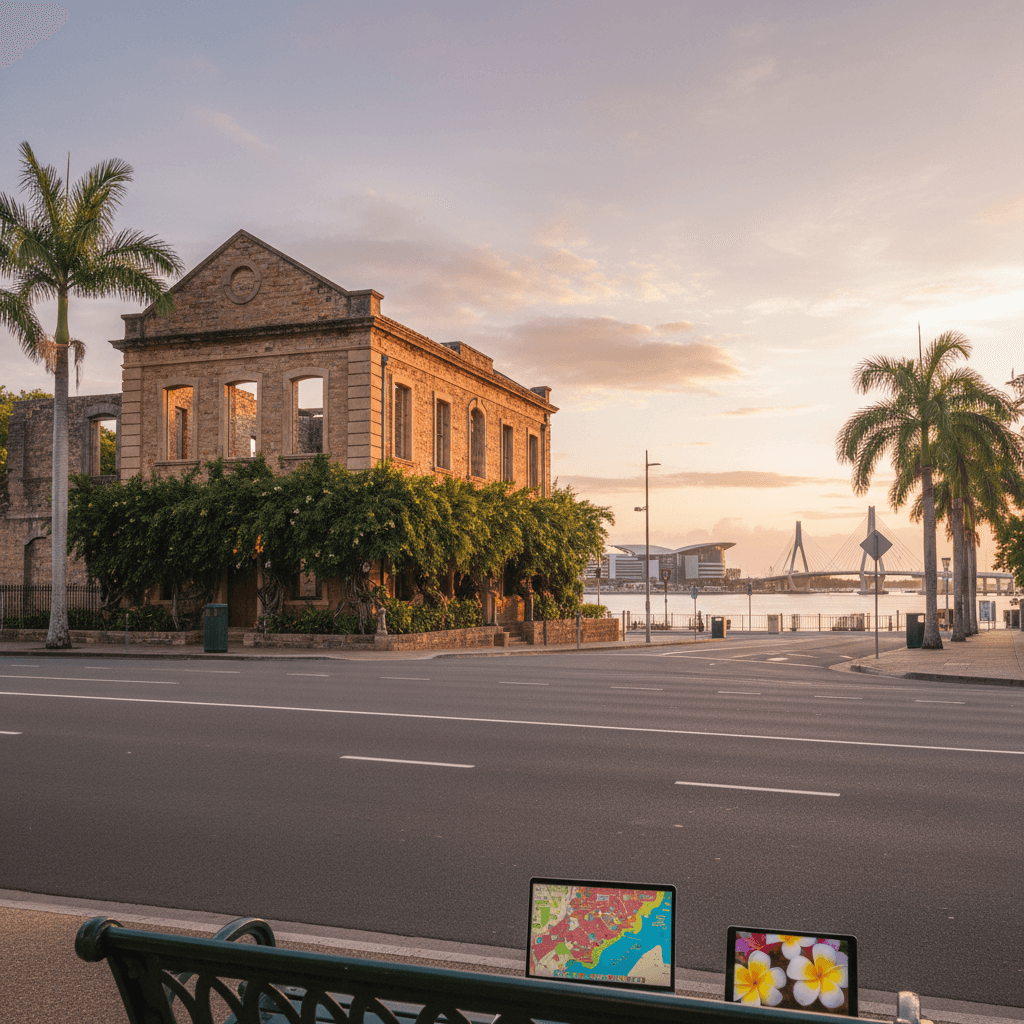
Darwin
🇦🇺 Australia
Darwin feels like the top end in every sense, hot, salty, a bit rough around the edges and weirdly calm once you settle into it. The city runs on a slow tropical rhythm, with mangroves, heat shimmer and the smell of grilled seafood drifting off the waterfront, then suddenly you’re reminded it’s also a place shaped by Indigenous culture, Asian trade and a very practical frontier attitude.
For nomads, that mix is the draw and the frustration. It’s safe enough for solo women and LGBTQ+ travelers to feel comfortable in most central areas, English is universal and you’re close to beaches and day trips like Kakadu and Litchfield, but the scene is small, the hospital system gets slammed and making friends can take work, honestly more work than in bigger Australian cities.
The vibe changes by neighborhood. Darwin City is the obvious base if you want walkability, coworking and a few late drinks, though it gets touristy and rent bites hard; The Array is a solid coworking pick if you want a creative crowd and decent WiFi, while suburbs like Ludmilla and Brinkin give you more space, quieter streets and fewer backpacker shoes clattering down the hallway.
What nomads usually notice first
- Weather: Dry season is glorious, wet season can be brutal, with thick humidity, heavy rain and roads that feel half-drowned.
- Costs: Not cheap. A decent solo setup often lands around $4,000 AUD a month and that’s before you start eating out much.
- Internet: Good enough in town, patchier outside it and the free city WiFi helps, which, surprisingly, makes cafe hopping less painful.
- Social life: Smaller than you’d expect, with Meetups and a few bars doing most of the heavy lifting.
Food leans seafood, Asian and pub comfort, so you’ll find places like Hanuman for a proper sit-down meal and Monsoons when you want loud music, cold beer and a room that smells like sunscreen and fryer oil. It’s not a nightlife capital and that’s the truth, but if you like warm evenings, outdoor dinners and a city that doesn’t pretend to be something else, Darwin has a stubborn kind of charm.
Getting around is easy enough in the CBD, then annoying fast once you push into the suburbs. Buses, Uber, DiDi, bikes and e-scooters all work, though the sprawl means you’ll often end up paying for rides and that little expense adds up.
Darwin is not cheap. A solo nomad usually lands somewhere around A$3,992 to A$4,594 a month and that figure climbs fast once you stop splitting rent or cooking every meal at home. The heat has a way of nudging you toward cold drinks, air conditioning and taxis, so the wallet feels it.
A basic budget can work, but it’s tight. Shared housing, groceries and a bit of restraint can get you near A$2,500 a month, though that means saying no to a lot of restaurant meals and some of the nicer apartments in Darwin City. Mid-range life, which most nomads end up choosing, sits around A$4,000 and that usually gets you a one-bedroom plus regular café lunches, which, surprisingly, adds up fast.
Rent hurts most. A one-bedroom or studio in the city centre runs about A$1,285 a month, while Darwin City apartments often sit around A$420 to A$675 a week. Move out to places like Zuccoli and the numbers can jump to about A$820 a week, so cheaper doesn’t always mean cheaper once you factor in commuting and the lack of nearby everything.
Everyday prices
- Dinner: around A$14 for a cheap meal, A$20 to A$30 at a mid-range spot, A$40 plus if you’re going nicer.
- Coffee: about A$3 and honestly, that’s one of the few things that still feels sane.
- Beer: roughly A$6, though bars on Mitchell Street can push your tab higher than you expect.
- Taxi: about A$3 per km, so short rides add up quickly in the heat.
- Mobile data: around A$40 for 10GB on prepaid plans.
The city is walkable in the CBD, but only if you like sweating through your shirt before lunch. Buses use a Tap and Ride card, Uber and DiDi are easy to find and many nomads end up paying for rides more often than they planned because the suburbs are spread out and the midday humidity is brutal.
If you want the cheapest version of Darwin, share a house, shop at supermarkets and skip the fancy waterfront dinners. If you want comfort, budget closer to A$5,500 plus for a family setup or a more indulgent solo life, because the rent, transport and eating out will chew through your cash faster than you’d think.
Darwin’s best areas depend on what you want, because the city’s small, hot and a bit awkward to live in if you pick the wrong spot. The CBD is the easy default, quieter suburbs suit people who want space and the waterfront edge can be lovely right up until you remember the croc warnings. Not cheap.
Nomads
Darwin City is still the best base for most remote workers. You can walk to cafés, bars, the waterfront and places like The Array, which is handy when the humidity’s thick and your laptop bag already feels like a brick. It’s expensive, noisy at night and a bit touristy, but the trade-off is simple, less taxi time and fewer excuses not to work.
- Rent: About $1,680 to $2,700 a month for a central apartment.
- Best for: Coworking, nightlife, quick errands, meeting other nomads.
- Watch out for: Heat, price and the occasional late-night noise from Mitchell Street.
The Array area inside the CBD is a good shout if you want fast internet and a calmer workday, honestly it’s one of the few places where you can pay for a desk and actually get something done without café turnover pressure. Four Birds and other central cafés are fine too, though WiFi can be patchy outside the core.
Expats
Ludmilla is a better bet if you want a more residential feel without drifting too far from town. It’s greener, cheaper than the centre and less frantic, though you’ll probably need a car or ride-hailing for most things, which gets old fast when the afternoon sun is baking the footpaths.
- Rent: Around $480 a week for a 1BR, depending on the place.
- Best for: Longer stays, quieter streets, access to the city without living in it.
- Trade-off: Longer commutes and fewer late-night options.
If you need more room and don’t mind being farther out, suburbs like Brinkin feel calmer and more family-friendly, with space that’s rare in Darwin, though the commute can be annoying if you’re heading into the CBD every day. Weirdly, the quiet is the main luxury here.
Families
Brinkin and other outer suburbs make sense for families because you get more house for the money and less of the CBD’s noise. You’ll still have to plan around school runs, shopping and all the little trips that add up, but the extra space helps when everyone’s stuck indoors during the wet season.
- Rent: Around $1,100 a week for a larger house in some areas.
- Best for: Space, quiet and a less hectic pace.
- Downside: Fewer walkable amenities, more driving.
Solo Travelers
Darwin City is the safest and simplest choice for solo travelers, especially if you want to walk home after dinner or drinks. The streets are fairly easy to read, English is universal and you’re close to hostels, bars and the main transport links, but don’t wander near mangroves or waterfront edges at night, the croc warnings are there for a reason.
Skip the empty stretches and stick to the centre, then use Uber or DiDi if you’re out late, because the city gets very quiet once the bars empty out and the tropical night turns warm, still and oddly loud with insects.
Darwin’s internet is decent in the centre, patchy once you drift out and honestly that’s the main thing to plan around if you work online. You’ll see speeds anywhere from 18 to 145 Mbps, depending on where you’re sitting, what time it's and whether the wet season has decided to mess with everything. Not glamorous. Still workable.
The CBD is where most nomads land, because the signal’s better, the cafes are set up for laptops and you’re not fighting the sprawl. Free city WiFi exists, Four Birds is friendly to remote workers and the coworking scene, turns out, is small but solid if you actually need a desk instead of just a place to sip a flat white and type slowly.
Best Coworking Options
- The Array: The best pick for most nomads, 24/7 access, fast internet, coffee on hand and hot desks from about $120 a month plus GST, which is a lot easier to swallow than a long CBD lease.
- Regus Darwin: More corporate, more expensive, around $345 a month for flexible desks, fine if you want quiet calls and predictable air-con, though it feels a bit sterile.
- Cafes: Good for half-days, not full work weeks, because Darwin heat, chair comfort and power points all become your problem pretty fast.
Mobile data isn’t cheap either, so don’t assume you’ll just hotspot your way through the month. Prepaid SIMs from Telstra, Optus or Vodafone usually start around $40 for 10GB and Vodafone tends to be the better value, though Telstra still has the strongest reputation when you’re heading outside town. Weirdly, you pay premium prices for pretty ordinary data.
If you’re staying a while, live near the CBD or The Array area, because suburbs get quieter, greener and more annoying for commuting. Darwin City is walkable, lively and close to bars, but it’s also pricier and noisier, with scooters buzzing, beer garden music drifting down the street and the occasional tropical downpour hammering the tin roofs. The Waterfront looks nice, sure, but I’d still keep an eye on those mangrove edges, crocs don’t care about your work schedule.
Quick Picks
- Best for serious work: The Array
- Best for occasional laptop days: Four Birds and similar cafes
- Best internet backup: Vodafone prepaid, then Telstra if you’re leaving the centre
Bottom line, Darwin can handle remote work, but don’t expect big-city convenience. The setup’s fine, the pace is slow and if your laptop life depends on flawless internet everywhere, you’ll get irritated fast.
Darwin feels safe in the parts you’ll actually use, the CBD, waterfront and main streets are generally calm and solo women and LGBTQ+ travelers usually say they’re fine day to day. Still, the city’s crime index is high by Australian standards, so keep your wits about you after dark, especially around quiet streets, car parks and the waterfront fringes.
Assault numbers have been creeping up and honestly, that lines up with the rougher patches people talk about, loud nights, drunks spilling out of bars, the odd shouting match, that hot sticky air that makes everything feel a bit more on edge. Don’t leave bags in sight. Don’t wander off into empty creek edges or mangroves, either.
What to watch for
- Crocs: Skip unsupervised creeks, mangroves and muddy water edges, even if they look calm.
- Stingers: In wet season, the water can bite back, so check local warnings before swimming.
- Night transport: Use Uber, DiDi or a taxi if you’re out late, because some streets go dead fast.
- Heat and storms: The humidity can hit like a wall and wet-season downpours turn roads slick in minutes.
Royal Darwin Hospital is the main public hospital and it cops a lot of criticism for crowding, violence in the waiting areas and long delays, so don’t expect smooth sailing if you need anything non-urgent. For simple stuff, pharmacies are easy to find, GP clinics handle basic care better than the hospital and most nomads just book ahead instead of waiting around.
If you need emergency help, call 000. That’s the number that matters. For medication and minor issues, stop by a local chemist in Darwin City or near Casuarina, then use telehealth if you can, because the heat, the queues and the slow pace in the system can chew up half a day before you’ve even seen anyone.
Practical healthcare tips
- Travel insurance: Get a policy that covers hospital care, evacuation and water-related injuries.
- Prescriptions: Bring extras, plus a copy of your script, because replacements can be annoying.
- Pharmacy runs: Keep the nearest chemist pinned on your map, especially if you’re staying in suburbs like Ludmilla or Brinkin.
- Sun protection: Carry sunscreen and water daily, the dry-season sun still burns hard.
My take, stay aware but don’t get twitchy. Darwin isn’t a knife-edge city, it’s more a place where the crocs, heat, alcohol-fueled weekends and patchy hospital experience matter more than random street crime and if you keep to the CBD, use normal sense and avoid sketchy waterfront shortcuts, you’ll probably be fine.
Darwin’s easy to get around, but only if you work with the city’s size instead of fighting it. The CBD is walkable, bikes make sense and Uber or DiDi fill the gaps, though the outer suburbs can feel annoyingly stretched out and hot pavement plus humidity will have you hunting for shade fast.
Public buses run on a Tap and Ride card, cash still works for single tickets and the system is decent for basic city hops. It’s not the kind of place where you can ignore transport though, because once you drift beyond Darwin City, you’ll probably need a car, rideshare or a very patient mood.
Best ways to move around
- Walking: Good in Darwin City, especially around the CBD, Waterfront and nearby cafes. Mornings are best, because the heat and glare hit hard by midday.
- Buses: Cheap and straightforward for getting around town, with Tap and Ride cards making it easy. Schedules can feel patchy outside the center, so don’t plan a tight connection unless you’ve checked it twice.
- Rideshare: Uber and DiDi are widely available and they’re the lazy option for late nights, airport runs or when the humidity’s got you sweating through your shirt.
- Bikes and e-scooters: Handy for short trips, with paths around places like Bicentennial Park. They’re great until the wet season hits, then everything gets slippery, noisy and a bit miserable.
Airport to city: Uber or taxi takes about 15 to 20 minutes and there’s also a shuttle or public bus option if you don’t mind a little extra hassle. That trip is usually easy, honestly, unless you land during peak rain and everyone else has the same idea.
Cycling: Works well in the dry season, less so when the air feels like a wet towel. Locals do ride, but they also pick their routes carefully and avoid standing around in the sun for no reason.
Neighborhood feel
- Darwin City: Best for nomads who want walkability, cafes and nightlife nearby. It’s lively, but rent stings and the streets can get noisy.
- Ludmilla: A quieter pick with more space and lower rents than the CBD. Good if you’d rather hear birds than scooters.
- Brinkin: More family-friendly and greener, but you’ll spend more time getting into town. It suits people who hate the city-center crush.
If you’re staying central, you can get by without a car. If you’re not, then transport becomes part of daily life and weirdly, that’s when Darwin starts feeling more spread out than it looks on a map.
English is the default in Darwin, so you won’t have the basic language friction you get in parts of Asia or Europe. That said, people speak in a very Australian way, with plenty of “G’day,” “no worries,” and the occasional dry joke and honestly, if you catch the rhythm, conversations get easy fast.
For day-to-day life, you can get by with plain English everywhere, from the pharmacy to the pub to the taxi rank. The bigger issue isn’t language, it’s pace, people can seem a bit reserved at first and Darwin’s small-town feel means you don’t always get the instant warmth you might expect, which, surprisingly, can make networking feel slower than the weather suggests.
Useful phrases:
- G’day: hello
- No worries: you’re welcome or no problem
- How ya going? how are you?
- Arvo: afternoon
If you’re new to Australian slang, you’ll hear it everywhere, in cafés, coworking spaces and on the bus. It’s not hard, but it can be weirdly fast and locals won’t slow down just because you’re a visitor, so apps like Duolingo or Bluebird English Australian can help if you want to tune your ear before arrival.
Communication tips:
- Keep it direct: people appreciate clear, plain speech
- Don’t over-apologize: it can sound awkward or overly formal
- Use text: many nomads arrange meetups by message, not calls
- Ask twice if needed: some accents are easy to miss the first time
Internet is decent in the CBD and patchy once you drift farther out, so if you’re working remotely, the language barrier won’t be the problem, the connection might be. The Array and places like Four Birds are good bets for conversations and work sessions and if you need local mobile data, Telstra, Optus and Vodafone all sell prepaid plans, though the value can be grim.
Most nomads find Darwin easy to communicate in, but making actual friends takes a little more effort than the brochures imply. Join Meetup groups, say yes to the pub invite and don’t expect instant chatty energy, people here are friendly, just not usually pushy about it.
Darwin has two seasons and they feel completely different. Dry season runs from May to October, with warm days around 27 to 30°C, lower humidity, blue skies and that easy outdoor rhythm people come here for. Wet season, from November to April, is hotter, stickier and louder, with sudden downpours drumming on tin roofs and puddles forming fast, honestly, before you’ve finished your coffee.
Dry season is the sweet spot. The air feels lighter, sunsets go gold over the harbour and you can actually sit outside without sweating through your shirt in ten minutes, which, surprisingly, makes a huge difference to daily life. This is when most nomads stay longer, book day trips to Litchfield or Kakadu and use the CBD, beaches and outdoor bars without fighting the weather.
Wet season has its fans, but it’s a tougher sell. Rain can be heavy, storms roll in fast, humidity clings to your skin and some days feel like walking through warm soup, so if you hate damp clothes and unreliable plans, skip it. Cyclones are a real risk too and while the city keeps moving, outdoor excursions get messy quickly.
Best Time to Visit
- May to October: Best overall, dry, warm and easiest for beaches, markets and park trips.
- June to August: Peak comfort, lower humidity, pleasant evenings, but prices and crowds tick up a bit.
- November to April: Cheapest and quieter, though the heat, storms and flooding risk can be brutal.
If you’re working remotely, the dry season is the obvious choice because you’ll spend less time hiding indoors and more time actually enjoying the place. Darwin City stays walkable, Four Birds and The Array make workdays manageable and the sea breeze helps, though the midday sun can still hit like a wall when you step outside.
For budget travelers, shoulder months can be decent, but don’t expect a bargain paradise, Darwin’s pricing stays stubbornly high year-round. The upside is that accommodation can be a little easier to find outside peak season and the city feels less crowded, but the trade-off is the weather and that trade-off is, frankly, annoying.
Darwin runs on tropical time, which sounds relaxed until you’re paying city prices for it. A solo nomad can spend around AUD 4,000 to 4,600 a month and that number climbs fast if you want your own place, regular meals out and a bit of comfort.
Not cheap. A one-bedroom in Darwin City can sit around AUD 1,285 a month, while many city apartments land closer to AUD 1,680 to 2,700 and places in outer suburbs like Zuccoli can still sting at about AUD 820 a week, honestly. Groceries help, but dinner out, coffee, beer and taxis add up fast and the humidity makes you want air-con running hard.
Where to base yourself
- Darwin City: Best for walkability, coworking and nightlife, but it’s noisy and touristy.
- The Array area: Good if you want a creative coworking scene and don’t mind being in the CBD mix.
- Ludmilla or Brinkin: Better for space, quieter streets and a more local feel, though you’ll commute more.
The CBD is the obvious base if you’re here short term, because you can walk to cafes, bars and coworking spaces without sweating through your shirt before lunch. Still, if you’re staying longer, the suburbs can make more sense, especially when you’re tired of hearing scooters, bottle bins and late-night chatter outside your window.
Getting online is decent in the center and patchy once you drift outwards, which, surprisingly, catches people out more than the heat does. The Array has fast internet, 24/7 access and coffee on site, while Regus is there if you want a more corporate setup and most nomads just grab a Telstra, Optus or Vodafone prepaid SIM and move on.
- SIM cards: Around AUD 40 for 10GB is a normal starting point.
- Coworking: The Array runs about AUD 120 a month plus GST.
- Transport: Tap and Ride works on buses, Uber and DiDi are easy to find.
Darwin feels safe in the center, but the waterfront creeks and mangroves are no place to get careless, because crocs don’t care if you’re new here. Royal Darwin Hospital handles the city’s medical needs, though people complain about delays and overcrowding, so travel insurance isn’t optional if you ask me.
Tap water’s fine, tipping isn’t a thing and locals appreciate basic respect around Indigenous sites, especially if you’re heading to Kakadu or Litchfield for the weekend. The dry season, from May to October, is the sweet spot, the wet season is sticky, loud and brutally wet, with rain hammering tin roofs and the air feeling like a wet towel.
Need visa and immigration info for Australia?
🇦🇺 View Australia Country GuideHidden Gem
Worth the effort