Curitiba
🇧🇷 Brazil
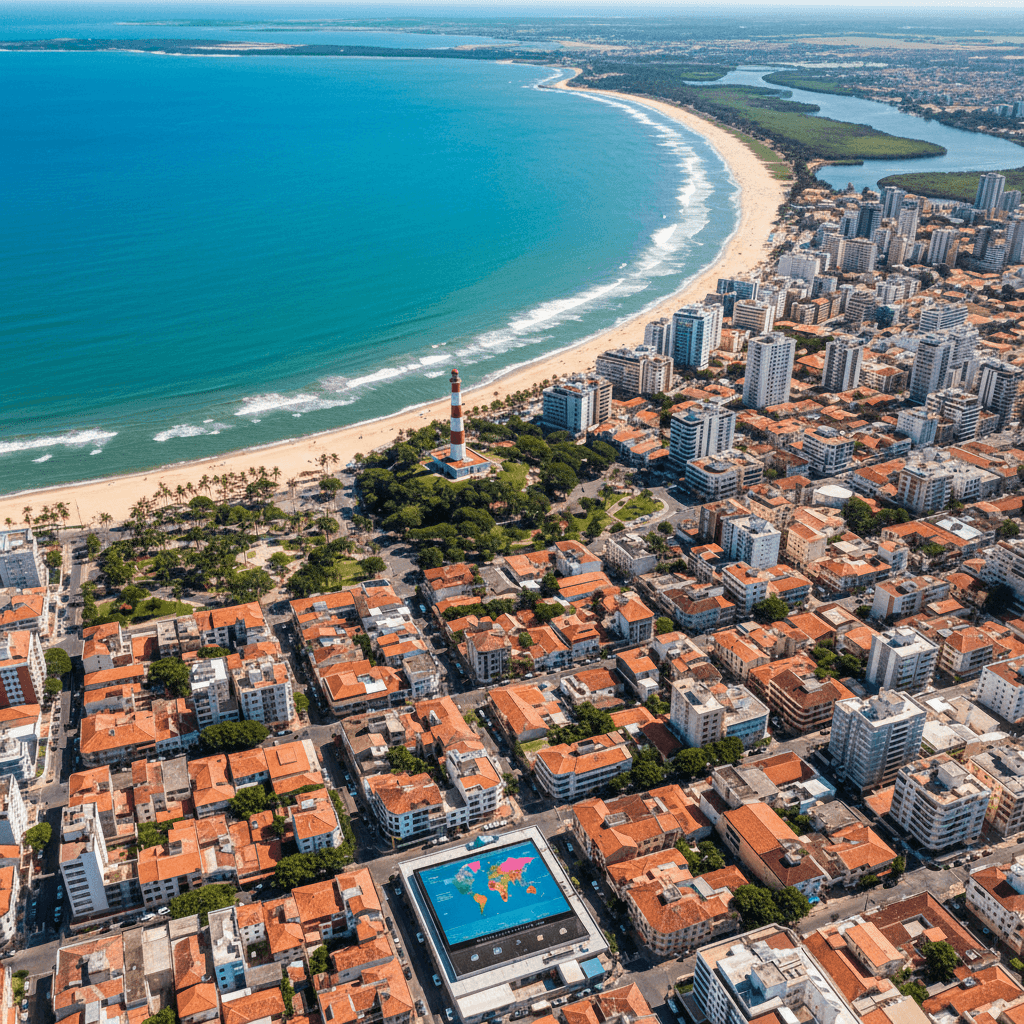
Curitiba isn't the Brazil you see on postcards. There are no palm-fringed beaches or chaotic samba parades here. Instead, you'll find a city that feels like a meticulously organized European capital dropped into the heart of Paraná. It’s a place where the buses actually run on time, the streets are remarkably clean, and the urban planning is so efficient it’s studied by architects worldwide.
The vibe is sophisticated and grounded. While Rio is about the spectacle and São Paulo is about the hustle, Curitiba is about the lifestyle. It’s a city designed for people who want to work hard during the day and decompress in a sprawling botanical garden or a quiet cafe by sunset. For nomads, it offers a rare balance: the safety and infrastructure of a developed hub with a price tag that remains surprisingly accessible.
The Nomad Lifestyle
Living here feels like being in on a well-kept secret. The community is smaller than the crowds in Florianópolis or Medellín, but it's exceptionally welcoming. You'll likely spend your mornings working from a cafe in Batel and your afternoons wandering through the Oscar Niemeyer Museum, which looks like a giant eye hovering over the landscape. Most nomads find they can live a high-quality life on $900 to $1,500 per month, depending on how much they prioritize luxury rentals or fine dining.
The city’s personality is defined by its green spaces. With over 30 parks and woods, you’re never more than a short walk from a trail. It’s a "15 minute city" in the truest sense, especially if you stick to the central corridors. However, it isn't perfect. Internet speeds in Curitiba average around 140 Mbps download and 95 Mbps upload, which is reliable for most remote work. You’ll also want to pack a jacket; the subtropical climate means it gets rainier and cooler than the rest of Brazil, particularly between April and September.
Monthly Budget Breakdown
- Budget ($900 to $1,200): This covers a shared apartment or a simple studio in Centro, eating at local "por quilo" restaurants for $5 to $10, and using the city's famous tube-station buses.
- Mid-range ($1,300 to $1,800): The sweet spot for most. You can snag a modern 1BR in Batel or Água Verde for $600 to $800, eat out at nice bistros, and use Uber or 99 frequently for $3 to $10 per ride.
- Comfortable ($2,000+): This buys a premium lifestyle in the best neighborhoods, a dedicated desk at a top-tier coworking space, and frequent weekend trips to places like Morretes via the scenic mountain train.
Why Curitiba Stands Out
What truly sets Curitiba apart is the lack of "big city" stress. It’s safer than Rio or São Paulo, making it a top choice for solo travelers and families who want to experience Brazil without the constant vigilance required in other metros. People here are polite and a bit more reserved than their coastal neighbors, but they’re deeply proud of their city’s sustainability and cultural scene.
You’ll need to pick up some basic Portuguese, as English proficiency is only moderate outside of high-end hotels and tech hubs. Apps like Wise and Nubank make the financial side of things easy, and most businesses are fully digital. It’s a city that invites you to slow down, drink good coffee, and enjoy a version of Brazil that is as functional as it is beautiful.
The Price of Sustainable Living
Curitiba is widely considered one of the best value-for-money destinations in South America. While it doesn't have the beach tax of Rio or the high-octane prices of São Paulo, it provides a level of infrastructure and safety that punches far above its weight. Most nomads find they can live a high-quality life here for between $900 and $1,500 per month, depending on how much they prioritize luxury over local immersion.
The local currency, the Real (BRL), tends to fluctuate, but your dollars or euros will generally go a long way. You'll find that while imported electronics or designer clothes are expensive due to Brazil's tax laws, daily essentials like fresh produce, public transport, and local services are incredibly affordable.
Monthly Budget Tiers
To give you a better idea of what your bank account will look like after a month in the city, here is a breakdown of typical spending patterns for different nomad styles.
The Budget Nomad
- Total Monthly: $900 to $1,200
- Rent: $400 (Usually a shared apartment or a modest studio in Centro)
- Food: $200 (Cooking at home and hitting up street food stalls)
- Transport: $50 (Strictly using the RIT bus system and walking)
- Extras: $100 (Phone data and occasional social outings)
The Mid-Range Nomad
- Total Monthly: $1,300 to $1,800
- Rent: $600 (A modern one-bedroom in a desirable area like Batel)
- Food: $400 (A mix of home cooking and mid-range dining)
- Transport: $100 (Mixing public transit with frequent Uber rides)
- Coworking: $200 (A dedicated desk at a local hub)
The Comfortable Nomad
- Total Monthly: $2,000+
- Rent: $800+ (High-end apartment with amenities in Batel or Água Verde)
- Food: $600+ (Regularly dining at upscale restaurants and ordering delivery)
- Transport: $150 (Primarily using Uber and private transfers)
- Extras: $300+ (Weekend trips to Morretes and premium coworking memberships)
Housing and Neighborhood Costs
Rent is your biggest variable. If you're looking for the nomad "sweet spot," Batel is the neighborhood of choice. It's the most modern and walkable district, but you'll pay a premium for it. Expect to spend between $600 and $800 for a nice one-bedroom here. If you're on a tighter budget, Centro is much more accessible with studios starting around $400, though it can feel a bit more chaotic after dark.
Expats recommend using platforms like Novad or Airbnb for short stays, but if you're staying longer than three months, it's worth checking local Facebook groups to find better rates. Just keep in mind that many traditional rentals require a CPF (the Brazilian tax ID) and a long-term commitment.
Eating and Drinking
You can eat very well in Curitiba without breaking the bank. A quick lunch at a "per kilo" restaurant, where you pay by the weight of your plate, usually costs between $5 and $8. If you're out for a nice dinner in Batel, a mid-range meal with a drink will set you back about $15. For those who enjoy the finer things, upscale dining experiences rarely exceed $40 per person.
Grocery shopping is a highlight for many. Local markets are filled with fresh, cheap produce. You'll likely spend about $200 to $300 a month if you enjoy cooking for yourself. Don't forget to factor in your caffeine habit; a good espresso at a specialty cafe usually costs around $2.
Transport and Connectivity
Curitiba’s bus system is legendary for its efficiency, and a monthly pass costs roughly $50. However, most nomads find themselves using Uber or the local app 99 for convenience. Rides across the city are rarely more than $10, and short hops within a neighborhood are often under $4.
For your digital life, a local SIM card from Vivo or Claro is a steal. You can get a solid data plan for $10 to $20 a month. If you prefer to hit the ground running, an eSIM from Holafly is a popular choice for unlimited data, though it comes at a higher price point than local options.
Batel: The Nomad Favorite
If you're looking for the neighborhood that most closely mirrors a high end European district, Batel is your spot. It's the most polished area of Curitiba, characterized by wide, tree lined streets and a safe, walkable environment. Most nomads find this the easiest place to land because you don't really need a car to get things done here.
The social scene revolves around the Batel Soho area, specifically around Praça Espanha, where you'll find the city's best sidewalk cafes and bars. For work, you'll be close to major hubs and plenty of laptop friendly spots. While it's the most expensive part of town, the trade off in convenience and safety is usually worth the extra $200 to $400 in monthly rent.
- Monthly Rent: $600 to $800 for a modern 1BR or studio.
- Vibe: Upscale, modern, and very safe.
- Top Perk: High density of coworking spaces and proximity to the Pátio Batel mall for high end dining.
Centro: The Urban Pulse for Solo Travelers
For solo travelers who want to be in the thick of it, Centro is the logical choice. It's the heart of the city's transit system, making it incredibly easy to hop on the iconic tube buses to explore any other district. You'll find a mix of historic architecture and gritty urban energy here.
The area around the Largo da Ordem is a weekend staple, hosting a massive craft and food market that brings the whole city together. While it's busier and requires a bit more street smarts at night than Batel, it's where you'll find the most affordable short term rentals and traditional Brazilian eateries. Expats recommend staying closer to the Rua 24 Horas corridor for the best balance of safety and amenities.
- Monthly Rent: $400 to $600 for budget friendly apartments.
- Vibe: Historic, fast paced, and culturally rich.
- Top Perk: Unbeatable access to public transport and the cheapest street food, with snacks like coxinha starting around $2.
Água Verde: The Expat Comfort Zone
Expats who plan on staying for six months or longer often migrate toward Água Verde. It sits right next to Batel but feels much more like a residential community than a commercial hub. It's a neighborhood where people actually know their neighbors, and the streets are filled with local bakeries and small grocery stores.
It's a fantastic middle ground. You get the safety and greenery of the pricier districts but with a slightly lower price tag and less noise. The area is home to the Arena da Baixada stadium, so it gets lively on match days, but otherwise, it's one of the most peaceful places to set up a home office.
- Monthly Rent: $500 to $700 for spacious mid range options.
- Vibe: Residential, leafy, and authentic.
- Top Perk: Very walkable with a high concentration of local gyms and supermarkets.
Civico: Best for Families
Families moving to Curitiba usually prioritize green space and quiet nights, which makes the areas near Centro Cívico or Juvevê ideal. This part of town is home to the famous Oscar Niemeyer Museum and several of the city's best parks. It’s organized, clean, and has a very low crime rate compared to the city center.
The schools in this area are highly rated, and the sidewalks are wide enough for strollers, which isn't always a guarantee in Brazil. You're also within walking distance of the Bosque do Papa, a beautiful park with Polish immigrant history that's perfect for weekend family outings.
- Monthly Rent: $700 to $1,000 for larger 2 or 3 bedroom apartments.
- Vibe: Sophisticated, quiet, and family oriented.
- Top Perk: Proximity to major parks and the city's architectural landmarks.
Getting Online
Curitiba isn't going to break any world records for speed, but it's remarkably consistent. You can expect average speeds between 15 and 48 Mbps, which is plenty for Zoom calls and standard cloud work. If you're a heavy lifter dealing with massive video files, you'll want to verify the fiber connection at your Airbnb before booking, as some older buildings in Centro still rely on aging copper lines.
For mobile data, the local heavyweights are Vivo and Claro. You can grab a prepaid SIM for about $10 to $20 a month, which usually covers more data than you'll actually use. If you want to skip the hassle of finding a physical shop and showing your passport, an eSIM through Holafly is the go-to for most nomads arriving at Afonso Pena Airport. It gives you unlimited high speed data right away, though it costs a bit more than a local plan.
Coworking Spaces and Community
The coworking scene here is professional and growing, though it feels more like a local business hub than a backpacker hangout. You won't find the massive "nomad villages" of places like Medellin, but that's part of the charm. Batel is the neighborhood where you'll find the highest concentration of desks and high speed infrastructure.
- Daily Rates: Expect to pay between $8 and $20 for a hot desk.
- Monthly Memberships: Regus, Impact Hub Curitiba, Plus Coworking, or Villa Coworking are the primary meeting points for remote workers. Expect to pay $150 to $500 a month for a desk.
- The Vibe: Most spaces are filled with Brazilian entrepreneurs and tech workers. It’s a great way to meet locals who actually live in the city rather than just passing through.
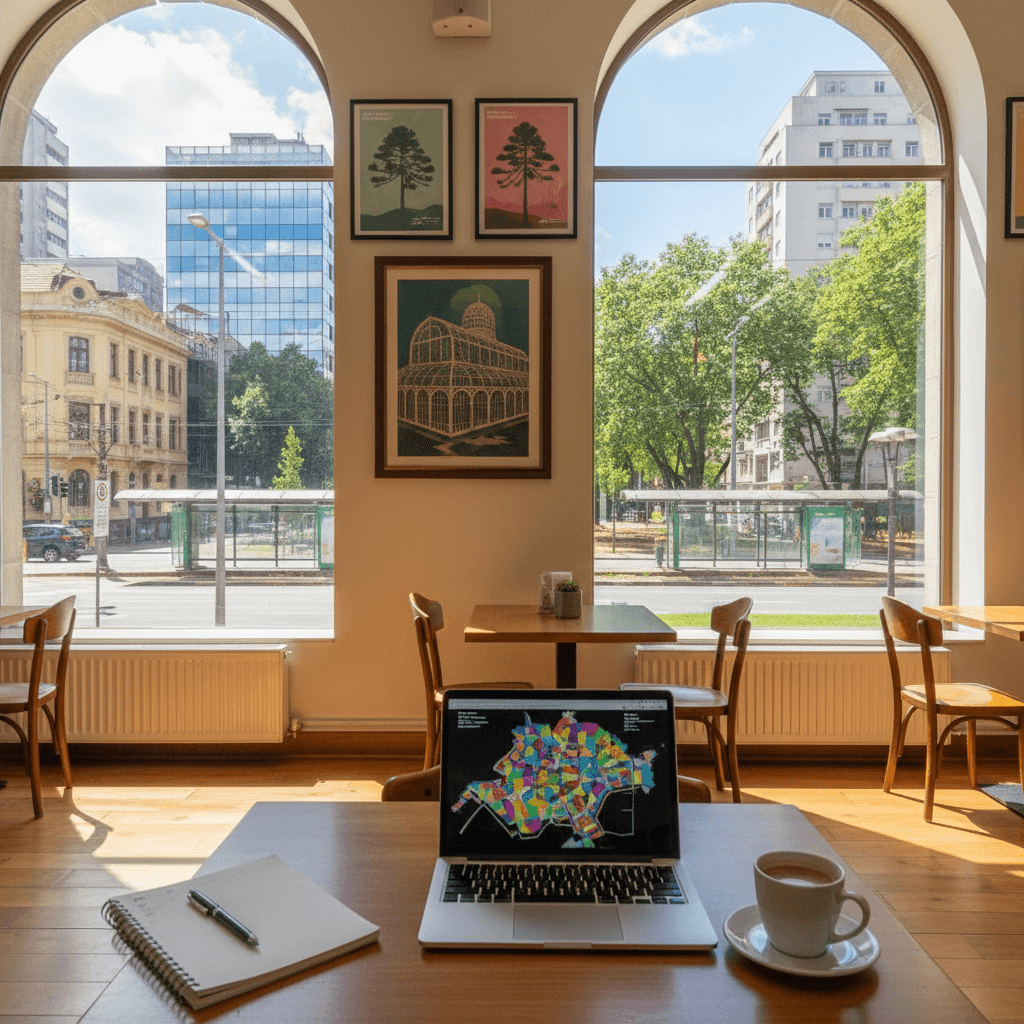
If you prefer the "coffice" lifestyle, Curitiba’s cafe culture is top tier. Many cafes in Batel and Centro are used to people staying for a couple of hours with a laptop. Just keep an eye on your gear and try to buy a fresh coffee or snack every ninety minutes to keep the staff happy.
Digital Nomad Logistics
Brazil now offers a Digital Nomad Visa (VITEM XIV) which is valid for one year and can be renewed. It's a game changer if you want to settle into Curitiba long term. To qualify, you'll need to show a remote work contract and a monthly income of at least $1,500, or have $18,000 in savings.
Most nomads find that having a CPF (a Brazilian tax ID) makes life significantly easier. While you can get by without one for a short stay, you'll need it for things like signing up for local gym memberships or certain delivery apps. You can apply for this online through the government portal before you even land.
Budgeting for Your Setup
Your tech and connectivity costs will vary based on how much you rely on dedicated office space versus working from home. Here is what a typical monthly setup looks like:
- Budget Setup: $100. This covers a local SIM card and occasional drop-in days at a shared workspace or mostly working from cafes.
- Mid-range Setup: $200. A solid mobile data plan plus a part-time membership at a coworking space in Centro.
- Professional Setup: $300+. High speed home fiber, a premium unlimited eSIM, and a dedicated desk in a Batel coworking hub.
While the nomad community is smaller than in Florianópolis or Rio, it’s tight knit. Expats recommend joining local Facebook groups or checking Digital Nomad Hub for meetups. You'll often find people gathering at parks or local breweries after work, which is the best way to get the "insider" tips on which cafes have the most reliable backup generators or the fastest free Wi-Fi.
Personal Safety and Street Smarts
Curitiba stands out as one of the safest major cities in Brazil, often feeling more like a tidy European capital than the chaotic urban centers of Rio or São Paulo. Most nomads feel comfortable walking around during the day, especially in well-heeled neighborhoods like Batel and Água Verde. These areas are polished, well-lit, and have a heavy security presence that makes outdoor dining and evening strolls feel low-stress.
The Centro district is great for logistics and culture, but it requires a bit more awareness. Like any downtown core, it gets quiet and somewhat sketchy after business hours. Travelers recommend sticking to main thoroughfares and taking an Uber or 99 ride if you're out late, rather than wandering into isolated side streets. While violent crime is significantly lower here than in other Brazilian hubs, petty theft like phone snatching can happen. Keep your iPhone in your pocket while waiting for your ride and don't leave your laptop unattended at a cafe table while you grab a napkin.
If you run into any trouble, the emergency number for the police is 190. For medical emergencies or an ambulance, dial 192. Most expats find that as long as they follow basic "big city" rules, Curitiba is a relaxing place to call home.
Healthcare Quality and Access
The healthcare standard in Curitiba is excellent, with several facilities that rival international hospitals. You'll find that many doctors in private clinics speak English, though nursing staff and receptionists usually stick to Portuguese. Having a translation app like Google Translate on your phone is a lifesaver for filling out intake forms or explaining specific symptoms.
For high-end care, the city has several reputable private hospitals. Pharmacies are on almost every corner, often staying open 24/7. You can find most over-the-counter medications easily, and pharmacists are usually very helpful with minor ailments. If you need a specific prescription from home, bring the original bottle, but be aware that many local equivalents are available for a fraction of the price you'd pay in the US or Europe.
Staying Healthy in the City
The air quality is generally moderate with an average AQI of 77, which is decent for a city of this size, thanks largely to the massive amount of green space and the efficient bus system that keeps car traffic down. The tap water is technically treated, but most nomads and locals prefer using a filter or buying bottled water to avoid any stomach upsets. Food safety is high, and you can eat at the local "kilo" restaurants or street stalls with confidence.
Before you arrive, make sure you have solid travel insurance or a nomad-specific health plan. While Brazil has a public healthcare system (SUS) that provides free emergency care to everyone, the wait times are long. For anything non-urgent, you'll want to use the private system where a consultation might cost between $50 and $100 out of pocket if you aren't covered by a local plan like Unimed.
Practical Health and Safety Checklist
- Insurance: Get a plan that covers private hospital stays to avoid the public system's long queues.
- Transport: Use Uber or 99 for door-to-door safety after 10:00 PM.
- Connectivity: Keep a local SIM from Vivo or Claro so you always have GPS and emergency calling capability.
- Environment: The weather changes fast; carry a light jacket and an umbrella to avoid getting caught in the frequent rain, which can lead to a nasty cold.
The Masterclass in Urban Planning
Curitiba isn't your typical Brazilian city. While Rio and São Paulo can feel like beautiful, chaotic puzzles, Curitiba is the city that actually works. It's famous globally for its Integrated Transport Network, a system so efficient that urban planners from all over the world fly here just to study it. For you, that means getting across town is cheap, predictable, and surprisingly fast.
The backbone of the city is the RIT (Rede Integrada de Transporte). You'll recognize the iconic glass tube stations immediately. These allow you to pay your fare before the bus arrives, making boarding nearly instantaneous. A single fare is around $1.20, and you can transfer between lines at the "Terminais" without paying again. It's a lifesaver if you're living in Centro but want to spend your afternoon working from a cafe in Batel.
Ride Hailing and Apps
While the buses are great for daytime commutes, most nomads lean on ride hailing apps when the sun goes down or when carrying a laptop bag. Uber is the dominant player here, but you should also download 99, a local favorite that often runs aggressive discounts. A typical ten or fifteen minute ride across the central neighborhoods usually costs between $3 and $7.
If you're heading in from Afonso Pena International Airport, skip the expensive private transfers. An Uber to the city center takes about 30 to 45 minutes and will set you back roughly $20 to $30 depending on the surge. It's the most seamless way to get to your Airbnb after a long flight.
Two Wheels and Two Feet
Curitiba is remarkably flat and green, which makes it one of the most bike friendly spots in Brazil. The city has invested heavily in dedicated cycling lanes that connect major parks like Barigui and Jardim Botânico. You'll find plenty of rental options and bike sharing docks scattered around Batel and Água Verde. It's a great way to save on the $50 monthly transport budget most mid range nomads set aside.
Walking is also a viable strategy if you stick to the right areas. Batel is a dream for pedestrians; you've got grocery stores, gyms, and coworking spaces all within a 15 minute radius. Centro is equally walkable during the day, though travelers often recommend sticking to well lit main drags after dark. The sidewalks are generally well maintained, a rarity in this part of the world.
Practical Transit Tips
- Get a Cartão Transporte: While you can pay with credit cards or cash on some lines, having a rechargeable transport card makes the tube stations much easier to navigate.
- Avoid Peak Hours: The "Express" buses (the big red ones) get incredibly packed between 7:30 AM and 9:00 AM and again from 5:30 PM to 7:00 PM. If you're working on a nomad schedule, travel mid day to snag a seat.
- Safety First: Curitiba is safer than its northern neighbors, but don't get complacent. Keep your phone tucked away while waiting for your Uber on the street, especially in the Setor Histórico area at night.
Transport Cost Breakdown
- Public Transport Pass: Approximately $50 per month for daily commuters.
- Average Uber/99 Ride: $3 to $10 for most inner city trips.
- Airport Transfer: $20 to $30 via ride hailing apps.
- Bike Rental: Many nomads find $15 to $25 a month covers occasional rentals and short term shares.
The Language Barrier
You'll find that Curitiba feels more European than most of Brazil, but the language situation is still very much local. Portuguese is the daily driver here. While the city is a hub for tech and urban planning, English proficiency is best described as moderate. You'll have no trouble in high end hotels or trendy spots in Batel, but your local bakery or bus driver likely won't speak a word of English.
Expats frequently mention that Curitibanos are polite but can be a bit more reserved than people in Rio or Salvador. Learning a few basics goes a long way in breaking the ice. If you show up with a "Bom dia" (Good morning) and a "Tudo bem?" (How's it going?), locals usually open up and are happy to help you figure things out.
Digital Tools for Daily Life
Don't try to wing it without a solid data plan. Most nomads rely heavily on Google Translate for real time conversations. The camera feature is a lifesaver for reading menus or signs at the Mercado Municipal. Since you'll be using apps for almost everything, grab a local SIM from Claro or Vivo or set up a Holafly eSIM before you land. Having unlimited data for $10 to $20 a month makes navigating the city's complex bus system much less stressful.
Key Phrases to Know
- Olá / Oi: Hello / Hi.
- Obrigado (m) / Obrigada (f): Thank you.
- Quanto custa?: How much does it cost?
- Com licença: Excuse me (used when passing through a crowd).
- Desculpe: Sorry.
- Você fala inglês?: Do you speak English?
- A conta, por favor: The bill, please.
The Social Context
While the nomad community is smaller here than in São Paulo, it's growing. You'll find that younger professionals in coworking spaces often speak decent English and are eager to practice with you. If you're staying for more than a month, it's worth looking into a "Portuguese for Foreigners" course or checking Facebook groups for language exchange meetups. It's the fastest way to move beyond the tourist bubble and actually understand the city's unique culture.
One specific quirk to listen for is the local accent. Curitibanos are known for a very clear, almost "sing song" way of speaking Portuguese compared to the faster, more slurred speech you might hear in the north. It actually makes Curitiba one of the better places in Brazil to practice your listening skills because the pronunciation is relatively crisp.
Practical Communication Tips
- Download the offline Portuguese dictionary on Google Translate so you aren't stranded if your signal drops in a basement cafe.
- When using Uber or 99, most drivers will confirm your destination verbally. A simple "Sim" or "Isso mesmo" is usually all you need.
- In restaurants, servers don't always bring the bill automatically. You'll need to catch their eye and make a writing motion in the air or say "A conta, por favor."
- If you're dealing with official business like getting a CPF or setting up a long term rental, bring a Portuguese speaking friend or use a translation app. Official paperwork is rarely available in English.
The Four Seasons in One Day
Curitiba has a bit of a reputation among Brazilians for its unpredictable weather. It's common to hear locals joke that you should carry sunglasses, an umbrella, and a heavy coat all in the same afternoon. Because the city sits on a plateau about 900 meters above sea level, it doesn't get that sweltering, tropical heat you'll find in Rio or Fortaleza. Instead, you get a temperate, subtropical climate that feels much more European.
Most nomads find the humidity is the biggest factor to plan around. Even when it’s sunny, the air stays damp, and the city sees a fair amount of rain throughout the year. If you’re coming from a dry climate, the 77 AQI moderate air quality and frequent mist might take a week or two to get used to.
The Best Time to Visit: April to September
If you want the most stable conditions for outdoor coffee sessions in Batel or weekend strolls through the Botanical Garden, aim for the Brazilian autumn and winter. From April to September, the weather is significantly drier and the skies are often clear.
- April and May: These are the "sweet spot" months. The heavy summer rains have tapered off, and temperatures hover between 18°C and 25°C. It’s perfect sweater weather for working from a cafe patio.
- June to August: This is true winter. It can get surprisingly chilly, with highs around 18°C to 20°C and nights that occasionally drop toward freezing. Since many Brazilian apartments lack central heating, expats recommend bringing high quality layers or buying a space heater at a local mall like Shopping Mueller.
- September: Spring brings flowers to the city's many parks, though the rain starts to pick up again toward the end of the month.
The Rainy Season: October to March
Summer in Curitiba isn't just about heat; it's about water. From October through March, the city experiences its peak rainfall. While the mercury climbs to around 27°C or 30°C, the humidity makes it feel much stickier. Travelers often say January and February are the hardest months to stay productive if you rely on walking everywhere, as sudden downpours can soak the streets in minutes.
If you do visit during the summer, you'll want to lean heavily on Uber or the 99 app to get around. Rides usually cost between $3 and $10, which is a small price to pay to avoid a soaking. It's also the high season for local tourism, so expect popular spots like the Oscar Niemeyer Museum to be more crowded.
What to Pack
Packing for Curitiba requires a bit more strategy than a typical beach trip to Brazil. Because of the damp cold in the winter and the frequent summer rain, your wardrobe needs to be versatile. Most nomads recommend a solid waterproof shell and at least one heavy fleece or light down jacket if you're staying through July.
- A sturdy umbrella: Don't buy a cheap one on the street; the wind near the parks will flip it instantly.
- Layers: Think t-shirts for the 25°C afternoons and hoodies for the 12°C evenings.
- Water-resistant shoes: Curitiba is a very walkable city, especially in Centro and Batel, but the sidewalks stay wet long after the rain stops.
Seasonal Atmosphere at a Glance
- Summer (Dec, Jan, Feb): Highs of 27°C. Expect humidity, frequent afternoon thunderstorms, and a lively, festive atmosphere.
- Autumn (Mar, Apr, May): Highs of 22°C. The most pleasant time for digital nomads, with mild days and crisp nights.
- Winter (Jun, Jul, Aug): Highs of 19°C. Dry and sunny but cold. Great for enjoying the city's sophisticated indoor dining and wine bars.
- Spring (Sep, Oct, Nov): Highs of 24°C. Beautiful blooms in the parks, but the rain starts returning in earnest.
Connectivity and Tech Setup
Curitiba isn't known for blazing fast speeds compared to São Paulo, but it's reliable enough for most remote work. Average speeds now frequently exceed 140 Mbps, and you can find even faster fiber options in modern apartment buildings in Batel. Most cafes have decent WiFi, but for a guaranteed stable connection, look for local coworking hubs or spaces like WeWork.
Getting a SIM card is your first priority. Grab a prepaid chip from Claro or Vivo at any shopping mall for about $10 to $20 a month. If you prefer to hit the ground running, an eSIM from Holafly provides unlimited data without the hassle of a physical store. For banking, most nomads use Wise or Nubank, as cards are accepted almost everywhere, even by street food vendors.
Cost of Living Breakdown
Living here is surprisingly affordable, especially given the high quality of life. You can live comfortably on a mid range budget of $1,300 to $1,800 per month. If you are on a tighter budget, you can get by on $900 to $1,200 by staying in Centro and sticking to local eateries.
- Budget: $900 to $1,200 (Shared housing, street food, public transit)
- Mid range: $1,300 to $1,800 (1BR in Batel, mid range dining, occasional Ubers)
- Comfortable: $2,000+ (Upscale apartment, fine dining, full time coworking)
Navigation and Transport
The city's bus system is legendary for its efficiency. You'll see the iconic glass tube stations everywhere. A monthly pass costs around $50, but Curitiba is also very bike friendly if you prefer two wheels. For late nights or rainy days, Uber and 99 are the go to apps. A typical ride across town usually sets you back between $3 and $10.
When you arrive, an Uber from Afonso Pena International Airport to the city center takes about 30 to 45 minutes and costs roughly $20 to $30. It's the safest and easiest way to get to your accommodation with luggage.
Safety and Health
Expats generally feel much safer here than in Rio or São Paulo. The city is well organized and clean, but you still need to keep your wits about you. Stick to well lit areas at night, particularly in Batel or Centro. If you have an emergency, dial 190 for police or 192 for an ambulance.
Healthcare is high quality with plenty of private hospitals and pharmacies on every other corner. The air quality is usually moderate, though the humidity can pick up during the rainy season. Most travelers find the food standards high, but it's always smart to stick to bottled water if you have a sensitive stomach.
Weather and Timing
Curitiba has a subtropical climate that can be quite unpredictable. Locals often say you can experience four seasons in a single day. The best time to visit is from April to September, when it's drier and temperatures are a pleasant 18 to 25°C.
- Rainy Season: October to March (Expect frequent afternoon downpours)
- Peak Summer: January and February (Humid, highs of 30°C, and more crowds)
- Winter: June to August (Can get chilly, around 18°C during the day)
Language and Local Customs
Portuguese is the primary language. While English proficiency is moderate in business districts like Batel, you'll struggle in local markets without some basic phrases. Download Google Translate for offline use. Brazilians are generally punctual and very environmentally conscious, so be sure to follow the local recycling rules, which are strictly observed here.
Need visa and immigration info for Brazil?
🇧🇷 View Brazil Country GuideEasy Landing
Settle in, no stress
Monthly Budget Estimates
More cities in Brazil
Campinas
🇧🇷 Brazil
São Paulo
🇧🇷 Brazil
Salvador
🇧🇷 Brazil