Cuenca
🇪🇨 Ecuador
The Andean Eternal Spring
Cuenca feels like a secret the rest of the world is finally starting to whisper about. While Quito has the scale and Guayaquil has the heat, Cuenca sits at a comfortable 8,200 feet in the Andes, offering a pace of life that feels intentionally slowed down. It is a city of four rivers and dozens of church steeples, where the morning air is crisp enough for a light jacket and the afternoons settle into a steady, spring like warmth. Most nomads find that the city strikes a rare balance; it has the infrastructure of a modern capital but the soul of a colonial mountain town.
The vibe here is defined by a strange, beautiful contrast. You will see indigenous Cañari women in traditional dress selling bundles of herbs at the 10 de Agosto market, just a few blocks away from Urban Cowork, where remote workers are pulling 100 Mbps speeds on fiber optic lines. It is an easy place to exist. You do not fight the city here; you flow with it, usually ending up at a riverside cafe in El Barranco to watch the Tomebamba River rush past.
A Community for the Long Haul
Unlike transient nomad hubs where people cycle out every two weeks, Cuenca attracts a "slowmad" crowd and a deep rooted expat community. People come for a month and stay for a year. The Cuenca Digital Nomads Facebook group is active with over 1,000 members, and you will find that networking happens organically at language exchanges or over $3 lunches. While the city is undeniably traditional, the locals are used to foreigners, and there is a genuine sense of safety that is becoming harder to find in other South American hubs.
However, the city does demand some adjustments. It is a cash heavy society. Most small shops and local eateries will hit you with an 8% surcharge if you try to use a card, so you will get used to visiting the ATM frequently. English is common in the Historic Center, but if you step into the local neighborhoods or need to negotiate a repair, your Spanish will need to carry the weight. It is the kind of place that rewards the effort you put into it.
The Cost of Comfort
Your dollar goes incredibly far here, which is why Cuenca remains a top tier value destination for 2025 and 2026. A solo nomad can live quite well on $2,000 a month, while those on a tighter budget can scrape by on $1,500 if they stick to local markets and shared housing. If you are looking for a high end lifestyle with a luxury condo and frequent fine dining, you will struggle to spend more than $2,600.
Monthly Budget Breakdown:
- Housing: A modern 1BR in El Barranco or the Historic Center typically runs between $400 and $600. If you look toward the outskirts near the tram lines, prices drop to $300.
- Food and Drink: A traditional "almuerzo" (set lunch) costs about $3.50. A nice dinner for two with wine in a mid range spot will hover around $25.
- Connectivity: High speed home internet averages $25, and a 10GB mobile plan from Claro is roughly $10.
- Transportation: The shiny new tram and local buses are a steal at $0.30 per ride. If you prefer door to door service, the InDriver app is the local go to, with most cross city trips costing $2 to $5.
The Neighborhood Landscape
Choosing where to plant your flag depends on how much of the "expat bubble" you want to experience. Most nomads gravitate toward the water or the cobblestones.
El Barranco
- Best for: Digital nomads and solo travelers who want to be near the action.
- The Vibe: This is the bridge between the old world and the new. It is walkable, packed with cafes, and offers easy access to the river paths for morning runs.
- The Trade off: It can get noisy on weekends, and rents are slightly higher due to demand.
Historic Center (Centro Historico)
- Best for: Culture seekers and photographers.
- The Vibe: Living among UNESCO world heritage sites. You are steps away from the New Cathedral and the best art galleries in the city.
- The Trade off: The streets are narrow and can feel crowded during the workday, and the colonial buildings sometimes have "charming" (read: old) plumbing.
The Outskirts (Via Tram Lines)
- Best for: Families or budget travelers looking for quiet.
- The Vibe: More residential, more green space, and much lower prices. The tram makes it easy to zip into the center in 15 minutes.
- The Trade off: You will feel less connected to the nomad social scene and will likely need to cook at home more often.
Living the Andean Dream on a Budget
Cuenca is famous for its affordability, but it's the quality of life you get for the price that really sticks with people. You aren't just surviving here; you're living in a UNESCO World Heritage site with spring-like weather for a fraction of what you'd pay in North America or Europe. Most solo nomads find that $2,000 per month buys a very comfortable lifestyle, while couples can live well on about $23,000 per year.
The city operates on a tiered system based on your lifestyle choices. If you're keeping things lean, a budget of $1,500 is doable if you stick to shared housing and local markets. On the other end, $2,500 or more puts you in a luxury penthouse with frequent fine dining and private transport.
Monthly Budget Tiers
- The Budget Nomad ($1,500): Focuses on shared rentals or hostels ($300 to $500), eats $3 to $5 street food or market lunches, and uses the $0.25 public bus system.
- The Mid-Range Professional ($2,000 to $2,600): Typically rents a private studio in El Barranco ($400 to $600), enjoys $10 meals at mid-range bistros, and uses InDriver for getting around.
- The High-End Expat ($2,500+): Opts for upscale apartments in the Historic Center ($700+), dines at top-tier restaurants ($20+ per plate), and maintains a higher entertainment budget.
Housing and Neighborhoods
Rent is your biggest variable. Most nomads gravitate toward El Barranco because it's walkable and close to the action. If you want more space for less money, look toward the outskirts near the tram lines, though you'll trade away some of the evening vibe.
El Barranco (Nomad Favorite)
- Monthly Rent: $400 to $600 for a 1BR or studio.
- Vibe: Central, close to cafes, and very social.
- Trade-off: Can get noisy on weekends.
Historic Center
- Monthly Rent: $500 to $800 for colonial-style units.
- Vibe: Stunning architecture and cobblestone streets.
- Trade-off: Higher tourist traffic and premium prices.
Daily Expenses and Lifestyle Costs
Eating out is remarkably cheap if you follow the local lead. An almuerzo (fixed-price lunch) at a neighborhood spot usually costs between $3 and $5 and includes soup, a main, and juice. If you prefer cooking at home, groceries are affordable, though imported goods from the US or Europe carry a heavy markup.
Connectivity is another win for Cuenca. You can get unlimited fiber-optic internet for about $25 per month. For mobile data, Claro and Movistar offer 10GB plans for roughly $10. If you need a dedicated workspace, Urban Cowork is a local favorite. They offer high-speed fiber and a great community atmosphere for around $100 a month, though many nomads just work from their cafe for the price of a coffee.
Transportation and Logistics
You don't need a car here. The city is highly walkable, and the $0.30 tram is efficient for longer hauls. For late-night trips or grocery runs, the InDriver app is the standard, with most rides across town costing between $2 and $5.
One thing to prepare for is the cash-heavy culture. While high-end spots take cards, many local vendors will hit you with an 8% surcharge for plastic. Most expats recommend keeping a stash of small bills and coins for daily transactions. It's a small hurdle for a city where your utilities (water and electricity) rarely top $22 a month.
For Digital Nomads: El Barranco
If you want to be in the middle of the action, El Barranco is the place to be. It acts as the bridge between the old world of the historic center and the newer parts of town. Most nomads gravitate here because it is incredibly walkable and packed with cafes that actually understand the need for fiber optic internet.
You will find a high concentration of remote workers at Urban Cowork, which is a favorite because you can get high speed access just by supporting their cafe. The social scene is active, and you can easily connect with the Cuenca Digital Nomads Facebook group for weekly meetups in the area. The vibe is energetic but still maintains that relaxed Andean pace.
- Monthly Rent: $400 to $600 for a furnished studio or one bedroom apartment.
- Atmosphere: Lively, social, and slightly touristy with plenty of English spoken.
- Connectivity: Excellent; this is the hub for the city's best WiFi.
For Expats and History Buffs: The Historic Center
Living in the UNESCO World Heritage heart of the city feels like stepping back in time. It is defined by cobblestone streets, massive blue domed cathedrals, and flower markets. Long term expats often choose this area because everything you need, from government offices to traditional markets, is right outside your front door.
The architecture is stunning, but keep in mind that older buildings can sometimes be drafty or noisy. It is the cultural soul of Cuenca, meaning you are never more than a few blocks from an art gallery or a local festival. It is safe and very walkable, though it gets crowded during the day when the cruise crowds or tour groups roll through.
- Monthly Rent: $500 to $700+ for renovated colonial suites.
- Atmosphere: Culturally rich, busy during the day, and peaceful at night.
- Top Perk: Immediate access to the city's best museums and architectural landmarks.
For Families and Budget Travelers: The Outskirts and Tram Line
If you prefer a quiet night's sleep or need more square footage for the kids, look toward the residential areas along the $0.30 tram line. These neighborhoods offer a more authentic, local experience away from the expat bubble. You get much more value for your money here, and the tram makes getting into the center a breeze.
Families appreciate the proximity to larger parks and modern grocery stores. While you won't find a coworking space on every corner, the residential internet is reliable enough for most remote jobs. It is the best way to keep your total monthly spend closer to the $1,500 mark without sacrificing comfort.
- Monthly Rent: $300 to $500 for multi bedroom houses or modern apartments.
- Atmosphere: Quiet, residential, and very local.
- Transport: Highly dependent on the tram and the InDriver app, which usually costs $2 to $5 for a cross town trip.
For Solo Travelers: Near San Sebastian Park
Located on the western edge of the historic district, the area around San Sebastian Park is a sweet spot for solo travelers. It feels like a small village within the city. It is a bit more bohemian and less polished than the main square, which attracts a younger, creative crowd. There are several hostels and small guesthouses where it is easy to meet people without the noise of the main tourist drag.
The park itself is a great place to hang out with a book or grab a $3 to $5 lunch at a nearby cafe. It is safe enough for solo walks at night, provided you stay on the main well lit paths. You are close enough to the nightlife in El Barranco to walk home, saving you the hassle of finding a taxi late at night.
- Daily Cost: $15 to $25 for a decent hostel bed or small private room.
- Vibe: Artistic, laid back, and friendly.
- Safety: High; well populated with locals and travelers alike.
Connectivity in the City
Cuenca is a rare find in the Andes where you don't have to sacrifice bandwidth for mountain views. Citywide speeds typically range between 47 and 101 Mbps, with fiber optic connections becoming the standard in most modern apartments and dedicated workspaces. While the historic adobe walls in the center can sometimes play havoc with internal WiFi signals, the infrastructure itself is remarkably stable.
For mobile data, skip the international roaming and grab a local SIM card immediately. Claro and Movistar are the two main players. Most nomads prefer Claro for its slightly better coverage when heading out on weekend trips to Cajas National Park. You can pick up a basic plan with 10GB of data for around $10 per month at almost any small tienda or official storefront. Just bring your passport for the registration process.
Top Coworking Spots
The coworking scene here is intimate rather than corporate, which makes it easy to actually meet people. Urban Cowork is the heavy hitter in town. It operates with a unique model that nomads love; you can access their high speed fiber optic internet and cafe space for $0 per month, provided you're supporting their cafe. It has become the de facto headquarters for the Cuenca Digital Nomads Facebook group, which has over 1,000 members.
If you need a more traditional office setup with dedicated desks or private booths for calls, expect to pay around $100 per month for full time access at various boutique spaces around El Barranco and the Historic Center. These areas are the most walkable and house the highest concentration of laptop friendly spots.
Laptop Friendly Cafes
Cuenca has a deep seated coffee culture that translates well to remote work. Many cafes are accustomed to seeing a laptop, though it is polite to keep ordering if you plan to stay for a few hours. The Historic Center is packed with colonial buildings turned into airy courtyards that offer great natural light and decent speeds.
- El Barranco Area: This neighborhood is the sweet spot for many. It is less noisy than the city center but keeps you close to the river trails for a midday break.
- The Tram Line: If you find a spot along the $0.30 tram route, you can get from the outskirts to the main hubs in minutes, making it easy to hop between your apartment and your favorite cafe.
- Connectivity Tip: Always ask for a speed test if you are booking an Airbnb for a long stay. While unlimited internet usually costs the host about $25, some older buildings in the outskirts might still rely on slower copper connections.
Digital Nomad Community
Networking happens naturally here. Beyond the formal coworking spaces, the community stays connected through active social media groups and weekly meetups. You'll find a mix of tech workers, writers, and slow traveling families. If you are looking to scale a business or find collaborators, keep an eye out for the Cuenca Startup Weekend, an annual event that draws in the local and expat entrepreneurial crowd.
One thing to keep in mind is the local "cash is king" mentality. Even in tech forward spaces, card readers often come with an 8% surcharge. Most nomads use InDriver for getting around, which costs $2 to $5 per trip, and they keep plenty of small bills on hand for cafe tabs and coworking day passes. It is a minor hurdle for a city that offers such a high quality of life for a $2,000 monthly budget.
Staying Safe in the Andes
Cuenca consistently ranks as one of the safest cities in Ecuador, which is a major reason why the expat and nomad community here is so robust. You can generally walk through the Historic Center or along the Tomebamba River during the day without a second thought. Most residents feel comfortable exploring the city on foot, though it is always smart to keep your phone tucked away while walking near busy intersections or crowded markets.
While violent crime is rare, petty theft like pickpocketing can happen in crowded areas. Local nomads suggest being extra cautious on the public buses or during busy festivals. As the sun sets, it is best to stick to well lit areas like El Barranco or the main plazas. If you are heading to the outskirts of town or returning late from a bar, skip the walk and use the InDriver app. It is the go to ride hailing service here, and most trips across town will only set you back $2 to $5.
One specific safety tip for Cuenca involves the terrain and altitude. At roughly 8,400 feet, the sun is incredibly strong even when it feels cool. Locals and long term travelers recommend high SPF sunscreen and staying hydrated to avoid altitude headaches during your first week. Tap water in Cuenca is actually considered some of the best in South America and many expats drink it directly, but if you have a sensitive stomach, sticking to bottled or filtered water for the first few days is a safe bet.
Healthcare Standards and Facilities
The quality of healthcare in Cuenca is a pleasant surprise for many newcomers. The city is a regional medical hub, meaning you have access to modern facilities and specialists that rival what you would find in North America, often at a fraction of the cost. Many doctors in the private sector studied abroad and speak excellent English, which helps bridge the gap if your Spanish is still a work in progress.
- Public vs. Private: Most nomads and expats opt for private care. It is affordable enough to pay out of pocket for routine visits, but having a private insurance plan is recommended for peace of mind.
- Emergency Services: Dial 911 for emergencies. Response times in the city center are generally quick, though traffic can be a factor during peak hours.
- Pharmacies: You will find a Farmacia on almost every corner. Many medications that require a prescription elsewhere are available over the counter here, and pharmacists are often helpful with minor ailments.
Key Medical Contacts
If you need serious medical attention, there are several reputable hospitals equipped with modern technology. Expats frequently recommend Hospital Universitario del Río and Hospital Santa Inés for their high standards of care and English speaking staff.
Common Healthcare Costs:
- General practitioner visit: $30 to $50
- Specialist consultation: $50 to $80
- Basic dental cleaning: $40 to $60
- Monthly private health insurance: $50 to $100 depending on age and coverage
The healthcare system is efficient enough that you can often book a specialist appointment for the same week, if not the same day. This ease of access, combined with the low cost of prescriptions, makes Cuenca an ideal base for anyone who wants to maintain their health without the high price tag of Western medical systems.
Getting Around the City
Cuenca is one of those rare cities where you can truly ditch the car. The historic center is laid out in a classic grid, making it incredibly walkable. Most nomads who settle in El Barranco or the Historic Center find they rarely need more than a comfortable pair of shoes to reach their favorite cafes or coworking spots like Urban Cowork.
The Tranvía (Tram)
The crown jewel of Cuenca's transit system is the modern tram, known as the Tranvía. It’s clean, efficient, and cuts right through the heart of the city, connecting the airport in the northeast to the edges of town in the southwest. It is a lifesaver if you decide to live in the quieter outskirts where rent is cheaper.
- Cost: $0.30 per ride.
- Payment: You'll need a rechargeable transit card, which you can buy and top up at machines located at most stops.
- Utility: It's the fastest way to get across town during peak traffic hours when the cobblestone streets get backed up.
Public Buses
While the tram follows a fixed line, the blue public buses spiderweb across the entire city. They are frequent and cheap, though they can get crowded during the lunch rush or when schools let out. Most nomads use them for longer hauls to the shopping malls or the main bus terminal (Terminal Terrestre) for weekend trips.
- Fare: $0.25 per trip.
- Pro Tip: You need a Movilizate card to ride; drivers generally don't accept cash anymore. You can pick these up at various kiosks around the city.
Rideshares and Taxis
If you're out late or carrying groceries, hailing a ride is the way to go. Standard yellow taxis are everywhere. Always make sure they use the meter (taximetro) during the day; at night, it's common to negotiate a flat rate before you hop in. For a more modern experience, skip the traditional apps and go with what the locals use.
- InDriver: This is the dominant app in Cuenca. Unlike Uber, you propose your fare and drivers bid on the job. Most short trips across the center cost between $2 and $3.
- Airport Transfers: A ride from Mariscal Lamar International Airport to the city center usually runs between $2 and $5 and takes about 10 minutes.
- Safety: Rideshares are generally considered safer for solo travelers at night than walking through less populated areas.
Cycling and Micro-mobility
The city has made a push toward being bike friendly, with dedicated lanes appearing along the Tomebamba River. It’s a scenic way to commute if you’re staying in El Barranco. You’ll see plenty of electric scooters around too, though the historic cobblestones can make for a bumpy ride. If you plan on cycling, stick to the paved paths near the water for a much smoother experience.
Leaving the City
When the mountains call, the Terminal Terrestre is your hub. From here, you can catch buses to Cajas National Park or nearby artisan villages for just a few dollars. If you’re heading to the coast or Quito, regional buses are frequent, though many nomads prefer the $20 to $30 private shuttles for the extra comfort on long Andean winding roads.
The Spanish Reality
While Cuenca is a major hub for retirees and remote workers, don't expect a bilingual bubble the moment you step off the plane. Spanish is the heartbeat of the city. In the Historic Center and El Barranco, you will find plenty of cafe owners and tour operators who speak English, but that safety net thins out quickly once you head toward the markets or the outer tram lines.
Most nomads find that while you can survive with "Spanglish" and frantic gesturing, your quality of life improves drastically with even a basic grasp of the language. Locals are generally patient and appreciative when you try, but for daily errands like getting a Claro SIM card or negotiating a ride on InDriver, having a few phrases ready is a game changer.
Essential Communication Tools
Cuenanos rely heavily on WhatsApp. Whether you are booking a hair appointment, messaging a landlord about a studio apartment, or ordering water delivery, it happens over text. If you don't have the app installed, you are essentially invisible to the local economy.
- Google Translate: Download the offline Spanish dictionary. It is a lifesaver in local mercados where vendors speak quickly and use regional slang.
- InDriver: This is the go-to app for transport. Since you have to negotiate your fare in the app before the driver arrives, knowing your numbers in Spanish is vital.
- Facebook Groups: Join Cuenca Digital Nomads or Expats in Cuenca. These are the primary channels for finding community events, language exchanges, and reliable local fixers.
Key Phrases for Daily Life
You will hear certain phrases on repeat. Mastering these helps you blend in and navigate the city's cash heavy culture more smoothly.
- ¿Cuánto cuesta?: How much does it cost? Use this at every market stall.
- La cuenta, por favor: The bill, please. Dining is relaxed here, so servers won't bring the check until you ask.
- ¿Acepta tarjeta?: Do you accept cards? Most places don't, or they'll charge an 8% fee, so this is a vital question before you sit down.
- Sencillo: This refers to "small change." Since $20 bills are often treated like gold bars, vendors will constantly ask if you have sencillo.
Language Schools and Exchanges
If your Spanish is rusty, Cuenca is one of the most affordable places in South America to take classes. Many nomads spend their first two weeks here in intensive 1-on-1 sessions. If you prefer a more social approach, head to Urban Cowork. It is a natural magnet for the remote work crowd, and you will often find informal language exchanges happening over coffee.
For a more structured social vibe, keep an eye on the Expats in Cuenca Facebook page for weekly meetups. These gatherings are usually held in the Historic Center and are a great way to meet locals who want to practice their English while you stumble through your Spanish. It is a low pressure way to bridge the communication gap while making friends in your first few weeks.
If you're looking for a place where you can wear a light sweater in the morning and a t-shirt by lunch, Cuenca is your spot. Locals call it the city of eternal spring, but don't let the poetic name fool you. It's less about blooming flowers and more about a consistent, temperate climate that rarely dips below 50°F (10°C) or climbs above 70°F (21°C). You can leave the heavy parkas and the humid-weather gear at home.
The Best Time to Visit
The sweet spot for most nomads and travelers falls between June and December. This is the dry season, characterized by crisp, sunny days and cool evenings. It's the ideal time for walking the cobblestone streets of the Historic Center or hiking the nearby Andean trails without getting caught in a sudden downpour. This window also aligns with some of the city's best cultural events, making it the most social time to be in town.
Most expats recommend arriving by late October to catch the Fiestas de Cuenca in early November. The city explodes with parades, concerts, and artisanal markets. It's the liveliest you'll ever see the streets, though you should book your apartment in El Barranco well in advance if you plan to be there during the celebrations.
The Rainy Season Reality
From January through May, the clouds roll in more frequently. You'll typically experience sunny mornings followed by heavy, predictable afternoon showers. It's rarely a total washout, but you'll want to plan your deep-work sessions at Urban Cowork for the afternoons when the rain hits. March and April tend to be the wettest months, which can make the stone streets a bit slippery and the air feel a little more chilled.
Seasonal Breakdown
- June to September: The driest and windiest months. Expect clear blue skies and the best visibility for mountain views. Highs sit around 68°F (20°C).
- October to December: Occasional light showers return, but the weather remains largely pleasant. This is peak festival season.
- January to May: The official rainy season. Mornings are often bright, but high humidity in the afternoons leads to daily rain. Temperatures hover between 60°F and 68°F.
What to Pack
The key to surviving Cuenca's microclimates is layering. Even in the "dry" season, the Andean sun is intense due to the altitude. Most nomads find that a combination of a light rain shell, a few high-quality hoodies, and breathable cotton shirts covers every possible scenario. Since many older apartments in the center lack central heating, a pair of warm socks or indoor slippers is a pro tip often shared in the Cuenca Digital Nomads Facebook group. When the sun goes down, the temperature drops fast, and those tile floors get cold.
Don't forget high-SPF sunscreen. You're close to the equator and high in the mountains; you'll burn much faster here than you would at sea level, even on cloudy days in March. A sturdy umbrella is also a better investment than a heavy raincoat, as it's easier to tuck away when the sun inevitably reappears twenty minutes after a storm.
Connectivity and Digital Essentials
Staying connected in Cuenca is straightforward, but you need to know which providers to trust. For your phone, grab a SIM card from Claro or Movistar. You can find their stalls everywhere, from the airport to small corner shops. A basic plan with 10GB of data usually costs around $10 per month. While fiber optic internet is common in the city center, reaching speeds up to 101 Mbps, connection quality can drop off in the rural outskirts. If you're planning to work from your rental, always ask for a speed test before signing anything.
For a dedicated workspace, Urban Cowork is the go to spot for the nomad community. It operates with a unique model where you can access high speed fiber optic internet for $0 per month if you're buying coffee and food at their cafe. If you prefer a traditional office setup, other local coworking spaces charge roughly $100 monthly. Most nomads find the cafe culture in the Historic Center and El Barranco perfectly suitable for a few hours of deep work.
Money and Budgeting
Ecuador uses the U.S. Dollar, which simplifies things for many, but the local economy runs on physical currency. Cash is king here. Many local businesses charge an 8% fee for credit card transactions, so travelers quickly learn to keep a roll of small bills handy. Large bills like $50s or $100s are notoriously difficult to break; stick to $5, $10, and $20 notes for daily life.
Your monthly budget will likely fall between $1,500 and $2,500 depending on your lifestyle. Here is a breakdown of what to expect for monthly expenses:
- Housing: A studio or 1BR in El Barranco typically runs $400 to $600. If you look toward the outskirts near the tram lines, you can find spots for $300 to $500.
- Groceries and Dining: Budget $3 to $5 for street food or market lunches. A mid range dinner out will cost between $8 and $12, while high end dining starts at $20.
- Utilities and Subscriptions: Unlimited home internet costs about $25, while water and electricity usually total around $22.
Getting Around the City
Cuenca is incredibly walkable, especially within the Historic Center. For longer distances, the modern tram system is your best friend. It costs only $0.30 per ride and connects the major districts efficiently. City buses are even cheaper at $0.25, though they can be crowded during rush hour. For private rides, skip the traditional street taxis and download the InDriver app. It is the preferred ride hailing service for expats and nomads, with most trips across town costing between $2 and $5.
Safety and Health
Expats generally consider Cuenca one of the safest cities in Ecuador. You can walk comfortably through most central neighborhoods during the day. Like any urban area, it is wise to avoid the quiet outskirts after dark and keep an eye on your belongings in crowded markets. The healthcare system is high quality and affordable. Major hospitals in the city center are well equipped for emergencies, and pharmacies are located on almost every block for minor needs. If you do face an emergency, dial 911 just as you would in North America.
When to Visit
The city is famous for its eternal spring climate, staying between 50°F and 70°F throughout the year. However, the timing of your arrival matters for your social life and comfort. The dry season runs from June to December. This is the best time to visit because the days are sunny and the city hosts several major festivals. The rainy season hits between January and May, characterized by wet afternoons that can put a damper on outdoor exploration. Most travelers suggest arriving in the latter half of the year to catch the best weather and the peak of the nomad social scene.
Social Life and Language
While Spanish is the primary language, you will find plenty of English speakers in the Historic Center and El Barranco. Outside these bubbles, Google Translate is a necessity. To meet people, join the Cuenca Digital Nomads Facebook group, which has over 1,000 members and organizes regular meetups. For a mix of locals and foreigners, look out for the Cuenca Startup Weekend or language exchange events hosted at downtown bars. Most nomads find the community welcoming and easy to break into if you show up to the popular coworking spots.
Need visa and immigration info for Ecuador?
🇪🇨 View Ecuador Country GuideEasy Landing
Settle in, no stress
Monthly Budget Estimates
More cities in Ecuador
Olón
🇪🇨 Ecuador
Manta
🇪🇨 Ecuador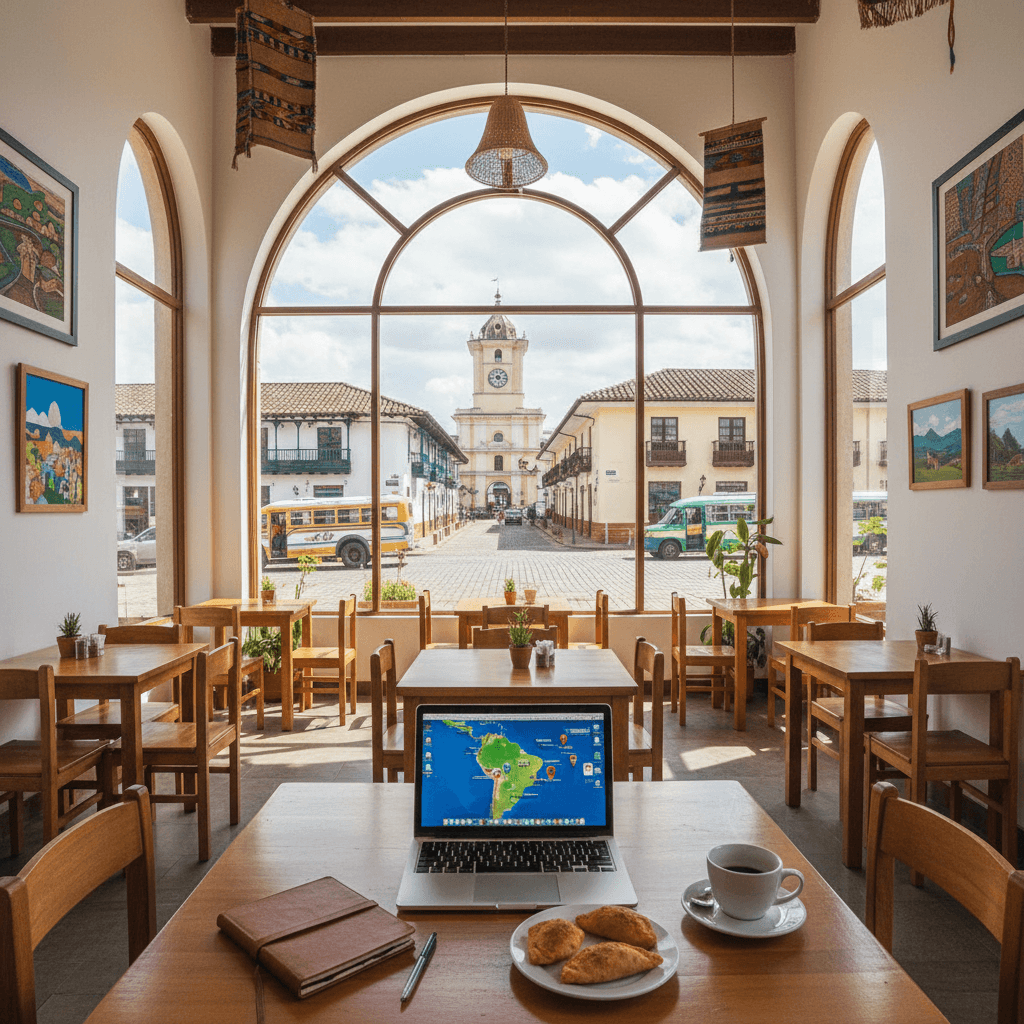
Loja
🇪🇨 Ecuador