Constanta
🇷🇴 Romania
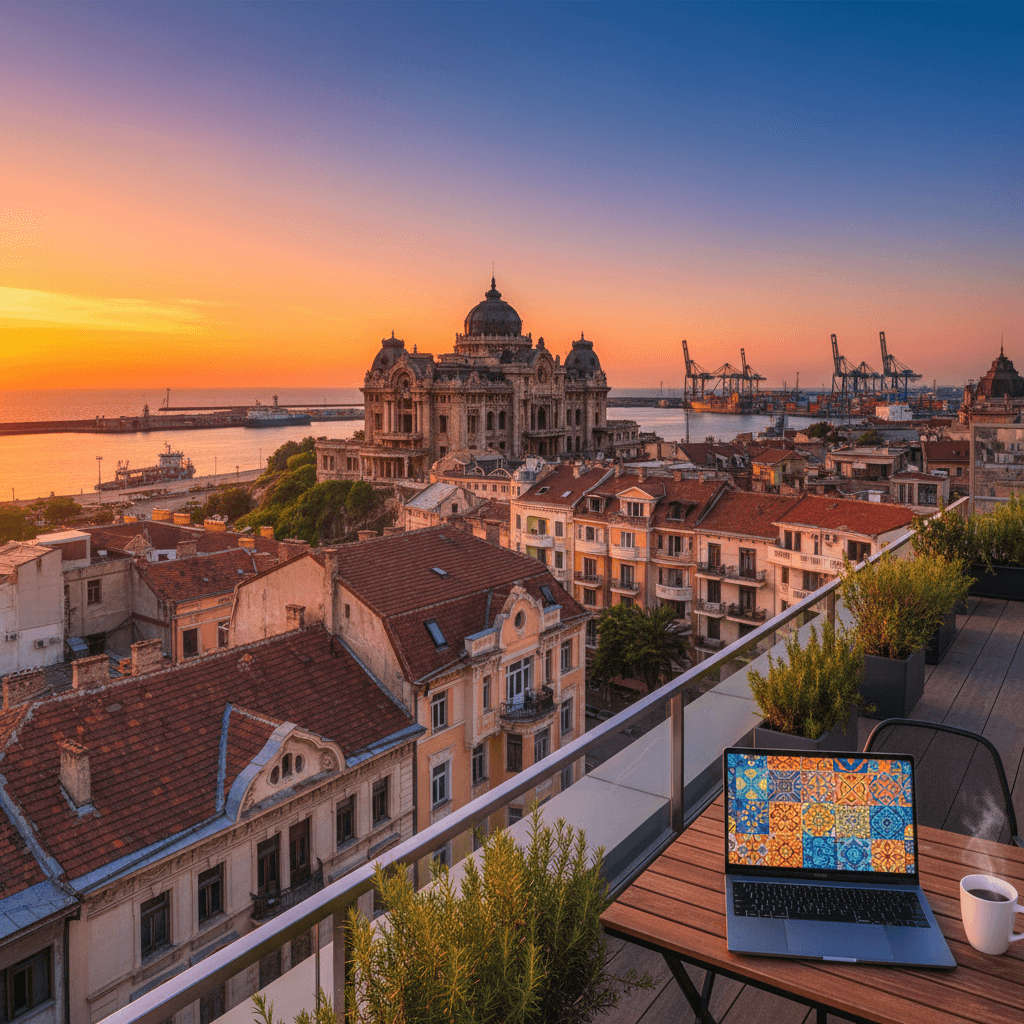
Constanța feels slower than Bucharest, but not sleepy. You get sea air, ferry-port grit, Roman ruins tucked between apartment blocks and summer weekends that smell like sunscreen, grilled fish and diesel from the harbor, which, surprisingly, works if you like a city with some rough edges.
It’s a coastal place first and a nomad hub second. That matters, because the rhythm changes hard by season, July and August bring beach crowds, festivals like Neversea (when held) and packed buses to Mamaia, then winter comes in flat and gray, with wind off the Black Sea and half the terrace chairs stacked inside. Not dead. Just quieter.
For solo workers, Tomis Nord and the Peninsula are the sweet spot, walkable, cafe-friendly and close enough to the old center that you can still get around on foot. Mamaia looks glossy, but it’s seasonal and overpriced, so I’d skip it unless you want resort energy, families and beach clubs. The city center, around Gara and Sat Vacanța, is practical and cheaper, though traffic can be loud and irritating.
What people actually like
- Costs: A single person usually spends about $1,100 to $1,700 a month and you can keep it near $800 if you share housing and eat cheap.
- Rent: Studios and 1BRs run about $400 to $600 in central areas or $250 to $400 farther out, so the budget math is pretty forgiving.
- Work setup: Internet is, honestly, solid, with fiber speeds that handle calls and uploads, plus Tomis Hub if you want a proper desk instead of cafe roulette.
- Transport: Buses are cheap at about 3 RON, Bolt and Uber work well and the center is easy to cross on foot when the wind isn't trying to peel your face off.
The city has a low-key social scene rather than a loud nomad bubble. People meet at Tomis Hub, in Peninsula cafes or on the beach at sunset, when the air cools and the loudest thing is usually gulls squabbling over scraps.
Food helps a lot here. Black Sea seafood, simple grills, cheap street food and decent mid-range restaurants make it easy to live well without overspending and the mix of Romanian, Ottoman and port-city influences gives Constanța a feel you won’t get in inland Romania. It’s a practical base, a little scruffy and better if you like real cities that happen to sit by the water.
Constanța is cheaper than most people expect, but it’s not dirt cheap. A single person usually lands somewhere around $1,100 to $1,700 a month with rent and if you’re watching every leu, you can scrape by closer to $800 with shared housing and a lot of street food.
Rent is the big swing factor, honestly. A studio or one-bedroom in the city center, especially around Tomis Nord or closer to the Peninsula, usually runs $400 to $600, while the outskirts can drop to $250 to $400, though you’ll pay with longer commutes and fewer decent cafes nearby.
Typical monthly spending
- Budget: about $800, with shared housing, cheap eats and mostly buses
- Mid-range: around $1,200, with a small apartment, casual dining and some coworking
- Comfortable: $2,000+, with a nicer place, frequent restaurant meals and less penny-pinching
Food is pretty forgiving if you eat like a local, a quick lunch or street bite is usually $6 to $12, casual sit-down meals run $12 to $20 and upscale seafood in Mamaia or the Peninsula can jump past $30 without trying very hard. The smell of grilled fish and fried dough hangs around the harbor on warm evenings and frankly, that’s when the city feels most alive.
Area snapshots
- Tomis Nord / Peninsula: walkable, lively, close to beaches and cafes, but pricier and crowded in summer
- Mamaia: resort living, beach access and higher prices, though it gets weirdly quiet outside peak season
- City Center: practical and connected, with louder traffic and plenty of everyday services
- Outskirts: cheaper rent and more space, but you’ll feel the commute, especially if you work in town
Getting around doesn’t break the bank. Buses and trams are about 3 RON per ride, ride-hailing is usually $5 to $10 across town and most nomads find they don’t need a car unless they’re living far out or planning constant beach runs. Coworking is another line item worth watching, with places like Tomis Hub in the mid-range, plus cheaper cafe days if you can tolerate the espresso machine noise and the occasional chair scrape on tile.
Internet’s solid, which, surprisingly, keeps remote work from becoming a daily headache, with fiber speeds that handle video calls and big uploads just fine. A decent SIM usually starts around $13, so the real question isn’t connectivity, it’s how much comfort you want to pay for in a city that’s still relatively affordable by European seaside standards.
Constanta’s neighborhoods make more sense if you think in moods, not just maps. Some areas feel like a beach holiday that never fully ends, others are practical, noisy and easy to live in. Rent isn’t wild, but summer prices jump and the crowds around Mamaia can get annoying fast.
Nomads
- Best pick: Tomis Nord or the Peninsula
- Rent: About $400 to $600 for a studio or 1BR in the center
- Why here: Walkable to cafes, coworking and the Old Town, with easy beach access and enough foot traffic that you won’t feel stranded
Tomis Nord is the smart base if you want a normal workday and a sea breeze after. Tomis Hub sits nearby, internet is solid and cafes in the Peninsula usually don’t mind a laptop for a few hours, though summer brings packed terraces, scooters buzzing past and that constant clink of glasses outside.
Skip the idea that Mamaia is a year-round home. It’s seasonal, more expensive and frankly a bit hollow once the beach clubs close, so most remote workers only go there for the sand, loud nights and the occasional overpriced cocktail.
Expats
- Best pick: City Center, from Sat Vacanta to Gara
- Rent: Usually cheaper than the beachfront, with more choice in older apartments
- Why here: Better transport links, central errands, pharmacies and easier day-to-day living
The city center works if you want practical over pretty. You’ll hear traffic, buses braking and the odd horn at all hours, but you’re close to shops, clinics, the train station and most of the city’s useful bits, which, surprisingly, saves more time than a prettier address does.
It’s not glamorous. Still, expats who stick around tend to like the walkability and lower costs and you won’t need a car for every grocery run or dinner plan.
Families
- Best pick: Mamaia or the outskirts
- Rent: Around $250 to $400 on the edges, more if you want space or beach access
- Why here: Quieter streets, parks and easier room for kids, though commutes can drag
Mamaia suits families if they want the resort feel and don’t mind paying for it. The beach is right there, kids have room to run and the air smells like salt and sunscreen in summer, but the tradeoff is price, traffic and a place that feels sleepy outside peak season.
The outskirts are better for budget-conscious households. You get calmer streets and lower rent, but you’ll spend more time on buses or in Bolt rides, so don’t pretend the commute won’t get old.
Solo Travelers
- Best pick: Peninsula
- Safety: Fine in the center, just avoid unlit port areas at night
- Why here: Cafes, history, beaches and easy socializing without needing to plan every move
The Peninsula is the best bet if you’re on your own and want constant movement without chaos. You can grab seafood, wander Roman ruins and end up at the beach by accident, then head back through narrow streets that smell like coffee, grilled fish and warm pavement after sunset.
Solo travelers usually find the city center manageable and friendly enough, especially if they speak a little English and keep Bolt handy after dark. It’s safe enough, just don’t wander near the port when it’s quiet and half the streetlights are out.
Constanța’s internet is, honestly, better than a lot of people expect from a seaside city. Fiber is common, speeds usually sit around 49 to 173 Mbps and that’s enough for video calls, uploads and normal remote work without the daily drama you get in smaller beach towns. The weak spots are seasonal, not technical, because summer crowds can make cafes noisy and winter can feel oddly quiet.
The coworking scene is small but decent. Tomis Hub, inside Tomis Mall, is the place most nomads mention first, with flexible desks around $10 to $20 a day and hours that stretch from morning into the evening, which suits people who work late or split their day around the beach.
Best options
- Tomis Hub: Central, flexible, practical and close to cafes, shops and transit.
- Peninsula cafes: Fine for a few hours, though some spots get chatty and cramped, especially when the sea breeze brings everyone indoors.
The cafes in Peninsula can work for laptop sessions, but don’t expect Berlin-style coworking etiquette. You’ll hear espresso machines hissing, phones buzzing and the clatter of cups and honestly that’s part of the charm if you like a little life around you while you work.
Mobile internet and SIMs
- Orange: Best coverage for many travelers, starter SIMs are around $13.
- Digi: Cheap data, solid value, especially if you’re staying longer.
- Vodafone: Reliable backup, often easy to find in malls and shops.
- eSIM: Roafly can sort this before arrival, which, surprisingly, saves a lot of airport hassle.
If you’re bouncing between apartments and cafes, a local SIM is the move. It keeps you from depending on cafe Wi-Fi, which can be patchy and it’s cheap enough that most nomads just keep one topped up all month.
Monthly connectivity usually lands under control, not luxury. A SIM, a decent desk at a coworking space and a few coffee runs can add up to $100 to $200, so budget for it instead of pretending Wi-Fi is always free, because in Constanța it usually isn’t.
Safety
Constanța feels pretty safe by Romanian city standards, especially around the center, Tomis Nord and the old peninsula, but don’t get careless near the port after dark. It’s quiet in a way that can fool you, then you hear cargo trucks grinding, a dog barking from somewhere behind a fence and realize you’re better off in a lit street with people around.
Crime: Low overall, though petty theft can happen in crowded summer spots and on beaches. Night time: Stick to main roads, avoid unlit port edges and don’t wander drunk through empty side streets, honestly that’s where trouble starts. Taxi and ride-hailing apps are the safer call after late dinners or beach bars.
Healthcare
Healthcare is decent for day-to-day stuff and pharmacies are everywhere, so getting antibiotics, bandages or basic meds isn’t a drama. Constanța County Emergency Hospital handles serious cases and has been modernizing, but waits can still be annoying, especially if you turn up with something non-urgent and a crowded waiting room full of tired people on hard plastic chairs.
For most nomads, private clinics are the smoother option for quick appointments, English-speaking staff and less time staring at flickering fluorescent lights. Emergency number is 112, ambulances are improving and dentists, GPs and pharmacies are easy to find in the center, in Tomis Nord and along the main boulevards.
Practical care tips
- Pharmacies: Farmacia Tei and other chains are common and they’re your best bet for late-night basics.
- Insurance: Travel or expat cover matters, because private care is smoother and public queues can drag on.
- Documents: Keep your passport, insurance info and any prescriptions on your phone and in paper form.
- Heat: Summers get sticky, so drink more water than you think you need, the humidity clings.
Honestly, the bigger health issue here is summer exhaustion, sunburn and getting flattened by too much seafood, beer and beach time. Winter brings its own nonsense, cold tile floors, damp air and that sharp wind off the Black Sea that gets into your bones if you’re waiting for a bus too long.
Best area for peace of mind
- Tomis Nord: Best balance of safety, services and easy access to clinics.
- City Center: Good for walking and pharmacies, though traffic noise can be annoying.
- Mamaia: Fine in season, but it gets hectic, overpriced and weirdly empty off-season.
If you want the least hassle, stay near Tomis Nord or the city center and keep your evenings simple. Constanța isn’t a scary place, it’s just a city where common sense still matters, especially once the beach crowds thin out and the streets get quiet.
Constanța is easy to get around, mostly because the center is compact and the best parts are close together. The Old Town, Tomis Nord and the beach strips are walkable, though summer heat can make even a short stroll feel sticky and slow, with exhaust, sea salt and grilled fish hanging in the air.
Public transport is cheap. A CT Bus ticket is about 3 RON and routes like 43 run out toward Mamaia. Buses and trams cover the city well enough for day-to-day life, though schedules can feel a bit loose and honestly, if you’re in a hurry, you’ll probably end up checking Bolt or Uber anyway.
- CT Bus: Best for cheap cross-town trips, especially if you’re heading between the center and Mamaia.
- Bolt and Uber: Reliable for late nights, rainy weather or when the bus timing gets annoying, with most center rides around $5 to $10.
- Walking: Great in the historic core and along the seafront, less pleasant when summer crowds clog the pavements.
- Bikes and scooters: Available through apps and hotels, though bike lanes are limited and traffic can feel a little chaotic.
Ride-hailing saves time. It’s usually the smartest move after dark, especially around the port or when you’re heading back from dinner in Peninsula and don’t want to wait around in the humidity. Taxi transfers from CND airport usually land around $20 to $25, so if you’re arriving with luggage and tired legs, that’s the easy option.
The city center is the best place to live without a car, because you can walk to cafes, coworking spaces, pharmacies and the beach without much planning. Mamaia is more resort-style and more spread out, which means you’ll spend more time in transit and less time actually enjoying the place, weirdly enough for a beach district.
- Best for walking: Peninsula and central Constanța.
- Best for short rides: Tomis Nord, Mamaia and the port edge.
- Least convenient without transport: Outskirts and quieter residential zones.
Airport transfers are straightforward and the bus works if you’re traveling light and don’t mind a slower arrival. For everyday life, most nomads settle into a rhythm of walking, then hopping on a bus, then using Bolt when the weather turns wet or the streets get noisy with summer traffic and scooters buzzing past.
Constanța feels easy to read, even if you don’t speak much Romanian. In the center, hotel staff, cafe workers and younger locals usually switch to English fast enough, though you’ll still run into plenty of people who only know the basics, so keep Google Translate on your phone and don’t be shy about pointing at menus.
Bună gets you far. Mulțumesc helps even more. And if you want directions, ask Cât costă? or Unde este...?, because that usually gets a better response than waving your arms around in the street while traffic hisses and minibuses grind past.
Romanian is the default everywhere, from apartment chats to pharmacy counters and honestly the pace can be a little abrupt if you’re used to more hand-holding. Locals often speak quickly, with clipped vowels and a lot of context left unsaid, so don’t expect every errand to be smooth on the first try.
What to expect day to day
- English: Fair in tourist zones, weaker in smaller shops and older neighborhoods.
- Romanian: The language you’ll hear in taxis, markets, building lobbies and paperwork.
- Apps: Google Translate helps most, especially for landlords, utilities and medical visits.
- Signals: A smile, a nod and a few Romanian words go a long way.
The language gap gets annoying mostly when you’re dealing with practical stuff, like apartment repairs, utility questions or anything bureaucratic, because people may assume you already know the local setup. That said, the city isn’t hostile about it and in the Tomis Nord, Peninsula and Mamaia areas, you’ll usually find someone who can help sort things out without a drawn-out drama.
Language-wise, Constanța is easier than a lot of smaller Romanian cities, which, surprisingly, makes daily life less stressful for nomads than the first week suggests. Still, keep a few phrases ready, speak slowly and don’t rely on English alone if you’re staying longer than a beach weekend, because once you’re outside the obvious expat spots, the conversation can dry up fast.
Useful phrases
- Bună: Hello.
- Bună ziua: Good day.
- Mulțumesc: Thank you.
- Cât costă? How much is it?
- Unde este...? Where is...?
If you’re here for more than a few days, learn the greetings first, then the money words, because that’s where the friction shows up. The city sounds different once you notice it, seagulls over the harbor, scooters buzzing by the Old Town, shopkeepers calling out prices and a lot of English in cafes but much less of it once you step away from the waterfront.
Constanta’s weather is one of the main reasons people stick around. Summers are warm and beach-friendly, with July and August usually landing in the low to mid-80s Fahrenheit and the sea breeze does help, though the humidity can still cling to your skin by afternoon. Winters are mild by Romanian standards, but they’re grey, windy and a bit dead around the waterfront, honestly.
If you’re planning around sunshine, beaches and nightlife, aim for late June through September. July and August are the sweet spot for swimming, long evenings on the promenade and festivals like Neversea, but they’re also the noisiest months, with packed Mamaia beaches, honking traffic and higher prices everywhere. The center stays walkable, just more crowded and a little sweaty.
May and June can be tricky. They’re warm enough to feel like summer, but they’re also the rainiest stretch, so you’ll get damp sidewalks, sudden showers and that weird mix of sunscreen smell and wet pavement. If you want a quieter trip with fewer tourists, late May or early September is a smart compromise, because you still get beach weather without the peak-season chaos.
Best Time by Travel Style
- Beach days: July to early September
- Fewer crowds: Late May, early June or September
- Low-season work trips: October to April
Winter isn’t miserable, but it’s not why you came. Expect 35 to 50 Fahrenheit, wind off the Black Sea and a quieter city center where a lot of seaside places feel half-asleep, which, surprisingly, some remote workers like because rent dips and the cafés aren’t slammed. The tradeoff is obvious, less energy, shorter days and a lot less reason to linger outside after dark.
Quick Weather Tips
- Pack: Light layers, a windbreaker and something for rain
- For beaches: Bring cash, sunscreen and patience in peak season
- For work trips: Shoulder season is the least annoying
My take, skip the peak Mamaia crush unless you really want club heat and loud music until sunrise. For most nomads, September is the best month, the water’s still warm, the crowds thin out and you can hear the gulls, the tram clatter and the low hiss of the sea without fighting for a spot on the sand.
Constanța is easy to like if you want sea air, cheap lunches and a center you can actually walk. It’s also a port city, so you get gulls, diesel, tram bells and a bit of grit around the edges, which honestly keeps it from feeling fake. Summer is lively, winter gets quiet fast.
Where to stay
- Tomis Nord / Peninsula: Best for nomads and solo travelers, with cafés, beach access and coworking close by, but summer crowds push prices up and the streets get noisy.
- Mamaia: Best for resort-style beach life and families, though it’s seasonal, pricier and feels far from the real city once the clubs shut down.
- City center: Good for transport, errands and a more local rhythm and rent is usually saner than the resort strip, though traffic can be annoying.
- Outskirts: Cheaper and quieter, with more space, but you’ll spend more time on buses or Bolt rides.
For rent, budget around $400 to $600 for a studio or one-bedroom in the center or $250 to $400 if you’re happy farther out. A single person usually lands somewhere between $1,100 and $1,700 a month once rent, food, transport and a bit of fun are all counted and frankly that’s where the city still looks good next to bigger European coastal spots.
Internet is solid and that matters. Fiber speeds often sit in the 49 to 173 Mbps range, Tomis Hub in Tomis Mall is a practical coworking pick and cafes in the Peninsula will let you sit with a laptop, hear espresso machines hissing and work without anyone glaring at you, though you’ll want headphones when the summer terrace crowd gets loud.
- SIM cards: Buy Orange, Digi or Vodafone at the airport or in town, with starter plans around 60 RON and eSIMs are available through Roafly.
- Getting around: CT Bus is cheap at about 3 RON a ride, Bolt and Uber work well and the center is very walkable.
- Safety: It feels pretty relaxed, just skip unlit port areas late at night.
Food is a bright spot. Go for Black Sea seafood in the Peninsula, grab street food or a quick lunch for $6 to $12 and save the fancier Mamaia places for a splurge, because the beachfront markup can sting a little. Most expats also use Revolut or Wise and ATMs are easy to find, so cash problems rarely turn into a drama.
A few habits help. Say “Bună ziua,” tip around 10% and take your shoes off when you’re invited into someone’s home, because locals notice that stuff, weirdly in a nice way. For day trips, Histria ruins and Mamaia beaches are simple bets and if you need a backup plan for a rainy afternoon, grocery stores, pharmacies and a decent café are usually never far away.
Frequently asked questions
How much does it cost to live in Constanța as a digital nomad?
How much is rent in Constanța?
Which neighborhoods are best for digital nomads in Constanța?
Is the internet good for remote work in Constanța?
Where can I cowork in Constanța?
Is Constanța safe for solo travelers and digital nomads?
How do you get around Constanța without a car?
Need visa and immigration info for Romania?
🇷🇴 View Romania Country GuideEasy Landing
Settle in, no stress
Monthly Budget Estimates
More cities in Romania
Iași
🇷🇴 Romania
Bucharest
🇷🇴 Romania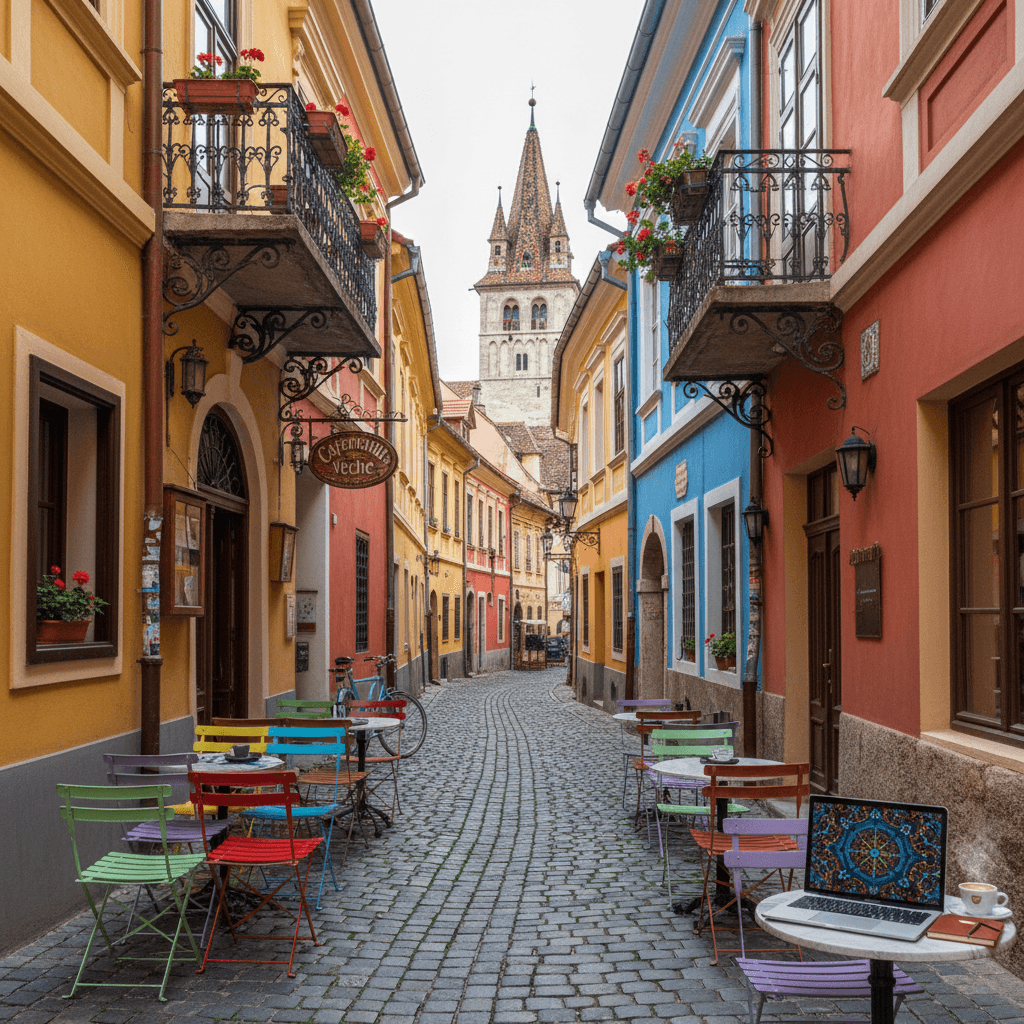
Cluj-Napoca
🇷🇴 Romania