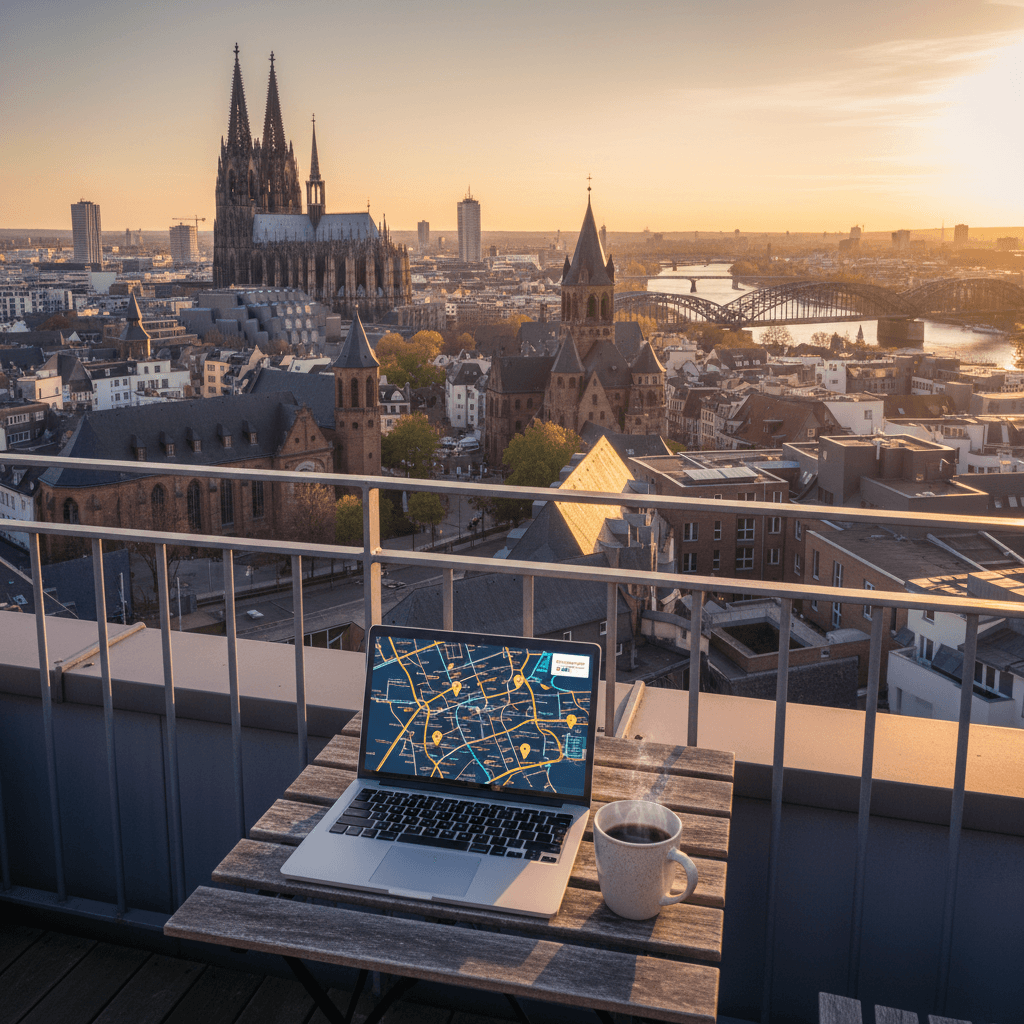
Cologne
🇩🇪 Germany
The Balanced Alternative to Berlin
Cologne is the city for nomads who want the efficiency of Germany without the gritty, overwhelming intensity of Berlin or the stiff price tag of Munich. It feels grounded and approachable. While the local culture respects a hard day's work and punctuality, there's a distinct "live and let live" attitude here that makes it easy to slide into a routine. You'll find a city that is productive by day and relaxed by night, often spent nursing a small glass of Kölsch by the Rhine.
The city's personality is defined by its openness. It hosts one of Europe's largest Pride celebrations and maintains a creative, bohemian spirit that doesn't feel forced. For digital nomads, the draw is the high quality of life. You get fast internet, a central European location perfect for weekend train trips to the Ruhr Area or Düsseldorf, and a cost of living that doesn't eat your entire paycheck. It's a place where you can actually afford to live inside the Grüngürtel (green belt) and still have money left for weekend festivals.
Living Costs & Neighborhoods
Your monthly budget in Cologne will likely fall between €1,500 and €3,500 depending on how much you value your own four walls. Rent is the biggest variable, but it remains manageable if you know where to look. Most nomads aim for a balance between social access and quiet work environments.
- Deutz: This is the go to for budget conscious expats. It sits just across the river from the center, meaning you get bargain rents between €800 and €1,200 while staying a short tram ride from the action. It feels a bit more industrial, but the convenience is hard to beat.
- Agnesviertel: If you want the classic "Cologne vibe," this is it. It's filled with art galleries, bookstores, and flea markets at Alte Feuerwache. It's walkable and creative, though you'll pay a premium for the atmosphere.
- Altstadt (Historic Center): Great for a short stay to see the Cathedral, but most long termers find it too touristy and noisy. It's better for a walk than a lease.
The Remote Work Experience
You won't have to hunt for a signal here. WiFi is fast and ubiquitous, with T-Mobile hotspots and reliable connections in almost every plaza. The coffee shop work culture is thriving, though competition for power outlets can be stiff during peak hours. Nomads often rotate between spots like Treibgut Coffeehouse and Mehlwerkstatt, where the vibe is welcoming to laptops as long as you keep the caffeine flowing.
For those who need a dedicated desk, coworking spaces like Urban95 or local hubs offer daily rates from €15 to €25. Monthly memberships typically range from €150 to €300. If you're looking to meet people, these spaces are your best bet, as Germans can be initially reserved. Once you break the ice, however, you'll find a community that is loyal and incredibly helpful with the local bureaucracy.
Getting Around and Staying Safe
Cologne is a compact, highly walkable city. You'll rarely need a car. The Cologne Pass is a lifesaver for newcomers, offering free public transit and various discounts for €9 a day. For daily commutes, most residents use the KVB (trams and buses) or grab a bike through apps like Nextbike for about €1 to unlock and a few cents per minute.
Safety is rarely a concern. Whether you're hanging out in the queer friendly bars of Schaafenstraße or walking through the parks at night, standard urban awareness is all you need. Healthcare is top tier, with pharmacies on every other corner and emergency services reachable at 112. It's a city that lets you focus on your work because the infrastructure just works.
When to Visit
The sweet spot is June through August. The weather hits a comfortable 20 to 30°C, the riverbanks are packed with people picnicking, and the city's festival calendar is full. Winters from December to February are cold and occasionally snowy, hovering around 0 to 5°C. While the Christmas markets are world class, the gray skies can be a drag for those used to sunnier climates. If you can handle a bit of rain, the shoulder seasons offer a quieter, more local experience of this underrated German hub.
The Price of the Rhine Life
Cologne is often described as the approachable middle ground of German cities. It doesn't have the skyrocketing rents of Munich or the aggressive edge of Berlin. Instead, you get a high standard of living that feels surprisingly manageable for a major European hub. Most nomads find they can live quite well here on a budget that would barely cover the basics in London or Paris.
To live comfortably, you should aim for a monthly budget between €2,500 and €3,500. This range covers a private apartment in a desirable area, regular meals out, and a dedicated coworking desk. If you're willing to share a flat or stick to street food, you can squeeze by on €1,500 to €2,000, though you'll be spending more time in the outer districts like Deutz.
Breaking Down Housing Costs
Rent will be your biggest hurdle, but your money goes further here than in other German tech hubs. The city is divided by the Rhine, and while the left bank is traditionally more popular, the right bank is where the bargains are.
- Deutz (Right Bank): This is the go-to for budget-conscious expats. It has an industrial feel but offers short tram rides to the center. Expect to pay €800 to €1,200 for a basic studio or one-bedroom.
- Agnesviertel: This is the bohemian heart of the city, packed with art galleries and bookstores. It's walkable and charming, but you'll likely pay a premium, with rents often exceeding €1,300 for a decent flat.
- Inside the Grüngürtel: Staying within the green belt means you're in the thick of it. It's safe and green, but competition for apartments here is fierce.
Eating and Drinking
The food scene is a mix of traditional brauhauses and a growing international influence. You can eat cheaply if you know where to look, but mid-range dining is where Cologne shines. Most nomads recommend hitting up the pubs in Agnesviertel for a mix of good atmosphere and fair pricing.
- Quick Eats: A kebab or a quick currywurst will set you back €5 to €8.
- Mid-range Dinner: A nice meal at a local bistro or pub usually costs between €12 and €20 per person.
- Upscale Dining: For a high-end night out, expect to start at €30 and go up from there.
- Coffee: A flat white at a specialty spot like Treibgut Coffeehouse or Madame Tartine is usually around €4.
Connectivity and Coworking
WiFi is fast and reliable across the city. You'll find free hotspots in most public plazas and T-Mobile shops. If you prefer a structured environment, the coworking scene is well-established with over 16 dedicated spaces.
- Day Pass: Expect to pay €10 to €25 depending on the amenities.
- Monthly Desk: A dedicated spot usually runs between €150 and €300.
- Mobile Data: A local SIM with a solid data plan costs about €10 to €20 per month. Many nomads opt for eSIMs like Jetpac for immediate connectivity upon arrival.
Transportation and Extras
Cologne is incredibly walkable, especially in the Altstadt. For everything else, the public transit system is efficient and covers every corner of the city. You won't need a car here; in fact, they're often more of a headache than they're worth due to parking.
- Cologne Pass: This is great for short-term stays, costing €9 for one day or €18 for two days, which includes all public transit and various museum discounts.
- Monthly Transit: A standard monthly pass for the city zone typically costs €50 to €80.
- Bike Rentals: Apps like Nextbike are popular for quick trips, costing roughly €1 to unlock plus €0.10 per minute.
- Gym Membership: A standard monthly fee at a local gym is around €30 to €50.
Overall, Cologne offers a high-quality lifestyle without the pretension or price tag of Europe's most famous capitals. It's a city where you can afford to work hard and still have enough left over to enjoy a few cold Kölschs by the river at the end of the day.
For the Budget-Conscious Nomad: Deutz
If you're looking to keep your monthly burn low without sacrificing access to the action, Deutz is your best bet. Located on the right bank of the Rhine, it feels a bit more industrial and quiet than the city center, but the trade-off is significant. You can find studio apartments and 1BRs here for €800 to €1,200, which is a bargain compared to the prices across the river.
The commute is the biggest selling point. A quick 5 to 10 minute tram ride puts you right at the Cathedral. Nomads here often frequent Treibgut Coffeehouse for a solid afternoon of work; the WiFi is reliable and the atmosphere is geared toward productivity. While it lacks the "cool" factor of the bohemian quarters, the savings on rent allow for more weekend trips using Cologne's massive rail hub.
For the Creative Solo Traveler: Agnesviertel
Agnesviertel is where you'll find the soul of the city. It's a bohemian neighborhood packed with independent bookstores, art galleries, and flea markets at Alte Feuerwache. Solo travelers love this area because it's incredibly walkable and social; you're never more than a few steps from a pub or a creative workspace like Mehlwerkstatt.
- Rent: Expect to pay a premium here, often €1,300+ for a well-located flat.
- Vibe: High energy, artistic, and very community-oriented.
- Downside: It gets crowded on weekends, and finding a quiet corner in a cafe can be a struggle if you don't arrive early.
Expats often recommend this area for those who want to feel the "Veedel" (neighborhood) spirit immediately. If you're into the queer scene, you're also a short trip away from Schaafenstraße, the heart of Cologne's LGBTQ+ nightlife.
For Families and Long-Term Expats: Inside the Grüngürtel
The Grüngürtel (Green Belt) is a massive park system that encircles the inner city. Living just inside this ring offers a perfect balance of urban life and nature. Families gravitate here for the proximity to picnic spots, playgrounds, and safe, wide sidewalks. It's noticeably quieter than the Altstadt but still within walking distance of the central business district.
Housing here is stable and high-quality, though competition for apartments is fierce. Most expats find that the peace and quiet are worth the effort of the search. You'll have easy access to the riverbanks for morning runs and plenty of space for kids to roam without the noise of the nightly tourist crowds.
For the Short-Term Tourist: Altstadt (Historic Center)
If you're only in town for a week or two, stay in the Altstadt. This is where the iconic Cologne Cathedral, Great St. Martin Church, and the Town Hall are located. Everything is walkable, and you're surrounded by traditional brauhauses where a Kölsch beer will cost you about €2.10.
Be aware that this is the most tourist-heavy part of the city. It's loud, the prices for short-term rentals are the highest in Cologne, and the area can feel a bit like a theme park during peak season. Most long-term nomads avoid living here full-time, but for a first-time visitor, nothing beats being able to see the Cathedral spires from your bedroom window.
Logistics and Getting Around
Regardless of where you land, Cologne's transit system is a lifesaver. A Cologne Pass costs about €9 for a single day and covers all your U-Bahn and bus travel. If you prefer two wheels, apps like Nextbike are everywhere, charging roughly €1 to unlock and €0.10 per minute. Most nomads find they don't need a car at all, as the city is compact enough to navigate by bike or tram in under 20 minutes from almost any neighborhood mentioned above.
Connectivity and Speed
You won't have to hunt for a signal in Cologne. The city is blanketed in high speed fiber and 5G, making it one of the more reliable German hubs for heavy video calls or large uploads. Most public plazas and T-Mobile shops offer free hotspots, and you can usually find open WiFi in McDonald's or major hotels if you're in a pinch between meetings.
For mobile data, local SIM plans from providers like T-Mobile or O2 typically run between €10 and €20 per month for generous data buckets. If you prefer to hit the ground running, many nomads use eSIMs like Jetpac to avoid the paperwork of a local contract. Just remember that German law requires ID verification for physical SIM cards, so keep your passport handy if you buy one at a shop.
Top Coworking Spaces
The coworking scene here is professional and well established, though it feels more corporate than the gritty, creative hubs in Berlin. You can expect to pay between €15 and €25 for a day pass, while monthly memberships generally fall in the €150 to €300 range depending on how much 24/7 access you need.
- Design Offices: With multiple locations across the city, these offer a more high end, polished environment if you need a formal boardroom for client meetings.
Work Friendly Cafes
Cologne has a thriving coffee culture, but the "laptop welcome" policy varies. It is standard etiquette to order a fresh drink or snack every 90 minutes and move your calls outside to keep the atmosphere quiet for others. Power outlets are the biggest challenge, so show up with a full battery or scout for a seat against the walls early in the morning.
- Treibgut Coffeehouse: Known for a relaxed vibe and reliable internet, it is a staple for the local freelancer community.
- Mehlwerkstatt: This spot combines great bakery smells with enough table space to actually get through your inbox.
- Madame Tartine: A cozy Agnesviertel favorite where the WiFi is snappy and the food is excellent, though it gets crowded during the lunch rush.
Public Libraries and Backups
If you need total silence without the price tag of a coworking space, the city libraries are a solid backup. They offer quiet zones and stable connections, though you may need to register for a basic guest pass to access the full bandwidth. Most nomads find that as long as they stay within the Grüngürtel (the city's green belt), they are never more than a five minute walk from a usable connection.
For those living in Deutz to save on rent, the tram ride across the river to the main laptop friendly cafes takes less than ten minutes. Most expats recommend testing the specific WiFi speed at your accommodation before signing a long term lease, as older buildings in the Altstadt can sometimes have thick walls that interfere with router signals.
Keeping it Safe in Cologne
Cologne is widely regarded as one of the most welcoming cities in Germany. It has a grounded, friendly atmosphere that makes it easy to settle into a routine without constantly looking over your shoulder. While it's a major urban center, it lacks the grit you might find in parts of Berlin, maintaining a high standard of public order and safety.
Most nomads and solo travelers feel perfectly comfortable walking through the city at night. The Altstadt (Historic Center) and the Agnesviertel are well-lit and active late into the evening. You don't need to avoid any specific "no-go" zones, though standard urban common sense applies around the Hauptbahnhof (Central Station) and major nightlife hubs where crowds gather. If you're out late in the queer-friendly scene around Schaafenstraße, you'll find the vibe is generally inclusive and protective.
Healthcare Standards
The medical care here is world-class. If you're coming from North America or parts of Southeast Asia, the efficiency of the German healthcare system will be a breath of fresh air. Hospitals are modern, and doctors almost universally speak excellent English, especially in the central districts.
- Emergency Services: Dial 112 for fire or medical emergencies. This is the standard number across the EU.
- Pharmacies: Look for the big red "A" sign (Apotheke). They are everywhere, though they typically close by 6:30 PM or 8:00 PM. For late-night needs, there's always a rotating "Notdienst" (emergency pharmacy) open in the city; you can find the nearest one posted on the door of any closed pharmacy.
- Walk-in Clinics: For non-emergencies, nomads usually head to a "Hausarzt" (General Practitioner). Expect to pay between €50 and €100 for a standard consultation if you're paying out of pocket without local insurance.
Insurance for Nomads
Germany is strict about health insurance. If you're staying long-term on a freelancer visa, you'll eventually need to look into local public or private providers. However, for short-to-medium stays, most expats and digital nomads rely on international providers like SafetyWing or Genki. These satisfy the basic requirements for most travelers and cover you for accidents or sudden illnesses while exploring the Grüngürtel parks or the Rhine riverbanks.
Practical Wellness Tips
The tap water in Cologne is safe, clean, and tastes great. There's no need to waste money on bottled water; just grab a reusable bottle and fill up at your Airbnb or coworking space. It's a small way to save about €2 to €3 a day while staying hydrated.
If you're visiting during the winter months from December to February, the lack of sunlight can be a bit of a grind. Locals swear by Vitamin D supplements and frequenting the city's many thermal baths and saunas to keep the "winter blues" at bay. It's a cultural staple that doubles as a great way to relax after a long day of Zoom calls.
The Pulse of the KVB
Cologne is remarkably compact for a major European hub. You can cross the central districts in under 20 minutes, and the public transit system, managed by the KVB, is the city's backbone. It's a hybrid of U-Bahn (underground) and Strassenbahn (trams) that makes owning a car completely unnecessary. Most nomads find the Cologne Pass is the smartest move for short stays; it costs €9 for 24 hours or €18 for 48 hours and covers all local transport while throwing in museum discounts.
For longer stays, expect to pay between €50 and €80 for a monthly pass. The system is built on German punctuality, though the locals will jokingly complain if a tram is three minutes late. If you're living in Deutz, you're just a quick bridge-crossing away from the city center, making it a favorite for those who want lower rent without sacrificing accessibility.
Pedal Power and Scooters
The city is flat, making it a dream for cyclists. The Grüngürtel (Green Belt) and the Rhine riverbanks have dedicated paths that are perfect for commuting or a midday mental break. If you don't want to buy a used bike, the Nextbike app is the local go-to. It usually costs €1 for first 30 min then €1 per additional 30 min (max €9/day). It's often faster than the tram for short hops between Agnesviertel and the Altstadt.
Electric scooters from brands like Lime and Tier are scattered on almost every corner. They're convenient for that "last mile" from the station to your coworking space, though the cobblestones in the historic center can make for a bumpy ride. Stick to the paved bike lanes whenever possible to save your wrists.
Airport Connections
Getting into the city from Cologne Bonn Airport (CGN) is painless. Skip the taxis, which can be pricey, and head straight for the airport train station. The S-Bahn (S13 or S19) or the regional RE6 train will get you to the Hauptbahnhof (Central Station) in about 15 to 20 minutes. Tickets generally cost between €3 and €10 depending on the specific train type and any active transit deals. It's one of the most efficient airport-to-city transfers in Germany.
On Foot
Cologne is a walking city at its heart. The area inside the Grüngürtel is incredibly walkable, and you can easily hit the Cathedral, the Town Hall, and the riverfront in a single afternoon. Expats recommend joining a Free Walking Tour Cologne during your first few days. These are tip-based and give you a solid layout of the land while introducing you to the city's quirky history. Just keep an eye out for the bike lanes while you're staring up at the architecture; cyclists here move fast and expect you to stay off their turf.
Ride-Hailing and Taxis
While the public transit is top-tier, you might want a private ride after a late night in the Schaafenstraße bar scene. Uber and Bolt both operate here, though they often function as aggregators for local taxi companies. It's reliable and safe, but because the city is so compact, you'll rarely find yourself needing to spend more than €15 to €20 to get across the main districts.
- Nextbike: Best for cheap, active commuting at €1/30 min.
- Cologne Pass: Best for tourists and short-term nomads at €9/day.
- S-Bahn S13/S19: The fastest way to and from the airport.
- KVB App: Download this immediately for real-time schedules and mobile tickets.
The Linguistic Landscape
You'll find that Cologne is one of the more linguistically accessible cities in Germany. While German is the official language, English proficiency is remarkably high, particularly among the younger crowd, tech workers, and the corporate community. Most nomads manage their daily lives just fine without being fluent, though you'll notice a bit more of a language barrier here than in a place like Berlin.
The local dialect, Kölsch, is a point of immense pride for residents. It's not just a beer; it's a way of speaking that's melodic and distinct. While you aren't expected to speak it, hearing it in traditional brauhauses is part of the city's charm. Expats often find that making even a slight effort with basic German opens doors much faster with the locals, who can be reserved at first but warm up quickly once a connection is made.
Digital Communication and Apps
Staying connected is rarely an issue. Cologne has high speed WiFi available in almost every public plaza and T-Mobile shop. For your phone, local SIM cards from providers like T-Mobile or O2 usually cost between €10 and €20 per month for generous data plans. Many nomads now opt for eSIMs like Jetpac to get online the moment they land.
To bridge the communication gap, keep these tools on your home screen:
- DeepL: This is the gold standard for German translation. It handles the nuances of the language much better than other apps and is a lifesaver for reading rental contracts or official mail.
- Google Translate: Use the camera feature for menus and grocery labels.
- WhatsApp: This is the primary way everyone communicates in Germany, from landlords to new friends you meet at a meetup.
- Nextbike: Essential for renting the city's bike share system.
Social Etiquette and Business Talk
Communication in Cologne follows the standard German preference for directness and punctuality. If you're meeting a local for coffee or a business chat, being five minutes late is considered rude. People say what they mean, which can sometimes come across as blunt to North Americans or Brits, but it's actually just a form of efficiency and honesty.
In social settings, especially during the city's famous Carnival or at the riverbanks, the atmosphere becomes much more open. Travelers often say that the "Kölner" spirit is more hedonistic and welcoming than the stereotype of the stiff German professional. If you're working from cafes like Treibgut Coffeehouse or Madame Tartine, it's polite to keep your voice down during calls and order a fresh drink every hour or two to keep the staff happy.
Essential Phrases for Your First Week
While you can get by in English, tucking these phrases into your back pocket will make your interactions smoother:
- Hallo: Hello.
- Danke: Thanks.
- Tschüss: Bye (very common and informal).
- Wo ist das Internet?: Where is the WiFi?
- Die Rechnung, bitte: The bill, please.
- Sprechen Sie Englisch?: Do you speak English?
Most nomads find that within a few weeks, they've picked up enough "supermarket German" to feel comfortable. If you're planning a long stay, joining an integration course or a casual language tandem group is a great way to meet locals and fellow expats simultaneously.
The Four Seasons of the Rhine
Cologne doesn't do mild. You'll get the full experience of all four seasons here, which is great if you love a changing backdrop for your Zoom calls. The city sits in a temperate zone, meaning it’s rarely extreme, but it definitely has its moods. June through August brings the heat, with temperatures often sitting between 20°C and 30°C (68-86°F). This is when the city truly wakes up. You'll see nomads working from the riverbanks or grabbing a cold Kölsch at a sprawling beer garden after logging off.
Winters, from December to February, are a different story. It gets cold, often hovering between 0°C and 5°C (32-41°F), and you can expect a dusting of snow that makes the Cathedral look like something out of a gothic fairytale. It’s scenic, sure, but the grey skies can get a bit heavy if you’re staying long-term. One thing to pack regardless of the season is a solid raincoat or umbrella. Cologne is rainy year round; there isn't a specific "monsoon" season, but fall and spring tend to be the dampest.
Best Time to Visit: Summer and Festivals
If you want the peak Cologne experience, aim for the summer months. June, July, and August are the gold standard for digital nomads. The days are long, the parks inside the Grüngürtel are packed with locals grilling, and the city hosts its biggest events. Pride, which is one of the largest in Europe, turns the streets into a massive celebration in July. It’s also the best time for "urbanana" events and festivals like PollerWiesen if you’re into the techno scene.
For those who prefer a quieter vibe without the winter chill, the shoulder seasons are a smart bet.
- May and September: These months offer crisp air and manageable crowds. You'll still get enough sunlight to enjoy a bike ride through Agnesviertel without needing three layers of wool.
- Late November to December: While it's cold, the Christmas markets are world-famous. If you can handle the 2°C temps, the atmosphere is unmatched for a few weeks of "work-from-market" vibes.
- February: This is Carnival season. If you arrive during the "Crazy Days," don't expect to get much work done. The city effectively shuts down for a week of street parties and parades.
When to Avoid the City
Most travelers and long-stay nomads find January and February to be the toughest months. Beyond the Carnival festivities, the weather is often biting and damp, and the post-holiday slump can make the city feel a bit somber. If you struggle with Seasonal Affective Disorder, this is the time to head south to Spain or Portugal before returning to Cologne for the spring bloom.
Keep in mind that while summer is beautiful, it's also when accommodation prices in the Altstadt and Agnesviertel peak. If you're on a budget, consider arriving in late September. The weather is still pleasant enough for outdoor networking at cafes like Treibgut, but the summer tourist premium starts to fade, making it easier to snag a mid-range studio for €1,200-€1,500.
What to Pack
Cologne’s style is relaxed but functional. Since you'll likely be walking or biking between coworking spaces and pubs, comfort is king.
- Layering is vital: Even in summer, evenings by the Rhine can get breezy. A light jacket is a must.
- Waterproof gear: Since it rains year round, a high-quality raincoat will serve you better than a flimsy umbrella that might catch the wind.
- Good walking shoes: The cobblestones around the Historic Center are brutal on cheap sneakers.
Connectivity and Tech Setup
Cologne is a dream for anyone who relies on a steady connection. You’ll find fast WiFi in almost every plaza and T-Mobile hotspots scattered throughout the city. If you’re arriving from outside the EU, grab an eSIM through Jetpac or a local SIM card for about €10 to €20 a month for unlimited data. Most nomads manage just fine with English, but having DeepL or Google Translate on your phone helps when you’re deciphering a complex rental contract or a specific menu item.
For a dedicated workspace, the city has over 15 coworking hubs. Expect to pay between €15 and €25 for a day pass, or €150 to €300 for a monthly desk. If you prefer the cafe route, Treibgut Coffeehouse and Madame Tartine are local favorites with reliable speeds. Just remember to order regularly and take your Zoom calls outside; the coffee shop work culture here is strong, but people value the quiet atmosphere.
Money and Budgeting
While it’s more affordable than Munich, you still need a solid budget to enjoy Cologne. A mid range lifestyle usually sits between €2,500 and €3,500 per month. This covers a nice one bedroom apartment in a spot like Agnesviertel, regular meals out, and a coworking membership. If you’re on a tighter budget, you can get by on €1,500 to €2,000 by living in Deutz and sticking to street food like €5 Döner or €8 currywurst.
Banking is straightforward for nomads. Services like N26 and Wise are widely accepted and make it easy to handle euros without high fees. When it comes to daily savings, the Cologne Pass is a smart move. It costs €9 for one day or €18 for two, giving you free public transit and discounts at various attractions.
Getting Around the City
The city is compact and highly walkable, especially within the Grüngürtel (green belt). For longer distances, the KVB transit network of trams and buses is incredibly efficient. If you prefer two wheels, use apps like Nextbike. It usually costs €1 to unlock and then €0.10 per minute. It’s often the fastest way to get from the Altstadt to the quieter parks for a midday break.
Getting to and from the airport is a breeze. The train from Cologne Bonn Airport (CGN) takes about 20 minutes to reach the city center and costs between €3 and €10 depending on the type of train. For weekend trips, the high speed rail connections to Düsseldorf or the Ruhr Area are frequent and reliable.
Safety and Local Etiquette
Cologne is generally very safe, even at night. You’ll feel comfortable walking through most neighborhoods, though you should keep your wits about you in crowded nightlife areas like Schaafenstraße. There aren't any specific "no go" zones, but the city feels most welcoming when you respect the local rhythm.
- Punctuality: If you’re meeting a local for coffee or a business lead, show up on time. Being five minutes late is noticed here.
- The Reserved Start: Germans can seem quiet at first. Don’t take it personally. Once you break the ice at a neighborhood pub or a nomad meetup, they’re incredibly loyal and helpful.
- Sundays: Almost all shops and supermarkets close on Sundays. Plan your grocery shopping for Saturday, or you’ll be hunting for an open kiosk at the train station.
- Healthcare: If you have an emergency, dial 112. Pharmacies (Apotheken) are everywhere, and the standard of care is world class.
Seasonal Survival
Pack for variety. Summers can hit 30°C (86°F) and are perfect for riverbank picnics, but winters are cold and occasionally snowy, hovering around 0°C to 5°C. It rains throughout the year, so a high quality waterproof jacket is a better investment than a cheap umbrella that will succumb to the wind. Most nomads agree that June through August is the prime window to be here, especially with festivals and outdoor events in full swing.
Need visa and immigration info for Germany?
🇩🇪 View Germany Country GuideNomad Haven
Your home away from home
Monthly Budget Estimates
More cities in Germany
Berlin
🇩🇪 Germany
Heidelberg
🇩🇪 Germany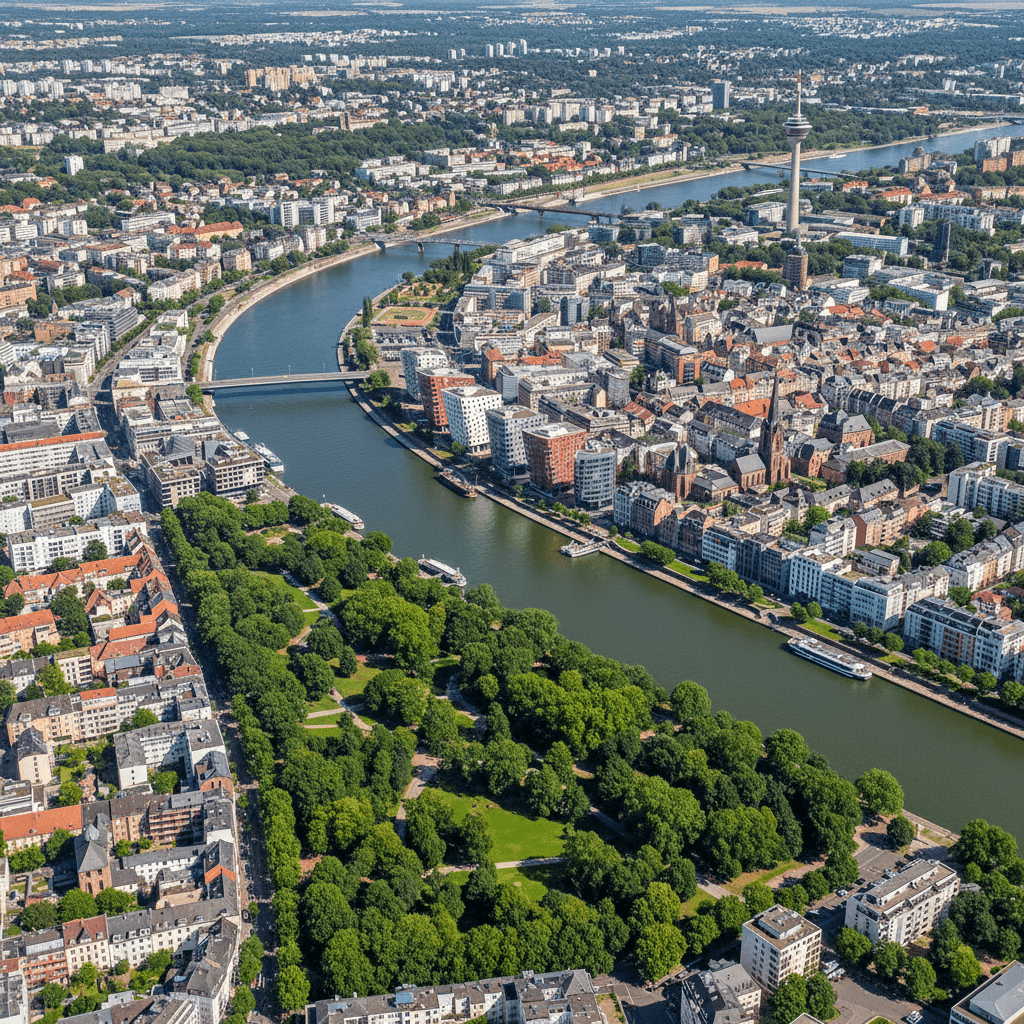
Düsseldorf
🇩🇪 Germany