Christchurch
🇳🇿 New Zealand
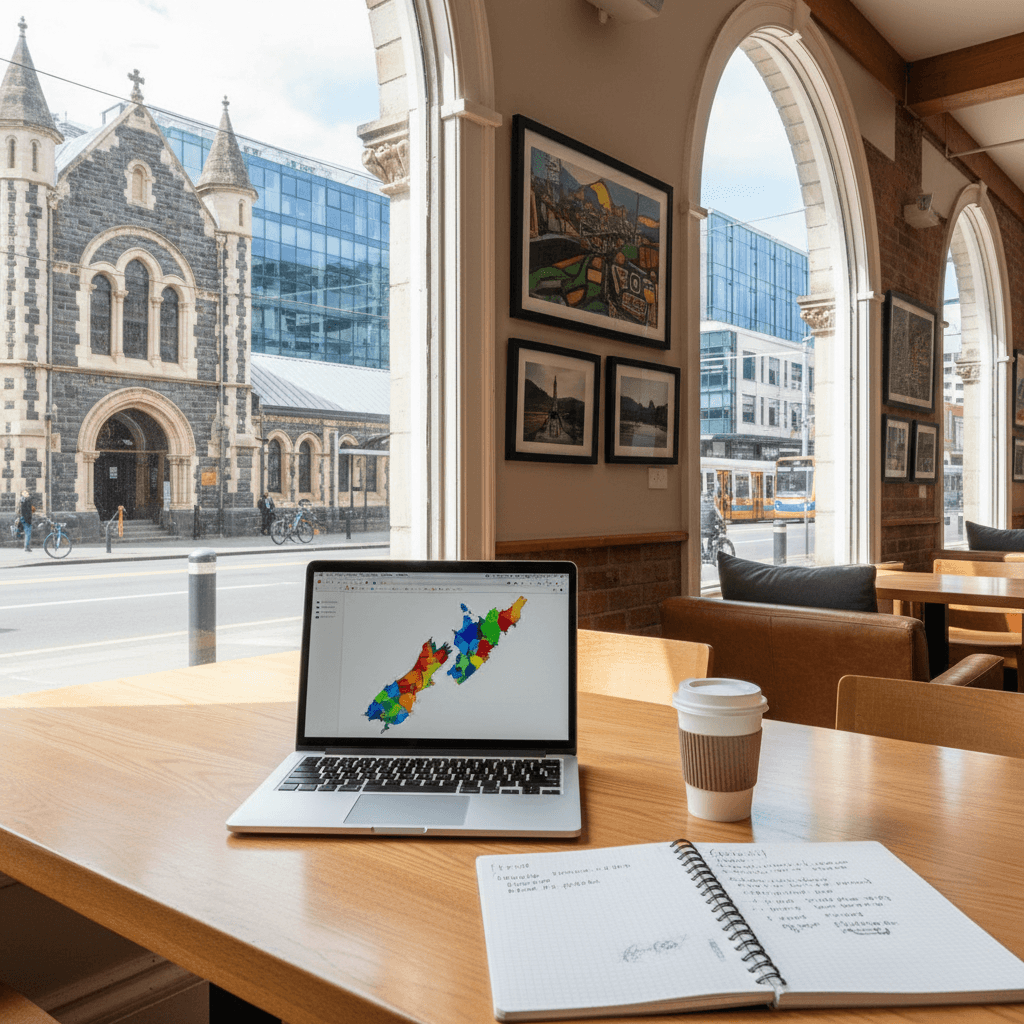
Christchurch feels calmer than Auckland, cheaper than Wellington in some corners and a bit more open in the head. The city still carries its post-earthquake rebuild in the bones, with glass, steel, new parks and the odd empty lot where the past hasn’t been neatly erased, so you get this mix of recovery, practicality and quiet optimism.
It’s a good fit if you want work-life balance without much fuss. Most nomads like the safety, the English-speaking ease and the fact that the beach, the Port Hills and a decent cafe desk are all within reach, though the weather turns grey fast and the bills add up quicker than people expect. Not cheap.
Rent stings. A central studio can sit around NZ$1,500 a month, Riccarton is usually kinder on the wallet and once you add food, transport and a coworking desk, you’re often looking at roughly NZ$3,370 a month for one person, which, honestly, lands Christchurch in that awkward middle zone, affordable by New Zealand standards, still pricey if you’re arriving from Southeast Asia or Latin America.
Best areas to stay
- Christchurch Central: Best for walkability, coworking and easy nights out, but expect higher rents and a few rougher blocks after dark.
- Riccarton: Better value, lots of student energy, easy shopping and the busier, slightly messier feel that some people prefer.
- Merivale: Good cafes, quieter streets and a more polished residential mood, though it’s less handy if you want everything on foot.
- Cashmere: Green, hilly and close to hiking, which is great if you want space, less great if you hate driving.
The city runs well for remote work. Internet is reliable, free city WiFi helps in a pinch and places like Exchange Christchurch, Genius Coworking and C-Lab give you proper desks instead of the usual laptop-on-a-wobbly-table nonsense, though the best cafes still get noisy with grinder chatter and chair scraping around lunch.
Christchurch also feels safe in a way that lets you relax your shoulders a bit. Keep an eye on Central-South at night, use Metro buses or Uber when the wind cuts through you and don’t expect a wild nightlife scene, because the evenings here are more craft beer, live music and quiet conversations than all-night chaos.
That’s the real vibe, a city that’s tidy, slightly subdued and surprisingly easy to settle into. The air can smell like wet pavement after rain, the Port Hills are right there when you need a reset and weirdly, that mix of order and softness is what brings people back.
Christchurch isn’t a cheap city, but it’s still friendlier to your wallet than Auckland and that matters when rent, coffee and bus fares start piling up. A solo nomad usually lands around NZ$3,370 a month and a family can burn through about NZ$6,665, which, honestly, is where the city stops feeling “affordable” and starts feeling just merely less painful.
Budget living is possible if you keep your expectations low. Think Riccarton studios at NZ$1,400 to NZ$1,800 a month, street food for NZ$10 to NZ$15 and a Metro bus pass around NZ$100, though the trade-off is usually a longer commute, more noise and that slightly tired student-area feel.
Typical monthly spend
- Budget: NZ$2,500 to NZ$3,000, with a central studio around NZ$1,500 or a Riccarton place closer to NZ$1,300.
- Mid-range: NZ$3,500 to NZ$4,500, usually a one-bed in Central for NZ$2,000 to NZ$2,500, plus NZ$25 to NZ$35 meals and about NZ$400 for coworking.
- Comfortable: NZ$5,000+, with upscale apartments from NZ$3,000 and fine dining starting around NZ$50 a plate.
Food and transport add up in sneaky ways, especially if you like decent coffee and the odd Uber after dark. A meal out averages about NZ$13 for cheaper eats, coffee sits near NZ$3 and a short Uber can be roughly NZ$6 for 3 km, which sounds fine until you’ve done it three times in one rainy week and the bill stings.
Where your money goes
- Central Christchurch: Best for walking, coworking and nightlife, but rent is higher and the inner city can feel quiet after office hours.
- Riccarton: Cheaper studios, student energy, malls and late-night takeaways, though it can be noisy and a bit bland.
- Merivale: Better cafes, nicer dinner spots, more polished overall and frankly you pay for that polish.
- Cashmere: Great for views and greener surroundings, with easier access to the Port Hills, but you’ll probably want a car or good bike legs.
Internet and coworking are decent, not magical. Free city WiFi helps, average speeds hover around 26 Mbps and spaces like Exchange Christchurch start from NZ$299 a month, while places such as Genius Coworking can run NZ$450 for a hot desk, so the scene works if you need a stable laptop setup and don’t mind paying for it.
One last thing, Christchurch has that clean-air, tram-bell, wet-pavement feel after rain, but the weather can turn chilly and damp fast and heating bills aren’t exactly charming. The city’s safe, walkable and easy to settle into, though the sticker shock on rent and decent dinners still catches people off guard.
Christchurch feels easy to live in, but the tradeoff is pretty clear, it isn't cheap and the weather can turn cold, grey and a bit bleak fast. Most people end up choosing a suburb based on how much they want to walk, how quiet they want their evenings and whether they can handle a little wind rattling the windows.
Nomads
For remote workers, Christchurch Central is the obvious pick if you want cafés, coworking and a decent shot at meeting people without spending half your day on buses. The CBD has that rebuilt, clean-lined feel, with cranes, glass, street art and the smell of espresso drifting out onto the footpath, though rents bite harder here, frankly and the higher theft risk at night means you should keep your head up.
- Best for: Walkability, coworking, nightlife
- Typical rent: Around NZ$1,500/month for a studio
- Watch for: Pricier housing and more petty crime
Riccarton is the cheaper play. It’s noisier, more student-heavy and a bit less polished, but the studio rents can sit around NZ$1,300/month, which, honestly, makes a real difference if you're staying a while and don't need a fancy address.
Expats
Merivale is where expats go when they want calm streets, good coffee and a nicer dinner scene without feeling stuck in the suburbs. The cafés are sharper here, the houses are leafier and the whole area has a lived-in, residential rhythm, with less noise than the central city and fewer short-stay headaches.
- Best for: Couples, professionals, food-focused renters
- Vibe: Quiet, polished, local
- Downside: Fewer hotels and less buzz
If you want easy access to the centre but still like trees and space, Cashmere works well. It sits close to the Port Hills, so you can hear tui calls in the morning and be on a walking track before lunch and the cooler air up there feels sharper in winter, which some people love and others really don't.
Families
Families usually do best in Cashmere or the quieter edges of the city, because you get more room, better access to parks and less of the weekend pub noise that hangs around Riccarton and the inner city. The tradeoff is simple, you’ll drive more, but you’ll also get easier access to green space, school runs and a bit of breathing room.
- Best for: Space, parks, hills, quieter streets
- Typical housing: Larger homes, often better value than central apartments
- Good for: Weekend walks, bike rides, calmer routines
Solo travelers
If you’re on your own and want things simple, Christchurch Central is still the easiest base because you can walk to food, buses and the main sights without much planning. Stay near the inner city, avoid wandering the darker blocks late and use Metro buses or Uber when the rain starts hammering the pavement, because it does, weirdly, change the whole mood of the place fast.
- Best for: First-timers, short stays, easy logistics
- Budget note: Central stays cost more, but save time
- Best backup: Riccarton for cheaper private rooms
Christchurch is pretty easy for remote work, honestly and the city’s internet setup is better than people expect for a place this relaxed. Average speeds sit around 26 Mbps, free city WiFi pops up in useful spots and most cafes have enough plugs to keep a laptop alive through a rainy afternoon, which, surprisingly, is still half the battle here.
The scene isn’t huge. That’s the tradeoff. You won’t find the packed coworking chaos of bigger nomad hubs, but you will get quieter workdays, less noise and a city where it’s normal to answer emails after a walk along the Avon or a blunt little coffee in Riccarton.
Best Coworking Options
- Exchange Christchurch: On Wilsons Road, from about NZ$299 a month, a solid pick if you want a proper desk and a central-ish location without paying Auckland prices.
- Genius Coworking: In Ferrymead, Flexi membership (5 days/week) is NZ$499+GST per month, Permanent desks (24/7 unlimited) are NZ$699+GST per month, so it’s pricier, but the setup is smoother and more focused.
Cafes work too, though you’ll want to be selective. Merivale and central Christchurch have the best laptop-friendly spots and the smell of espresso, wet pavement and sourdough in the morning makes long work sessions feel less grim than they should.
Mobile Data and Everyday Connectivity
- Best SIMs: Spark, One NZ and 2degrees all work well enough for day-to-day use.
- Cheap prepaid data: Around 10GB for NZ$12 is a decent benchmark.
- Airport grab: You can pick up a Spark or 2degrees SIM at the airport, often around NZ$19 for 1.5GB.
For most nomads, that’s the simplest setup, cafe WiFi for the bulk of work, mobile data as backup and a coworking pass if you’ve got calls all day or just need to escape the clatter of cups and the occasional chair scrape. The city’s calm pace helps, but don’t expect ultra-cheap living, because Christchurch is still New Zealand and the bills add up fast.
If you want the shortest answer, here it's, the internet’s reliable, the coworking options are decent and the vibe is low-drama. Not cheap. But workable and for a lot of people that’s enough.
Christchurch feels safe in a way that’s pretty easy to notice, people walk with their shoulders down, bike lanes get used and in the central city you’ll hear more café chatter and gull calls than anything tense. Overall risk is low and women, LGBTQ+ travelers and solo nomads usually report a relaxed experience, though the Central-South area gets sketchy after dark because theft and burglaries do happen there.
Don’t get sloppy. If you’re out late, stick to brighter streets, especially around the inner city fringe and don’t assume a quiet block means nothing’s going on, because opportunistic stuff is the real issue here. Honestly, it’s more about petty theft than street drama, so keep your laptop zipped, your phone out of your back pocket and your guard up on empty walks home.
Where to be careful
- Central-South at night: Higher theft risk, so take a rideshare or bus if you’re heading back late.
- Unlit side streets: Fine by day, dodgy after midnight, especially if you’re alone and distracted.
- Religious sites: Terrorism risk is rated medium near these areas, so stay aware, keep noise down and don’t loiter.
Healthcare is one of Christchurch’s nicer surprises, the hospitals are good, the pharmacies are easy to find and you won’t get the usual panic that comes with being in a new country and needing a prescription. Christchurch Hospital handles serious care well, while Chemist Warehouse on High Street and Remedy Pharmacy on Papanui Road are handy for quick fixes, sore throats, blister tape or the kind of headache that comes from too much travel and not enough sleep.
Turn out, the practical part is simple, bring your card, know your GP options if you’re staying longer and save 111 in your phone before you need it. After hours, the system still works, which, surprisingly, is a relief if you’ve ever dealt with slow, grumpy emergency desks elsewhere and most pharmacies can sort minor stuff fast without making a scene.
What to keep in your day bag
- ID and payment card: Most places take cards, so you usually don’t need much cash.
- Travel insurance details: You’ll want this if something’s more than a simple pharmacy fix.
- Basic meds: Painkillers, antihistamines and any prescriptions you can’t miss.
The vibe here is calm, not careless. If you stay alert in the center after dark, use common sense around valuables and treat healthcare like a normal errand instead of a crisis, Christchurch is straightforward to live in and, honestly, easier than a lot of bigger cities.
Christchurch is easy to live with and that matters. The centre is flat, compact and built for walking, cycling or a quick bus hop, so you’re not burning half your day in traffic. Still, it’s not tiny and the wind can cut across the streets hard enough to make even a five-minute walk feel longer than it should.
If you’re staying central, you can usually skip a car. The Metro bus network covers most practical routes, the airport link is straightforward and Uber is handy for those cold, wet nights when you don’t want to stand by a stop listening to tyres hiss through puddles. Bikes work well too, honestly, because the city’s rebuild left it with wide paths and decent cycling access.
Best ways to move around
- Walk: Best in Christchurch Central, where coworking spots, cafés and bars sit close together.
- Bus: Metro is the default public option, with apps making route planning much less annoying.
- Bike: Flat streets help, though the weather can make the ride feel a bit miserable.
- Ride-hailing: Uber is useful for short trips, especially late at night or in rain.
Most nomads end up mixing all four. A typical Uber across town might cost about NZ$6 for 3 km, which, surprisingly, makes it a decent fallback when the bus timing feels off or you’re hauling a laptop bag, groceries and a hoodie in that annoying Christchurch drizzle.
Where each option makes sense
- Christchurch Central: Best on foot, with easy access to food, libraries and coworking.
- Riccarton: Good for bus users, students and anyone who doesn’t care about being right in the middle.
- Merivale: Walkable enough for errands, though you’ll probably still use rides for evenings out.
- Cashmere: Better with a bike or car, because hills and longer gaps between stops change the vibe fast.
The airport trip is simple if you plan ahead. Metro and airport bus services get you there without drama and that’s a relief because Christchurch traffic isn’t awful, but no one wants to gamble with a suitcase when the weather turns grey and the rain starts tapping on the pavement.
One last thing, skip the idea that everything’s a long commute here. It usually isn’t. The city’s compact setup is one of its best features, though if you live in the wrong suburb, you’ll notice the difference pretty quickly, especially after dark when the streets go quiet and the cold settles in.
Christchurch is easy on the ears, honestly. English carries you through shops, buses, rentals and most work chats without a hiccup and that makes the city feel calmer than places where you're decoding everything twice.
You’ll hear the occasional “Kia ora” at the counter or in a meeting and “Ka kite” when someone’s signing off, which is normal here, not some polished tourist script. Use them back, even if your accent’s rough, because locals usually clock the effort fast and respond warmly.
That said, the communication style is pretty direct and a bit understated. People won’t always gush, they’ll just say “yeah, nah” or give you a blunt answer, which, surprisingly, is often the clearest one in the room.
What to expect day to day
- Language: English everywhere, with good signage and easy service interactions.
- Māori phrases: Kia ora, hello; Ka kite, bye.
- Translation help: Google Translate works fine if you need a quick check.
- Social style: Polite, dry, a little reserved, so don’t mistake quiet for coldness.
For nomads, the real win is that meetings, apartment viewings and coworking desk chatter just move faster here. No language barrier means less friction, though the accent can still catch you out at first, especially when someone’s talking quickly over café noise and steam hiss.
Practical communication tips
- Rentals: TradeMe listings, landlord emails and viewing chats are straightforward, but replies can be slow.
- Phones: Spark, One NZ and 2degrees are the main carriers and prepaid SIM setup is simple.
- Workspaces: Exchange Christchurch and Genius Coworking are used to international arrivals.
- Public life: Bus apps, food ordering and banking all work in plain English, no drama.
One thing that throws newcomers is the local understatement. If someone says a place is “a bit out of the way,” they might mean it’s genuinely annoying to reach and if they say weather’s “changeable,” expect rain, wind and that cold damp that gets into your sleeves.
Still, communication here is easy. The city feels practical, friendly and refreshingly low-fuss and if you show basic courtesy, speak plainly and don’t overcomplicate things, Christchurch tends to meet you halfway.
Christchurch has four real seasons and the weather does shape daily life here. Summer, roughly December to March, is the sweet spot, with highs around 21°C, longer evenings and dry enough stretches that you can actually plan a hike without staring at the radar app all morning. Winter is cooler, damp and a bit grey, with the cold sitting in the air and rain tapping on windows for days.
Don't expect Auckland warmth. Christchurch is cooler, sharper and a bit more honest about winter, which, surprisingly, some nomads prefer because the city quiets down and the trails around the Port Hills feel properly crisp.
Best Time to Visit
- December to March: Best for most visitors, warm enough for beach trips to Sumner, day walks and easy social plans.
- April to May: Still pleasant, fewer crowds, cooler evenings and better odds of cheaper short stays.
- June to August: Lowest season, colder and damper, good if you want quiet streets and don't mind the heater running.
- September to November: A solid shoulder season, though spring can be windy and a bit unpredictable, so pack layers.
Rain is part of the deal, but it isn't usually tropical drama, more like cold drizzle, wet pavements and that gritty smell after a shower hits the red brick in the central city. January and February are the driest months, while June and July bring the most rain, so if you hate grey skies and cold tile floors, skip winter.
For digital nomads, summer is easiest because the city feels active without being overwhelming and you can work a half-day then head out to New Brighton or the Port Hills before dinner. Winter works if you're disciplined and want lower-key cafes, though the wind can be savage and the early darkness gets old fast, frankly.
What to Pack
- Summer: Light layers, sunscreen, a windbreaker and something for cooler nights.
- Winter: Waterproof jacket, warm jumper, proper shoes and a heater-friendly mindset.
- Year-round: Layers, because Christchurch can swing from sunny to chilly in one afternoon.
My take, skip the idea that Christchurch is a year-round beach climate, because it isn't. Come for summer if you want the easiest version of the city or aim for spring and autumn if you care more about lower prices and don't mind a bit of weather roulette, honestly that's when the place feels most livable.
Christchurch feels easy at first, then the weather reminds you who’s in charge. The city’s flat, walkable center, English-speaking setup and decent infrastructure make day-to-day life simple, but it’s not cheap and winter can feel damp, grey and a bit stubborn.
Most nomads land here for balance, not chaos. You can work in the morning, hear the clack of bike wheels on pavement and the hum of buses, then be in the Port Hills or at Sumner before dinner, which, honestly, is a nicer rhythm than bouncing between traffic and screens all day.
- SIM cards: Buy Spark or 2degrees at the airport if you want instant data, expect about NZ$19 for 1.5GB, though prepaid plans get much cheaper once you’re in town.
- Banking: Cards work almost everywhere and Wise is the cleanest option for many expats, because opening a local account can be a mild paperwork headache if you arrive without much set up.
- Housing: TradeMe is where most people actually find places, with studios often around NZ$395 to NZ$480 a week and Airbnb stays can sit near NZ$2,412 a month if you need a soft landing.
- Neighborhood pick: Riccarton is the practical choice if you want lower rent and easy shopping, while Central suits people who’d rather pay more to walk home after dinner instead of catching a bus in the rain.
Transportation’s straightforward. Metro buses cover most of what you need, Uber is fine for short hops and cycling works better here than in most New Zealand cities because the terrain doesn’t punish your legs, though cold wind will still slap you in the face on the wrong morning.
For work, the signal’s solid enough for normal remote life and places like Exchange Christchurch and Genius Coworking give you a proper desk instead of forcing you to camp in cafés all day. The café scene, weirdly, is still one of the better backup plans, with decent coffee, power outlets and enough background chatter to stop the place feeling dead.
- Food and day trips: Keep Sumner and Akaroa on your list, both are easy escapes when the city starts feeling too orderly.
- Etiquette: Kiwi customs are relaxed, remove your hat indoors, tip lightly if you want to and recycle properly because locals will clock sloppy behavior fast.
- Weather prep: Pack layers, a real rain jacket and one warm jumper you won’t hate wearing in July.
My take, skip treating Christchurch like a cheap Auckland. It isn’t, but if you want safety, space and a slower pace with decent coffee and actual nature nearby, it still makes a strong case for itself.
Need visa and immigration info for New Zealand?
🇳🇿 View New Zealand Country GuideHidden Gem
Worth the effort
Monthly Budget Estimates
More cities in New Zealand
Wanaka
🇳🇿 New Zealand
Tauranga
🇳🇿 New Zealand
Hamilton
🇳🇿 New Zealand