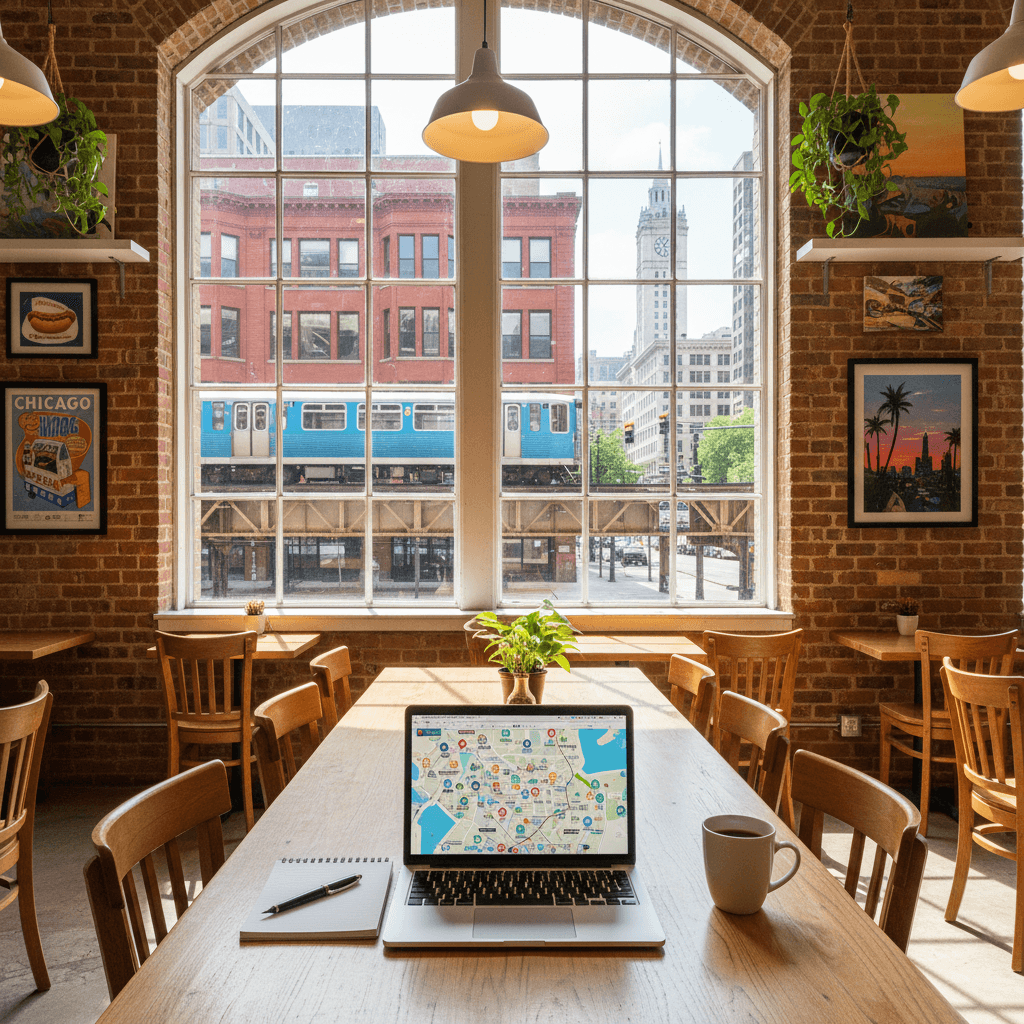
Chicago
🇺🇸 United States
The Windy City Vibe
Chicago feels like a massive, high energy playground that somehow kept its manners. Unlike the frantic, often impersonal rush of New York, Chicago greets you with "Midwestern nice." People will actually hold the door for you or apologize with a quick "ope" if they bump into you on the CTA. It is a city of massive scale, defined by its lakefront that looks more like an ocean and a skyline that serves as a living museum of architecture. For a nomad, the energy is infectious. You get world class infrastructure and a fast paced urban rhythm, but with a grounded, community focused heart.
The emotional experience of being here changes with the light. In the summer, the city is euphoric. Everyone is outside at Millennium Park, hitting the lakefront trails, or drinking on rooftops to make up for the winter. When the cold hits in January, the vibe turns cozy and insular. You'll find yourself hunkered down in a dimly lit bar in Wicker Park or a quiet corner of a library, leaning into the "gritty" side of city life. It is a place that demands resilience in the winter and rewards you with pure magic the rest of the year.
Cost of Living Breakdown
Chicago isn't cheap, but your dollar goes significantly further here than in coastal hubs like San Francisco. Most nomads find they need between $4,000 and $6,000 per month to live comfortably, though you can scrape by on $3,000 if you stick to studio apartments outside the city center and eat plenty of $5 street tacos. Expect to pay about $5 for a quality coffee and $6 for a local craft beer.
- Housing: A studio in the Loop or Downtown usually runs $1,800 to $2,500. If you head to trendy spots like Wicker Park or Andersonville, a 1BR is closer to $1,500 to $2,200.
- Food & Drink: Mid-range dinners sit around $20, while upscale tasting menus easily clear $50.
- Transport: A monthly CTA pass for the "L" train and buses is $100. Short Uber rides average $7.
- Connectivity: Expect $33 for a 10GB prepaid SIM from AT&T or Verizon.
Where to Plant Your Laptop
Each neighborhood has a distinct personality, so where you stay will dictate your entire experience. Expats and families often gravitate toward Lincoln Park for its greenery and safety, while solo travelers and younger nomads usually end up in Wicker Park or Logan Square for the artsy cafes and nightlife.
- The Loop: This is the central business district. It is crowded and expensive, but puts you near the Harold Washington Library, which offers free WiFi and a stunning winter garden on the top floor. Bond Collective is the go to coworking spot here, offering day passes and a sleek rooftop.
- Wicker Park & Logan Square: These are the creative heartbeats of the city. You'll find endless coffee shops with fast WiFi, though some can get noisy at night. Locals recommend the Wicker Park Fitness center for a no nonsense workout between deep work sessions.
- River North: This bustling area is home to Nomad Chicago, a dedicated space with reservable rooms and excellent Metric iced coffee. It is centrally located and offers a great professional environment.
Internet, Coworking, and Community
Reliable internet is a given here, with citywide averages hitting 77 Mbps. While you can always find a seat at the massive Starbucks Roastery on the Magnificent Mile, most long term nomads prefer independent spots. Bond Collective is a favorite for those who need a professional setup and networking opportunities, while the public library system is a great free fallback.
Socializing is easy if you're proactive. The nomad community is growing, and you'll find plenty of remote workers hanging out at coworking spaces or meeting up via Eventbrite and Meetup. For a bit of local flavor, join a "Ghosts and Gangsters" tour. It sounds touristy, but it's a fantastic way to learn the city's dark history and meet people in a low pressure setting.
Practical Realities
Safety is a common question. Most of the city is perfectly safe for walking, especially the North Side and downtown. However, pickpocketing is a 20% to 40% risk in high traffic tourist areas. It's best to avoid certain pockets of the South and West Sides at night. For healthcare, you're in good hands with world class hospitals and Walgreens pharmacies on almost every corner. If you need a gym without a long term commitment, Planet Fitness offers memberships for as low as $10 a month.
Getting around is a breeze without a car. The CTA is efficient, and the Blue Line will get you from O'Hare airport to downtown for just $5 in about 45 minutes. If the weather is nice, grab a Divvy bike and ride the 18 mile Lakefront Trail. Just remember to tip 15% to 20% at restaurants, and don't be surprised if the locals start a conversation with you while you're waiting for the train.
The Price of the Windy City
Chicago holds a unique spot in the American landscape. It provides the high octane energy of a global tier one city without the eye watering price tags of New York or San Francisco. Most nomads find that while it isn't cheap, your dollar stretches much further here, especially when it comes to square footage and world class dining.
To live comfortably, you should budget based on your lifestyle tier. A budget approach of $3,000 to $4,000 per month covers a modest studio and plenty of street food. A mid-range budget of $4,000 to $6,000 allows for a one bedroom in a trendy neighborhood and a dedicated coworking desk. If you're looking for the premium experience with high rise views and nightly fine dining, expect to spend $6,000 or more.
Monthly Expense Breakdown
- Housing: A studio in the Loop or Downtown typically runs between $1,800 and $2,500. If you head to Wicker Park or Andersonville, a one bedroom averages $1,500 to $2,200. For those wanting the prestige of Lincoln Park, prices often climb to $3,000.
- Food and Drink: You can grab a street taco or a quick slice for $5 to $10. A nice sit down dinner usually hits $20 before drinks, while upscale spots start at $50. A standard latte is $5 and a local craft beer is around $6.
- Transportation: A monthly CTA pass for unlimited trains and buses is $100. Short Uber or Lyft rides across town average $7, though airport runs to O'Hare can cost $40 to $60.
- Connectivity: Expect to pay about $33 for a 10GB prepaid SIM from carriers like AT&T or Verizon. Coworking hot desks, such as those at Bond Collective, average $419 per month.
Neighborhood Value for Nomads
Where you plant your flag dictates your daily burn rate. Expats and long term travelers often suggest skipping the tourist heavy Loop to find better value and more soul in the outlying neighborhoods.
Wicker Park and Logan Square
- Best for: Creative professionals and solo travelers.
- The Vibe: Artsy, high density of cafes, and a legendary nightlife scene.
- The Cost: Moderate to high. You're paying for the walkability and the social scene.
Andersonville
- Best for: Nomads who need a quiet, focused environment.
- The Vibe: Cozy, community oriented, and famous for its local shops.
- The Cost: More affordable than downtown, though you'll spend more time on the "L" train if you head south often.
The Loop
- Best for: Short term stays and those who want to be in the thick of it.
- The Vibe: Corporate, fast paced, and surrounded by iconic architecture.
- The Cost: Premium. Expect higher grocery prices and expensive parking.
Practical Money Tips
Tipping is a non negotiable part of the culture here. Plan to add 15 to 20 percent to your bill at restaurants and bars. For housing, nomads often avoid the headache of a year long lease by using platforms like Anyplace or Flatio, which offer furnished apartments designed for remote workers.
If you're looking to save, the city's public library system is a goldmine. The Harold Washington Library offers free high speed WiFi and quiet work zones in a stunning building. For fitness, skip the boutique studios and grab a $10 monthly membership at Planet Fitness to keep your overhead low while you explore the city's incredible food scene.
Chicago is a city of distinct personalities, and where you drop your bags depends entirely on the rhythm you want for your workday. Most nomads find that the city feels more like a collection of small towns than a monolith, with the CTA trains (the "L") connecting these pockets of life. While the downtown core is great for business, the real Chicago magic happens in the neighborhoods where coffee shops are plentiful and the pace is a bit more human.
For Digital Nomads: Wicker Park and Logan Square
If you want to be within walking distance of three different third-wave coffee shops and a dozen vintage stores, Wicker Park is your base. It has a high concentration of remote workers, making it easy to blend in while you're on your laptop. Most nomads head to Wicker Park Fitness for a workout or grab a table at one of the many cafes along North Avenue. Just be prepared for the noise; the nightlife here stays loud well past midnight on weekends.
Just a few stops further on the Blue Line, Logan Square provides a similar vibe but with a bit more breathing room. It's famous for its unique eats and expansive parks. While gentrification is a hot topic here and safety can vary block-by-block, the community of creators is massive. You'll find plenty of peers working from local bars that double as daytime workspaces.
- Typical 1BR Rent: $1,500 to $2,200
- Vibe: High energy, artsy, and very walkable.
- Top Perk: Easy access to the Blue Line, which runs straight to O'Hare airport for $5.
For Expats and Long-Term Travelers: Andersonville
Expats often recommend Andersonville if you're looking for a neighborhood that feels established and cozy rather than transient. It's further north and quieter than the downtown hubs, but it boasts one of the best food scenes in the city. The neighborhood is incredibly welcoming and has a distinct European flair in certain pockets. It's the kind of place where you actually get to know your neighbors. The only real downside is the commute; it's a bit of a trek if you need to be in the Loop every day for meetings.
- Typical 1BR Rent: $1,600 to $2,300
- Vibe: Community-focused, diverse, and relaxed.
- Top Perk: High density of independent boutiques and specialty grocery stores.
For Solo Travelers: The Loop and River North
If it's your first time in the city and you want to be in the middle of the action, the Loop is the place to be. You're steps away from the Harold Washington Library, which offers free high-speed WiFi and quiet study floors. For a more professional setup, Bond Collective offers day passes and a stunning rooftop for networking with other professionals. Nearby in River North, Nomad Chicago is a coworking space that locals love for its quiet, reservable rooms and Metric iced coffee.
Solo travelers appreciate the safety of the well-lit, crowded streets and the proximity to the Magnificent Mile. However, you'll pay a premium for the convenience. Everything from a beer to a studio apartment costs more here, and the area can feel a bit "corporate" once the workday ends.
- Typical Studio Rent: $1,800 to $2,500
- Vibe: Fast-paced, tourist-friendly, and central.
- Top Perk: Every train line converges here, making it the ultimate transit hub.
For Families and Comfort Seekers: Lincoln Park and Evanston
Lincoln Park is the gold standard for those who want green space and premium amenities. It's home to the free Lincoln Park Zoo and massive lakefront trails. Families often choose this area for the safety and the abundance of gyms like Chicago Athletic Clubs. If you want to escape the city feel entirely, Evanston is just across the northern border. It's technically a suburb but feels like an extension of the city, offering a quiet, academic atmosphere thanks to Northwestern University.
- Typical 1BR/2BR Rent: $2,000 to $3,000+
- Vibe: Upscale, leafy, and very safe.
- Top Perk: Proximity to Lake Michigan and the best public parks in the city.
Regardless of where you land, keep a few practicalities in mind. Use apps like Anyplace or Flatio to find furnished spots without the headache of a long-term lease. If you're here during the winter, prioritize being near a train station; a ten-minute walk feels like an eternity when it's 2 degrees Celsius and the wind is whipping off the lake.
Connectivity and Speed
Chicago is a powerhouse for remote work, consistently delivering speeds that handle heavy video calls and large file uploads without breaking a sweat. Chicago's median download speed is around 213 Mbps, though many modern apartment buildings and coworking hubs easily push past 100 Mbps. Fiber is common in the Loop and newer developments in West Loop or River North.
For mobile connectivity, don't rely on your international roaming. Pick up a local prepaid SIM from AT&T, Verizon, or T-Mobile. You'll likely pay around $33 for a 10GB data plan. Coverage is excellent throughout the city, though the "L" trains can be notorious dead zones once you head underground in the State Street or Dearborn subways.
Top Coworking Spaces
The city has moved beyond the basic "desk and a chair" model. Chicago's coworking scene is social and often reflects the architecture of the neighborhood it's in.
- Bond Collective: Located in the Loop, this is the gold standard for nomads who want a high end aesthetic. It features a stunning rooftop, great networking events, and the ability to use their other locations across the US. Day passes are available if you aren't ready to commit to a $419 monthly hot desk.
- Nomad Chicago: Situated in the River North/Franklin area, this spot is a favorite for those who need deep focus. It is quieter than the downtown hubs, offers reservable private rooms, and serves excellent Metric iced coffee to keep you fueled.
- Harold Washington Library: If you are on a budget tier, head to the ninth floor Winter Garden. The WiFi is free, it's remarkably quiet, and the glass roof provides plenty of natural light even during the grayest winter months.
The Cafe Culture
Chicagoans take their coffee seriously, and most independent shops are welcoming to laptop users as long as you follow the unspoken "one drink per two hours" rule. While the Starbucks Roastery on the Magnificent Mile is a tourist marvel with reliable WiFi, local nomads usually head to the neighborhoods for a better vibe.
In Wicker Park and Logan Square, you'll find plenty of cafes with "laptop friendly" sections. Andersonville is another top pick; the neighborhood feels like a small village, and local spots offer a cozy atmosphere that doesn't feel like a corporate office. Just keep an eye out for "no laptop" signs on weekends, as some popular brunch spots reclaim their tables for social dining on Saturdays and Sundays.
Practical Tips for Remote Workers
If you are planning a longer stay, look into platforms like Anyplace or Flatio. They specialize in furnished apartments designed for remote workers, bypassing the need for a standard 12 month lease or the inflated prices of a typical Airbnb. Most of these units come with a dedicated workspace and verified high speed internet already set up.
When the "Windy City" weather turns sour in January and February, the Pedway system is your best friend. It's a network of underground tunnels and overhead bridges connecting buildings in the Loop. You can get from your apartment to a coworking space or a coffee shop without ever stepping out into the sub zero temperatures.
- Hot Desk Average: $419 per month
- Coffee Price: $5
- Public Transit Pass: $100 per month
- Reliability: High, with outages being extremely rare in major hubs.
Staying Safe and Sound
Chicago gets a lot of heat in the news, but the reality for most nomads is much more relaxed than the headlines suggest. Most people find the city pretty safe, especially in the central and northern neighborhoods where remote workers tend to cluster. Like any massive metro, it's about being street smart rather than being scared.
The main thing to watch out for is petty crime. Pickpocketing and phone snatching have a 20% to 40% risk in high traffic tourist areas like the Magnificent Mile or during crowded festivals at Millennium Park. Keep your tech tucked away when you're walking, and don't leave your laptop unattended in a cafe while you grab a refill.
Local advice is simple: stick to the well lit, populated areas at night. While the North Side and the Loop are generally fine after dark, nomads usually avoid wandering deep into certain pockets of the South and West Sides unless they have a specific destination in mind. If you're out late in Wicker Park or Logan Square, taking an Uber or Lyft is a standard move that'll cost you about $7 for a short hop. It's often better than waiting on a quiet train platform at 2:00 AM.
Healthcare and Wellness
If you get sick, you're in one of the best places in the country for medical care. Chicago is home to world class hospitals and specialized clinics. For something minor, you'll find a Walgreens or CVS pharmacy on almost every major corner. They're great for picking up over the counter meds or getting a quick flu shot.
In case of a real emergency, dial 911. Just keep in mind that US healthcare is pricey if you aren't covered. Most long term travelers recommend having a solid international insurance policy before landing. For routine stuff, urgent care centers like Physicians Immediate Care are scattered throughout the city and offer transparent pricing for visitors without local insurance.
Keeping Fit
Chicagoans take their fitness seriously, which is lucky for you because the gym options are top tier. If you're on a budget, Planet Fitness is the go to move at just $15 a month with no long term commitment. It's basic, but it gets the job done.
For a more premium experience or specialized classes, check out these local favorites:
- Chicago Athletic Clubs: These are all over the city and offer everything from climbing walls to pools.
- Crosstown Fitness: Perfect if you're looking for high intensity interval training and a community vibe.
- Fitness Formula Clubs (FFC): A bit more upscale with great amenities, often located near major coworking hubs.
If the weather is nice, skip the gym and head to the Lakefront Trail. It's 18 miles of paved path right along Lake Michigan. It's completely free and offers the best skyline views in the city while you run or bike. Just remember that the air quality is generally good, but the lake breeze can make it feel 10 degrees colder than it actually is, so layer up.
Emergency Contacts
- Emergency Services (Police, Fire, Ambulance): 911
- Non-Emergency City Services: 311
- Poison Control: 1-800-222-1222
The Pulse of the City: The L and Beyond
Chicago is one of the few American cities where you can genuinely live a car-free lifestyle without feeling stranded. The backbone of the city is the CTA (Chicago Transit Authority), locally known as "The L." Whether the tracks are elevated above the street or tucked underground, these trains are the lifeblood of the commute. A single ride costs $2.50, but most nomads staying for a month grab a Ventra pass for around $100. It’s the smartest way to bounce between a morning coffee in Wicker Park and a sunset walk in the Loop.
Buses fill the gaps between the train lines, running a grid pattern that makes the city easy to navigate once you get the hang of the layout. If you’re heading to the South or West Sides, just keep an eye on your surroundings at night, as some stations can feel a bit isolated. Most travelers find the system reliable, though the "ghost bus" phenomenon (where a bus appears on the app but never on the street) is a local rite of passage you'll likely experience at least once.
Pedal Power and Scooters
When the weather is Cooperating between May and October, Chicago becomes a paradise for cyclists. The city is pancake-flat, which makes biking long distances surprisingly easy. Divvy is the go-to bike-share program here. You'll see the bright blue stations every few blocks. You can grab a single ride or a day pass through the Lyft app, and they offer both classic pedal bikes and e-bikes for when you’re running late to a meeting at Bond Collective.
- Divvy Bikes: Available via the Lyft app; great for lakefront rides.
- Lime Scooters: Perfect for short "last mile" trips from the train station to your apartment.
- The Lakefront Trail: An 18-mile paved path that lets you bike from the North Side to the South Side with zero car traffic and incredible skyline views.
Ride-Hailing and the Parking Headache
Uber and Lyft are everywhere. A short 3km trip usually lands around $7 to $12, depending on the time of day. If you’re coming from O’Hare (ORD), an Uber will set you back $40 to $60. If you’re on a budget, take the Blue Line train instead; it’s only $5 and takes about 45 minutes to get downtown, often beating traffic during rush hour.
A word of advice: don't rent a car if you’re staying in neighborhoods like the Loop, River North, or Lincoln Park. Parking is a nightmare and incredibly expensive, often costing $40 or more per night in downtown garages. If you must drive, download the SpotHero app. It’s a Chicago-born lifesaver that lets you reserve parking spots at a discount.
Walking the Neighborhoods
Chicago is a city of neighborhoods, and the best way to see them is on foot. The downtown area is highly walkable, with wide sidewalks and iconic architecture at every turn. In places like Andersonville or Logan Square, you can spend an entire day wandering between cafes, boutiques, and coworking spaces without ever needing a wheels. Just remember the "Midwestern nice" rules: if you accidentally bump into someone, a quick "ope" is the local way to say excuse me.
Transport Cost Breakdown
- CTA Single Ride: $2.50
- Monthly CTA Pass: ~$100
- Airport Train (O'Hare): $5
- Short Uber/Lyft: $7 to $15
- Divvy Day Pass: Price varies by bike type, usually around $15 for unlimited short rides.
The Local Lingo
You won't have any trouble getting your point across in Chicago. English is the universal language here, and it's spoken with a high level of proficiency across every professional and social circle. While you'll hear the standard American accent most of the time, keep an ear out for the classic "Chicago accent" in older neighborhoods, characterized by elongated vowels and a specific way of saying "Da Bears."
Spanish is the second most common language you'll encounter. It's widely spoken in neighborhoods like Pilsen and Little Village, and you'll often see bilingual signage on the CTA trains and in public buildings. If you're a polyglot, Chicago's diverse immigrant history means you might stumble upon pockets where Polish, Mandarin, or Arabic are frequently used, but for daily life and business, English is all you need.
Chicagoisms to Know
Even though it's an English speaking city, Chicago has its own vocabulary that might trip you up if you aren't prepared. Locals are famous for "Midwestern nice," a brand of friendliness that's polite but efficient. If you accidentally bump into someone, don't be surprised if they beat you to saying "ope," a quirky regional reflex used when excusing oneself or squeezing past someone in a tight aisle.
- The L: This refers to the elevated train system. Never call it the subway, even when the tracks go underground.
- Pop: If you ask for a soda, people will know what you mean, but the local word for carbonated soft drinks is pop.
- The Lake: This always refers to Lake Michigan. It's the primary point of orientation for the entire city; if you're facing the water, you're facing east.
- Gym Shoes: While the rest of the country says sneakers or trainers, Chicagoans almost exclusively call them gym shoes.
- The Loop: This is the central business district downtown, named after the way the L tracks circle the area.
Staying Connected
Digital nomads find the infrastructure here incredibly reliable. Chicago's median download speeds are around 213 Mbps, with many areas exceeding 200 Mbps, which is more than enough for video calls and heavy uploads. Most cafes expect people to stick around and work for a bit, though it's polite to buy a fresh coffee every couple of hours. If you need a break from the laptop, the Harold Washington Library offers free high speed WiFi and plenty of quiet corners without the pressure to buy a latte.
For mobile data, don't rely on international roaming as it'll eat your budget fast. Pick up a prepaid SIM card from a major carrier like AT&T, Verizon, or T-Mobile. You can find these at the airport or at any branded storefront in the Loop or Wicker Park. Expect to pay around $33 for 10GB of data, which usually includes unlimited domestic talk and text.
Social Etiquette and Communication
Communication in Chicago is direct but warm. People will chat with you in line at a coffee shop or while waiting for the bus, but they also value their time. When it comes to dining, tipping is a non negotiable part of the communication flow. 15 to 20 percent is the standard for table service, and it's considered poor form to leave less unless the service was truly abysmal.
If you're looking to network, the city's tech and creative scenes are very accessible. Use apps like Meetup or Eventbrite to find nomad gatherings, or head to coworking hubs like Bond Collective or Nomad Chicago in Andersonville. Locals are usually happy to share recommendations for the best deep dish or a quiet workspace, so don't be afraid to strike up a conversation. Most nomads find that the "Midwestern nice" vibe makes it much easier to build a social circle here than in New York or LA.
The Four Seasons of the Windy City
Chicago doesn't do things in half measures. You'll experience a dramatic shift between seasons that dictates exactly how the city moves and breathes. While the architecture looks stunning year round, your daily life as a nomad will change significantly depending on when you touch down at O'Hare.
May to October is the undisputed sweet spot. During these months, the city sheds its heavy coats and moves entirely outdoors. You'll find locals flocking to the lakefront path and rooftop bars like the one at Bond Collective in the Loop. July is the warmest month, with averages around 28°C (82°F), though the humidity can make it feel much stickier. This is when the city feels most alive, with street festivals every weekend and the beaches along Lake Michigan packed with people who've forgotten what snow looks like.
The shoulder seasons of late spring and early autumn are arguably the most comfortable for getting work done. May, June, and September offer crisp air and mild temperatures that are perfect for walking between cafes in Wicker Park or Logan Square without breaking a sweat. If you're here in the fall, the changing leaves in Lincoln Park provide a world class backdrop for a remote workday.
Surviving the Deep Freeze
If you choose to visit between November and March, you need to be realistic about the "Windy City" reputation. It isn't just a nickname; the wind whipping off Lake Michigan can make a 2°C (35°F) day in January feel significantly colder. This is the time of year when many nomads hunker down in cozy spots like Nomad Chicago in Andersonville or the massive Harold Washington Library to stay productive while avoiding the slush.
Expect damp conditions and gray skies for a good chunk of the winter. While the holiday lights on the Magnificent Mile are beautiful in December, the novelty often wears off by February, which is typically the harshest month. If you aren't a fan of heavy parkas and thermal layers, you might find the winter isolation a bit draining. However, rent prices for short term stays on platforms like Anyplace or Flatio can sometimes be more negotiable during the off peak months.
Best Time for Your Wallet
Timing your stay can also impact your overhead. Chicago is a major hub for conventions and summer tourism, which sends hotel and short term rental prices soaring between June and August. If you're on a budget tier of $3,000 to $4,000 a month, you'll get much more bang for your buck by arriving in April or October.
- Peak Season (June to August): Best weather, highest prices, constant events.
- Shoulder Season (April to May, September to October): Ideal for walking, moderate prices, manageable crowds.
- Off-Peak (November to March): Lowest prices, harsh cold, great for focusing on deep work indoors.
Most nomads recommend a September arrival. You get the tail end of the summer energy and the best of the fall colors, all while avoiding the peak summer humidity and the inevitable deep freeze of the new year. Just remember to pack layers; Chicago weather is famously fickle, and you might experience three different seasons in a single Tuesday.
Survival Finances
Chicago isn't exactly a bargain, but it's significantly more approachable than New York or San Francisco. Most nomads find they need between $4,000 and $6,000 per month to live comfortably in the trendier neighborhoods. If you are on a tighter budget, you can scrape by on $3,000 if you stick to street food and shared housing, but the city's real charm lies in its dining and social scene, which adds up fast.
- Housing: A studio in the Loop or Downtown runs $1,800 to $2,500. For a better neighborhood feel, look at Wicker Park or Andersonville, where 1BRs range from $1,500 to $2,200.
- Daily Costs: Expect to pay $5 for a quality coffee and $6 for a local beer. A mid-range dinner usually lands around $20, while high-end spots start at $50.
- Connectivity: A 10GB prepaid SIM from AT&T or Verizon costs about $33.
Rather than wrestling with year-long leases, expats recommend using platforms like Anyplace or Flatio. These services offer furnished apartments designed for remote workers, letting you skip the credit check headaches common with traditional landlords.
Where to Set Up Your Desk
The city's internet is reliable, with median speeds reaching around 213 Mbps. While the Starbucks Roastery on the Magnificent Mile is an architectural marvel for a quick email session, locals prefer independent spots or dedicated offices. Bond Collective in the Loop is a favorite for its rooftop views and networking events, offering day passes for those who don't want a monthly commitment.
In Andersonville, Nomad Chicago lives up to its name with quiet, reservable rooms and excellent Metric iced coffee. If you are watching your wallet, the Harold Washington Library provides free WiFi and plenty of desk space in a stunning setting. For neighborhood vibes, Wicker Park is packed with cafes that won't mind if you linger over a laptop for a few hours.
Getting Around the Grid
Chicago is a grid city, making it incredibly easy to navigate. The CTA (the "L" trains and buses) is your lifeline. A single ride is $2.50, but most long-term visitors grab a monthly pass for $100. It's efficient, though it can get crowded during rush hour.
- From O'Hare (ORD): Take the Blue Line train for $5. It takes about 45 minutes to reach downtown. An Uber will cost you $40 to $60 depending on traffic.
- Biking: Use the Divvy bike-share system for short hops. The city is flat, making it perfect for cycling during the warmer months.
- Walking: The downtown core is highly walkable, but you'll want the train for neighborhood hopping.
Safety and Local Lore
The city is generally safe for travelers, though it's wise to stay alert in tourist-heavy areas where pickpocketing risks increase. Most nomads suggest avoiding certain pockets of the South and West Sides at night. Stick to well-lit, populated streets, and you'll find the reality is much calmer than the headlines suggest.
Healthcare is top-tier here. Major hospitals are scattered throughout the city, and Walgreens pharmacies are on almost every corner for quick needs. If you need a gym, Planet Fitness offers memberships starting at $15/month with no long-term commitment, while Chicago Athletic Clubs provide a more premium experience for those staying longer.
The "Midwestern Nice" Factor
People here are famously friendly. Don't be surprised if a stranger strikes up a conversation in line for a $7 street taco. You'll hear locals say "ope" when they bump into you; it's the unofficial regional apology. Tipping is non-negotiable in the US; aim for 15% to 20% at restaurants and bars. If you want to meet people, check Meetup or Eventbrite for nomad-specific gatherings, or join a "Ghosts and Gangsters" tour to learn the city's gritty history while socializing.
Finally, respect the weather. From November to March, the wind off the lake is brutal. If you are visiting during this window, pack heavy layers and a windproof coat. The city truly comes alive from May to October, when the street festivals and lakefront parks make the high cost of living feel completely worth it.
Need visa and immigration info for United States?
🇺🇸 View United States Country GuideNomad Haven
Your home away from home
Monthly Budget Estimates
More cities in United States
Miami
🇺🇸 United States
Las Vegas
🇺🇸 United States
Phoenix
🇺🇸 United States