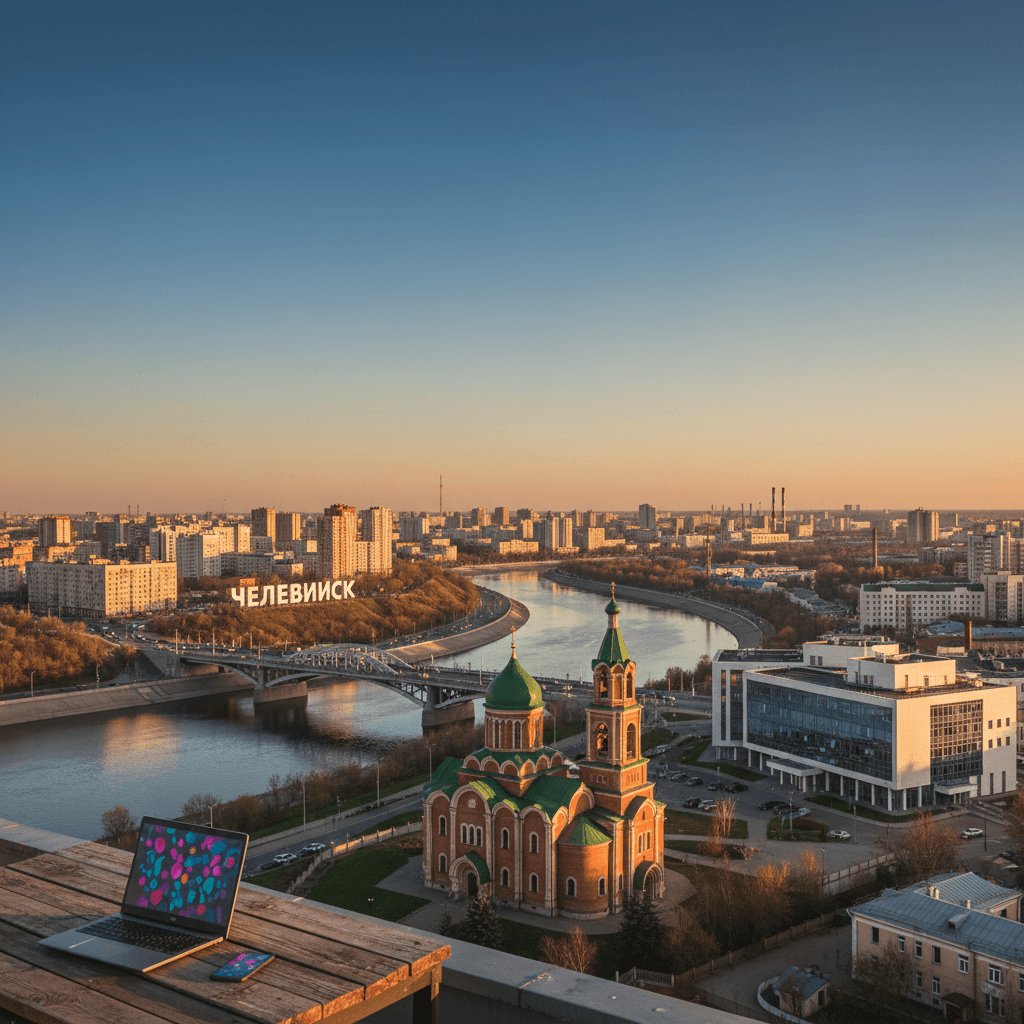
Chelyabinsk
🇷🇺 Russia
The Industrial Heart with a Surprising Pulse
Chelyabinsk doesn't try to woo you with the imperial glamour of St. Petersburg or the frantic energy of Moscow. It is a city that wears its industrial heritage on its sleeve, literally. Known as Tankograd during the war years, it remains a manufacturing titan in the Ural region. For the traveler, the first impression is often one of massive scale; wide avenues, Stalinist architecture, and a skyline punctuated by chimneys. It feels heavy, permanent, and unapologetically Russian.
But if you look past the steel and concrete, you'll find a city that is remarkably grounded. There is an grit here that appeals to nomads who are tired of the polished, "Instagrammable" bubbles of Southeast Asia. People are direct, the pace of life is steady, and there is a genuine lack of pretension. You aren't here for a digital nomad meetup in a bamboo hut; you're here to see how a massive Eurasian hub actually functions away from the tourist gaze.
The Vibe: Concrete and Camradery
The local atmosphere is defined by contrast. On one hand, you have the Kirova Street pedestrian zone, locally called the Arbat, where life feels light, social, and filled with street performers and bronze statues. On the other, the sprawling industrial districts remind you that this is a working man's city. The emotional experience of living here is one of discovery. You'll find sleek, modern coffee shops tucked into the ground floors of grey Soviet apartment blocks, serving specialty brews that rival anything in Europe.
Socially, the barrier can be high if you don't speak Russian. English proficiency is low compared to the capital. However, once you break the ice, the hospitality is intense. Locals are often surprised to see foreigners and will go out of their way to help you find a bus or recommend a spot for pelmeni. It’s a place that rewards the patient traveler who doesn't mind a bit of rough around the edges.
Living the Nomad Life in the Urals
Let's talk logistics. Living here is affordable but comes with technical hurdles. You’ll likely spend around $1,558 per month for a comfortable lifestyle, though savvy spenders can get that much lower. The internet speeds are a bit of a gamble, often averaging around 14 Mbps. This isn't the place for high stakes live streaming, but for standard remote work, it usually gets the job done if you have a local SIM with a generous data plan.
- Navigation: Forget Google; Yandex Maps and 2GIS are the only ways to find your way around.
- Transport: Use Yandex GO for rides. It's cheap, reliable, and saves you from negotiating prices in broken Russian.
- Payments: Since international cards are mostly blocked, you'll be relying on cash or services like Ostrovok for your initial bookings.
- Connectivity: A VPN is mandatory for accessing your usual tools and social media.
Why Chelyabinsk?
Most nomads end up here because they want to experience the "real" Russia or they're passing through on the Trans-Siberian route. It’s a gateway to the Ural Mountains, offering incredible nature retreats just a few hours away. The city feels like a fortress, but inside that fortress is a community of people who are incredibly resilient and surprisingly creative. It’s a destination for the observer, the writer, or the developer who wants zero distractions and a very low cost of living while they grind away on a project.
The weather will dictate your mood. In the winter, it is a frozen landscape of white and grey that requires serious gear. In the summer, the city turns surprisingly green, and the nearby lakes become the social center of the region. It’s a city of seasons, steel, and a quiet, stoic beauty that stays with you long after you've moved on to the next stop.
The Monthly Budget
Living in Chelyabinsk is a study in industrial-era affordability. While it lacks the glitz of Moscow, your dollar stretches significantly further here. Most digital nomads should budget roughly $1,560 per month to live comfortably. This figure covers a private apartment in a decent area, regular dining out, and your basic workspace needs. It is a budget-friendly destination, though you are trading some modern conveniences for those lower price points.
Housing and Neighborhoods
Rent will be your biggest variable, and the quality of "renovated" apartments varies wildly. Most expats and remote workers gravitate toward the Tsentralny District. It is the most walkable part of the city and keeps you close to the better coffee shops and parks. If you want something a bit quieter but still accessible, look at the Severo-Zapad (Northwest) area. It is more residential and often has newer building stock.
- Tsentralny (City Center): Expect to pay between $450 and $700 for a modern one-bedroom apartment. This puts you near Ulitsa Kirova, the local pedestrian street.
- Severo-Zapad: Prices drop here, with decent flats ranging from $350 to $500. You will rely more on ride-hailing apps to get to the action, but the value is hard to beat.
Food and Dining
Eating out is one of the highlights of the local cost of living. You can find a solid business lunch, which usually includes soup, a main, and a drink, for about $5 to $8 at most mid-range spots. If you are cooking at home, local markets and supermarkets like Magnit or Pyaterochka are incredibly cheap. A weekly grocery haul for one person rarely exceeds $40 or $50 if you stick to local produce and brands.
- Low-end meal: $6 to $9 for a hearty plate of pelmeni or a kebab.
- Mid-range dinner for two: $25 to $40 at a sit-down restaurant with a couple of drinks.
- Coffee: A standard cappuccino at a specialty cafe costs around $2.50.
Transport and Connectivity
Getting around is cheap, provided you use the right tools. You should download Yandex Go immediately. It is the primary ride-hailing app and is much more reliable than trying to flag a cab or figure out the older tram routes. A cross-town trip usually costs less than $5. For public transport, the local buses and trams cost pennies, but they can be crowded and confusing for non-Russian speakers.
Internet is a bit of a pain point. While mobile data is cheap and generally reliable for basic tasks, the average fixed line speed hovers around 14 Mbps. This is fine for emails and basic browsing, but you might struggle with heavy video editing or large file transfers. Always check the Wi-Fi speed at your specific apartment before signing a long-term lease. For backup, a local SIM card with a heavy data plan is a must and will only set you back about $10 to $15 a month.
Everyday Expenses
Don't forget the small stuff that adds up. A gym membership in a decent facility will cost around $30 to $50 per month. If you need a dedicated workspace, local coworking spots are popping up, though they are less "laptop-lifestyle" and more "traditional office." You can usually snag a hot desk for about $100 to $150 a month. For booking your initial stay, remember that many Western sites don't work well here now; Ostrovok is the go-to for accommodation and usually accepts international cards without much fuss.
For Digital Nomads: Tsentralny District
If you want to be where the action is, the Tsentralny (Central) District is the only real choice. This area surrounds the pedestrianized Kirova Street, which locals call the Arbat. It is the most walkable part of a city that was otherwise built for heavy industry and wide Soviet avenues. You will find the highest concentration of cafes with decent Wi-Fi here, along with the city's main cultural landmarks.
Living here means you are close to the Gagarin Park, a massive forested area that is perfect for clearing your head after a few hours of deep work. Most nomads gravitate toward modern apartments near the Chelyabinsk City high rise. While the internet speeds in the city can be hit or miss, hovering around 14 Mbps on average, the central district usually has the most stable fiber optic connections.
- Estimated Rent: $450 to $650 per month for a modern one-bedroom.
- Vibe: Urban, social, and as close to a "metropolitan" feel as you will get in the Urals.
- Top Spot: A reliable cafe with good caffeine on Kirova Street.
For Expats and Long Term Residents: Severo-Zapad
The Severo-Zapad (Northwest) is where the newer residential developments are located. It is technically part of the Kalininsky and Kurchatovsky districts. Many expats who are in town for manufacturing or engineering projects choose this area because the housing stock is much newer than the crumbling Soviet blocks in the center. The air quality is also slightly better here as it is further away from the heavy metallurgical plants in the east.
You will need to rely on the Yandex Go app for transport, as the tram lines from the Northwest to the center can be slow during peak hours. There are plenty of large shopping malls like Rodnik or Almaz nearby, which house international brands and large grocery stores. It feels more like a standard European suburb than the gritty industrial heart of the city.
- Estimated Rent: $350 to $500 per month for a high end new build.
- Vibe: Practical, quiet, and residential.
- Top Spot: The fitness clubs and modern gyms located near Komsomolsky Avenue.
For Families: Parkovy and Lesoparkovy
Families usually look for green space and safety. The Lesoparkovy area is a premium pocket right on the edge of the city forest. It is expensive by local standards but offers a much higher quality of life. There are gated communities here that provide a sense of security and playgrounds that are actually well maintained. It is a rare part of the city where you can walk out of your apartment and be in the woods in five minutes.
Education options for international families are limited, so most choose this area to ensure their kids have access to clean air and outdoor activities. The Uralskiye Pelmeni restaurant nearby is a local staple for family dinners, serving traditional dumplings in a setting that is comfortable for children.
- Estimated Rent: $700 to $1,000 per month for a large family apartment.
- Vibe: Upscale, green, and secluded.
- Top Spot: The walking trails of the City Pine Forest.
For Solo Travelers and Budget Seekers: Sovetsky District
The area around the main railway station in the Sovetsky District is the most affordable entry point. It is not as polished as the center, but it is incredibly convenient if you plan on taking the train to explore other Ural cities like Yekaterinburg. The architecture is a mix of grand Stalinist buildings and older, more affordable apartments.
Solo travelers often find that the prices here allow for a much longer stay. You can find basic but clean studios for very low prices. The area is home to the Pushkin City Garden, which is a bit more manicured and smaller than Gagarin Park but still a great spot for a walk. Just be aware that the area immediately around the station can get a bit sketchy late at night, so stick to the well lit main streets.
- Estimated Rent: $250 to $350 per month for a basic studio.
- Vibe: Transitional, busy, and very affordable.
- Top Spot: The local markets near the station for cheap, fresh produce.
Connection Speeds and Stability
If you are planning to work from Chelyabinsk, you need to manage your expectations regarding speed. While big hubs like Moscow or Kazan boast lightning fast fiber, this industrial center averages around 67 Mbps for fixed broadband. It is enough for basic Zoom calls and emails, but you will feel the lag if you are uploading massive video files or doing heavy cloud architecture work.
Mobile data is where the city actually shines. Russian telecom providers like MTS, Beeline, and Megafon offer incredibly cheap data packages. You can usually pick up a SIM card for about $5 to $10 that includes more data than you will likely use in a month. Most nomads use their phones as a backup hotspot because the LTE signal is often more consistent than the Wi-Fi in older apartment blocks.
Since many international sites are restricted, a reliable VPN is a non-negotiable part of your toolkit here. You will want to have one installed and tested before you cross the border, as accessing VPN provider websites can be tricky once you are on a local IP address.
Coworking Spaces in Chelyabinsk
The coworking scene here is small but functional, mostly catering to local startups and freelancers rather than an international nomad crowd. You won't find a huge community of English speakers, but you will find quiet desks and decent coffee.
- My Business (Moy Biznes): This is a government backed initiative located on Rossiyskaya Street. It is modern, clean, and surprisingly professional. A day pass usually runs around $6 to $8, making it one of the most affordable desks in the city.
- IT Park74: This is the tech heart of the region. It feels more like a corporate incubator than a trendy cafe, but the internet here is the most stable in the city. It is the best bet for anyone doing high stakes dev work.
Remote Work Culture and Cafes
Working from cafes is a growing trend, though you should always check for power outlets before you get comfortable. The staff in Chelyabinsk are generally indifferent to someone sitting with a laptop for a few hours as long as you keep ordering tea or snacks.
Surf Coffee is the most reliable "nomad" chain in Russia and they have a presence here. It has a California skater vibe, plenty of outlets, and the staff usually speaks a bit of English. DoubleB is another solid choice for specialty coffee and a quiet corner to knock out a few hours of deep work.
Practical Tech Tips
Digital life in Chelyabinsk runs on a few specific apps. You should download Yandex Maps immediately; it is far more accurate for local bus routes and building entrances than Google Maps. For getting around, Yandex Go is the local version of Uber and is incredibly cheap, with most cross town trips costing under $4.
For payments, the situation is currently complex for foreigners. Most international credit cards won't work in local terminals. You will likely need to carry cash or look into opening a local Tinkoff or Sberbank account if you are staying long term. If you are booking accommodation ahead of time, Ostrovok is the go to platform since it often accepts foreign cards that other local sites might reject.
Staying Safe in the Tankograd
Chelyabinsk doesn't usually make the list of Russia's most dangerous cities anymore, but it holds a gritty reputation as an industrial powerhouse. For most nomads, the safety profile is similar to other large Russian hubs: stay alert in the outskirts and you'll be fine. The city center, particularly around Kirovka Street, is well lit and heavily patrolled. You shouldn't have issues walking around these areas at night, though it's always smarter to use a ride hailing app like Yandex Go after dark rather than wandering into residential courtyards.
The biggest safety concerns aren't actually crime related. The local driving style is aggressive, so be careful when crossing the street, even at marked crosswalks. During winter, look up for falling icicles and be mindful of black ice on the sidewalks. Petty theft happens, but it's not rampant. Just keep your phone and wallet in your front pockets when you're using public transport or hanging out in crowded spots like the Gorki Mall.
- Emergency Number: Dial 112 for all emergency services (police, fire, ambulance).
- Police: They may occasionally stop foreigners to check documents. Always carry a digital copy of your passport, visa, and registration on your phone.
- Scams: Be wary of "helpful" strangers at ATMs or unofficial taxis offering rides at the airport. Stick to the apps.
Air Quality and Environmental Health
If you have asthma or sensitive lungs, Chelyabinsk requires some preparation. It's a massive center for metallurgy and heavy industry, which means the air quality can take a hit when the wind dies down. Locals refer to these days as NMU (Non-favorable Meteorological Conditions). During these periods, you might see a visible haze over the city. Most expats use apps like AirVisual to track pollution levels and stay indoors or wear a mask when the numbers spike.
Tap water isn't safe for drinking here. It's fine for showering, but for drinking and cooking, you'll want to buy bottled water or use a high quality filter. Most long term rentals come with a 19 liter water delivery service, which is cheap and much more convenient than lugging bottles from the supermarket.
Healthcare Facilities and Pharmacies
The healthcare system in Chelyabinsk is split between public clinics and private centers. Unless it's a major emergency, you'll want to avoid the state hospitals. They are often underfunded and the staff rarely speaks English. Private clinics are a different story. They offer modern equipment, short wait times, and a much higher standard of care for a reasonable price.
For general consultations or specialists, Lotos is the most prominent private medical chain in the city. They have multiple branches and a relatively straightforward booking system. A standard consultation with a specialist will usually set you back about $20 to $35. For dental work, a local dental clinic like Klassik-Dent is a popular choice among the local middle class and expats.
- Pharmacies (Apteka): You can find them on almost every street corner. Many are open 24/7. Look for the green cross.
- Medication: Most standard medications are available over the counter, but brands will be different. Use the Apteka.ru app to find specific active ingredients and compare prices.
- Insurance: Ensure your travel insurance specifically covers Russia and includes a "medical evacuation" clause, as complex surgeries might require a trip to Moscow.
Practical Health Tips
Pharmacies are excellent resources for minor ailments, and the pharmacists are usually quite knowledgeable, though you'll likely need a translation app to communicate. If you need a specific prescription from home, bring the original paper script and the generic chemical name, as brand names like Tylenol or Advil aren't used here. Instead, ask for Paracetamol or Ibuprofen.
Lastly, don't forget about the "Chelyabinsk Meteor" legacy. While another strike is statistically unlikely, the region is prone to extreme weather shifts. Proper winter gear isn't just a comfort choice; it's a health necessity when temperatures drop below -20°C. Frostbite can happen faster than you'd think if you aren't layered up correctly.
Getting Around Chelyabinsk
Navigating this industrial powerhouse isn't exactly like gliding through a European capital, but it's functional once you get the hang of the local rhythm. The city layout is sprawling, split by the Miass River and anchored by the massive Revolution Square. While the center is walkable, you'll definitely need wheels to reach the outlying districts or the lakeside spots where nomads tend to retreat during the summer months.
Ride-Hailing and Taxis
If you don't speak Russian, ride-hailing apps are your best friend. They eliminate the need to negotiate prices or explain your destination to a driver who likely won't speak English. Yandex Go is the undisputed king here. It's reliable, incredibly cheap by Western standards, and allows you to track your driver in real time.
- Economy Class: Expect to pay around $2 to $4 for most cross-town trips.
- Comfort Plus: For a few extra dollars, you'll get a newer car and a driver who is less likely to treat the city streets like a rally track.
- Payment: Since international cards like Visa and Mastercard are hit or miss due to sanctions, most nomads set their app to 'Cash' and pay the driver directly at the end of the ride.
Public Transportation
The backbone of Chelyabinsk's transit system is a mix of trams, trolleybuses, and the infamous marshrutkas. Trams are the most nostalgic way to get around; they have their own dedicated tracks in many areas, meaning they can bypass the heavy traffic jams on Lenin Avenue during rush hour. A single ride usually costs less than $0.40.
Marshrutkas are private white minivans that follow specific routes. They are fast, frequent, and slightly chaotic. You'll see a number in the window, hop in, and pass your coins to the driver. Just be warned: these drivers are notoriously aggressive, and the vans are often packed to the gills. For a smoother experience, stick to the large green municipal buses which are newer and easier to board with a backpack or groceries.
Navigation and Maps
Forget Google Maps here. The data is often outdated and the walking directions can lead you into dead ends or construction zones. Download 2GIS or Yandex Maps. 2GIS is particularly legendary in Russia because it works offline and provides insanely detailed info, even showing you exactly which door to use to enter a specific building. It also tracks public transport in real time, so you'll know if that tram is actually coming or if it's broken down three blocks away.
Walking and Cycling
The city center, particularly the pedestrianized Kirovka Street, is great for walking. It's the social heart of the city where you'll find most of the decent cafes and pubs. However, outside the immediate center, the sidewalks can be uneven and the distances are deceptive. Chelyabinsk is a city built for heavy industry and big trucks, not necessarily for cyclists.
There are very few dedicated bike lanes, and riding in the street is a high-stakes game. If you want to cycle, head to Gagarin Park. It's a massive forested area where you can rent a bike for about $5 an hour and escape the city noise without worrying about traffic.
Winter Logistics
When the temperature drops to -20°C, your transportation strategy has to change. Waiting for a tram for fifteen minutes becomes a test of endurance. During the winter months, almost every nomad and expat switches exclusively to Yandex Go. The extra few dollars are a small price to pay to stay warm and avoid slipping on the icy sidewalks that characterize the city from December through March.
The Language Barrier
Expect a steep learning curve when you land in the South Urals. Unlike Moscow or Saint Petersburg, Chelyabinsk is a heavy industrial hub where English takes a back seat to daily Russian life. You might find a few English speakers in high end coffee shops or younger crowds at the South Ural State University district, but for the most part, you are going to be relying on translation apps and basic phrases to get through your day.
Most nomads find that learning the Cyrillic alphabet is the first big win. It looks intimidating at first, but you can learn to read signs and menus in a single afternoon. Once you can sound out words, you will realize that many technical and modern terms are actually cognates. If you don't speak any Russian, your interactions at grocery stores or with bus drivers will likely involve a lot of gesturing and showing your phone screen.
Essential Tech and Apps
Since you cannot rely on local English proficiency, your smartphone is your best friend. Download Yandex Translate before you arrive. It generally handles the nuances of Russian better than Google Translate, especially with its offline mode and camera translation features. You will use the camera tool constantly to decipher labels at the supermarket or signs in the metro.
For getting around, Yandex Go is the standard for ride hailing. It is incredibly helpful because you can set your destination in the app, avoiding the need to explain directions to a driver who likely speaks zero English. Similarly, Yandex Maps is far more detailed for Chelyabinsk than other map services, showing precise entrance locations for buildings and real time tracking for public transport.
Local Communication Norms
Communication in Chelyabinsk is direct and can sometimes feel brusque to outsiders. Don't mistake a lack of small talk for rudeness; it is just the local style. People usually don't smile at strangers on the street, but if you ask for help using a translation app, locals are often surprisingly patient and willing to assist a confused traveler.
Digital communication happens almost exclusively on Telegram. Whether you are trying to join a local hobby group, contacting a landlord, or looking for a tech meetup, you will need a Telegram account linked to a local number. WhatsApp is used occasionally, but Telegram is where the actual community lives. If you are looking for social opportunities, search for local "Expats in Chelyabinsk" or "Language Exchange" groups within the app, though these groups are small and often quiet.
Practical Survival Tips
- Get a local SIM: Pick up a card from MTS or Megafon as soon as you arrive. You will need a Russian number to access public Wi-Fi networks in malls and cafes, which require a code sent via SMS.
- Use a VPN: To keep using your usual social media and news sites, a reliable VPN is mandatory. Expats frequently recommend ExpressVPN or Shadowsocks based services to bypass local restrictions.
- Carry a Battery Pack: Cold winters in Chelyabinsk drain phone batteries fast. If your phone dies, your ability to communicate or find your way home disappears instantly.
- Learn the "No": The word Nyet is your most powerful tool. Whether it is a persistent street vendor or someone offering a service you don't need, a firm "Nyet, spasibo" (No, thank you) is usually enough to end the conversation.
While the ~67 Mbps average fixed broadband internet speed in the city is usually stable enough for messaging and basic translation, your experience will vary by location. If you plan to stay for more than a week, investing in a few private Russian lessons via Italki or a local tutor will make your experience significantly more rewarding.
Surviving the Extremes
Chelyabinsk doesn't do things in moderation. Located right on the edge of the Ural Mountains, this city experiences a classic continental climate. That means you'll deal with biting, dry winters and surprisingly hot, dusty summers. If you're coming here to work remotely, your choice of month will completely redefine your experience of the city.
Winter is the longest season, stretching from November through March. It isn't just cold; it's a deep, persistent freeze where temperatures frequently hover around -15°C (5°F). During cold snaps, it can plumment to -30°C (-22°F). The air is dry, which makes the cold feel a bit more manageable than in humid coastal cities, but you still need heavy duty gear. Most nomads find themselves confined to coffee shops and indoor spaces during these months, as the city can feel quite grey and industrial under the heavy snow.
The Sweet Spot for Nomads
If you want to actually see the city and the surrounding nature, aim for late May to early September. This is when Chelyabinsk sheds its metallic image and turns surprisingly green. July is the peak of summer, with temperatures often hitting 25°C (77°F) or higher. It’s perfect for exploring the nearby lakes like Turgoyak or Uvildy, which are local favorites for weekend escapes.
June is particularly pleasant because the days are incredibly long. You'll get plenty of daylight to power through a work session and still have time for a walk in Gagarin Park. Just be prepared for the occasional "pop-up" thunderstorm; they hit hard and fast during the summer months.
Seasonal Breakdown
- Winter (November to March): Expect heavy snow and short days. It's the cheapest time for indoor rentals, but outdoor activity is limited to skiing or ice skating. Average highs stay well below freezing.
- Spring (April to May): This is the "rasputitsa" or mud season. As the snow melts, the city can get quite messy. It’s a transition period that most travelers try to avoid unless they enjoy grey slush.
- Summer (June to August): The golden window. The city is lively, outdoor cafes are open, and the surrounding Ural nature is accessible. Expect highs between 20°C and 28°C.
- Autumn (September to October): September can be beautiful with crisp air and golden leaves, but by October, the first frosts usually arrive. It's a short but scenic shoulder season.
What to Pack
Your suitcase needs to be strategic. If you're visiting in the summer, light cottons and a solid pair of walking shoes are enough, though you'll want a light jacket for the evenings. The temperature can drop quickly once the sun goes down.
For winter, don't skimp on quality. You'll need a heavy down parka, thermal base layers, and insulated boots with good grip. The sidewalks can get incredibly icy, and a fall on the frozen pavement is a quick way to ruin a trip. Most locals prioritize function over fashion when the temperature hits -20°C, so don't worry about looking a bit bulky in your gear.
Air Quality Considerations
Since Chelyabinsk is a major industrial hub, the weather affects air quality significantly. During the winter, "adverse meteorological conditions" can occur when stagnant air traps industrial emissions over the city. Local expats often use apps like AirVisual to check the AQI before heading out for a run or a long walk. On days with low wind, the smog can be noticeable, so it's something to keep in mind if you have respiratory sensitivities.
Connectivity and Digital Survival
Internet speeds in Chelyabinsk average around 14 Mbps, which isn't going to win any awards. It's enough for emails and basic tasks, but if your job involves heavy video editing or constant high-definition calls, you'll need to vet your apartment's router before committing. Most nomads rely on local SIM cards to supplement home Wi-Fi. MTS, Megafon, and Beeline are the big players. You can pick up a SIM at the airport or any retail kiosk in the city center for about $10 to $15 per month, usually with generous data packages.
Since many global services are currently restricted, a reliable VPN is your most important digital tool. Most expats recommend having at least two different providers installed on your devices before you arrive. For getting around and ordering food, the Yandex ecosystem is your best friend. Download Yandex Go for taxis and Yandex Maps for public transit routes. These apps are more accurate here than any international competitors.
Budgeting and Costs
Living here is significantly cheaper than in Moscow or St. Petersburg, but the lack of a traditional nomad infrastructure means you won't find many "all inclusive" coliving setups. Expect to spend roughly $1,558 per month for a comfortable lifestyle. This covers a modern apartment, dining out frequently, and transport. Since international banking systems are mostly disconnected, you'll need to carry cash or look into UnionPay cards, though many travelers find that bringing physical currency to exchange is the most reliable method.
- Monthly Rent (City Center): Approximately $450 to $700 for a one bedroom apartment.
- Coworking Desk: Around $120 to $180 per month.
- Local Meal: A standard lunch at a cafe costs about $6 to $10.
- Cappuccino: Usually around $2.50.
Navigation and Logistics
The city layout is quite spread out, so choosing your base carefully is vital. Most remote workers stick to the Tsentralny District to stay close to the few reliable cafes with decent Wi-Fi. Public transport consists of buses, trams, and marshrutkas (fixed route minivans). While cheap, these can be confusing for newcomers. Taxis are incredibly affordable by Western standards; a cross town trip rarely exceeds $5.
For accommodation, Ostrovok is the go to platform because it accepts various payment methods that international sites currently don't. If you're looking for a long term rental, local sites like Avito are the standard, but you'll almost certainly need a Russian speaker to help you negotiate the lease and check the paperwork.
Daily Life and Language
English proficiency is quite low in Chelyabinsk compared to the capital cities. You'll find that younger people in specialty coffee shops might speak some English, but for grocery shopping, banking, or dealing with a landlord, you'll need a translation app or a basic grasp of Russian phrases. It's a pragmatic city, so people appreciate it when you try to use the local language, even if it's just the basics.
The weather is a major factor in your daily planning. Winters are long and can drop well below -20°C, so high quality thermal gear isn't optional. Conversely, summers are surprisingly warm and pleasant, which is when the city's parks and nearby lakes actually come to life. If you're sensitive to the cold, aim for a visit between June and August.
Need visa and immigration info for Russia?
🇷🇺 View Russia Country GuideOff the Radar
Pioneer territory
Monthly Budget Estimates
More cities in Russia
Krasnoyarsk
🇷🇺 Russia
Kazan
🇷🇺 Russia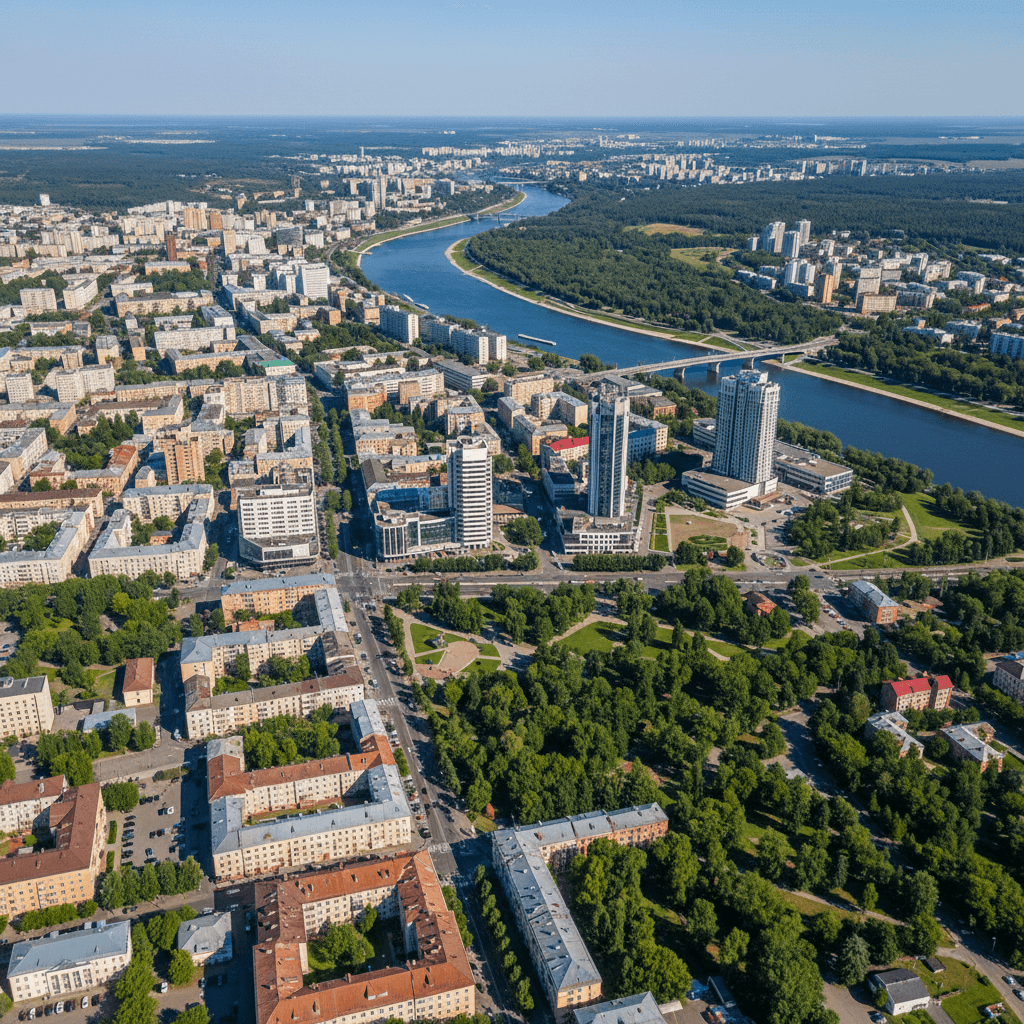
Perm
🇷🇺 Russia