Charleston
🇺🇸 United States
The Lowcountry Rhythm
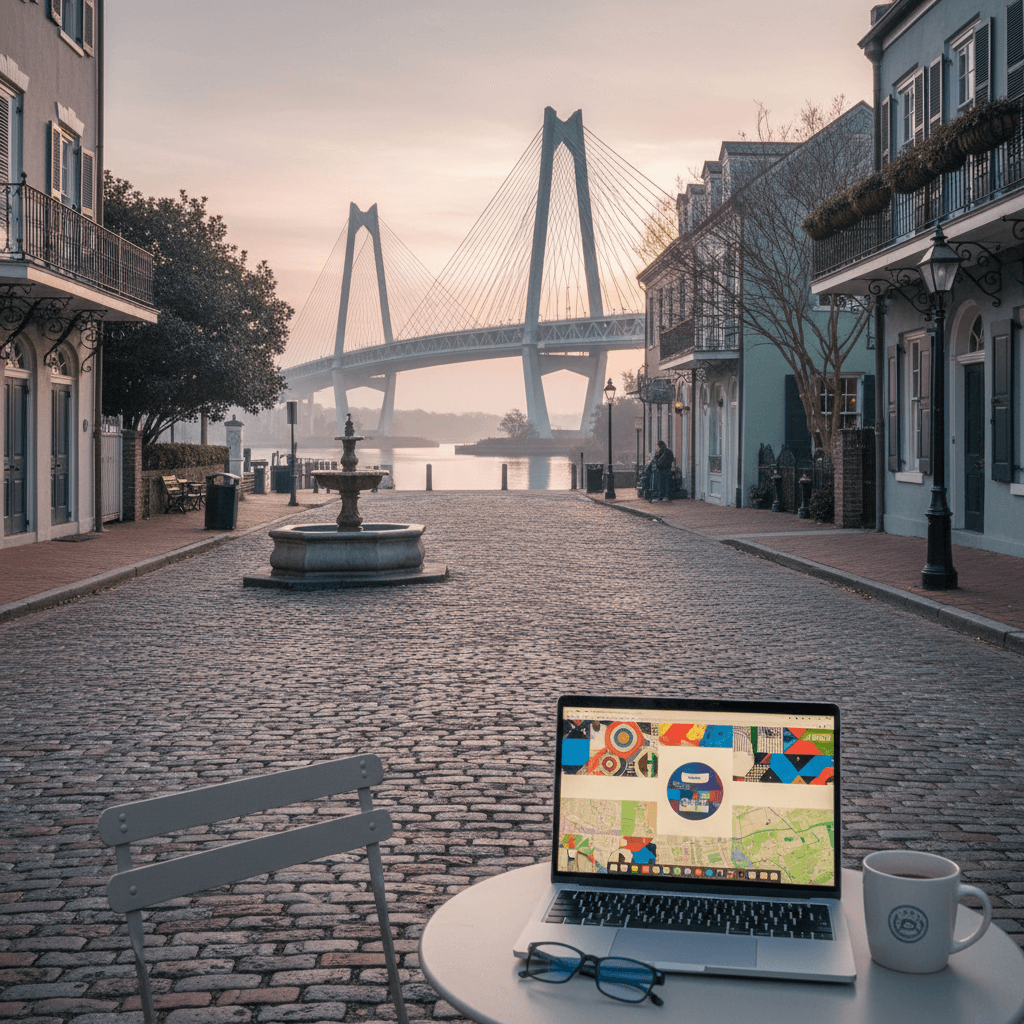
Charleston doesn't just welcome you; it envelops you. Stepping onto the cobblestones of the French Quarter feels like walking through a living museum, where the air is thick with the scent of jasmine and salt water. For nomads, the city offers a rare duality. You can spend your morning on a high speed Zoom call in a sleek, renovated textile mill and your afternoon kayaking through marshlands or wandering under the sprawling oaks of White Point Garden.
The vibe here is defined by Southern hospitality, but with a modern, entrepreneurial edge. While the horse-drawn carriages and antebellum architecture suggest a city frozen in time, the tech scene and world class culinary landscape prove otherwise. It is a place where people actually stop to say hello, and the "slow living" philosophy isn't just a trend; it's the local default. You'll find yourself trading the frantic pace of larger hubs for a bike ride down King Street or a sunset at The Battery.
The Nomad Experience
Digital nomads often find that Charleston bridges the gap between a vacation destination and a functional home base. The community is tight knit and social, making it easy to plug into networking events at spots like Venture X at GARCo Mill. Unlike the anonymous feel of New York or London, Charleston feels like a neighborhood. You’ll likely start recognizing the same faces at your favorite coffee shop within a week.
However, this charm comes with a price tag. Charleston is increasingly popular, and the cost of living reflects its status as a top tier US destination. Most travelers find that while the quality of life is high, housing can be a hurdle, especially during the peak spring and fall seasons. To make the numbers work, many expats look toward the suburbs or opt for mid-range stays in the off-season when the tourist crowds thin out and the humidity drops to a comfortable level.
Living Costs by Budget
Your monthly burn rate in Charleston depends heavily on how close you want to be to the water or the historic core. Prices have climbed recently, so it’s wise to plan for a mid-range budget to truly enjoy the city’s famous dining scene.
- The Budget Tier: Approximately $2,500 per month. This usually involves staying in North Charleston or the suburbs, using the free CARTA buses downtown, and sticking to local markets or oyster sheds for meals.
- The Mid-Range Tier: Approximately $4,000 per month. This covers a studio or one bedroom near the downtown core or in Mount Pleasant, a dedicated desk at a coworking space for $300 to $500, and frequenting local favorites like Xiao Bao Biscuits or Leon’s Fine Poultry.
- The Comfortable Tier: $6,000+ per month. This allows for waterfront living in Mount Pleasant, a private office at Venture X, and regular fine dining at upscale institutions like Husk, where dinner and drinks can easily top $50 per person.
Why It Stands Out
What sets Charleston apart from other coastal nomad spots is its soul. It isn't a purpose built resort town; it’s a city with deep, complex roots. The emotional experience of being here is one of discovery. You might spend a Saturday morning surfing at Folly Beach and be back in time for a jazz set in a dim King Street lounge by nightfall.
The infrastructure is reliable, with fiber internet speeds that satisfy even the most data-heavy roles. While the layout is spread out, the downtown core is incredibly walkable and bike-friendly. Most nomads agree that the best way to experience the city is to lean into the local customs. Tip your servers 15 to 20%, embrace the "y'all," and don't be surprised if a casual chat at a brewery turns into a weekend invitation to go boating. In Charleston, the networking happens as much on the water as it does in the office.
The Price of Lowcountry Living
Living in the Holy City feels like stepping into a postcard, but that aesthetic comes with a price tag that sits above the national average. While it's not quite New York or San Francisco territory, Charleston's popularity as a top tier tourist destination means you'll need to be strategic with your budget. Most nomads find that while housing is the biggest hurdle, the city offers plenty of ways to save on the lifestyle side, especially if you lean into the local seafood markets and free beach days.
For a solo traveler, a monthly budget of $2,500 is doable if you stay in the suburbs and stick to local spots. If you want the quintessential downtown experience with frequent dinners at places like Husk or Xiao Bao Biscuits, expect to spend closer to $4,000 to $6,000 per month. The good news is that the "off-season" during the fall and winter months often brings a dip in short term rental prices and a much quieter, more affordable vibe.
Housing and Neighborhood Costs
Your biggest expense will undoubtedly be rent. The market is competitive, and prices fluctuate wildly based on how close you are to the water or the historic French Quarter. Expats recommend looking at North Charleston or Folly Beach for more breathing room in the budget.
- Budget Tier (North Charleston/Suburbs): Expect to pay between $1,200 and $1,600 for a studio or one bedroom apartment. It's less historic, but your dollar goes much further.
- Mid-Range Tier (Downtown/French Quarter): This is where the action is, but you'll pay $1,800 to $2,500 for the privilege of being walkable to King Street.
- Comfortable Tier (Mount Pleasant/Waterfront): For high end condos or spots near Sullivan's Island, prices easily start at $2,800 and climb quickly.
Dining and Socializing
Charleston is a food town, and it's easy to blow your budget on oysters and craft cocktails. However, you can eat well without breaking the bank if you know where to go. Casual spots like Leon’s Fine Poultry offer a great middle ground for remote workers grabbing a bite between calls.
- Low Cost: Oysters at local markets or street food will run you about $10 to $15 per meal.
- Mid-Range: A nice dinner with a drink at a popular neighborhood spot usually lands between $20 and $40.
- Fine Dining: Charleston has a world class culinary scene; an upscale three course meal will typically start at $50 and go up from there.
Remote Work Infrastructure
If you aren't working from your apartment, you'll need to factor in coworking costs. The city has a solid infrastructure for nomads, with reliable fiber internet and several dedicated hubs. Many locals also utilize the thriving cafe culture near King Street for a few hours of work over a coffee.
- Basic Access: Budget about $200 a month for frequenting cafes or basic community memberships.
- Dedicated Desk: Spaces like Holy City Collective or Venture X in the GARCo Mill area cost between $300 and $500 per month.
- Private Office: For those needing more privacy, premium spots like Venture X or The Exchange start around $600.
Transportation and Connectivity
The peninsula is incredibly walkable, which can save you a fortune on transport. If you stay in the core, you can rely on the free CARTA buses or a bike. However, if you want to explore the plantations or beaches, you'll likely need a car or a ride-hailing app.
- Public Transit: A monthly pass for the bus system is around $50 to $100, though the downtown shuttle is free.
- Ride-Hailing: Frequent use of Uber or Lyft for beach trips will likely cost about $150 a month.
- Car Rentals: If you prefer your own wheels, gas and rentals will set you back $200 or more.
- Connectivity: A prepaid SIM card from T-Mobile or Verizon with unlimited data usually costs between $30 and $50. Many nomads now opt for eSIM apps like Airalo for an even easier setup.
For the Solo Nomad: Downtown & The French Quarter
If you want to step out of your front door and be immediately surrounded by cobblestones and gas lanterns, this is your spot. The historic core is the most walkable part of the city, keeping you close to the high-end shops on King Street and the waterfront at the Battery. It is the best place to find that classic Charleston aesthetic, though you will pay a premium for the privilege.
- The Vibe: Historic, social, and very tourist-heavy.
- Monthly Rent: Expect to pay between $1,800 and $2,500 for a studio or one-bedroom.
- Coworking: You are close to Local Works and several laptop-friendly cafes near King Street.
Most nomads find the noise and the price tag are the trade-offs for not needing a car. You can walk to dinner at Husk or grab a casual bite at Xiao Bao Biscuits without much effort. Just keep in mind that peak tourism seasons can make the sidewalks feel a bit crowded.
For the Professional Expat: GARCo Mill & Park Circle
Digital nomads who prioritize a dedicated office environment over historic charm usually gravitate toward the GARCo Mill area. This neighborhood feels more like a professional hub, anchored by the Venture X coworking space inside a beautifully renovated mill. It is less about horse-drawn carriages and more about high-speed fiber and networking events.
- The Vibe: Industrial-chic, focused, and increasingly modern.
- Monthly Rent: Slightly more accessible than downtown, often ranging from $1,600 to $2,100.
- Coworking: Venture X is the main draw here, offering private offices for around $600 or dedicated desks for $300 to $500.
Expats recommend this area if you need a clear boundary between your living space and your workspace. It lacks the "Old South" feel of the French Quarter, but the community of remote workers here is one of the strongest in the city.
For Families and Long-Term Expats: Mount Pleasant & Sullivan's Island
If you are moving with a family or just want a quieter, coastal lifestyle, Mount Pleasant is the standard choice. It is technically a separate town, but it functions as a suburb of Charleston. You get much better access to the beaches at Sullivan's Island and more room to breathe. The schools are highly rated, and the parks are well-maintained.
- The Vibe: Suburban, coastal, and relaxed.
- Monthly Rent: One of the pricier areas for houses, with comfortable family homes or waterfront apartments starting at $2,800.
- Coworking: You will find several quiet libraries and cafes with reliable Wi-Fi throughout the area.
The main downside is the commute. If you want to head downtown for a night out, you will be crossing the Ravenel Bridge, which can get backed up during rush hour. However, the proximity to the water and the lower stress levels make it a favorite for those staying six months or longer.
For the Budget Traveler and Surfer: Folly Beach & North Charleston
Charleston is not a cheap city, but you can find better deals if you look toward North Charleston or out at Folly Beach. North Charleston is more industrial and spread out, so you will definitely need a car. Folly Beach, on the other hand, is the go-to for a younger, more bohemian crowd who wants to surf between Zoom calls.
- The Vibe: Gritty and affordable in North Charleston; laid-back and salty at Folly.
- Monthly Rent: You can find older units or shared houses for $1,200 to $1,600.
- Food: This is where you will find the $10 to $15 local meals and oyster shacks that help keep your budget intact.
Travelers often say Folly Beach feels like a different world compared to the polish of downtown. It is less about "see and be seen" and more about flip-flops and dive bars. If you can handle a slightly longer drive to get to the city center, the savings on rent can be significant, especially during the off-season in late fall and winter.
Connectivity Infrastructure
You won't have to worry about dropping off a Zoom call in the Holy City. Charleston is backed by a reliable fiber infrastructure that keeps average speeds high enough for heavy video editing or data transfers. Most short-term rentals and hotels provide stable 100 Mbps+ connections as a standard.
For mobile data, the big players like Verizon and T-Mobile offer the best coverage across the peninsula and out toward the islands. If you're arriving from overseas, skip the airport kiosks and grab an eSIM through Airalo or Holafly to get connected the moment you land. Local prepaid SIMs generally run between $30 and $50 per month for unlimited data packages.
Top Coworking Spaces
The coworking scene here is surprisingly sophisticated, reflecting the city's growing tech sector. Whether you want a historic industrial vibe or a sleek modern office, there's a desk waiting for you.
- Venture X (GARCo Mill): Located in a beautifully renovated historic mill, this is the heavy hitter for professional nomads. It’s got high-speed WiFi, private offices, and a kitchenette. Expect to pay between $300 and $800 per month depending on whether you want a shared desk or a private suite.
- Local Works: A great mid-range option that balances affordability with a solid professional environment. It's popular with local entrepreneurs and long-term remote workers.
- The Exchange: If you're looking for something more upscale with frequent networking events and a polished aesthetic, this is your best bet in the downtown area.
Café Culture and Public Spots
If you prefer the hum of a coffee shop over a structured office, Charleston’s café culture is top-tier. Most spots near King Street are nomad-friendly, though they can get crowded during the weekend tourist rush. Locals often recommend heading to the coffee shops in the French Quarter for a morning session before the afternoon heat kicks in.
For a free alternative, the Charleston County Public Library system offers reliable WiFi and quiet tables. It's a solid backup if you just need a few hours of focus without the price of a latte or a day pass. Most nomads find that as long as they avoid the peak lunch rush, baristas are happy to let you linger for a couple of hours.
Practical Costs for Remote Workers
Your monthly "office" budget will vary based on how much structure you need. Here is a quick breakdown of what to expect for workspace expenses:
- Budget Tier: $200 per month. This covers a few days of coworking passes and plenty of coffee shop tabs.
- Mid-Range Tier: $300 to $500 per month. This gets you a dedicated desk at a local coworking spot with 24/7 access.
- Comfortable Tier: $600+ per month. This is for the nomad who needs a private, lockable office and premium amenities.
Expats and long-term travelers often suggest looking for housing in North Charleston or Mount Pleasant to save on rent, then commuting into the peninsula for the better coworking vibes. If you’re staying downtown, the walkability makes it easy to hop between your apartment and your favorite King Street workspace without needing a car.
Personal Safety and Urban Awareness
Charleston is famous for its "Holy City" moniker and legendary Southern hospitality, and for the most part, the city lives up to its reputation as a safe, welcoming destination. Most nomads feel perfectly comfortable walking through the French Quarter or along King Street well into the evening. The historic core is well lit and stays active with diners and theatergoers, which adds a layer of natural security.
Like any mid sized American city, it pays to stay sharp once you leave the main tourist corridors. While violent crime rates are low, petty theft can happen. Expats generally suggest avoiding isolated areas of North Charleston after dark, particularly around industrial pockets or poorly lit residential edges. If you're staying in Folly Beach, keep your bike locked up and don't leave tech gear visible in your car; beach towns often see a spike in opportunistic "smash and grabs" during peak summer months.
If you're out late at a jazz club or a rooftop bar, stick to the main streets or use Uber and Lyft to get back to your rental. Rides within the downtown area usually cost between $10 and $20, a small price for peace of mind if you're unfamiliar with the side streets. For any immediate emergencies, dialing 911 connects you to local police and fire services who are generally responsive and professional.
Healthcare Facilities and Access
One of the biggest perks of basing yourself in Charleston is the access to world class medical care. You aren't stranded in a remote outpost; the city is a regional hub for healthcare. The Medical University of South Carolina (MUSC) is located right downtown and is consistently ranked as one of the best hospitals in the country. For routine issues or urgent care, Roper St. Francis is another highly regarded system with locations spread throughout the peninsula and the suburbs.
For minor ailments or prescriptions, you'll find CVS and Walgreens pharmacies on nearly every major corner. Most are open late, and many offer 24 hour service in the more populated areas. If you need a quick consultation for a sinus infection or a minor injury, urgent care clinics like Doctors Care or MEDcare accept most major US insurance plans and offer "self pay" rates for international travelers, which typically start around $150 to $200 for a visit.
Staying Healthy and Hydrated
The biggest health "threat" for most newcomers isn't crime or illness, it's the Lowcountry climate. If you're visiting between June and September, the humidity is intense. Temperatures often hit 90°F to 95°F, and the heat index can make it feel much hotter. Nomads who enjoy outdoor runs or midday walks often find themselves dealing with heat exhaustion if they aren't careful. Locals recommend doing your heavy activity before 9:00 AM and carrying a reusable water bottle everywhere.
While the city is walkable, the coastal air and marshlands mean mosquitoes are a reality, especially at dusk. If you're planning a sunset session at White Point Garden or Sullivan's Island, a bit of repellent will save you a lot of grief. For those with seasonal allergies, be aware that the spring pollen count in Charleston is notoriously high, often coating the cobblestone streets in a fine yellow dust during March and April. Pack your preferred antihistamines if you're prone to hay fever.
Emergency Contacts and Essentials
- Emergency Services: 911 (Police, Fire, Ambulance)
- Main Hospital: MUSC Health University Medical Center (Downtown)
- Urgent Care: Roper St. Francis Express Care (Multiple locations)
- Pharmacy Apps: CVS or Walgreens for easy refills and locations
- Weather Alerts: Download a local news app or the FEMA app for hurricane season notifications (June to November)
The Walkable Core
If you're staying in the French Quarter or around King Street, your best set of wheels is a sturdy pair of sneakers. Charleston's historic center is remarkably compact and flat, making it a dream for those who prefer to explore on foot. You can easily wander from the Battery up to the design shops of Upper King without ever needing a vehicle. Most nomads find that living downtown eliminates the need for a car entirely, provided you don't mind the occasional cobblestone street.
Public Transit and the DASH
For getting around the peninsula without breaking a sweat, the CARTA bus system is your go-to. The most useful service for remote workers is the DASH (Downtown Area Shuttle). These shuttles are free to use and loop through the main tourist and business districts. It is a reliable way to hop between a morning session at a coffee shop and a lunch meeting near Waterfront Park. If you need to head further afield, like North Charleston or the airport, the standard CARTA buses are available, with passes typically costing between $50 and $100 per month.
Biking and Scooters
The city's flat topography makes it ideal for cycling. Many expats recommend renting or buying a second-hand bike to navigate the side streets and avoid the heavy traffic on main arteries. For quick trips, you'll find Lime scooters scattered around the city. Expect to pay about $1 to unlock and $0.30 per minute. While biking is popular, stay alert on narrower streets where bike lanes might disappear. If you're feeling ambitious, the Ravenel Bridge has a dedicated pedestrian and bike lane that offers some of the best views of the harbor.
Ride-Hailing and Driving
When the humidity kicks in or you're heading out for a late-night jazz session, Uber and Lyft are ubiquitous. A typical ride within the downtown area usually runs between $10 and $20. If you are staying in Mount Pleasant or near Folly Beach, a car becomes much more of a necessity. Parking downtown is notoriously difficult and expensive, with garages charging premium rates. However, if you're planning day trips to places like Cypress Gardens or Fort Sumter, a rental car is the most efficient way to go. Expect to budget $200 or more per month for gas and occasional rentals if you don't own a vehicle.
Airport Connections
Charleston International Airport (CHS) is about 12 miles north of the city center. A ride-hail from the airport to the French Quarter usually takes about 20 minutes and costs around $25, depending on the time of day. Travelers on a tighter budget can take the CARTA Express bus, which connects the airport to the downtown visitor center for a fraction of the price of a taxi. It is a straightforward route that runs frequently enough for most flight schedules.
Getting to the Beaches
One of the biggest draws for nomads is the proximity to the coast, but getting there requires a bit of planning. Sullivan's Island and Folly Beach are roughly a 20 to 30 minute drive from downtown. While some locals bike to the beach, most people prefer to drive or share an Uber to carry their gear. If you're heading to Folly Beach on a weekend, leave early; the traffic on Folly Road can back up quickly during the peak summer months.
The Lowcountry Lilt
English is the universal language in Charleston, but you'll notice it sounds a bit different here. The local speech often carries a melodic, Southern drawl that nomads find charming rather than confusing. While the "Gullah" dialect is a significant part of the region's heritage, particularly in the sea islands, you'll mostly encounter standard American English with a polite, hospitable twist in the downtown core and coworking hubs.
Communication here relies heavily on "Southern hospitality." It isn't just a marketing slogan; it's a social code. Expect strangers to make eye contact and offer a "Good morning" or "Hey" as you walk down King Street. In professional settings like Venture X, the vibe is friendly and collaborative. People generally prefer a bit of small talk before diving straight into business, so don't be afraid to chat about the weather or the best oyster spot while waiting for the coffee to brew.
Local Lexicon and Slang
You won't need a translator, but a few regionalisms will help you blend in. "Y'all" is the standard plural for "you," and it's used by everyone from baristas to tech founders. If someone tells you they are "fixin' to" do something, they're about to start it. You'll also hear the term "Lowcountry" constantly, which refers to the coastal region including Charleston, Beaufort, and the surrounding islands.
- "Hey": The standard greeting. "Hi" or "Hello" work fine, but "Hey" is the local default.
- "Bless your heart": This can be genuine sympathy or a polite way of calling someone a bit slow, depending on the context.
- "The Peninsula": What locals call the main downtown area of Charleston.
- "CBP": Charleston Beer Provisions, a common term when discussing weekend plans.
Digital Connectivity and Apps
Since you'll likely be working remotely, your digital communication is just as important as your verbal skills. Fiber internet is standard in most downtown apartments and managed stays like Iris Charleston. If you're coming from abroad, don't rely on roaming. Pick up a local SIM or set up an eSIM before you land to avoid massive overages.
- Service Providers: Verizon and T-Mobile offer the most reliable 5G coverage across the peninsula and out toward Folly Beach.
- Prepaid SIMs: Expect to pay between $30 and $50 for a month of unlimited data.
- eSIM Apps: Most nomads recommend Airalo for a quick data fix the moment you touch down at CHS.
- Navigation: Google Maps is accurate for the walking paths downtown, while Transit is helpful for tracking the CARTA bus system.
Social Etiquette and Networking
Networking in Charleston happens at the intersection of work and leisure. It's common for a morning session at Local Works to turn into a "happy hour" invite on a rooftop bar. When dining out, remember that tipping is a non-negotiable part of the communication cycle. A 20% tip is the standard for good service, and anything less than 15% is seen as a sign of a poor experience.
Expats and long term travelers often find that the best way to break the ice is through shared activities. Join a local Facebook group for Charleston digital nomads or show up to a "Tech After Five" event. The community is tight knit but welcoming, and showing a genuine interest in the city's history or its burgeoning food scene will get you far. If you're invited to a "Lowcountry Boil," say yes; it's the ultimate local social ritual involving shrimp, corn, and plenty of conversation.
When to Land in the Holy City
Charleston is a subtropical beauty, but she’s a moody one. If you're planning a stint here, timing is everything. Most nomads find the sweet spots are March through May and September through November. During these windows, the air is crisp, the humidity takes a hike, and temperatures hover comfortably between 70°F and 80°F (21°C to 27°C).
Spring is arguably the most picturesque time to arrive. The downtown historic district erupts in jasmine and azaleas, making those walks to the French Quarter coworking spots feel like a movie set. Fall is equally pleasant, with the Atlantic staying warm enough for a post-work dip at Folly Beach well into October.
Surviving the Lowcountry Summer
If you're eyeing a July or August arrival, prepare for a workout. The heat is heavy, often hitting 85°F to 95°F (29°C to 35°C), but it’s the humidity that really gets you. Locals call it "wearing the air." You’ll find yourself hopping between air-conditioned havens like Venture X or the many coffee shops along King Street just to stay dry.
Summer also marks the start of the rainy season and the peak of hurricane risk. While major storms are rare, heavy afternoon downpours are a daily occurrence. If you don't mind the sweat, this is when you'll find the most action on the water, with kayaking and paddleboarding becoming the primary way to network after hours.
The Winter Downshift
Winter in Charleston is mild compared to the Northeast, but it’s not tropical. Expect highs around 60°F (16°C) and lows that can dip to 45°F (7°C) in January. You won't see snow, but the damp coastal air makes the cold feel sharper than the numbers suggest.
The upside for digital nomads is the cost. Since tourism slows down, you can often negotiate better rates for extended stays on platforms like Zillow or Iris Charleston. It’s the best time to hunker down, focus on deep work, and enjoy the restaurant scene without the hour-long wait times at spots like Leon’s Fine Poultry.
Seasonal Breakdown for Planning
- High Season (March to June): Expect the best weather, the highest rents, and the thickest crowds. Book your accommodation months in advance if you want to be downtown.
- The Humidity Peak (July to August): It’s hot and sticky. Great for beach lovers, but your electricity bill for AC will be at its highest.
- The Nomad Sweet Spot (September to October): Hurricane season is still active, but the crowds thin out and the weather becomes perfect for outdoor working.
- The Quiet Season (January to February): The most affordable time to live like a local. It’s chilly, but the city’s charm is yours to enjoy without the selfie sticks.
Expats recommend packing a high-quality raincoat and at least one "Charleston formal" outfit, think linen and light fabrics. You’ll want to look the part when you transition from a day of coding at Holy City Collective to a rooftop jazz session on King Street.
Connectivity and Workspace
Charleston has the infrastructure to support high bandwidth tasks, so you won't struggle with video calls or large uploads. Most nomads pick up a T-Mobile or Verizon prepaid SIM for around $30 to $50 a month. If you prefer a digital setup, Airalo eSIMs work perfectly here. Fiber internet is standard in most downtown rentals, but always verify speeds with your host if you're booking through platforms like Iris Charleston or Zillow.
For a dedicated professional environment, Venture X at GARCo Mill is the top choice. It's a renovated historic mill with private offices and desks ranging from $300 to $800 monthly. If you want something more community focused, Holy City Collective or Local Works offer quiet zones and better networking for $250 to $500. When you just need a change of scenery, the cafes near King Street are laptop friendly and have solid WiFi.
Budgeting for the Lowcountry
Living in the "Holy City" isn't cheap, especially during the spring bloom or fall festivals. You can keep costs down by shopping at local markets and visiting during the off-season. Here is what to expect for monthly expenses:
Budget Tier
- Monthly Rent: $1,200 to $1,600. Look toward North Charleston or Folly Beach for these rates.
- Daily Food: $10 to $15 per meal. Stick to local markets and oyster sheds.
- Transport: $50 to $100. Use the free CARTA buses downtown and your own feet.
Mid-Range Tier
- Monthly Rent: $1,800 to $2,500. This gets you into the French Quarter or Downtown.
- Daily Food: $20 to $40 per meal. You can enjoy spots like Leon’s Fine Poultry or Xiao Bao Biscuits.
- Transport: $150. This covers a mix of walking and Uber rides.
Comfortable Tier
- Monthly Rent: $2,800+. Think waterfront properties in Mount Pleasant.
- Daily Food: $50+ per meal. Charleston’s fine dining scene, like Husk, is world class.
- Transport: $200+. This includes a full time car rental and parking fees.
Getting Around and Staying Safe
The downtown core is incredibly compact. You can walk from the French Quarter to White Point Garden in minutes. For longer distances, use the Lime app to grab a bike or scooter for $1 plus $0.30 per minute. If you're coming from the airport, an Uber usually costs about $25 and takes 20 minutes.
Safety is rarely an issue here. The city has a welcoming, polite vibe. Standard urban common sense applies; be aware of your surroundings after dark in quieter parts of North Charleston. For healthcare, the MUSC downtown is a top tier hospital, and CVS or Walgreens pharmacies are on almost every major corner.
Local Etiquette and Timing
Southern hospitality is a real thing here. Expect strangers to say hello and lean into the polite culture. Tipping is expected at 15% to 20% for table service. If you want to avoid the stifling 90°F humidity and hurricane risks of July and August, aim for March through May. The weather is a perfect 70 to 80°F, making it much easier to enjoy a post-work kayak trip or a walk through Cypress Gardens.
Need visa and immigration info for United States?
🇺🇸 View United States Country GuideEasy Landing
Settle in, no stress