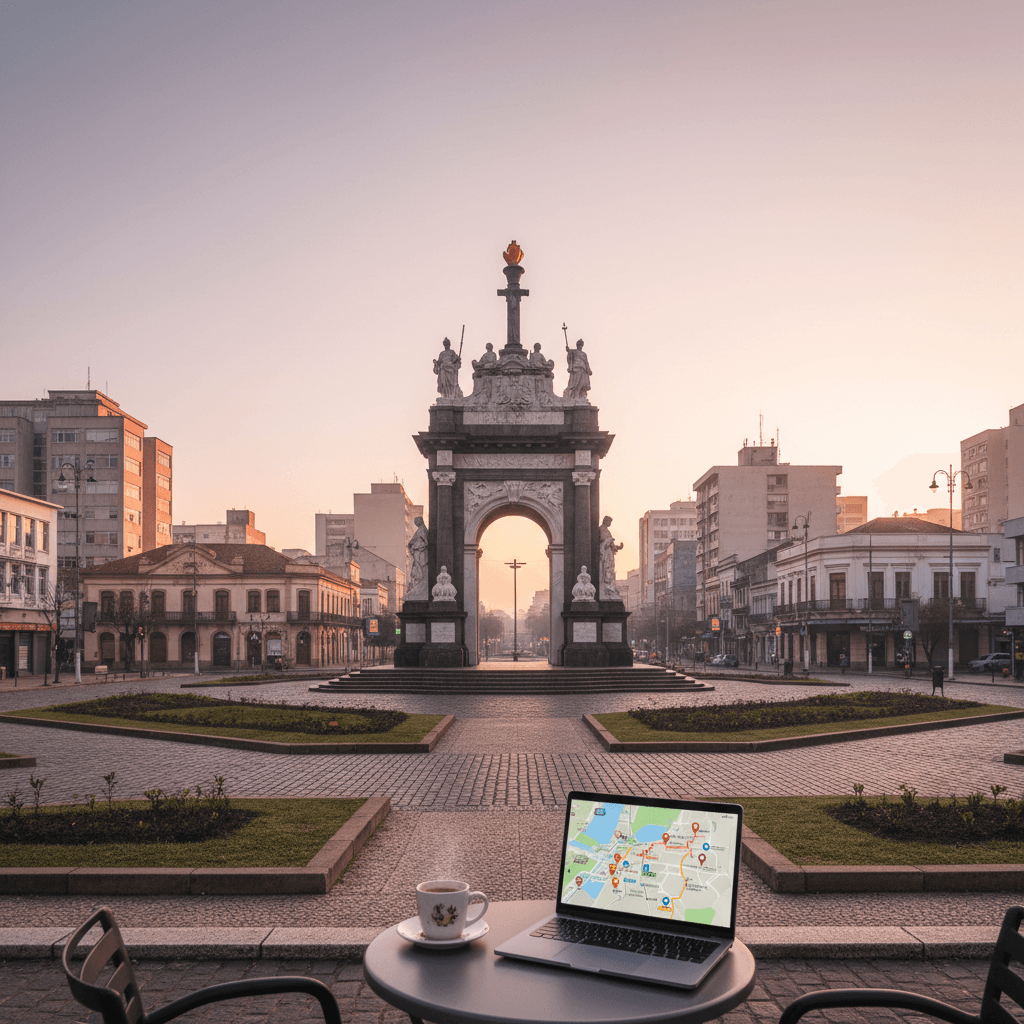
Caxias do Sul
🇧🇷 Brazil
Caxias do Sul isn't your typical Brazilian postcard. You won't find palm trees or white sand beaches here. Instead, you get the rugged, misty charm of the Serra Gaúcha highlands. It is the industrial heart of the south, but don't let the factory chimneys fool you. This city is deeply rooted in Italian immigrant heritage, which means the coffee is strong, the wine flows freely, and the work ethic is intense. It feels more like a mountain town in Northern Italy than a tropical getaway, especially when the winter fog rolls through the streets of the Pelegrino neighborhood.
The Local Atmosphere
The vibe here is productive yet grounded. While Rio is about the beach and São Paulo is about the corporate grind, Caxias feels like a place where people actually build things. It is the second largest city in the state of Rio Grande do Sul, so it has all the urban amenities you need without the overwhelming chaos of a mega-metropolis. You'll notice the locals, known as Caxienses, take immense pride in their history. Every two years, the city transforms for the Festa da Uva, a massive celebration of the grape harvest that brings the entire community together.
For a nomad, the emotional experience is one of stability and cozy integration. It is the kind of place where the barista at Doce Docê remembers your order after three visits. Life moves at a steady pace. You'll spend your mornings working from a modern cafe and your evenings sharing a bottle of local Merlot at a galeteria. It is less about "finding yourself" and more about settling into a high quality of life with a European flair.
Neighborhood Snapshots
- Exposição: This is the upscale, leafy heart of the city. It is where you'll find the best parks and high end apartments. It is safe, walkable, and home to the Parque Getúlio Vargas, where everyone heads on Sundays to drink chimarrão.
- Pelegrino: A bit more hip and central. It is perfect for those who want to be near the action. You'll find plenty of craft beer bars and smaller, trendy eateries tucked into the side streets here.
- São Pelegrino: Famous for its historic church with paintings by Aldo Locatelli, this area blends tradition with a busy commercial pulse. It is great for those who want everything within a five minute walk.
What Sets It Apart
The climate is a major differentiator. If you are tired of the Brazilian heat, Caxias is your refuge. Temperatures can drop to 0°C (32°F) in July, and snow isn't unheard of. This weather dictates the lifestyle. Think fireplaces, heavy wool sweaters, and hearty pastas. It is a seasonal experience that most of Brazil simply doesn't offer. Most nomads who end up here are looking for a base that feels "first world" in terms of infrastructure but retains a distinct, regional soul.
Connectivity is excellent because of the city's industrial importance. You aren't going to struggle with spotty Wi-Fi here. Spaces like Conexo innovation hub provide professional environments that rival anything in North America. It is a functional city. Things work, the streets are relatively clean, and the safety levels are significantly higher than in the northern capitals. You can walk around most central areas at night with a level of comfort that's rare in larger Brazilian cities.
Cost of Living Overview
- One bedroom apartment in Exposição: R$ 1,800 to R$ 2,600 per month.
- Daily Menu do Dia (Lunch): R$ 35 to R$ 55.
- Local Craft Beer: R$ 15 to R$ 22.
- Monthly Coworking Desk: R$ 500 to R$ 800.
Living here feels like being in on a secret. While the world flocks to the coast, you are sitting in a temperate mountain city, eating world class galeto, and enjoying a cost of living that is remarkably low for the quality of infrastructure provided. It is a place for the focused nomad who appreciates a good glass of wine and a crisp morning breeze.
The Price of the Gaucho Lifestyle
Caxias do Sul hits a sweet spot for nomads who want the infrastructure of a major city without the eye watering prices of São Paulo or Rio. You are looking at a cost of living that is roughly 20% to 30% lower than the coastal capitals. Because it is an industrial powerhouse, the local economy is stable, and you will find that your Reais go surprisingly far here, especially when it comes to high quality produce and dining out.
Most expats find that a monthly budget of $1,200 to $1,500 USD allows for a very comfortable lifestyle, including a modern apartment in a good neighborhood and frequent dinners out. If you are frugal, you can easily get by on $900 USD, though you might sacrifice some of the newer building amenities. The currency exchange remains favorable for those earning in Dollars or Euros, making the city an attractive base for long term stays.
Housing and Neighborhoods
Rent will be your biggest variable. The market is geared toward locals, so you won't find the "gringo pricing" that plagues places like Florianópolis. Most nomads gravitate toward neighborhoods like Exposição or Madureira because they are walkable and safe.
- Exposição: This is the upscale heart of the city. A high end, one bedroom apartment here typically costs between R$ 2,500 and R$ 3,500 per month. It is close to Parque Getúlio Vargas and the best cafes.
- Madureira: A bit more residential and quiet but still very central. You can find modern studios or older one bedroom units for R$ 1,800 to R$ 2,400.
- Pelegrino: Great for those who want to be near the nightlife and the rail trail. Prices here hover around R$ 2,000 for a decent flat.
Utilities, including electricity, water, and heating, usually add another R$ 400 to R$ 600 to your monthly bill. Keep in mind that winters here get cold; if your apartment doesn't have good insulation or a heater, your electric bill will spike in July and August.
Eating and Drinking
Food is where Caxias really shines. Since the region is an agricultural hub, fresh ingredients are cheap. If you cook at home, a weekly grocery run at Zaffari or Carrefour will cost you about R$ 250 to R$ 350 for one person, including plenty of local wine and prime cuts of beef.
Eating out is a local pastime. A "Prato Feito" (the standard Brazilian lunch plate) at a local diner costs about R$ 25 to R$ 35. For a more upscale experience at a place like Charlie Bakery or a traditional galeteria, expect to pay R$ 70 to R$ 120 per person. A glass of excellent local Merlot will set you back about R$ 18, while a craft beer is usually around R$ 15 to R$ 22.
Transport and Connectivity
The city is hilly, so while walking is great in specific neighborhoods, you will likely use Uber frequently. A typical 10 to 15 minute cross town ride costs between R$ 12 and R$ 20. Public buses are reliable and cost R$ 6.10 per trip, but most nomads find the convenience of ride sharing apps worth the extra couple of dollars.
High speed fiber internet is the standard in most modern buildings. A 300Mbps plan from a provider like Vivo or Claro costs about R$ 100 to R$ 130 per month. If you prefer working from a dedicated space, a hot desk at a spot like Intervene Coworking or any of the hubs near the UCS campus will cost roughly R$ 500 to R$ 700 for a monthly pass.
Summary of Monthly Expenses
- One Bedroom Apartment: R$ 2,200 ($440 USD)
- Utilities and Internet: R$ 650 ($130 USD)
- Groceries: R$ 1,200 ($240 USD)
- Dining out and Entertainment: R$ 1,000 ($200 USD)
- Transport: R$ 400 ($80 USD)
Total estimated monthly spend: R$ 5,450 (approx. $1,090 USD). This figure provides a high quality of life in a city that feels much more European than the rest of Brazil.
For Digital Nomads: Exposição and Lourdes
If you need to be within walking distance of a decent flat white and a reliable power outlet, Exposição is your best bet. It is the most upscale pocket of the city, centered around the Getúlio Vargas Park. You will find most of the remote workers hanging out at rezo. or Babilônia, which are local favorites for working over a long lunch. The streets are leafy, the sidewalks are actually walkable, and the security is among the best in the city.
Lourdes is the slightly more energetic neighbor. It sits right next to the city center but feels much more residential and safe. It is where you will find Coworking Caxias, one of the few dedicated spaces for deep work. The area is packed with gym chains and small grocery stores, making it easy to live without a car if you are staying short term.
- Typical Rent (1BR): R$ 2,200 to R$ 3,500
- Internet Reliability: High, with fiber options standard
- Vibe: Professional, quiet, and walkable
For Expats and Long-Term Residents: Sanvitto and Villagio Iguatemi
Expats moving here for the long haul usually gravitate toward the western side of the city near the Iguatemi Shopping mall. This area feels less like a traditional Brazilian city and more like a modern suburban hub. It is convenient because everything is concentrated; you have the Carrefour hypermarket, high end pharmacies, and the best cinema in town all within a five minute drive.
The dining scene here is geared toward the local business crowd. Places like Umai Yoo for sushi or Intercity for business dinners are the standard. While it lacks the historic charm of the older neighborhoods, the infrastructure is newer, the buildings have better insulation for the cold Rio Grande do Sul winters, and parking is never a headache.
- Monthly Living Cost (Single): R$ 5,500 including utilities
- Community: High concentration of Italian descendants and corporate transfers
- Top Perk: Proximity to the RS-122 highway for weekend trips to the mountains
For Families: Madureira and Santa Catarina
Families usually look for space and safety, which makes Madureira a top choice. It is home to the Parque dos Macaquinhos, which is the city's main outdoor gathering spot on Sundays. Parents like this area because it is close to some of the better private schools and the Hospital Geral. It is a traditional neighborhood where neighbors actually know each other, and you will see people out walking their dogs until late in the evening.
Santa Catarina is another solid option, particularly if you want a house rather than an apartment. It is a bit further from the noise of the center but still has its own ecosystem of bakeries and small shops. The Casa de Pedra museum is right here, giving the area a bit of a historical, quiet atmosphere that suits a slower pace of life.
- 3BR Apartment Rent: R$ 3,200 to R$ 4,800
- Safety Rating: Very high for a city of this size
- Local Spot: Padaria Rio Branco for fresh morning pão na chapa
For Solo Travelers and Budget Seekers: Centro and São Pelegrino
If you want to be in the middle of the action and don't mind a bit of noise, São Pelegrino is the place. It is the cultural heart of Caxias do Sul. The neighborhood is anchored by the stunning São Pelegrino Church and the Caxias Station, an old railway hub turned into a nightlife and dining area. This is where you will find the younger crowd drinking craft beer at Mississippi Delta Blues Bar.
The Centro is more affordable but can feel a bit deserted after the shops close at 7:00 PM. It is practical for solo travelers because every bus line in the city passes through here, and you are close to the Zaffari supermarket. It is better to stay on the streets closer to São Pelegrino to ensure you have plenty of dinner options within a safe walking distance at night.
- Studio Rent: R$ 1,400 to R$ 1,900
- Dinner for One: R$ 45 to R$ 70 at a mid-range spot
- Transport: Excellent bus access and cheap Uber rides
Connectivity and Speed
Caxias do Sul is the industrial powerhouse of the Serra Gaúcha, which means the infrastructure is surprisingly robust for a city tucked into the mountains. You aren't going to struggle with dial up speeds here. Most modern apartments in neighborhoods like Exposição or Pelegrino come equipped with fiber optic connections. Plans start at ~R$100 for 50+ Mbps; higher speeds available.
Mobile data is just as reliable. Vivo and Claro have the best 5G coverage across the urban core. If you're heading out to the vineyards in Vale dos Vinhedos for a weekend, the signal might dip to 4G, but it rarely drops entirely. Locals usually recommend grabbing a pre-paid SIM card at the Shopping Villagio Caxias; it takes about ten minutes and a CPF number to get online.
Top Coworking Spaces
The coworking scene in Caxias is professional and geared toward networking with local entrepreneurs. It's less "beach vibe" and more "business casual," reflecting the city's work ethic. Most spaces offer a mix of hot desks and private offices, and the coffee is almost always top tier.
- Personal Coworking: Located in the Exposição neighborhood, this is a favorite for nomads who need a quiet, focused environment. It feels more like a modern office than a social club. A day pass usually runs around R$50 to R$70.
- Intercity Caxias do Sul: While it's a hotel, their business hub is a frequent haunt for digital nomads. It's convenient if you want to roll out of bed and straight into a meeting. They offer reliable Wi-Fi and a more formal atmosphere.
- Conexo: This is the innovation hub of the city, located within the Randon complex. It's perfect if you're looking to connect with the local tech and manufacturing crowd. It's a bit further from the city center, but the facilities are world class.
Laptop-Friendly Cafes
If you prefer the hum of a coffee shop over a structured office, Caxias has plenty of spots where nobody will blink if you open a laptop for a few hours. Just keep in mind that many smaller cafes don't have power outlets at every table, so come charged.
- Doce Docê: A local institution with several branches. The one near Praça Dante Alighieri is great for people watching, though it can get noisy during the lunch rush. Their Wi-Fi is decent for basic tasks.
- Charlie Bakery: This spot has a more hipster, international feel. The pastries are incredible, and the atmosphere is conducive to getting a few hours of deep work done. It’s located in a quieter part of the São Pelegrino area.
- Kopenhagen: Located in the mall, this is the "old reliable" option. The internet is consistently fast, and the chocolate is a great motivator for clearing your inbox.
Practical Tips for Remote Workers
Power outages aren't common in the city center, but the summer storms in the mountains can occasionally cause blips. Most high end buildings have backup generators, but it's worth asking your host about this if you have non-negotiable video calls. Many expats suggest using a VPN even on private home networks, as some international banking apps can be finicky with Brazilian IPs.
The work culture here starts a bit later than in the US or Europe, with most offices opening at 9:00 AM and taking a very generous lunch break from 12:00 PM to 1:30 PM. If you're looking for a quiet cafe to work in, that lunch window is actually the best time to find a seat, as most locals head to "quilo" restaurants for a heavy meal during those hours.
Typical Costs for Digital Nomads
- Daily Coworking Pass: R$50 to R$80
- Monthly Hot Desk: R$500 to R$800
- High Speed Home Internet: R$120
- Cup of Specialty Coffee: R$12 to R$18
Staying Safe in the Gaucho Highlands
Caxias do Sul generally feels much safer than the coastal metropolises of Brazil. Because it is a wealthy industrial hub with deep Italian roots, the social fabric is tight; people look out for one another. You won't find the same level of street tension here that you might feel in parts of Rio or Sao Paulo. That said, it is still a major city of over 500,000 people, so you shouldn't let your guard down entirely.
Most nomads stick to neighborhoods like Exposicao and Pelegrino. These areas are well lit and popular for evening walks or hitting the local wine bars. If you are out late near the Praca Dante Alighieri in the city center, stick to the main drags. Like most Brazilian cities, the areas around the bus station (Rodoviaria) can get a bit sketchy after dark, so taking a Uber is the way to go rather than walking with your laptop bag.
- Emergency Number: Dial 190 for Military Police or 192 for an ambulance.
- Transport Safety: Use Uber or 99 apps instead of hailing cabs on the street at night.
- Phone Safety: Avoid keeping your phone in your back pocket while walking through the crowded Centro shopping districts.
Property crime is the most common issue, usually involving opportunistic theft. Expats living in houses often invest in high fences and security systems, but if you are staying in a high rise apartment in Pelegrino with a 24 hour doorman (portaria), you are likely to feel very secure. Most locals say the biggest "danger" is actually the crazy fog that rolls in during winter, which makes driving those winding mountain roads toward Gramado a bit of a gamble.
Healthcare and Hospitals
The healthcare in Caxias do Sul is actually some of the best in southern Brazil. The city serves as a regional medical hub, so you have access to specialists and high tech equipment that you might not find in smaller towns. If you have international insurance or the budget for private care, you will be in good hands.
For urgent matters, Hospital Geral is a major landmark, but most expats and digital nomads prefer Hospital Unimed or Hospital Pompeia. These private facilities are modern, clean, and efficient. You can usually get a consultation with a specialist for around 300 to 500 Reais if you are paying out of pocket. Many doctors in these private hospitals have studied abroad, so you have a decent chance of finding someone who speaks English, though having a translation app ready is still smart.
- Hospital Unimed: Known for the best infrastructure and shorter wait times.
- Hospital Pompeia: Centrally located and handles everything from emergencies to routine scans.
- Pharmacies: Chains like Droasil and Panvel are everywhere. They are often open 24 hours and can provide basic medical advice or over the counter meds.
Public healthcare is available through the SUS (Sistema Unico de Saude) for free, even for foreigners. However, wait times can be extremely long for anything non life threatening. Most nomads find it much better to pay for a private plan or use their travel insurance to skip the lines. If you need a routine prescription, just bring your bottle to a local pharmacy; many medications that require a strict paper trail in the US or Europe are easier to obtain here, provided they aren't controlled substances.
The air quality is generally great thanks to the altitude and surrounding greenery, but the humidity can be tough on people with respiratory issues. If you visit during the winter months of June through August, make sure your accommodation has a heater or a dehumidifier. The "Gaucho cold" is a damp, biting chill that can lead to a nasty cold if you aren't prepared with the right layers.
The Logistics of the Serra Gaúcha
Caxias do Sul is the industrial powerhouse of the mountains, which means the city layout is functional but sprawling. Unlike the flat coastal cities of Brazil, you are dealing with hills here. While the city center is walkable, you'll likely find yourself relying on a mix of ride-sharing and the local bus system to get between the quieter residential neighborhoods and the tech hubs.
Most nomads settle in Exposição or Pelegrino. These areas are compact enough that you can reach your morning coffee at Doce Docê or a desk at Workay Coworking on foot. However, if you are heading out to the Villagio Iguatemi area for shopping or high-end dining, you'll want wheels.
Ride-Sharing and Taxis
Uber is the dominant force here and remains the most convenient way for expats to move around without a car. It is reliable and generally safe, even late at night. You can expect to pay around R$ 15 to R$ 25 for a cross-town trip. During peak hours, which usually hit around 6:00 PM when the factories and offices let out, prices can spike and wait times might stretch to ten minutes.
99 is the local competitor to Uber. It is often a few Reais cheaper, and many drivers run both apps simultaneously. It is smart to keep both on your phone to compare prices during rainstorms. Traditional taxis still exist and congregate at stands near Praça Dante Alighieri, but they are significantly more expensive than the apps.
Public Transit: The VISATE System
The yellow and white buses operated by VISATE are the backbone of the city's transit. The system is surprisingly organized for a mid-sized Brazilian city. Most lines funnel through the EPI Imigrante or EPI Floresta transfer stations. These hubs allow you to switch buses without paying a second fare, which is a lifesaver if you are commuting from a cheaper peripheral neighborhood.
- Fare: R$ 6.50 (card) or R$ 9 (cash) per ride.
- Payment: You can pay in cash to the driver, but locals use the Cartão Ideal. You can pick one up at the main terminal on Rua Bento Gonçalves.
- Apps: Download the Caxias Urbana app. It gives real-time tracking for bus arrivals, which is much more accurate than Google Maps in this region.
Driving and Parking
If you plan on staying for more than a month, renting a car gives you the freedom to explore the surrounding wine country in Bento Gonçalves or the canyons in Cambará do Sul. Within the city, traffic is heavy but predictable. The main challenge is the Zona Azul, the city's metered street parking system.
You'll need to use the Rek Parking app to pay for street spots in the center. It costs roughly R$ 2.40 per hour. If you don't pay, the yellow-vested attendants will leave a notice on your windshield, and you'll have a limited window to pay the fine before it becomes a permanent traffic violation.
Walking and Cycling
Walking is great in the Centro and Exposição districts, but keep an eye on the pavement. Like much of southern Brazil, the sidewalks can be uneven. Caxias is not a particularly bike-friendly city yet. There are very few dedicated bike lanes, and the combination of steep inclines and heavy truck traffic makes cycling a bit of an extreme sport. If you want to cycle for leisure, locals recommend heading to Parque Getúlio Vargas (known as Macaquinhos) or the Represa de São Pedro area on the weekends.
Regional Connections
To get out of town, the Rodoviária de Caxias do Sul is your gateway. It is a clean, well-managed station located on Rua Ernesto Alves. You can catch a bus to Porto Alegre every hour for about R$ 60, and the trip takes roughly 2 hours and 30 minutes. For air travel, Hugo Cantergiani Airport (CXJ) is right in the city. It is small and easy to navigate, with direct flights to São Paulo, though flights are frequently delayed by the thick mountain fog known as viração.
Talian and the Italian Heritage
You'll notice pretty quickly that Caxias do Sul doesn't sound like a typical Brazilian city. While Portuguese is the official language, this region is the heart of the Italian immigration movement in Rio Grande do Sul. Many locals, especially the older generation in neighborhoods like Galópolis or out in the vineyards of Ana Rech, still speak Talian. It is a Venetian dialect that evolved locally, and while you won't need to learn it, hearing it in the local markets gives the city a distinct European flair that sets it apart from the coast.
Portuguese remains your primary tool for daily life. However, the accent here is the "Gaúcho" style. It is clear, rhythmic, and generally easier for Spanish speakers to understand than the nasal tones found in Rio or the North. Locals use "tu" instead of "você" and have a vocabulary full of regionalisms like bah and tchê. If you want to make friends at a local churrascaria, dropping a "bah" when the meat arrives is a guaranteed conversation starter.
English Proficiency and Professional Life
Don't expect English to be the default outside of high-end hotels or corporate tech hubs. As a major industrial center, Caxias has a lot of business travelers, so you will find English speakers in professional settings. Many young professionals and university students at UCS (University of Caxias do Sul) are eager to practice their English, but the average shopkeeper in Centro or a waiter at Di Paolo will likely only speak Portuguese.
If you're planning to stay for more than a month, learning at least the basics of Portuguese is a necessity. Most nomads find that people are incredibly patient and helpful if they see you're trying. It's a hospitable culture; if you get stuck, locals will often use a mix of gestures and "Portunhol" to help you find your way.
Staying Connected
The digital infrastructure in Caxias do Sul is excellent, largely because of its status as an economic powerhouse. Fiber optic internet is standard in most mid-to-high-range apartments in neighborhoods like Exposição and Pelegrino. You can expect speeds ranging from 200 Mbps to 600 Mbps for a standard home connection.
- Mobile Providers: Vivo and Claro have the strongest 5G coverage in the city. Tim is a solid third option but can be spotty if you head out toward the rural wineries.
- Prepaid SIM Cards: You can pick up a SIM card at any Lojas Americanas or pharmacy for about R$ 15 to R$ 20. To register it, you'll technically need a CPF (Brazilian tax ID), but many nomads find that store clerks are willing to help them bypass this or use a temporary registration.
- Data Costs: A monthly prepaid plan with 10GB to 20GB of data typically costs between R$ 40 and R$ 60.
Essential Apps and Communication Tools
In Caxias, WhatsApp isn't just an app; it's the entire ecosystem for communication. You'll use it to book a table at a restaurant, schedule a hair appointment, or message your landlord. If a business has a phone number listed, it's almost certainly a WhatsApp account. If you don't have it installed, you'll find it nearly impossible to get things done efficiently.
For getting around, Uber is the dominant ride-sharing app and is very affordable for moving between the hilly neighborhoods. For food delivery, iFood is the gold standard. It’s worth noting that while many menus on iFood are in Portuguese, the interface is intuitive enough that most expats manage just fine with a translation tool on the side.
Google Translate is your best friend here, especially the camera feature for translating menus or signs at the Festa da Uva grounds. Since the local dialect can be specific, don't be surprised if the "conversation" mode occasionally gets tripped up by regional slang. Just keep it simple, use plenty of smiles, and you'll find the communication barrier in Caxias is more of a minor speed bump than a wall.
The Four Seasons of the Serra Gaúcha
Unlike the tropical heat you might associate with Rio or the Northeast, Caxias do Sul delivers a distinct four season cycle that catches many nomads off guard. Located high in the mountains of Rio Grande do Sul, the city has a humid subtropical climate. You can expect crisp air, frequent fog rolling through the valleys, and a lifestyle that revolves heavily around the changing thermostat.
Summer runs from December to March. While coastal Brazil swelters, Caxias stays relatively comfortable with highs around 26°C (79°F). It is the rainiest time of year, though. You will see heavy afternoon downpours that clear out the humidity. It is a great time for digital nomads who enjoy hiking in nearby Galópolis or taking weekend trips to the waterfalls in Farroupilha without melting in the sun.
Winter, spanning June to August, is a completely different beast. Temperatures frequently dip toward 5°C (41°F), and frosts are common. Every few years, locals get excited about a light dusting of snow. Most apartments in the Sanvitto or Exposição neighborhoods do not have central heating, so you will want to ensure your Airbnb includes an air conditioning unit with a heat function or a portable space heater. This is the season for wine, heavy Italian blankets, and long dinners by a fireplace.
When to Book Your Stay
If you want the absolute best balance of weather and local events, aim for the shoulder seasons. March through May brings autumn colors and stable, dry weather. The air is crisp, the vineyards are finishing their harvests, and the light is perfect for afternoon work sessions at cafes like Doce Docê or Coza Nostra.
Spring, from September to November, is equally pleasant. The city blooms, and the temperatures climb back into the 20°C (68°F) range. It is the ideal window for exploring the city on foot, particularly around the Parque Getúlio Vargas, without needing a heavy wool coat or an umbrella every hour.
The Festa da Uva If your visit falls during a year when the Festa da Uva (Grape Festival) is held, usually in February or March, be prepared for a surge in prices and crowds. This massive celebration of Italian heritage brings over a million visitors to the city. While it is a fantastic cultural experience, short term rentals become scarce and much more expensive. If you are looking for a quiet, productive deep work retreat, you might want to avoid these specific three weeks.
Packing and Preparation
Nomads who have stayed in the Serra Gaúcha often talk about the layers. The temperature can swing 15 degrees between noon and sunset. Even in the warmer months, a light jacket is a requirement for the evenings. If you are coming in the winter, do not underestimate the damp cold; waterproof shoes and a high quality puffer jacket will be your best friends.
- Peak Season: December to February (Summer) and July (Winter holidays).
- Budget Friendly Window: May to June and October to November.
- Average Summer High: 26°C (79°F).
- Average Winter Low: 8-10°C (46-50°F).
Most expats recommend checking the weather apps daily. Caxias is famous for having four seasons in a single morning. You might start your day in a t shirt, but by the time you leave for dinner at a galeteria, you will be reaching for a scarf. It is part of the city's charm, and it provides a cozy, European vibe that is hard to find anywhere else in Brazil.
Getting Around and Staying Connected
Caxias do Sul isn't a city where you'll want to rely solely on your feet, especially given the hilly terrain of the Serra Gaúcha. Most nomads find that Uber is the most reliable and safest way to get around after dark. For daytime transit, the local bus system, Visate, covers the entire city. You can buy a Cartão Ideal at the central terminal to make boarding faster, though many locals still pay with cash or via the Caxias Urbana app.
If you're planning to stay for a month or more, look for an apartment in Exposição or Pelegrino. These neighborhoods are walkable and keep you close to the best coffee shops and supermarkets like Zaffari. For your workstation, Conexão Coworking and Work Out are the go-to spots. They offer stable fiber optic internet, which is generally better than what you'll find in older Airbnb rentals. Expect to pay around R$ 600 to R$ 800 for a monthly hot desk.
Cost of Living Breakdown
Caxias is significantly more affordable than São Paulo or Florianópolis, but it's not the cheapest spot in the south due to its industrial wealth. Here is what you should budget for a comfortable lifestyle:
- One-bedroom apartment in Exposição: R$ 1,800 to R$ 2,600 per month
- Prato Feito (lunch special) at a local diner: R$ 25 to R$ 35
- Dinner for two at a traditional Cantina: R$ 120 to R$ 200
- Domestic beer (600ml): R$ 12 to R$ 18
- Gym membership: R$ 130 to R$ 180
Safety and Local Etiquette
While Caxias do Sul is generally safer than Brazil's coastal capitals, you still need to keep your wits about you. Expats recommend avoiding the Euzébio Beltrão de Queiróz area and being cautious around the Praça Dante Alighieri late at night. Stick to well lit streets in the São Pelegrino district when you're out for drinks.
The local culture is heavily influenced by Italian heritage. People here are punctual, which is a bit of an anomaly in Brazil. If you're invited to a churrasco, show up on time. Also, don't be surprised if shops close for a long lunch break between 12:00 PM and 1:30 PM. It's a tradition that's still very much alive in the mountains.
Weather and Packing
Forget the tropical Brazil stereotypes. Caxias gets cold. Between June and August, temperatures often drop to 2°C or 5°C (35°F to 41°F). Most older apartments don't have central heating, so a high quality space heater or a heavy wool blanket from the Serra Gaúcha shops is a must. During the summer, it stays pleasant, rarely exceeding 30°C (86°F), making it a great escape from the stifling heat of the north.
Logistics and Health
For healthcare, Hospital Pompéia and Hospital Unimed are the top choices. If you have international insurance, they are usually well equipped to handle paperwork, though having a translation app handy is helpful as English proficiency isn't universal among administrative staff. For groceries, the Feira do Agricultor happens on various days across the city; it's where you'll find the freshest produce and local cheeses at prices much lower than the big chains.
To stay connected, grab a Vivo or Claro SIM card at the Shopping Villagio Caxias. You'll need your passport and a local CPF number. If you don't have a CPF yet, some smaller kiosks might help you out, but the official stores usually stick strictly to the rules. Most travelers say it's worth the R$ 50 for a generous data plan to ensure you have GPS while navigating the winding mountain roads.
Need visa and immigration info for Brazil?
🇧🇷 View Brazil Country GuideEasy Landing
Settle in, no stress