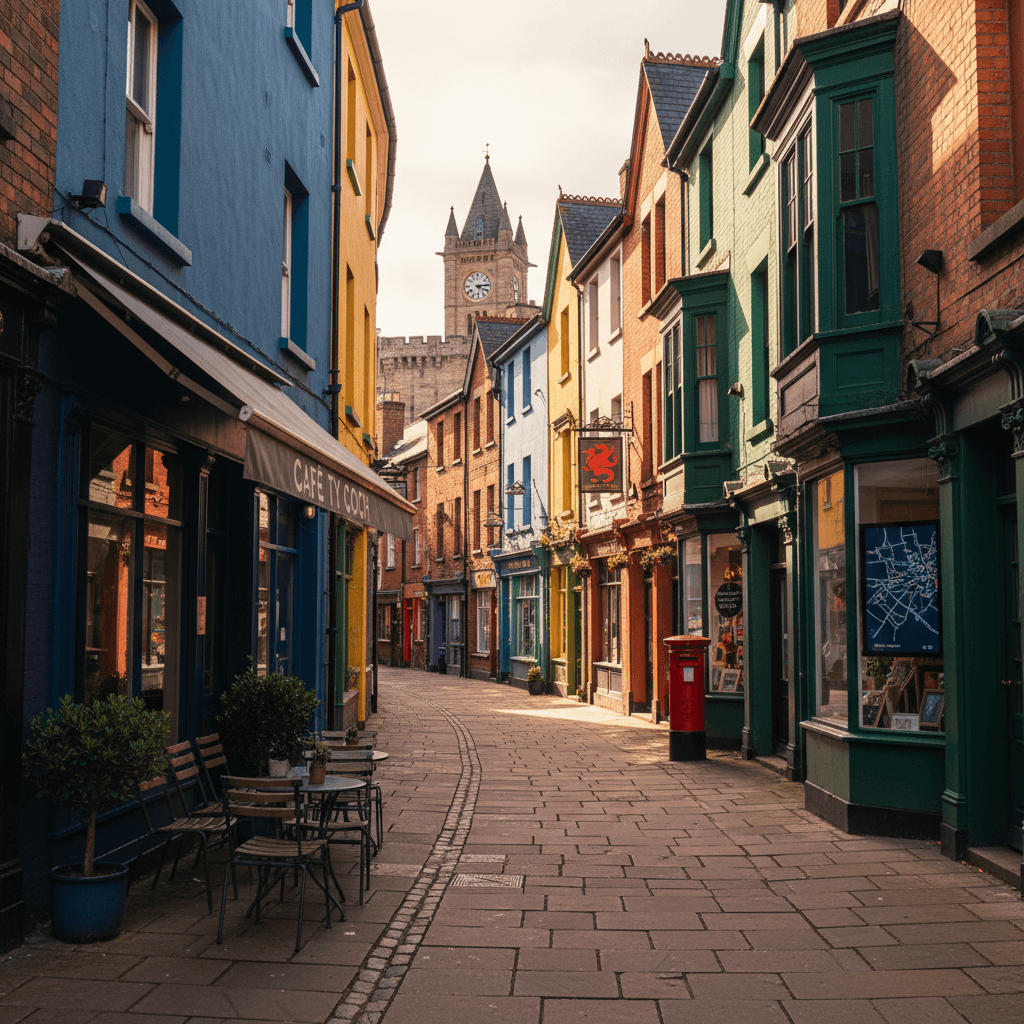
Cardiff
🇬🇧 United Kingdom
Cardiff feels like a well kept secret that the rest of the UK hasn't quite caught on to yet. While London is frantic and Edinburgh is flooded with tourists, the Welsh capital manages to be both a major political hub and a cozy, walkable hometown. It is a city where 2,000 years of history, from Roman walls to the gothic towers of Cardiff Castle, sit right next to high tech stadiums and glass fronted shopping centers. With a population of about 360,000, it has all the amenities of a capital city but maintains a pace that allows you to actually breathe.
The vibe here is defined by a fierce sense of Welsh identity and a legendary social scene. You'll feel it most during a rugby match at the Principality Stadium; the entire city turns into a sea of red jerseys, and the local pubs erupt in song. For a nomad, this means a built in community. It is easy to strike up a conversation over a pint or find a group of locals willing to explain the rules of the game. It is a place that feels historic without being stuffy, and modern without being sterile.
Where to Set Up Your Base
- City Centre: This is the heart of the action. You have the famous Victorian and Edwardian arcades, which are basically beautiful, glass roofed labyrinths filled with independent coffee shops and record stores. It is perfect for solo travelers who want everything within a five minute walk, though it can get noisy on weekends.
- Cardiff Bay: Once the world's busiest coal port, the Bay is now a sleek waterfront district. It is home to the Wales Millennium Centre and Mermaid Quay. It is a bit more polished and touristy, but the views over the water are great for clearing your head after a long day of Zoom calls.
- Roath & Cathays: These areas are favorites for nomads seeking a quieter, more residential feel. Roath Park offers a massive lake and botanical gardens for afternoon walks. These neighborhoods are popular with students and young professionals, meaning you will find plenty of laptop friendly cafes and a younger, creative energy.
- Llandaff: Known as a "city within a city," this area feels like a leafy village. It is home to the stunning Llandaff Cathedral and offers a much slower pace of life for expats or families who want to escape the downtown buzz.
The Nomad Lifestyle and Logistics
Living in Cardiff is significantly easier on the wallet than most major English cities. While you should budget between £2,500 and £3,500 per month for a comfortable mid range lifestyle, your money goes much further here than in London. You can grab a solid lunch at the Cardiff Central Market for a few pounds or enjoy a high end meal at the Bay without the eye watering price tags of the South East.
Getting around is a breeze because the city is incredibly compact. Most nomads find they can walk almost everywhere in the center. If you need to go further, the Taff Trail provides a scenic riverside cycling route that runs right through the heart of the city. For work, you will find reliable internet in most apartments and coworking spaces, though the free public WiFi in cafes can be hit or miss for security. Most seasoned remote workers here use an eSIM or a local SIM card to stay tethered during train rides or park sessions.
Why Nomads Choose Cardiff
- Nature on your doorstep: You can be working in a high tech office in the morning and hiking past the "fairy tale" towers of Castell Coch or through Bute Park by the afternoon.
- The Social Fabric: Between the bustling street food stalls at the market and the singing crowds in the pubs, it is hard to feel lonely here. The community is welcoming and the "small town" feel makes it easy to build a network.
- Cultural Perks: Many of the city's best attractions, including the National Museum with its world class impressionist collection and dinosaur exhibits, are free to enter.
- Accessibility: Cardiff is a great launchpad. You are just a short trip away from the rugged beauty of the Brecon Beacons or the dramatic coastline of the Gower Peninsula.
The emotional experience of Cardiff is one of balance. It is a city that respects its past but is clearly excited about the future. You will spend your mornings in a medieval arcade and your evenings at a modern waterfront bar, all while feeling like you are part of a community that actually knows your name. It is the perfect spot if you want the perks of a capital city without the typical capital city stress.
The Price of the Welsh Capital
Cardiff is the savvy nomad's alternative to the eye watering prices of London or Bristol. While it is the capital of Wales, it maintains a cost of living that aligns more closely with northern hubs like Leeds or Sheffield. Most remote workers find that a monthly budget of £2,500 to £3,500 allows for a comfortable lifestyle, including a private apartment in a trendy area and plenty of nights out at the pubs in the City Centre.
If you are sticking to a tighter budget, you can get by on £1,500 to £2,000 a month. This usually involves sharing a flat in student heavy Cathays or staying slightly further out in areas like Roath. On this end of the scale, you will be trading upscale dinners for the legendary stalls at Cardiff Central Market, where you can grab local faggots and peas or artisan wood fired pizza for a fraction of restaurant prices.
Monthly Budget Breakdown
- Budget Nomad: £1,500 to £2,000 (shared housing, home cooking, local transport)
- Mid-Range Nomad: £2,500 to £3,500 (private one bedroom flat, frequent dining out, coworking membership)
- Comfortable Living: £4,000+ (luxury apartment in Cardiff Bay, daily cafes, weekend trips)
Accommodation and Neighborhoods
Rent is your biggest variable. The City Centre and Cardiff Bay are the most expensive spots because you are paying for the view and the convenience of being steps away from the Wales Millennium Centre. For a better balance of price and personality, expats often recommend looking toward Pontcanna or Roath. These areas feel more residential and offer proximity to Bute Park and the Taff Trail.
Typical Housing Costs
- One Bedroom Apartment (City Centre): £950 to £1,300 per month
- One Bedroom Apartment (Outside Centre): £750 to £1,000 per month
- Short term Managed Apartment: £1,800 to £2,500 per month
Food, Drink, and Socializing
Eating out in Cardiff is a highlight, especially if you enjoy a mix of traditional Welsh tea rooms and modern waterfront dining. A pint of local ale will usually set you back about £5 to £6, though prices spike during home rugby matches at the Principality Stadium. Grocery shopping at chains like Tesco or Lidl is affordable, but the local markets are where you will find the best value for fresh produce.
- Meal at a mid-range restaurant: £15 to £25 per person
- Coffee or Flat White: £3.20 to £4.00
- Local Beer (Pint): £4.50 to £6.50
- Monthly Grocery Bill: £250 to £350
Connectivity and Coworking
While Cardiff has plenty of free WiFi in cafes and public hubs, the speeds can be inconsistent for video calls. Most nomads invest in a local SIM or an eSIM to ensure they have a secure backup. If you need a dedicated desk, coworking spaces are the way to go. While the city does not have the massive global chains found in London, local spots provide a more tight knit community vibe that helps combat the isolation of remote work.
- Coworking Hot Desk (Monthly): £150 to £250
- Prepaid SIM Card with Data: £15 to £25
- High Speed Home Internet: £30 to £45
Getting Around
The best part about Cardiff's cost of living is how little you will spend on transport. The city is remarkably flat and compact. You can walk from the Castle to the Bay in about 30 minutes, or cycle the riverside Taff Trail for free. If the Welsh rain catches you off guard, ride hailing apps and local buses are frequent and reasonably priced.
- Monthly Transport Pass: £55 to £65
- Single Bus Fare: £2.00
- Bike Rental (Daily): £10 to £15
The Solo Nomad: City Centre and Cardiff Bay
If you want to be where the action is, the City Centre is your best bet. It is compact enough that you can walk from a morning coffee in a Victorian arcade to a late night rugby match at the Principality Stadium without ever needing a bus. Solo nomads gravitate here for the sheer density of cafes and social spots. You will find yourself working from places like the Cardiff Central Market or various tea rooms, though keep in mind that public WiFi security can be hit or miss. Using an eSIM or a personal hotspot is a smart move for your more sensitive tasks.
Just a short boat ride or a 20 minute walk south is Cardiff Bay. This is the modern heart of the city, dominated by the Wales Millennium Centre and Mermaid Quay. It is a bit touristy, but the waterfront views make for a great mental break between Zoom calls. It is arguably the most social part of the city for a solo traveler; you can easily strike up a conversation at a waterfront bar or join a boat tour to meet others.
- Vibe: High energy, historic, and extremely walkable.
- Best for: Networking, nightlife, and those who don't want to own a car.
- Nomad Tip: The Taff Trail starts near the stadium and offers a great riverside cycle route when you need to clear your head.
The Long-Term Expat: Llandaff and Cathays
Expats looking for a more permanent, "local" feel often head toward Llandaff or Cathays. Llandaff feels like a small village trapped inside a city. It is home to the stunning Gothic Llandaff Cathedral and Insole Court, providing a quiet, cultural backdrop that feels worlds away from the city centre noise. It is the kind of place where you actually get to know your neighbors at the local pub.
Cathays is more eclectic and serves as the student hub, but do not let that scare you off. It is affordable and packed with cheap eats and diverse grocery stores. For an expat on a budget, Cathays offers some of the best value for rent in the city while keeping you close to the National Museum and Bute Park. It is a bit more lived-in and less polished than the Bay, but it has a soul that many long termers prefer.
- Vibe: Academic, leafy, and community focused.
- Best for: Budget conscious professionals and those seeking a quieter residential life.
- Monthly Budget: Most mid-range nomads find that £2,500 to £3,500 covers a comfortable lifestyle here including rent and social outings.
Families: Roath Park and Victoria Park
For those traveling with a family in tow, Roath and the area around Victoria Park are the gold standard. Roath Park is centered around a massive lake and botanical gardens, providing plenty of space for kids to run while you catch up on emails from a park bench. The atmosphere is relaxed and safe, with a strong sense of suburban peace that is still only ten minutes from the urban core.
Victoria Park, located on the west side of the city, is another favorite. It is famous for its splash pads in the summer and its proximity to the independent shops of Canton. Families appreciate the slower pace here and the easy access to local schools and pharmacies. It is less about the "hustle" and more about quality of life, which is why many who move to Cardiff for work eventually settle in these postcodes.
- Vibe: Green, spacious, and quiet.
- Best for: Parents, pet owners, and slow travelers.
- Practicality: Very safe with high access to the NHS facilities and local clinics.
Quick Comparison for Your Stay
City Centre
- Rent: High (Modern apartments)
- Noise Level: High
- Primary Perk: Zero commute to bars, shops, and trains.
Roath
- Rent: Mid-range (Victorian terrace houses)
- Noise Level: Low
- Primary Perk: Walking distance to the lake and local farmers markets.
Cardiff Bay
- Rent: High (Luxury flats)
- Noise Level: Moderate
- Primary Perk: Stunning water views and modern infrastructure.
The Connectivity Reality
Cardiff is a city where you can easily find a signal, but the quality of that connection depends entirely on where you sit. Like most of the UK, the city centre is blanketed in free public WiFi. You will find it in the Victorian arcades, at the St David’s Dewi Sant shopping complex, and across most transport hubs. However, these open networks are often sluggish during peak hours and lack the security needed for sensitive work. Most nomads here rely on a mix of local SIMs and eSIMs to stay tethered during train rides or while working from a bench in Bute Park.
If you are planning to handle heavy uploads or video calls, skip the public hotspots. Local providers like EE and O2 offer strong 5G coverage throughout the city. For those staying longer than a week, picking up a physical SIM at a shop on Queen Street is a cheap way to secure a reliable data backup. If you prefer to hit the ground running, downloading an eSIM before you land at Cardiff Airport is the smoothest move.
Coworking Spaces and Communities
While Cardiff does not have the massive coworking scene of London or Manchester, the spaces it does have are high quality and community focused. You will find a mix of creative startups and freelancers who are generally happy to chat over a coffee. Most spaces offer daily passes, which is perfect if you are just passing through for a few days.
- Tramshed Tech: Located in a converted historical building near the Cardiff Central station, this is the hub for the city’s tech scene. It is arguably the most popular spot for nomads due to its fast internet and industrial aesthetic. Day passes usually hover around £20 to £25.
- Indycube: With several locations across the city including Trade Street, this is a more grassroots, flexible option. It is great for those who want a quiet desk without the corporate frills.
- Regus: Available at Capital Quarter and Cardiff Bay. They are more formal and expensive, but they offer the most consistent amenities if you need a professional boardroom for a client meeting.
The Cafe Office Culture
Cardiff has a massive coffee culture, and many shop owners are relaxed about laptops as long as you keep the caffeine flowing. The Castle Quarter and the area around Cathays are packed with independent spots. Waterloo Tea in the Wyndham Arcade is a local favorite for its quiet atmosphere and large tables, though it gets busy during the lunch rush.
In the Roath neighborhood, you will find plenty of students and remote workers tucked into cafes along Wellfield Road. If you need to work late, some of the pubs near the Principality Stadium are surprisingly quiet on weekday afternoons. Just avoid them on match days, as the WiFi will be the last thing on anyone's mind when the rugby is on.
Digital Nomad Essentials
Staying connected and productive in Cardiff is straightforward if you follow a few local norms. Most nomads find that a mid range budget of £2,500 to £3,500 per month covers a comfortable lifestyle, including a dedicated desk and plenty of meals out in the Bay.
- Data Speeds: Expect 50 to 100 Mbps in dedicated coworking spaces; public WiFi often drops below 10 Mbps.
- Power Outlets: UK Type G plugs are standard. Older cafes in the Victorian arcades might be stingy with outlets, so bring a power bank.
- Best Working Hours: 09:00 to 17:00 is standard. Many cafes close by 18:00, so you will likely transition to a pub or your apartment for evening sessions.
- Community: Join local Facebook groups or check Meetup for expat gatherings. Networking events at Tramshed Tech are your best bet for meeting fellow remote pros.
Staying Safe in the Welsh Capital
Cardiff is widely regarded as one of the safest cities in the UK for remote workers. It has a friendly, community-focused atmosphere that lacks the aggressive edge of larger metropolises like London or Birmingham. Most nomads feel perfectly comfortable walking through the City Centre or along the well-lit paths of Cardiff Bay after dark. While typical urban precautions apply, the general vibe is laid-back and welcoming.
The city's compact nature works in your favor. Because the central district is largely pedestrianized and heavily monitored, street crime is relatively low. Most expats recommend staying aware of your surroundings near the Principality Stadium on major match days, not because of danger, but because the crowds can get rowdy and overwhelming. If you are cycling the Taff Trail, invest in a sturdy D-lock, as bike theft is the most common nuisance for locals.
- Emergency Services: Dial 999 for immediate police, fire, or ambulance assistance.
- Non-Emergency Police: Dial 101 to report minor incidents or theft.
- Safety App: Many women in the city use the Hollie Guard app for an extra layer of personal security while walking home.
Accessing Healthcare and the NHS
As a nomad in Cardiff, you are covered by the National Health Service (NHS) for emergency care. If you are visiting on a standard 6-month visitor visa, you can access Accident and Emergency (A&E) departments without being turned away, though you may be billed later for non-emergency treatments depending on your home country's reciprocal agreements with the UK.
For minor ailments like a stubborn cough or a skin rash, skip the hospital and head to a local pharmacy. Boots and Superdrug have massive branches in the St David's Dewi Sant mall, and the pharmacists there can provide over-the-counter advice and even some prescriptions. If you need a non-emergency doctor, look for a "GP Surgery." While registering as a temporary patient can be bureaucratic, it is the standard route for getting a consultation.
- University Hospital of Wales: The main teaching hospital located in Heath, north of the city centre.
- NHS 111 Wales: Call 111 for 24/7 medical advice when it is not a life-threatening emergency.
- Pharmacies: Most are open from 9:00 AM to 5:30 PM, with some late-night options in the larger supermarkets like Tesco Extra.
Digital Security and Remote Work Safety
Since Cardiff's public WiFi can be hit or miss in terms of security, nomads often find that relying on "Open Office" style connections in cafes like those in the Castle Arcade is risky for sensitive work. The local consensus is to use a VPN at all times when tethered to public networks. If you are handling large data transfers or client calls, the connection in public hubs can be throttled or unencrypted.
To stay secure and connected, most long-term visitors pick up a local SIM or an eSIM. This avoids the vulnerability of public hotspots and ensures you have a stable connection for 2FA (two-factor authentication) prompts. Providers like EE and Vodafone have excellent 5G coverage across the City Centre and the Bay, which is often faster and safer than the free WiFi provided by the local council.
Practical Checklist for Nomads
- Insurance: Always carry a policy that specifically covers "international remote work" to ensure your laptop and gear are protected in shared spaces.
- Water Quality: The tap water in Cardiff is 100% safe to drink and actually tastes quite good, so you can ditch the bottled water.
- Visa Compliance: Ensure your work is for clients based outside the UK. While the visitor rules allow for some remote work, you shouldn't be "incidental" to the UK labor market.
Walkability and the City Center
Cardiff is famously compact, which is a massive win if you prefer to get your steps in rather than staring at a bus timetable. The city center is almost entirely pedestrianized, making it easy to hop between the Victorian shopping arcades, Cardiff Castle, and the Principality Stadium. Most nomads find they can base themselves in the center or Cathays and rarely need a vehicle for daily life.
If you are heading from the city center down to Cardiff Bay, it is a flat, straightforward 20 to 30 minute walk down Lloyd George Avenue. It is a great way to clear your head between deep work sessions, though many locals prefer the quicker transit options when the Welsh rain inevitably makes an appearance.
Cycling and the Taff Trail
Cycling is arguably the best way to see the city's greener side. The Taff Trail is the crown jewel of Cardiff's infrastructure, offering a dedicated riverside path that runs from the Bay, through Bute Park, and all the way up toward the Valleys. It is a favorite for expats living in Pontcanna or Llandaff who want a scenic, car free commute into the center.
- Bike sharing: A new e-bike hire scheme is launching in Spring 2026; meanwhile, check local rental shops near the castle.
- Safety: Most major roads have dedicated cycle lanes, though the Taff Trail remains the safest and most pleasant route for North-South travel.
- Terrain: The city is remarkably flat, so you won't need an e-bike to tackle the local geography.
Public Transport and Trains
For longer hops, the local rail network is surprisingly efficient. Cardiff Central and Cardiff Queen Street are the two main hubs. If you are staying in suburbs like Roath or Heath, the local "Valley Lines" trains run frequently and will get you into the center in under 10 minutes.
The bus network, primarily run by Cardiff Bus, covers the areas the trains don't reach. You can pay using contactless cards or phone apps, so there is no need to fumble for exact change. A day ticket usually costs around £4.50, offering unlimited travel within the city zone.
Water Taxis and the Bay
One of the more unique ways to get around is the Aquabus. This water taxi runs between Bute Park (right in the city center) and Mermaid Quay in the Bay. It costs about £7 for a one way trip. While it is more of a scenic experience than a high speed commute, it is a great way to show visiting friends the city skyline from the water.
Ride Hailing and Taxis
Uber operates throughout Cardiff and is generally reliable, especially after a rugby match or a late night in the pubs. Expect to pay between £8 and £15 for most cross city trips. Local taxi firms like Dragon Taxis also have their own apps which can sometimes be cheaper during peak hours when Uber's surge pricing kicks in.
Getting Out of Town
If you are planning day trips to Castell Coch or the St Fagans National Museum, you will likely want to use the bus or a local train. Cardiff Airport (CWL) is about 30 minutes away by car or via the 905 bus link from Rhoose Cardiff International Airport station. For nomads heading to London or Bristol, Great Western Railway runs fast services from Cardiff Central; you can reach London Paddington in just under 2 hours if you book an express train.
The Bilingual Balance
You'll notice something immediately upon arriving in Cardiff: every street sign, train announcement, and government building is presented in two languages. English is the universal language of business and daily life here, but Welsh (Cymraeg) is the rhythmic heartbeat of the city. For nomads, this creates a unique atmosphere where you feel like you're in a distinct nation rather than just another British regional hub.
Everyone you meet will speak fluent English. You won't face any language barriers when ordering a flat white in Cathays or negotiating a desk rate at a coworking space. However, the local accent can be thick; it’s melodic and rising, often characterized by the "Cardiff chirpy" tone. If someone calls you "butt" or "love," don't be confused; it's just the local way of being friendly.
The Rise of Cymraeg
While only about 10 to 15 percent of Cardiff residents speak Welsh fluently in their daily lives, the language is undergoing a massive revival. You'll hear it spoken more frequently in creative hubs like Cardiff Bay or around the Wales Millennium Centre. Most locals appreciate it when visitors take an interest in the heritage. Learning a few basic terms isn't necessary for survival, but it's a great icebreaker at the pub during a rugby match.
- Bore da: Good morning
- Diolch: Thank you
- Iechyd da!: Cheers! (Literally "Good health")
- Croeso: Welcome
Staying Connected
Reliable connectivity is standard across the city centre. Most cafes in the Victorian Arcades or near Roath Park offer free WiFi, though speeds can be hit or miss for heavy video calls. If you're planning to work from public spots, nomads generally recommend using a VPN, as open networks in transport hubs like Cardiff Central aren't always secure.
For a more stable setup, grabbing a local SIM or an eSIM is the smartest move. If you're staying for a month or more, providers like EE or O2 have the best 5G coverage in the city. If you just need a quick data fix, Giffgaff is a favorite among expats because they don't require long term contracts and you can manage everything through their app.
Digital Communication and Etiquette
Cardiff is a social city, but most of the "nomad" scene happens in digital pockets. To find your feet, join local Facebook groups like Cardiff Start or search for Cardiff Digital Nomads on Meetup. WhatsApp is the primary tool for organizing social football games or weekend trips to the Brecon Beacons.
When it comes to communication style, the Welsh are famously polite but direct. Small talk is a requirement. Whether you're at a grocery store or a high end restaurant, expect a bit of banter before getting down to business. In a professional setting, people are generally relaxed, but punctuality is still highly valued. If you're meeting a local lead for coffee, being five minutes early is considered on time.
Practical Tech Tips
- Google Translate: While not needed for English, the camera feature is fun for translating historical plaques or Welsh language poetry found in public art.
- Signal Strength: You'll get excellent 5G in the City Centre and Cardiff Bay, but it can drop to 4G or even 3G once you get deep into the stone walls of the older pubs or the outskirts of Llandaff.
- Charging: UK Type G plugs are the standard. Most modern cafes have USB ports built into the seating, but older tea rooms definitely won't.
The Welsh Forecast
Cardiff follows the classic British weather pattern, which means you should always keep a raincoat or a sturdy umbrella in your backpack. The city is mild but notoriously damp. While it doesn't often hit extreme temperatures, the humidity can make the winter chill feel a bit sharper and the summer sun a little stickier. Most nomads find that the gray skies aren't a dealbreaker; they just provide the perfect excuse to hunker down in a cozy Victorian arcade cafe or a heated pub.
Spring and autumn are the transition periods where the city really shows off. You'll see the parks turning bright green in April or deep orange in October. These months are great for walking the Taff Trail or exploring the grounds of Cardiff Castle without the peak summer crowds. Just be prepared for four seasons in a single afternoon; it's common to start a morning in a sweater and end it in a t-shirt, with a light shower somewhere in between.
When to Visit
If you're looking for the best balance of weather and social energy, aim for late May through September. This is when the city truly comes alive. The waterfront at Cardiff Bay becomes a massive social hub, and you can take boat rides between the Bay and the City Centre in the sunshine. This is also the best time for outdoor events and festivals at Bute Park.
However, you need to keep a close eye on the rugby calendar. When Wales plays a home match at the Principality Stadium, usually during the Six Nations in February and March or the autumn internationals in November, the city transforms. Accommodation prices skyrocket and the streets become a sea of red jerseys. It is an incredible atmosphere for a social nomad, but if you're trying to find a quiet corner to work or a cheap Airbnb, you'll want to avoid these specific weekends.
- High Season (June to August): The warmest weather, averaging around 20°C (68°F). Expect higher prices for short-term rentals and more tourists around the castle.
- Shoulder Season (May and September): Often the sweet spot for nomads. The weather is pleasant enough for hiking near Castell Coch, but the city feels more local and less crowded.
- Low Season (November to March): Cold and rainy, with temperatures hovering around 5°C to 9°C (41°F to 48°F). It's the best time for budget-conscious travelers, provided you don't mind the short daylight hours.
Seasonal Survival Tips
Local expats recommend leaning into the indoor culture during the wetter months. Cardiff has an incredible collection of free museums and indoor markets that are perfect for escaping a downpour. If you're planning to stay during the winter, make sure your accommodation has good heating and double-glazed windows, as older Welsh terrace houses can get quite drafty.
For those who rely on outdoor exercise to stay sane while working remotely, the summers are unbeatable. The sun doesn't set until nearly 9:30 PM in late June, giving you plenty of daylight for a post-work bike ride along the river or a stroll through Roath Park. Conversely, in December, it gets dark by 4:00 PM, so you'll want to join a local coworking community or a gym to keep your energy up during the winter gloom.
Regardless of when you arrive, remember that Cardiff is a city built for rain. The famous glass-roofed shopping arcades mean you can traverse a huge chunk of the city centre while staying completely dry. It's a small detail, but it makes a massive difference for your daily commute to a cafe or coworking space.
Getting Connected and Staying Productive
While Cardiff has plenty of free public WiFi in places like Cardiff Central Market or the Victorian arcades, it can be sluggish and occasionally unsecured. Most nomads find that relying on a local SIM or an eSIM is the best way to stay productive. You can pick up a physical SIM from providers like EE or Three for reliable 5G coverage across the city centre. If you have a heavy day of video calls or large file uploads, consider using a pocket WiFi device or heading to a dedicated workspace.
The cafe culture here is welcoming to remote workers, but the local etiquette is to move on after 90 minutes if you aren't ordering more than one coffee. For a more permanent setup, look for spaces near Cathays or the City Centre. While specific coworking prices fluctuate, you should budget roughly £20 to £30 for a day pass in the UK's regional hubs. The Taff Trail offers a great mental break; you can cycle from the Principality Stadium right along the river when you need to step away from the screen.
Cost of Living and Budgeting
Cardiff is significantly more affordable than London, offering a lifestyle similar to Leeds or Bristol but with a distinct Welsh character. You can live comfortably here on a mid-range nomad budget of £2,500 to £3,500 per month. This covers a nice apartment, regular meals out at Mermaid Quay, and plenty of weekend trips.
- Monthly Budget (Comfortable): £4,000+
- Monthly Budget (Mid-range): £2,500 to £3,500
- Monthly Budget (Budget): £1,500 to £2,000
- Local Beer: £4.50 to £6.00
- Quick Lunch: £8.00 to £12.00
Navigation and Neighborhoods
The city is incredibly compact. You can walk from the City Centre to Cardiff Bay in about 20 to 30 minutes, or take a scenic boat taxi if you want to save your legs. For a quieter vibe, expats recommend Roath or Victoria Park. These areas are greener and feel less touristy than the Bay, making them ideal for anyone staying longer than a week. Llandaff is another top pick for a village feel within the city, home to the stunning Llandaff Cathedral.
The Standard Visitor Visa is the primary route for most nomads, allowing you to stay for up to 6 months while working remotely for clients based outside the UK. Just ensure your documentation clearly shows your income originates from overseas to stay compliant with local rules.
Social Life and Local Customs
Rugby is the heartbeat of the city. If there is a match at the Principality Stadium, expect the pubs to be packed and the atmosphere to be electric. It is the easiest way to meet locals; just grab a pint and join the crowd. For a more organized social life, check Meetup or local Facebook groups for digital nomads and expats. These groups often host weekly coffee mornings or evening drinks to help combat the isolation that sometimes comes with remote work.
English is spoken everywhere, but you will see Welsh on every street sign and hear it spoken frequently. Learning a few basic Welsh greetings won't just help you get by; it earns you immediate respect from the locals. Most residents are incredibly proud of their heritage and are happy to point you toward the best Welsh cakes in the market or the most interesting exhibits at the National Museum, which conveniently offers free entry to see its collection of Impressionist art and dinosaurs.
Practical Essentials
- Healthcare: The NHS provides high-quality care, and pharmacies (like Boots or Superdrug) are plentiful for minor ailments.
- Banking: Most nomads use fintech apps like Revolut or Monzo for daily spending to avoid exchange fees.
- Weather: It rains often. Invest in a solid raincoat rather than an umbrella, as the wind off the Bristol Channel tends to claim umbrellas quickly.
- Day Trips: Use your weekends to see Castell Coch or the St Fagans National Museum of History, both of which are short trips from the centre.
Need visa and immigration info for United Kingdom?
🇬🇧 View United Kingdom Country GuideNomad Haven
Your home away from home