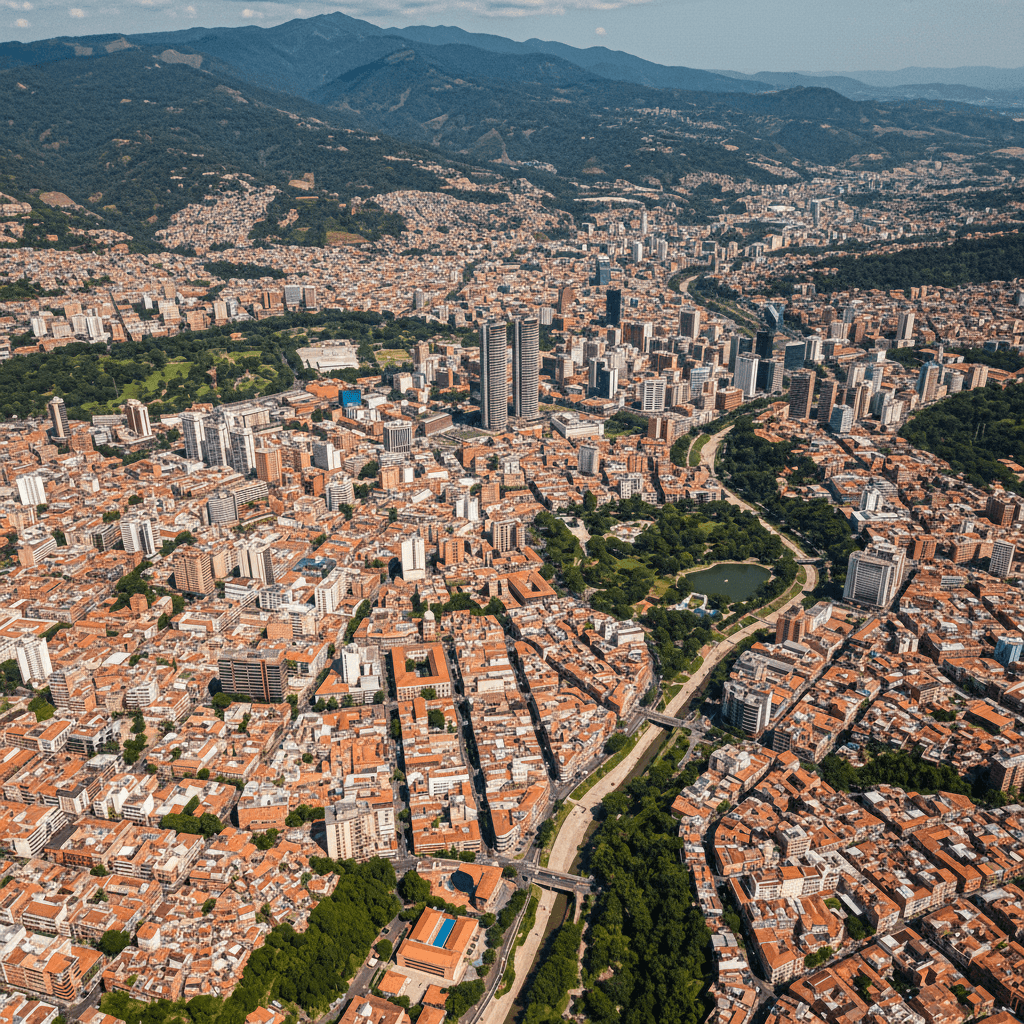
Caracas
🇻🇪 Venezuela
The Pulse of the Valley
Caracas is the world's most intriguing "forbidden fruit" for the digital nomad community. It is a city of extreme contrasts, where brutalist concrete skyscrapers and colonial plazas sit in the shadow of the Avila, the massive green mountain that defines the city's skyline. Being here feels like living on a high-wire; it is chaotic, survivalist, and intense, yet it possesses a resilient energy you won't find in sanitized nomad hubs like Medellin or Mexico City.
The vibe is dictated by a fast-paced, high-society lifestyle for those with cash, and a gritty, resourceful hustle for everyone else. It is not a place for the faint of heart or the budget backpacker looking for a seamless experience. Instead, it draws investors and adventurous remote workers who are attracted by the low cost of entry and the feeling of being in a place that is truly off the beaten path. You'll feel the political intensity in the air, but you'll also find locals who are incredibly eager to share the beauty of their home despite the headlines.
Cost of Living Tiers
The economy here is heavily dollarized, and prices can swing based on weekly fluctuations. Most nomads handle rent via PayPal or physical USD cash. You can expect three main tiers of spending:
- Budget ($800 to $1,200 USD): You'll stay in a basic apartment, rely on the Metro and street food like arepas for under $5, and stick to public spaces for socializing.
- Mid-range ($1,500 to $2,500 USD): This covers a nicer one-bedroom in a safe area, frequent dining at mid-range spots where meals cost $10 to $20, and regular use of ride-hailing apps.
- Comfortable ($3,000+ USD): This is the high-society experience. You'll live in upscale towers, dine at exclusive restaurants in Las Mercedes, and have access to private clubs and the best available connectivity.
Where to Plant Your Flag
Location is everything in Caracas, primarily for safety and infrastructure reasons. Most nomads gravitate toward a few specific pockets of the city.
Chacao
- Rent: Around $350-600 for a decent studio.
- The Vibe: The most expat-friendly district. It is the financial heart of the city and feels significantly safer and more polished.
- Connectivity: Home to the official Digitel store where you can grab a reliable SIM card.
El Hatillo
- Rent: Variable, often boutique posadas or small apartments.
- The Vibe: A colonial escape within the city. Think cobbled streets, colorful facades, and small cafes. It feels like a quiet Mexican village and is perfect for those who want a slower pace and a "laptop in a cafe" lifestyle.
Las Mercedes
- Rent: Premium prices, often $1,000+ for modern builds.
- The Vibe: This is where the nightlife happens. It is full of high-end bars and clubs that require significant spending to enter. It is flashy, exclusive, and very secure compared to the rest of the city.
The Connectivity Reality Check
Internet is the biggest hurdle for remote work here. Average internet speeds are around 30-50 Mbps, but reliability can be an issue. You won't find a traditional coworking scene like you do in Bali. Most nomads work from hotels or use Digitel hotspots as a workaround. If you're staying long-term, look for places that mention private fiber or Starlink backups. For mobile data, Digitel is the consensus favorite for reliability, while eSIMs through Airalo or Yoho are great for instant data the moment you land at the airport.
Safety and Social Life
Safety is a constant consideration. Most travelers give the city a 6 out of 10 for livability because of the high risk of petty and violent crime. The golden rule is to avoid the Historic Center at night and stick to the "bubbles" of Chacao and El Hatillo. Socializing is done in private circles or upscale bars; there isn't much of a middle-class "pub" culture. You'll meet people at Plaza Bolivar during the day or through niche investor groups, but don't expect a ready-made nomad community. You’ll need Google Translate and a bit of Spanish to get by, as English isn't common outside the elite circles. It is a city that requires effort, but for the right person, the reward is a front-row seat to one of South America's most complex and beautiful capitals.
The Price of the Forbidden Fruit
Living in Caracas feels like a high stakes balancing act. It is a city of extreme contrasts where you can find $5 street food around the corner from a $100 per plate tasting menu. While the economic situation means prices can fluctuate weekly, the unofficial currency is the US Dollar. You will want to keep plenty of cash on hand, though paying rent via PayPal has become a standard workaround for many expats and digital nomads.
To live here comfortably, you should budget at least $1,500 to $2,500 per month. This mid range tier covers a modern apartment in a safer district, frequent rideshares, and dining out at decent spots. If you are on a shoestring, you can scrape by on $800 to $1,200, but this usually means relying on the Caracas Metro and sticking to basic groceries and street stalls.
Cost Breakdowns by Neighborhood
Where you plant your flag determines both your safety and your burn rate. Most nomads gravitate toward the eastern side of the city where infrastructure is more reliable.
- Chacao: This is the gold standard for expats. It feels more secure and has the best access to Digitel stores for your data needs. A decent one bedroom here starts around $500.
- El Hatillo: If you want a slower pace with colonial charm, this is your spot. It feels like a small Mexican village with cobbled streets and plenty of cafes. Prices are similar to Chacao, but the vibe is much more relaxed.
- Las Mercedes: This is the playground for the city's elite. Expect to drop significant cash on nightlife and high society bars. It is expensive, exclusive, and requires a "pay to play" mindset.
- El Centro: The historic heart is cheaper for short stays, but the risk of petty crime makes it less ideal for long term living, especially after dark.
Connectivity and Remote Work Realities
Internet is the biggest hurdle in Caracas. The citywide average hovers around 6 Mbps, which is sluggish for anyone doing heavy video calls or uploads. Many nomads use their phones as hotspots to bridge the gap. Digitel is generally the most reliable provider for data, especially if you plan on taking trips to places like Choroni. For an easier setup, grab an eSIM from Airalo or Yoho before you land to ensure you have data the moment you touch down.
While dedicated coworking spaces are few and far between, the cafe culture in El Hatillo provides a decent alternative. Just don't expect lightning fast public WiFi; most travelers recommend having a backup data plan at all times.
Day to Day Expenses
Your daily spend will vary wildly based on how much you "live like a local." While the metro is nearly free, most foreigners prefer ride hailing apps for safety and convenience. Here is what to expect for common costs:
- Street Food (Arepas/Empanadas): Under $5.
- Mid range Dinner for Two: $30 to $50.
- Upscale Nightlife: $100+ for a night out in Las Mercedes.
- Local SIM Card: Roughly $10 to $20 for a decent data starter pack.
- Monthly Groceries: $300 to $400 for a mix of local and imported goods.
Safety is a major "hidden cost" here. You aren't just paying for a roof; you are paying for peace of mind. This often means choosing the more expensive apartment with 24/7 security or taking a car instead of walking two blocks at night. It is a unique, intense environment that rewards those with a bit of extra cash and a lot of common sense.
For Digital Nomads: Chacao
If you're trying to work remotely in Caracas, Chacao is the only neighborhood that makes sense. It's the city's financial heart and feels significantly safer and more modern than the surrounding areas. You'll find the most reliable infrastructure here, including the Digitel flagship store where you can grab a SIM card to tether when the home WiFi inevitably dips below 6 Mbps.
The vibe is upscale and polished, though the social scene can feel a bit like an exclusive club. Most nomads hang out in local cafes to get work done, as dedicated coworking spaces are still a rarity. Expect to pay around $500 for a decent studio, usually settled in USD via PayPal. It's the best spot for staying connected while keeping a foot in the city's emerging investor scene.
- Rent: $500 to $800 USD per month
- Internet: Best available in the city, but keep a hotspot ready
- Top Perk: High density of shops, cafes, and better security patrols
For Expats & High-Rollers: Las Mercedes
Las Mercedes is where the Caracas elite and long-term expats spend their time and money. It's the capital of nightlife and high-end dining. If your budget allows for a "Comfortable" lifestyle tier of $3,000+ a month, this is your base. You'll find the most expensive bars and clubs here, where the entrance fees and bottle service require significant cash reserves.
Living here feels a world away from the economic struggles seen elsewhere, but that bubble comes with a price tag. It's less about "neighborhood charm" and more about access to luxury goods and secure apartment blocks. It's the place to be if you want to network with the city's high society or find the few spots where English is more commonly understood.
- Lifestyle: High-end, luxury-focused
- Dining: Mid-range meals start at $20; fine dining is much higher
- Safety: Relatively high within the commercial strip, but stay alert at night
For Solo Travelers & Bohemians: El Hatillo
Travelers often say El Hatillo feels like a small Mexican town dropped into the Venezuelan mountains. It's famous for its colorful colonial architecture, cobbled streets, and relaxed pace. For a solo traveler, it's the most "livable" and charming pocket of the city. You can spend your afternoons in small cafes or browsing souvenir shops without the frantic energy of the city center.
The downside is that it's further away from the urban core and the main metro lines. It's better suited for those who don't mind a quieter life and a slightly longer commute for big-city amenities. The air is cooler here, and the "survival-mode" atmosphere of central Caracas feels much further away.
- Vibe: Colonial, artistic, and walkable
- Food: Excellent small restaurants and traditional street snacks under $5
- Transport: Best explored on foot, but you'll need ride-hailing apps to get to Chacao
For History Buffs & Short-Term Visitors: El Centro
If you're only in town for a few days to see the sights, staying near the Historic Center puts you within walking distance of Plaza Bolívar and the Caracas Cathedral. The architecture is stunning, and the local markets are the best place to get a feel for the city's raw energy. You'll see the colonial history of Venezuela up close in the government buildings and old plazas.
However, this area requires a high level of situational awareness. Petty crime is a real factor here, and the neighborhood changes completely after dark. Expats recommend visiting during the day but heading back to Chacao or Las Mercedes once the sun goes down. It's the "Budget" traveler's choice, but it comes with the highest safety trade-off.
- Key Sites: Plaza Bolívar, Colonial markets, Federal Legislative Palace
- Cost: Lowest for food and basic rooms, but higher risk
- Pro Tip: Download Google Translate and Maps.me for offline use before heading into the markets
The Connectivity Struggle
Working from Caracas requires a level of patience and preparation that most nomads aren't used to. Citywide internet speeds average around 30-50 Mbps, though unstable, which makes video calls a gamble and large file uploads a nightmare. You won't find the lightning fast fiber optics common in Medellín or Mexico City here. Most travelers rely on a mix of hotel WiFi and personal hotspots to keep their workflow steady.
If you're planning on staying for more than a few days, don't rely on your home roaming plan. Domestic infrastructure is shaky, and you'll want local data as a backup. Expats generally prefer Digitel for the most reliable coverage within the city limits. You can pick up a SIM card at the official store in Chacao, but make sure your phone is a fully unlocked GSM model. The process usually takes about one hour and requires your passport.
For those who prefer a digital approach, eSIM providers like Airalo or Yoho work well for instant data upon landing. They're great for navigation and messaging, though they can get expensive if you're using them as your primary workstation tether. Movistar is another local option, but while it works fine in the heart of Caracas, the signal tends to drop off quickly once you head toward the coast or the mountains.
Coworking and Cafe Culture
Traditional coworking spaces with ergonomic chairs and bottomless coffee are rare in Caracas. The community is still small and largely underground, so you won't find a dedicated "nomad hub" just yet. Instead, the remote work scene happens in upscale cafes and hotel lobbies where the power supply is more stable.
El Hatillo is the go to neighborhood for a relaxed afternoon with a laptop. The area feels more like a colonial town than a capital city, and several small cafes along the cobbled streets offer decent WiFi and a quiet atmosphere. It's a much more productive environment than the chaotic city center. Chacao also has a few modern spots where you can blend in with local entrepreneurs, but always keep an eye on your gear. It's best to keep your laptop out of sight when you're moving between locations.
Practical Tech Tips
- Download Offline Maps: Use Google Maps or Maps.me to download the entire city area before you arrive. Signal dead zones are common, and you don't want to be stranded without a route.
- Power Backups: Power fluctuations happen. A high capacity power bank isn't just a luxury here; it's a requirement if you have deadlines to meet.
- VPN Usage: Some banking apps and international services can be finicky with Venezuelan IP addresses. Having a reliable VPN installed will save you a lot of troubleshooting time.
- Payment Apps: Since local currency fluctuates wildly, many landlords and service providers prefer PayPal for USD transactions. Make sure your account is verified and accessible.
Mobile Data Comparison
Digitel
- Best for: Reliability in Chacao and trips to Choroni.
- Setup: Physical SIM card at official stores.
- Pros: Strongest overall data signal in the capital.
Airalo / Yoho (eSIM)
- Best for: Immediate connectivity upon arrival.
- Setup: In app activation.
- Pros: No need to visit a physical store or wait in line.
Movistar
- Best for: Basic city use.
- Setup: Physical SIM card.
- Pros: Decent speeds in Las Mercedes and central areas.
The Reality of Safety
Caracas is often described as the forbidden fruit of South America. It is a city of high stakes where your safety depends almost entirely on your zip code and your schedule. Most nomads stick to Chacao or El Hatillo, which feel like different worlds compared to the rest of the capital. These areas are generally safer and more polished, but the city’s overall reputation as one of the world's most volatile spots isn't just talk. You have to stay sharp.
The golden rule here is simple: don't be flashy. Keep your phone out of sight when you're on the street and avoid the city center, or El Centro, once the sun goes down. If you're heading out for the night, stick to the high-society spots in Las Mercedes. The nightlife there is exclusive and expensive, but those venues provide a level of security you won't find in more "local" bars. Most travelers use ride-hailing apps rather than waving down cabs on the street to ensure there's a digital trail of their trip.
Political unrest can flare up quickly. It is smart to keep an eye on local news and avoid any large street gatherings or protests. While the "survival-driven" energy of the city is part of its unique pulse, it means you need to have your logistics dialed in before you arrive. Download Maps.me or Google Maps for offline use so you aren't standing on a corner looking lost with your phone out.
Healthcare and Medical Services
The healthcare system in Venezuela has faced significant challenges due to the economic climate. While you'll find plenty of pharmacies stocked with basics, the public hospital system is often under-resourced. If you need medical attention, head straight to a private clinic (clinica privada). These facilities are much better equipped and are the standard choice for expats and wealthy locals.
- Insurance: Do not come here without a robust travel insurance policy that includes medical evacuation. If something serious happens, you'll want the option to be treated in a neighboring country.
- Pharmacies: Farmatodo is a reliable chain you'll see around the city. They often have better stock than smaller independent shops.
- Prescriptions: Bring a full supply of any regular medications you take. While you might find them locally, brands and availability fluctuate weekly.
- Water: Never drink the tap water. Stick to bottled water for everything, including brushing your teeth if you have a sensitive stomach.
Emergency Contacts
Local emergency infrastructure isn't always as responsive as what you might be used to in Europe or North America. Having a local SIM card from Digitel or Movistar is a requirement, not a suggestion, as you'll need data to use navigation and communication apps in a pinch. If you're using an eSIM like Airalo or Yoho, make sure your roaming is enabled so you don't lose signal when moving between neighborhoods.
Expats usually keep the contact info for their specific embassy and a trusted private car driver on speed dial. Since there isn't a centralized, English-speaking emergency line that's reliable for foreigners, your best bet is to build a small network of local contacts or fellow nomads via groups like Venezuela Code as soon as you land. Most medical emergencies will require upfront payment in USD cash, so keep an emergency fund stashed away that is separate from your daily spending money.
Moving through Caracas is an exercise in street smarts and digital prep. The city's geography is defined by the massive Avila mountain to the north, which serves as a permanent compass, but on the ground, the logistics can be tricky. While the city is walkable in specific pockets like Chacao or the colorful streets of El Hatillo, you'll need a mix of tech and local intuition to get from point A to point B safely.
The Metro System
The Caracas Metro was once the pride of the continent. Today, it remains the most affordable way to cross the city, though it's seen better days. If you're using it, download the Venezuela Metro app before you head out. It's the most reliable way to check routes and schedules without standing around looking lost with your phone out. Stick to peak daylight hours and keep your belongings close. Most expats and nomads use the metro for quick hops between Chacao and El Centro, but they generally avoid it after dark.
Ride-Hailing and Taxis
You won't find Uber here, but local ride-hailing apps have filled the void. These are your best bet for safety, especially when leaving the high-society bars in Las Mercedes. Since you'll need a data connection to book, make sure your phone is set up before you leave the airport or your apartment. Travelers often recommend using these apps over flagging down white taxis on the street because they provide a digital trail and fixed pricing, avoiding the "gringo tax" that comes with cash negotiations.
Walking and Safety
Caracas isn't a city where you wander aimlessly. Navigation is strategic. In El Hatillo, you can spend hours on foot enjoying the colonial architecture and cafe culture. In Chacao, the streets are relatively safe for walking during the day. However, El Centro requires a different level of awareness. While it's great for seeing the Caracas Cathedral or Plaza Bolívar, it's a "daylight only" destination. Once the sun sets, even locals retreat to the more secure upscale neighborhoods.
Connectivity for Navigation
Navigation apps are useless without a solid data plan. Don't rely on finding open WiFi while you're out. Pick up a Digitel SIM at the official store in Chacao; it's widely considered the gold standard for city data. If you prefer a digital-first approach, Airalo or Yoho eSIMs work well for instant activation upon landing. For the actual maps, download the Caracas region on Google Maps or Maps.me for offline use. It saves battery and keeps you on track if the city's internet decides to dip.
Logistics Checklist
- Caracas Metro: Cheapest option, best for daytime travel between major hubs.
- Ride-Hailing Apps: Essential for night travel and airport transfers.
- Walking: Recommended only in Chacao, Las Mercedes, and El Hatillo.
- Navigation: Always use offline maps to save data and maintain privacy.
- Airport Transfers: Book through your accommodation or a verified app to ensure a fixed price.
Most nomads find that once they've spent a few days learning the rhythm of the city, the "chaos" becomes manageable. Just remember that cash is still king for many things, but your phone is your lifeline for getting around. Keep it charged, keep it low-profile, and always have a destination in mind before you step out the door.
The Spanish Barrier
If you're planning to set up shop in Caracas, brush up on your Spanish. English proficiency is noticeably low throughout the city. Outside of high-end hotels in Chacao or the exclusive social clubs in Las Mercedes, you won't find many locals who speak it fluently. The local dialect is fast, often drops the "s" at the ends of words, and is packed with slang that might confuse even seasoned Spanish speakers.
Most nomads rely heavily on Google Translate. Before you land, download the Spanish language pack for offline use. The image translation feature is a lifesaver for reading menus in El Hatillo or signs in the Historic Center. For any real-time conversation, the voice-to-text function helps bridge the gap when you're negotiating a taxi or ordering street food.
Staying Connected
Internet in Caracas is famously temperamental. The city average is around 30-50 Mbps, though reliability varies, which is something to consider for anyone handling heavy video calls or large file uploads. You'll need a solid data plan as a backup for the frequent WiFi drops. Most long-term travelers use their phones as hotspots when the building's fiber optic decides to take a break.
You have three main paths for mobile data:
- Digitel: This is the gold standard for nomads. Head to the official store in Chacao to get a local SIM. It takes about one hour and requires an unlocked GSM phone. It offers the most reliable coverage if you plan on taking day trips to places like Choroni.
- Movistar: A decent secondary option that works well within Caracas city limits but tends to lose signal quickly once you head toward the mountains or the coast.
- eSIMs (Airalo or Yoho): These are the easiest to set up before you arrive. They provide instant data activation, which is great for booking a ride or checking maps the moment you land. Just make sure your roaming is enabled to get them to kick in.
Digital Tools and Navigation
Because the city layout can be chaotic and street signs are often missing or ignored, digital navigation is mandatory. Download Maps.me or the offline version of Google Maps. You don't want to be caught in a dead zone while trying to find your way back to your apartment at night.
For getting around, the SUVE app or Moovit for Metro schedules is helpful for checking routes, though many expats prefer ride-hailing apps for safety. Communication with landlords often happens over WhatsApp, and since rent for a $500 studio is frequently paid in USD, having your PayPal account verified and ready is a must. Most financial transactions for nomads happen through these digital gateways rather than local bank transfers.
Social Nuances
The nomad community here is small and fragmented. You won't find the typical "digital nomad cafes" overflowing with laptops like you would in Medellin or Mexico City. Instead, look for the Venezuela Code community or check out the smaller cafes in El Hatillo. People are generally resilient and friendly, but the social scene is often divided by economic lines. Accessing the high-society nightlife requires a "pay to play" mindset, where cash is king and English is slightly more common among the wealthy elite.
The Eternal Spring
Caracas sits in a high mountain valley, which blesses the city with a climate locals call the eternal spring. You won't deal with the sweltering humidity of the coast or the freezing bites of the high Andes. Instead, expect daytime temperatures to hover around 75°F to 82°F year round. Nights get pleasantly crisp, often dipping into the 60s, making it one of the few places in the tropics where you can actually enjoy a light jacket while sitting at a cafe in El Hatillo.
The city follows a typical tropical cycle with two distinct seasons. The dry season runs from December through April. This is generally the most comfortable window for nomads. The skies are clear, the air is less humid, and the Avila mountain looks sharp and green against the blue backdrop. If you're planning to hike the Sabas Nieves trail or explore the colonial streets of the historic center, these are the months to do it.
The rainy season takes over from May to November. Don't expect day long monsoons; it's usually characterized by heavy, sudden afternoon downpours that clear up quickly. However, these rains can turn the city's chaotic traffic into a complete standstill. If you're relying on the Metro or walking through Chacao, keep a solid umbrella or a lightweight raincoat in your bag at all times.
When to Touch Down
While the weather is consistent, the best time to visit Caracas is heavily influenced by the social and political calendar. Most seasoned travelers recommend arriving between January and March. The holiday madness has settled, the weather is at its peak, and the city feels relatively stable. This period avoids the peak of the rainy season and the potential for political demonstrations that sometimes flare up later in the year.
Avoid planning your initial arrival during major holidays like Carnival (February/March) or Easter (Semana Santa) if you need to get work done. The city tends to empty out as locals head to the coast, and many services, including the Digitel stores in Chacao where you'll need to sort your SIM card, may operate on limited hours or close entirely.
Practical Considerations for the Seasons
- Packing: Bring layers. The temperature shift between the sunny afternoon and the cool evening is noticeable. You'll want breathable fabrics for the day and a sweater for the night.
- Connectivity: Heavy rain can occasionally interfere with internet connections. If you have a deadline during a storm, having a backup eSIM like Airalo or Yoho is a lifesaver.
- Health: The transition between seasons can bring an increase in mosquitoes. While Caracas isn't a high risk malaria zone, it's smart to have repellent on hand if you're hanging out in the greener parts of the city or near the base of the mountain.
Ultimately, Caracas is a year round destination if you're strictly looking at the thermometer. The "forbidden fruit" appeal of the city remains constant, but the dry months offer the most seamless experience for those trying to balance a remote workload with urban exploration. Just keep an eye on local news rather than the weather app; in this city, the social climate changes much faster than the clouds.
The Dual Economy and Your Wallet
Living in Caracas requires a mental shift in how you handle money. While the local bolivar exists, the city runs on a de facto dollarization. You'll find that USD is king, and digital nomads often pay their rent via PayPal. Prices for a decent one bedroom apartment in areas like Chacao start around $500, but keep in mind that prices can fluctuate weekly based on the economic climate.
Your monthly burn rate depends heavily on how much you lean into the local scene versus the high society lifestyle. A budget of $800 to $1,200 covers a basic apartment and plenty of street food. If you want a more comfortable setup with upscale dining and coworking access, expect to spend upwards of $3,000. Street food is a steal at under $5, while mid range dinners sit between $10 and $20. If you head to the exclusive clubs in Las Mercedes, be prepared to drop significant cash just to get through the door.
Where to Set Up Base
- Chacao: This is the gold standard for anyone working remotely. It feels safer, has a more polished vibe, and hosts the official Digitel stores where you can get your tech sorted.
- El Hatillo: If you want a break from the concrete, this neighborhood feels like a small Mexican town. It's full of colonial architecture, cobbled streets, and quiet cafes. It's perfect for a slower pace, though it lacks some of the heavy duty urban amenities.
- El Centro: Good for a day trip to see the Caracas Cathedral and Plaza Bolívar, but most expats avoid staying here long term. It's high energy during the day but gets dicey after the sun goes down.
Connectivity and Gear
Internet is the biggest hurdle in Caracas. The citywide average is a sluggish 6 Mbps. You won't find a massive coworking scene here, so most nomads rely on cafe hopping in El Hatillo or using their phone as a hotspot. For mobile data, head straight to the Digitel store in Chacao. It's generally the most reliable for data, especially if you plan on taking day trips to places like Choroni. Movistar works fine within the city limits but can be spotty once you leave the valley.
If you don't want to deal with a physical SIM, apps like Airalo or Yoho offer eSIMs that work well in Caracas. Just make sure your phone is an unlocked GSM model before you land. For navigation, don't rely on a live connection; download the offline maps for Caracas on Google Maps or Maps.me before you leave your hotel.
Safety and Ground Rules
Caracas isn't a city where you wander aimlessly with your phone out. It's often called "forbidden fruit" for a reason; it's beautiful but carries a 6/10 livability rating due to safety concerns. Stick to the upscale pockets of Chacao and El Hatillo, and always use ride hailing apps rather than hailing cabs on the street. If you're heading out for nightlife, stick to the high end spots in Las Mercedes where security is a priority.
English proficiency is quite low outside of the elite social circles. You'll need Google Translate with the Spanish offline pack downloaded. Most locals are resilient and welcoming, but they're living in a high pressure environment, so a little bit of Spanish goes a long way in building rapport.
Moving Around the Valley
The Caracas Metro is the backbone of the city's transport. You should download the Venezuela Metro app to keep track of routes and schedules. While the city is walkable in specific pockets like the Historic Center or El Hatillo, you'll want to use apps for longer distances. There's no Uber here, but several local ride hailing apps fill the gap. Just ensure you have a data connection or a local SIM to book your ride when you're out and about.
Need visa and immigration info for Venezuela?
🇻🇪 View Venezuela Country GuideWild Card
Expect the unexpected