Canberra
🇦🇺 Australia
Canberra is often the underdog of Australian nomad destinations, frequently overshadowed by the flashy coastlines of Sydney or the coffee snobbery of Melbourne. But for those who value deep focus, clean air, and a layout that actually makes sense, this planned capital is a breath of fresh air. It feels like a high end university campus merged with a government hub, where the streets are wide, the parks are manicured, and the pace of life is intentionally slow.
The vibe here is professional yet progressive. You will find yourself surrounded by public servants, researchers, and students, creating an atmosphere that favors early morning runs around Lake Burley Griffin over late night clubbing. It is the kind of place where you can smash through a week of deep work in a quiet, sunlit cafe and then be hiking through the Tidbinbilla Nature Reserve thirty minutes later. It is calm, orderly, and arguably the most functional city in Australia.
The Nomad Experience
Most nomads find that Canberra is a "get things done" city. The community is smaller than what you will find in Bali or Chiang Mai, and some travelers complain about a lack of a dedicated digital nomad scene. However, the networking potential is huge if you lean into the local professional circles. You will likely spend your days at Spaces Canberra in Civic or grabbing a flat white at Method while you clear your inbox. The internet is rock solid, usually averaging between 16 to 97 Mbps, so video calls are never an issue.
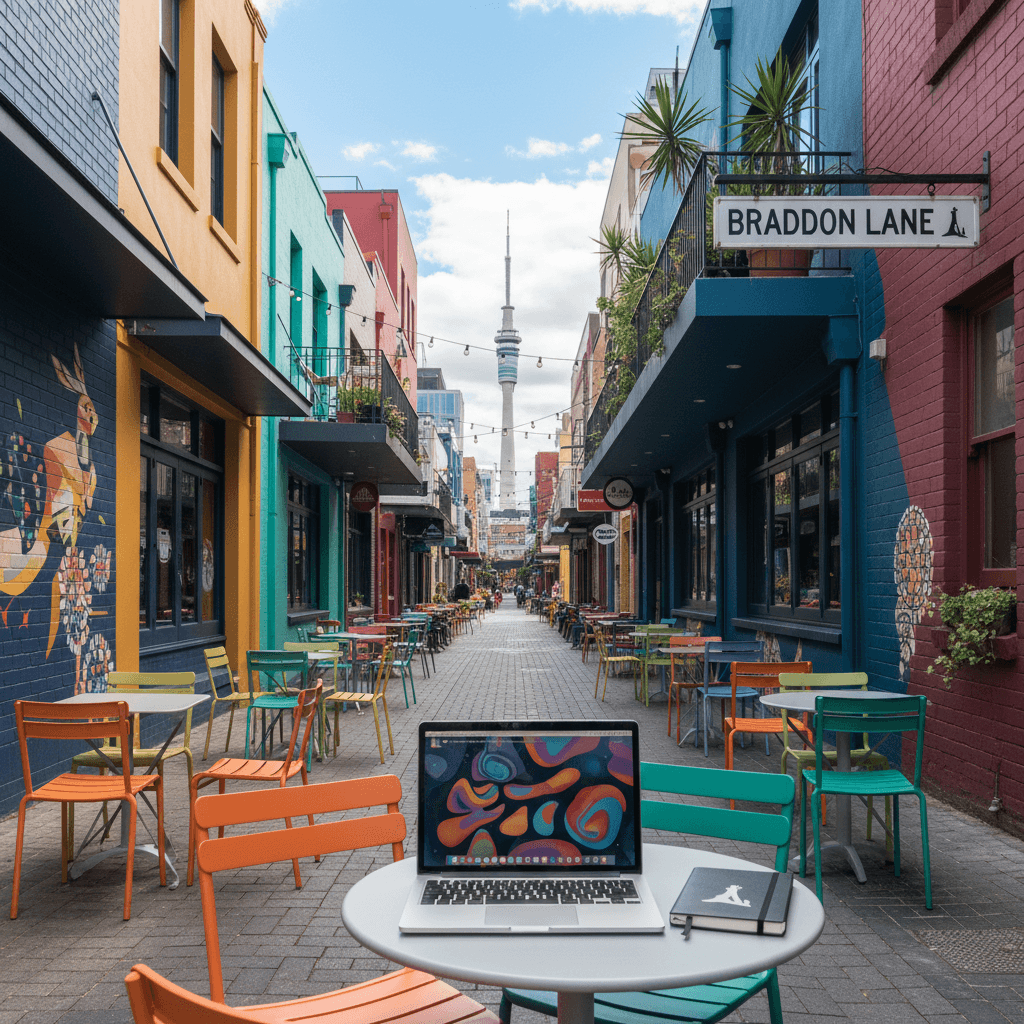
The main trade off is the energy after dark. Canberra is not a twenty four hour city. While Braddon has a solid collection of craft breweries and bars like Knockaert, the city tends to go quiet early. If you need the constant hum of a metropolis to feel alive, you might find it too subdued. But if you are looking for a base that feels safe, sophisticated, and close to the bush, it hits the mark.
Cost of Living Breakdown
Living here is not cheap, but it is often more manageable than Sydney. Expect to budget around AUD 3,379 per month for a mid range lifestyle. If you are keeping things tight by sharing housing and hitting up food markets, you can get by on AUD 3,000. For those wanting a private studio and frequent dinners out at places like Otto Ristorante, you should plan for AUD 4,500 or more.
- Studio or 1BR Rent: AUD 1,800 to 2,500 per month in central areas.
- Coworking Day Pass: AUD 30 to 50 at spots like Spaces.
- Mid range Meal: AUD 25 to 40 at local cafes or bistros.
- Transport: AUD 50 to 100 monthly using a MyWay card.
Where to Plant Your Laptop
Braddon and Civic
- Best for: Nomads who want to be in the thick of it.
- Rent: AUD 2,200+ for a 1BR.
- Pros: Walkable, high density of cafes, easy access to the light rail.
- Cons: Can get noisy on Friday and Saturday nights; the most expensive area for short term stays.
Ainslie and NewActon
- Best for: Creatives and those who appreciate modern architecture.
- Rent: AUD 2,000+ for a studio.
- Pros: Artsy atmosphere, close to galleries and high end workspaces.
- Cons: Very quiet at night; fewer grocery and budget dining options.
Turner and Curtin
- Best for: Families or nomads looking for a long term, quiet base.
- Rent: AUD 1,800 to 2,200.
- Pros: Lots of green space, very peaceful, better value for money.
- Cons: You will likely want a car or a bike; lacks that central "buzz."
Practical Logistics
Getting around is remarkably easy thanks to a highly efficient bus and light rail system. Most people use the MyWay card, which caps your weekly spend at AUD 40. For shorter trips, keep the Lime or Beam apps on your phone to grab an e-scooter, which are everywhere in the city center. If you are arriving from the airport, an Uber will set you back AUD 30 to 50, but the AUD 10 bus is a perfectly viable alternative for the budget conscious.
Weather wise, Canberra has four distinct seasons. Spring from September to November is the sweet spot with temperatures around 20 to 25°C. Winters in July can be surprisingly biting, dropping to 10°C during the day and even lower at night, so bring a proper coat. Despite the winter chill, the sky is usually a crisp, clear blue, which makes the morning walk to your coworking space a lot more pleasant.
The Financial Reality of Life in the Bush Capital
Canberra is often overlooked by travelers heading straight for the coast, but for remote workers, it provides a stable, high speed environment that feels like a breath of fresh air. It isn't a budget destination. You are looking at a monthly burn rate of about AUD 3,379 (roughly USD 2,200) to live comfortably. While it’s cheaper than the peak prices of Sydney, the heavy presence of government contractors and university students keeps the baseline cost of living relatively high.
Most nomads find that a mid range lifestyle, including a private apartment and frequenting local cafes like Method, requires a budget between AUD 3,500 and 4,000. If you are happy in a shared house and stick to street food or markets, you can squeeze by on AUD 3,000. For those who want the full experience with upscale dinners at Otto Ristorante and a private studio in a trendy area, plan for AUD 4,500 or more.
Breaking Down the Monthly Spend
- Housing: Expect to pay between AUD 1,800 and 2,500 for a one bedroom apartment or studio in the central hubs.
- Food and Drink: A casual lunch at a cafe runs about AUD 25 to 40. Street food and market vendors offer cheaper bites for AUD 10 to 15, while a high end dinner will set you back AUD 60 or more.
- Connectivity: A local SIM from Telstra or Optus with plenty of data costs around AUD 30 per month. Coworking day passes at spots like Spaces Canberra are usually AUD 30 to 50.
- Transportation: A MyWay card is your best friend here. Monthly spend on buses and the light rail typically falls between AUD 50 and 100.
Where to Set Up Base
Choosing the right neighborhood changes your daily overhead and your social life. Canberra is spread out, so proximity to the city center, known as Civic, is usually worth the extra rent for anyone without a car.
Braddon and Civic
- Rent: AUD 2,200+ for a 1BR.
- Vibe: This is the heart of the action. It is walkable, packed with coffee shops, and has the most social energy.
- Trade-off: It is the priciest area and can get noisy on Friday and Saturday nights.
Ainslie and NewActon
- Rent: AUD 2,000+ for a studio.
- Vibe: Artsy and modern with plenty of galleries and creative workspaces.
- Trade-off: Nightlife is pretty quiet here, so you will likely head to Braddon for evening drinks.
Turner and Curtin
- Rent: AUD 1,800 to 2,200.
- Vibe: Green, quiet, and popular with families.
- Trade-off: You will feel a bit isolated from the nomad "buzz" and will spend more time on public transport.
Practical Savings and Logistics
Expats recommend using apps like Flatmates.com.au if you want to slash your rent by half through a shared house. For getting around, skip the Ubers when you can. The city is incredibly bike friendly, and renting a Lime or Beam scooter for AUD 0.30 per minute is a standard way to zip between meetings. If you need a car for a weekend trip to Tidbinbilla, rentals start around AUD 50 per day.
Internet speeds are excellent, ranging from 16 to 97 Mbps, making it one of the most reliable cities for video calls in Australia. While there isn't a specific digital nomad visa, most travelers use a Visitor visa or a Working Holiday visa to stay for up to 12 months. Just remember that while the infrastructure is top tier, the social scene is subdued. You are paying for efficiency and nature access rather than a 24/7 party culture.
For Digital Nomads and Solo Travelers
If you're coming to Canberra to get work done while staying close to the action, Braddon and Civic (the city center) are your best bets. This is the heart of the capital's social scene. You'll find the highest density of laptop friendly cafes like Method and Squint, where the Wi-Fi is reliable and the coffee is world class.
The vibe here is young and professional. Most nomads gravitate toward Spaces Canberra in Civic for a dedicated desk, which usually costs around AUD 35 for a day pass. When you're off the clock, the bars along Lonsdale Street in Braddon, such as Knockaert, are where people gather for a drink. It's the most walkable part of the city, though you'll pay a premium for the convenience.
- Average 1BR Rent: AUD 2,200+ per month
- Coworking: Spaces Canberra (approx. AUD 350 monthly)
- Pros: High walkability, best public transport links, social networking opportunities.
- Cons: Can get noisy on Friday and Saturday nights; most expensive rent in the city.
For Artsy Expats and Creatives
For those who want a bit more character and a modern, aesthetic environment, Ainslie and NewActon are the top recommendations. NewActon is an award winning precinct known for its striking architecture and galleries. It feels more like a curated community than a standard neighborhood, making it popular for expats on short term contracts who appreciate design.
Ainslie offers a slightly more grounded, bohemian feel while staying close to the Mt. Ainslie nature reserves. It's perfect if you want to start your morning with a hike before heading to a creative workspace. While the nightlife is quieter than Braddon, the dining options are sophisticated, featuring spots like Parapilla for upscale meals.
- Average Studio Rent: AUD 2,000+ per month
- Vibe: Creative, modern, and visually inspired.
- Pros: Proximity to nature and art galleries; quieter than the city center.
- Cons: Limited late night dining; requires a bit more effort to meet people outside of work.
For Families and Long Term Residents
If you're moving with a partner or children, look toward Turner or Curtin. These suburbs offer the quintessential Canberra "bush capital" experience. You'll find wide, leafy streets, large parks, and highly rated schools. It's a significant shift in energy from the city center, focusing on quiet evenings and weekend sports.
Turner is particularly popular because it sits on the edge of the city, allowing parents to commute easily while kids have space to run. Curtin is further south and offers a very established, safe community feel with its own local shopping hubs. While you won't find many digital nomad meetups here, the quality of life for a family is hard to beat.
- Average Rent: AUD 1,800 to 2,200 for a 1BR or small house
- Atmosphere: Peaceful, green, and residential.
- Pros: Excellent safety, great schools, and plenty of green space.
- Cons: You'll likely need a car or a MyWay card for frequent bus trips; very little "buzz" after 6:00 PM.
Practical Neighborhood Tips
Getting between these areas is straightforward. The light rail connects the northern suburbs to the city center, while buses cover the rest. A MyWay card is essential, with weekly spend caps usually around AUD 40. If you're staying in Braddon or Civic, you can easily rely on Lime or Beam scooters for quick trips, which cost about AUD 1 to unlock and AUD 0.30 per minute.
For those looking to save on housing, travelers often suggest Flatmates.com.au to find rooms in shared houses. This can bring your monthly rent down to around AUD 1,200 to 1,500, especially in areas like Turner or further out in the suburbs. Just keep in mind that Canberra is a "car city" once you leave the inner north, so factor in transport costs if you choose a quieter neighborhood.
Reliability and Speed
Canberra is one of the most connected cities in Australia. Thanks to extensive NBN upgrades, you can expect speeds between 16 Mbps and 97 Mbps across most central neighborhoods. Full fiber coverage is rolling out rapidly, so if you are staying in a modern apartment in Civic or Braddon, you will likely have a rock-solid connection for video calls and heavy uploads. Most nomads find the citywide coverage reliable enough that they do not need to hunt for specific high speed zones.
For mobile data, travelers recommend grabbing a prepaid SIM from Telstra or Optus. You can get unlimited data plans for around AUD 30 per month. If you want to skip the airport kiosks, eSIM providers like Holafly or Jetpac are popular choices for instant setup. Public Wi-Fi is available in many parks and government precincts, but it is better suited for checking emails than a full day of work.
Top Coworking Spaces
The coworking scene in Canberra reflects the city's professional, government-adjacent vibe. It is more about focus and networking than the party atmosphere you might find in Bali or Chiang Mai. These spaces are excellent for those who need a quiet, high-end environment to get things done.
- Verify that Spaces Canberra still operates and confirm current day pass (AUD 35) and monthly (AUD 350) pricing.
- The Commons: Known for its community-driven approach, this space is ideal if you are looking to meet other entrepreneurs. It offers a premium experience with a similar price point of AUD 350 per month.
- Innovation Centre: Often used by startups and university researchers, this is a great spot if you want to be around a more academic or tech-focused crowd.
Laptop-Friendly Cafes
Canberra has a world-class coffee culture, and many cafes are surprisingly accommodating to the laptop crowd, provided you are not camping out during the lunch rush. The vibe is generally relaxed, and you will see plenty of students and consultants working alongside you.
- Verify that Method cafe still operates and confirm meal pricing around AUD 25.
- Verify that Winery cafe still operates.
- Verify that Squint cafe still operates.
Nomad Networking and Community
While the digital nomad community in Canberra is smaller than in Sydney or Melbourne, it is growing. Most people connect through local Facebook groups or expat meetups on InterNations. Because the city is a hub for short-term government contractors and university researchers, you will find a lot of people who are also new to town. Travelers often say the best way to meet people is to attend events at the university or head to the bars in Braddon like Knockaert on a Friday evening. It is a "work hard, play early" kind of city, so do not expect much networking to happen late at night.
Peace of Mind in the Capital
Canberra is arguably the safest city in Australia. Because it is a planned city dominated by government offices and universities, it lacks the grit or chaotic energy you might find in parts of Sydney or Melbourne. Most nomads find they can walk through the city center or Braddon at 2:00 AM without a second thought. There are no "no-go" zones here; even the quieter suburbs like Curtin or Turner maintain a high level of public safety and well lit streets.
The crime rate is remarkably low, mostly consisting of occasional petty theft in high traffic areas. Expats recommend the usual common sense, like locking your bike with a sturdy U-bolt if you are parked near the Civic bus interchange. If you ever find yourself in a pinch, the emergency number for police, ambulance, or fire services is 000. For non-urgent police matters, you can call 131 444.
World Class Healthcare
If you get sick in Canberra, you are in good hands. The public healthcare system, anchored by Canberra Hospital in Garran and Calvary Public Hospital in Bruce, provides high quality care. While citizens use Medicare, nomads will need comprehensive travel insurance or private health cover to avoid steep out of pocket costs. A standard GP consultation usually runs between AUD 80 and AUD 120, though you might get a portion of that back depending on your insurance provider.
For minor ailments or prescriptions, pharmacies like Chemist Warehouse are everywhere. They offer the best prices on essentials and are generally open until 9:00 PM in central areas. If you need a doctor after hours, the Canberra After Hours Locum Service (CALMS) is a reliable resource that many long term travelers use to avoid waiting in emergency rooms for non-emergencies.
Environmental Wellness
The air quality in Canberra is typically excellent, with AQI levels usually sitting between 25 and 61. It is a city designed around nature, so you are never more than a few minutes away from a park or a lake. This makes it a dream for nomads who struggle with the "concrete jungle" burnout. However, if you suffer from hay fever, be prepared for the spring season. The city is famous for its high pollen counts in October and November due to the sheer volume of exotic and native trees.
Tap water is perfectly safe to drink and tastes better than the water in most other Australian capitals. You will find public water refill stations scattered around Lake Burley Griffin and the major shopping precincts, so there is no need to keep buying plastic bottles.
Practical Safety Tips
- Sun Safety: The Australian sun is brutal. Even on a cool 20°C day in autumn, the UV index can be high. Locals live by the "slip, slop, slap" rule: slip on a shirt, slop on SPF 50+ sunscreen, and slap on a hat.
- Wildlife: While you won't find crocodiles in the streets, kangaroos are a legitimate road hazard. If you are driving to the Cotter River or Tidbinbilla at dusk or dawn, slow down. They are heavy animals and frequently jump in front of cars.
- Bushfire Season: During the height of summer from December to February, keep an eye on the "Fires Near Me" app. While the city itself is well protected, smoke can occasionally affect air quality if there are fires in the surrounding national parks.
- Solo Travel: Canberra is an ideal spot for solo female travelers. The professional, respectful atmosphere means street harassment is rare, and the public transport system is well monitored and safe to use at night.
Navigating the Capital
Canberra is a breath of fresh air if you're coming from the frantic pace of Sydney. It's a city designed for efficiency, where the roads are wide and the traffic is almost non-existent. Most nomads find the layout easy to master within a few days, especially if you stick to the central hubs where the work-life balance actually feels balanced.
Public Transport and the MyWay Card
The backbone of your daily commute will be the MyWay card. It's a tap-on, tap-off system that works across the entire bus network and the light rail. You can grab a card at most newsagents or convenience stores. Trips generally cost between AUD 3 and AUD 5, but the real win for long-termers is the weekly cap. Once you hit AUD 40 in a week, the rest of your travel is free.
The light rail is particularly useful if you're staying in the northern suburbs like Dickson and working in Civic. It's clean, fast, and runs frequently. For everywhere else, the bus network is reliable, though it can get a bit sparse on weekends. If you're heading out for a late-night drink in Braddon, don't rely on the buses; they tend to wind down earlier than you'd expect.
The Two-Wheeled Lifestyle
Canberra is arguably the most bike-friendly city in Australia. The terrain is mostly flat, and the dedicated cycle paths are separated from cars, making it a dream for those who prefer to skip the bus. If you aren't ready to buy a bike, the city is littered with Lime and Beam e-scooters. They cost AUD 1 to unlock and about AUD 0.30 per minute. They are perfect for ziping between a coworking space like Spaces and a lunch meeting at Method.
Ride-Hailing and Driving
When public transport doesn't cut it, Uber and Didi are the go-to apps here. A ride from the Canberra Airport (CBR) to the city center usually sets you back AUD 30 to AUD 50. If you're on a budget, the Rapid 3 bus from the airport is a steal at about AUD 10, though it takes significantly longer depending on stops.
For those planning to explore the surrounding nature reserves like Tidbinbilla or Cotter River, you'll want to rent a car. You can find rentals for around AUD 50 a day. Driving in Canberra is straightforward, but keep an eye out for the roundabouts; the city is famous for them, and they can be a bit confusing for newcomers.
Walking the Hubs
If you've based yourself in Braddon or Civic, you'll rarely need wheels for your day-to-day life. These areas are highly walkable, with most cafes, grocery stores, and bars clustered together. Expats recommend staying within these central pockets to avoid the isolation that can come with Canberra's sprawling outer suburbs. You can walk from a morning work session to a sunset beer at Knockaert in under fifteen minutes.
Getting Around: At a Glance
- MyWay Card: Essential for buses and light rail; AUD 40 weekly cap.
- E-Scooters: Lime and Beam apps; AUD 1 unlock fee.
- Airport Transfer: AUD 10 by bus or AUD 30 to AUD 50 by Uber.
- Car Rental: Roughly AUD 50 per day for weekend trips.
- Walking: Best in Braddon, Civic, and NewActon.
The Local Lingo
English is the undisputed king in Canberra. Because the city is the seat of the Australian government and home to several major universities, the English spoken here is generally clear, professional, and very easy for international nomads to follow. You won't struggle with language barriers in shops, government offices, or cafes like Method or Squint.
While the language is familiar, the local flavor is distinctly Australian. You'll hear plenty of "g'day" and "no worries" in casual conversation. Canberrans are polite and often use "mate" in a friendly, non-confrontational way. If you're coming from a more formal background, the relaxed way people speak to service staff or coworkers might take a minute to get used to, but it's all part of the local charm.
Communication Style
Nomads often find that Canberra has a bit of a dual personality. During the day, the vibe is professional and efficient, reflecting its status as a government hub. People value directness and punctuality. If you're meeting a local contact for a coffee at Spaces Canberra, showing up on time is expected.
Outside of office hours, the tone shifts to something much more laid back. Australians generally dislike pretension. Whether you're grabbing a drink at Knockaert or hiking around Tidbinbilla, keep your communication casual. Most travelers say that being approachable and having a sense of humor goes a lot further here than trying to impress people with your resume.
Staying Connected
Reliable internet is the baseline for any remote work setup, and Canberra delivers. The city is well-covered by the NBN, with speeds typically ranging from 16 to 97 Mbps. Most modern apartments in Braddon or NewActon come with high-speed fiber connections, making video calls and large uploads a breeze.
For mobile data, you have a few solid options to stay tethered while you're out exploring:
- Physical SIM Cards: Pick up a prepaid card from Telstra or Optus. A typical plan costs around AUD 30 per month and includes generous or even unlimited data. You can find these at the airport or any shopping center in Civic.
- eSIMs: If you want to be online the second you land at CBR, nomads recommend using Holafly or Jetpac. They're easy to set up and save you the hassle of hunting down a retail store.
- Public Wi-Fi: The city center has decent public hotspots, and almost every cafe is laptop-friendly. Just keep in mind that some of the quieter suburbs like Curtin might have fewer "work-from-cafe" options compared to the central hubs.
Social Apps and Networking
Because the digital nomad scene in Canberra is still emerging, you'll need to be a bit more proactive to build a social circle. Most expats and long-term travelers rely on a few specific platforms to stay in the loop:
- Facebook Groups: Search for local Canberra community groups or "Canberra Expats" to find weekend meetups and housing leads.
- InterNations: This is a go-to for the many diplomats and international workers stationed in the capital. It's a great way to meet people who understand the transient lifestyle.
- WhatsApp: Once you make a few friends at a coworking space, most social organizing happens in private WhatsApp groups.
If you ever find yourself in a pinch, Google Translate is more than enough for the rare occasion you encounter a document or a sign that isn't immediately clear. For emergencies, the number to remember is 000, which connects you to police, ambulance, or fire services. Operators speak clear English and can provide translators if necessary.
What to Expect Year-Round
Canberra is a city of distinct seasons, a rarity in many parts of Australia. Because it sits inland at a higher elevation, the air is crisp and the light is incredibly clear. You'll find a temperate climate that rewards those who plan their stay around the shoulder seasons. Summers are warm and dry, while winters are famously chilly, at least by Australian standards.
Most nomads find the sweet spots are September to November (Spring) and February to April (Autumn). During these months, temperatures hover comfortably between 20°C and 25°C. Spring brings the Floriade festival, which sees the city erupt in color, while Autumn offers calm, golden days that are perfect for afternoon laptop sessions in Braddon's outdoor cafes.
The Seasonal Breakdown
- Summer (December to February): Expect highs between 25°C and 30°C. It's the best time to head to the Cotter River or Tidbinbilla for a swim and a hike. The city gets quiet in January as locals head to the coast, making it a great time for focused work.
- Autumn (March to May): This is arguably the best time for a long-term stay. The weather is stable, rainfall is low (averaging 50-60mm), and the morning air is refreshing without being biting.
- Winter (June to August): It gets cold. July is the toughest month, with highs of only 10°C to 15°C and nights that often dip below freezing. If you're here during this time, make sure your rental has decent heating; older Canberra houses can be drafty.
- Spring (September to November): A favorite for expats and travelers. The city feels energized, the social calendar fills up with networking events, and the parks are at their best.
When to Visit (and When to Skip)
If you're looking for the most productive environment, aim for the February to April window. The university students are back, the cafes like Method are humming with energy, and the weather won't distract you with extreme heat or freezing wind. You'll avoid the peak summer heatwaves and the winter gloom that can sometimes make the city feel a bit too quiet.
Budget-conscious travelers often find that July and August offer slightly better deals on short-term rentals, as the cold keeps the casual tourists away. However, you'll spend more on your electricity bill keeping the place warm. If you hate the cold, avoid July at all costs. It's the one month where the "subdued energy" nomads talk about feels most prominent.
Practical Climate Tips
Canberra's air quality is generally excellent, with an AQI between 25 and 61, making it a dream for runners and cyclists. However, the sun is incredibly strong here, even on cool days. Expats recommend always wearing sunscreen if you're working from a patio in Civic or Braddon.
Pack in layers. Even in the height of summer, the temperature can drop significantly once the sun goes down. A light jacket is a year-round requirement. If you're arriving in winter, a heavy coat and thermal layers are non-negotiable for those early morning walks to Spaces Canberra or your local coworking hub.
Money and the Cost of Living
Canberra isn't exactly a budget destination, but it's more manageable than the sky high prices of Sydney. You should plan for a monthly budget of around AUD 3,379 to live comfortably. If you're staying in a central studio or a modern one bedroom apartment in places like Braddon, expect to pay between AUD 1,800 and AUD 2,500 per month.
Eating out is a mix of casual cafe culture and high end dining. A quick lunch at a spot like Method or a street food vendor will run you AUD 15 to 25. If you're heading out for a nicer dinner at Otto Ristorante, prices jump to AUD 60 or more. Most nomads find that cooking at home and hitting the local markets helps keep the daily spend under control.
- Budget Tier: AUD 3,000 (shared housing, home cooking)
- Mid-Range: AUD 3,500 to 4,000 (private apartment, frequent cafes)
- Comfortable: AUD 4,500+ (upscale dining, private studio, car rental)
Where to Set Up Base
The city layout is unique, designed in circles and hubs rather than a traditional grid. For the best nomad experience, stick to the inner north or the city center.
Braddon and Civic
- Best for: Social butterflies and short term stays.
- The Vibe: This is the heart of the action. Braddon is packed with coffee shops, craft breweries, and the city's best retail.
- Pros: Highly walkable, great public transport, and easy access to coworking.
- Cons: It gets noisy on Friday and Saturday nights; rent is the highest in the city at AUD 2,200+.
Ainslie and NewActon
- Best for: Creatives and those who want a quieter, artsy atmosphere.
- The Vibe: NewActon is sleek and architectural, while Ainslie feels more established and green.
- Pros: Proximity to galleries and high quality workspaces.
- Cons: Nightlife is pretty quiet; studios start around AUD 2,000.
Connectivity and Coworking
You won't have to worry about the internet here. Speeds usually range from 16 to 97 Mbps thanks to the NBN rollout. If you need a professional desk, Spaces Canberra in Civic is the go to. A day pass costs about AUD 35, while a monthly membership sits around AUD 350. For a more relaxed afternoon, laptop friendly cafes like Winery or Method are great for a few hours of deep work.
For mobile data, grab a prepaid SIM from Telstra or Optus for about AUD 30. If you want to skip the store visit, an eSIM from Holafly or Jetpac works instantly. Just be aware that while the tech is great, the digital nomad community is still growing. You'll find plenty of students and government contractors, but fewer full time travelers than you might see in Melbourne.
Moving Around
The city is surprisingly easy to navigate. Grab a MyWay card as soon as you arrive. It works for both buses and the light rail, with rides costing between AUD 3 and AUD 5. If you prefer two wheels, Lime and Beam scooters are everywhere. They cost AUD 1 to unlock and about AUD 0.30 per minute. For trips out to the Cotter River or Tidbinbilla nature reserves, you'll definitely want to rent a car for about AUD 50 a day.
Safety and Health
Canberra is one of the safest cities you'll ever visit. There aren't any "no go" zones, and walking home at night in Braddon or Civic is generally fine. If you get sick, the Canberra Hospital provides world class care. For minor issues, Chemist Warehouse is the most affordable pharmacy chain. In a real emergency, dial 000 for police or an ambulance.
When to Visit
Timing is everything here. The most pleasant months are September to November (spring) and February to April (autumn) when temperatures hover around 20 to 25°C. Winter in July can be a shock; it's the coldest capital in Australia, with overnight frosts and daytime highs of only 12°C. Pack a heavy coat if you're coming mid year.
Need visa and immigration info for Australia?
🇦🇺 View Australia Country GuideEasy Landing
Settle in, no stress