Campinas
🇧🇷 Brazil
The Intellectual Heart of São Paulo State
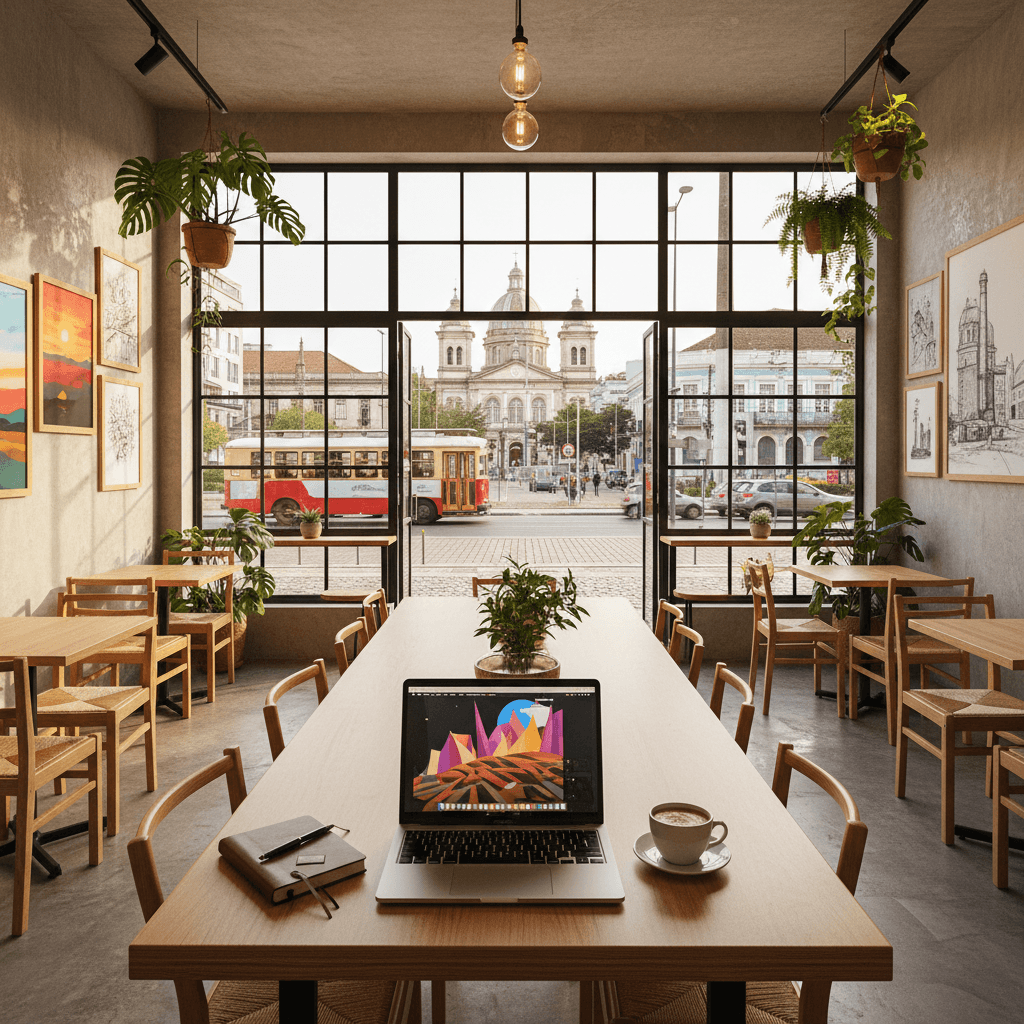
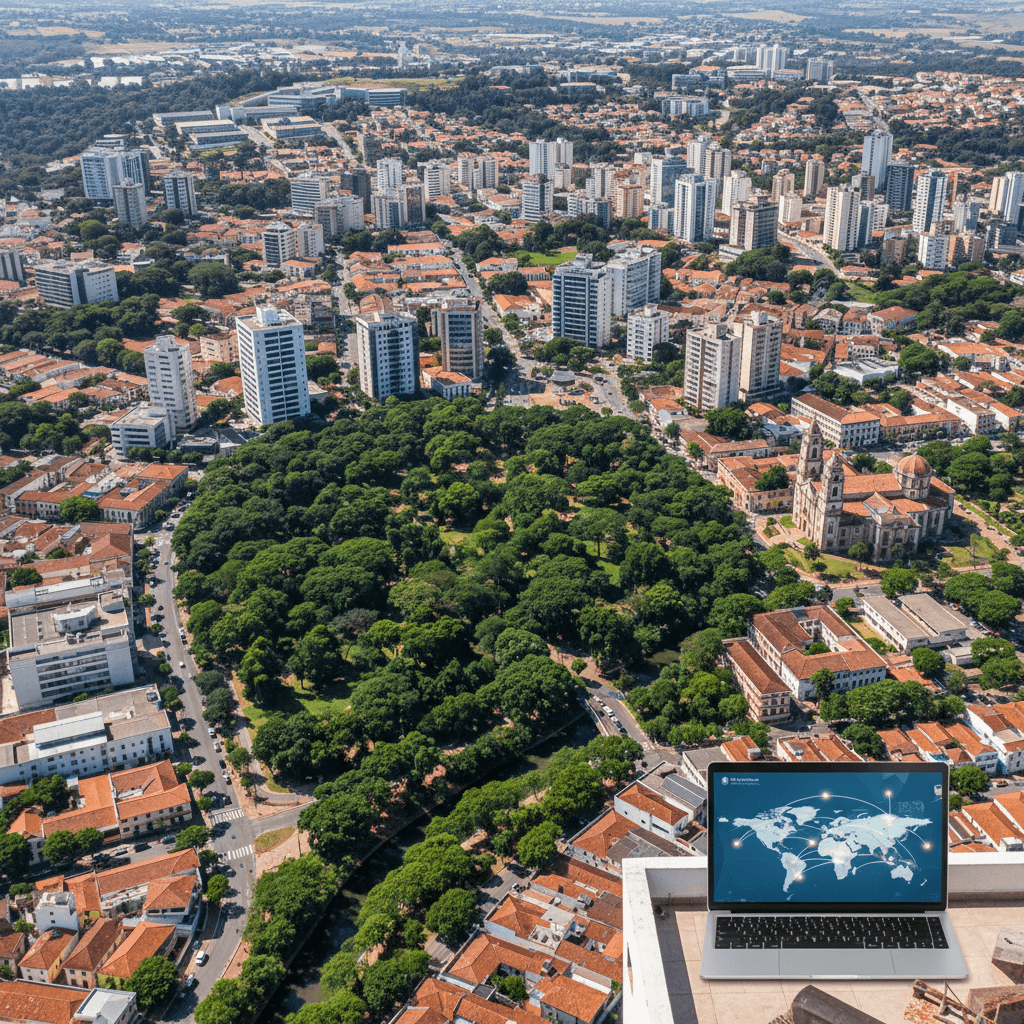
If São Paulo is the frantic engine of Brazil, Campinas is the brain. Located about two hours inland from the capital, this city trades the chaotic skyscrapers of the metropolis for a more balanced, academic atmosphere. It feels like a massive university town that accidentally grew into a major tech hub. You won't find the postcard beaches of Rio or the endless concrete canyons of Sampa here; instead, you get wide, tree-lined streets in neighborhoods like Cambuí and a population that values innovation over influencer culture.
The vibe is distinctly youthful but grounded. Because it's home to Unicamp, one of Latin America's top universities, the city hums with a tech-savvy energy. You'll see students huddled over laptops in padarias and entrepreneurs networking in the local coworking hubs. It’s a place for the nomad who wants to actually get work done during the week and escape to the coast or the mountains on the weekend. It’s safer and more affordable than the big two, making it a strategic base for anyone looking to stretch their Reais without sacrificing high-speed internet or quality healthcare.
Where to Plant Your Laptop
Choosing the right neighborhood in Campinas changes your entire experience. Most nomads gravitate toward these three distinct areas:
- Cambuí: This is the gold standard for expats and remote workers. It’s highly walkable, packed with high-end cafes, and feels remarkably safe. You’ll pay more here, but you’re steps away from the best gyms and social spots.
- Barão Geraldo: If you want a bohemian, "starving artist" or "startup founder" vibe, this is it. It’s the district surrounding Unicamp. Expect cheaper rent, plenty of bike paths, and a lot of craft beer bars where the conversation is usually about science or social theory.
- Taquaral: Perfect if you need green space to stay sane. It’s centered around a massive park with a lake and running tracks. It’s quieter and more residential, favored by slow-mads and families.
The Cost of Living Breakdown
Living here is significantly cheaper than the coastal hotspots. While prices fluctuate, a mid-range lifestyle usually sits between R$6,000 and R$8,000 per month. Here is how the tiers typically look:
Budget Tier (Total: R$4,000)
- Housing: Shared room or studio in Barão Geraldo for R$1,500.
- Food: Street food like coxinhas for R$10 and cooking at home.
- Transport: Using the bus system at R$5 per ride and walking.
Mid-Range Tier (Total: R$6,000 to R$8,000)
- Housing: A nice 1BR in Cambuí for R$2,500 to R$3,500.
- Food: Mixing home cooking with mid-range dinners at spots like Bendito for R$50.
- Work: A monthly desk at a local coworking space like Impact Hub or Workspot for about R$600 to R$900.
Comfortable Tier (Total: R$10,000+)
- Housing: Upscale apartment with a pool and gym for R$4,000+.
- Food: Frequent dining in the Dom Pedro area or high-end bistros.
- Transport: Exclusive use of Uber and 99, which usually cost R$20 to R$40 for cross-town trips.
Connectivity and Logistics
Internet is rarely an issue in the urban core. Most apartments and cafes offer speeds between 50 and 100Mbps. For a dedicated workspace, local hubs like Impact Hub are popular for meeting other professionals, while various business centers in the Cambuí area provide a more corporate setting. If you’re staying long-term, grab a SIM card from Claro or Vivo; just be prepared to provide your CPF number to get the best prepaid data deals.
The weather is another plus. It’s subtropical, so you’ll avoid the oppressive heat of the north. The best months are April through June, when the air is crisp and the rain stays away. January and February can be quite wet, so pack a light rain jacket if you’re arriving at the start of the year. Getting around is easiest with Uber, though the city is trying to become more bike-friendly, especially around the university and Taquaral Park.
Ultimately, Campinas offers a "real Brazil" experience. It’s not a tourist trap. You’ll need a few Portuguese phrases like "Quanto custa?" and "Obrigado" to get by, but the locals are famously friendly and usually patient with learners. It’s a city that rewards those who stay long enough to find their favorite corner bakery and settle into the local rhythm.
The Balanced Alternative
Campinas is often overlooked by travelers racing toward the coast, but for anyone working remotely, it represents one of the most practical hubs in Brazil. It serves as a quieter, more affordable satellite to São Paulo, located about two hours away. You get the benefits of a high tech infrastructure and top tier healthcare without the suffocating traffic or the eye watering prices of the capital.
The city's soul is tied to Unicamp, one of Latin America's leading universities. This creates a youthful, educated atmosphere where high speed internet and specialty coffee are the norm rather than the exception. While it lacks the beach vibe of Florianópolis, it makes up for it with a sense of safety and a lower barrier to entry for daily life.
Monthly Budget Breakdown
Living here won't drain your bank account as fast as Rio or São Paulo. Most nomads find they can live quite well on a mid range budget, though your choice of neighborhood will be the biggest variable in your monthly burn rate.
- Budget Tier (R$4,000): This assumes you're grabbing a shared room in a student house near Barão Geraldo, sticking to street food like coxinha or pastel for R$15, and using the bus system.
- Mid-range Tier (R$6,000 to R$8,000): This is the sweet spot. You can afford a private one bedroom apartment in the trendy Cambuí area for R$2,500 to R$3,500, eat out at mid range spots like Bendito for R$50, and maintain a R$600 monthly coworking membership.
- Comfortable Tier (R$10,000+): For those wanting luxury, high end apartments in gated communities or upscale Cambuí blocks start around R$4,000. This budget covers daily Ubers, frequent fine dining, and premium workspace access.
Where to Plant Your Flag
Choosing the right neighborhood is the difference between a great stay and a frustrating one. Campinas is sprawling, so walkability is a premium worth paying for.
Cambuí
- The Vibe: The gold standard for expats and digital nomads. It's leafy, walkable, and packed with the city's best cafes and bars.
- Rent: Expect to pay R$2,500 to R$4,000 for a modern studio.
- Pros: Very safe and a high density of English speakers.
Barão Geraldo
- The Vibe: Bohemian and intellectual. Since it's right next to the university, the energy is high and the prices are low.
- Rent: R$1,500 to R$2,500 for decent solo spots.
- Pros: Excellent cheap eats and a tech savvy community, though it can get noisy with student parties.
Taquaral
- The Vibe: Residential and green. It's centered around a massive park with lagoons and running tracks.
- Rent: R$2,000 to R$3,500.
- Pros: Perfect for those who prioritize fitness and quiet, though you'll rely more on Ubers to get to the action.
Connectivity and Workspace
Internet reliability is a major draw here. Urban speeds typically range from 50 to 100Mbps, and fiber is common in most modern apartment builds. For a dedicated office environment, the city offers several professional coworking spaces like Workspot or Impact Hub, which provide reliable infrastructure for remote professionals. If you prefer the cafe route, the Starbucks and local padarias in Cambuí are accustomed to people working for a few hours over a pão de queijo.
For mobile data, Claro and Vivo are the most reliable providers. You'll get the best rates by getting a CPF (Brazilian tax ID) first, which allows you to sign up for prepaid plans around R$50 per month with generous data caps. Apps like Wise or Nubank are the easiest ways to handle your daily spending without getting crushed by exchange fees.
Practical Logistics
Getting around is manageable if you use ride hailing apps like Uber or 99. A typical trip across town costs between R$20 and R$40. If you're coming from the Viracopos Airport (VCP), an Uber to the city center will run you about R$50 to R$80, or you can take the official airport bus for R$25.
Safety is a common concern in Brazil, but Campinas is generally considered safer than the bigger metros. Stick to well lit areas in Cambuí and Taquaral, and avoid the Centro district after dark when shops close and petty crime increases. For healthcare, the HC-Unicamp is world class, and private facilities like Hospital PUC-Campinas offer excellent service if you have international insurance.
Best for Nomads and Expats: Cambuí
If you want to be where the action is without the overwhelming chaos of São Paulo, Cambuí is the spot. Most nomads settle here because it is the most walkable part of the city. You can start your morning at a local padaria, hit a coworking space, and finish with a craft beer, all within a few blocks. It feels polished and safe, though you will pay a premium for the convenience.
- Monthly Rent: R$2,000 to R$3,500 for a modern studio or one bedroom apartment.
- The Vibe: Upscale but approachable with a heavy concentration of cafes and trees.
- Remote Work: The neighborhood is home to several professional coworking spaces and laptop-friendly cafes, with daily and monthly rates available for visiting professionals.
- Dining: Try Bendito for Brazilian fusion. A mid range meal here usually runs between R$40 and R$60.
Best for Families: Taquaral
Expats moving with kids usually head straight for Taquaral. The neighborhood is centered around the massive Portugal Park, which features a lake, running tracks, and plenty of green space for weekend picnics. It is much quieter than the city center and feels like a true residential retreat. You will likely need a car or a steady reliance on Uber here, as things are more spread out.
- Monthly Rent: R$3,000 to R$5,000 for larger family sized apartments or houses.
- The Vibe: Active, healthy, and suburban. You will see locals cycling and jogging at all hours.
- Perks: Proximity to top tier private healthcare like Hospital PUC Campinas.
- Transport: Uber trips to the center cost about R$25, while a ride to Viracopos Airport averages R$60.
Best for Solo Travelers and Students: Barão Geraldo
Located near the Unicamp campus, Barão Geraldo is the bohemian heart of the city. It is perfect for solo travelers on a budget who want a built in social life. The energy is youthful and tech savvy, fueled by the university's innovation hubs. It is less polished than Cambuí, but the "republicas" (student houses) and cheap bars give it a grit that many younger nomads prefer.
- Monthly Rent: R$1,500 to R$2,500. Shared housing can drop as low as R$1,200.
- The Vibe: Alternative, artsy, and unpretentious. Expect more late night noise and student parties.
- Eating: Street food like coxinha or pastel goes for R$10 to R$15, making it the most affordable area to eat out.
- Networking: Great for meeting people in the tech and research sectors.
Best for Budget Seekers: Centro
The historic core is where you will find the lowest prices and the most grit. While it is great for a daytime walk to see the markets and old architecture, it is not the most popular choice for long term stays. Most travelers suggest staying elsewhere and visiting the center for cheap shopping, as it can get sketchy after the sun goes down.
- Monthly Rent: Often under R$1,800 for older units.
- The Vibe: High energy, crowded, and functional. It is the transit hub for the local bus system.
- Safety: Be vigilant with your phone and wallet. Petty crime is more common here than in the gated communities or upscale districts.
- Connectivity: Easy access to the main bus terminal for R$50 trips to São Paulo or the coast.
Quick Cost Comparison
Living in Campinas is generally 20 to 30 percent cheaper than the capital. Here is how to budget for your stay:
- Budget Tier: R$4,000 per month. Includes a shared room in Barão Geraldo, cooking at home, and using the bus system.
- Mid Range Tier: R$6,000 to R$8,000 per month. This covers a private 1BR in Cambuí, regular Uber rides, and a coworking membership.
- Comfortable Tier: R$10,000+ per month. For those wanting luxury high rises, daily fine dining, and premium gym memberships.
Connectivity and Speed
Campinas isn't just a quiet suburb of São Paulo; it's a major tech hub fueled by Unicamp, one of Latin America's top research universities. This academic backbone means the infrastructure is solid. You can expect fiber optic connections to be the standard in most apartments and workspaces, with speeds typically ranging between 50Mbps and 100Mbps. In the business districts, it's not uncommon to find 300Mbps+ connections that handle video calls and heavy uploads without breaking a sweat.
For mobile data, don't rely on your home roaming plan. Pick up a local SIM card from Claro or Vivo. They have the best coverage in the interior of São Paulo state. You'll need a CPF (Brazilian tax ID) to get the best prepaid deals, which usually cost around R$50 per month for generous data buckets. If you don't have a CPF yet, you can still get a basic traveler SIM at the airport, but it's pricier and has less data.
Top Coworking Spots
The coworking scene is concentrated where the action is: the upscale neighborhood of Cambuí and the tech-heavy Barão Geraldo district. Most spaces offer a mix of daily passes for those passing through and monthly memberships for long-term nomads. It is always recommended to verify the current operational status and pricing of these spaces before visiting.
- Unicamp-linked Hubs: Near the university in Barão Geraldo, you'll find several innovation hubs and smaller shared offices. These cater to a younger, more "hacker" crowd and usually cost around R$600 per month.
- WeWork Affiliates: While the big brand name isn't as dominant here as in São Paulo, several high-end business centers in the Alphaville or Dom Pedro areas offer similar corporate-style environments for R$1,000 per month.
Laptop-Friendly Cafes
If you prefer the hum of a coffee shop over a sterile office, Cambuí is your playground. The neighborhood is incredibly walkable and packed with padarias (traditional Brazilian bakeries) and modern cafes that won't mind you staying for a few hours.
- Starbucks: There are several locations in the malls and Cambuí. It's the "safe" choice for reliable WiFi and air conditioning, though it lacks local character.
- Local Padarias: Look for larger bakeries like Padaria Riviera. They often have upstairs seating areas with free WiFi. It's a very Brazilian way to work, fueled by pão de queijo and strong espresso.
- Barão Geraldo Cafes: Because of the student population, cafes here are used to people hovering over laptops for hours. The vibe is bohemian and much more relaxed than the suit-and-tie feel of the business districts.
Practical Workflow Tips
Power outages are rare but can happen during the heavy summer rains in January and February. Most modern coworking spaces have back-up generators, but it's worth keeping your laptop charged if you see dark clouds rolling in. For payments, Pix is king in Brazil. While you can use credit cards almost everywhere, having a local digital bank account like Nubank or using Wise makes paying for your coworking membership or cafe tabs much smoother.
Most nomads find that working from 9:00 AM to 6:00 PM matches the local rhythm, though the cafes in Cambuí stay lively well into the evening. If you need to take a late-night call with a client in a different time zone, stick to your apartment or a 24-hour coworking space; walking around with a laptop bag late at night is generally discouraged, even in safer areas like Taquaral.
Staying Safe in the Interior
Campinas is generally much more relaxed than the pressure cookers of Rio or São Paulo. Most nomads find the city feels like a polished, mid sized urban center where you can actually breathe. That said, it's still Brazil, so you shouldn't let your guard down completely. The vibe in neighborhoods like Cambui and Taquaral is retiree friendly and safe for evening strolls to a local bar or pharmacy.
The Centro (downtown) area is where things get a bit dicey. It's fine for a daytime visit to the historic markets, but travelers recommend clearing out before sunset. Pickpocketing is the main concern here. To stay under the radar, keep your phone in your pocket while walking and use Uber or 99 for door to door transport after dark. It's cheap, usually costing between R$20 and R$40 for most city trips, and adds a massive layer of security.
Common sense rules apply: don't flash expensive jewelry or latest model MacBooks in public parks. If you're heading to Barão Geraldo to hang out with the Unicamp crowd, you'll find a bohemian, youthful energy that feels quite secure, though the student parties can get rowdy. Overall, violent crime is low for a city of this size, making it a top pick for those who want the Brazilian experience without the constant adrenaline spike of the coastal capitals.
Healthcare Infrastructure
One of the biggest perks of living in Campinas is the access to top tier medical care. Because of the University of Campinas (Unicamp), the city is a legitimate medical hub. If you're on a budget, the HC-Unicamp is a public hospital with a stellar reputation. You'll find high quality care there, and many of the doctors speak English due to their academic backgrounds.
For those with private insurance or the budget to pay out of pocket, Hospital PUC-Campinas is a fantastic private option. It's modern, efficient, and handles emergencies quickly. Expats usually recommend getting a local private plan if you're staying long term, but for short stays, most international travel insurance is accepted at the larger private clinics.
- Pharmacies: You'll see Drogasil or Droga Raia on almost every corner in Cambui. They stay open late and are well stocked with everything from basic painkillers to international brands.
- Emergency Numbers: Dial 192 for an ambulance (SAMU) or 190 for the police.
- Documentation: Always have a digital copy of your passport and your CPF (Brazilian tax ID) number on your phone. You'll need the CPF for everything from buying a SIM card to checking into a clinic.
Practical Wellness Tips
The subtropical climate means summers get hot and rainy, especially in January and February. Stay hydrated and keep an eye on the local weather apps for sudden afternoon downpours. The air quality is generally better than in São Paulo, but the humidity can be a jump for those used to drier climates.
If you need to stay active for your mental health, Taquaral Park is the local go to. It has great running tracks and cycling paths that are very safe during daylight hours. It's a central part of the social fabric here, and you'll often see residents out exercising until the sun goes down.
Getting Around Campinas
Campinas isn't a city that demands a car, but your experience depends heavily on where you plant your flag. If you're living in Cambui or Taquaral, you'll find the streets walkable and the atmosphere surprisingly relaxed compared to the chaotic energy of São Paulo. However, the city is sprawling, so you'll eventually need to master the local transport apps to get across town or up to the university district.
Ride-Hailing and Apps
For most nomads, ride-hailing is the primary way to move between neighborhoods. Uber and 99 are the dominant players here. They're reliable, safe, and significantly cheaper than what you'd pay in North America or Europe. A typical cross-town trip usually costs between R$20 and R$40.
- Uber: Best for reliability and English-speaking interface.
- 99: Often slightly cheaper than Uber, especially during peak hours.
- Viracopos Bus: A specific app and service for those landing at the airport who want a budget-friendly route to the city center for about R$25.
Public Transit and Buses
The municipal bus system is efficient and reaches almost every corner of the city. A single ride costs R$5. While it's a great way to save money, be prepared for crowds during the morning and afternoon rush. Most expats use the buses for longer hauls, like heading from the center out to the bohemian Barão Geraldo district, but stick to Ubers after dark for peace of mind.
Cycling and Micro-Mobility
If you're staying near Taquaral Park, you'll see plenty of people on two wheels. The area has dedicated cycling paths that are perfect for a morning workout or a quick trip to a nearby cafe. You can grab a bike or scooter through apps like Grin or Yellow for roughly R$10 per hour. It's a great way to soak in the green spaces that make Campinas feel less like a concrete jungle and more like a liveable hub.
Walking the Neighborhoods
Walking is the best way to experience Cambui. The neighborhood is packed with high-end boutiques, traditional padarias, and leafy streets. You can easily spend an entire day on foot here without ever needing a vehicle. Barão Geraldo is also very walkable, though it has a much more "student-town" feel with narrower sidewalks and a lot of bicycle traffic near the Unicamp campus.
The Airport Connection
Viracopos International Airport (VCP) is one of Brazil's major hubs and is located about 20 minutes from the city center. You have three main options for getting into town:
- Uber/99: Expect to pay R$50 to R$80 depending on your final destination.
- Executive Bus: These are comfortable, air-conditioned coaches that run frequently to the central bus station.
- Car Rentals: Only recommended if you plan on taking frequent weekend trips to the coast or the mountains.
Regional Travel
One of the biggest perks of living in Campinas is the ease of escape. The Rodoviária de Campinas (central bus station) is modern and well-organized. You can catch a bus to São Paulo every 15 to 30 minutes for about R$50, and the trip takes roughly 2 hours. If you're craving the ocean, a trip to the beaches in Santos takes about 3 hours, making it a viable weekend getaway for when the inland heat gets too intense.
The Portuguese Priority
In Campinas, Portuguese is the undisputed king of conversation. While the city is a major tech and research hub, don't expect the high levels of English you might find in the tourist districts of Rio or the corporate skyscrapers of São Paulo. Outside of the university corridors and high end hotels, life happens almost exclusively in the local tongue.
Most nomads find that a basic grasp of the language is the difference between feeling like a tourist and feeling like a local. In the Cambui neighborhood, you'll encounter more English speakers at popular international coffee chains and upscale cafes, but even there, a friendly "Oi" or "Tudo bem?" goes a long way. If you head to the Centro markets or local padarias, you'll definitely need a translation app to help with the specifics.
Academic and Tech English
The saving grace for non-Portuguese speakers is the massive influence of Unicamp. Because Campinas is a magnet for international researchers and tech entrepreneurs, the Barão Geraldo district is a bit of a linguistic bubble. You'll find a younger, more globalized crowd here that is generally comfortable switching to English for a conversation about work or technology.
Expats recommend downloading the Portuguese language pack for Google Translate for offline use. It's particularly helpful for reading menus at traditional spots like Bendito or deciphering signs at Taquaral Park. While you can survive on English in professional settings, the social scene opens up significantly once you start picking up the local slang.
Connectivity and Digital Lifelines
Staying connected is relatively straightforward, but there's a bit of bureaucracy involved. To get the best rates on data, you'll want a local SIM card from Claro or Vivo. Travelers often say that while you can buy a SIM with just a passport, getting the best "pre-pago" deals usually requires a CPF (the Brazilian taxpayer ID). You can apply for this online or at a local post office to save yourself some headache.
- Data Costs: Expect to pay around R$50 per month for a solid unlimited data plan.
- Home Internet: Most apartments in Cambui and Taquaral come with fiber optics reaching speeds of 50 to 100Mbps.
- Public WiFi: It's common in malls and upscale cafes, but usually requires a local phone number to receive a validation SMS.
Essential Phrases for Your First Week
You don't need to be fluent to start exploring, but having a few phrases in your back pocket helps build rapport with the locals, who are generally very patient and friendly toward those trying to learn.
- "Oi, tudo bem?" (Hi, how are you?) - The standard greeting for every situation.
- "Quanto custa?" (How much does it cost?) - Use this at the street markets for your R$10 coxinha.
- "Você fala inglês?" (Do you speak English?) - Best used as a polite inquiry before launching into a question.
- "Obrigado" (for men) or "Obrigada" (for women) - A simple thank you goes a long way.
- "A conta, por favor" (The bill, please) - Essential for those long lunches in the sun.
The Social Nuance
Communication in Campinas is as much about body language as it is about words. Brazilians are warm and tactile; it's common to greet new acquaintances with a single cheek kiss or a firm handshake. In social settings like the bars in Barão Geraldo, people are generally curious about foreigners. If you're struggling with a word, just smile and try your best. The residents of Campinas are proud of their city and usually more than happy to help you find your way, even if it involves a lot of miming and pointing.
Climate and Seasonal Rhythms
Campinas sits in a sweet spot in the state of São Paulo. It avoids the suffocating humidity of the coast but keeps things tropical enough that you'll rarely need more than a light jacket. The city follows a subtropical cycle where the seasons are defined more by rain than by drastic temperature swings.
The summer months from December to February are the wettest and warmest. You can expect highs around 30°C to 32°C. Afternoon downpours are a daily ritual during this window, often cooling the air but making the humidity spike. If you're sensitive to heat or hate getting caught in a deluge while walking to a cafe in Cambui, this might not be your favorite time to arrive.
Winter, spanning June to August, is remarkably mild. Daytime temperatures hover around 24°C, though it can dip to 12°C at night. This is the dry season, so the skies are usually a crisp blue. It's the best time for outdoor enthusiasts to frequent Taquaral Park without breaking a sweat, though the air can get a bit dusty due to the lack of rain.
The Sweet Spot: When to Visit
Most nomads and long term expats agree that the shoulder seasons are the goldilocks zone for Campinas. April through June and the month of September offer the most comfortable balance. During these months, temperatures stay between 20°C and 28°C. The rain has either tapered off or hasn't quite started yet, making it easy to explore the street life in Barão Geraldo or commute between coworking spaces without a weather app constantly open.
September is particularly lively as the university crowd returns in full force and the city's green spaces start to bloom. It's a great time to network at spots like Selina or the tech hubs near Unicamp before the summer heat settles in.
Month-by-Month Snapshot
- January and February: Peak summer. Highs of 30°C with heavy rainfall. Great if you love lush greenery, but be prepared for humidity and occasional flight delays at Viracopos.
- April to June: The prime window. Expect pleasant 25°C days and low rainfall. Ideal for walking the hilly streets of Cambui.
- July and August: The driest months. Highs of 24°C. Bring a sweater for the evenings, as temperatures can drop once the sun goes down.
- October to December: Temperatures climb back toward 29°C. The rains begin to return in earnest by late November, marking the start of the humid season.
Practical Considerations for the Seasons
If you're planning a stay during the rainy season, prioritize an apartment with good ventilation or air conditioning. While the breezes in higher elevation neighborhoods help, the humidity in January can make focused work difficult without a climate controlled environment. Conversely, during the dry winter months, many locals use humidifiers to combat the dry air.
Travelers often find that the city's pace slows down slightly in January as many residents head to the coast for holidays. If you prefer a quieter vibe and don't mind the heat, this is a good time to snag a deal on a short term rental. However, if you're coming for the "Silicon Valley of Brazil" energy, aim for the March to November window when the universities and tech sectors are at their most active.
The Campinas Vibe
If you're looking for the infrastructure of São Paulo without the soul-crushing traffic and sensory overload, Campinas is your spot. It's a massive tech and education hub, anchored by Unicamp, which keeps the energy youthful and the coffee shops full of people on laptops. You won't find the beaches of Floripa or the iconic skyline of Rio, but you'll get a high quality of life, better safety ratings, and a more manageable pace of discovery.
Where to Plant Your Flag
Choosing the right neighborhood defines your experience here. Most nomads head straight for Cambuí. It's the most walkable part of the city, packed with high-end bakeries, boutique gyms, and leafy streets. It feels polished and secure, though you'll pay a premium for the convenience.
For a more bohemian, budget-friendly stay, look at Barão Geraldo. It's the university district, so expect plenty of cheap eats, craft beer spots, and a creative, slightly unpolished energy. If you're traveling with family or just want to be near the water, Taquaral is centered around a massive park and offers a much quieter, residential feel.
- Cambuí (Nomad Favorite): Expect to pay R$2,500 to R$3,500 for a nice one-bedroom. It's the best for social life and walking to cafes.
- Barão Geraldo (Student Hub): Rent drops to R$1,500 to R$2,000 for basic studios. Great for networking with the local tech scene.
- Taquaral (Green Living): Prices are mid-range, but you'll likely need an Uber to get to the action in Cambuí.
Cost of Living Breakdown
Your Reais will go significantly further here than in the capital. A solo nomad can live quite well on R$6,000 to R$8,000 per month, while those on a tight budget can scrape by on R$4,000 if they stick to shared housing and street food like coxinhas or pastels, which usually cost around R$10 to R$15.
Mid-range dining at spots like Bendito will run you about R$50 for a solid meal. If you're going for a high-end night out in Cambuí, budget at least R$100 per person. For groceries and basics, stick to local chains like Pão de Açúcar or visit the markets in the Centro for the best produce prices, just keep an eye on your phone while you're there.
Internet and Productive Spaces
Connectivity is rarely an issue in this part of São Paulo state. Most apartments come with fiber connections reaching 50 to 100Mbps. For a dedicated workspace, Selina Campinas is the go-to for many travelers; a day pass is around R$50 and a monthly desk goes for about R$800. You'll also find local hubs near Unicamp that offer desks for around R$600 a month.
When you're out, Claro and Vivo are the most reliable SIM providers. You'll need a CPF (Brazilian tax ID) to get the best prepaid deals, which usually cost about R$50 for plenty of data. You can often get a CPF at a Federal Police post or even online before you arrive.
Getting Around and Staying Safe
The bus system is decent but can get packed during rush hour. Most expats rely heavily on Uber or 99, which are affordable and much safer than walking alone at night. A typical cross-city ride is usually between R$20 and R$40. If you're coming from the Viracopos Airport (VCP), an Uber to the center will set you back about R$50 to R$80.
Safety is a common concern in Brazil, but Campinas is generally relaxed. Stick to Cambuí or Taquaral and you'll likely feel very comfortable. The Centro area is great for a daytime visit to the historic markets, but it's best to avoid it after dark when petty crime increases. For healthcare, HC-Unicamp is a world-class public hospital, though most nomads opt for private insurance to use facilities like Hospital PUC-Campinas.
The Digital Nomad Visa
Brazil's digital nomad visa (VITEM XIV) is a great option if you want to stay long-term. You'll need to prove a monthly income of at least $1,500 or have $18,000 in savings. Once you arrive, remember to register with the Federal Police within 90 days. For banking, Wise and Nubank are the easiest ways to manage your money without the headache of traditional Brazilian bureaucracy.
Need visa and immigration info for Brazil?
🇧🇷 View Brazil Country GuideHidden Gem
Worth the effort
Monthly Budget Estimates
More cities in Brazil
São Paulo
🇧🇷 Brazil
Salvador
🇧🇷 Brazil
Maceió
🇧🇷 Brazil