Calgary
🇨🇦 Canada
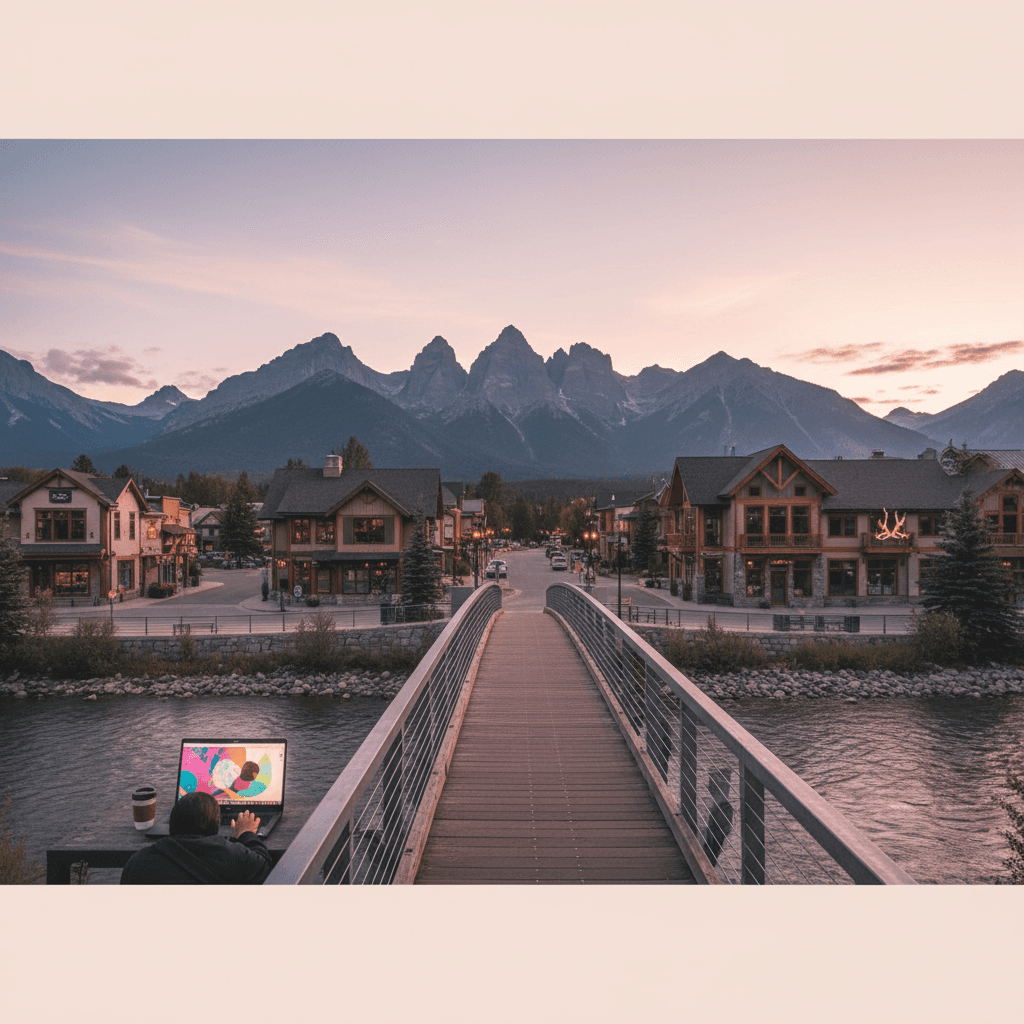
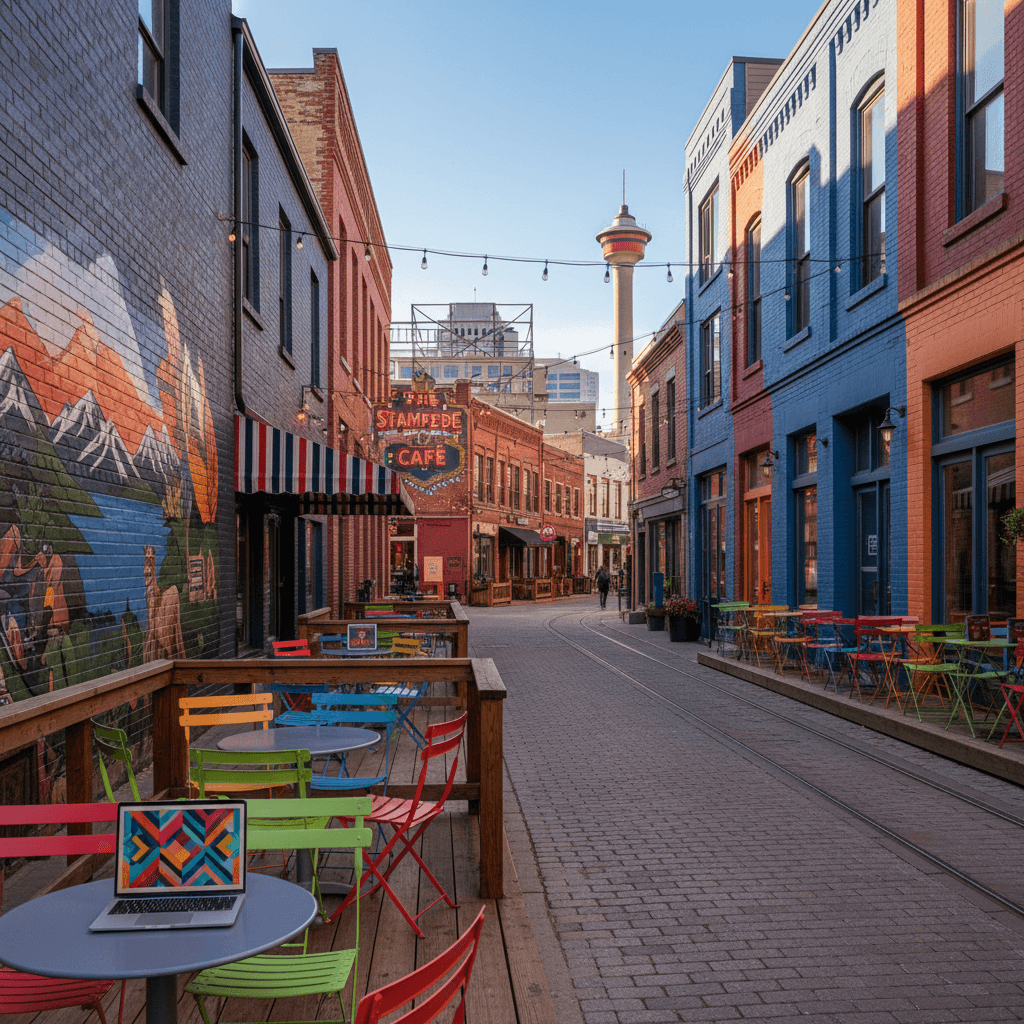
Calgary feels like a city that still wears boots to work. It’s got the polish of finance and tech, but the mood stays plainspoken, friendly and a little prairie-tough, with people saying hi in elevators and then disappearing into meetings, bike lanes or the nearest patio. That mix is the point, honestly.
For digital nomads, the draw is pretty simple, fast internet, decent affordability by Canadian standards and the Rockies sitting there like a dare on the horizon. You can work a full day in Beltline, hear traffic hiss on wet pavement, then be in Banff for a weekend reset, which, surprisingly, still feels normal here.
It isn’t all glossy. Winters can bite hard, with nights dropping to around -15°C, sidewalks turning to hard blue ice and your face stinging the second you step outside, but then a Chinook rolls in and the whole city warms up fast, sometimes by 15°C or more, which feels almost rude. That weather whiplash is classic Calgary and it’s part of the local personality.
Monthly cost: many nomads land around $3,276 CAD with coworking and coliving, though you can push lower if you share housing and cook at home. Mid-range dinners sit around $15 to $20, transport is roughly $126 a month on transit and downtown rent in places like Beltline is often the part that stings.
- Budget: about $2,500 CAD, usually shared housing, home cooking and a bus pass.
- Mid-range: around $3,500 CAD, with a one-bedroom and a few nights eating out.
- Comfortable: $5,000+ CAD, downtown solo living, more taxis, more restaurants, less stress.
Beltline is the usual pick if you want walkability, bars and quick access to downtown, though it can get noisy and rents aren’t gentle. Kensington feels easier for solo living, with coffee shops, river paths and a bikeable rhythm, while Sunnyside is calmer and greener, better if you want parks and a bit more breathing room.
The city’s social side is warm without being fake. People are used to newcomers, over 120 languages get spoken here and coworking spots like Work Nicer, cSPACE Marda Loop and House 831 give you a real base, not just a desk and bad coffee. Use that, because Calgary can feel lonely if you stay in your apartment too long.
Safety is generally good in the core, though the northeast gets a rougher reputation and ER wait times can be a mess, frankly, so don’t assume healthcare will be quick just because the system’s public. Calgary works best if you like clean air, straight answers and a city that gets serious about work, then bolts outside the moment the weather cooperates.
Calgary isn’t cheap, but it’s still friendlier on the wallet than Vancouver or Toronto. A solo nomad can live decently here without bleeding cash every month and the city’s big draw is that you get urban life plus quick access to the Rockies, not just another glassy downtown. Winter, though, bites hard and heating bills climb when the wind howls across the plains.
A realistic monthly budget for a digital nomad lands around $3,276 CAD if you’re mixing coliving, coworking and a normal social life. Budget-minded folks can scrape by near $2,500, but that usually means shared housing, cooking a lot and saying no to too many patio pints on 17th Ave, which, honestly, happens fast once you see the prices.
What You'll Actually Spend
- Rent: Around $1,165 for a typical citywide 1BR, with downtown spots in Beltline closer to $1,100 and suburbs like Quarry Park around $1,000.
- Food: Cheap meals can be $4.65, mid-range lunches and dinners run $15 to $20 and a nicer night out jumps past $40 before drinks.
- Transport: A monthly pass is about $126 to $127 and the C-Train is the easiest way to dodge parking headaches.
- Utilities: Usually $94 to $211, depending on the season and how much you crank the heat.
Mid-range living sits around $3,500 a month and that’s where most expats and remote workers land if they want a private apartment, a few restaurant meals each week and occasional rideshares. Comfortable living starts around $5,000, especially if you’re downtown, eating out often and paying for coworking, though the city’s fast internet, around 185 Mbps on average, does soften the blow.
Neighborhoods That Change the Math
- Beltline: Best for walkability and nightlife, but rent’s higher and the street noise doesn’t shut up early.
- Kensington: Great for cafés, bike paths and a more relaxed feel, though parking’s a pain.
- Sunnyside: Better for quiet routines and green space, with a longer commute to the core.
- Altadore and Marda Loop: Popular with families and couples, but you’ll pay for the nicer balance.
Food costs are manageable if you cook, but Calgary’s restaurant scene can drain you faster than you expect, especially after a few late nights and a couple of craft beers. The good news, weirdly, is that everyday basics still feel reasonable, so you can keep the budget under control if you don’t treat every dinner like an event.
My take, skip the expensive downtown habits unless you really want them. Live a little outside the core, use the train and spend your money on Banff weekends instead, because that’s where Calgary starts making financial sense.
Calgary works best when you match the neighborhood to your routine, because the wrong fit gets old fast. The city’s got a friendly, practical feel, but the tradeoff is real, some areas are lively and convenient, others are quieter and a bit bland. Not cheap.
For nomads
Beltline is the default pick and for good reason, you can walk to 17th Ave, hop on the C-Train and find a decent coffee shop before your laptop even wakes up. The downside is noise, sirens, late-night chatter and rents that jump as soon as a building markets itself to professionals.
- Best for: Remote workers, young professionals
- Rent: About $1,100 to $1,500 for a 1BR
- Vibe: Busy, central, a little gritty around the edges
Kensington is quieter in the morning, then fills with cafe traffic, bike bells and the smell of espresso and baked goods. Honestly, it’s one of the easiest places to settle into if you work from cafes, but parking is a headache and you’ll pay for the convenience.
For expats
Sunnyside feels more residential, with tree-lined streets, quick access to the river pathways and a calmer pace that, weirdly, makes Calgary feel smaller. It’s a smart choice if you want a local routine, though you’ll commute more often than people in Beltline.
- Best for: Expats, longer stays
- Rent: Usually around the city average, sometimes a bit higher for newer units
- Pros: Safe-feeling, green, easy to bike
Altadore and Marda Loop suit people who want a polished neighborhood without being stuck downtown all day. Cafes, boutiques and parks are close by and frankly, it’s a nicer day-to-day base if you’ve got a little more budget to burn.
For families
Sunnyside and Altadore both work well for families, but for different reasons, Sunnyside gives you parks and the zoo nearby, while Altadore has more space, better shopping and a calmer feel after school lets out. The streets are cleaner, the sidewalks feel safer and there’s less of the weekend bar noise that makes other areas annoying.
- Best for: Families, longer-term stays
- Rent: Higher than average in the best pockets
- Downside: You’ll pay for comfort
For solo travelers
Kensington is the easiest solo base if you want to meet people without trying too hard. Cafes are close, the river paths are right there and evenings feel active without turning into full-on chaos. Skip the far northeast, though, especially places like Falconridge and Marlborough, because the commute savings aren’t worth the hassle.
Calgary’s internet is, honestly, one of the city’s easiest wins. Average speeds sit around 185 Mbps and fiber can climb much higher, so remote calls, huge uploads and all-day Zoom fatigue usually work fine, even when the weather turns weirdly dramatic outside.
That said, cheap isn’t the default. A decent solo setup, plus coworking and a few coffees, can run close to CAD 3,276 a month overall and downtown spots near Beltline or the core cost more than suburban neighborhoods where the WiFi is just as good and the rent stings less.
Coworking spots that make sense
- Work Nicer Red Mile: Hot desks run about CAD 200 to 350 monthly, day passes are roughly CAD 25 to 40 and the room tends to hum with startup chatter and keyboard clatter.
- Work Nicer Rail Yards: Similar pricing, good if you want a more polished, professional feel without the stiffness of a corporate office.
- cSPACE Marda Loop: Creative energy, quieter corners and a roomier feel, though it’s better for steady work than constant calls.
- Regus Bankers Hall: More corporate, more expensive and frankly best if you need reception, meeting rooms or a place to look properly buttoned-up.
- HOUSE 831: Smaller and boutique, which, surprisingly, suits people who hate giant open-plan floors.
Most nomads split their week between coworking and cafés. Phil & Sebastian is a safe bet for laptop work, with good coffee, low background noise and that faint smell of espresso and toasted milk that hangs in the air, though you should still buy something if you plan to stay a while.
Mobile data is straightforward. Telus and Freedom both sell prepaid plans around CAD 25 to 45 for 20 to 40 GB and you can grab a SIM at YYC or in town without much fuss, which is handy if you land tired and don’t want to wrestle with store hours.
What people usually choose
- Budget setup: A shared apartment in Sunnyside or the suburbs, home WiFi and occasional day passes.
- Mid-range setup: Beltline or Kensington rental, plus a monthly coworking membership and better coffee than your kitchen can manage.
- Comfort setup: Downtown 1BR, full coworking access and enough room to ignore the February cold.
My take, skip the trendy café crawl in Beltline if you need serious focus, head to Work Nicer or cSPACE instead. The internet’s good, the city’s calm enough to get work done and once the sun drops behind the skyline, you’ll feel that dry prairie cold cut straight through your coat.
Calgary feels safe in the center, especially around Beltline, Downtown, Kensington and Sunnyside, but don’t get sloppy late at night and skip the more troubled pockets in the northeast, like Falconridge and Forest Lawn. The city’s got that clean prairie air one minute, then a gust of Chinook wind or car exhaust near the core the next and honestly, that mix can make a night walk feel calmer than it looks on a map.
Most nomads stick to well-lit main streets, use common sense around bars on 17th Ave and don’t leave phones or laptops sitting in plain sight in cafés, because opportunistic theft is the bigger headache than violent crime. Core neighborhoods are generally the safest bet, though weirdly, the quieter residential blocks can feel emptier after dark, which makes people more alert than they need to be.
Where to stay
- Beltline: Good central choice, busy and walkable, though the noise from traffic and nightlife can get old fast.
- Kensington: Popular with solo travelers, easy to bike and grab coffee, with a friendlier street feel.
- Sunnyside: Calm, leafy and close to the river, so it’s a solid pick if you want fewer headaches.
- Northwest of core: Generally fine, but check each block yourself, because street-by-street differences matter here.
Healthcare is where Calgary gets messy. The care itself is strong, but the system’s under strain and ER waits can be brutal enough that locals avoid them unless they really have to go, so a simple fever or sprain often ends up at a walk-in clinic or pharmacy first. Shoppers Drug Mart is where a lot of people start and that’s usually the smart move for minor issues.
If you need serious care, Foothills Medical Centre is one of the city’s top hospitals and Alberta Health Services handles GP bookings through its app, but don’t expect speed. Turn up without a plan and you might wait forever, frankly, so register with a family doctor or clinic early if you’re staying longer than a few weeks.
Practical moves
- Emergency: Call 911 for urgent police, fire or medical help.
- Minor care: Use walk-in clinics and pharmacy advice first.
- Insurance: Keep private coverage if you’re visiting or between plans, because bills add up quickly.
- After-hours: Don’t gamble on a crowded ER for something small, it’s a bad trade.
The short version, Calgary’s safe enough if you’re sensible and the city rewards people who plan ahead. It’s not a place to wing it with healthcare, though, because a broken system can turn a simple problem into a long, cold, fluorescent-lit wait.
Getting Around
Calgary’s transit is pretty straightforward and honestly, that’s a relief after some Canadian cities where you’re guessing at half the bus stops. The C-Train is the backbone, buses fill the gaps and downtown on 7th Ave is free, which makes lunch runs and errand days way less annoying.
Single rides are about $4, while a monthly pass runs around $126, so if you’re here for more than a couple of weeks, the pass usually pays for itself fast, especially if you’re bouncing between Beltline, downtown and Kensington. Not cheap. Not bad either.
Most nomads stick to Beltline or Kensington because walking just works there, with coffee shop chatter, bike bells and that cold prairie wind sneaking between buildings in winter. If you’re heading farther out, expect a slower rhythm, though the network still gets you where you need to go without much drama.
Best Ways To Move Around
- C-Train: Best for downtown, Beltline and longer cross-town trips, with the free core section making short hops easy.
- Buses: Good for filling gaps, but schedules can feel a bit patchy outside peak hours, so check ahead.
- Ride-hailing: Uber and other ride-hailing services work well for late nights, bad weather or when you’re carrying groceries and frankly can’t be bothered.
- Bikes and scooters: Useful in warmer months, with about 850 km of paths and the river routes are lovely when the air smells like cut grass and exhaust.
Calgary is more bike-friendly than people expect, weirdly, especially near the river pathways and in the central neighborhoods. The trick is winter, because black ice and slush can turn a simple ride into a miserable one, so most locals park the bike for a few months and switch to transit or rideshares.
Airport And Day Trips
YYC is about a $40 Uber to downtown, though shuttles can run around $15 to $46 depending on where you’re staying and how patient you feel. If you’re arriving late, the airport taxis and app cars are easy enough, but they’re a pain during stampede week when traffic snarls and everybody seems to be wearing a cowboy hat.
For weekend escapes, Calgary’s transport setup makes Banff and Kananaskis feel close enough to be casual plans, not major expeditions. That’s the real advantage, you can spend Monday in a coworking space, then be staring at mountain peaks and pine smell by Saturday morning.
Practical Tips
- Use transit passes: If you’re staying a month or more, buy the pass instead of tapping every time.
- Stay central: Beltline, Kensington and downtown cut your commute and make walking realistic.
- Watch winter footing: Sidewalks get slick and the cold bites hard after sunset.
- Download ride apps early: Uber and other ride-hailing services are handy when buses are slow or you’re out late.
Calgary’s language scene is easy to live with, even if the city can feel a bit dry and practical at first. English runs the show, French shows up in pockets and then there are 120-plus other languages across the city, so you’ll hear everything from Tagalog to Punjabi on the C-Train, in grocery stores and outside offices around downtown.
Most day-to-day life is straightforward. People speak clearly, usually without much slang and they’re generally patient with accents, which helps if your English is decent but not perfect, honestly. You’ll still want to know a few local bits, because they come up fast and people do use them without thinking.
Useful Calgary terms:
- Eh? A soft question tag, often used at the end of a sentence.
- Toque: A knit winter hat. You’ll need one.
- Double-double: Coffee with two creams and two sugars.
The real communication challenge isn’t language, it’s pace. Office culture moves quickly and people expect direct answers, so if you’re asking for housing, a coworking pass or a doctor’s appointment, keep it short and specific, because vague emails tend to sit there uselessly. Weirdly, that directness can feel colder than the weather.
What helps:
- Speak plainly: Say what you need, then stop talking.
- Use the right app: Google Translate is handy for quick translations and phrasing.
- Text first: Many landlords, clinics and service desks reply faster by message than phone.
For expats and nomads, the upside is that most people don’t make a fuss if your grammar slips. Calgary is full of engineers, students, tradespeople and newcomers, so you won’t get stared at for asking someone to repeat themselves and honestly, that makes settling in much easier than in more status-conscious cities.
Still, don’t expect every conversation to be warm and chatty. In some service settings, especially banks, telecom stores and healthcare offices, the tone can turn brisk fast and if you don’t push back, you may leave with half the info you needed, which is annoying but very Calgary.
Good habits:
- Confirm details: Date, time, price, address.
- Ask twice if needed: People usually don’t mind.
- Watch for pronunciation: “C-Train” and neighborhood names can trip up newcomers.
If you’re living here longer term, pick up the local rhythm and you’ll be fine. Calgary speech is plainspoken, mildly polite and a little no-nonsense and that works in your favor once you get used to it, because nobody wants a dramatic explanation when a simple yes or no will do.
Calgary’s weather has a personality problem. One minute you’re in a proper prairie cold snap, the next a Chinook rolls in and warms things up by 15°C, so locals never fully trust the forecast and honestly, that’s half the routine here.
Winter is the rough patch. Expect icy sidewalks, dry air that cracks your lips and nights that can sink to around -15°C, which feels worse when the wind is cutting across downtown or you’re waiting for the C-Train with your scarf pulled over your face.
Summer is the sweet spot and July and August are the months most people aim for, with daytime highs around 17°C to 24°C and long evenings that actually make the river paths, patios on 17th Ave and quick Banff weekends feel doable instead of aspirational.
Best Time to Visit
- July to August: Best overall, warm days, long light, Stampede energy, though the city gets noisier and pricier.
- Late spring: Pleasant if you like cooler air and fewer crowds, but rain can show up, then disappear just as fast.
- Winter: Only if you want snow and don’t mind the bite, it’s cheapier on some stays, though the cold can be rude.
June can be a mixed bag, with more rain days and that sticky, restless feeling before a storm; weirdly, you can get a blue-sky afternoon and then cold drizzle on the same walk home, so pack layers even when the calendar says summer.
For digital nomads, shoulder season is the smartest play. You’ll still get decent weather, easier bookings in Beltline or Kensington and coworking at places like Work Nicer feels less frantic, but the real advantage is simple, your coffee budget won’t get swallowed by tourist pricing during Stampede or peak weekend demand.
If you hate cold, skip January and February. Not negotiable.
Bring a real winter coat, waterproof boots and sunglasses too, because Calgary loves bright snow glare after a storm and the air can feel like sandpaper on your face, then turn mild enough for a patio beer by lunchtime thanks to a Chinook.
Calgary is friendly, pretty easy to settle into and a little rude to your winter clothing budget. The city runs on strong internet, long commutes to the mountains and a kind of plainspoken politeness that feels good after a few weeks. It also gets weirdly warm in the middle of winter when Chinook winds blow through, so don’t pack only heavy coats, that mistake gets old fast.
SIMs and data: Freedom and Telus prepaid plans usually run about $25 to $45 for 20GB or so and you can buy them at YYC, malls or convenience stores. Coverage is solid in the core and most inner suburbs, honestly better than a lot of travelers expect, so remote work usually isn’t the problem, the real issue is picking the right plan and not getting nailed with extras.
Banking: Link your Canadian account to Wise or PayPal if you move money often, the fees are low and the exchange rate is much saner than using a random card at the airport. Set this up early because bank paperwork can be annoyingly slow and if you’re paying rent, deposits or coworking fees, you’ll want a clean system from day one.
Housing search: Rentals.ca, Kijiji and PadMapper are the places people actually check, then they cross their fingers and message fast. Beltline is the easiest base for nomads, Kensington feels calmer and more local and Quarry Park can be a decent suburban compromise if you want a quieter month, though downtown studios around $1,100 don’t exactly scream bargain.
Day-to-day life is straightforward. Tip 15 to 20 percent, take your shoes off indoors, queue politely and don’t be shocked if people call you “bud” after one conversation. The Stampede in July is loud, sweaty and full of cowboy hats, which, surprisingly, can be fun if you lean into it instead of pretending you’re above it.
Quick practical picks
- Best coworking bet: Work Nicer Red Mile or Rail Yards; contact them directly for current membership rates.
- Best for day work: Phil & Sebastian, if you don’t mind espresso shots and the murmur of laptop people.
- Best escape: Banff for a weekend, about 1.5 hours away, easy once you’ve had enough of asphalt and office lights.
- Best transit habit: Use the C-Train and free downtown 7th Ave service, because parking downtown can be a pain.
For groceries, cooking at home keeps Calgary affordable, eating out every night doesn’t. The air gets sharp in January, the sidewalks can feel gritty under your boots and summer thunderstorms smell like wet pavement and cut grass, so keep a light jacket and proper shoes handy, even when the forecast looks cheerful.
Need visa and immigration info for Canada?
🇨🇦 View Canada Country GuideEasy Landing
Settle in, no stress
Monthly Budget Estimates
More cities in Canada

Vancouver
🇨🇦 Canada
Kitchener-Waterloo
🇨🇦 Canada
Toronto
🇨🇦 Canada