Cairo
🇪🇬 Egypt
The City of a Thousand Minarets
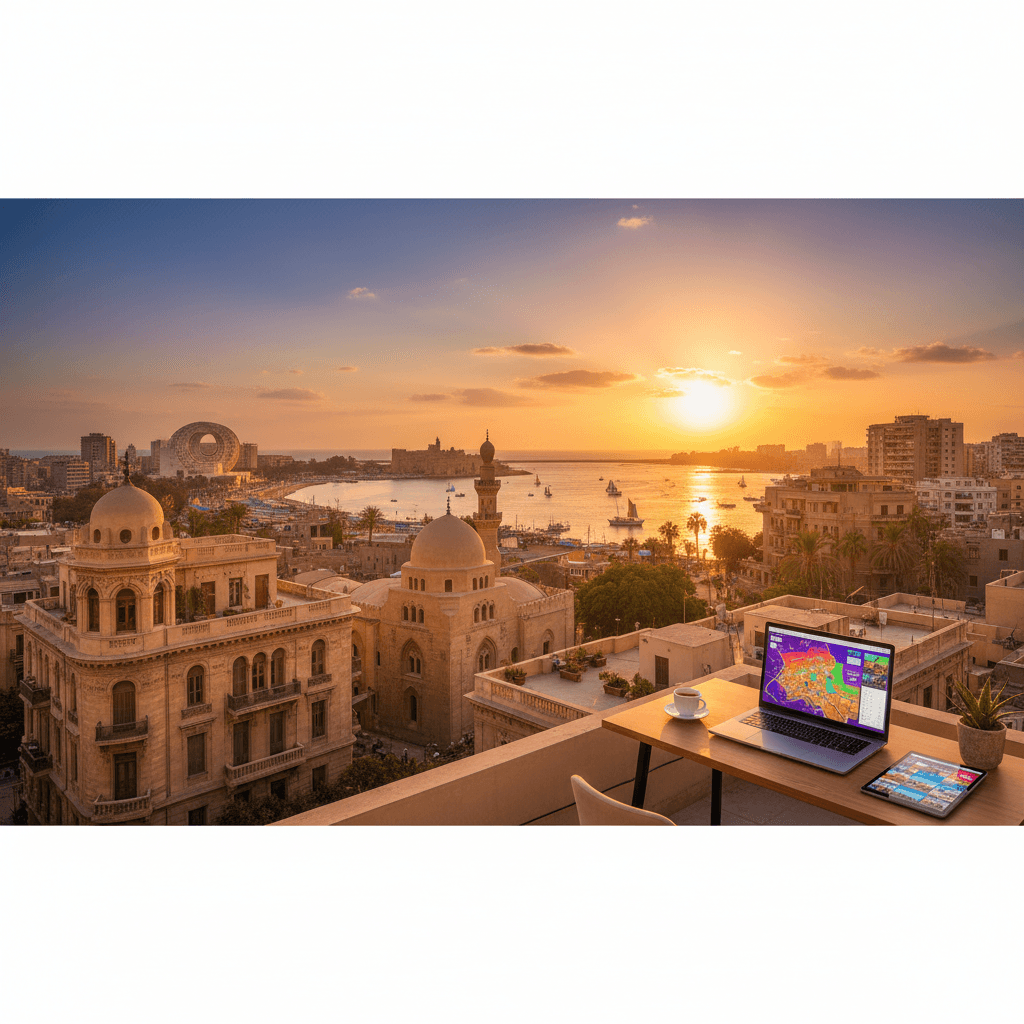
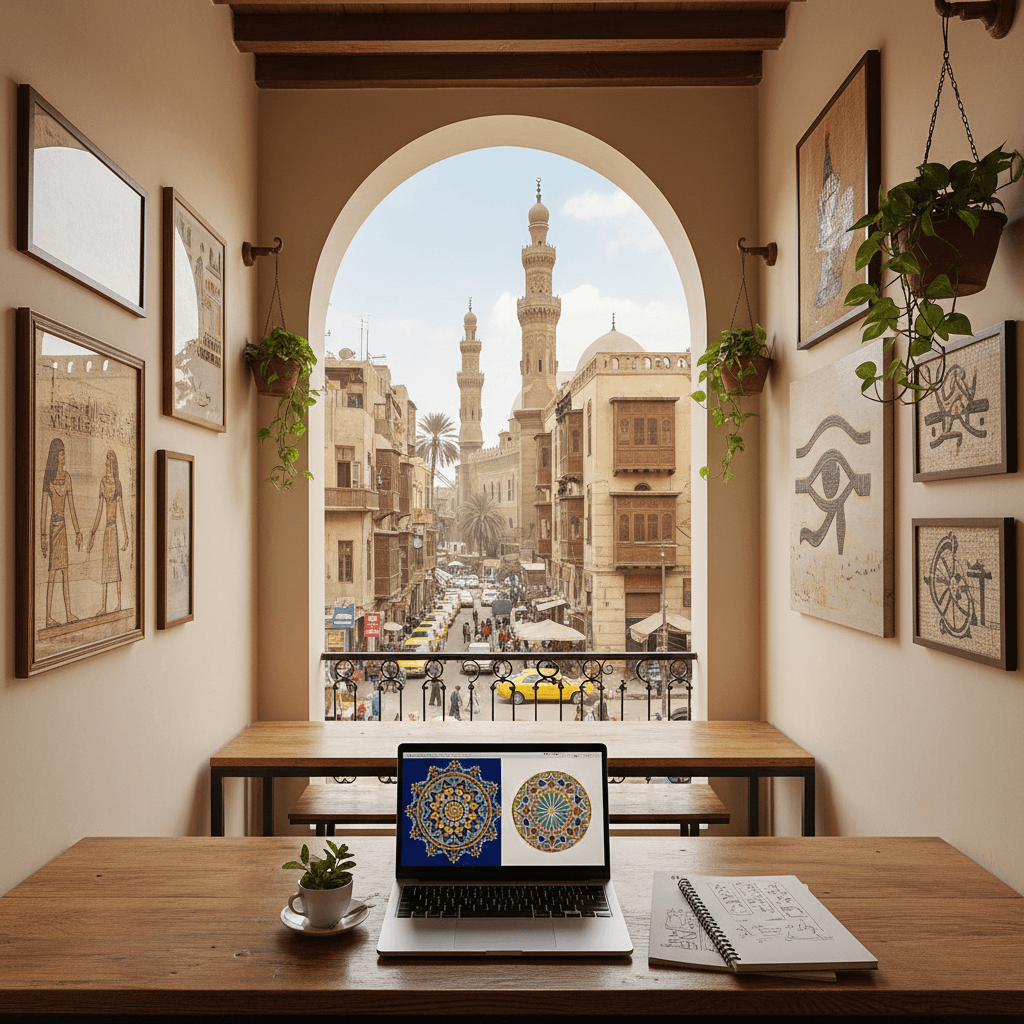
Cairo is not a city you visit for a quiet retreat. It is a sensory explosion that demands your full attention from the moment you land. Known as the City of a Thousand Minarets, the Egyptian capital is a sprawling, 24/7 megalopolis where ancient history sits right next to chaotic modern life. You will hear the call to prayer echoing across the skyline while cars honk in an endless, rhythmic symphony below.
The vibe here is unapologetically intense. Most nomads describe the city as a "beautiful mess." It is a place where you can spend your morning working from a high tech startup hub and your evening sitting on a wooden stool at a local qahwa, smoking shisha and playing tawla with people who treat you like an old friend. The locals are famous for their quick wit and sense of humor, which helps cut through the heat and the traffic.
While the energy is infectious, Cairo comes with a steep learning curve. The traffic is legendary and the crowds are constant. If you need total silence and a perfectly predictable routine, this might not be your spot. But if you want to feel truly alive and immersed in a culture that hasn't been sanitized for tourists, Cairo delivers like nowhere else.
The Nomad Reality Check
Working from Cairo is a mixed bag. The year round sun is a massive draw, especially for those escaping European winters. You can work from outdoor cafes or rooftop terraces almost any day of the year. However, the infrastructure can be temperamental. Most seasoned nomads will tell you that home WiFi is often unreliable, and VPN issues are common enough that you should warn your boss before you hop on a Zoom call.
To stay productive, the community gravitates toward coworking spaces like Consoleya in Downtown or the Greek Campus. These spots offer the stability that residential internet lacks. Many residents find that Cairo works best as a mid term base rather than a long term home; it is an incredible place to spend two or three months soaking up the history and the chaos before heading somewhere quieter to decompress.
Cost of Living Breakdown
Egypt remains one of the most affordable nomad destinations on the map. While prices fluctuate, your dollar or euro goes incredibly far here. You can eat like a king on street food for a few dollars, though upscale dining in neighborhoods like Zamalek or Maadi will obviously cost more.
- Budget Tier (Under $1,000/month): This covers a room in a shared apartment, plenty of koshary and falafel, and using the metro or buses to get around.
- Mid-range Tier ($1,000 to $2,000/month): This is the sweet spot for most. You can snag a 1BR apartment in a solid area like Maadi, pay for a dedicated desk at a coworking space, and eat out at decent restaurants frequently.
- Comfortable Tier ($2,000+/month): This gets you a luxury flat in a prime location, daily ride hailing, and high end dining without ever looking at the bill.
Where to Plant Your Flag
Choosing the right neighborhood is the difference between loving and hating your time here. Each district has a completely different personality.
- Downtown (Wust El Balad): This is the heart of the action. It is gritty, loud, and full of stunning Belle Époque architecture. It is perfect for nomads who want to be steps away from the Egyptian Museum and the best street food. Consoleya is the go to workspace here, charging about 250 EGP ($5 USD) for a day pass.
- Maadi: This is the expat favorite. It is much greener and quieter than the rest of the city. You will find a large community of remote workers and families here. It feels more like a suburb, which is a relief after a day in the city center, though it is a bit of a trek to get to the main sights.
- The Greek Campus: Located in Downtown, this is the tech and startup soul of the city. It is great for networking and meeting local entrepreneurs, though the surrounding area is always packed.
- Coptic Cairo: Best for those who want a slower pace and deep historical roots. It is walkable and filled with ancient churches, though it lacks the modern coworking infrastructure found in other hubs.
Getting Around and Staying Sane
Don't expect to walk everywhere. Cairo is not designed for pedestrians, and crossing the street is practically an Olympic sport. Ride hailing apps are the most reliable way to get around without haggling over every fare. Most nomads use these apps exclusively to avoid the stress of the "foreigner tax" in traditional taxis. Just leave 30 minutes earlier than you think you need to; the traffic is a living creature that follows no rules.
Socially, the city opens up at night. The qahwas stay busy until the early hours of the morning. For more structured networking, keep an eye on RiseUp Hub or The District, which frequently host events for the creative and tech crowds. Whether you are bargaining for spices at Khan el Khalili or drinking mint tea in a hidden alleyway, Cairo is a city that rewards the curious and the patient.
The Cost of Living in Cairo
Cairo is one of those rare global capitals where your dollar, euro, or pound stretches incredibly far without requiring you to sacrifice a high quality of life. While the city is intense and chaotic, the financial payoff for digital nomads is significant. You can live a lifestyle here that would be quadruple the price in London or New York, provided you're comfortable with a bit of urban grit.
Most nomads find they can live well on a sliding scale depending on their neighborhood choice and how often they eat at "foreigner friendly" spots versus local qahwas. If you're looking for a baseline, here is how the monthly budgets generally break down:
- Budget Tier: Under $1,000. This covers a room in a shared apartment, plenty of delicious street food like koshary or falafel, and using the metro or public buses.
- Mid-range Tier: $1,000 to $2,000. This is the sweet spot for most. It includes a private one bedroom apartment in a solid area like Maadi or Downtown, a dedicated coworking membership, and frequent meals at mid-range restaurants.
- Comfortable Tier: $2,000+. This gets you into the high end of Cairo living. You'll be in an upscale flat, taking Uber everywhere, and dining at top tier spots in areas like Zamalek or New Cairo.
Housing and Neighborhoods
Rent is your biggest variable. Long term rentals are fairly easy to find once you're on the ground, and many expats recommend starting in an Airbnb for a week while you scout local listings. Prices vary wildly by district, so choosing the right home base is key to your budget and sanity.
Maadi is the gold standard for remote workers who want green space and a quieter vibe. It’s an expat heavy leafy suburb where you'll find plenty of other nomads. A nice apartment here usually sits in the mid-range bracket. Downtown Cairo is much more affordable and puts you in the heart of the action, surrounded by 24/7 energy and historic architecture, though it’s significantly louder and more polluted.
Working and Connectivity
While the cost of living is low, you'll likely spend a bit more on your "office" than in other cities. Home WiFi in Cairo is notoriously temperamental and VPNs can be finicky. Most professional nomads budget for a coworking space to ensure they don't drop off a Zoom call.
Consoleya in Downtown is a favorite for its sleek design and reliable speeds, with day passes starting around 250 EGP (roughly $5 USD). Other hubs like The Greek Campus or RiseUp Hub offer a creative atmosphere and networking events for a similar price point. If you prefer working from cafes, the local qahwa culture is great for atmosphere, but the noise levels and crowded tables make them better for answering emails than deep work.
Food, Transport, and Daily Life
Eating out is where Cairo really shines for the budget conscious. You can grab a filling street meal for a couple of dollars, while a nice dinner in a sit down restaurant rarely exceeds $15 to $20. Grocery shopping at local markets is very cheap, though imported goods at supermarkets come with a premium.
Transport is equally affordable. Ride hailing apps are the preferred way to get around because they bypass the need to haggle with taxi drivers over a meter. Traffic is a permanent fixture of life here, so even though the rides are cheap, they can take a long time. Many nomads find that the low cost of transport allows them to outsource almost everything, from laundry to grocery delivery, freeing up more time for work or exploring the Sphinx and the Nile.
Practical Spending Tips
- Get a local SIM card immediately at the airport; data is inexpensive and essential for navigating the city.
- Always carry small change for tips, known locally as baksheesh, which is expected for small services.
- Learn to bargain at markets like Khan el-Khalili; the first price offered is almost never the final one.
- Use coworking spaces for important meetings to avoid the common "internet blackout" issues in residential buildings.
For the Social Nomad: Downtown & The Greek Campus
If you want to be in the thick of it, Downtown is your base. It has a gritty, 19th century European charm mixed with 24/7 Egyptian energy. You'll find yourself working from traditional qahwas (coffee shops) where the sound of tawla dice hitting wooden boards provides your background white noise. It's the most walkable part of the city, though you'll need to get used to the chaotic traffic patterns.
The tech scene centers around the Greek Campus. This is a repurposed university space that now houses the city's biggest startup hub. It's perfect for networking because there's always a tech talk or a pitch night happening. If you need a dedicated desk, Consoleya is the local favorite for nomads. It's set in a stunning refurbished building and a day pass costs about 250 EGP, which is roughly $5 USD. It has the most reliable WiFi in the area, which is a big deal since home internet in Downtown can be patchy.
- Vibe: High energy, historic, and slightly overwhelming.
- Monthly Mid-range Budget: $1,000 to $1,500 for a one bedroom and daily coworking.
- Best for: Networking, street food, and being steps away from the Egyptian Museum.
For the Long-Term Expat: Maadi
Most expats who stay in Cairo for more than a few months eventually migrate to Maadi. It's the greenest neighborhood in the city and feels like a total escape from the concrete jungle of the center. The streets are lined with leafy trees and there's a legitimate sidewalk culture on Road 9, which is packed with international cafes and restaurants. It's much quieter here, making it easier to focus if you're on a heavy deadline.
Maadi has a massive community of remote workers and teachers. You'll find plenty of people working from spots like The District or local cafes. While it's farther from the main tourist sights, the metro connects you to Downtown easily. Most nomads here opt for a $1,000 to $2,000 monthly budget to live comfortably in a modern apartment. It's the kind of place where the barista knows your name after three days.
- Vibe: Suburban, relaxed, and very green.
- Monthly Comfortable Budget: $2,000+ for upscale housing and frequent dining out.
- Best for: Quiet nights, community feel, and western amenities.
For Families: New Cairo & Maadi Sarayat
Families usually stick to Maadi Sarayat or head further east to New Cairo. New Cairo is a modern development where the chaos of the old city is replaced by gated communities and massive malls. It's much more car dependent, so you'll be using ride hailing apps constantly. The air is clearer here and the schools are top tier, but you do lose some of that "classic Cairo" soul.
In these areas, you're looking at higher price points for villas or large apartments. Many families prefer the security of the compounds in New Cairo, which often have their own parks and pools. If you're working remotely, RiseUp Hub is a great spot in this part of town to meet other entrepreneurs while the kids are at school.
- Vibe: Modern, secure, and spacious.
- Housing: Large multi bedroom apartments are widely available.
- Best for: Modern infrastructure, international schools, and peace of mind.
For Solo Travelers & History Buffs: Coptic Cairo
If you're only in town for a few weeks and want to soak up the history, staying near Coptic Cairo or the outskirts of Garden City is a smart move. Coptic Cairo is home to the Hanging Church and ancient winding alleys that feel like a film set. It's more of a residential and religious district, so it lacks the coworking infrastructure of Downtown, but the atmosphere is unmatched.
Solo travelers often find this area easier to manage because it's slightly more contained. You can spend your mornings wandering through the Coptic Museum and your afternoons taking a cheap ride share to Khan el-Khalili to bargain for spices and lanterns. Just keep in mind that WiFi here can be a struggle, so a local SIM card with a heavy data plan is a requirement.
- Vibe: Ancient, spiritual, and walkable.
- Monthly Budget: Under $1,000 if you're staying in local guesthouses.
- Best for: Sightseeing, photography, and short stays.
The Connectivity Reality Check
Working from Cairo requires a bit of a strategy. While the city is rapidly modernizing, residential WiFi is notoriously fickle. Most apartments and mid range hotels rely on ADSL connections that can drop during peak evening hours or struggle with heavy video calls. If you are planning to take meetings from your Airbnb, always ask for a speed test screenshot first. Even then, have a backup plan ready.
The biggest hurdle for remote workers isn't just speed; it is the local network restrictions. Many nomads find that certain VPN protocols are throttled or blocked entirely, which can be a massive headache if your company requires a secure tunnel to access internal servers. It is smart to set up your VPN before you land and perhaps have a secondary provider like NordVPN or Surfshark as a fallback. If your work relies on seamless VoIP or Zoom calls, you will likely find yourself heading to a dedicated coworking space rather than relying on the "qahwa" (traditional cafe) WiFi.
Top Coworking Spots
The coworking scene is where Cairo really shines for the digital nomad community. These spaces usually offer the most reliable fiber optic lines and, perhaps more importantly, a community of local entrepreneurs and fellow travelers. Here are the spots currently leading the pack:
- Consoleya (Downtown): Located in a stunningly repurposed building in the heart of the city, this is a favorite for many. A day pass costs around 250 EGP (roughly $5 USD). It is quiet, professional, and the WiFi is significantly more stable than what you will find in local cafes.
- The Greek Campus (Downtown): This is the epicenter of Cairo's tech and startup world. It feels like a university campus for adults, housed in beautiful heritage architecture. It is great for networking and hosts frequent events, though it can get quite busy during the week.
- The District (Maadi & Central): Known for its modern amenities and high speed internet, The District is a solid choice if you need a "no excuses" work day. It attracts a mix of creatives and tech workers.
- RiseUp Hub: If you want to be in the middle of the Egyptian entrepreneurship wave, this is the place. It is lively and loud, perfect for those who thrive on energy rather than pin drop silence.
The Cafe Culture Alternative
If you don't need gigabit speeds and just want to clear some emails, Cairo's cafe culture is legendary. In neighborhoods like Maadi, you will find plenty of laptop friendly spots with green views and decent coffee. In Downtown, the traditional qahwas are great for soaking up the atmosphere, but they are rarely suitable for deep work. They are loud, crowded, and the "WiFi" is often just a mobile hotspot the waiter shares with you. Save the qahwas for your evening tawla (backgammon) games and stick to the modern cafes or coworking hubs for your 9 to 5.
Mobile Data and SIM Cards
Since home internet can be spotty, a local SIM card is your best friend. You can pick one up at Cairo International Airport upon arrival or at any branded kiosk in the city. The main providers are Vodafone, Orange, and Etisalat. Data is incredibly affordable compared to US or European prices. Most nomads recommend getting a large data package, 20GB to 40GB, to use as a mobile hotspot when the power flickers or the building WiFi decides to take a nap. Expect to pay under $15 USD for a very generous monthly data plan.
Practical Connectivity Tips
- Power Outages: Though less frequent than in years past, brief power cuts can happen. Keep your laptop and power banks fully charged.
- Noise: Cairo is one of the loudest cities on earth. If you have a meeting, a pair of high quality noise canceling headphones is a mandatory piece of gear.
- Peak Times: Internet speeds often dip between 7:00 PM and 11:00 PM when the rest of the city is streaming movies. Try to front load your heavy bandwidth tasks for the morning.
Navigating the Chaos with Confidence
Cairo is a city that feels like it never sleeps, and while the energy is infectious, it requires a certain level of street smarts. Most nomads find the city generally safe, especially in high traffic areas like Downtown or Maadi. The biggest hurdle you'll face isn't crime, but the persistent hustle. Whether you're wandering through Khan el-Khalili or grabbing a tea at a local qahwa, expect people to approach you with offers for tours or goods. It's rarely a safety threat, just part of the local rhythm. A polite but firm "La, shukran" (No, thank you) usually does the trick.
Solo travelers, particularly women, often suggest staying in well lit areas after dark and using ride hailing apps like Uber rather than flagging down white taxis. This gives you a tracked route and a set price, avoiding the inevitable haggling over a broken meter. While violent crime is rare, petty theft like pickpocketing can happen in crowded spots like the Egyptian Museum or busy metro stations. Keep your phone and wallet tucked away, and you'll likely have a trouble free experience.
Healthcare Infrastructure and Quality
If you get sick in Cairo, you'll find that the quality of care varies significantly between public and private facilities. Expats and long term nomads almost exclusively use private hospitals, which offer high standards of care and English speaking staff. Facilities like As-Salam International Hospital in Maadi or Dar Al Fouad Hospital in Heliopolis are the gold standards for medical treatment. These places are modern, well equipped, and familiar with international insurance providers.
For minor issues, pharmacies are everywhere. You can usually spot them by the green glowing signs. Many pharmacists speak excellent English and can provide over the counter medications for common "Cairo belly" issues or respiratory irritation from the city's dust and smog. If you have a specific prescription, bring the generic name with you, as brand names often differ in Egypt.
Emergency Basics
- Police: Dial 122 for general emergencies.
- Ambulance: Dial 123, though many expats prefer to take an Uber to a private hospital if the situation isn't life threatening due to traffic delays.
- Fire: Dial 180.
- Private Clinics: Many neighborhoods have smaller private clinics that are great for quick checkups without the hospital wait times.
Environmental Health and Wellness
The biggest health challenge for newcomers is often the air quality and the water. Cairo is dusty and congested, which can be tough on your lungs if you have asthma. Most nomads recommend buying a quality air purifier for your apartment, especially if you're living in Downtown. Never drink the tap water. Stick to bottled water for drinking and even brushing your teeth if you have a sensitive stomach. You can get large 18 liter jugs delivered to your door for a few dollars, which is much cheaper and more eco friendly than buying small bottles daily.
If you're looking to stay active, Maadi is the place to be. It's one of the few areas with enough greenery and quiet streets for a morning jog. For everyone else, gyms are the go to. Expect to pay around 1,200 to 2,000 EGP for a monthly membership at a decent fitness center. It’s a great way to escape the midday heat and meet other locals and expats.
Health and Safety Costs
- Private Doctor Consultation: $20 to $50 depending on the specialist.
- Travel Insurance: Highly recommended; ensure it covers medical evacuation just in case.
- Antibiotics/Common Meds: $2 to $10 at local pharmacies.
- Hospital ER Visit: $50 to $150 for initial triage and basic tests at top tier private facilities.
The Art of the Cairo Commute
Movement in Cairo is less of a logistical plan and more of a choreographed dance with chaos. With over 9 million residents, the city's streets are legendary for their gridlock, but there is a method to the madness. If you are coming from a city with orderly lanes and predictable traffic lights, throw those expectations out the window. Here, the horn is a primary language and the Nile serves as your North Star.
Most nomads find that the best way to keep their sanity is to avoid driving altogether. The traffic is endless, and finding parking in areas like Downtown or Zamalek is a Herculean task. Instead, you will rely on a mix of digital convenience and old-school grit to get from your apartment in Maadi to a meeting at the Greek Campus.
Ride-Hailing: Your Daily Driver
Ride-hailing apps are the gold standard for expats and remote workers. They save you the headache of haggling over fares and ensure you have a GPS track of your journey. While specific app names shift with the market, the technology is the most reliable way to get around. A cross-town trip rarely breaks the bank, often costing just a few dollars even for long distances.
- Ride-Hailing Costs: Most short trips within a neighborhood cost around 50 to 80 EGP, while longer hauls from the suburbs to the center might run 150 to 250 EGP.
- The Traffic Factor: Always pad your travel time by at least 30 to 45 minutes. What looks like a ten-minute drive on a map can easily quadruple during peak afternoon hours.
- Safety Tip: Always check that the license plate matches the app before hopping in, especially in high-traffic hubs like the airport or outside major malls.
The Metro and Public Transport
Cairo’s Metro is surprisingly efficient and is often the only way to bypass the surface-level gridlock. It is one of the few systems in Africa and the Middle East that actually works at scale. It is incredibly cheap, with tickets costing just a few Egyptian pounds. For women traveling solo, the Metro offers dedicated female-only carriages, which are usually located in the middle of the train and marked with green signs.
Microbuses are the local lifeblood. These are white vans that zip through side streets and main arteries alike. They don't have formal stops; you just flag them down and shout your destination. Unless your Arabic is decent and you are feeling adventurous, you might want to stick to the Metro or apps for your first few weeks.
Walkability and Two-Wheeled Travel
Walkability varies wildly by neighborhood. Downtown Cairo is a maze of Roman and Greek-inspired architecture that is fascinating to explore on foot, though you will be dodging cars and street vendors. Khan el-Khalili is another area where your own two feet are the only way to navigate the narrow, spice-scented alleys. However, crossing large boulevards is an adrenaline sport. Watch the locals and cross when they do, using them as a human shield against the flow of traffic.
Bicycles and scooters are rare and generally not recommended for the faint of heart. The lack of dedicated lanes and the aggressive driving style of local buses make cycling a risky endeavor. If you need some green space to stroll without the threat of a fender bender, head to Maadi. Its leafy streets are much quieter and are popular with the nomad community for evening walks.
Airport Transfers
Cairo International Airport is about 20 kilometers from the city center, but that distance is deceptive. Depending on the time of day, the drive can take anywhere from 45 minutes to two hours. Most nomads recommend booking a ride-hailing car upon arrival rather than using the unmetered airport taxis, which often require intense bargaining. Expect to pay around 300 to 450 EGP for a comfortable, air-conditioned ride to most central districts.
Quick Transport Reference
- Metro Ticket: 10 to 20 EGP depending on the number of stations.
- Ride-Hailing (Short Trip): $2 to $3 USD.
- Ride-Hailing (Long Trip): $5 to $8 USD.
- Walking Score: High in Maadi and Downtown; low everywhere else.
The Linguistic Landscape
While Modern Standard Arabic is the official language for media and government, you'll spend your days hearing Egyptian Arabic, or "Ammiya." It's the most widely understood dialect in the Arab world thanks to Egypt's massive film and music industry. Locals are famously quick-witted and humorous; don't be surprised if a simple transaction turns into a five minute joke session. Most nomads find that a little effort goes a long way here, and even a few mangled phrases usually earn a wide smile and better service.
In nomad hubs like Maadi and Downtown, English proficiency is quite high. You'll have no trouble communicating with staff at coworking spaces like Consoleya or The District. Most tech professionals and younger Cairenes speak English fluently, so networking at the Greek Campus usually happens in a mix of both languages. However, once you step into a local "qahwa" (cafe) or get into a taxi, the language barrier becomes more real.
Navigating Daily Interactions
If you're heading to Khan el-Khalili to browse spices or leather goods, be prepared for high-energy bargaining. It's less of a chore and more of a social ritual. Sellers are often multilingual and will likely switch between English, French, or German to catch your attention. In these settings, knowing your numbers in Arabic is a secret weapon for getting a fair price.
For getting around, ride-hailing apps are your best friend. They bypass the need to negotiate fares in broken Arabic, which is a common headache with traditional white taxis. Most drivers will call you to confirm your location; if your Arabic is non-existent, stick to the chat feature in the app so you can use auto-translate.
Communication Essentials
- Google Translate: Download the Arabic offline file. The camera feature is a lifesaver for reading menus at smaller local spots that don't have English translations.
- Voice Notes: Egyptians love voice notes. If you're communicating with a local landlord or a delivery driver via WhatsApp, don't be surprised if they skip the text and send audio instead.
- The "Inshallah" Factor: You'll hear this constantly. It literally means "God willing," but in a practical sense, it can mean "yes," "maybe," or "I'll try." Learning to interpret the tone behind it is a key part of living in Cairo.
Key Phrases for Your Pocket
You don't need to be fluent to survive, but these few words will change the way locals treat you. Most expats recommend at least mastering the basics of politeness to smooth over daily friction.
- Salam / Ahlan: Hello. Simple and works everywhere.
- Shukran: Thank you. You'll use this 50 times a day.
- Min fadlak (to a man) / fadlik (to a woman): Please.
- Aiwa / La: Yes and No.
- Khalas: Done, finished, or "that's enough." Use this firmly but politely with over-persistent street vendors.
- Bi-kam?: How much?
The Digital Side of Talking
Communication isn't just about speaking; it's about staying connected. While Cairo has a high density of internet users, the infrastructure can be temperamental. If you're hopping on a Zoom call at a cafe, always have a backup. Most nomads use a local SIM card with a heavy data plan as a hotspot because apartment WiFi is notoriously unreliable. Be aware that some VoIP services and VPNs can be finicky in Egypt, so test your setup before you have an important meeting scheduled with clients back home.
The Sweet Spot: October to April
If you're planning your stint in Cairo, timing is everything. Most nomads agree that the window between October and April is the gold standard. During these months, the intense North African heat retreats, replaced by crisp mornings and mild, sunny afternoons. It is the kind of weather that makes working from an outdoor qahwa in Downtown Cairo actually enjoyable rather than a sweat-soaked endurance test.
Expect daytime temperatures to hover in the comfortable 20°C to 26°C (68°F to 79°F) range. December and January can get surprisingly chilly at night, sometimes dropping to 10°C (50°F), so you will want a solid jacket for those evening walks through Khan el-Khalili. Since rain is a rarity here, you can pretty much count on a permanent blue sky for your rooftop Zoom calls.
Surviving the Summer Sizzle
From May through September, Cairo transforms into a furnace. Temperatures frequently climb north of 35°C (95°F), and in July and August, hitting 40°C (104°F) isn't uncommon. The city's concrete architecture and heavy traffic trap the heat, creating an "urban island" effect that can feel suffocating if you aren't used to it.
If you find yourself here during the summer, follow the local lead: stay indoors near an AC unit during the afternoon and start your "day" after the sun goes down. This is when the city truly wakes up. You will see families and remote workers alike flocking to the Nile banks or air-conditioned hubs like Consoleya to escape the peak heat. Many expats use this season to head north to the coast or escape to the Red Sea for a few weeks.
Seasonal Events and Holy Months
Beyond the thermometer, the lunar calendar plays a massive role in the city's rhythm. If your visit coincides with Ramadan, the holy month of fasting, the daytime energy slows down significantly. Many cafes and local eateries close their doors until sunset, which can make finding a lunch spot tricky for those not fasting.
However, the nights during Ramadan are legendary. Once the sun sets, the city explodes with light, massive communal feasts, and a festive atmosphere that lasts until dawn. It is a fantastic time for cultural immersion, though perhaps less ideal if you have a strict 9-to-5 schedule that requires high energy during the day.
Packing Essentials for the Climate
- Light Layers: Even in the heat, modest dress is the norm. Think linen trousers and breathable cotton shirts to stay cool while respecting local customs.
- A Solid Jacket: If you are visiting in winter, don't be fooled by the "desert" label. Indoor heating isn't always standard in older Downtown apartments, and the desert air cools down fast once the sun vanishes.
- Sun Protection: The Egyptian sun is deceptively strong even in February. High-SPF sunscreen and polarized sunglasses are non-negotiable for weekend trips to the Pyramids.
- Dust Protection: Spring (specifically March and April) can occasionally bring the Khamasin, a hot, sandy wind. If you have respiratory sensitivities, keep a mask or scarf handy for those dusty days.
Ultimately, Cairo is a year-round sun destination for those who can handle the heat. Most digital nomads find that the shoulder seasons of spring and autumn offer the perfect balance of manageable crowds and perfect outdoor working weather.
Connectivity and the Nomad Reality
Cairo is a city that never stops, but your internet connection might. While the tech scene is growing, WiFi remains the biggest hurdle for remote workers. Most apartment and hotel connections are notoriously unstable. Serious nomads usually head to coworking spaces to get anything substantial done. Even then, VPNs can be finicky in Egypt, so it is smart to test yours before a big meeting and have a backup plan ready.
For reliable speeds, Consoleya in Downtown is a favorite, charging around 250 EGP (roughly $5 USD) for a day pass. If you want a more community-focused vibe, The Greek Campus is the heart of the startup scene, while The District and RiseUp Hub offer excellent networking opportunities for entrepreneurs. Grab a local SIM card immediately at the airport; you will need the data for ride-hailing and navigating the labyrinthine streets.
Budgeting for the Chaos
Egypt remains incredibly affordable, especially if you are earning in USD or EUR. You can live quite well here for far less than in European or North American hubs. Most people find themselves in one of three spending tiers:
- The Budget Tier (Under $1,000/month): This covers a room in a shared apartment, plenty of street food like koshary or falafel, and using the metro or public buses to get around.
- The Mid-Range Tier ($1,000 to $2,000/month): This is the sweet spot for most nomads. It gets you a private one-bedroom apartment in a neighborhood like Maadi or Downtown, daily coworking passes, and regular meals at mid-range cafes.
- The Comfortable Tier ($2,000+/month): This allows for a high-end apartment in a leafy district, frequent use of ride-hailing apps for every trip, and dining at upscale restaurants along the Nile.
Where to Plant Your Flag
Choosing a neighborhood in Cairo is about deciding how much noise you can handle. Downtown Cairo is the soul of the city. It is packed with 19th-century architecture, 24/7 energy, and traditional qahwas where you can play tawla (backgammon) and smoke shisha. It is perfect if you want to be in the thick of it, though the constant honking can be draining.
Maadi is the preferred choice for long-term expats and families. It is much greener, quieter, and has a more laid-back community feel. You will find plenty of other remote workers in the cafes here. If you are a history enthusiast, Coptic Cairo is stunning for its ancient churches and walkable alleys, though it lacks the modern infrastructure and coworking hubs found in the center.
Getting Around and Staying Safe
Traffic in Cairo is legendary and not in a good way. The city is not particularly walkable outside of specific pockets like Maadi or the Khan el-Khalili bazaar. Most nomads rely heavily on ride-hailing apps to get around safely and cheaply without having to haggle over every fare. If you do head to the markets, be prepared to bargain hard; it is expected and part of the social fabric.
While the city is generally safe for travelers, it requires a thick skin and a bit of street smarts. The sheer scale of the crowds can be overwhelming at first. Most locals are incredibly welcoming and will often use humor to bridge the language gap, even if your Arabic is limited to basic greetings. For healthcare, pharmacies are plentiful and usually well-stocked, but for anything serious, expats typically stick to private hospitals in the more affluent districts.
Social Life and Culture
Socializing in Cairo usually revolves around food and tea. The qahwa culture is the heartbeat of the city; these local cafes are where deals are made and friendships are formed. For more structured networking, the events at RiseUp Hub or The Greek Campus are your best bet. When you need a break from the screen, day trips to the Pyramids of Giza or the winding stalls of Khan el-Khalili provide the perfect cultural reset. The sun shines year-round, making outdoor meetings at a Nile-side cafe a very real, and very pleasant, possibility.
Need visa and immigration info for Egypt?
🇪🇬 View Egypt Country GuideEasy Landing
Settle in, no stress
Monthly Budget Estimates
More cities in Egypt
Dahab
🇪🇬 Egypt
Hurghada
🇪🇬 Egypt
Sharm El Sheikh
🇪🇬 Egypt