Cagliari
🇮🇹 Italy
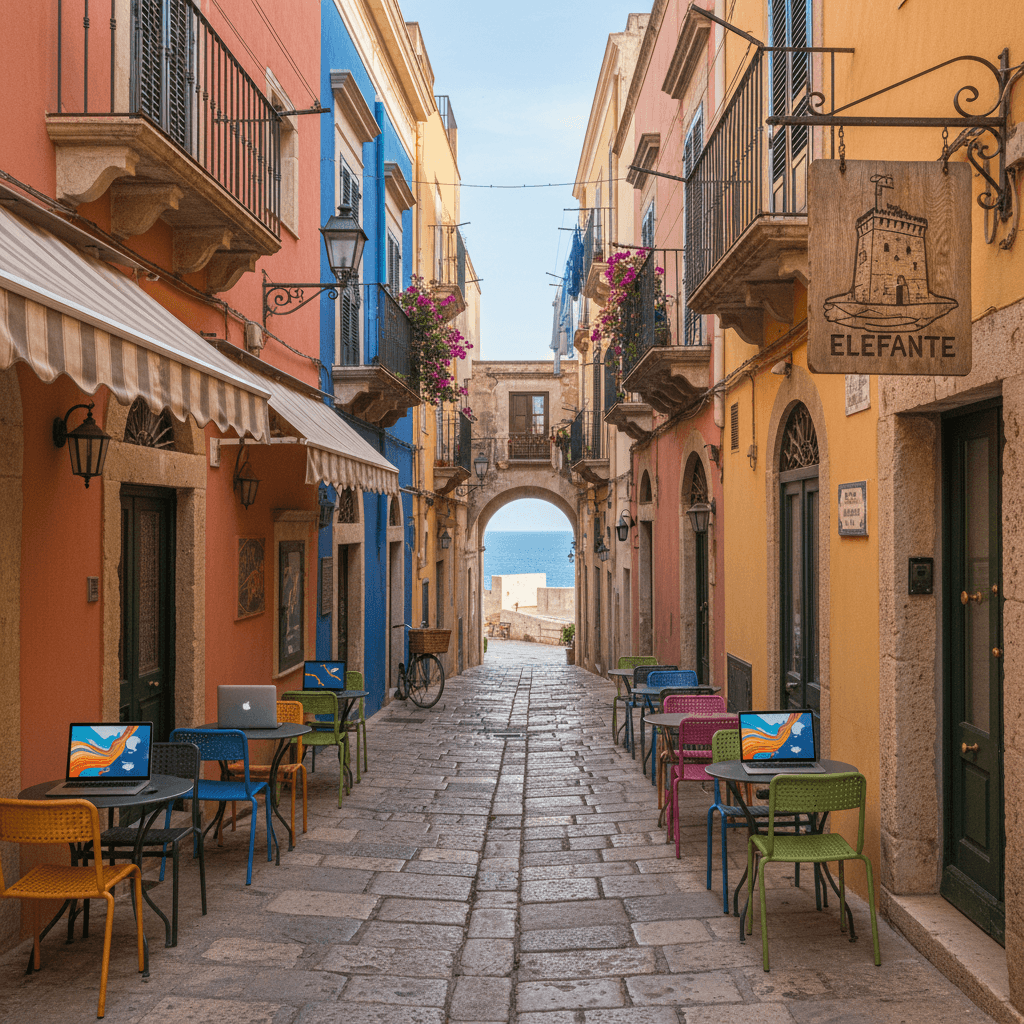
Cagliari feels slower than most Italian city bases and that’s the point. You get sea air, old stone streets, market noise and a pace that makes frantic laptop life feel slightly ridiculous, honestly.
Most nomads like it because it’s cheaper than northern Italy, the beaches are close and the city still feels local, not engineered for foreigners. The tradeoff is real, though, because English can be patchy, bureaucracy can drag and some parts of town get sketchy after dark.
Budget reality: a single person usually lands around €1,560 to €2,560 with rent or roughly €800 to €1,000 before housing. That sounds manageable until you price out a decent apartment, then the numbers jump fast, especially in the better central areas.
- Budget stay: €1,500 to €1,800 a month, shared housing, buses, cheap meals.
- Mid-range: €2,000 to €2,500, one-bedroom flat, mixed dining, some nights out.
- Comfortable: €2,800 and up, nicer flat, regular restaurants, easy living.
Where people actually want to live
- Marina: Best for young professionals, bars, restaurants and easy central access, though the noise can spill late into the night and the area feels sharper after dark.
- Villanova: The expat favorite for long stays, more residential, calmer and oddly pleasant with little pedestrian streets and the smell of coffee drifting out of doorways.
- Stampace: Cheaper, practical, close to the station and a solid pick if you care more about function than nightlife.
- Castello: Beautiful and historic, with views and museums, but the hills can punish your legs in summer heat.
- Poetto: Great in season if you want sand after work, though it gets crowded and a bit sleepy once summer fades.
The coworking scene, turns out, is decent. The Net Value has modern space and fast internet, Treballu draws remote workers looking for something quieter and cafes will usually let you camp with a laptop, if you buy enough espresso and don’t expect lightning speeds.
Public transport works, but don’t expect miracles. A monthly pass runs about €30 to €40, buses and trolleybuses cover most of the city and the center is walkable enough that you’ll hear scooters buzzing, tram-like brakes squealing and the sea wind cutting through narrow streets.
Safety is fine by day, less so at night in La Marina, Piazza del Carmine, San Michele and Sant'Elia. Keep your phone close, avoid empty streets and learn a few Italian phrases, because trying to solve problems in English here can feel, weirdly, like shouting into a pillow.
Cagliari isn’t cheap in the way some Southern Italian cities still are, but it’s still friendlier than most of Northern Europe. A single person usually lands around €1,560 to €2,560 a month with rent and roughly €800 to €1,000 without rent, depending on how much you eat out and whether you want your own place or a shared flat. Not cheap. Still manageable.
Rent is the part that bites first, especially if you want to stay near the sea or in one of the central neighborhoods where the streets smell like espresso, frying seafood and warm stone after sunset. Poetto, with its waterfront appeal, can run €1,200 to €1,470 for a studio or 1BR, while average monthly rates across the main booking platforms hover around €1,161 to €1,323, which, surprisingly, is less brutal than it sounds if you’re splitting costs.
Where the money goes
- Food: Street food and casual lunches usually run €5 to €12, mid-range dinners sit around €15 to €25 and a nicer seafood meal can jump to €30 to €50 or more.
- Groceries: A single person often spends about €200 to €300 a month, especially if you cook at home and shop local.
- Transport: A monthly pass is about €30 to €40, though many people in Castello, Marina and Villanova barely use it because the center’s walkable.
For housing, Marina is the pick if you want bars, late dinners and some noise after dark, Villanova feels more local and calmer and Stampace is where budget hunters should start. Castello has the views and the old-city charm, but the steep streets can wear you out fast in summer heat and frankly, it’s not the easiest place to drag groceries uphill.
Monthly budget by lifestyle
- Budget: €1,500 to €1,800, usually shared housing, cheap eats and public transport.
- Mid-range: €2,000 to €2,500, which gets you a one-bedroom, some dinners out and a few extras.
- Comfortable: €2,800 and up, for a nicer apartment, regular restaurant meals and more breathing room.
Internet is fine for remote work, not amazing. Coworking spaces like The Net Value and Treballu give you steadier WiFi and cafe working is normal enough that you won’t get weird looks if you nurse a coffee for a few hours, though some places are quieter than others and the midday clatter of cups, scooters and honking buses does creep in. If you want a decent life here, budget like a person who plans to stay awhile, not like a weekend tourist.
Digital nomads
Marina is the default pick and honestly, it earns that status. You’re close to cafés, bars, the waterfront and enough foot traffic that a late-afternoon espresso doesn’t feel lonely, but nights can get noisy, especially when scooters buzz past and people spill out of bars near the harbor.
Stampace is the quieter move. Rents are lower, the railway station is handy for day trips and the streets feel calmer, with fewer stag-night distractions and more ordinary life, which, surprisingly, matters once you’re trying to get actual work done.
- Best for: Remote workers who want walkability without paying Poetto prices.
- Rent: About €44+ per night for short stays.
- Watch for: Fewer late-night options, so don’t expect Marina-style energy.
Expats
Villanova is where a lot of long-term expats settle because it still feels lived-in. The pedestrian streets, small shops and everyday rhythm make it easier to imagine a normal routine and there’s less of the touristic churn you get in Castello, though the neighborhood is slowly getting pricier.
Marina works too if you want more restaurants and a livelier social scene, but it’s not quiet, frankly. The smell of frying seafood, diesel and espresso can hang in the air, then the noise kicks back in after dinner, so light sleepers should think twice before signing a lease there.
- Best for: Expats who want year-round city life.
- Rent: About €54+ per night in Marina, around €65+ in Villanova for short stays.
- Best bet: Villanova for everyday living, Marina for going out.
Families
Castello is beautiful, but it’s not the easiest family base if you’ve got a stroller and a child who hates hills. The views are great, the museums are close and the old stone lanes feel proper Cagliari, but those steep streets can be a grind in summer heat, when the paving stones get hot underfoot.
Villanova is the safer, simpler family choice. It’s more residential, easier for daily errands and you’re still close to the center without the constant evening noise, so parents usually get a better trade-off between convenience and sanity.
- Best for: Families who want a central, calmer base.
- Rent: About €65+ per night in Villanova.
- Skip: Steep Castello streets if mobility matters.
Solo travelers
Poetto is the move if your trip is beach-first. Summer there feels salty and bright, with sunburn, loud music and crowded cafés, while off-season it gets much quieter, so don’t expect a buzzing year-round scene.
Castello suits solo travelers who want history, views and easy wandering on foot, but it can feel a bit touristic after dark. Avoid San Michele and Sant’Elia, period, because the periphery isn’t where you want to be stumbling around with a phone out.
- Best for: Solo travelers who want either beach time or easy sightseeing.
- Rent: Around €55+ per night near Poetto.
- Be careful: La Marina and Piazza del Carmine after dark.
Cagliari’s internet is decent, not dazzling. In the center, most nomads get by fine on cafe WiFi, though speeds can dip when a place fills up and everybody starts uploading photos, sending files and streaming football in the same humid room.
The coworking scene, honestly, is small but useful and you’ll usually get better focus than in a busy cafe with clinking cups and espresso machines hissing nonstop. Prices start around €21 a day, so it’s not cheap if you’re staying long term, but the tradeoff is a proper desk, reliable connection and fewer awkward stares when you open a laptop after lunch.
- The Net Value Coworking Space: Close to the port, modern setup, fast internet, good if you want a clean working base downtown.
- Treballu: A rural coworking and coliving option outside the city, which, surprisingly, suits people who want quiet, space and fewer distractions.
- Cafe working: Very normal here, especially in Marina, Villanova and Stampace, though you should buy something and don’t expect every place to love you camping out all afternoon.
If you need a SIM, go with TIM, Vodafone or Wind Tre, then pick up a prepaid plan at the airport, a city shop or even a convenience store. Plans usually run €10 to €30 a month and that’s the easiest backup when a cafe connection gets shaky or your apartment WiFi turns weirdly sluggish during the evening rush.
Most remote workers prefer staying in Marina or Villanova because the streets are walkable, the cafes are close and you can move between work, lunch and dinner without touching a bus. Stampace is a solid backup if you want lower rents and easy train access, though the area feels quieter and a bit less social after dark.
- Best for focus: Stampace, because it’s calmer and usually cheaper.
- Best for networking: Marina, because bars, cafes and coworking meetups are nearby.
- Best for long stays: Villanova, because it feels residential, lived-in and less chaotic.
Remote work here works best if you keep expectations practical. Bring a translator app, test the WiFi before you sign anything and don’t assume every landlord or cafe owner speaks English, because plenty don’t and the explanation you need may come with hand gestures, a shrug and a very patient “allora.”
Cagliari feels safe enough in the center, but it isn’t the kind of place where you should switch off completely. The usual issues are petty, not dramatic, with pickpockets, opportunistic phone grabs and the odd sketchy corner near Piazza del Carmine after dark, where the buses hiss, scooters scream past and people linger under weak streetlights.
Daytime walking is easy in Castello, Marina and Villanova and most nomads move around without trouble, honestly. Still, I’d skip San Michele and Sant’Elia unless you’ve got a real reason to go, because they’re farther out, less polished and the vibe changes fast once the sun drops.
- Best areas: Castello, Marina, Villanova
- Be cautious: La Marina at night, Piazza del Carmine after dark
- Avoid: San Michele, Sant’Elia
- Common issue: petty theft, especially around transit and nightlife spots
Healthcare is solid for a city this size. Hospitals and clinics are generally reliable, pharmacies are everywhere and you won’t have trouble finding basic meds, bandages or someone to explain cold and flu symptoms while the espresso machine sputters in the background. The one catch is paperwork, which, surprisingly, can be more annoying than the actual appointment.
If you’re an EU citizen, bring your EHIC card. If you’re not, travel insurance is a smart move because private care can get expensive fast and you don’t want to be arguing over forms in a humid waiting room when you’re already sick.
- Emergency: 112 for general emergencies
- Ambulance: 118
- Pharmacies: called farmacie, plentiful across the city
- Practical tip: keep your passport copy and insurance details handy
For digital nomads, the biggest headache usually isn’t crime or medicine, it’s getting help when nobody wants to speak English. In a pinch, Google Translate or DeepL helps a lot and a few basic Italian phrases go a long way, especially if you need directions, a prescription or a taxi at 1 a.m. when the air is sticky and the streets are half-empty.
My take, frankly, is simple, stay alert in the center at night, don’t leave bags hanging off café chairs and use common sense around transit hubs. Do that and Cagliari stays pretty manageable.
Cagliari’s center is easy to live in on foot, especially Castello, Marina and Villanova, where you can get around without thinking too hard, though the hills and cobbles will still punish bad shoes. The buses and trolleybuses cover most of the city and a monthly pass is about €65.50, which feels fair until you’re waiting under a hot shelter while scooters buzz past and the driver arrives late.
Most nomads end up mixing walking with transit, because that’s the least annoying setup. Stampace is handy for the railway station, so regional day trips are easy and if you’re staying near the center, you’ll probably only need public transport for beaches, errands or when the sun is hammering the pavement and you can feel the heat bouncing off the stone.
Best ways to move around
- Walking: Best in Castello, Marina and Villanova, where streets are compact and cafés are close together.
- Buses and trolleybuses: Good coverage, decent for daily life, though delays happen and schedules can feel more like suggestions than promises.
- Bike and scooter rentals: Handy for short hops, just keep an eye on traffic and rough patches in the road.
- Taxi and ride-hailing: Available when you’re tired, carrying luggage or heading out late.
Cagliari Airport is only about 4 km from the center, so transfers are simple. You can take a bus, grab a taxi or rent a car and honestly, for most city stays, a car just adds stress, parking headaches and that lovely Sardinian habit of narrow streets suddenly turning into one-way puzzles.
Neighborhoods and movement
- Marina: Walkable and central, but late-night noise and drunk chatter can get old fast.
- Villanova: Calm, residential and easy for everyday errands.
- Stampace: Practical for trains and lower rents, with less nightlife nearby.
- Poetto: Great for beach days, less practical if you need constant city access.
For internet on the move, local SIMs from TIM, Vodafone or Wind Tre are easy to buy in the airport, city shops or even convenience stores and prepaid data plans usually run €10 to €30 a month. The signal is generally fine in town, though some cafés get weirdly patchy once everyone opens a laptop and starts uploading files over cappuccinos that smell like milk foam and burnt espresso.
If you’re staying longer, Cagliari works best when you settle into one zone and stop crossing the city for every small thing. That’s the real trick, because the center is walkable, the transit is decent and once you know your bus line and your nearest pharmacy, daily life gets a lot less annoying.
Cagliari’s language scene is friendly on the surface, then a bit stubborn once you need help with anything practical. You’ll hear Italian everywhere, plus Sardinian in pockets and English is patchy outside hotels, tourist bars and the younger crowd. Don’t assume people will switch for you. They often won’t and honestly that’s where a translation app stops being a nice extra and becomes your daily sidekick.
Basic Italian goes a long way here, especially for rentals, doctors, post offices and taxi chats. Locals are usually patient if you try, but the city runs on quick exchanges, muttered asides and a lot of hand gestures, so a few phrases save time and awkwardness, especially when you’re standing at a counter with the smell of espresso and cleaning products in the air.
- Do: learn Parla inglese?, Quanto costa?, Dov’è...? and Grazie.
- Do: keep Google Translate or DeepL handy for menus, signs and apartment messages.
- Don’t: expect every café, shop or landlord to answer in English, they probably won’t.
For digital nomads, the practical side is pretty decent if you know where to work. Coworking spaces like The Net Value are set up for remote workers and cafe WiFi is often fine for a few hours, though speeds can dip and a busy lunch rush means more clatter, more chatter and slower coffee service. Weirdly, the more central spots can feel easier than your apartment, depending on the building and how old the wiring is.
- Coworking: prices start around €21 per day, with some spaces offering fast enough WiFi for calls.
- SIM cards: TIM, Vodafone and Wind Tre are easy to find in the airport and city center.
- Data plans: prepaid options usually run about €10 to €30 a month.
For expat life, the real issue isn’t charm, it’s getting things done without Italian. Bureaucratic errands can drag and if you’re dealing with housing paperwork or healthcare admin, a local friend or translator helps more than you’d think. Use apps for the easy stuff, then lean on in-person help for the annoying stuff, because that’s where Cagliari can feel very local, very fast and a little hard-edged.
One last thing, people here do appreciate the effort. Say a few words, be polite, keep your phone ready and don’t get flustered when conversations switch back to Italian mid-sentence. That happens. Often.
Weather & Best Time to Visit
Cagliari has a proper Mediterranean mood, warm, dry summers, mild winters and a sea breeze that can save you on the sticky days. July and August get brutally hot, especially inland and in the center, so if you hate sweating through your shirt by 10 a.m., skip the peak summer crush. Not cheap, not cool.
The sweet spot is March to May and late September to November, when temperatures sit around 15 to 22°C, the light is soft and you can walk through Castello without melting. Honestly, that’s when the city feels easiest, because the beaches are still usable, cafes are lively and the air smells like jasmine, sea salt and espresso instead of hot asphalt.
Winter is quieter and cheaper, which sounds nice until you get a week of gray skies, damp wind and the occasional cold rain slapping off stone streets. January and February are mild by northern European standards, but the humidity can cling to you and some apartments get chilly at night because the floors are cold and heating isn't always great. Bring layers.
- Best overall: March to May, then late September to November
- Best for beach time: June and September, when the water's warm but the worst crowds haven't fully taken over
- Best for budget travelers: November to February, though some places run on a slower rhythm
- Worst heat: Late July and August, when the pavement seems to radiate back at you
If you're working remotely, spring is the easiest season, because you can split the day between coworking and long lunches, then still make it to Poetto for a swim after work. Summer can be fine if you love beach life, but apartments without good airflow turn into ovens and city buses feel packed and cranky. Weirdly, the shoulder seasons give you the best version of Cagliari without the headaches.
For events, food and nightlife, May, June and September are the most balanced months. You get good weather, enough locals around for the city to feel alive and fewer of the loud, sweaty crowds that make Marina and the seafront annoying in August. Pack a light jacket, though, because evenings can turn breezy fast once the sun drops over the harbor.
Cagliari feels easy until you hit the paperwork. The city is relaxed, the sea air smells salty and a little dusty, but the bureaucracy can be maddening and if you don’t speak Italian, even simple errands can turn into a long, awkward morning.
Money is decent here by Italian standards, though not cheap. Most solo nomads land around €1,500 to €2,500 a month depending on rent and if you want your own one-bedroom in a nicer area, expect the budget to jump fast, especially near Poetto and the central neighborhoods.
- Budget stay: Shared housing, buses, casual meals, about €1,500 to €1,800 monthly.
- Mid-range: One-bedroom, regular cafés and dinners out, about €2,000 to €2,500 monthly.
- Comfortable: Nice flat, more restaurant meals and weekend trips, €2,800+ monthly.
For neighborhoods, Marina and Villanova are the sweet spot for most expats. Marina is lively, noisy at night and full of restaurants and bars, while Villanova feels calmer, more residential and honestly a better bet if you want to sleep without hearing scooters and drunk conversations drifting up from the street.
Practical Area Picks
- Marina: Best for nightlife, central access and people who like being in the middle of things.
- Villanova: Best for longer stays, local life and a quieter daily rhythm.
- Stampace: Good for tighter budgets and it’s handy for the railway station.
- Castello: Great views, steep streets, touristy prices, skip it if you hate hills.
Internet is fine in coworking spaces and decent cafés, though don’t expect Northern Europe speeds. The Net Value is the most practical coworking option downtown, Treballu is more niche and rural and many nomads just work from cafés, which, surprisingly, is still pretty normal here.
Getting around is straightforward. Buses and trolleybuses cover the city well, a monthly pass runs around €30 to €40 and the center is walkable, but in summer the heat hits like a wall and the pavement can feel brutal underfoot.
- Airport: Cagliari Elmas is only about 4 km away.
- SIM cards: TIM, Vodafone and Wind Tre are easy to find, prepaid data usually costs €10 to €30.
- Safety: Daytime is fine, though keep your bag close in La Marina and around Piazza del Carmine after dark.
- Healthcare: Pharmacies are everywhere and the hospitals are solid, so carry your EHIC or travel insurance and breathe easier.
Learn a few phrases before you land. “Parla inglese?” goes a long way and if you need help, Google Translate and DeepL will save you more than once, because many locals don’t speak much English and they won’t slow down for you.
Frequently asked questions
How much does it cost to live in Cagliari as a digital nomad?
Which neighborhood is best for long-term expats in Cagliari?
Where should I stay in Cagliari if I want nightlife and easy central access?
Is public transport good enough for digital nomads in Cagliari?
How reliable is internet in Cagliari for remote work?
Is Cagliari safe at night for solo travelers?
What healthcare should expats bring to Cagliari?
Need visa and immigration info for Italy?
🇮🇹 View Italy Country GuideHidden Gem
Worth the effort