Cabo San Lucas
🇲🇽 Mexico
The Dual Soul of the Tip of the Baja
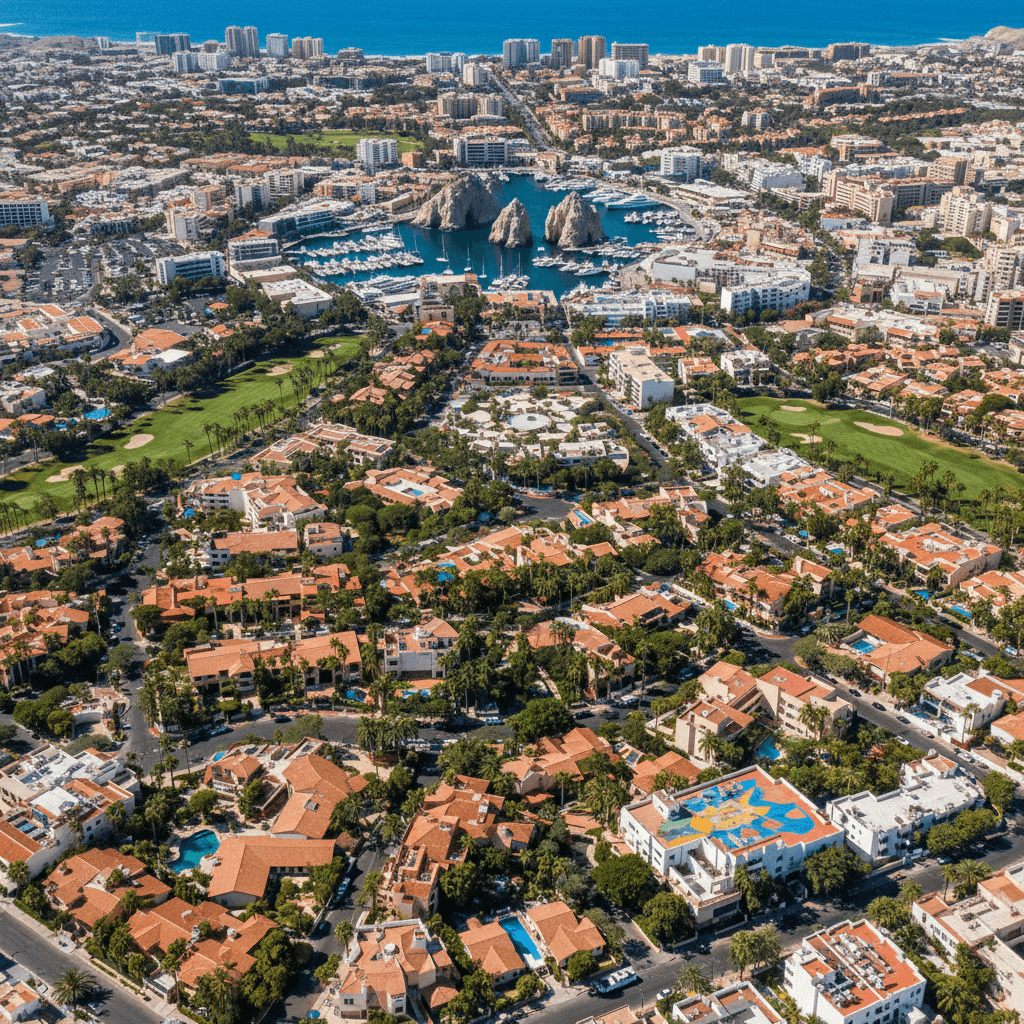
Cabo San Lucas is a place of high-contrast energy. It sits at the very edge of the Baja California Peninsula, where the desert crashes directly into the Pacific Ocean. For nomads, it is a bit of a polarizing choice. You aren't coming here for a gritty, "authentic" Mexican immersion; you are coming for the perfect mix of productivity and paradise. It is a city that understands service, speed, and the needs of people who work on their laptops while wearing flip-flops.
The region actually functions as two distinct personalities connected by a twenty-mile corridor. Cabo San Lucas is the loud, energetic younger brother. It is famous for its nightlife, spring break crowds, and the luxury yachts docked in the marina. If you want to finish a sprint and immediately grab a tequila soda at a beach club, this is your spot. San José del Cabo, on the other hand, is the sophisticated older sister. It feels more like a traditional town with its colonial architecture, quiet courtyards, and a thriving art scene centered around the Thursday night Art Walk.
The Nomad Experience
Most remote workers find that Cabo makes it incredibly easy to maintain a schedule. Unlike some remote islands where the power might flick off during a Zoom call, the infrastructure here is solid. You'll find WiFi speeds hitting 90+ mbps at places like Outsite, and the local coffee shops actually understand that "laptop friendly" means more than just having a table; it means having accessible outlets and decent AC.
However, the biggest challenge isn't the internet; it is the temptation. Travelers often say the hardest part of being in Cabo is the FOMO. When the sun is shining 350 days a year and the whales are breaching just offshore from December to April, sitting in a coworking space feels like a test of willpower. It is easy to get sucked into the tourist bubble, which is why many long-term nomads eventually migrate toward the quieter streets of San José or take weekend trips to the surf town of Todos Santos to reset.
Getting Productive
If you need a dedicated office environment, the local coworking scene is growing. You aren't limited to working from your Airbnb balcony. In the downtown area, LCI Coworking Space offers flexible day passes and the icy air conditioning you'll crave during the summer months. Over in San José, Koral Desk is the go-to hub, known for its community events and professional setup. For a more casual vibe, Coffee Lab offers an open-air experience that feels more like a garden than an office.
Navigating the Land
Cabo is famously safe, especially within the tourist zones and the main districts. You can walk the downtown areas and the marina at night without much worry. For getting between the two towns, the Ruta del Desierto buses are a lifesaver, costing only about $3 USD per ride. While Uber is available and often more convenient than traditional taxis, be aware that there is sometimes tension between Uber drivers and the local taxi unions, particularly around certain resort entrances.
- The Vibe: High-end resort meets desert adventure.
- The Crowd: A mix of luxury travelers, sport fishers, and a growing community of tech-savvy nomads.
- The Draw: World-class diving at Cabo Pulmo, UNESCO recognized sites, and some of the best golf courses on the planet.
- The Reality: It is more expensive than Medellín or Mexico City, but the safety and infrastructure are the trade-offs.
Ultimately, Cabo San Lucas is for the nomad who wants the friction removed from their life. It is for the person who wants a 92 mbps connection in the morning and a glass-bottom boat tour of The Arch in the afternoon. It is polished, it is sunny, and it is unashamedly built for a good time.
The Price of Paradise
Cabo San Lucas is one of Mexico's most expensive destinations, but it offers a high standard of living that justifies the price tag for many. You're effectively paying for the proximity to Southern California and the polished infrastructure that keeps the lights on and the internet fast. While it's possible to live on a budget, most nomads find they spend significantly more here than they would in Oaxaca or Mexico City.
The city operates on a dual economy. There's the "Gringo Price" found in the Marina and the Corridor, and the local rates found further inland. If you're earning USD or EUR, you'll still find plenty of value, but don't expect the dirt-cheap tacos and $400 apartments common in other parts of the country.
Monthly Budget Estimates
- Digital Nomad (Solo): $2,800 to $3,500 per month
- Expat Couple (Mid-range): $4,500 to $6,000 per month
- Luxury Living: $8,000+ per month
Housing and Rent
Rent will be your biggest hurdle. Prices have climbed steadily as more remote workers flock to the coast. Most expats recommend looking for long term rentals in San José del Cabo if you want better value, as Cabo San Lucas downtown is dominated by short term vacation rentals that can cost a fortune during peak season.
Neighborhood Price Breakdown
- Cabo San Lucas (Pedregal/Marina): High end luxury. Expect to pay $2,500 to $4,500 for a one bedroom condo with a view and reliable backup power.
- Tezal: A popular choice for long termers. It's uphill from the main highway and offers modern apartments for $1,500 to $2,200. You'll definitely need a car here.
- San José del Cabo (Centro): More authentic and slightly more affordable. You can find charming apartments for $1,200 to $1,800 if you're willing to walk a few blocks to the galleries.
Food and Dining
Eating out is a tale of two cities. A meal at a high end restaurant in the Marina can easily run you $60 to $100 per person. However, if you head away from the water, you can find local spots like Tacos Guss or Gardenias where a solid dinner costs under $15.
- Street Tacos: $1.50 to $3.00 per taco
- Mid-range Dinner: $25 to $40 per person including a drink
- Craft Beer: $5 to $8 at local breweries
- Monthly Groceries: $400 to $600. Shopping at La Comer or Walmart is standard, but Costco is the go-to for many expats stocking up on imported goods.
Transport and Utilities
Utility costs can spike in the summer. Air conditioning isn't a luxury from July to September; it's a requirement. If your rent doesn't include electricity, be prepared for a shock, as CFE bills can jump significantly when the AC is humming 24/7.
- Electricity: $50 in winter, up to $200+ in summer
- High Speed Internet: $30 to $50 per month for Starlink or Telmex fiber
- Ruta del Desierto Bus: About $3 for the trip between the two main towns
- Uber: $8 to $15 for short trips around town, though they aren't always allowed to pick up directly at some hotel lobbies or the airport.
Coworking and Connectivity
If you aren't working from your rental, expect to pay for the privilege of a quiet office. LCI Coworking and Koral Desk are the main players. A day pass usually sits around $20 to $25, while monthly memberships range from $250 to $350. Most nomads find the "cafe office" route more affordable, provided they buy a few coffees at places like Coffee Lab or Café de Ciudad.
For Digital Nomads: San José del Cabo (Centro)
If you need to actually get work done without the constant thrum of bass from a beach club, San José is your spot. It feels like the "real" Mexico compared to the tourist circus down the road. The streets are lined with colonial architecture and jacaranda trees, making your walk to a cafe much more pleasant.
Most nomads congregate around Coffee Lab or Koral Desk. The internet is reliable here, with many Airbnbs pushing 100 Mbps via fiber optics. On Thursday nights, the Art Walk turns the neighborhood into a social hub, which is the best time to meet other remote workers without the spring break vibe.
- Monthly Rent: $1,200 to $2,000 for a modern one-bedroom apartment.
- Vibe: Creative, relaxed, and walkable.
- Noise Level: Low to moderate, mostly church bells and light traffic.
For Long-Term Expats: El Tezal
Located on the hills overlooking the bay between the two main towns, El Tezal is where people move when they decide to stay for a year or more. It is a residential corridor that requires a car, but the views of the Arch are unbeatable. You get more square footage for your dollar here, and it's far enough from the marina to avoid the "tourist tax" on groceries and services.
Expats love the proximity to Costco and Fresko, which are the main hubs for high-quality supplies. The community is gated and secure, making it a top choice for those who want a quiet life but still want to be a 10-minute drive from the action.
- Monthly Rent: $1,800 to $3,500 for a two or three-bedroom condo.
- Vibe: Suburban, upscale, and private.
- Transportation: Car or Uber is mandatory; walking isn't an option here.
For Families: Cabo Bello & Santa Carmela
Families usually gravitate toward the corridor, specifically neighborhoods like Cabo Bello. It is one of the few communities with a swimmable beach, which is a big deal since most Cabo beaches have dangerous undertows. There are several international schools nearby, and the gated security provides peace of mind for parents.
The atmosphere is neighborly, with kids biking in the streets and communal pool areas. It feels like a coastal suburb where you can actually let your guard down. You're also close to Hospital H+, which is the primary choice for high-quality English-speaking medical care.
- Monthly Rent: $2,500 to $5,000 for a family home.
- Vibe: Safe, community-oriented, and beach-focused.
- Perks: Private beach access and proximity to top-tier schools.
For Solo Travelers: Downtown Cabo San Lucas (Marina Area)
If you are traveling alone and want to meet people instantly, stay as close to the Marina as possible. You won't need a car because everything from the LCI Coworking Space to the nightlife on Lázaro Cárdenas is within a 15-minute walk. It is loud, it is touristy, and it is incredibly easy to navigate.
Solo travelers often stay at Mayan Monkey, which acts as a social headquarters. You can find cheap street tacos for $2 each just a few blocks inland, or spend $50 on a high-end dinner at the waterfront. It's a land of extremes, but you'll never be bored or lonely.
- Monthly Rent: $900 to $1,600 for a simple studio or long-term hostel stay.
- Vibe: High-energy, social, and convenient.
- Safety: Very safe in the main tourist drag, even at night, due to the heavy police presence.
Connectivity in the Corridors
You won't have much trouble staying online in Cabo. The infrastructure has improved significantly over the last few years, and fiber optic internet is now the standard for most modern rentals and hotels. While the occasional tropical storm might flicker the power, most remote workers find the connection reliable enough for back to back Zoom calls.
Average speeds in the main tourist zones often hit 50 to 100 Mbps. If you are staying at a place like Mayan Monkey or Outsite, you can expect solid professional grade WiFi. For backup, grab a local Telcel SIM card at any OXXO. Their 5G coverage is surprisingly robust throughout the town center and along the corridor connecting the two main hubs.
Coworking Spaces: Cabo San Lucas vs. San José
The coworking scene is split between the high energy party vibes of Cabo San Lucas and the more refined, artistic atmosphere of San José del Cabo. Depending on your focus, you'll likely gravitate toward one or the other.
- LCI Coworking Space (Cabo San Lucas): Located right in the heart of downtown, this is the go to for those staying near the marina. It offers flexible day passes, ice cold air conditioning, and ergonomic setups. It is perfect if you need to grind for four hours before heading to a sunset boat tour.
- Koral Desk (The Corridor): Situated between the two towns in the Koral Center, this is arguably the most professional space in the region. It feels like a high end office in Austin or San Diego. They host member events and have private booths for sensitive calls.
- Coffee Lab (San José del Cabo): This is more of a "cowork cafe" hybrid. It is open air, stylish, and attracts a crowd of creative nomads and designers. It is less about strict silence and more about that flow state with a high quality caffeine fix.
The Best Laptop Friendly Cafés
If you prefer the hum of a coffee shop over a dedicated office, Cabo has plenty of spots where you won't be chased off for opening a laptop. Most owners are used to the nomad crowd as long as you keep the lattes flowing.
Café de Ciudad in Cabo San Lucas is a local favorite. It is small and gets busy, so arrive early if you want a table near an outlet. They have shaded outdoor seating which is great for morning work before the midday heat kicks in. Over in San José, Peepal Tree offers a quiet atmosphere and reliable speeds, making it a top choice for deep work sessions.
Practical Tips for Remote Workers
The biggest challenge isn't the internet; it is the distraction. The sun is almost always shining and the beach is always calling. Most successful nomads here stick to a "work early, play late" schedule. Start your day at 7:00 AM to align with US Central or Eastern time zones, and you'll be done by early afternoon when the boat parties and happy hours start peaking.
- Power Surges: While rare, they do happen. If you are renting an Airbnb, ask the host if they have a "No-Break" (UPS) for the router.
- Noise Levels: If you are staying downtown near the Marina, the nightlife can be loud until 2:00 AM. If you have early morning meetings, look for accommodation in the residential hills or toward the San José side.
- Data Backup: A 10GB data package from Telcel costs roughly $25 USD and serves as a perfect hotspot failover if your Airbnb WiFi ever gets spotty during a storm.
Staying Safe in the Corridor
Cabo San Lucas is generally one of the safest destinations in Mexico, largely because the local economy depends almost entirely on tourism. You'll notice a heavy security presence in the Marina and the downtown tourist district. Most nomads feel comfortable walking around these areas during the day and well into the evening, though it's always smart to keep your wits about you after a few late night margaritas.
The biggest safety concern for most visitors isn't crime, but the ocean. The Pacific side of the peninsula has incredibly strong undertows and rogue waves that can catch you off guard. Always look for the colored flags on the beach; red or black flags mean stay out of the water entirely. If you want a safe swim, head to Medano Beach or take a short trip to Chileno Bay where the waters are much calmer.
Street crime is rare, but petty theft can happen if you leave a laptop or phone unattended at a beach club. When you're out at night, stick to well lit streets and use Uber rather than hailing random taxis off the street. Uber is generally considered safer and more transparent with pricing, though be aware that drivers sometimes have to pick you up a block away from major resort entrances due to local taxi union tensions.
Healthcare Quality and Access
If you get sick or injured, you're in good hands. Los Cabos has some of the best private medical facilities in the country, with many doctors who trained in the US or Europe. English is spoken fluently at almost all major private hospitals. For minor issues like "Baja Belly" or a standard cold, you can visit a Consultorio attached to pharmacies like Farmacias del Ahorro or Farmacias Similares. These walk in clinics usually cost around $5 to $10 for a consultation.
For more serious emergencies, private hospitals are the way to go. They operate much like American hospitals and expect payment upfront or proof of high quality travel insurance. Some of the most trusted facilities include:
- H+ Hospital: Located in the Koral Center in the Corridor, this is a favorite for expats and nomads. It's modern, incredibly clean, and very efficient.
- AMC (American Medical Center): Conveniently located in downtown Cabo San Lucas, they specialize in treating international travelers and handle emergencies 24/7.
- BlueNet Hospitals: Another top tier private option with a full range of specialists and advanced diagnostic equipment.
Practical Health Tips
Don't drink the tap water. Even if your Airbnb host says there's a filtration system, most nomads stick to bottled water or the massive 20 liter jugs called garrafones for drinking and brushing teeth. It's a small price to pay to avoid spending a week of your trip in bed.
If you need prescriptions, you'll find that many medications that require a script in the US are available over the counter here. However, prices at pharmacies in the main tourist Drag can be inflated. If you're staying for a month or more, head to the pharmacies inside Costco or Walmart for much better rates on everyday health supplies and medications.
Finally, make sure your health insurance specifically covers international stays. Many nomads use providers like SafetyWing or Genki, which are familiar to the billing departments at H+ and AMC. Always keep a digital copy of your policy and a photo of your passport on your phone, as private hospitals will ask for these immediately upon arrival.
The Logistics of Getting Around
Navigating the tip of the Baja Peninsula is a tale of two towns. While Cabo San Lucas and San José del Cabo are only about 20 miles apart, the way you move between them depends entirely on your budget and how much you value your air conditioning. Most nomads find that while the downtown cores are walkable, seeing the best beaches or heading to a coworking spot in the next town requires a bit of strategy.
Public Transit: The Ruta del Desierto
If you want to live like a local and save your pesos for fish tacos, the purple and yellow buses known as Ruta del Desierto are your best friend. These buses run along the main highway, the Transpeninsular, connecting the two main towns and the airport. They are reliable, frequent, and cost roughly $3 USD (around 50 to 60 pesos) for a ride between the two hubs. Just look for the designated stops or flag one down if you see the purple paint. Keep small change on you, as drivers rarely have change for large bills.
Ride-Hailing and Taxis
The relationship between Uber and the local taxi unions is famously tense. You can use Uber in Cabo, and it is usually significantly cheaper than a traditional taxi, but there are some ground rules to follow. Drivers often cannot pick you up directly in front of certain hotel lobbies or high-traffic tourist zones to avoid conflict with the unions. Most expats recommend walking a block away from the main resort entrance or the marina before requesting your ride.
- Uber: Best for short trips within town or getting to dinner. Expect to pay $7 to $15 USD for most cross-town trips.
- Taxis: Readily available but expensive. A ride that costs $10 on Uber might be $40 in a taxi. Always agree on the price before you get in, as they don't use meters.
- DiDi: Occasionally available as an alternative to Uber, though Uber remains the dominant app here.
Walking the Hubs
Once you are in the heart of downtown Cabo San Lucas or the San José del Cabo Art District, your feet are the best tool you have. The Marina area in Cabo San Lucas is a flat, easy walk, though the heat can be intense between 11:00 AM and 4:00 PM. In San José, the colonial streets are charming and pedestrian-friendly, especially during the Thursday night Art Walks when certain roads close to vehicle traffic. If you are staying in the hills of Pedregal, be prepared for steep inclines that will give your calves a serious workout.
Car Rentals and Long-Term Stays
For nomads staying longer than a month, renting a car is often the move. It opens up the "Golden Corridor" beaches like Santa Maria and Chileno Bay, which are hard to reach by bus. You can find local rental agencies with rates around $35 to $50 USD per day including basic insurance, though long-term monthly deals can be negotiated. If you plan to visit Todos Santos or La Paz, having your own wheels is almost a requirement. Just be aware of the Topes (speed bumps) which are often unmarked and can do serious damage to a small sedan if hit at speed.
Getting to and from SJD Airport
The Los Cabos International Airport is about 30 to 45 minutes from the main tourist zones. You have three main options for the trek:
- Shared Shuttles: These cost about $20 USD per person and will drop you at your specific accommodation.
- Private Transfers: Usually around $70 to $90 USD. It is pricey, but if you are arriving with heavy monitors and luggage, it is the most seamless experience.
- The Airport Bus: The Ruta del Desierto also services the airport for about $5 USD, but it only drops you at major highway points, so you will likely need a short taxi or Uber to finish the trip to your front door.
The English Bubble
You can breathe a sigh of relief if your Spanish is limited to "hola" and "cerveza." Because of its proximity to the US and its status as a premier vacation hub, Cabo San Lucas is incredibly easy to navigate in English. In the downtown marina area, luxury resorts, and high end restaurants, English is effectively the primary language of commerce. Most staff at places like LCI Coworking or the Mayan Monkey speak it fluently, so you won't have any trouble getting your tech issues sorted or ordering a flat white.
That said, there is a clear divide between the tourist corridor and the local neighborhoods. Once you venture a few blocks away from the Cabo San Lucas marina or into the residential parts of San Jose del Cabo, English proficiency drops significantly. While you can survive on English alone, you'll find that locals appreciate even a clumsy attempt at Spanish. It often makes the difference between being treated as a passing tourist and being welcomed as a temporary local.
Navigating Daily Life
Most nomads find that a basic grasp of Spanish phrases helps immensely with "real life" tasks. If you are dealing with a local landlord for a mid term rental or trying to explain a specific route to a Ruta del Desierto bus driver, you'll want some Spanish in your pocket. While apps like Uber make transportation easy, many local taxi drivers and shopkeepers in the smaller mercados speak very little English.
If you're planning to stay for more than a month, consider these tips for smoother communication:
- Download Offline Maps: Google Maps is reliable here, but having an offline version of the Baja Peninsula helps when you're exploring spots like Cabo Pulmo where cell service is spotty.
- WhatsApp is King: This is the universal tool for communication in Mexico. Whether you're booking a surf lesson, talking to your Airbnb host, or joining a local nomad meetup group, everything happens on WhatsApp.
- Google Translate: The camera feature is a lifesaver for reading menus at smaller taco stands or understanding signage at the local Chedraui grocery store.
Cultural Nuances in Communication
Communication in Cabo is generally polite and indirect. You'll notice that locals often use the word "ahorita," which literally translates to "right now," but in reality, it can mean anything from ten minutes to three hours from now. It is a part of the relaxed Baja pace that characterizes the region. Don't take it as a sign of rudeness; it's just the local rhythm.
When interacting with locals, a friendly "Buenos dias" or "Buenas tardes" goes a long way. In more traditional settings like the San Jose del Cabo Art District, people value these small formalities. It's a stark contrast to the fast paced, transactional communication style common in US cities, and leanng into it will make your stay much more enjoyable.
Learning the Language Locally
If you want to move beyond the basics, there are plenty of ways to practice. Many expats and nomads recommend language exchange meetups which often happen at casual spots like Coffee Lab. These are usually low pressure environments where you can trade English practice for Spanish tips over a local brew. For those who want more structure, private tutors are available and often charge between $15 and $25 per hour for one on one sessions, which is a great investment if you plan to make Cabo a recurring base in your nomad rotation.
The Sweet Spot: When to Visit
Cabo's weather is a bit of a paradox. While it's technically a desert, the surrounding ocean creates a climate that's mostly dry and sunny but can get surprisingly humid in late summer. For most nomads, the window from November to May is the gold standard. During these months, you're looking at daytime highs between 75°F and 82°F. It's the kind of weather where you can work on a patio without breaking a sweat, though you'll want a light jacket for those crisp evening walks through the Art District.
If you're coming for the wildlife, December through April is peak whale watching season. You'll often see humpbacks breaching from your balcony if you're staying near the coast. This is also when the town feels the most alive, though it comes with higher prices and busier coworking spaces like Koral Desk.
The Sizzle: Summer and Humidity
From July to September, the vibe shifts. The heat climbs into the 90s, and the humidity picks up significantly. This is the low season for a reason. While you'll find much better deals on long term rentals and fewer crowds at the beach, you'll be heavily reliant on air conditioning. If your Airbnb doesn't have a strong AC unit, you'll struggle to stay productive. August and September are also the peak of the hurricane season. While direct hits aren't a daily occurrence, tropical storms can bring heavy rain that occasionally knocks out power or slows down the local WiFi.
Planning Around the Crowds
Timing your stay involves more than just checking the thermometer. You have to account for the "Spring Break" effect. From late February through March, downtown Cabo San Lucas transforms into a massive party. If you're trying to meet a deadline, the noise levels near the Marina can be a distraction. Nomads who prefer a quieter environment usually head to San José del Cabo during this window or retreat to the hills of Pedregal.
October is a unique "shoulder" month. The water is at its warmest, making it the best time for scuba diving at Cabo Pulmo or snorkeling at Santa Maria Cove. The sweltering summer heat starts to fade, but the winter crowds haven't fully descended yet. It's a savvy choice for those who want the best of the ocean without the peak season price tags.
Seasonal Cheat Sheet
- Peak Season (November to April): Perfect weather, 75-80°F, whale watching, but expect the highest prices for accommodation.
- Shoulder Season (May, June, and October): Hotter temperatures but manageable, great for diving, and more room to breathe in cafes.
- Low Season (July to September): Very hot and humid, 90°F+, highest risk of storms, but the best time to negotiate monthly rent discounts.
- Spring Break (March): High energy and loud nights in Cabo San Lucas; better to stay in San José del Cabo if you need deep focus.
Most long term residents suggest arriving in late October. You'll beat the November rush, secure a better spot at a coworking space like LCI, and get to experience the Day of the Dead festivities, which are particularly beautiful in the historic center of San José.
The Vibe Check
Cabo San Lucas is where the desert meets the Pacific with a high-energy, resort-heavy punch. It feels like a slice of Southern California dropped into Baja, complete with high-end amenities and a nightlife scene that rarely sleeps. While the main marina area caters to the spring break crowd and luxury yacht set, digital nomads usually find their rhythm on the edges of the tourist corridor where the pace slows down just enough to get some deep work done.
Most remote workers split their time between the rowdy energy of Cabo San Lucas and the sophisticated, colonial charm of San José del Cabo, located about 20 miles northeast. If you want beach clubs and neon lights, stay in San Lucas. If you prefer galleries, cobblestone streets, and a quiet Thursday night art walk, San José is your base. Many nomads eventually migrate toward Todos Santos or La Paz for a more "authentic" Mexican feel, but for sheer convenience and infrastructure, the Los Cabos duo is hard to beat.
Internet and Productive Spaces
You won't have to hunt hard for a connection here. Most cafes and rentals offer stable fiber optic lines, and it is common to see speeds hitting 90 to 100 mbps in dedicated workspaces. Mobile data is equally reliable; grabbing a local Telcel SIM card provides excellent 5G coverage across the peninsula.
- LCI Coworking (San Lucas): The go-to spot in the downtown core. It offers air conditioning that actually works, ergonomic chairs, and flexible day passes for those who can't work from a noisy hotel lobby.
- Koral Desk (The Corridor): Located between the two towns, this is a premium space with a corporate feel, great for networking with local entrepreneurs and long-term expats.
- Coffee Lab (San José): A favorite open-air cafe for those who like a side of specialty caffeine with their spreadsheets.
- Mayan Monkey: This hostel is a legendary nomad hub. The WiFi is famously strong, and the common areas are designed for people who need to be on Zoom calls between surf sessions.
Getting Around the Tip
The geography of Los Cabos can be a bit frustrating if you don't have a plan. The two main towns are connected by a long highway known as The Corridor. While walkability is high within the immediate downtown areas of both San Lucas and San José, moving between them requires wheels.
- Ruta del Desierto: These purple and yellow buses are the unsung heroes of Baja. They run constantly between the two towns and cost roughly $3 USD per ride.
- Uber: It is widely available and usually cheaper than traditional taxis. However, there is some friction between Uber drivers and the local taxi unions, so your driver might ask you to sit in the front seat or meet a block away from major resort entrances.
- Car Rentals: If you plan on exploring surf breaks like Cerritos or taking day trips to Cabo Pulmo, renting a car is a must. Just be prepared for the mandatory insurance costs which often double the advertised online price.
Safety and Practicalities
Safety is rarely a concern for nomads in Los Cabos. It remains one of the most secure regions in Mexico because the local economy depends entirely on tourism. You can walk the main drags at night without much worry, though the usual rules of city life apply: don't leave your MacBook unattended on a cafe table while you go to the bathroom.
One thing to keep in mind is the "Cabo Tax." Prices here are significantly higher than in Mexico City or Oaxaca. Expect to pay $15 to $25 for a standard mid-range meal and $4 to $7 for a beer in tourist areas. If you want to save money, eat where the locals do, away from the marina, where $2 tacos are still the gold standard.
When to Go
The sweet spot for Los Cabos is November through May. The weather is hovering in the 70s and 80s, and the humidity is non-existent. If you are a wildlife fan, aim for December to April to catch the humpback whales migrating past the Arch. Avoid August and September if you can; it is hurricane season, and the heat becomes oppressive enough to make even the best air conditioner struggle.
Need visa and immigration info for Mexico?
🇲🇽 View Mexico Country GuideEasy Landing
Settle in, no stress