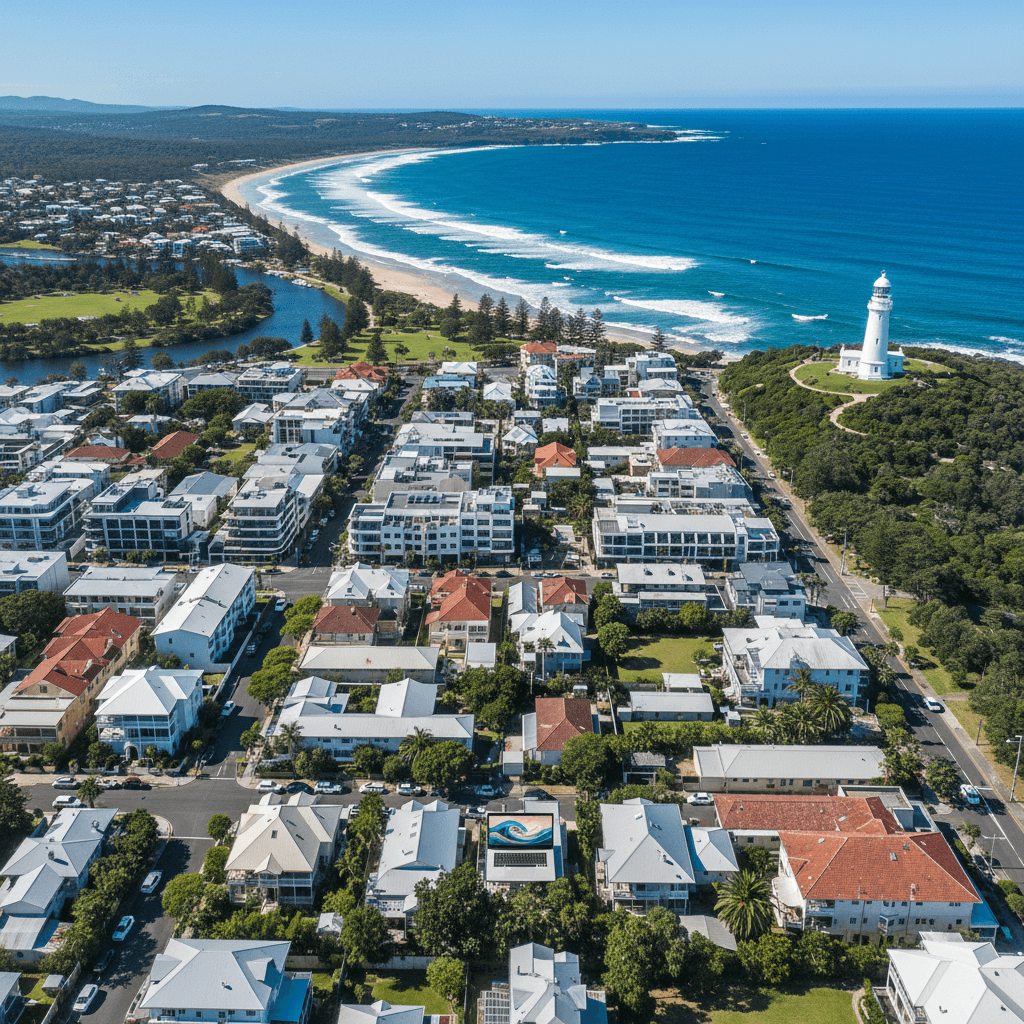
Byron Bay
🇦🇺 Australia
The Spirit of the Bay
Byron Bay isn't just a coastal town; it's a state of mind that has successfully pivoted from a hippie hideaway to Australia's premier remote work hub. While most of the world was catching up to the idea of "work from anywhere," Byron was already perfecting the art of the sunrise surf followed by a 9:00 AM Zoom call. You'll find a unique blend of high-end luxury and barefoot bohemianism here, where venture capitalists in linen shirts rub shoulders with long-term travelers at the local farmers' market.
The energy is undeniably magnetic. There is a palpable creative pulse fueled by a community that values wellness and outdoor living as much as professional ambition. It is the kind of place where your morning commute involves a bike ride past the beach and your "office" likely has a view of the Pacific. For nomads, the draw is the seamless integration of a high-performance career with a lifestyle that feels like a permanent reset button.
What Sets Byron Apart
Unlike the frantic pace of Sydney or Melbourne, Byron operates on "island time" despite being firmly attached to the mainland. The town has rebranded itself as a workplace of choice, making it one of the few places in Australia where you can find a robust coworking ecosystem right next to world-class surf breaks. It feels more intentional than other nomad hotspots; people come here specifically to design a life that doesn't require a vacation to escape from.
- The Outdoor Office: The town is built for people who want to be outside. You will see nomads taking meetings from beachside benches or finishing a project at The Hub before heading straight to Wategos for a sunset swim.
- Community over Competition: The social scene is incredibly welcoming. Between the Byron Bay Digital Nomads Facebook group and regular skill-sharing workshops at Byron Bay Coworking Space, it is easy to find your tribe within a week of arriving.
- The Wellness Baseline: Yoga, meditation, and organic living aren't "extras" here; they are the default. This focus on health helps prevent the burnout often associated with the nomad lifestyle.
The Reality Check
Living the dream in the 2481 postcode comes with a literal price tag. Byron is notorious for being expensive, often rivaling major global cities for the cost of a flat white or a week of rent. Most nomads find they need a monthly budget of at least AUD 4,300 to AUD 6,700 to really enjoy the experience without constant stress.
The town center can get incredibly crowded during the summer peaks, making parking a nightmare and quiet cafe corners hard to find. While the internet is generally reliable, reaching speeds of 30 to 50 Mbps in most spots, it can be patchy in older beach shacks. You also need to navigate the lack of a dedicated digital nomad visa, meaning most international visitors rely on standard tourist or working holiday options while the government considers new pathways.
The Local Neighborhoods
Where you park your laptop matters. Your experience will change drastically depending on which pocket of the Bay you call home.
Town Centre
- Vibe: High energy, convenient, and social.
- Best for: People who want to be in the thick of it and don't want to rely on a car.
- Pros: You are walking distance to Byron Cowork, the best bars, and the main beach.
- Cons: It is noisy, expensive, and the traffic can be frustrating.
Wategos Beach
- Vibe: Exclusive, quiet, and stunningly beautiful.
- Best for: Surfers and those with a higher budget who prioritize views over proximity to shops.
- Pros: Direct access to one of the most iconic beaches in the country and a much slower pace.
- Cons: You will likely need a car or a bike to get into town for groceries or coworking spaces.
Ultimately, Byron Bay offers a specific brand of freedom. It is for the nomad who wants to trade the concrete jungle for a coastal sanctuary without sacrificing their professional edge. It is expensive and sometimes a bit too trendy for its own good, but once you've watched the sun rise over the Cape Byron Lighthouse, you'll understand why nobody ever wants to leave.
Budgeting for the Byron Life
Living in Byron Bay is a premium experience. While the lifestyle is barefoot and relaxed, your bank account will feel the weight of its popularity. It is consistently one of the most expensive coastal towns in Australia, often outpricing major capital cities for short term rentals and lifestyle costs. You are paying for the proximity to world class surf and a community that has mastered the art of the work life balance.
For a comfortable stay, most digital nomads find that a monthly budget between AUD 3,600 and AUD 6,135 is the sweet spot. If you are living lean, staying in hostels, and cooking most of your meals, you can scrape by on about AUD 120 per day. However, if you want a private studio, regular cafe meals, and a few nights out at the local bars, expect to spend closer to AUD 250 per day.
Accommodation and Workspace Costs
Housing is the biggest hurdle here. Because the town is small and highly sought after, prices for short term stays in the Town Centre or near Wategos Beach are steep. Many travelers opt for longer stays to negotiate better rates, but you should still expect to allocate at least half of your budget to your roof. Since the town is so walkable, you can save money by ditching a rental car, though parking in the center is notoriously difficult and expensive anyway.
When it comes to getting work done, the coworking scene is professional and well established. It is a great way to meet the local "Silicon Beach" crowd. Common rates for desk space include:
- The Hub: Approximately AUD 30 per day for a hot desk.
- Byron Cowork: Around AUD 35 per day.
- Byron Bay Coworking Space: Prices vary, but it is known for hosting networking events that add value beyond just a desk and chair.
Daily Expenses and Lifestyle
Eating out is a major part of the Byron culture, with a heavy focus on organic, locally sourced produce. While "cheap eats" are harder to find than in Southeast Asia, the quality is generally high. To keep costs down, many expats shop at local farmers markets and reserve dining out for the weekend. Here is what to expect for common daily costs:
- Casual Meal: AUD 20 to AUD 30 for a solid lunch or cafe breakfast.
- Coffee: AUD 5 to AUD 7 depending on your choice of alternative milk.
- Beer or Wine: AUD 10 to AUD 15 at a local bar.
- Surfboard Rental: AUD 25 to AUD 40 for a half day if you didn't bring your own gear.
One practical tip for the budget conscious is to use the Byron Bay Digital Nomads Facebook group. It is a gold mine for finding sub-leases or house sits that never make it to the major booking platforms. Also, remember to book your transport through apps like 12Go well in advance. Showing up at a station to buy a ticket on the day is a quick way to overspend on your transit costs.
While there is no dedicated digital nomad visa yet, the high cost of living means you will want to ensure your income is stable before committing to a long stint. Most people find the trade off worth it for the ability to surf at sunrise and hit a high speed coworking space by 9:00 AM.
The Social Hub: Town Centre
If you want to be in the thick of it, the Town Centre is your base. It is the heartbeat of Byron, where the bohemian roots meet a high end dining scene. Most nomads choose this area because it is entirely walkable. You can grab a morning flat white, hit a yoga session, and walk to your desk without ever needing a car.
The Town Centre is home to the main coworking players like The Hub and Byron Bay Coworking Space. Expect a lively atmosphere, especially along Jonson Street, but be prepared for the noise. It gets packed during the summer holidays and Easter, making parking nearly impossible and quite expensive.
- Best for: First timers and social butterflies who want nightlife and cafes at their doorstep.
- Pros: High walkability, reliable internet, and the best concentration of coworking spaces.
- Cons: High foot traffic, noisy at night, and very difficult parking.
The Surf Sanctuary: Wategos Beach
For those with a higher budget who prioritize the ocean over everything else, Wategos is the pinnacle. It is tucked under the Cape Byron Lighthouse and offers some of the most iconic longboard breaks in the country. The vibe here is significantly quieter and more exclusive than the main strip.
While it is stunningly beautiful, it lacks the infrastructure of the center. You won't find many cafes or any coworking offices here, so you will need a solid home office setup. Most people staying here commute into town via a short drive or a scenic bike ride when they need a professional environment.
- Best for: Surfers, luxury travelers, and anyone looking for a quiet retreat.
- Pros: Incredible views, peaceful atmosphere, and immediate beach access.
- Cons: Limited amenities and significantly higher accommodation costs.
The Nomad Experience
Digital nomads usually gravitate toward the Town Centre or the blocks just south of it. Being near The Hub is a strategic move, as day passes run about AUD 30 and it is one of the best places to network. The local Facebook group, Byron Bay Digital Nomads, is the go to resource for finding short term sublets or community meetups.
Expats looking for a longer stay often look slightly further out to find better value. While the center is convenient, the prices are steep, with mid range monthly budgets often hitting AUD 7,500. If you are working from cafes, keep in mind that speeds usually hover between 30 and 50 Mbps, though some spots boast much faster connections. Always run a quick test before you buy your lunch.
Solo Travelers and Culture Seekers
Solo travelers should stick to the Town Centre to stay connected. The social scene is built around shared experiences like sunset drum circles at Main Beach or skill sharing workshops at the local coworking hubs. You'll find it easy to meet people if you frequent the same coffee shops or surf schools.
For getting around, skip the car rental if you stay central. Most travelers find that a bicycle is the best way to navigate the hilly terrain and avoid the expensive parking fees. Many hostels and long term rentals include a bike, which is perfect for reaching the quieter stretches of sand away from the midday crowds.
Digital Life in the Bay
Byron Bay has successfully transitioned from a sleepy surf town into Australia's premier coastal office. While the laid-back, barefoot vibe remains, the infrastructure has caught up to the demands of remote work. You'll find a community that values deep work in the morning so they can hit the waves by 3:00 PM.
Internet speeds are generally reliable, hovering between 30 and 50 Mbps in most cafes. If you're staying in a modern apartment or a dedicated nomad hub, you might see speeds as high as 145 Mbps. However, the town's popularity means bandwidth can get stretched during the peak summer months. It's a good idea to run a quick speed test before settling into a long term rental.
Top Coworking Spaces
The coworking scene here is less about corporate cubicles and more about collaborative, airy environments that mirror the town's aesthetic. Most spaces offer daily flexibility, which is perfect if you only need a desk for a few hours between beach sessions.
- Byron Bay Coworking Space: This is the social heart of the nomad scene. They focus heavily on community, hosting regular skill sharing workshops and networking events. It's the best place to find your feet if you've just arrived in town.
- The Hub: Located conveniently in the Town Centre, this spot charges roughly AUD 30 per day. It's known for a professional yet relaxed atmosphere and hosts frequent workshops to help nomads level up their businesses.
- Byron Cowork: A solid, reliable option for those who need a quiet corner and a fast connection. Day passes typically go for around AUD 35.
Cafe Culture and Connectivity
Working from cafes is a local pastime, but there's a definite etiquette to follow. Many spots in the Town Centre are small and high traffic. If you're planning to camp out with a laptop, the general rule is to buy a coffee or a meal every 90 minutes. Most owners are nomad friendly as long as you aren't taking up a four person table during the lunch rush.
While free WiFi is common in cafes around Jonson Street, the quality varies. If you have a deadline, don't rely on public hotspots. Most long term residents use their phone as a backup hotspot. While specific local SIM pricing fluctuates, having a local Telstra or Optus connection is a lifesaver when the cafe router decides to take a siesta.
Community and Networking
You won't have to look hard to find your tribe here. The Byron Bay Digital Nomads Facebook group is the primary digital noticeboard for the community. It's where you'll find info on unofficial beach meetups, surfboard swaps, and house sits.
Because the town is so walkable, you'll often run into the same people at the coworking spaces and the local break. This physical proximity makes Byron one of the easiest places in Australia to build a professional network without feeling like you're actually "networking."
Practical Tips for Staying Connected
- Test before you buy: Use Speedtest.net the moment you check into your accommodation. If the speeds aren't what was promised, you'll want to know before your Monday morning Zoom call.
- Book ahead: During peak season, coworking desks can fill up. If you need a private call room, try to reserve it at least 24 hours in advance.
- Mobile Data: Since Australia doesn't have a specific digital nomad visa yet, most people arrive on tourist or working holiday visas. Grab a prepaid SIM at the airport or in town to ensure you have a tethering option if your Airbnb WiFi fails.
Staying Safe in the Bay
Byron Bay is generally a very safe place to live and work. The town maintains a relaxed, communal atmosphere where people look out for one another. You'll find that the biggest safety concerns aren't crime related, but rather linked to the natural environment. While the Town Centre is well lit and active at night, it's always smart to stay aware of your surroundings after dark, especially near the beach front or less populated parks.
The real risks in Byron are often found in the water. The surf can be powerful, and riptides are common at Main Beach and Wategos. If you aren't a confident swimmer, always stay between the red and yellow flags where lifeguards are on duty. Additionally, the Australian sun is notoriously harsh. Even on cloudy days, the UV index is high, so locals swear by the "slip, slop, slap" rule: slip on a shirt, slop on SPF 50+ sunscreen, and slap on a hat.
- Emergency Services: Dial 000 for police, fire, or ambulance. This is the universal emergency number in Australia.
- Local Police: The Byron Bay Police Station is located on Shirley Street, right near the center of town.
- Personal Safety: Standard precautions apply. Keep your surfboard and bike locked up, as opportunistic theft can happen in high traffic tourist areas.
Healthcare and Medical Services
Australia has a world class healthcare system, but for digital nomads and expats, it works a bit differently than for locals. If your country has a Reciprocal Health Care Agreement with Australia (like the UK, NZ, or several European nations), you might have access to some Medicare benefits. Otherwise, you'll be paying out of pocket or using your travel insurance for everything.
For minor illnesses or prescriptions, there are several pharmacies (called chemists) in the Town Centre, including LiveLife Pharmacy Byron Bay and Chemist Warehouse. These are usually open until 6:00 PM or 7:00 PM, though some have extended hours during the summer peak.
If you need to see a doctor for a non emergency, you'll head to a General Practitioner (GP). Most clinics in town, such as Byron Bay Medical Centre or The Health Lodge, require an appointment. Expect to pay between AUD 80-110 for standard consultation if you don't have local Medicare coverage.
Hospitals and Urgent Care
For serious emergencies, the Byron Central Hospital is located at Ewingsdale, just a 10 minute drive from the Town Centre. It's a modern facility with a 24 hour Emergency Department. If you have a dental emergency, there are several private practices in town, but be prepared for high costs as dental work isn't covered by the public system.
- Byron Central Hospital: Located on Ewingsdale Road. Open 24/7 for emergencies.
- After Hours: If you need medical advice that isn't an emergency, you can call Healthdirect at 1800 022 222 to speak with a registered nurse.
- Insurance Tip: Most nomads recommend SafetyWing or World Nomads, as they specifically cover the types of adventure activities popular in Byron, like surfing and hiking.
The Byron Bay Pace
Movement in Byron is less about a frantic commute and more about the flow of the day. Because the town is compact, your feet are usually your best asset. Most nomads find they can handle 90 percent of their daily errands, coffee runs, and coworking commutes just by walking through the Town Centre. It is a place where the transition from "laptop mode" to "surf mode" happens in minutes.
On Two Wheels
Cycling is the local gold standard for getting around. It is fast, free, and bypasses the nightmare of finding a spot for a car. Many hostels and guesthouses let you borrow bikes for the day, or you can find rentals easily in town. Just be prepared for some sweat; while the main strip is flat, the roads leading out toward the Cape Byron Lighthouse or up into the hinterland get hilly quickly. If you are staying long term, buying a cheap second hand bike is a smart move to save on daily rental fees.
Public Transport and Shared Rides
The Town Centre serves as the main hub for public transport, with bus links that connect you to the surrounding Northern Rivers region. While reliable enough for a planned trip to a neighboring town, the buses don't run with the frequency you might expect in Sydney or Melbourne. For quick trips when you are tired or carrying gear, ride hailing apps operate in the area, though wait times can spike during the busy summer months or festival weekends.
The Car Conundrum
Bringing a car into Byron bay is a double edged sword. On one hand, a vehicle is your ticket to exploring the hidden breaks and waterfalls in the hinterland. On the other, parking in the Town Centre is notoriously difficult and expensive. If you do drive, expect to navigate a tiered payment system and prepare for a slow crawl through traffic during peak holiday seasons. Most expats recommend leaving the car at your accommodation and only using it for weekend escapes rather than daily errands.
Traveler Logistics
- Airport Connections: Most travelers fly into Ballina Byron Gateway Airport (about 30 minutes away) or Gold Coast Airport (about 60 minutes away). Shuttle buses are the standard way to reach town, and it is usually cheaper to book these through sites like 12Go in advance rather than winging it at the curb.
- Walking: The Town Centre is 100 percent walkable. If your coworking space is at The Hub or Byron Bay Coworking Space, you can likely reach any cafe or beach within 10 to 15 minutes.
- Parking Costs: Street parking in the heart of town uses tiered rates: free first 2 hours, up to AUD 20 for 5-12 hours in prime spots, or look for all day parking lots on the outskirts of the center to save money.
- Navigating Wategos: If you are staying in the upscale Wategos Beach area, you are a bit further out. It is a beautiful 20 to 30 minute walk into town, but many residents here rely on e-bikes to bridge the gap without needing a car.
Pro Nomad Tip
If you are planning to explore the coast, don't buy your transport tickets at the last minute. Booking ahead via digital platforms can save you a significant amount of stress and money. For daily life, stick to a bike. It fits the Byron vibe perfectly and ensures you never have to circle a parking lot for twenty minutes when you should be at your desk or in the water.
English with a Byron Twist
You won't have any trouble getting your point across in Byron Bay. English is the primary language, and the locals are generally patient and friendly. However, the town has its own unique linguistic flavor. It's a mix of standard Australian English and a heavy dose of "surf-speak" and wellness lingo. You'll hear words like stoke, epic, and manifest used in casual conversation as often as you'll hear the classic Aussie G'day.
The local accent is relatively mild compared to the deep outback, but the Australian habit of shortening every possible word is alive and well here. If someone asks if you want to grab brekkie before heading to the bottlo, they're just inviting you to breakfast and the liquor store. Most nomads find they pick up these quirks within a week of hanging out at the beach.
Digital Nomad Slang and Social Cues
Because Byron has transitioned into a major hub for remote workers, the language of the town has shifted. In spots like The Hub or Byron Bay Coworking Space, the conversation is just as likely to be about asynchronous workflows and SaaS scaling as it is about the morning swell at Wategos. It's a town where "What do you do?" is usually the second question, right after "Have you been for a surf today?"
Communication here is laid-back but direct. If you're working from a cafe, the staff will be friendly, but they appreciate it when you're mindful of their space. If you're planning to camp out for four hours on a single flat white, expect a polite but firm nudge to order something else or move along. It's all part of the local etiquette.
Staying Connected
While everyone speaks English, you'll still want your tech sorted to stay in the loop. Most expats recommend getting a local SIM card immediately upon arrival since international roaming gets expensive fast. The big three providers in Australia offer reliable coverage in the town center:
- Telstra: Generally considered the best for coverage if you plan on exploring the hinterlands or more remote beaches.
- Optus: A solid middle ground with competitive data packages for mid-range budgets.
- Vodafone: Often has the cheapest deals, which works fine if you're staying strictly within the Town Centre.
Expect to pay around AUD 40 to AUD 70 for a monthly prepaid plan with a generous data allowance. This is vital because while Town Centre cafes often provide free WiFi, the quality can be hit or miss. Having a 5G backup on your phone is a lifesaver when you're trying to take a Zoom call and the cafe router decides to take a siesta.
Navigating the Social Scene
To really get plugged in, you'll want to join the local digital communities. Most of the "real" communication about meetups, gear swaps, and housing happens in specific online groups. Travelers often say these are more useful than any guidebook:
- Byron Bay Digital Nomads: The go-to Facebook group for networking and finding weekend events.
- Byron Bay Community Board: Great for finding short-term rentals or buying a second-hand surfboard.
- WhatsApp Groups: Many of the coworking spaces have private chats for members to coordinate Friday drinks or skill-sharing workshops.
If you're ever stuck or need a translation for a particularly thick piece of Aussie slang, just ask. The community is incredibly welcoming, and "no worries" isn't just a phrase here; it's the actual philosophy of the town.
The Sweet Spot: Spring and Autumn
If you're looking for that perfect balance of sunny days and manageable crowds, aim for the shoulder seasons. September to November (Spring) and March to May (Autumn) are the goldilocks months for remote workers. During these windows, the humidity stays low, the water is warm enough for a morning surf at Wategos, and the town doesn't feel like it's bursting at the seams.
Most nomads find that October and November offer the best value. The weather is consistently clear, but you'll avoid the massive price hikes that hit the town during the summer holidays. It's the ideal time to grab a coffee, hit the Byron Bay Coworking Space, and still find a quiet patch of sand for a sunset yoga session.
Summer: High Energy and High Prices
From December through February, Byron transforms. It's peak summer, and the town center becomes a magnet for domestic tourists. While the energy is electric and the nightlife is at its peak, it comes with a trade-off. Accommodation prices can double or triple, and finding a quiet spot to take a Zoom call in a cafe becomes a genuine challenge.
If you do visit in summer, expect temperatures to sit around 28°C (82°F) with high humidity. This is also when the tropical rain showers are most frequent. Travelers often say that while the vibe is great, the traffic and "no-vacancy" signs at popular spots like The Hub can be frustrating if you haven't booked your desk space well in advance.
Winter: The Whale Watcher’s Retreat
Don't dismiss the cooler months from June to August. While the rest of the world thinks of Australia as perpetually hot, Byron winters are mild and crisp. Daytime highs usually hover around 20°C (68°F), which is perfect for the hike up to the Cape Byron Lighthouse without breaking a sweat.
Expats recommend this season for deep focus work. The town is significantly quieter, and you'll have a much easier time networking with the local digital nomad community without the tourist noise. Plus, it's peak whale migration season; you'll often see them breaching from the shore while you're taking a lunch break.
Seasonal Planning Checklist
- Avoiding the crowds: Steer clear of "Schoolies" week in late November and the Easter long weekend, when the town center becomes incredibly congested.
- Budgeting: Expect to pay at least AUD 120 to AUD 250 per day for a mid-range lifestyle, with prices peaking sharply in January.
- Surfing conditions: Winter actually brings some of the most consistent swells, while summer is better for beginners looking for smaller, gentler waves.
- Booking ahead: If you're planning a stay during the summer months, book your accommodation at least three to four months in advance to avoid being priced out.
Ultimately, your best bet is to arrive in late February. You'll catch the tail end of the summer warmth, but you'll watch the crowds thin out and the rental prices stabilize just as the autumn "glassy" surf conditions begin to kick in.
Internet and Connectivity
You'll find that WiFi speeds average between 30 and 50 Mbps in most town centre cafes, though some dedicated workspaces reported speeds reaching 145 Mbps. While the connection is generally reliable, it can get spotty if you're staying further out in the hills or in older beach shacks. Most nomads recommend using Speedtest.net to check the connection before you commit to a long term rental.
For mobile data, grab a local SIM card as soon as you land. Telstra generally offers the best coverage if you plan on exploring the hinterland, while Optus and Vodafone work perfectly within the town limits. Since Australia lacks a specific digital nomad visa, most remote workers enter on a Visitor Visa (Subclass 600) or a Working Holiday Visa if they meet the age requirements.
Budgeting for the Byron Life
Byron is notoriously expensive compared to the rest of regional Australia. You'll need to plan your finances carefully to avoid "Byron Burnout" on your bank account. Most mid range nomads find they spend roughly AUD 7,500 per month, which covers a nice studio, eating out, and a few surf lessons. If you're on a tighter budget, you can manage on about AUD 3,600 per month by staying in hostels and cooking your own meals.
- Coworking Day Pass: AUD 30 to AUD 35
- Casual Meal: AUD 20 to AUD 30
- Daily Budget (Mid-range): AUD 250
- Daily Budget (Shoestring): AUD 120
Coworking and Cafe Culture
The town has successfully transitioned from a sleepy surf village to a legitimate professional hub. If you need a stable desk and a community vibe, The Hub and Byron Bay Coworking Space are the main players. They both host regular networking events and skill sharing workshops that make it easy to meet people. Expect to pay around AUD 30 per day for a desk.
If you prefer working from cafes, the town centre is your best bet. Just be mindful of the local etiquette. These spots get busy, so buy a coffee or a meal every couple of hours and avoid taking long Zoom calls without headphones. Many owners are happy to have you as long as you're a paying customer and not hogging a four person table during the lunch rush.
Getting Around Town
The town centre is incredibly walkable, and most people get by just fine on foot or by bicycle. Many hostels and guesthouses let you borrow bikes for free. If you're staying in Wategos, be prepared for some hills that will definitely give your legs a workout.
Parking in the centre is a nightmare. It's expensive and time limited, so having a car can actually be more of a burden than a help unless you're planning frequent trips to the nearby waterfalls or towns like Bangalow. For longer journeys, locals suggest booking your transport through 12Go in advance to snag better prices than buying at the station.
Social Life and Community
Integration is easy here because the community is so active. Join the Byron Bay Digital Nomads group on Facebook to see what's happening. Between sunrise yoga sessions at the beach and afternoon surf breaks, the work day tends to revolve around the outdoors. The Cape Byron Lighthouse is the go to spot for sunrise, and it's where you'll likely bump into half the people you met at the coworking space the day before.
Need visa and immigration info for Australia?
🇦🇺 View Australia Country GuideEasy Landing
Settle in, no stress