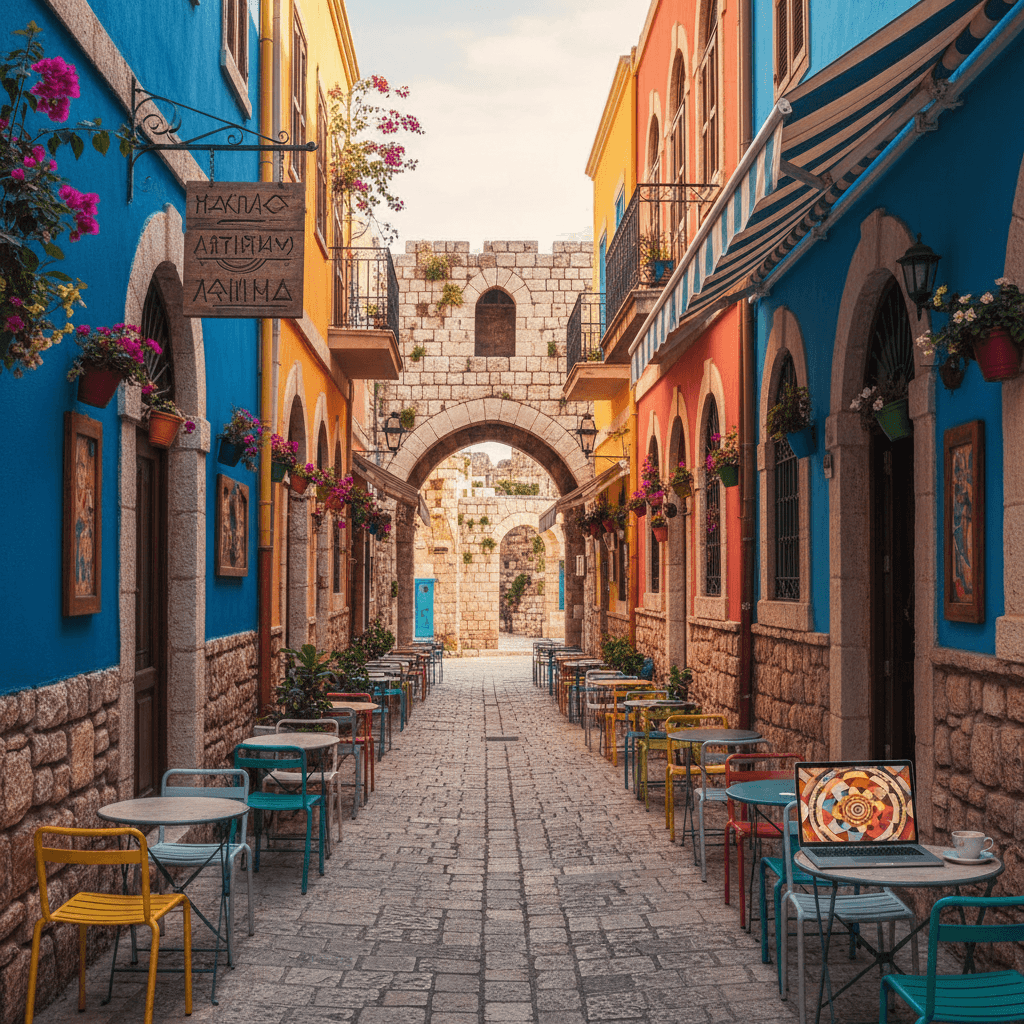
Byblos
🇱🇧 Lebanon
The Timeless Pull of Jbeil
Stepping into Byblos, or Jbeil as the locals call it, feels like walking through a living timeline that hasn't quite decided which century it wants to inhabit. One moment you are standing over a Neolithic settlement dating back to around 8800 BC, with Phoenician ruins from ~3000-1200 BC, and the next, you are sipping a chilled Almaza on a medieval harbor wall. It is one of the oldest continuously inhabited cities on earth, but don't expect a dusty museum. The vibe here is surprisingly laid back, defined by a salty Mediterranean breeze and a pedestrian friendly layout that makes it feel more like a coastal village than a historic heavyweight.
Most nomads find that Byblos hits a specific sweet spot. It lacks the frantic, high octane energy of Beirut, but it offers more soul than the purely party focused beach clubs of nearby Batroun. There is a tangible sense of down to earth hospitality here. You will feel it when a shopkeeper in the Old Souk offers you coffee while you browse, or when the staff at The Rock pile your table high with enough tabbouleh and kibbeh to feed a small army for about $10.
The Daily Grind and Coastal Flow
Life for a remote worker in Byblos revolves around the Old Town. While there aren't dedicated coworking spaces within the city walls, the cafe culture is strong. You will see people with laptops tucked away on stone terraces near the Crusaders Castle during the morning lulls between 8:00 AM and 10:00 AM. The internet is generally reliable enough for video calls if you use a local SIM or an eSIM from providers like GrabaSIM, though many nomads prefer to save their heavy lifting for the quieter weekdays to avoid the weekend tourist rush.
When the sun starts to dip, the Port Area becomes the focal point. It is less about wild nightlife and more about "beachside bliss" as travelers often describe it. You will find people gathered at harbor bars or seafood spots like Byblos Fish Market, where a fresh catch dinner usually runs around $20. It is a place where the social scene happens naturally over shared meze rather than through organized meetup groups.
Cost of Living Breakdown
Byblos isn't the cheapest stop in Lebanon, but it offers solid value for the atmosphere you get. Most travelers budget based on these three tiers:
- Budget/Backpacker: Expect to spend about $41 per day. This covers stays in basic guesthouses, eating street food, and using the local buses that run from Beirut for about $2.
- Mid-range Nomad: Budget around $93 per day. This gets you a nice Airbnb in the historic center, mid-range meals at places like Restaurant Byblos, and plenty of coffee shop sessions.
- Comfortable/High-end: Around $276 per day. This covers upscale boutique hotels, private tours of the ruins, and high end seafood dining at the port.
Where to Plant Your Flag
The neighborhood choice in Byblos is straightforward because the city is so compact. If you aren't within walking distance of the historic core, you are missing the point of being here.
Old Town & Old Souk
- The Draw: This is the heart of the action. It has a walkability score of 75/100, meaning you won't need a car. You are steps away from the castle, the souks, and the best cafes.
- Rent: Short term stays average $80 a night, but monthly studio rentals typically range from $500 to $800.
- The Trade-off: It can get noisy on Friday and Saturday nights when domestic tourists flock in from Beirut.
Port Area
- The Draw: Unbeatable sea views and a serene, historic atmosphere. It is perfect if you want to wake up to the sound of fishing boats.
- Rent: Housing is limited here and prices stay high due to the prime location.
- The Trade-off: Very little in the way of grocery stores or practical amenities; you will be walking to the Souk for your basics.
Practical Realities
The best time to visit is during the shoulder seasons of March, April, or October, when temperatures hover between 15°C and 25°C. Avoid July and August if you can, as the humidity can be stifling. While English and French are widely spoken in the tourist zones, learning a few words of Levantine Arabic goes a long way. A simple "Shukran" for thank you will always earn you a wider smile.
Safety is stable, especially within the pedestrian zones of the Old Town. Locals are protective of their city's reputation and are generally very welcoming to foreigners. Just remember that the banking system in Lebanon can be volatile; carry enough cash in USD, which is widely accepted and often preferred over cards. For health needs, pharmacies are tucked into the souks, but for anything serious, you will likely head to Beirut, which is a 30 to 45 minute drive away depending on the notorious coastal traffic.
The Price of Ancient Living
Byblos isn't the cheapest spot in Lebanon, but it provides a unique value for those who want to live inside a UNESCO World Heritage site without the overwhelming chaos of Beirut. Most nomads find the cost of living manageable if they stick to local habits, though the tourist heavy Old Town can drain a budget quickly if you aren't careful. You should expect to pay a premium for the convenience of being within walking distance of the Mediterranean and the historic ruins.
Daily budgets vary wildly depending on your lifestyle. A budget traveler can get by on roughly $41 a day by using public buses and eating street food. If you want a private apartment and regular restaurant meals, plan for a mid range budget of around $93. For those seeking luxury hotels and high end seafood dinners at the port, daily costs can easily climb to $276 or more.
Accommodation and Neighborhoods
Living in the Old Town or the Old Souk is the gold standard for travelers. It has a high walkability score of 75/100, meaning you rarely need a car. Short term rentals here usually hover around $80 per night, but if you're staying for a month, you can often negotiate a studio or one bedroom apartment via Airbnb for between $500 and $800. It's noisier in the evenings, but you're steps away from the best cafes.
The Port Area is even more atmospheric but has much tighter housing inventory. It's perfect if you want harbor views, though prices stay high year round due to its popularity with weekenders from Beirut. If you move toward the outskirts, prices drop significantly, but public transport becomes unreliable, forcing you to rely on taxis.
Food and Dining Costs
Eating out is one of the highlights of Jbeil. You can grab a quick coffee and street food snack for $2 to $10. For a proper sit down meal, The Rock is a favorite for mid range meze spreads that cost about $10 per person. If you're celebrating, expect to pay $20 or more for fresh catch at Byblos Fish Market or Restaurant Byblos. Vegetarian nomads will find plenty of affordable options like tabbouleh and kibbeh at almost every local spot.
Connectivity and Logistics
While there aren't dedicated coworking spaces in Byblos yet, the cafe culture is strong. Most nomads set up shop on the terraces in the Old Souk during the quiet morning hours between 8:00 AM and 10:00 AM. For reliable data, skip the hunt for local shops and use an eSIM from GrabaSIM to get connected immediately upon arrival.
Transportation is relatively cheap if you use the local buses to get to nearby towns like Batroun or Tripoli, with fares usually around $2. For getting to the airport in Beirut, a taxi or private transfer will typically cost between $20 and $30 for the 45 minute drive. Within the city center, your best bet is walking; the pedestrian zones are well maintained and much more enjoyable than sitting in traffic.
Practical Spending Tips
- Cash is King: While some places take cards, Lebanon's banking system can be volatile. Carry USD for most transactions and use ATMs sparingly.
- Entrance Fees: Budget $9 (approx. LBP 800,000, prices fluctuate due to currency) for a visit to the Crusaders Castle.
- Timing Your Stay: Visit in March, April, or October to avoid the July and August heat and the higher prices of the peak summer tourist season.
- Water: Never drink the tap water. Factor in a small daily cost for bottled or filtered water.
For Digital Nomads
If you're looking for that sweet spot between ancient history and a functional workspace, the Old Town (Old Souk) is your primary base. It's the most walkable part of the city with a walkability score of 75/100, meaning you won't need a car for your daily routine. Most nomads find that while there aren't dedicated coworking spaces in Byblos yet, the cafe culture on the terraces near Byblos Castle more than makes up for it. You'll see people working on laptops during the quieter windows of 8:00 AM to 10:00 AM or late in the afternoon.
- Rent: Budget around $500 to $800 a month for an Airbnb or a studio apartment. Short term stays usually hover around $80 a night.
- Internet: Reliable enough for vlogging and video calls if you stick to the main tourist hubs. Most expats recommend grabbing a local SIM or a GrabaSIM eSIM to stay tethered during power fluctuations.
- Vibe: It's lively and historic, though it can get a bit loud on weekend evenings when the souks fill up with visitors.
For Solo Travelers
Solo travelers usually gravitate toward the Port Area and the pedestrian streets of the Old Souk. It's incredibly safe, and the down to earth hospitality of the locals makes it easy to strike up a conversation. You'll find plenty of other travelers hanging out at the port bars or grabbing a quick bite at The Rock, which is famous for massive meze spreads that can easily feed a group but are great for meeting people. The area is compact, so you won't feel isolated, and the $41 daily backpacker budget is manageable if you stick to street food and local buses.
- Safety: Very high in the pedestrian zones. Just avoid the unlit outskirts of the city after dark where public transport is non existent.
- Food: Street food like manousheh or falafel costs between $2 and $10. If you want a sit down meal at Byblos Fish Market, expect to pay $20 or more.
- Transport: Buses to Beirut or Batroun are cheap at about $2, making it a great hub for day trips.
For Families and Long-Term Expats
Byblos doesn't have traditional expat enclaves, so families often look for quieter stone houses or modern apartments just slightly uphill from the Old Town. This gives you a break from the tourist crowds while keeping the Mediterranean views. While the city is one of the oldest in the world, the lifestyle for families is surprisingly relaxed. You'll spend weekends at the beach or exploring the Crusaders Castle, which has a 8,000 LBP entry fee. For major healthcare needs, most expats make the 30 to 45 minute drive to Beirut, as the local pharmacies are better suited for minor ailments.
- Daily Costs: A comfortable family lifestyle usually runs about $276 a day including upscale dining and better accommodations.
- Climate: Aim for March, April, or October. The summer heat in July and August can hit 31°C with high humidity, which makes walking with kids a bit of a chore.
- Practicality: You'll want to use apps like Bolt or Careem for trips into Beirut, as local taxi prices can be unpredictable for foreigners.
For Beach Seekers
The Port Area is the undisputed king for anyone who wants to wake up to the sound of the sea. It's a mix of serene mornings and vibrant nights. Travelers often say this area feels more like a Mediterranean village than a city. While housing is limited right on the water, the proximity to the historic harbor and the local fish restaurants like Restaurant Byblos makes it the most desirable spot for a short, sun drenched stay. Just be prepared for the seasonal crowds that flock here during the summer months.
The Connectivity Reality
Working from Byblos requires a bit of a shift in mindset. You won't find the glass-walled, high-tech coworking hubs that dominate cities like Lisbon or Bali here. Instead, the digital nomad experience in Byblos is woven into the fabric of its ancient streets. Most remote workers treat the cafes lining the Old Souk and the terraces overlooking the Port Area as their makeshift offices. While the infrastructure is fair, it's not always seamless. You'll want to have a backup plan for those moments when the local cafe WiFi decides to take a siesta.
Mobile data is your best friend in Lebanon. Travelers consistently report that 4G coverage is reliable enough for video calls and uploading vlogs, even when the fixed line internet in older buildings fluctuates. Before you even check into your Airbnb, grab an eSIM from a provider like GrabaSIM. Having 10GB to 20GB of dedicated data ensures you aren't tethered to a spotty router while trying to hit a deadline. If you're planning a longer stay, local SIM cards are affordable, but an eSIM saves you the hassle of hunting down a shop in the souk on day one.
Where to Set Up Your Laptop
Since dedicated coworking spaces are practically non-existent in Byblos, you'll be joining the local "cafe office" culture. Most nomads gravitate toward the area near Byblos Castle. The cafes here are accustomed to people lingering over a coffee for a few hours, especially during the quieter windows of 8:00 AM to 10:00 AM or the late afternoon between 4:00 PM and 6:00 PM. Weekdays are significantly more productive than weekends, when the city fills with tourists and the noise levels in the souk spike.
- Old Souk Terraces: These spots offer the best atmosphere but can be hit-or-miss with power outlets. Always charge your devices fully before heading out.
- Port Side Cafes: Ideal for low-intensity tasks. The sea breeze and harbor views are great for inspiration, though the glare from the Mediterranean sun might make your screen hard to see at midday.
- Beirut-area hubs: If you have a heavy week of meetings or need high-speed fiber, many nomads make the 45-minute trip south to Beirut-area hubs like Antwork in Beirut or 961Offices in Jal el Dib [5][6] which offer daily passes and guaranteed uptime.
Digital Infrastructure and Practicalities
Power stability is a frequent topic of conversation among expats in Lebanon. While Byblos is generally well-managed, it's smart to ask your host if their property has a generator or a "UPS" (Uninterruptible Power Supply) for the router. Most mid-range rentals and hotels in the $80 per night range will have these systems in place, but it's always worth a quick message to confirm before you book a month-long stay.
For your digital toolkit, keep these specifics in mind:
- Data Costs: Expect to spend roughly $15 to $30 per month on a solid data plan depending on your usage.
- VPN Usage: While the internet is generally open, a VPN is recommended for security on public cafe networks and to access home-based banking services that might flag a Lebanese IP address.
- Communication: WhatsApp is the universal language for everything here. You'll use it to book apartments, order food, and talk to local friends.
- Fintech: Since the local banking system can be volatile, most nomads rely on Wise or Revolut for international transfers and keep plenty of USD cash on hand for daily expenses.
Living and working in Byblos is about the lifestyle trade-off. You might trade a second monitor and an ergonomic chair for a view of 8,000-year-old ruins and a $2 espresso. It's a slower pace that suits creative types and those who don't mind a little bit of "organized chaos" in their daily routine.
Staying Safe in the Ancient City
Byblos is widely considered one of the safest spots in Lebanon for digital nomads and slow travelers. The atmosphere in the Old Town and around the Port Area is remarkably laid back, even by Mediterranean standards. Locals are famously hospitable, and you'll likely find yourself being invited for coffee or guided to a specific shop by someone you just met on the street.
While the crime rate is very low, it's smart to stick to the well lit pedestrian zones after dark. The outskirts of the city can get a bit dim at night due to occasional infrastructure quirks, so keeping your evening strolls confined to the Old Souk or the harbor is the way to go. Most travelers report feeling perfectly comfortable walking alone, though it's always good practice to keep an eye on your belongings in crowded market areas.
- Emergency Services: Dial 112 for police or general emergencies.
- Local Vibe: Down to earth and welcoming; the city feels more like a coastal village than a frantic urban hub.
- Walking: Stick to the cobblestone streets of the historical center where foot traffic is the priority.
Healthcare and Wellness
For minor ailments, you'll find plenty of pharmacies scattered throughout the Old Souk and the modern parts of Jbeil. Pharmacists here are generally well trained and many speak excellent English or French, making it easy to grab over the counter meds. However, for anything serious, you'll likely need to head to Beirut. The capital is about a 30 to 45 minute drive away and houses the country's top tier medical facilities and specialists.
One non negotiable rule for staying healthy here: don't drink the tap water. Even locals avoid it for drinking. Stick to bottled water for everything, and if you're staying long term in an Airbnb, consider buying the large 10 to 20 liter jugs. It's also a good idea to use filtered or boiled water for brushing your teeth if you have a sensitive stomach.
Practical Health Tips
- Hydration: Bottled water is cheap and available at every corner "dekene" (mini market) for about $1.
- Insurance: Make sure your travel insurance covers private hospital care in Beirut, as public facilities can be underfunded.
- Sun Protection: The Mediterranean sun is no joke from June to August; high SPF and a hat are mandatory if you're exploring the ruins at Byblos Castle.
Digital Nomad Security
Since there aren't many dedicated coworking spaces in Byblos yet, most nomads work from cafes overlooking the sea. While it's generally safe to leave your laptop on the table for a minute to grab a refill, it's better to ask a neighbor to watch it or just take it with you. For connectivity, grab an eSIM from a provider like GrabaSIM before you arrive. It ensures you have a backup data source if the cafe's WiFi gets spotty during a power shift, which can happen occasionally in Lebanon.
Most travelers find that the biggest "risk" in Byblos is simply losing track of time in a seaside cafe. As long as you respect local customs, such as dressing modestly when visiting religious sites or older residential areas, you'll find the social environment incredibly supportive and secure.
The Pedestrian Pace
Byblos is a city built for walking. It has an impressive walkability score of 75/100, particularly within the historic core where vehicle traffic is limited and the stone-paved streets invite a slower tempo. Most nomads find they rarely need a car if they stay within the Old Town or near the Port. You can easily transition from a morning coffee in the Old Souk to a sunset walk along the medieval harbor in under ten minutes.
The layout is intuitive. The ancient ruins, the Crusader Castle, and the coastal restaurants are all clustered together. While the outskirts can get hilly and lack proper sidewalks, the central tourist zone is a breeze to navigate on foot. Just wear sensible shoes; those Phoenician era stones can be slippery when the humidity kicks in.
Regional Connections
Getting to Byblos from Beirut is straightforward. The city is about 37 kilometers north of the capital, and the drive typically takes 45 to 60 minutes depending on the notorious coastal traffic. Expect to pay between $50 and $70 for a private taxi or transfer from Beirut Rafic Hariri International Airport.
For those on a tighter budget, the public buses that run along the coastal highway are a reliable alternative. A ride from Beirut generally costs around $2. These buses are a staple for backpackers and locals alike, though they don't follow a strict digital timetable. You simply head to the highway and flag one down heading north toward Tripoli.
Apps and Ride-Hailing
While Byblos itself is small, you might want a ride for day trips to nearby Batroun or up into the mountains. Local ride-hailing isn't as saturated as in Beirut, but you can still use apps like Bolt or Careem to find drivers in the area. Prices for short hops around the outskirts usually hover around $2 to $5.
If you are planning to explore the Chouf Reserve or the Cedars, renting a car is the most practical move. However, driving in Lebanon requires a certain level of assertiveness and a tolerance for creative lane usage. Most expats recommend hiring a local driver for the day if you aren't comfortable with the local road etiquette.
Practical Transport Tips
- Cash is King: Always keep small denominations of USD or Lebanese Pounds on you for bus fares and taxis. Digital payments for transport are still rare.
- Walking Tours: Because the history is so dense, many travelers recommend a guided walking tour of the Old Town (usually $7 for castle entry) to get your bearings before exploring solo.
- Airport Strategy: If you're heading back to the airport, leave at least two hours before your check-in time. The highway can bottleneck unexpectedly near Jounieh.
- Connectivity: To keep your maps working while you wander the souks, grab an eSIM from GrabaSIM. It's much easier than hunting for a physical SIM shop in the middle of a workday.
Day Trip Logistics
Byblos serves as an excellent launchpad for northern explorations. Batroun is only 15 to 20 minutes further north and is famous for its lemonade and beach clubs. You can catch a local bus for a couple of dollars or split a taxi with other travelers. For those looking for a more rugged experience, the trip to Tripoli offers a grittier, more authentic look at Lebanese city life and is easily accessible via the same coastal transit line.
Daily Communication
In Byblos, you'll find a linguistic landscape that reflects Lebanon's history as a crossroads of civilizations. While Arabic is the local tongue, specifically the melodic Levantine dialect, the city is remarkably accessible for English speakers. Because the Old Town depends heavily on tourism and international visitors, most shopkeepers, restaurateurs, and younger locals speak moderate to high levels of English. You won't have much trouble ordering a coffee in the souks or negotiating a price for a handmade rug.
French remains a prestigious second language across the country, and you'll often hear older residents or professionals switching between Arabic and French mid-sentence. If you have a basic grasp of French, it can be a helpful backup, though English has largely overtaken it among the Gen Z crowd and the digital nomad community. Travelers often find that even if there's a slight language gap, the local hospitality is so proactive that someone will always step in to help you find your way.
Essential Phrases for Your Kit
While you can get by with English, learning a few Arabic basics goes a long way in building rapport with the locals. It shows respect for the culture and often leads to better service or even an extra piece of baklava. Start with these:
- Shukran: Thank you. You'll use this constantly.
- Min fadlak: Please (when addressing a male) or Min fadlik: (when addressing a female).
- Marhaba: A simple, friendly hello.
- Yalla: Let's go or hurry up. You'll hear this everywhere from taxi drivers to parents.
- Habibi: Literally my dear. It is used casually between friends or even by shopkeepers.
Digital Tools and Connectivity
To bridge any remaining gaps, keep Google Translate downloaded on your phone with the Arabic offline pack. It is particularly useful for reading handwritten menus at smaller street food stalls or signs in less touristy areas. For data, nomads usually skip the hassle of local storefronts and use GrabaSIM for an eSIM. This ensures you have data the moment you arrive from Beirut, which is vital for using maps or translation apps while walking the winding alleys of the Old Souk.
Social Etiquette and Non-Verbal Cues
Communication in Byblos isn't just about the words you speak; it's about the pace of interaction. Expect conversations to be slower and more personal. If a shop owner offers you a coffee or a seat, it is often a genuine gesture of welcome rather than a high-pressure sales tactic. Declining too abruptly can sometimes seem rude, so a polite "Shukran" with a hand over your heart is a respectful way to say no.
Modesty is also a form of communication here. While Byblos is a relaxed seaside town where beachwear is fine by the water, you should dress more conservatively when visiting religious sites or the historic ruins. Keep a light scarf or a shirt that covers your shoulders in your bag. Most nomads find that matching the local level of dress leads to more authentic and respectful interactions with the residents who call this 8,000-year-old city home.
Staying Connected
If you need to make a local call or coordinate with a guesthouse, WhatsApp is the undisputed king of communication in Lebanon. Almost every business, from the high-end Byblos Fish Market to the smallest cafe in the souk, uses it for bookings and inquiries. Don't bother with traditional SMS; just save the local number and send a message. Most cafes in the pedestrian zones have decent WiFi, though speeds can fluctuate, so having that 4G backup via your eSIM is the smartest way to stay reachable while you're working from a terrace overlooking the Mediterranean.
The Mediterranean Sweet Spot
Byblos hits that classic Mediterranean balance where the air smells like salt and ancient stone. Because it sits right on the coast, you get a climate that's remarkably consistent, though the humidity can catch you off guard if you time your visit poorly. Most nomads and long term travelers find that the city is at its best when the sea breeze is cool enough to make walking the Old Souk a pleasure rather than a sweat-inducing chore.
The sweet spot for visiting falls in March, April, and October. During these shoulder months, temperatures hover comfortably between 15°C and 25°C. It's the ideal window for exploring the Crusader Castle ruins without the summer sun beating down on the exposed stone. You'll find the outdoor terraces at spots like The Rock are lively but not overcrowded, and the light is perfect for capturing the harbor at sunset.
Summer Heat and Winter Rains
If you're planning a trip during peak summer, be prepared for a different pace. July and August are the hottest months, with temperatures frequently climbing to 31°C. The humidity makes the Old Town feel much warmer than the thermometer suggests. During this time, the city shifts its energy to the evenings. Locals and visitors tend to stay indoors or by the water during the day, emerging after 6:00 PM when the port bars and seafood restaurants like Byblos Fish Market come to life.
Winter brings a different set of challenges. The rainy season kicks off in November and runs through March, with January usually being the coolest month at around 11°C. While it rarely gets "cold" by northern standards, the dampness from the sea can make the stone buildings in the historic center feel quite chilly. Many of the more seasonal beachside cafes might scale back their hours, but the trade-off is having the UNESCO sites almost entirely to yourself.
Seasonal Planning for Nomads
When you're mapping out your stay, keep these seasonal realities in mind:
- Spring (March to May): The hills behind the city are green, and the 15°C to 22°C weather is perfect for day trips to the Chouf Reserve or the Cedars.
- Summer (June to August): Best for those who want the "beachside bliss" vibe. Expect high prices for Airbnbs, often reaching $80 a night, and crowded pedestrian zones.
- Autumn (September to November): The water remains warm enough for swimming well into October, but the tourist crowds thin out significantly.
- Winter (December to February): Expect gray skies and rain. It's the cheapest time to secure a monthly rental, but you'll miss out on the vibrant outdoor cafe culture that defines the city.
Travelers often say that Byblos feels like a different city depending on the month. In the spring, it's a quiet, historic retreat for writers and digital nomads. By August, it transforms into a high energy coastal party hub. If you want to work from a terrace with a view of the Crusader Castle, stick to the shoulder seasons to avoid the midday heat and the loudest of the tourist groups.
Getting Around and Staying Connected
Byblos is one of the most walkable spots in Lebanon. The Old Town and the souks are almost entirely pedestrian friendly, with a walkability score around 75/100. You won't need a car if you're staying central; your own two feet will get you from the Crusader Castle to the harbor in under ten minutes. For longer trips, like heading down to Beirut or north to the surf spots in Batroun, local buses cost about $2. If you need a private ride, download Bolt or Careem, though these are more reliable for pickups coming from Beirut. A taxi from the airport usually runs between $20 and $30 and takes about 45 minutes depending on the coastal traffic.
Digital nomads usually set up shop in the cafes lining the Old Souk or near the castle. While there aren't dedicated coworking spaces in the city center yet, the cafe culture is welcoming to laptops during the weekday mornings between 8:00 AM and 10:00 AM. For reliable data, skip the local physical SIM hassle and grab an eSIM from GrabaSIM before you land. Most travelers find the 4G coverage strong enough for video calls and uploading vlogs from the port side terraces.
Cost of Living and Neighborhoods
Living in the heart of the history comes with a premium. Most nomads gravitate toward the Old Town or the Port Area for the atmosphere, though it can get noisy on weekend evenings. If you're looking for a monthly stay, expect to pay between $500 and $800 for a studio or one bedroom apartment on Airbnb. Short term hotel stays in these prime spots average around $80 a night.
Daily Budget Estimates
- Backpacker: $41 (Hostels, street food like manakish, and public buses).
- Mid-range: $93 (Airbnb stays, sit down mezze lunches, and museum entries).
- Comfortable: $276 (High end hotels, upscale seafood dinners, and private drivers).
For food, you can eat well on any budget. A quick coffee or street snack costs between $2 and $10. A full spread of mezze at The Rock will run you about $10, while a high end fish dinner at Byblos Fish Market or Restaurant Byblos typically starts at $20. Don't skip the local kibbeh; it's a staple here and usually very affordable.
Health, Safety, and Language
The vibe in Byblos is incredibly laid back and safe. Locals are famously hospitable, and solo travelers rarely report issues in the pedestrian zones. Stick to the well lit areas of the souk at night and avoid the unlit outskirts just to be safe. For healthcare, you'll find plenty of pharmacies in the souk for minor issues. If anything serious comes up, the major hospitals are in Beirut, about a 30 to 45 minute drive away. Remember that tap water isn't drinkable here; always stick to bottled or filtered water.
Arabic and French are the primary languages, but because Byblos is a major stop on the tourist trail, English proficiency is quite high among shopkeepers and waiters. Learning a few words goes a long way. Use Shukran for thank you and Min fadlak for please. When visiting religious sites or older residential neighborhoods, it's respectful to dress modestly, covering shoulders and knees.
Weather and Timing
The sweet spot for a visit is during the shoulder seasons. March, April, and October offer mild temperatures between 15°C and 25°C, perfect for exploring the ruins without melting. The peak of summer in July and August gets hit with heavy humidity and temps topping 31°C, which can make the walk up to the castle pretty draining. Winters are cool and rainy, especially in January, when temperatures dip to around 11°C. Most expats recommend the spring months when the coastal breeze is freshest.
Need visa and immigration info for Lebanon?
🇱🇧 View Lebanon Country GuideHidden Gem
Worth the effort