Bursa
🇹🇷 Turkey
The Green Soul of Turkey
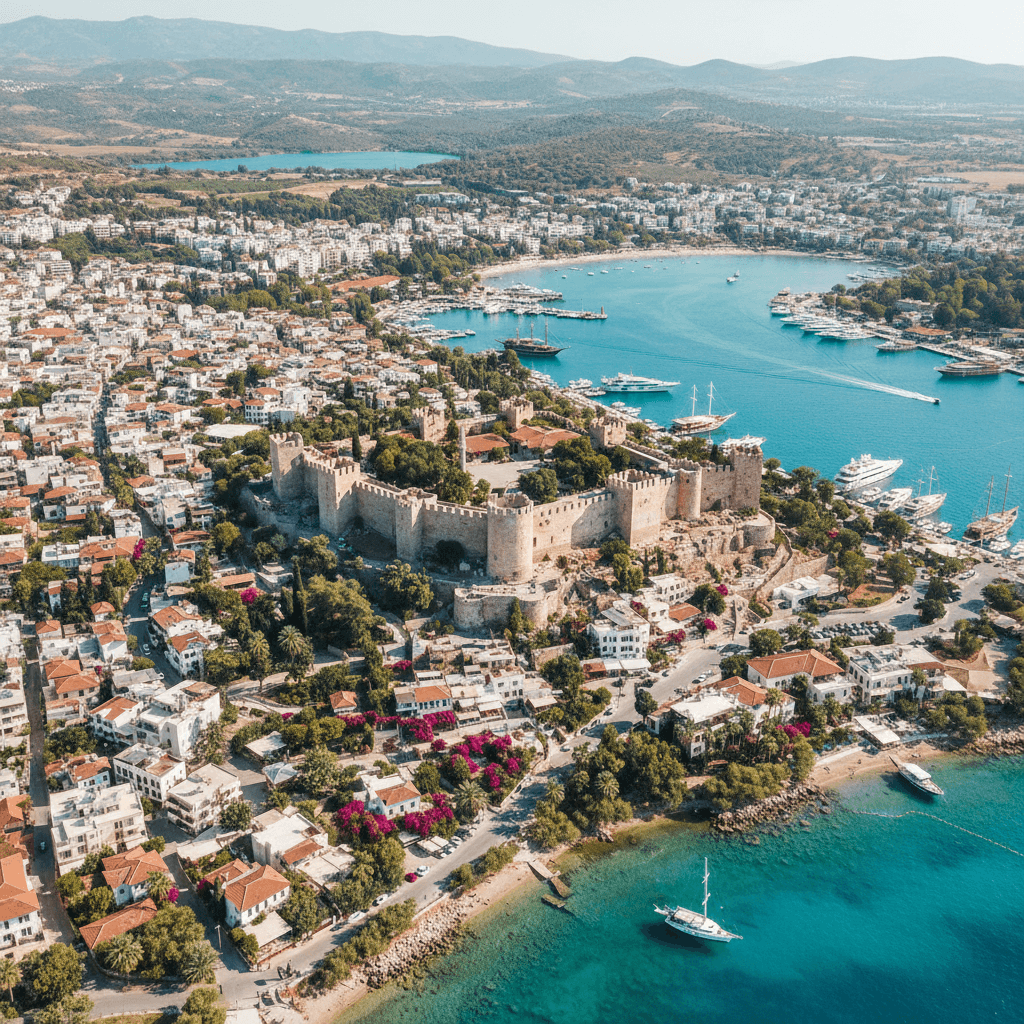
Bursa is often overshadowed by the chaotic energy of Istanbul, but for nomads who want a slower pace without sacrificing urban infrastructure, it is a breath of fresh air. Known as Yeşil Bursa or Green Bursa, the city sits at the base of the Uludağ mountain range. You will notice the difference in air quality immediately. While Istanbul feels like a concrete jungle, Bursa feels like a garden city where the Ottoman Empire first took root.
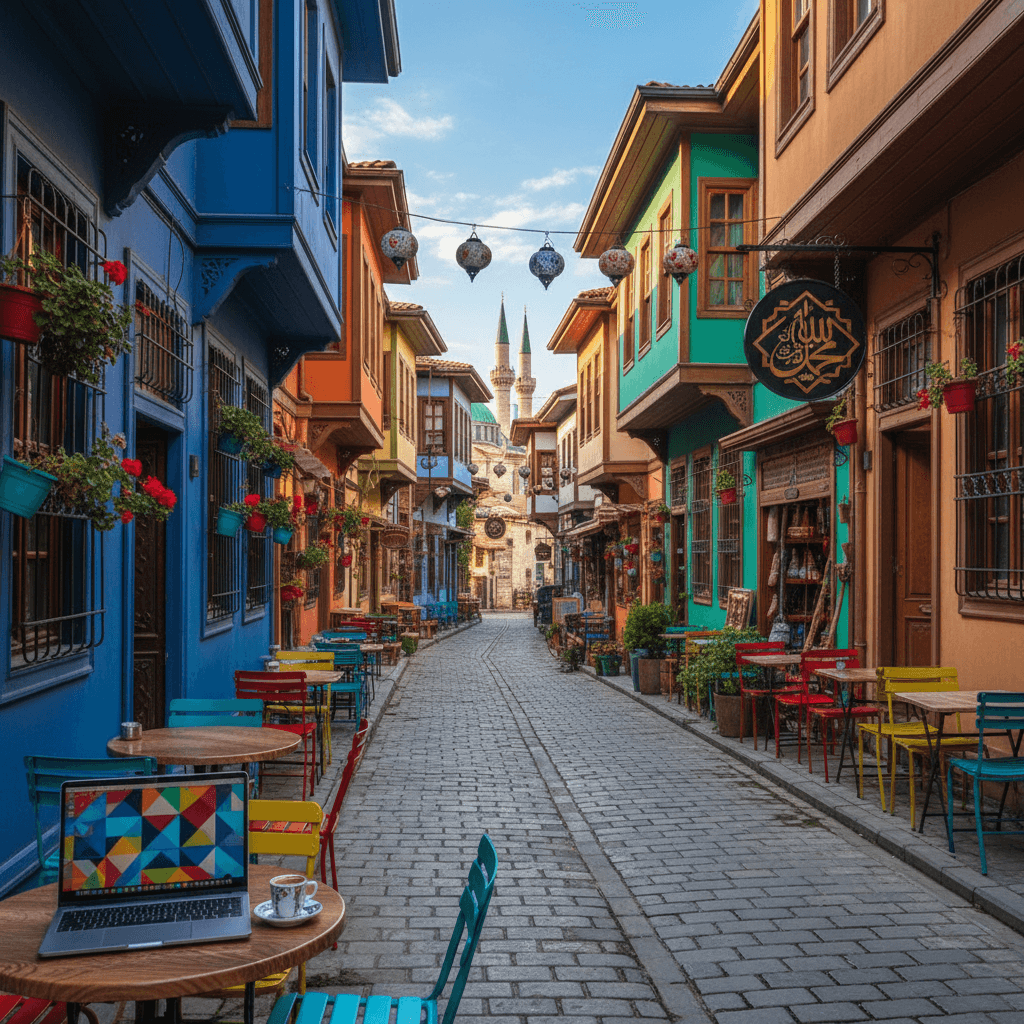
The vibe here is grounded and traditional. It is not a party town, and it does not try to be. Instead, it offers a sense of stability and historical depth. You will find yourself working from a modern cafe in the morning and soaking in a 600 year old thermal bath by the afternoon. It is a place for deep work, long walks through silk markets, and weekend trips up the mountain cable car.
A Growing Nomad Hub
Bursa is currently in that sweet spot where it is developed enough to have reliable infrastructure but hasn't been overrun by the typical digital nomad crowds. It is becoming a favorite for foreign entrepreneurs who appreciate the business climate and the proximity to Istanbul, which is only a two hour ferry ride away. You get the benefits of a major metropolitan area with significantly lower stress levels.
The local community is welcoming, though it leans more conservative than Izmir or Bodrum. You will see a mix of young university students, traditional artisans, and a growing tech crowd. It is the kind of city where people still take their time over tea, and the local shopkeepers will likely remember your face after two visits.
The Daily Rhythm
Life here revolves around the seasons. In the winter, the city serves as a base for skiers hitting the slopes of Uludağ. In the spring and summer, the focus shifts to the lush parks and the nearby coast. Expats and long term travelers generally gravitate toward central hubs like Cumhuriyet or the historic Tophane district. These areas give you a front row seat to the city's history while keeping you close to the modern amenities you need to stay productive.
Most nomads find that the work life balance comes naturally here. The city layout encourages walking, and the presence of massive green spaces means you are never far from a place to clear your head. It is a city that invites you to be present rather than constantly chasing the next big event.
Workspace and Connectivity
You won't have to hunt hard for a decent place to plug in. The city has embraced the remote work trend with several high quality spaces. You can find reliable desks and community events at spots like:
- Nextlab: A favorite for those looking for a modern, tech focused environment.
- Workinton Bursa: Part of a well known Turkish chain, great for consistent standards and networking.
- Regus: Located in the business districts, ideal for those who need a more formal office setting.
Internet speeds are generally solid for Turkey. Most nomads report fixed line speeds around 31 Mbps, though you can get much higher at dedicated coworking spaces. Mobile data is cheap and reliable, with Turkcell being the preferred provider for those who need consistent 4G or 5G coverage while exploring the outskirts of the city.
The Culinary Scene
You cannot talk about the vibe of Bursa without mentioning the food. This is the birthplace of the Iskender Kebab, and the city takes its culinary heritage seriously. The food scene is a mix of high end international restaurants and humble street stalls. You will spend your lunch breaks eating fresh produce from the local markets or sitting in a centuries old courtyard sipping Turkish coffee. It is an affordable luxury that makes the daily grind feel much more manageable.
The General Vibe on Spending
Bursa sits in a sweet spot for nomads who want the perks of a major Turkish city without the Istanbul price tag. You'll find your money goes significantly further here than in the capital or the coastal tourist traps. While inflation has been a factor across Turkey, Bursa remains a place where a middle class lifestyle is accessible on a modest remote work budget. Most nomads find they can live quite comfortably on $1,200 to $1,500 per month, though you can definitely scrape by on less if you're sticking to local lokantas and shared housing.
Housing and Neighborhoods
Rent will be your biggest variable. Prices fluctuate based on how modern the building is and whether you're looking for a short term furnished flat or a long term lease. If you're looking for a central base, you'll likely start your search in Cumhuriyet or Tophane. These areas are convenient for walking to the historical sites and getting your bearings.
- Cumhuriyet: A one bedroom apartment here typically runs between $400 and $600 per month for a furnished spot. It's a solid choice for those who want to be near the action.
- Tophane: Expect to pay around $400 to $600. It has a slightly more traditional feel but keeps you close to the parks and old city charm.
- Nilüfer: This is the modern face of Bursa. It's further out but popular with expats and young professionals. Rents here for a high end "residence" style apartment with amenities can hit $700 or more, but the infrastructure is excellent.
Eating and Drinking
The culinary scene is where Bursa really shines, especially if you're a fan of the legendary Iskender Kebab. Eating out is very affordable if you avoid the places specifically catering to tourists near the Grand Mosque. A meal at a local "Esnaf Lokantası" (tradesman restaurant) will cost you about $5 to $8 for a hearty plate of home cooked food. If you're heading to a mid range restaurant for a three course dinner, expect to pay around $15 to $22 per person.
Grocery shopping is a bargain if you stick to the local markets and chains like BIM, A101, or Migros. A weekly grocery haul for one person usually lands between $30 and $50. Coffee culture is growing too; a latte at a specialty cafe or a coworking space like Workinton will set you back about $2.50 to $3.50.
Workspaces and Connectivity
Since you'll likely be spending a lot of time in coworking spaces, factor these into your monthly burn. Prices are competitive compared to Europe or North America. Most spaces offer daily, weekly, and monthly passes.
- Workinton Bursa: A monthly hot desk usually costs around $100 to $130. This is a premium option with great networking.
- Nextlab: Often slightly more affordable, with monthly memberships starting around $80.
- Internet: If you're setting up your own home office, a high speed Turkcell Superonline fiber package (up to 100 Mbps) costs roughly $12 to $20 per month, depending on the contract length.
Transport and Extras
Bursa is a big city, but the public transport system is reliable and cheap. Using the Bursaray metro or local buses is the way to go. A single trip is less than $0.60. If you're a fan of the traditional Turkish bath, a session at one of the historic thermal hammams will cost between $15 and $30, which is a small price to pay for a piece of local history. Overall, your "fun money" goes a long way here, allowing for frequent weekend trips to Uludağ or the nearby villages without breaking the bank.
For the Central Nomad: Tophane and Cumhuriyet
If you want to be in the thick of things, Tophane is the place to plant your flag. It sits on a hill overlooking the city and puts you within walking distance of the historic Clock Tower and the tombs of the Ottoman Empire founders. Nomads gravitate here because it feels like the soul of Bursa. You can spend your mornings working from a cafe with a panoramic view of the valley before heading down to the Silk Market for a lunch break.
Cumhuriyet is the pragmatic choice for those who need to be near the action but prefer a slightly more modern residential feel. It is a fantastic starting point because the transit links are solid, making it easy to get to coworking hubs like Workinton Bursa or Nextlab. The neighborhood is dotted with local eateries where you can grab a quick bite without breaking your budget. It is the kind of area where you can find a reliable apartment and feel like a local within a week.
- Vibe: Historic, central, and high energy.
- Best for: Short term stays and those who want everything within walking distance.
- Workspace: High density of laptop friendly cafes and easy access to Regus.
For the Long Term Expat: Nilüfer
Nilüfer is where most expats eventually migrate once they realize they are staying for more than a month. It is the modern face of Bursa, characterized by wide boulevards, newer apartment complexes, and a westernized atmosphere. This district feels less like an ancient silk road stop and more like a contemporary European suburb. It is cleaner, quieter, and arguably the most comfortable place to live if you are working a 9 to 5 remote job.
The social scene here revolves around Fatih Sultan Mehmet Boulevard, often just called FSM. You will find higher end dining, international brands, and a younger, professional crowd. It is also where you will find the best infrastructure for fixed internet, with providers like Turkcell delivering speeds up to 88 Mbps in the newer buildings. If you value a quiet night of sleep and a gym within a five minute walk, this is your spot.
- Vibe: Upscale, modern, and organized.
- Best for: Digital nomads staying 3+ months and those who prefer modern amenities.
- Connectivity: Best area for fiber optic internet installations.
For Families and Nature Lovers: Çekirge
Bursa is famous for its thermal springs, and Çekirge is the heart of that tradition. Families often choose this area because it is greener and offers a slower pace of life than the city center. The air feels fresher here, likely due to the proximity to the slopes of Uludağ mountain. It is a prestigious neighborhood with a mix of old world charm and luxury hotels that tap into the local hot springs.
Living here means you are close to the Culture Park (Kültürpark), which is a massive green space perfect for kids or a long afternoon walk. While it is a bit further from the main coworking spots, the peace and quiet make it an ideal choice for those who work from home and need a dedicated office room. You will find larger apartment layouts here compared to the cramped units in the historic center.
- Vibe: Relaxed, leafy, and restorative.
- Best for: Families and remote workers who prioritize wellness and quiet.
- Highlight: Easy access to traditional Turkish baths and the mountain cable car.
For the Budget Solo Traveler: Görükle
Görükle is the student hub of Bursa, located near Uludağ University. Because of the massive student population, this neighborhood is incredibly affordable and stays active late into the night. It has a distinct energy that the rest of the city lacks, with plenty of cheap street food, lively pubs, and budget friendly housing options. It is about as far from the "Old World" vibe as you can get, but it is great for meeting people.
Solo travelers on a tight budget will find the lowest rents here. The downside is the commute to the city center, which can take 30 to 45 minutes depending on traffic. However, if you don't mind the distance, you will enjoy a community that is very used to foreigners and young outsiders. The cafes here are very laptop friendly because they are designed for students cramming for exams.
- Vibe: Youthful, energetic, and very affordable.
- Best for: Solo travelers on a budget and social butterflies.
- Cost: Generally 20 to 30 percent cheaper than Nilüfer or Tophane.
Connectivity and Speeds
Bursa isn't Istanbul, and that's usually a good thing for your focus. While you won't find the hyper-fast fiber speeds of Levent or Kadikoy on every street corner, the infrastructure here is reliable enough for most remote roles. On average, you can expect fixed broadband speeds typically 50-100 Mbps or higher, while mobile data typically sits near 6 Mbps for uploads.
If your work involves heavy video rendering or constant Zoom calls, you'll want to be picky about your provider. Most expats recommend sticking with Turkcell. They generally offer the most consistent coverage across the city, with speeds ranging anywhere from 15 to 88 Mbps depending on your proximity to a tower. It's smart to pick up a local SIM card at the Kent Meydani Mall as soon as you arrive rather than relying solely on your accommodation's Wi-Fi.
Coworking Spaces
The remote work scene in Bursa has matured quickly over the last few years. You aren't relegated to working from your kitchen table anymore. There's a decent mix of international brands and local hubs that cater to different vibes.
- Workinton Bursa: Located in the Nilüfer district, this is the gold standard for many nomads. It's professional, has ergonomic chairs, and the coffee is actually drinkable. It's a great spot if you need a quiet environment to get through a deep-work sprint.
- Regus: You'll find them in the modern business districts. It's exactly what you'd expect from the brand; corporate, clean, and predictable. It's a solid backup if you need a formal meeting room to impress a client.
- Nextlab: This is the local favorite for entrepreneurs and tech types. It feels a bit more community-focused and less like a sterile office. It's a good place to network with Turkish founders and get a pulse on the local startup scene.
Café Culture and Public Wi-Fi
If you prefer the hum of a coffee shop, Bursa has plenty of options, especially around Tophane and Cumhuriyet. Many of the newer third-wave coffee shops in Nilüfer are very nomad-friendly. You'll see plenty of people with MacBooks open, and most staff won't mind if you linger for a few hours as long as you keep the lattes coming.
Public Wi-Fi exists in some parks and squares, but it's rarely fast enough for anything more than checking a map or sending a quick Slack message. For anything serious, you'll want to tether to your phone or head to a dedicated workspace. Most nomads find that the stability of a paid coworking desk is worth the investment to avoid the frustration of a dropped connection during a call.
Practical Tips for Staying Online
Power outages aren't a daily occurrence, but they can happen during heavy winter storms. If you're staying in an older building in the historical center, it's worth asking your host if they have a backup power solution or just ensuring your laptop and power banks are topped off.
- Get a VPN: Like anywhere else in Turkey, a reliable VPN is a standard part of the toolkit here to ensure you can access all your usual sites and services without hiccups.
- Language: While the staff at major coworking spaces usually speak English, having a translation app ready for smaller cafes is a lifesaver when asking for the Wi-Fi password.
- Data Plans: Look for "Prepaid Tourist" packages from Turkcell. They often come with large data buckets that are perfect for a one or two-month stay.
Staying Safe in the Green City
Bursa is generally much quieter and more relaxed than the frantic energy of Istanbul. Most nomads find it to be one of the safer large cities in Turkey. Violent crime is rare; you are much more likely to be offered a third cup of tea by a shopkeeper than to run into any real trouble. That said, petty theft like pickpocketing can happen in crowded spots like the Grand Bazaar or around the Ulu Cami, so keep your bag zipped and close to you in those high traffic areas.
Walking around central neighborhoods like Tophane or Cumhuriyet at night is usually fine. These areas stay well lit and active with families and students until late. If you are a solo traveler, you might get some curious stares in more traditional residential pockets, but it is rarely malicious. Stick to the main boulevards and well populated streets after dark and you will feel perfectly comfortable.
Traffic is probably your biggest safety concern. Drivers in Bursa can be aggressive, and pedestrian right of way is often treated as a suggestion rather than a rule. When crossing the street, even at a green light, make eye contact with drivers and wait for them to actually slow down before stepping out. If you plan on driving yourself, be prepared for narrow, winding roads once you head up towards Mount Uludag.
Healthcare and Medical Services
Bursa is a major medical hub in the Marmara region. You won't have trouble finding high quality care, and many doctors in the private sector speak excellent English. For anything beyond a minor scrape, expats usually recommend heading straight to private hospitals rather than the public ones to avoid long wait times and bureaucratic hurdles.
- Private Hospitals: Medicana Bursa Hospital and Acibadem Bursa are the top choices for nomads. They have modern equipment and international departments specifically designed to help foreigners.
- Pharmacies (Eczane): You will see these on almost every corner. They are marked by a bright red "E" sign. Pharmacists in Turkey have a lot of autonomy and can often recommend over the counter treatments for minor ailments like stomach issues or seasonal allergies.
- Emergency Number: Dial 112 for all emergencies, including ambulance, police, and fire. Operators can usually patch in an English speaker if you ask.
If you are staying long term on a residence permit, you might eventually look into the SGK (government insurance), but most digital nomads stick with private international policies like SafetyWing or Genki. These are widely accepted at the private facilities mentioned above. Expect to pay around 500 to 800 TL for a standard consultation at a private clinic if you are paying out of pocket.
Tap Water and Health Basics
While the locals will tell you that Bursa has the best water in Turkey because it comes straight from the mountain, most expats still prefer to drink bottled or filtered water. It is perfectly fine for brushing your teeth or boiling for pasta, but for daily hydration, stick to the 5 liter jugs you can buy at any BIM or Migros for a few liras.
Air quality can sometimes dip in the winter months due to the city's geography and the use of coal for heating in older districts. If you have sensitive lungs or asthma, it is a good idea to check the air quality index before planning long outdoor hikes during the colder months. During the summer, the biggest health risk is simply the heat; stay hydrated and take advantage of the shade in the city's many botanical parks.
The Lay of the Land
Bursa is a sprawling city that climbs up the slopes of Mount Uludag, so your experience getting around depends heavily on whether you are sticking to the flat, modern areas or exploring the historic, hilly core. It is not a city where you can rely solely on your feet. While neighborhoods like Tophane and Cumhuriyet are walkable once you are there, the distances between the business districts and the historic center are significant.
The backbone of the city is the Bursaray, a clean and efficient light rail system. It runs east to west, connecting the residential suburbs with the city center and the industrial zones. If you are staying near the main hubs, this is your best friend for avoiding the notorious evening traffic. Most nomads find that as long as they are within a ten minute walk of a station, they rarely need a car.
The Bukart System
To use any public transport in Bursa, you need a Bukart. You can buy these at major stations or small kiosks called "Bufe" located near bus stops. You load them with credit and tap as you board. A single trip usually costs around 60 to 70 TL, making it incredibly affordable for daily use. Do not expect to pay with cash on buses; the drivers will simply point you toward the nearest kiosk to buy a card.
For those living near the city center, the T3 nostalgic tram is a charming way to get through the main shopping streets. It is more of a local experience than a high speed transit option, but it saves you a steep walk when you are carrying groceries or a laptop bag back from a cafe.
Buses and Dolmus
Bursa has an extensive bus network that reaches the corners where the metro doesn't go. However, the real local secret is the Dolmus. These are shared yellow taxis or minibuses that run set routes. They are faster than the city buses and you can hail them anywhere along their path. You pay the driver in cash, and it is a great way to get to neighborhoods like Nilufer if you are working out of Workinton or Nextlab for the day.
Taxis and Ride Hailing
Yellow taxis are everywhere. While Uber operates in Turkey, it mostly functions as a way to call a standard yellow taxi rather than a private car service. Always ensure the meter is running. A typical ride from the city center to the Nilufer district might cost between 200 and 350 TL depending on the time of day. Traffic can be brutal during rush hour, particularly on the main arteries, so factor in extra time if you have a scheduled meeting.
Getting to Istanbul
Since many nomads treat Bursa as a quieter alternative to Istanbul, the connection between the two is vital. The most pleasant way to travel is the BUDO or IDO ferry. These high speed catamarans depart from Mudanya or Guzelyali and take you straight into the heart of Istanbul in about 90 to 120 minutes. Tickets usually range from 200 to 350 TL. You can take a dedicated bus from the Bursa city center directly to the ferry piers, which takes about 30 minutes.
Connectivity Tips
- Download Mobiapp: This is the official app for Bursa transportation. It helps you track bus arrival times and plan routes across the metro and tram lines.
- Avoid the 5 PM Rush: The main roads through the city center become a parking lot. If you need to move between districts, use the Bursaray during these hours.
- Teleferik: To get to the top of Mount Uludag, use the cable car. It is not just for tourists; it is the most efficient way to reach the mountain resorts for a weekend break.
The English Gap
Bursa isn't Istanbul or Antalya. While it's a major industrial hub, it hasn't been shaped by mass international tourism in the same way the coast has. You'll find that English proficiency varies wildly depending on where you're hanging out. In corporate settings like Workinton Bursa or the high end hotels in Nilüfer, you can get by just fine. Once you step into the local markets or smaller neighborhoods like Cumhuriyet, things get a bit more interesting.
Most digital nomads find that younger people and university students are your best bet for a fluent conversation. If you're stuck at a pharmacy or a grocery store, don't be surprised if a local teenager steps in to translate for you. It's a friendly city, and people generally want to help even if they only know a few words of English. That said, you shouldn't expect the person selling you chestnuts on the street to speak your language.
Survival Turkish for the Daily Grind
Learning a few basics isn't just a courtesy here; it's a necessity for a smooth life. Turkish is phonetic, so once you learn the sounds of the alphabet, you can read any sign or menu even if you don't know what it means yet. Focus on the essentials for your first week:
- Merhaba: Hello (The universal opener)
- Teşekkür ederim: Thank you (A mouthful, but locals love the effort)
- Kolay gelsin: May it come easy (Say this to anyone working, from your barista to a taxi driver)
- Hesap, lütfen: The bill, please
- Ne kadar?: How much?
Expats recommend downloading Google Translate and specifically downloading the Turkish language pack for offline use. The camera feature is a lifesaver when you're staring at a menu full of local specialties like Iskender Kebab or trying to figure out which laundry detergent to buy at the market.
Digital Communication and Apps
If you're trying to get anything done in Bursa, from booking a haircut to asking a landlord about an apartment, WhatsApp is the king of communication. Almost every business has a mobile number, and they vastly prefer a text over an email. Even if your Turkish is non existent, you can type out what you need, run it through a translator, and send it over. It's the standard way to handle everything from water delivery to confirming a coworking desk at Nextlab.
For getting around, don't rely on verbal directions. Street names can be confusing and many locals navigate by landmarks. Use Moovit or Google Maps to show drivers exactly where you're going. If you're taking a taxi, it's often easier to have the address written down or pulled up on your phone to avoid any pronunciation mishaps.
Social Etiquette and Body Language
Communication in Bursa is often about more than just words. It's a culture that values hospitality and indirectness. If you're invited for tea, it's rarely just about the drink; it's a social ritual. Declining too quickly can seem blunt, so it's better to accept at least one glass. You'll also notice a few unique gestures. A slight nod downward means yes, while a quick upward flick of the head (often accompanied by a "tsk" sound) means no.
In coworking spaces and cafes, the vibe is professional but social. If you're working from a place like Regus, you'll find the networking happens naturally during coffee breaks. Turkish people are generally curious about foreigners choosing their city over Istanbul, so be prepared to answer some friendly questions about why you're in Bursa and what you do for a living. It's the fastest way to make local friends who can eventually help you navigate the trickier parts of the language.
Timing Your Stay in the Marmara Region
Bursa experiences a distinct four-season climate that shapes how you'll spend your workdays. Because it sits at the foot of Mount Uludag, the city gets a lot more variety than the coastal hubs. You'll find that the best time to visit depends entirely on whether you want to spend your weekends on a snowboard or hiking through the greenery that gives the city its Green Bursa nickname.
Most nomads aim for the shoulder seasons. May, June, and September are the sweet spots. During these months, temperatures usually hover between 20°C and 25°C (68°F to 77°F). It is warm enough to work from the outdoor terrace at Nextlab or grab a coffee in the Tophane district without needing a heavy coat, but you avoid the oppressive humidity that can sometimes settle over the Marmara region in mid-summer.
Summer: Heat and Humidity
July and August are the hottest months, with temperatures frequently climbing above 30°C (86°F). While Bursa is generally cooler than Istanbul or Izmir because of the mountain breeze, the city center can feel quite stuffy. This is when the local expat community heads uphill.
If you are visiting during the peak of summer, you will want to ensure your apartment rental in neighborhoods like Cumhuriyet has reliable air conditioning. Many older buildings in the historic center rely on thick stone walls for cooling, which does not always cut it during a heatwave. On the plus side, the days are long, giving you plenty of daylight for post-work walks through the local parks.
Winter: The Uludag Factor
Winter in Bursa is a different beast compared to the rest of Turkey. From December through March, the city transforms into a gateway for winter sports. Temperatures in the city center stay around 5°C to 10°C (41°F to 50°F), but it rains frequently and occasionally snows.
If you enjoy skiing or snowboarding, this is actually a fantastic time to be based here. You can finish your deep work session at Workinton Bursa in the morning and be on the slopes of Uludag by the afternoon via the Teleferik cable car. Just keep in mind that heating costs can add up in the winter, so factor that into your monthly budget if you are renting a place with high ceilings.
What to Pack and When
Bursa is more conservative and traditional than Izmir or European Istanbul, so your wardrobe should reflect that regardless of the weather. Even in the heat of summer, having a light scarf or linen layers is helpful for visiting the historic sites and mosques in the city center.
- Spring (April to June): Bring layers and a waterproof shell. The rain showers are sudden but brief.
- Summer (July to August): Opt for breathable fabrics. The humidity can make 30°C feel much heavier than it is.
- Autumn (September to November): This is arguably the most beautiful time for hikers. The foliage in the surrounding forests is stunning, and the air is crisp.
- Winter (December to March): A heavy coat and waterproof boots are non-negotiable. If you plan to work from the mountain cafes, bring thermal layers.
Most long-term travelers find that October is the most underrated month. The summer crowds have vanished, the prices for short-term rentals often drop, and the weather is still mild enough to enjoy the famous thermal baths without feeling overheated. It is the perfect climate for sitting outside a cafe in the Silk Bazaar with a laptop and a glass of Turkish tea.
Connectivity and Power
Internet speeds in Bursa are generally reliable for most remote work tasks. You can expect fixed broadband speeds to average around 31 Mbps, while mobile data typically sits near 6 Mbps. If your work involves heavy video editing or large file transfers, local expats suggest sticking with Turkcell, which is widely considered the most stable provider with speeds reaching up to 88 Mbps in central areas.
Most modern cafes and coworking spaces have decent Wi-Fi, but it is smart to carry a local SIM card as a backup. Turkey uses the Type F plug (two round pins), and the standard voltage is 230V. Power outages aren't common in the city center, but having a surge protector for your laptop is a good safety measure for your gear.
Productive Spaces
Bursa has a growing infrastructure for remote workers that goes beyond just hotel lobbies. If you need a professional environment with ergonomic chairs and meeting rooms, Workinton Bursa and Regus are the most reliable corporate options. They offer the stability you'd expect from international chains.
For a more local, tech focused vibe, Nextlab is a popular choice among the city's entrepreneurs. If you prefer the background hum of a coffee shop, the city has a deep seated cafe culture. You will find plenty of spots with decent tables, though it is polite to order a fresh tea or coffee every couple of hours if you are camping out with a laptop.
Settling In
When you first arrive, most nomads head toward central neighborhoods like Cumhuriyet or Tophane. These areas put you within walking distance of historical sites and the best food spots. While the search for long term housing usually happens on local sites, these central districts are the best place to book an initial stay while you get the lay of the land.
The city is famous for its parks and thermal baths, which are the local way to decompress after a long work week. Integrating into the local rhythm often means spending your late afternoons in these green spaces. It is a slower pace of life compared to Istanbul, which many nomads find helpful for avoiding burnout.
Language and Navigation
While you can get by with English in coworking spaces and high end hotels, learning a few basic Turkish phrases will change your experience entirely. Local shopkeepers and taxi drivers appreciate the effort, and it often leads to better service and lower prices. Download a translation app that works offline to help with menus and street signs.
Bursa is a city of layers, and its history as a former Ottoman capital means the streets can be a bit of a maze. Use local map apps to find your way around the Marmara region. Public transport is the standard way to get around, but the city is also quite walkable if you stay in the central hubs. Keep some cash on you for smaller purchases, as smaller vendors might not always accept international credit cards.
Business Climate
Bursa is not just a tourist stop; it is a major economic player in Turkey. Foreign entrepreneurs often find the business climate here more approachable than in the larger metropolitan areas. There is a sense of community among the expatriate crowd, and networking often happens organically in the shared workspaces. If you are looking to connect with others, keep an eye out for local tech meetups or business gatherings which are becoming more frequent as the nomad population grows.
Need visa and immigration info for Turkey?
🇹🇷 View Turkey Country GuideHidden Gem
Worth the effort
Monthly Budget Estimates
More cities in Turkey
Konya
🇹🇷 Turkey
Adana
🇹🇷 Turkey
Mersin
🇹🇷 Turkey