Budapest
🇭🇺 Hungary
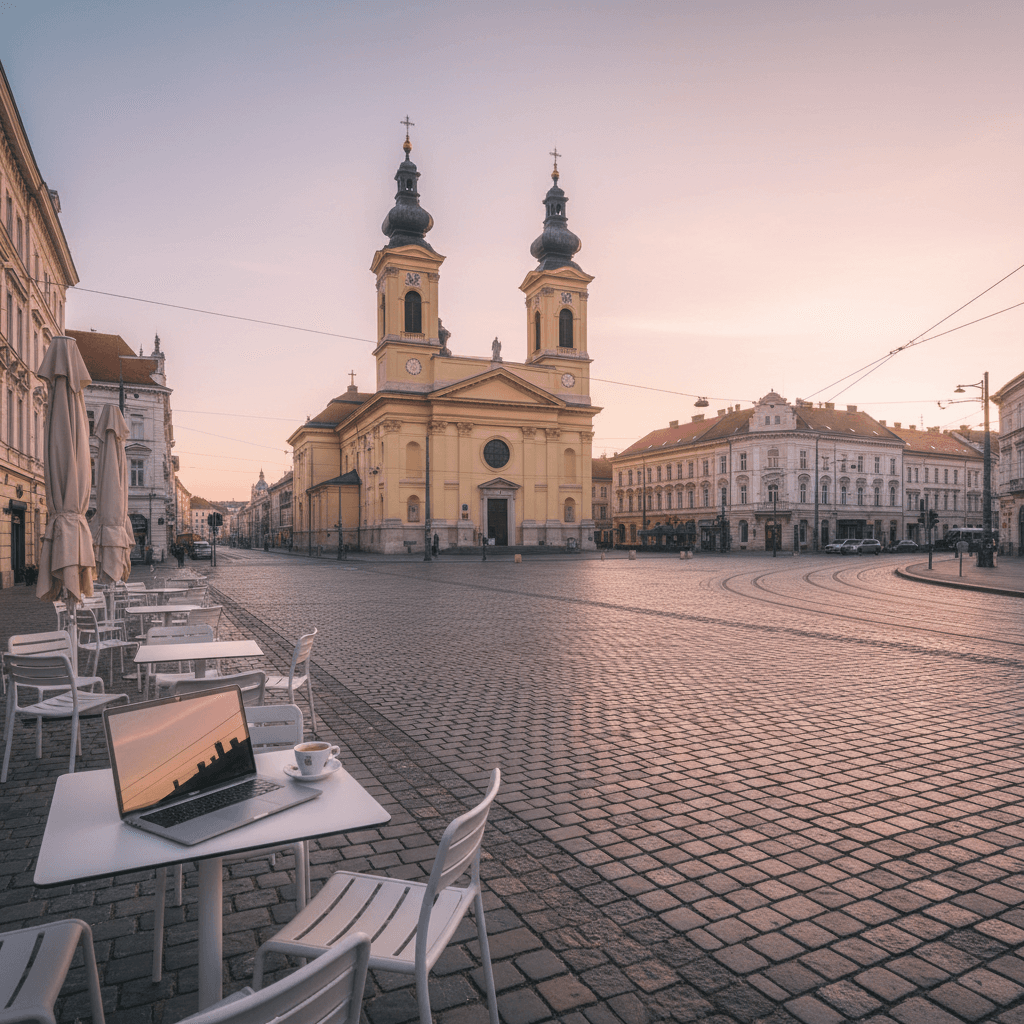
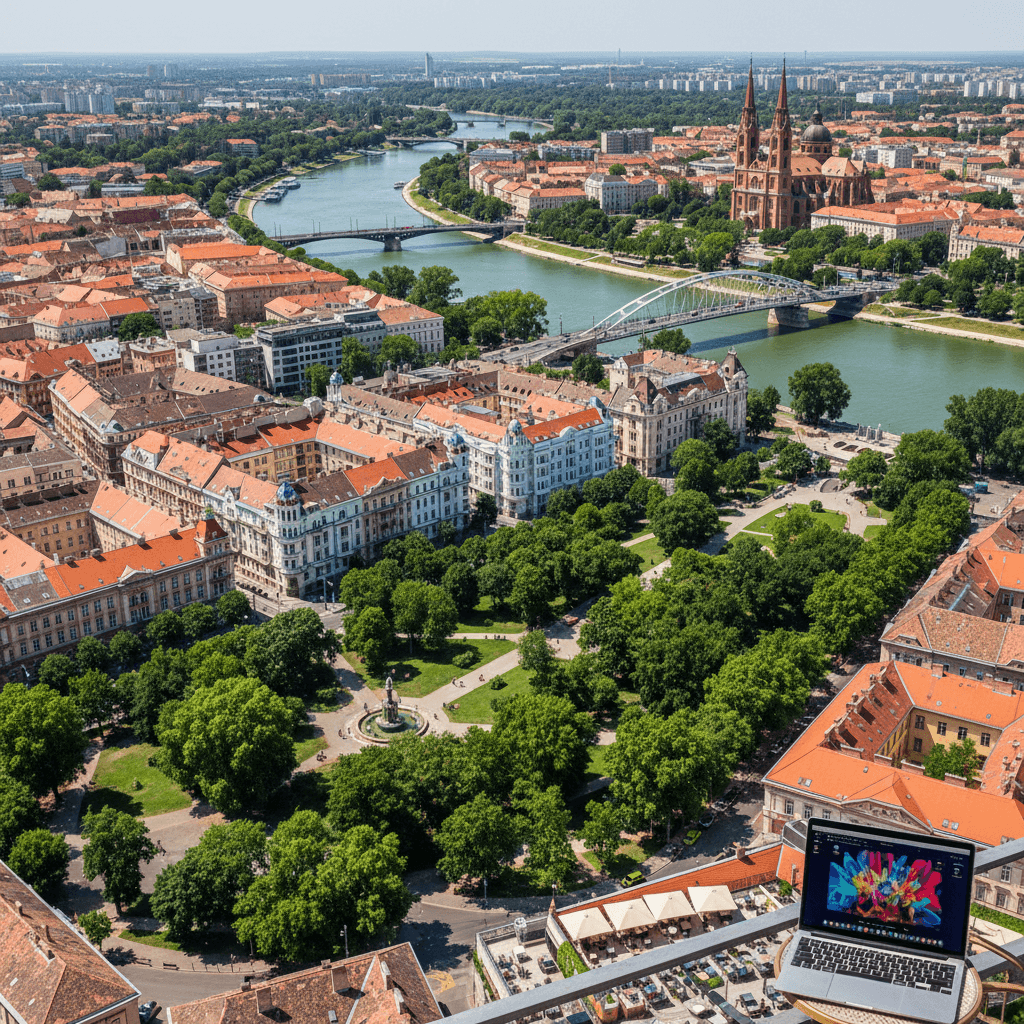
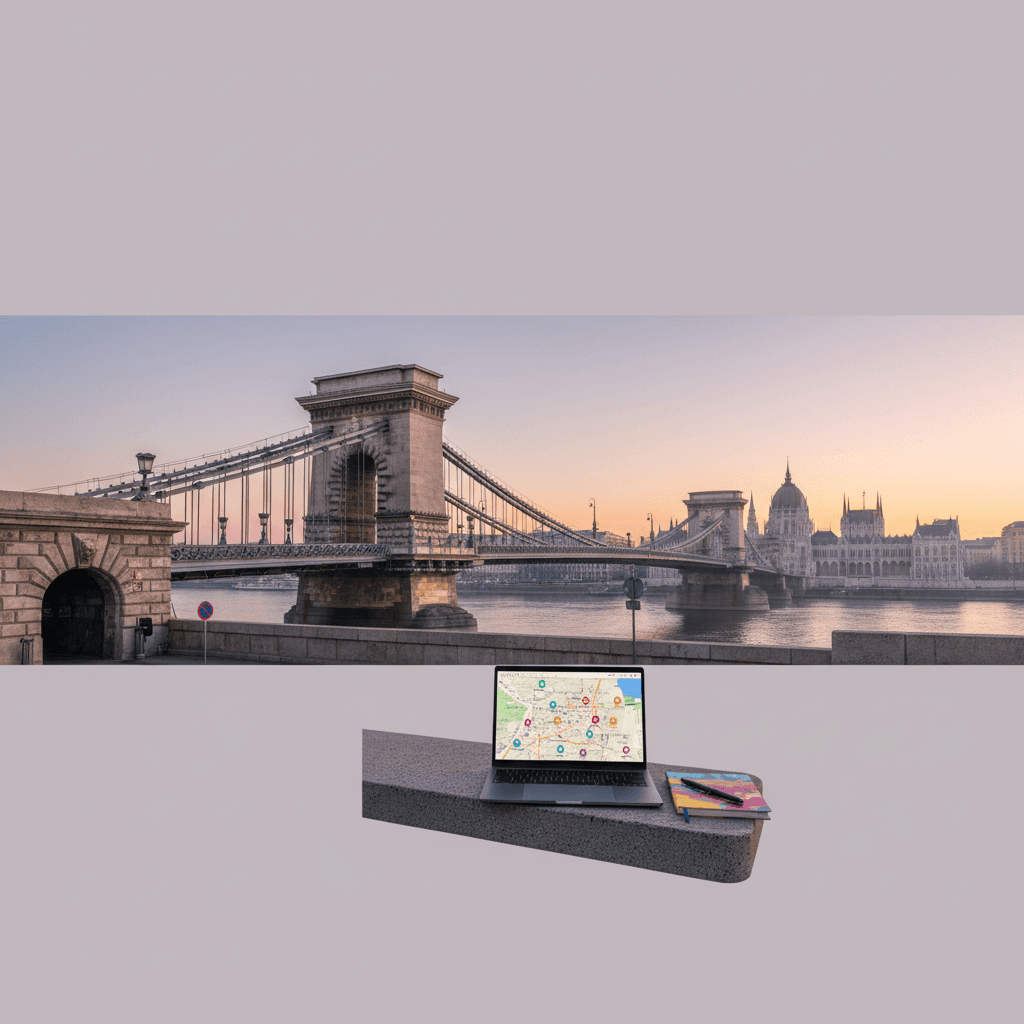
Budapest doesn't try to impress you. It just does. You step off the metro into District V and there's this immediate weight to the place, heavy stone buildings lining the Danube, tram bells cutting through the cold air, the faint smell of chimney cake drifting from a street cart and somehow it all feels lived-in rather than performed for tourists.
The pace here is genuinely slower than Western Europe and most nomads find that's exactly the point. Coworking spaces like Loffice and Impact Hub are solid, fiber internet hits 100+ Mbps across the city and a full month of comfortable living runs around $1,400 without trying too hard to budget. That's real money saved compared to Prague or Vienna and the quality of life doesn't take a hit.
What makes Budapest different is, honestly, the texture of daily life. You're soaking in a thermal bath on a Tuesday afternoon because it costs $15 and it's three blocks away, then working from a cafe in the Jewish Quarter where the coffee is strong and nobody rushes you out. The ruin bars in District VII are genuinely strange and wonderful, sprawling courtyards stuffed with mismatched furniture, the bass thumping through crumbling walls that somehow haven't been renovated on purpose.
There are real downsides. Winters are cold and grey in a way that grinds on you by February, Hungarian is turns out nearly impossible for most Western learners and outside the tourist corridors in Districts V through VII, English disappears fast. Pickpocketing is a legitimate concern at Keleti station and along Váci Street, not a theoretical one.
The expat scene is active without being overwhelming. InterNations events, Facebook groups like "Budapest Expats," and regular meetups on Meetup.com mean you won't be isolated, especially in the first few weeks when you're still figuring out which tram goes where and why your landlord communicates exclusively through WhatsApp voice notes.
Budapest works best for nomads who want a base, not a stopover. It rewards the people who stay long enough to find their coffee shop, their market, their Tuesday bath routine. The city doesn't hand that to you, you find it and that's weirdly what makes it stick.
Budapest is, honestly, one of the most affordable capitals in Central Europe and that gap between what you pay and what you get is still pretty striking. A comfortable month won't break the bank. Most nomads land somewhere around $1,400/month all-in, though you can stretch or compress that depending on how you live.
Rent is the biggest variable. A studio or 1BR in the center (District V, VI or VII) runs roughly $925-1,190/month in the center, drop to an outer district like XIII and you're closer to 213,000 HUF ($560). Food is cheap by Western standards, a sit-down meal at a decent local place costs around 4,000 HUF ($10.50), though mid-range restaurants for two will run you 22,000 HUF ($58) or more. Street lángos and goulash will keep your grocery bill low, the supermarkets are fine and not expensive.
Here's a rough breakdown by how you want to live:
- Budget (~$800/mo, excl. rent): Street food, public transit, shared housing. Doable, turns out, if you're disciplined about eating out.
- Mid-range (~$1,400/mo): Mix of dining out and cooking, a coworking membership, 1BR outside the center. This is where most nomads settle.
- Comfortable ($1,800+/mo): Central apartment, upscale restaurants, regular nightlife in District VII. Still cheap compared to Berlin or Amsterdam.
Transport is weirdly affordable. A monthly BKK pass covers all trams, metro and buses for just 9,000 HUF ($24), the network is good and the BudapestGO app makes it easy. Bolt rides run about $3.50 for a 5km trip if you need door-to-door.
Coworking isn't free, obviously. Loffice runs €150-250/month depending on your plan, Kaptar offers hourly rates from 5,900 HUF if you don't want a commitment. Both are solid, the community at Impact Hub skews more international if that matters to you.
Utilities and a local SIM won't add much. Expect around $43/month for utilities and a Yettel SIM with 3GB costs roughly 2,500 HUF ($7.75), Telekom and Vodafone are also widely available. For rent hunting, Flatio and Facebook groups move faster than the local portals, most landlords expect one to two months deposit upfront.
Budapest's districts aren't created equal and picking the wrong one will genuinely affect your day-to-day life here. The city's organized into numbered districts radiating outward from the center, each with a distinct personality, price point and noise level.
For Digital Nomads
District VII (Erzsébetváros) is where most nomads land first and honestly, it earns that reputation. You're walking distance from ruin bars like Szimpla Kert, surrounded by cafes that don't mind if you nurse a flat white for three hours and the coworking scene is close enough that Loffice and Impact Hub Budapest are a short tram ride away.
The downside is real, though. Weekend nights bring drunk stag parties stumbling past your window at 2am, the smell of stale beer lingers near the bar streets, it's not a neighborhood that ever fully quiets down. If you need silence to work, District XIII gives you green spaces, a reliable metro line and rents that run noticeably lower than the center, though you'll trade walkability for calm.
For Expats Settling Long-Term
District VI (Terézváros) is, turns out, the sweet spot for expats who want central without chaotic. Andrássy Avenue runs through it, the streets feel genuinely safe at night and there's enough local life mixed with international restaurants that it doesn't feel like a tourist zone. A 1BR here runs around $595-865/month in the center.
District XIII attracts expats with families or anyone who wants a quieter residential feel without sacrificing metro access. Rents drop to an outer district like XIII and you're closer to 180,000-220,000 HUF ($190-235), neighbors are local and the Margaret Island park is practically in your backyard.
For Families
District I (the Castle District) looks beautiful on paper. Weirdly, most families who actually live there find it inconvenient, because the cobblestone streets and tourist traffic make daily errands genuinely annoying. District XIII is the practical choice: green, safe and connected.
For Solo Travelers
District V (Belváros) puts you within walking distance of the Danube, major sights and reliable transport links, it's the most convenient base if you're only here for a few weeks. Budget for it, though, 1BR apartments here push toward $840/month and the cafes near Váci Street are priced for tourists, not locals.
Budapest's internet infrastructure is, honestly, better than most Western European cities charge you to access. Fiber connections hit 100+ Mbps consistently, cafes and coworking spaces rarely drop below reliable and you won't be hunting for a signal the way you might in cheaper Southeast Asian alternatives.
The coworking scene is small but solid. Three spaces worth knowing:
- Loffice: The most polished option, rated 9.8/10 by nomads who've used it, with monthly memberships running €150 to €250 for premium plans, with day passes available at €14/day.
- Impact Hub Budapest: More community-focused, draws an international crowd, good if you want connections beyond just a desk and Wi-Fi.
- Kaptar: Hourly options start around 5,900 HUF, so it's worth dropping in before committing to a monthly plan anywhere.
Cafe working is genuinely viable here, the coffee culture is strong and owners don't glare at you for nursing one drink through a three-hour call. District VII has the density of options you'd want, though it gets loud by afternoon on weekends.
For a SIM, Yettel is the easiest starting point. Around 2,500 HUF gets you 3GB for 30 days, you'll need your passport and you can pick one up at the airport or any Yettel store in the city. Telekom and Vodafone are solid alternatives, turns out coverage differences between the three are minimal inside the city. If you'd rather skip the store entirely, eSIMs like Roafly start around $9.90 for 5GB and work fine for the first week while you get settled.
One thing nomads consistently flag: the language barrier doesn't really affect your work setup, but it can slow down anything administrative. Getting a local bank account or sorting a contract without a Hungarian-speaking contact is weirdly frustrating, so lean on expat Facebook groups early.
The practical setup here is, frankly, one of Budapest's strongest arguments as a base. Fast internet, affordable coworking, functional mobile data and enough cafe options that you're never stuck. It's not a city that'll fight you on the basics, it just asks you to figure out the rest as you go.
Budapest is, honestly, one of the safer cities in Central Europe for nomads. Petty theft is the main concern, not violent crime and most long-term expats will tell you they've never felt genuinely threatened here. That said, pickpockets are real and they're good at their jobs, especially around Keleti station, Váci Street and the ruin bars in District VII on a Friday night when everyone's three drinks in and distracted.
Use a cross-body bag, keep your phone off tables in crowded bars and don't flash expensive gear on the metro. Districts V, VI and VII are fine late at night, you're surrounded by other people and there's usually foot traffic until the early hours. Outer districts after midnight on deserted streets are a different story, use Bolt or Uber instead of walking.
Emergency number is 112. It covers police, ambulance and fire and operators typically speak English.
Healthcare is where Budapest genuinely surprises people. The public system is functional but slow and the language barrier at state hospitals can be genuinely frustrating, most nomads skip it entirely and go private. Private clinics are affordable by Western standards, a GP visit runs roughly 15,000 to 25,000 HUF ($40 to $65) and most doctors at private practices speak solid English. Travel insurance that covers outpatient care is worth having, it changes what's available to you significantly.
Pharmacies are everywhere, you'll spot them by the green cross, they're hard to miss. Teréz Patika in District VI runs 24 hours, it's the one most expats default to for late-night needs. Pharmacists are often surprisingly helpful for minor issues, turns out many speak enough English to get through a basic conversation about symptoms.
- Emergency: 112 (police, ambulance, fire)
- 24-hour pharmacy: Teréz Patika, District VI
- Private GP visit: roughly 15,000 to 25,000 HUF ($40 to $65)
- Hospitals: quality care available, many English-speaking staff at private facilities
- Pickpocket hotspots: Keleti station, Váci Street, District VII ruin bars
Get travel insurance that explicitly covers outpatient and specialist visits, not just emergency evacuation. The public system won't be your friend without it, the private system will.
Budapest's public transport is, honestly, one of the best arguments for living here. The BKK network covers the whole city with trams, metro lines and buses and the BudapestGO app handles tickets, route planning and real-time departures in one place. A monthly pass runs 9,000 HUF (about $24), which is absurdly cheap by European standards.
Most nomads don't bother with a car. The center is walkable, the trams run constantly and you can feel the cobblestones through your shoes on the older streets around Districts V and VII. Tram 2 along the Danube is a commute that doesn't feel like one.
For rides, Uber and Bolt both operate here, a 5km trip runs around $3.50, taxis are fine but always confirm the price upfront or use the app. Bolt tends to be slightly cheaper, most expats default to it.
Bikes and e-scooters are rentable across the city, they work well in warmer months, though Budapest's hills and the occasional tram track will catch you off guard if you're not paying attention. Winter is a different story. When the streets get icy, the metro feels a lot more appealing.
Getting in from the airport is straightforward. The 100E bus runs directly to Deák Ferenc tér in the city center and costs a single BKK ticket. Skip the airport shuttle services, they're overpriced and slower.
For getting a SIM on arrival, Yettel and Telekom both have airport counters and city stores. Bring your passport. A basic plan with 3-10GB runs 1,500 to 3,000 HUF, turns out it's one of the cheaper mobile setups in Central Europe. eSIM options like Roafly work too if you want to sort it before you land.
- Monthly transit pass: 9,000 HUF (~$24)
- Bolt/Uber (5km): ~$3.50
- Airport to center: 100E bus, single BKK ticket
- SIM card: 1,500-3,000 HUF for 3-10GB (Yettel or Telekom)
- App to download first: BudapestGO
Hungarian is, honestly, one of the harder languages you'll encounter in Europe. It's not Indo-European, it doesn't share roots with anything you already know and the pronunciation will confuse you for weeks. That said, you won't need it to function in Budapest.
In Districts V, VI and VII, English gets you through almost everything. Restaurant staff, coworking receptionists, younger locals in shops, most of them speak it well enough for real conversation. Step outside those zones into residential neighborhoods or outer districts, though and it drops off fast. Older locals especially, don't count on English there.
A few Hungarian phrases go a long way, not because you'll hold a conversation, but because locals genuinely appreciate the effort. Budapestians are weirdly attuned to whether tourists bother at all.
- Szép napot: Good day (use it when entering shops)
- Köszönöm: Thank you
- Bocsánat: Excuse me / Sorry
- Mennyibe kerül?: How much does it cost?
- Nem értem: I don't understand
For apps, Learn Hungarian: 5,000 Phrases is the one most nomads actually stick with, it's structured without being tedious. Google Translate's camera mode handles menus and street signs well enough, turns out that's the feature you'll use most when you're outside the center and everything's in Hungarian only.
SIM cards are straightforward. Yettel and Telekom both have shops near major metro stations, bring your passport and you'll walk out with a working SIM in under 20 minutes for roughly 1,500 to 3,000 HUF depending on the data plan. eSIMs like Roafly work too if you want to sort it before landing.
One thing that catches people off guard: written Hungarian looks nothing like it sounds. The letter combinations are frankly baffling at first, "cs", "sz", "zs" all have their own sounds, so don't try to wing pronunciation from spelling. Just learn the phonetic rules early, it clicks faster than you'd expect.
Communication frustrations in Budapest are real but minor. The language barrier is annoying, not paralyzing and the city's expat infrastructure means you're rarely stuck without someone who can help.
Budapest has a continental climate, which means proper seasons. Hot summers, cold winters and a genuinely lovely spring and autumn sandwiched between them.
May through September is the sweet spot. July averages around 28°C (82°F) during the day, warm enough to sit outside at Szimpla Kert with a beer and not think about your coat. September drops to a comfortable 22°C, the tourist crowds thin out and the city honestly feels like it belongs to the people who actually live there. Most nomads who've spent time here say September is, frankly, the best single month to arrive.
Spring is worth considering too, though May is the rainiest month of the year with rain falling on roughly 14 days. It's rarely torrential, more the kind of grey drizzle that makes a Budapest café feel like the only reasonable place to be, which isn't the worst situation when you're trying to get work done.
Winter is cold. January lows dip to around -2°C (30°F), the days are short and dark and the city takes on a damp chill that gets into your bones faster than the thermometer suggests. The thermal baths become genuinely appealing rather than just touristy at this point, stepping into the warm mineral water while cold air sits on your face is, weirdly, one of the better sensory experiences Budapest offers. Still, if you're choosing when to base yourself here and winter is the only option, budget for heating costs and accept that motivation will take a hit.
December has Christmas markets that draw crowds and jack up short-term rental prices, so you'll pay more for less. Skip the peak holiday weeks if you can.
- Best months: May, June, September, October
- Avoid if possible: December through February
- July average high: 28°C / 82°F
- January average low: -2°C / 30°F
- Rainiest month: May (39mm across ~14 days)
Turns out, timing your stay around shoulder season also means cheaper accommodation and coworking day passes, the city's popular enough that peak pricing is real and noticeable.
Budapest runs on forints. Get used to seeing prices in the hundreds of thousands, it sounds alarming until you realize a solid meal costs around 4,000 HUF (roughly $10.50) and a monthly transit pass is just 9,000 HUF ($24). Most nomads land somewhere in the $1,400/month range all-in, though you can stretch or shrink that pretty easily depending on your habits.
For a SIM, head to a Yettel or Telekom store, bring your passport and budget 1,500 to 3,000 HUF for a data plan. Don't bother hunting down a deal at the airport, the city center stores have better options and staff who'll actually walk you through setup. Wise is, honestly, the cleanest way to handle transfers and convert money without getting gouged on exchange rates.
Apartment hunting works best through Flatio for furnished short-term stays or Facebook groups and Ingatlan.com if you're committing to a longer stretch. A 1BR in District V runs around $730/month, drop to District XIII and you're looking at closer to $560, quieter too.
Pickpocketing is the main thing to watch. It's not rampant, but Váci Street, the metro stations and Szimpla Kert on a Saturday night are exactly where it happens, use a cross-body bag and keep your phone off the table. The rest of Districts V through VII are genuinely safe to walk at night, don't let anyone tell you otherwise.
Pharmacies are everywhere, marked by a green cross and Teréz Patika in District VI runs 24 hours. Emergency number is 112 and most hospital staff in the center speak English well enough to get you sorted.
A few customs worth knowing before you embarrass yourself:
- Tipping: 10 to 15 percent is standard at sit-down restaurants, not optional
- Shoes: Remove them when entering someone's home, every time
- Thermal baths: Shower before entering the pools, wear the provided cap in some areas and don't bring food onto the bath deck
- Language: English works fine in tourist zones and with anyone under 40, outside that you're on your own. Learn Köszönöm (thanks) and Szép napot (good day), locals notice and appreciate it
Day trips are, turns out, one of Budapest's underrated advantages. Szentendre is 40 minutes by HÉV suburban rail, the Danube Bend is a half-day and Eger's wine cellars are worth the two-hour bus ride.
Need visa and immigration info for Hungary?
🇭🇺 View Hungary Country GuideNomad Haven
Your home away from home