Bristol
🇬🇧 United Kingdom
The Creative Pulse of the West
Bristol feels less like a traditional British city and more like a sprawling, rebellious art gallery. While London is a grind and Manchester is a powerhouse, Bristol is where people go to breathe. It is the birthplace of Banksy and the home of trip-hop, and that gritty, creative DNA still runs through the streets. You'll find a city that prioritizes independence over corporate polish, where local coffee shops outnumber chains and the "Bristol Pound" spirit of supporting your neighbor is very much alive.
The vibe is undeniably relaxed, but don't mistake that for laziness. There is a quiet hustle here focused on sustainability and social impact. Nomads often find themselves staying longer than planned because the work-life balance is so easy to strike. You can spend your morning on a high-speed fiber connection in a converted warehouse and your afternoon paddleboarding through the historic Harbourside or hiking around the Ashton Court Estate.
The Price of Admission
Living here isn't cheap compared to Northern England, but it's a bargain if you're fleeing London prices. Most nomads find they need between $3,250 and $4,600 per month to live comfortably, depending on how much they prioritize a private flat over a shared house. Expect to pay £1,200 to £1,800 for a central one-bedroom apartment, while a month of coworking will set you back about £150 to £300.
Eating out is where the city shines without breaking the bank. You can grab a world-class lunch at St Nicholas Market for £5 to £10, or spend £25 on a mid-range dinner in a trendy spot. If you're on a budget, sticking to the local markets and using the First Bus network with a £60 monthly pass keeps costs manageable.
Where to Plant Your Laptop
Bristol’s neighborhoods are distinct micro-cultures. Choosing the right one defines your experience.
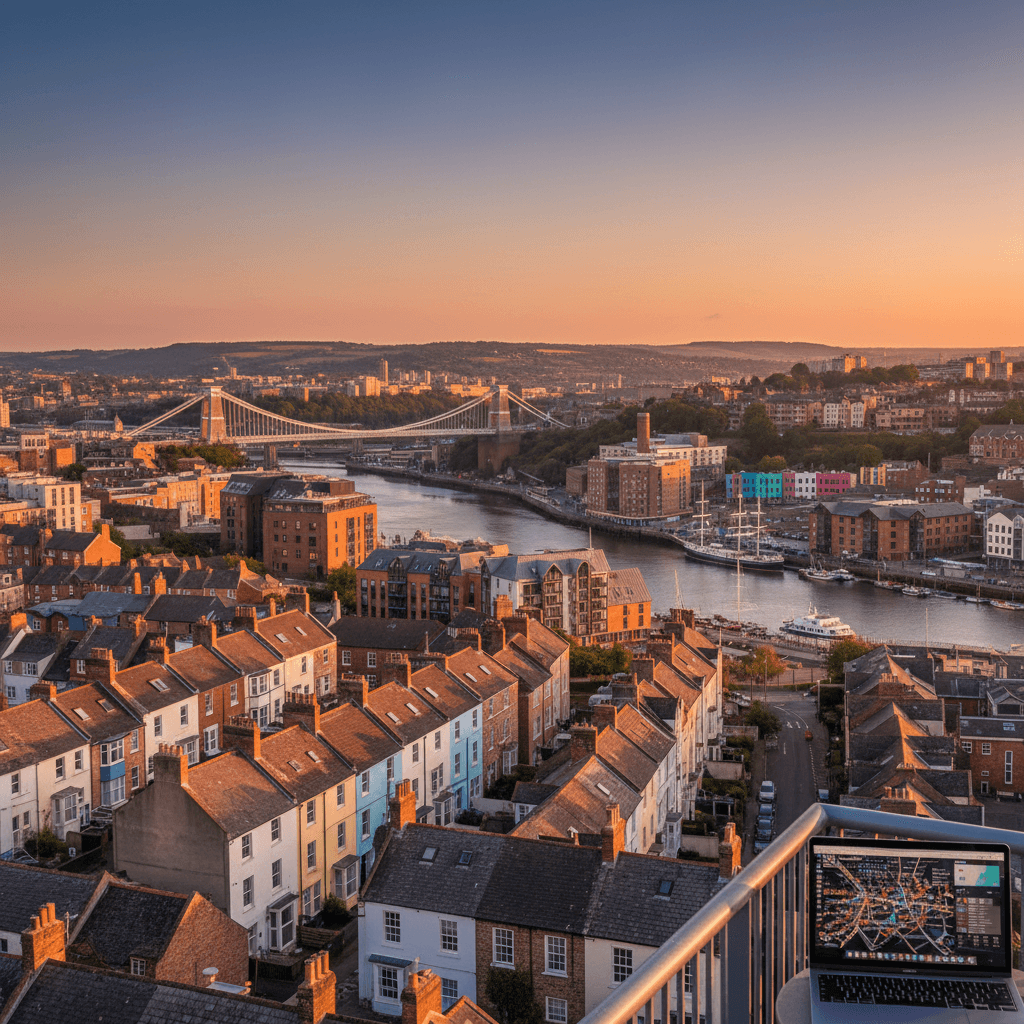
- Clifton: This is the postcard version of Bristol. Think Georgian architecture, the iconic Suspension Bridge, and leafy streets. It is upscale and quiet, but you'll pay a premium for the privilege, with rents often exceeding £1,500.
- Harbourside: Perfect for those who want to be in the thick of it. It is central, walkable, and packed with galleries and bars. It can feel a bit touristy on weekends, but the proximity to coworking hubs is unbeatable.
- Stokes Croft and Montpelier: This is the city's bohemian heart. It's covered in street art and home to the best independent music venues. It's affordable, with rooms from £900, but it can be loud and a bit rough around the edges at night.
- Easton: A diverse, community-focused area that offers the best value for long-term stays. The food scene here is incredible, and it feels like a real neighborhood rather than a transient hub.
Connectivity and Community
The internet is rarely an issue here. Speeds typically range from 23 to 117 Mbps, and fiber is the standard in most central flats. If you need a professional setup, DeskLodge is famous for its quirky, themed decor and high-energy community, while Runway East is the go-to for tech-focused freelancers. Day passes usually hover around £25.
Socializing happens naturally in Bristol. You won't find many stuffy networking events; instead, people meet over craft beers in King Street or at weekend festivals. Join the Bristol Digital Nomads groups on Facebook or WhatsApp to find meetups, or just show up to a free walking tour on the weekend to get your bearings. The locals are approachable, though they'll likely spend the first ten minutes complaining about the rain or the hills.
Practical Realities
The weather is the one thing most nomads struggle with. It rains frequently, especially from November to February, so a solid waterproof jacket is more important than a fashion statement. However, from May to September, the city transforms into a series of outdoor parties and harbourside hangouts.
For getting around, Bristol is arguably the best cycling city in the UK. You can rent a bike from Cycle the City for about £15 a day. If you're arriving from overseas, grab a SIM card from EE or Vodafone for about £20 with plenty of data, or set up a Holafly eSIM before you land. For banking, most expats swear by Wise or Revolut to avoid the headache of traditional high-street banks.
The Reality of the Bristol Budget
Bristol is often described as London’s cooler, smaller sibling, but that reputation comes with a price tag to match. While you'll save money compared to a flat in Shoreditch, Bristol remains one of the more expensive corners of the UK. Most digital nomads find they need between £1,500 and £2,500 per month to live comfortably here. If you’re pushing for a high-end lifestyle with a private flat in a prime location, expect those costs to climb toward $4,600.
Your biggest hurdle will be housing. The market is competitive, and prices vary wildly depending on which side of the floating harbour you land on. To keep costs down, many long-term travelers use SpareRoom to find flatshares or Rightmove for short-term studio rentals. Beyond rent, the city is remarkably friendly to those who like to explore on foot or two wheels, which helps offset the cost of a few too many craft beers in Stokes Croft.
- Budget Tier (£1,500): Shared housing in Easton, lots of street food from St Nicholas Market, and a heavy reliance on the city’s excellent cycling paths.
- Mid-Range Tier (£2,000): A private one-bedroom flat in a creative district, regular coworking memberships, and dining out at mid-range bistros a few times a week.
- Comfortable Tier (£2,500+): A central apartment in Clifton or Harbourside, upscale dining, and frequent weekend trips to the nearby Cotswolds or Bath.
Neighborhood Price Breakdown
Where you park your laptop matters. Bristol is a patchwork of distinct vibes, and your choice of neighborhood will dictate your monthly burn rate more than anything else.
Clifton
- Best For: Expats and those who want a polished, village feel.
- Rent: Expect to pay £1,500+ for a one-bedroom flat.
- The Vibe: Upscale and leafy with easy access to the iconic Suspension Bridge. It’s walkable and quiet, but you’ll pay a premium for the prestige.
Harbourside
- Best For: First-timers and solo travelers who want to be in the thick of it.
- Rent: Usually starts around £1,200 for central studios.
- The Vibe: Picturesque waterfront living with galleries and coworking spaces at your doorstep. It can get touristy on weekends, but the convenience is hard to beat.
Stokes Croft and Montpelier
- Best For: Artists, activists, and nomads on a stricter budget.
- Rent: More manageable at £900 to £1,200.
- The Vibe: The city's counter-culture heart. It’s covered in street art, filled with bohemian cafes, and has a gritty, high-energy atmosphere. It can be noisy at night, so light sleepers should look elsewhere.
Daily Expenses and Lifestyle Costs
Eating out is a highlight of the Bristol experience, especially if you stick to the local markets. A solid lunch at St Nicholas Market will run you £5 to £10, while a mid-range dinner for two usually lands between £30 and £50. Coffee culture is huge here, so factor in about £3.50 for a flat white at a nomad-friendly cafe.
For your workspace, DeskLodge and Runway East are the go-to spots for the freelance community. Expect to pay between £150 and £300 for a monthly hot desk, or £25 if you just need a day pass. Internet is rarely an issue, with fiber speeds typically ranging from 23 to 117 Mbps across the city center.
Transportation is another area where you can save. Bristol is the UK’s primary cycling city. You can rent a bike for £15 a day, though most long-termers just buy a used one or use the First Bus network, which offers a monthly pass for about £60. If you’re arriving from the airport, the Airport Flyer bus is your best bet at £8 to £10 for a quick 20-minute ride to the center.
Practical Money Tips
Digital nomads usually recommend setting up a Wise or Revolut account before arriving to avoid nasty exchange fees. If you're staying longer, Starling Bank is a favorite for its easy app-based setup. When it comes to connectivity, grab a SIM from EE or Vodafone for around £10 to £30 a month for plenty of data. If you prefer to hit the ground running, a Holafly eSIM works perfectly here. Just remember that while the "creative pulse" of Bristol is intoxicating, those frequent trips to artisanal bakeries and craft breweries will add up faster than you expect.
The Best Neighborhoods for Nomads
If you want to be in the thick of Bristol's creative pulse, head straight for Stokes Croft or Montpelier. This is the city's counterculture heart, famous for its street art and independent spirit. Most nomads find the bohemian cafes here perfect for an afternoon of deep work, and the rent is more manageable than the city center, typically ranging from £900 to £1,200 for a studio or shared setup.
For those who need to be near the big coworking hubs like Runway East or DeskLodge, the Harbourside area is the prime choice. It's picturesque and central, though you'll pay a premium for the water views with rents starting around £1,200. It's a lively spot where you can grab a £7 lunch at St Nicholas Market and be back at your laptop within minutes.
- Best for: Creative networking and proximity to central coworking spaces.
- Average Rent: £900 to £1,500 per month.
- Local Vibe: Gritty, artistic, and highly social.
Top Picks for Expats
Expats looking for a polished, classic British experience usually settle in Clifton. It's the most prestigious part of the city, characterized by sweeping Georgian terraces and the iconic Clifton Suspension Bridge. You'll find high end boutiques and quiet leafy streets, though the cost of living reflects the prestige. Expect to pay £1,500 or more for a one bedroom flat here.
Clifton is exceptionally walkable and feels like a self contained village. It's the kind of place where you can spend your weekends hiking the Avon Gorge or enjoying a long brunch at an upscale bistro. While it's more expensive, the safety and aesthetic appeal make it the go to for long term residents who aren't on a strict budget.
- Best for: Upscale living and scenic views.
- Average Rent: £1,500+ per month.
- Local Vibe: Elegant, quiet, and affluent.
Family Friendly Districts
Easton and St Werburghs are the top recommendations for families or those seeking a tight knit community feel. These areas are known for their diversity and organic, eco conscious lifestyle. St Werburghs even has a city farm and a climbing center housed in an old church, which is a hit with kids and parents alike.
Housing here is more varied, and you can often find larger terraced homes starting around £1,400. The food scene in Easton is particularly impressive, with some of the best international grocery stores and independent restaurants in the city. It feels less like a tourist destination and more like a real home, which is why many families choose to plant roots here for longer stays.
- Best for: Community spirit, schools, and green spaces.
- Average Rent: £900 to £1,400 for smaller units; more for houses.
- Local Vibe: Diverse, community focused, and sustainable.
Solo Traveler Hubs
If you're traveling solo and want to meet people quickly, the City Centre and the Old City are your best bets. You'll be steps away from the major social hubs and the St Nicholas Market street food stalls where a meal costs between £5 and £10. Living here means you don't need to worry about bus schedules or Uber rides; everything is right at your doorstep.
The social scene for solo travelers is built around the local pubs and the Bristol Digital Nomads Facebook group. Many solo residents choose managed apartments or high end house shares to bypass the hassle of setting up utilities. It’s a fast paced environment that makes it easy to transition from work mode to a night out at a Harbourside bar or a gig in a nearby basement venue.
- Best for: Easy socializing and walking access to everything.
- Average Rent: £1,200 to £1,600 for central apartments.
- Local Vibe: Energetic, convenient, and fast paced.
Connectivity and Speed
Bristol is a powerhouse for remote work, consistently delivering some of the most reliable internet in the UK outside of London. You can expect fiber speeds ranging from 23 Mbps to 117 Mbps depending on your neighborhood. Most modern apartments in the city center or Harbourside come equipped with high speed broadband, so you won't struggle with video calls or large uploads.
For your mobile data, skip the pricey roaming fees and grab a local SIM. EE, Vodafone, and Three are the big players here, with unlimited data plans typically costing between £10 and £30 per month. If you want to hit the ground running the moment you land, an eSIM from Holafly is the preferred choice for many nomads. It saves you the hassle of finding a physical shop and keeps you connected while you hunt for the best coffee shop WiFi.
Top Coworking Spaces
The coworking scene in Bristol reflects its creative, slightly rebellious spirit. You won't find many stuffy, corporate offices here; instead, expect colorful murals, community events, and plenty of networking over local craft beers.
- DeskLodge: This is a favorite for those who find traditional offices boring. It's famous for its quirky themed rooms and high energy atmosphere. A day pass usually runs around £25, while monthly memberships sit between £150 and £300.
- Runway East: Located near the waterfront, this spot is a magnet for startups and tech freelancers. It's known for its social vibe and weekly cake or drinks sessions. It's a great place to meet people if you're new to the city.
- Origin Workspace: If you need something a bit more refined and quiet, this space in Berkeley Square offers a premium feel with great wellness facilities.
Laptop-Friendly Cafes
If you prefer the hum of a coffee machine to a dedicated desk, Bristol has plenty of spots where you won't be glared at for opening a laptop. The Harbourside area is particularly good for this, with several cafes offering solid WiFi and plenty of power outlets.
In the bohemian streets of Stokes Croft and Montpelier, you'll find independent roasteries where the WiFi is fast and the sourdough is excellent. Most nomads find that as long as you're buying a coffee every couple of hours, staff are happy to let you work. Just be mindful during the busy lunch rush at places like St Nicholas Market, where seating is at a premium and it's better to put the screen away and enjoy the street food.
Digital Nomad Community
Bristol has a "big village" feel that makes it easy to find your tribe. Because the city attracts so many artists and tech workers, you're never far from someone else living the remote life. Most expats recommend joining the Bristol Digital Nomads groups on Facebook or WhatsApp to stay in the loop about informal meetups.
Meetup.com is also active here, with frequent events for developers, writers, and entrepreneurs. If you're staying at a spot like Runway East, take advantage of their internal community boards. The city's social life often revolves around its festivals and markets, so don't be afraid to strike up a conversation at a weekend pop up event. It's one of the friendliest cities in the UK, and people are generally happy to share tips on the best quiet corners to work from.
Practical Tech Tips
- Banking: Use Wise or Revolut for your daily spending to avoid exchange fees. If you're staying longer, you can open a UK account quickly via the Starling Bank app.
- Power: The UK uses Type G plugs (three square pins). Most coworking spaces have universal strips, but keep an adapter in your bag for cafes.
- Public WiFi: The city center has "The Cloud" and other free public networks, but they can be patchy. Stick to your mobile hotspot or a VPN in cafes for better security.
Staying Safe in the West Country
Bristol feels more like a collection of villages than a sprawling metropolis, and that community vibe translates into a generally safe environment for nomads. You'll find the city center and the Harbourside areas are well-lit and active late into the night. Like any major UK hub, petty crime exists, but it rarely targets individuals who keep their wits about them.
Most locals suggest being mindful in Stokes Croft after dark. While it's the heart of the city's street art and indie music scene, the nightlife can get rowdy on weekends. Keep your phone tucked away and stick to the main footpaths rather than cutting through unlit alleys. If you're out late, Uber and Bolt are reliable and widely used, providing a safer alternative to walking home alone if you've been enjoying the local cider scene.
- Emergency Services: Dial 999 for immediate police, fire, or ambulance assistance.
- Non-Emergency: Dial 111 for medical advice that isn't life-threatening or 101 to report a minor crime.
- Solo Travelers: Stick to the well-tread paths of Clifton and the Harbourside where there's a constant "eyes on the street" presence.
Healthcare for Nomads
The quality of care in Bristol is excellent, anchored by the Bristol Royal Infirmary (BRI) right in the city center. If you're visiting from the EU, your EHIC or GHIC card covers most medically necessary treatments. For those from further afield, you'll likely need to pay for services, so having robust travel insurance is a must before you land.
For minor ailments like a stubborn cough or a skin rash, skip the hospital and head to a pharmacy. Boots and Superdrug are on almost every major high street. The pharmacists there are highly trained and can often provide over-the-counter solutions or point you toward a local GP. If you need a private consultation quickly, apps like Livi or Babylon are popular among the remote work crowd for booking video appointments with UK-registered doctors.
Practical Health Tips
Bristol is a hilly city. While the "Bristol lungs" you'll develop from walking up to Clifton are a badge of honor, the steep inclines can be a shock to the system. Most nomads find that a pair of sturdy, waterproof walking shoes is the best health investment they make here, especially given the frequent rain.
- Tap Water: It's perfectly safe and high-quality. Carry a reusable bottle to stay hydrated and save money.
- Mental Health: The grey winters can be a drag. Many expats recommend joining a local "Social Sunday" group or heading to a climbing gym like The Mothership to keep the endorphins flowing during the rainy months of November to February.
- Prescriptions: Bring a copy of your prescription and the generic name of your medication. UK pharmacists are strict and will need clear documentation to dispense refills.
Insurance and Costs
While the NHS provides a safety net, it's currently under significant pressure, leading to long wait times for non-emergencies. Private clinics offer faster service but at a premium. A standard private GP visit might set you back £70 to £120. Nomads staying long-term often find that a global health policy pays for itself if they need specialist dental work or physiotherapy after a weekend hiking the Avon Gorge.
The Best Way to Explore: Your Two Feet
Bristol is famously hilly, but it is also one of the most walkable cities in the UK. If you are staying in central areas like Harbourside or Old City, you will rarely need a vehicle. Most nomads find that a sturdy pair of boots is the best investment for navigating the steep incline up to Clifton. It is a compact city where the street art of Stokes Croft is only a twenty minute wander from the waterfront.
Cycling and Scooters
Locals take pride in Bristol being the UK’s first official cycling city. The infrastructure is solid, with plenty of dedicated lanes and a culture that actually respects people on two wheels. If you want to join the bike commuters, you have a few solid options:
- Cycle the City: Great for daily rentals if you want a reliable hybrid or classic bike, usually costing between £15 and £18 per day.
- E-Bikes: For those hills, an electric boost is a lifesaver. Expect to pay around £35 for a full day rental.
- E-Scooters: You will see turquoise scooters parked on almost every corner. They are app based and perfect for short hops across town, though prices add up if you use them for long commutes.
Public Transport: Buses and Trains
The bus network is the backbone of Bristol’s transit, though it has a reputation for being a bit inconsistent during rush hour. First Bus operates most routes. You don't need to worry about paper tickets; just tap your credit card or phone when you get on and off. A single ride usually costs between £2 and £3, while a monthly pass sits around £60. If you are heading out to Easton or St Werburghs, the bus is your best bet.
For quick hops to the suburbs or a day trip to Bath, use the local rail. Bristol Temple Meads is the main hub. The train to Bath takes about 12 minutes and costs roughly £10 for a return ticket, making it a favorite afternoon escape for remote workers.
Ride Hailing and Taxis
When the North Atlantic rain starts pouring, you will likely want a car. Uber and Bolt both operate heavily here. A ten minute cross town trip usually lands in the £8 to £12 range. Taxis are plentiful near the Harbourside and the main train station, but apps are generally cheaper and more convenient for tracking your ride.
Getting to and from Bristol Airport (BRS)
The airport is about 8 miles south of the city center. Since there is no direct rail link, most travelers rely on the Airport Flyer bus. It runs 24/7 and takes about 20 to 30 minutes to reach the city center. A one way ticket costs between £8 and £10. If you prefer a private ride, a taxi or Uber will cost you closer to £30 or £40 depending on the time of day.
Nomad Pro Tip: The Ferry
It is not the fastest way to get around, but the Bristol Ferry Boats are a highlight of living here. These small yellow boats commute between Temple Meads and the Harbourside. It is a relaxing way to see the city from the water for a few pounds, and it definitely beats sitting in traffic on a Friday afternoon.
The Local Lingo
You won't face any language barriers in Bristol. English is the only language you'll need, and the city’s high proficiency means you can focus on the work instead of wrestling with translation apps. That said, Bristol has a distinct personality that seeps into its speech. If a local calls you "me babber" or "my lover," don't be alarmed; it's a standard term of endearment across all ages and genders.
Most nomads find the local "Brizzle" accent charming, though it can get thicker in the more residential areas like Easton. You'll hear "cheers" used for everything from "thank you" to "goodbye," and you'll quickly learn that "proper" is the preferred adjective for anything high quality. If someone tells you a coffee is "proper lush," you’ve found a good spot.
Making Connections
The social scene here is driven by a mix of creative freelancers and tech professionals. Unlike the anonymity of London, Bristol feels like a large village where you'll start recognizing faces within a week. If you're looking to build a network, skipping the hotel lobby for a dedicated coworking space is the fastest route.
Expats and remote workers recommend these hubs for meeting like-minded people:
- DeskLodge: Known for its quirky, themed decor and high energy. It's a favorite for those who want a social atmosphere and regular networking events.
- Runway East: Located near the Harbourside, this spot is a magnet for startups and digital nomads. They often host "Cake Wednesday" and drinks on Fridays to help members mingle.
- Meetingup.com: Look for the Bristol Digital Nomads group or tech-specific meetups if you're in coding or design.
- Facebook Groups: The Bristol Community and various expat groups are active for finding flatmates or local advice.
Etiquette and Social Norms
Bristolians are generally laid back, but they hold onto a few British staples. Queuing is a serious business here. Whether you're waiting for a bus or a £7 box of souvlaki at St Nicholas Market, never skip the line. It's the fastest way to lose the "friendly local" vibe.
Tipping isn't as aggressive as in the US, but it is standard. Most travelers suggest leaving about 10% at sit-down restaurants if the service was good. At a pub, you don't tip for a round of drinks, but you might tell the bartender to "take one for yourself," which adds the price of a drink to your tab as a tip.
Sustainability is a huge part of the local conversation. Bristol was the UK's first "European Green Capital," and the locals take it seriously. You'll fit in better if you carry a reusable coffee cup and a tote bag. Mentioning your interest in the local arts scene or the latest street art addition in Stokes Croft is always a better icebreaker than talking about work.
Practical Communication Tools
While English is the standard, having the right tech makes the transition smoother. Most nomads use WhatsApp as their primary messaging tool for both social and professional local contacts. For data, you'll want a local SIM to avoid roaming charges. EE and Vodafone offer the best coverage, but many nomads now opt for a Holafly eSIM for immediate connectivity upon arrival at BRS airport. Expect to pay between £10 and £30 per month for a solid data plan.
If you need to handle finances or pay a local landlord, Wise and Revolut are the go-to apps for avoiding bank fees. Most people use Starling Bank if they need a more "official" UK account quickly, as you can set it up via your phone in minutes.
The Sweet Spot: May to September
If you want to see Bristol at its best, aim for the window between late May and September. This is when the city truly wakes up. Temperatures hover around a comfortable 18°C to 22°C (64°F to 72°F), making it the ideal time to work from a terrace in the Harbourside or take your laptop to a park in Clifton. Most nomads agree that the long daylight hours, sometimes lasting until 9:30 PM in June, are the biggest perk of a British summer.
This period also coincides with Bristol’s famous festival season. You can catch the Harbour Festival in July or the Balloon Fiesta in August. Just be aware that short term accommodation prices spike during these months. If you’re planning a stay in a central 1BR, expect to pay on the higher end of the £1,200 to £1,800 range if you don't book several months in advance.
The Reality of "Brizzle" Weather
Bristol has a mild maritime climate, which is a polite way of saying it's often damp. You'll experience about 15 or more rainy days per month from November through February. While it rarely gets freezing, the dampness makes the 6°C (43°F) January average feel much colder than the numbers suggest. If you're sensitive to grey skies, winter might be a struggle.
That said, the city doesn't stop for rain. Nomads usually migrate indoors to creative hubs like DeskLodge or Runway East during the wetter months. These spaces offer a cozy community vibe that offsets the gloom outside. Plus, you’ll find that winter rental prices in neighborhoods like Easton or St Werburghs can be slightly more negotiable for mid term stays.
Seasonal Breakdown for Nomads
- Spring (March to May): A mixed bag. You'll see beautiful blooms in Castle Park, but keep an umbrella handy. Temperatures rise to about 12°C to 15°C. It's a great time for those who want to avoid the summer crowds while still enjoying manageable weather.
- Summer (June to August): The peak. Expect dry spells and plenty of outdoor social events. This is the most expensive time for Airbnbs and hotels, but the social scene is at its most accessible for solo travelers.
- Autumn (September to November): September is often lovely and "mellow," but by October, the rain sets in. The autumn colors in the Avon Gorge are spectacular, and the city takes on a scholarly, quiet energy as the students return.
- Winter (December to February): Dark and wet. However, the Christmas markets at St Nicholas Market are fantastic, and the local pub culture is at its peak. If your priority is deep work and low distractions, this is your season.
What to Pack
Expats and long term travelers often joke that you can experience four seasons in a single afternoon here. Even in the height of July, a light waterproof jacket is a requirement, not a suggestion. If you're planning to use the city's excellent bike paths or rent an e-bike from Cycle the City for £35 a day, bring solid footwear that can handle a puddle. Layering is the local dress code; think breathable fabrics topped with a sturdy windbreaker.
The Verdict
For the quintessential Bristol experience, arrive in May. You'll get the best of the weather, avoid the absolute peak of the August tourist prices, and have several months of sunshine to build a social circle before the winter hibernation begins. If you're on a tighter budget, late September offers a nice balance of cooling temperatures and slightly more available housing options as the summer rush fades.
Making the Move
Bristol has a reputation as London's cooler, more relaxed younger sibling. It's a city that trades corporate glass towers for street art and harborside cranes. While it's significantly more affordable than the capital, don't expect a bargain basement experience. You'll need a realistic budget to enjoy the best of the West Country.
Most nomads find that a monthly budget between £1,500 and £2,500 covers the basics comfortably. If you're looking for a private one bedroom flat in a prime spot, expect to pay between £1,200 and £1,800. For those on a tighter budget, neighborhoods like Easton or St Werburghs offer rooms and small flats starting around £900. Use Rightmove or SpareRoom to scout listings before you arrive, as the rental market moves fast.
Where to Set Up Your Desk
The city is a hub for freelancers, so you won't be hunting long for a decent connection. Fiber is standard, with speeds typically ranging from 23 to 117 Mbps. If you prefer a dedicated office vibe, DeskLodge and Runway East are the top picks for the remote crowd. Monthly memberships usually run between £150 and £300, but you can grab a day pass for about £25 if you just need a change of scenery.
For a more casual afternoon, the cafes around the Harbourside are welcoming to laptop users. To stay connected on the go, grab a local SIM from EE or Vodafone for about £10 to £30 a month with unlimited data. If your phone supports it, a Holafly eSIM is the easiest way to get online the moment you step off the plane.
Navigating the Neighborhoods
Your experience in Bristol depends heavily on where you drop your bags. Each pocket of the city has a distinct personality:
- Clifton: This is the upscale choice. It's famous for the Suspension Bridge, leafy streets, and high end boutiques. It's beautiful and walkable, but it's the most expensive area for rent.
- Harbourside: Best for solo travelers who want to be in the thick of it. You're steps away from galleries and bars, though it can get touristy on weekends.
- Stokes Croft and Montpelier: The creative heart of Bristol. It's covered in murals and filled with independent cafes. It's bohemian and affordable, though some find it a bit gritty or noisy at night.
- Easton: A diverse, community focused area with an incredible food scene. It's a bit further out but great for those staying long term who want a more authentic local feel.
Getting Around and Staying Safe
Bristol is arguably the best cycling city in the UK. It's hilly, so your legs will get a workout, but the infrastructure is solid. You can rent a bike from Cycle the City for £15 a day, or opt for an e-bike at £35 if you want to cheat on the inclines. For longer distances, the First Bus network is the main way to go. A monthly pass costs about £60, and you can tap on and off with your phone.
Safety wise, the city is generally relaxed. Use common sense in Stokes Croft after dark, as it can get rowdy. If you need medical help, the Bristol Royal Infirmary provides high quality care. The NHS is free for many visitors, but always check your specific eligibility. For non-emergencies, dial 111, or 999 if it's an actual crisis.
Food, Drink, and Social Life
The social scene revolves around the water and the markets. St Nicholas Market is a mandatory stop for lunch. You can find incredible street food for £5 to £10, especially on Tuesdays and Fridays. For evening drinks, the bars along the Harbourside or the gig venues in Stokes Croft are the places to be.
To meet people, join the Bristol Digital Nomads groups on Facebook or WhatsApp. Expats recommend checking Meetup.com for tech mixers or heading to the free walking tours on weekends to get your bearings. If you're dining out, a 10% tip is standard practice for good service, and remember that queuing is a national sport here. Be patient and wait your turn.
The Weather Reality
The one thing you can't escape is the grey sky. Bristol is damp. It rains year round, with November through February being particularly wet. The best window for visiting is May to September, when temperatures hover around a pleasant 18 to 22°C. Always carry a light waterproof jacket, even if the sun is out when you leave your flat.
Need visa and immigration info for United Kingdom?
🇬🇧 View United Kingdom Country GuideEasy Landing
Settle in, no stress
Monthly Budget Estimates
More cities in United Kingdom
Oxford
🇬🇧 United Kingdom
Leeds
🇬🇧 United Kingdom
Edinburgh
🇬🇧 United Kingdom