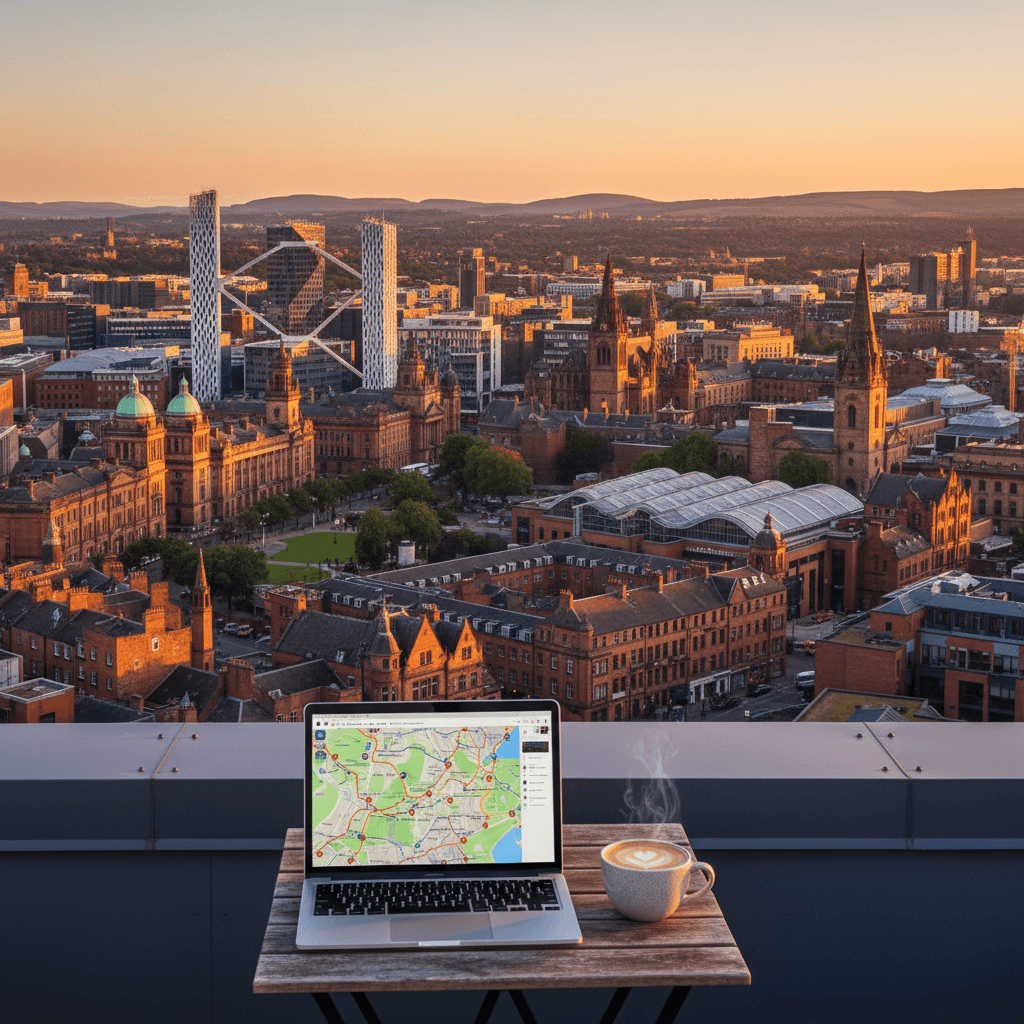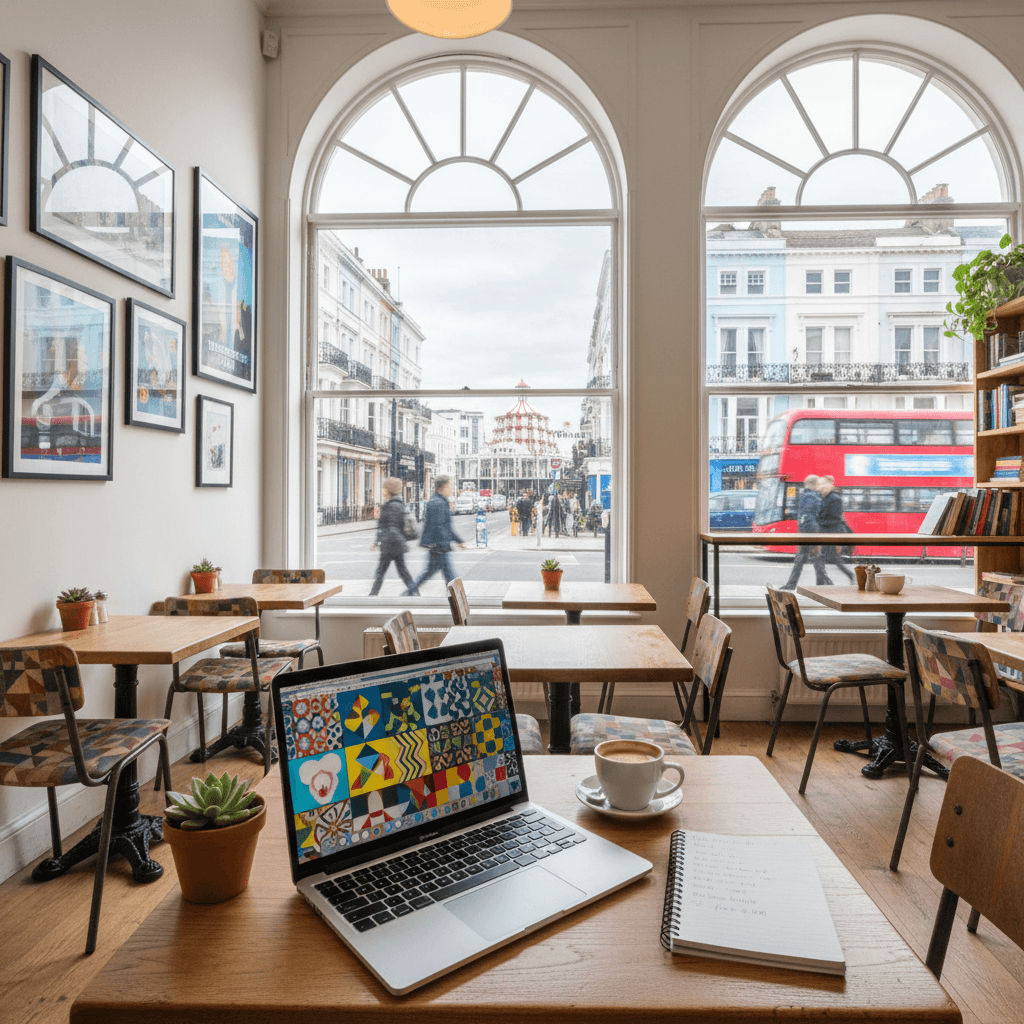
Brighton
🇬🇧 United Kingdom
Brighton isn't your average British seaside town. Often dubbed London by the sea, it trades the capital's stiff upper lip for a kaleidoscope of subcultures, pebbly shorelines, and a fiercely independent spirit. It's a place where 19th century architecture meets a cutting edge tech scene, creating a playground for remote workers who want the amenities of a major city without the suffocating pace of London.
You'll feel the city's personality the moment you step off the train. There's a tangible energy here, fueled by a mix of creative entrepreneurs, a massive LGBTQ+ community, and a legacy of artistic rebellion. Most nomads find that Brighton doesn't just welcome outsiders; it celebrates them. Whether you're working from a cafe in the North Laine or watching the 67,000 lights of the Palace Pier flicker on at dusk, the vibe is consistently inclusive and relaxed.
The Nomad Experience
Living here means balancing productivity with a bit of salt air. The city is incredibly walkable, so you can ditch the commute and spend your mornings wandering through the maze-like alleys of The Lanes before settling into a coworking space. Reliability is a huge draw for the digital crowd. With average speeds over 70 Mbps and widespread 5G coverage from providers like EE and Vodafone, you're rarely hunting for a signal.
- The Draw: A world class arts scene, legendary nightlife, and the rolling hills of the South Downs just a short bus ride away.
- The Trade off: It's expensive. You'll likely spend between $1,800 and $4,852 a month depending on your lifestyle.
- The Crowd: Expect to rub shoulders with designers, developers, and musicians. It's a high energy environment that peaks during the summer months of June to August.
Cost of Living Breakdown
Local income sits around $1,200 a month, but as a nomad, your costs will be significantly higher due to the short term rental market. Card payments are the gold standard here; you can go weeks without touching physical cash if you use apps like Wise or Revolut.
- Budget Nomad ($1,800/month): You'll likely be looking for a studio in Kemptown for £800 to £1,000. You'll stick to £5 to £10 street food from pier vendors and rely on free WiFi in public libraries or the more generous cafes.
- Mid range ($2,500 to $3,000/month): This gets you a proper one bedroom flat for £1,200 to £1,800. You can afford a £150 monthly coworking membership and regular dinners at beachfront pubs where meals run £15 to £25.
- Comfortable ($4,000+/month): This budget allows for upscale living in The Lanes or North Laine with rents over £2,000. You'll be frequenting high end indie spots where dinner exceeds £40 and likely taking advantage of the easy 30 minute train link to Gatwick for weekend trips.
Why Brighton Stands Out
What sets Brighton apart from destinations like Lisbon or Chiang Mai is its specific brand of British eccentricity. It's a city of festivals and protests, where the community is deeply engaged with local issues. Expats often mention that it's easy to build a social circle here because the city is built for lingering. Between the £60 monthly bus pass and the fleet of Lime bikes, getting around is effortless, leaving more time for the social side of nomad life.
The weather is the only real wild card. While summers are glorious and hover around 20°C, the winters from November to February can be grey and biting. However, even when the rain is horizontal, the local pub culture provides a cozy refuge. It’s this resilience and year round character that keeps nomads coming back long after their first summer visit.
The Reality of "London-by-the-Sea"
Living in Brighton is a trade-off. You're paying for the salt air, the creative energy, and the proximity to London without the capital's suffocating pace. Most nomads find that while it's cheaper than London, it's still one of the priciest spots in the UK. You'll need a monthly budget between $1,800 and $4,852 depending on how much you value a private flat versus a shared house.
The city is almost entirely cashless. From the vintage stalls in the North Laine to the smallest beachfront coffee shacks, you can tap your phone or card for everything. Expats usually skip traditional banks and stick with Revolut or Wise to handle local spending without the exchange fee headaches.
Monthly Budget Tiers
- The Budget Nomad (~$1,800): This assumes you're snagging a studio for around £800 to £1,000, sticking to street food from pier vendors or the Brighton Open Market, and using the city's excellent walkability to save on transport.
- The Mid-Range Professional (~$2,500 to $3,000): This is the sweet spot for most remote workers. You'll likely spend £1,200 to £1,800 on a decent one-bedroom flat, eat out at beachfront pubs a few times a week, and pay for a dedicated desk at a coworking space.
- The Comfortable Expat ($4,000+): For those wanting upscale living in The Lanes or a Regency-style apartment in Hove, rent starts at £2,000. This lifestyle includes frequent fine dining, unlimited transport passes, and high-end gym memberships.
Housing and Neighborhood Costs
Rent is your biggest hurdle. The market moves fast, and prices vary wildly based on how close you are to the water. Many travelers recommend using Blueground or Spotahome for stays over 30 days to avoid the steep nightly rates of Airbnb.
North Laine
- Typical 1BR Rent: £1,200+
- The Vibe: You're paying for the location. It's the heart of the indie scene, but it's noisy and crowded on weekends.
The Lanes
- Typical 1BR Rent: £1,500+
- The Vibe: Historic, charming, and very expensive. It's great for short stays if you want to be steps from the nightlife.
Hove
- Typical 1BR Rent: £1,000 to £1,500
- The Vibe: Known as "Hove, actually" by locals who want to distance themselves from the Brighton chaos. It's quieter, greener, and offers much better value for long-term stays.
Kemptown
- Typical Studio Rent: £900+
- The Vibe: The center of LGBTQ+ life. It's edgier and can be a bit rowdy at night, but it's one of the few places where you might still find a "deal."
Food, Drink, and Connectivity
Eating out is a major part of the Brighton experience. A quick meal from a street food stall will run you £5 to £10, while a standard dinner at a pub or indie restaurant in the North Laine costs between £15 and £25. If you're heading to a high-end spot, expect to part with £40 or more per person.
For work, the city is a powerhouse. Most cafes are happy for you to linger with a laptop as long as you keep the coffee flowing. If you need a professional setup, coworking spaces like Platf9rm or The Skiff cost between £150 and £300 per month. Mobile data is cheap and fast; grab a prepaid SIM from EE, Vodafone, or O2 for about £10 to £20 and you'll get more data than you'll likely ever use.
Getting Around
You don't need a car here. In fact, having one is a liability due to the lack of parking and narrow streets. Most residents walk or use the Lime or Santander bike-share apps, which cost about £2 to unlock plus £0.20 per minute. If you're commuting across town, a monthly bus and train pass sits between £60 and £80. For arrivals, the train from Gatwick is a breeze, taking 30 minutes for about £10.
The Creative Core: North Laine
If you want to be in the thick of Brighton's famous counter-culture, North Laine is where you'll end up. It is the city's heartbeat, packed with over 400 independent shops, vintage boutiques, and vegetarian cafes. Nomads gravitate here because the "office" is usually a cozy corner at a local coffee house with reliable WiFi and a view of the street art.
- Best For: Digital nomads and solo travelers who want everything walkable.
- Average Rent: Expect to pay £1,200 or more for a one-bedroom apartment.
- The Vibe: High energy and artistic. You are steps away from the Royal Pavilion and the main train station.
- Downside: It gets incredibly crowded on weekends, and the noise from the street performers won't stop until late.
The Historic Hub: The Lanes
Not to be confused with North Laine, The Lanes is a maze of narrow 16th-century alleyways closer to the seafront. Expats often choose this area for its historic charm and high-end feel. It’s the kind of place where you’ll find antique jewelry shops next to modern cocktail bars. It’s safe, well-lit, and puts you right next to the Brighton Palace Pier.
- Best For: Expats and short-term travelers who enjoy nightlife and history.
- Average Rent: One-bedroom flats usually start around £1,500.
- The Vibe: Sophisticated but touristy. It feels like living in a postcard.
- Downside: Dining out here is pricey, and the narrow streets can feel claustrophobic during the summer peak.
The Refined Retreat: Hove
Locals often joke that they live in "Hove, actually" to distance themselves from the chaotic energy of Brighton. This western neighbor is much more relaxed, characterized by wide avenues and Regency-era architecture. Families and long-term expats prefer it because you get more space for your money and access to quieter, pebble beaches without the pier crowds.
- Best For: Families and expats seeking a quieter, residential lifestyle.
- Average Rent: More manageable at £1,000 to £1,500 for a one-bedroom. The Vibe: Green, calm, and upscale. There are plenty of local parks and high-quality gastropubs.
- Downside: It is a 20-minute walk or a quick bus ride to the main action in the city center.
The Inclusive Community: Kemptown
Kemptown is the center of Brighton’s legendary LGBTQ+ scene and offers a more "local" feel than the tourist-heavy center. It stretches along the cliffside east of the pier and is home to a diverse mix of artists and young professionals. Solo travelers find it easy to make friends here, as the community spirit is visible in every pub and cafe.
- Best For: LGBTQ+ nomads and solo travelers on a slightly tighter budget.
- Average Rent: Studios can be found starting at £900.
- The Vibe: Edgy, welcoming, and unpretentious. The St. James’s Street area is the place for nightlife.
- Downside: Some parts can feel a bit gritty at night, and petty crime is slightly more common here than in Hove.
Practical Transit Tips
Most nomads find they don't need a car. The city is very bikeable, and you can grab a bike or scooter through apps like Lime for a few pounds. If you're commuting between neighborhoods, a monthly bus pass costs about £60 to £80. For those arriving from the airport, the train from Gatwick takes only 30 minutes and costs roughly £10, making it an easy base for those who travel frequently.
Connectivity and Speed
Brighton is a heavy hitter when it comes to infrastructure. You aren't going to struggle with video calls here; the city averages speeds over 70 Mbps with ultrafast options up to 1Gbps, which is plenty for heavy lifting. Mobile coverage is robust across the board, especially if you stick with providers like EE, Vodafone, or O2. You can grab a prepaid SIM for £10 to £20 a month with unlimited data, making it easy to tether your laptop if you're working from the pebbly beach.
Public WiFi is everywhere. Most cafes expect people to linger with laptops, and the city libraries provide a quiet, free alternative if you're on a budget. Just keep in mind that the 2025 UK Digital Nomad Visa updates mean you'll need to stay on top of your paperwork if you're planning a long term stay. These new rules often require a skills assessment in areas like cybersecurity or remote tech before you're fully cleared for the long haul.
Top Coworking Spots
The coworking scene here is one of the most developed in the UK outside of London. You'll find a mix of corporate setups and artsy, independent hubs that reflect the city's creative streak. Expect to pay anywhere from £150 to £300 per month for full access.
- PLATF9RM: With locations in both the North Laine and Hove, this is the local favorite. It's stylish, social, and hosts regular networking events. Monthly memberships usually hover around £200 for a hot desk.
- The Skiff: Located in the heart of the city, this is a community-led space perfect for developers and creatives. It feels less like an office and more like a club for people who hate offices.
- Projects: Situated near the Lanes, this spot offers a more high end experience with beautiful interiors and a focus on wellness. It's great if you need a professional backdrop for client meetings.
The Cafe Culture
If you prefer a more fluid workday, the North Laine district is your best bet. It's packed with independent coffee shops where the WiFi is fast and the staff won't glare at you for staying two hours. Most nomads recommend starting your morning at Trading Post Coffee Roasters. It has a reliable connection and enough caffeine to get you through a marathon session.
Do be mindful of the peak summer months from June to August. The city gets incredibly crowded with tourists, and finding a quiet corner in a central cafe becomes a competitive sport. During the high season, many expats retreat to the quieter spots in Hove to avoid the noise and the struggle for a power outlet.
Practical Logistics
Payments are almost entirely digital. You’ll rarely need cash, as even the smallest indie stalls in the Lanes accept contactless payments or apps like Wise and Revolut. If you're coming from abroad, setting up a digital bank account before you arrive will save you a fortune in conversion fees.
- Monthly Coworking Cost: £150 to £300
- Unlimited Mobile Data: £10 to £20
- Coffee Price: £3.50 to £4.50
- Best Working Neighborhood: North Laine for vibe, Hove for peace.
For those utilizing the 2025 visa programs, look out for government sponsored "Digital Nomad Zones." These areas often host welcome sessions and buddy pairing events designed to help you integrate into the local tech community quickly. It's a great way to meet people without having to cold call strangers at a bar.
General Safety and Street Smarts
Brighton is largely a safe, welcoming place where you can relax. Most nomads feel comfortable walking the central streets at any hour. The city has a laid-back, inclusive atmosphere, and violent crime is rare. However, like any popular coastal destination, it has its quirks. You should stay alert in high-traffic areas like Brighton Palace Pier and the West Street clubbing district on Friday and Saturday nights. These spots get rowdy with "stag and hen" parties, and while it's mostly just loud fun, things can occasionally get messy.
Expats and locals suggest being extra careful with your belongings in Kemptown after dark. While it's the heart of the city's famous LGBTQ+ scene and generally friendly, some pockets can feel a bit edgier than the polished streets of Hove. Petty theft like phone snatching isn't a massive problem, but don't leave your laptop unattended in a North Laine cafe while you grab a refill. Use common sense, and you'll be fine.
The air quality is generally good thanks to the sea breeze, and food safety standards are high across the board. You can drink the tap water without a second thought. If you're heading out for a night in The Lanes, stick to well-lit routes and use apps like Uber or Bolt if you're headed back to an outer neighborhood late at night. They're reliable and much easier than hailing a traditional taxi on the street.
The Healthcare System
The UK's National Health Service (NHS) is the backbone of local care. If you're here on the new 2025 Digital Nomad Visa, you'll likely have paid an immigration health surcharge, giving you access to NHS services similar to a local resident. For those on shorter visitor stays, emergency care at an A&E (Accident and Emergency) department is usually free at the point of use, but follow-up care and non-urgent appointments will likely incur charges. Because of this, most expats recommend having a solid private insurance policy to avoid paperwork headaches.
For minor issues like a cold, allergies, or a small cut, your first stop should be a local pharmacy. Look for Boots or Superdrug, or one of the many independent chemists scattered throughout North Laine. Pharmacists in the UK are highly trained and can give medical advice or suggest over-the-counter treatments without you needing to see a doctor.
- Emergency Services: Dial 999 for police, fire, or ambulance. For non-life-threatening medical advice, dial 111.
- Main Hospital: Royal Sussex County Hospital is the primary facility for emergencies.
- Walk-in Centres: The Brighton Station Health Centre is incredibly convenient for nomads. It's right near the train station and handles minor injuries and illnesses without an appointment.
Practical Tips for Staying Healthy
The biggest health "risk" in Brighton is often the weather. It's a mild coastal climate, but the wind coming off the English Channel can be biting from November to February. It's easy to catch a chill if you aren't layered up. Locals swear by a good waterproof shell; umbrellas are often useless against the coastal gusts.
If you're looking for a mental health boost or a way to stay active, the South Downs are just a 30-minute train or bus ride away. The fresh air and hiking trails provide a perfect escape from the screen. For gym lovers, a monthly pass at a local spot usually runs between £30 and £60, though many nomads prefer the free "gym" of the seafront promenade for morning runs.
Healthcare and safety summary for your budget:
- GP Visit (Private): £70 to £120 if you aren't covered by the NHS.
- Prescription Cost: A flat rate of about £9.90 per item on the NHS.
- Travel Insurance: Highly recommended for those on standard visitor visas.
Getting Around the City
Brighton is one of the most walkable cities in the UK. The city center is compact, and most nomads find they can get between North Laine and the seafront on foot in under 15 minutes. If you are staying further out in Hove or Kemptown, the local bus network is exceptionally reliable. You can tap on and off with a contactless card or phone, with a monthly pass typically costing between £60 and £80.
For those who prefer two wheels, the city is increasingly bike friendly. You can use apps like Lime or Santander Cycles to grab an e-bike or scooter. These usually cost around £2 to £5 to unlock plus £0.20 per minute. It is a great way to cruise along the dedicated cycle lanes on the promenade, though the hills heading north toward the Seven Dials can be a bit of a workout.
Trains and Regional Travel
The train station is the city's heartbeat, connecting you to London in about an hour. If you are heading to the capital for a meeting or a night out, expect to pay around £20 to £30 for a return ticket, though prices drop if you book in advance via the Trainline app. For local exploring, the "Coastway" lines are perfect for quick trips to nearby spots like Lewes or the white cliffs of Seaford.
Airport Transfers
Getting in and out of the country is straightforward because Brighton sits directly on the main line to Gatwick Airport. The journey takes just 30 minutes and costs roughly £10. If you are flying into Heathrow, it is a bit more of a trek. You will likely spend 2 to 3 hours on a National Express coach or a series of trains, with tickets ranging from £30 to £50 depending on how early you book.
Ride-Hailing and Taxis
While walking is the default, Uber and Bolt both operate throughout Brighton and Hove. They are handy for late nights when you are heading back from a club in Kemptown or if it is raining, which happens often between October and March. A short trip across town usually stays under £10, but prices spike during the Pride festival or busy summer weekends.
- Monthly Transport Pass: £60 to £80
- Gatwick Train: £10 (30 mins)
- Heathrow Transfer: £30 to £50 (2 to 3 hours)
- Bike/Scooter Rental: £0.20 per minute
- Ride-Hailing: Uber and Bolt available
Orientation and Tours
When you first arrive, travelers often suggest joining a Real Brighton Tour or connecting with the Brighton Greeters. These are excellent for getting your bearings beyond the tourist traps of the Palace Pier. They will show you the shortcuts through the narrow alleys of The Lanes and help you understand the city's layout before you start your first work week.
The Local Lingo
You won't face much of a language barrier in Brighton. As a native English speaking city, everything from street signs to lease agreements is in English. However, Brighton has a specific dialect of "creative-cool" that you'll pick up quickly. It's a place where the local vernacular is as colorful as the houses in Hanover.
While standard British English is the norm, you'll hear "cheers" used for almost everything: thank you, goodbye, or an actual toast with a pint. If someone calls you "love" or "mate," don't overthink it; it's just the standard coastal friendliness. Most nomads find the locals incredibly approachable compared to the more reserved "commuter" vibe you might find in parts of London.
Digital Communication and Connectivity
Staying connected is seamless here. Most expats and long term travelers skip the expensive roaming charges and grab a local SIM or eSIM immediately. The big players are EE, Vodafone, and O2. You can pick these up at the airport or at various shops along Western Road for roughly £10 to £20 a month, which usually gets you a massive amount of data or even unlimited plans.
The city is a tech hub, so ultra fast internet is the standard rather than the exception. You can expect average speeds over 70 Mbps, though many coworking spaces and modern apartments in areas like North Laine offer much higher fiber speeds. WiFi is ubiquitous in cafes, but if you're working from a spot like Pelicano or Trading Post Coffee Roasters, it's polite to keep buying a flat white every couple of hours.
Navigating Social and Professional Circles
Communication in Brighton is heavily influenced by its status as an inclusive, LGBTQ+ friendly sanctuary. Respectful, open minded language is the baseline here. If you're looking to network, the city's "Digital Nomad Zones" often host welcome sessions and buddy pairing programs. These events are great for meeting people who speak "remote work" fluently.
For day to day logistics, keep these communication tips in mind:
- Booking Tables: Use apps like OpenTable or Resy. For popular beachfront spots, calling ahead or booking online is better than just showing up, especially on sunny weekends.
- Transport: Download the Brighton & Hove Buses app. It’s the easiest way to buy tickets and check live times without having to talk to anyone or fumble for cash.
- Service Etiquette: While "the customer is always right" isn't a mantra here, polite communication goes a long way. Always say please and thank you; it's the quickest way to get on a barista's good side.
- Tipping: A 10% tip is standard for sit down dining if a service charge hasn't already been added to the bill.
Emergencies and Translation
In the rare event you run into a language wall, perhaps with a tourist from further afield or an international student, Google Translate works perfectly. For any urgent situations, the emergency number for police, ambulance, or fire services is 999. For non emergency medical advice, you can dial 111 to speak with the NHS. Both services are free and have access to interpreters if needed, though they'll naturally start the conversation in English.
The Sweet Spot: When to Touch Down
Brighton is a seasonal shapeshifter. If you're looking for that iconic British seaside energy, aim for June through August. This is when the city truly wakes up, with temperatures hovering between 18°C and 22°C (64°F to 72°F). You'll get the driest days and the longest evenings, perfect for finishing a deep-work session and heading straight to the pebble beach with a disposable barbecue or a cold drink from a beachfront pub.
The downside of summer is the crowd factor. Local nomads often joke that Brighton becomes "London-on-Sea" during July weekends. Expect the North Laine to be packed and accommodation prices to spike. If you prefer a bit more breathing room while still enjoying mild weather, May and September are the insider favorites. The air is crisp, the "Great British Summer" vibe lingers, and you won't have to fight for a seat at your favorite cafe in The Lanes.
The Winter Reality
From November through February, the city takes on a moody, windswept character. Temperatures drop to an average of 5°C to 10°C (41°F to 50°F), and the wind coming off the English Channel can be biting. Rainfall is frequent during these months, so a solid waterproof jacket is more important than a fashionable coat.
While the weather is grey, the indoor scene thrives. This is the best time to hunkering down in cozy coworking spaces or local libraries. Rents are often more negotiable for mid-term stays during this off-peak window, and the city's famous creative spirit doesn't dim just because it's drizzling outside. Just be prepared for the sun to set as early as 4:00 PM in the depths of December.
Seasonal Breakdown
- Spring (March to May): Unpredictable but beautiful. You'll see the first flowers in the Royal Pavilion Gardens. Highs reach 10°C to 15°C. It's a great time for hiking the South Downs before the summer heat hits.
- Summer (June to August): The peak of the social calendar. Expect 20°C+ days, outdoor festivals, and a very social nomad community. It's the driest period of the year.
- Autumn (September to October): Crisp air and changing colors. September is often surprisingly warm, while October brings the start of the heavier rains. Highs range from 12°C to 18°C.
- Winter (November to February): Cold, wet, and windy. It's the "low" season with highs of 7°C to 9°C. Perfect for those who enjoy a quiet, atmospheric coastal town and don't mind the rain.
What to Pack
The golden rule in Brighton is layers. Because it's a coastal city, the weather can flip from sunny to a sea mist (known locally as "the fret") in twenty minutes. Even in the height of summer, a light sweater or hoodie is necessary for when the sun goes down. Most travelers recommend a sturdy pair of walking shoes; the city center is incredibly walkable, but the flint pebbles on the beach will destroy flimsy sandals or thin-soled shoes quickly.
If you're arriving during the October to March rainy season, don't bother with a cheap umbrella. The coastal gusts will turn it inside out instantly. Invest in a high-quality windproof shell or a heavy parka if you're staying through January. For digital nomads, a waterproof laptop sleeve is a non-negotiable insurance policy against a sudden British downpour while walking between coffee shops.
Connectivity and Staying Online
Brighton is one of the most tech forward cities in the UK, so you won't struggle for a signal. Average internet speeds hover around 25 Mbps, which is plenty for video calls. Most nomads skip the airport SIM kiosks and head to EE, Vodafone, or O2 shops in the city center. You can snag a prepaid SIM with unlimited data for £10 to £20 a month.
If you prefer a structured work environment, the coworking scene is massive. Expect to pay between £150 and £300 per month for a desk. For a more casual vibe, the cafes in North Laine are legendary for their laptop friendly policies, though they get packed on weekends. If you're here on the new 2025 UK Digital Nomad Visa, look into the government sponsored "Digital Nomad Zones" which host networking sessions and buddy pairing programs to help you settle in.
Money and Budgeting
Brighton isn't cheap, but it's more manageable than London. You'll need about $1,800 a month for a basic lifestyle, while $3,000 buys a much more comfortable experience. Cash is becoming a rarity here; almost everywhere from high end restaurants to small market stalls accepts card or mobile payments. Using fintech apps like Wise or Revolut is the smartest way to avoid conversion fees.
- Budget Meals: £5 to £10 for street food near the pier.
- Mid-range Dining: £15 to £25 at beachfront pubs.
- Monthly Transport: £60 to £80 for a bus and train pass.
- Short Term Housing: Use Blueground or Spotahome for stays over 30 days to avoid the inflated daily rates on Airbnb.
Getting Around the City
The city center is incredibly walkable. You can get from the train station to the beach in about 15 minutes on foot. For longer trips, the bus network is reliable and covers the entire coast. If you're heading to Hove or Kemptown, apps like Lime or Santander Cycles are the way to go. They usually cost about £2 to unlock plus a small per minute fee.
Travelers arriving from Gatwick have it easy; the train takes just 30 minutes and costs around £10. If you're coming from Heathrow, prepare for a longer 2 to 3 hour journey via coach or train, which can cost up to £50 depending on how far in advance you book.
Safety and Local Etiquette
Brighton is generally very safe, even for solo travelers. The LGBTQ+ community is central to the city's identity, making it one of the most inclusive places in Europe. Standard common sense applies in Kemptown or near the Brighton Palace Pier late at night, as these areas can get rowdy when the pubs close. If you have a medical issue, the Royal Sussex County Hospital is the main hub, and pharmacies are easy to find on every main street.
Locals are big on politeness. Always queue properly at bus stops and shops, and it's standard to tip around 10% in sit down restaurants. If you're looking to meet people, Couchsurfing meetups and local festivals are better bets than typical networking events. For a quick escape, nomads often take the 30 minute train to Lewes to see the castle or head to the South Downs for a hike when the city crowds feel too intense.
Weather and Packing
The best weather hits between June and August, with temperatures averaging a pleasant 20°C (68°F). This is also when the city is most crowded and expensive. If you're visiting between November and February, prepare for grey skies, frequent rain, and biting coastal winds. Layers are your best friend here; even a sunny morning can turn into a rainy afternoon without much warning.
- Dry Season: July to September (Low rainfall).
- Wet Season: October to March (High rainfall).
- Winter Temps: Highs of 7°C to 10°C.
- Summer Temps: Highs of 18°C to 22°C.
Need visa and immigration info for United Kingdom?
🇬🇧 View United Kingdom Country GuideEasy Landing
Settle in, no stress
Monthly Budget Estimates
More cities in United Kingdom
Oxford
🇬🇧 United Kingdom
Leeds
🇬🇧 United Kingdom
Edinburgh
🇬🇧 United Kingdom