Boulder
🇺🇸 United States
The Boulder State of Mind
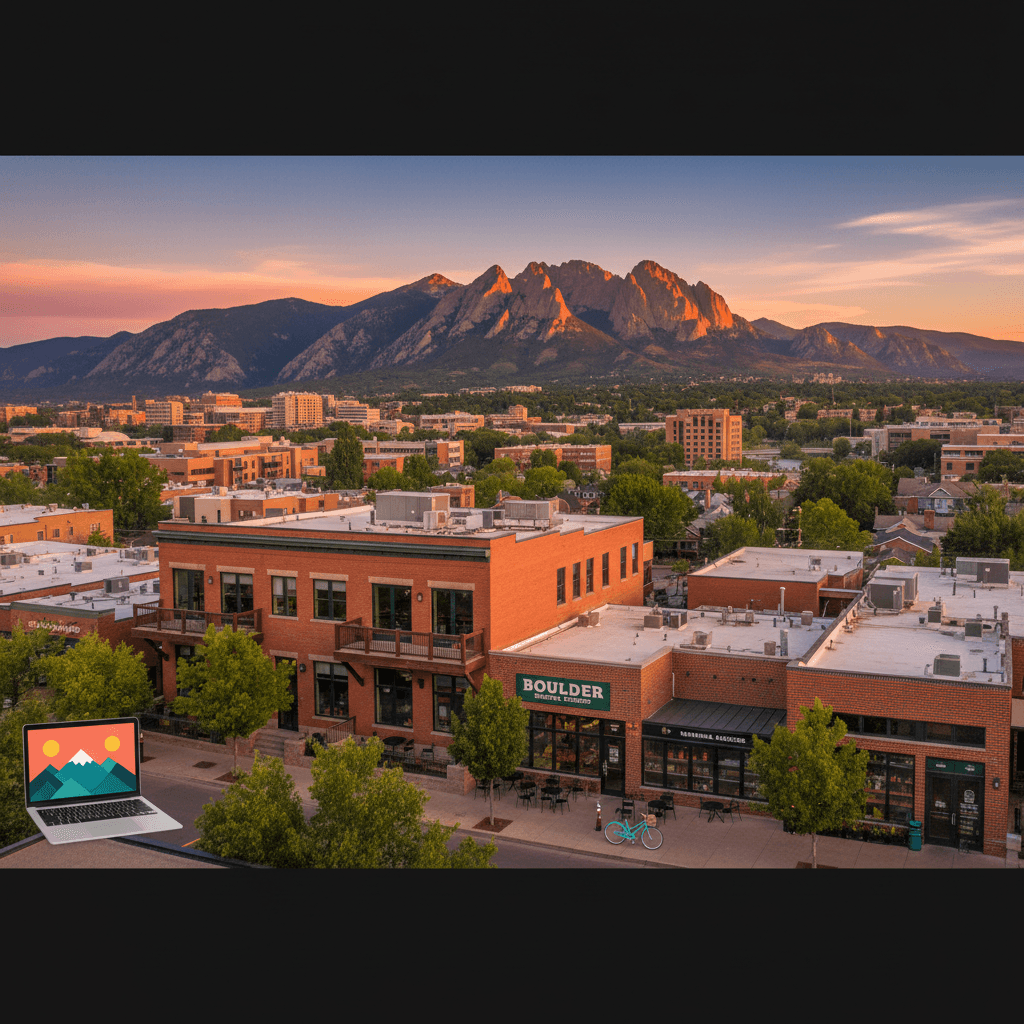
Boulder isn't your typical American tech hub. It feels more like a high altitude laboratory where people are obsessed with perfecting the intersection of deep work and outdoor play. While other cities talk about work life balance, Boulder lives it. You'll see it on Pearl Street, where a software engineer might be closing a deal on their laptop at Trident Bookstore & Cafe before immediately clipping into a bike to hit the trails at Mount Sanitas.
The atmosphere is one of quiet ambition softened by kindness. There is a distinct lack of the frantic energy found in NYC or San Francisco. Instead, the local culture prioritizes sustainability, wellness, and intellectual curiosity. It's common to overhear startup pitches at a coffee shop, but they're just as likely to be about a new carbon capture technology as they are about a fitness app. Most nomads find that the city's energy pushes them to be more productive during the day so they can earn their sunset hike.
What Sets It Apart
The defining feature of life here is the immediate access to the Flatirons. These slanted rock formations aren't just a backdrop; they're the city's compass. You are never more than a ten minute bike ride from a trailhead that leads into the wilderness. This proximity creates a unique nomad experience where "taking a break" means a 2,000 foot elevation gain rather than just a walk around the block.
Expats often mention that the city feels like an "analog sanctuary" despite its tech heavy population. People actually put their phones away here. There is a deep respect for the physical world, whether that's through the farm to table food scene at the Boulder Farmers Market or the city's legendary cycling infrastructure. You can cross the entire city on dedicated bike paths without ever worrying about a car door opening on you.
The Realities of the High Life
Living here comes with a premium price tag. Monthly costs for a comfortable nomad lifestyle usually land between $4,000 and $5,500. You're paying for the air quality, the safety, and the community. Rent for a studio or one bedroom apartment in the downtown core averages $2,200 to $2,500, though you can find better deals in Gunbarrel if you don't mind a short commute.
Travelers often say the biggest hurdle isn't the altitude, it's the cost of entry. However, the "Boulder bubble" provides a level of safety and reliability that is rare. You can leave your laptop on a table at Outsite to grab a refill without a second thought, and the RTD bus system is actually punctual. It's a frictionless place to live, which is exactly why so many remote workers are willing to pay the "mountain tax."
The Social Landscape
Socializing in Boulder revolves around activity. If you want to meet people, don't just go to a bar; join a climbing gym or a weekend hiking group. The community is welcoming but tends to be early to bed and early to rise. By 10:00 PM, much of the city is winding down so they can be on the trails by dawn.
For those seeking a more traditional nomad community, the Outsite coliving houses are the gold standard here. They offer a built in network of people who share the same values: hard work, environmental consciousness, and a love for the Rockies. It’s the kind of place where a morning stand up meeting is followed by a group excursion to Eldorado Canyon.
Quick Vibe Check
- The Best Part: Being able to summit a mountain and get back to your desk before your 11:00 AM Zoom call.
- The Worst Part: The "CU Parent Weekend" crowds and the eye watering price of a decent cocktail on Pearl Street.
- The Soundtrack: The hum of gravel tires on dirt paths and the quiet rustle of pages in a local bookstore.
- The Typical Nomad: A 30 something professional in high end Patagonia gear who knows exactly which local brewery has the best IPA.
Let's be honest: Boulder is expensive. It's often called the "bubble" for a reason, and that includes the price tag. You're paying a premium for the immediate access to the Flatirons and a tech scene that rivals Silicon Valley. Most nomads find they need between $3,300 and $5,600 per month to live comfortably here, depending on how much they prioritize a private apartment over a shared coliving setup.
Housing and Neighborhoods
Rent will be your biggest hurdle. If you want to be in the heart of the action near Pearl Street, rent for a studio apartment in the downtown core averages $1,600 to $2,000, with one-bedroom apartments starting around $2,000-$2,500. Many remote workers opt for Outsite Boulder to skip the furniture hunt; these coliving spaces usually run between $1,500 and $2,500 per month and include your utilities, high speed internet, and an instant social circle.
- Downtown/Pearl Street: The most expensive area but the most walkable. You're steps away from Trident Bookstore and Cafe, but you'll pay a premium for the privilege.
- University Hill: A bit more chaotic due to the college crowd, but you can find older apartments for around $1,800. It's great for cheap eats and quick trail access.
- Gunbarrel: Located about 15 minutes northeast of downtown, this is where you'll find more modern "luxury" complexes for roughly $1,600 to $1,900. You'll likely want a car or a very good e-bike if you stay out here.
Dining and Groceries
Eating out in Boulder can drain your budget quickly if you aren't careful. A casual lunch at a cafe or a few street tacos will set you back $10 to $15. If you're heading out for a mid range dinner on Pearl Street, plan on $25 to $40 per person once you add a local craft beer and a 20% tip.
Expats recommend shopping at King Soopers or Safeway for standard groceries. If you're leaning into the local lifestyle, Whole Foods and the Boulder County Farmers Markets are staples, though they'll easily add 30% to your weekly food bill. A typical grocery run for one person usually averages $100 to $150 per week.
Transport and Connectivity
The good news is that you don't necessarily need a car if you stay central. Boulder is incredibly bike friendly. You can grab a BCycle membership or use Lime scooters for a few dollars per trip. If you do need a rideshare, a quick Uber across town usually costs between $10 and $20.
For work, coworking spaces like WeWork or dedicated nomad hubs cost $200 to $500 monthly. If you prefer the cafe route, Trident is a local favorite where the WiFi is reliable and the atmosphere is quiet enough for deep work. For your phone, an eSIM through Airalo is the easiest move for short stays, while a local Verizon or AT&T prepaid plan runs about $30 to $50 for unlimited data.
Monthly Budget Tiers
To give you a clearer picture of what to expect, here is how the monthly spending typically breaks down:
The Budget Nomad
- Total: Approximately $3,300
- Housing: $1,500 (Shared house or peripheral suburb)
- Food: $800 (Mostly cooking at home, occasional tacos)
- Transport: $100 (Biking and the RTD bus)
- Activities: $200 (Free hiking, happy hours)
The Mid Range Professional
- Total: Approximately $4,500
- Housing: $2,200 (Private 1BR or central coliving)
- Food: $1,200 (Daily coffee shop visits, few dinners out)
- Transport: $250 (Occasional Ubers and bike rentals)
- Activities: $400 (Coworking membership, weekend trips)
The High End Lifestyle
- Total: $5,500+
- Housing: $3,000 (Upscale Downtown apartment)
- Food: $1,800 (Dining out frequently, high end groceries)
- Transport: $400 (Car rental or frequent rideshares)
- Activities: $600+ (Ski passes, premium gym memberships)
While the prices might induce a bit of sticker shock, most travelers agree that the quality of life justifies the cost. You're effectively paying for a backyard that consists of thousands of acres of protected mountain parks and a community that values health and productivity in equal measure.
The Solo Nomad: Pearl Street and Downtown
If you want to be where the action is, Pearl Street is the undisputed heart of the city. It is the most walkable area in Boulder, packed with the kind of high energy coffee shops where you will overhear startup pitches and see rows of laptops. Most nomads gravitate toward Trident Bookstore and Cafe for its quiet, academic atmosphere and reliable WiFi.
Living here puts you within steps of the best networking opportunities and social events. You will pay a premium for the convenience, with studios and one bedroom apartments now averaging approximately $1,600-$2,000. It gets crowded during the summer and during university events, but for those without a car, the trade-off is usually worth it. You can easily spend your mornings working from a cafe and your afternoons walking to nearby trailheads.
The Community Seeker: University Hill
Commonly known as "The Hill," this neighborhood sits right next to the University of Colorado campus. It is the go-to spot for younger nomads and expats who want a social scene that does not break the bank. While it can get noisy on weekends, the area offers some of the most affordable food in the city, with tacos and quick eats ranging from $10 to $15.
Expats often recommend this area if you are looking to build a social circle quickly. The proximity to campus means there is always a lecture, a concert, or a meetup happening. It is also a prime location for hikers, as it sits right at the base of the Flatirons. Expect a more lived-in, student-centric vibe rather than the polished aesthetic of downtown.
The Long-Term Expat: Mapleton Hill
For those planning to stay for a season or longer, Mapleton Hill offers a more refined, residential experience. It is famous for its historic homes and tree lined streets, providing a quiet sanctuary that still feels connected to the city. It is a bit of a climb, so you will want a bike or strong legs for the daily commute downtown.
Nomads who prioritize work-life balance find this neighborhood ideal. It is close enough to Outsite Boulder for community events but far enough from the Pearl Street noise to allow for deep focus. Rent here is high, often mirroring downtown prices, but you are paying for the scenery and the immediate access to Mount Sanitas trails.
Families and Quiet Professionals: Gunbarrel and Table Mesa
If you need more space or a quieter environment for a family, look toward the outskirts. Gunbarrel is a tech-heavy suburb about 15 minutes northeast of downtown. It is much more affordable, with one bedroom units averaging around $1,600. While it lacks the "analog charm" of the city center, it is highly bikeable and has its own cluster of breweries and grocery stores.
Table Mesa, located in South Boulder, is another favorite for families and expats. It feels more like a traditional neighborhood and provides some of the best access to the local school system and the South Boulder Creek Trail. You will likely need a car or a reliable e-bike if you live out here, as the social scene is spread out. Travelers often say these areas feel more like "real life" and less like a tourist hub.
Where to Work: Coworking and Connectivity
Regardless of which neighborhood you choose, you will find that Boulder is built for remote work. Most nomads find that a hybrid approach works best. Outsite is the gold standard for those who want a built-in community, with memberships and coliving setups ranging from $1,500 to $2,500 per month. If you just need a desk for the day, WeWork and other local hubs offer passes for $300 to $500 a month.
The citywide internet is remarkably stable, with speeds typically hitting between 30 and 76 Mbps. If you are staying long term, setting up a local SIM through Verizon or AT&T will cost you about $40 a month, though many travelers now opt for an eSIM via Airalo for immediate data upon arrival.
Connectivity and Speed
Boulder is a high performance town, and that extends to its fiber infrastructure. You'll find citywide speeds averaging between 30 and 76 Mbps, which is plenty for heavy video conferencing or uploading large files. Most nomads find the reliability here far superior to coastal hubs, with very few outages even during the occasional heavy snowstorm.
For mobile data, Verizon and AT&T are the heavy hitters. You can pick up a prepaid SIM for $30 to $50 a month with unlimited data at any local retail shop. If you prefer to skip the physical store, many travelers swear by Airalo for an eSIM, which usually runs about $20 to $40 depending on your data needs. It’s a seamless way to stay connected while you’re biking between meetings.
Top Coworking Spaces
The coworking scene in Boulder focuses heavily on community and outdoor access. It isn't just about a desk; it’s about finding people to hike with after the 4:00 PM stand-up meeting.
- Outsite Boulder: This is the gold standard for nomads who want a "built-in" social life. It combines coliving and coworking, usually costing between $1,500 and $2,500 per month. It’s popular because they curate events that help you meet people with similar values right away.
- WeWork Boulder: Located in the heart of the action, this is the go-to for those who want a familiar setup. Monthly hot desks or day passes usually range from $300 to $500. It’s professional, consistent, and puts you steps away from the best food on Pearl Street.
- Kiln: A local favorite that feels more like a high end boutique hotel than an office. It’s where you’ll see the "quiet ambition" of the local tech scene in action.
The Café Culture
If you prefer the hum of a coffee shop to a formal office, Boulder is your playground. The "laptop lifestyle" is fully embraced here, though you should always be mindful of peak lunch hours at smaller spots.
Trident Bookstore & Cafe is the legendary choice. It’s a creative sanctuary where you’ll hear startup pitches at one table and poetry readings at the next. The WiFi is strong, and the atmosphere is analog enough to keep you focused but social enough to feel like part of the city. Expats often gather here for language exchanges or low key evening comedy sets.
Other nomads recommend the various spots along Pearl Street. These cafés often provide mountain views that make the workday feel significantly shorter. Just keep an eye on the time during University of Colorado events; places near The Hill get crowded and noisy when parents or alumni are in town, making deep work a bit of a challenge.
Productivity Tips
Most remote workers in Boulder find that the best way to stay productive is to mimic the local schedule. Start early, take a long break for a midday trail run in Eldorado Canyon, and finish your tasks in the late afternoon. The city is designed for this kind of fluidity.
If you’re working on a budget, the Boulder Public Library is a surprisingly great spot. It’s quiet, free, and the architecture is stunning. For those who need to jump on calls frequently, stick to the formal coworking spaces like Outsite or WeWork, as the local cafés can get quite lively with networking and social chatter.
Personal Safety in the Foothills
Boulder consistently ranks as one of the safest cities in the United States for solo travelers and families alike. You'll notice a distinct lack of "no-go" zones, even after the sun sets. Most nomads feel perfectly comfortable walking through Pearl Street or Mapleton Hill late at night, as the streets remain well-lit and active with locals heading home from breweries.
The real safety concerns here are less about crime and more about the environment. If you're heading out for a solo hike in Eldorado Canyon or up to the Flatirons, tell someone where you're going. While the trails are popular, it's easy to lose your footing or get caught in a sudden mountain storm. Always pack an extra layer and keep an eye on the sky, as weather shifts happen fast at this altitude.
Property crime is the most common nuisance, specifically bike theft. Boulder is a cycling mecca, but that makes high-end bikes a target. Expats recommend using a heavy-duty U-lock rather than a cable lock, especially if you're leaving your ride outside a coffee shop like Trident Bookstore & Cafe for a long work session. Avoid leaving laptops or bags visible in your car, even in quiet residential areas.
Top-Tier Healthcare Access
If you're moving from abroad, you'll find the healthcare quality in Boulder is exceptional, though it comes with the standard high price tag of the American system. Boulder Community Health (BCH) is the primary hospital system, known for its high-quality emergency services and specialized care. They have several locations, including the Foothills Hospital on Arapahoe Avenue.
For non-emergencies, several urgent care clinics like UCHealth Urgent Care or NextCare offer faster, cheaper alternatives for things like stitches, flu tests, or minor injuries. These are usually open seven days a week and accept most major insurance plans. If you're a nomad without U.S. health insurance, expect to pay between $150 and $300 for a standard urgent care visit out of pocket.
- Emergency Services: Dial 911 for police, fire, or ambulance.
- Pharmacies: Walgreens and CVS are everywhere. The Walgreens on 28th Street is a reliable 24-hour option for late-night prescriptions.
- Mental Health: Boulder has a massive wellness community, so finding therapists or holistic practitioners is easier here than in almost any other mid-sized U.S. city.
Altitude and Wellness
The most common health issue for newcomers isn't a virus; it's altitude sickness. Boulder sits at 5,328 feet. If you're arriving from sea level, you might experience headaches, shortness of breath, or fatigue for the first 48 to 72 hours. Drink twice as much water as you think you need and go easy on the craft beers for your first few nights in town.
The "Boulder Bubble" lifestyle is intensely focused on preventative health. You'll find that your social circle likely revolves around morning trail runs or yoga sessions rather than late nights at a bar. Most nomads find this environment helps them kickstart healthier habits, though the pressure to be "constantly active" can be a bit overwhelming at first. Take it at your own pace and remember that the locals have had years to acclimate to the thin air.
Emergency Contacts and Resources
Keep these numbers and locations handy during your stay:
- Boulder Community Health: Located at 4747 Arapahoe Ave. This is your go-to for serious medical issues.
- Boulder Police Department: Non-emergency line is 303-441-3333. Use this for reporting things like bike theft or minor accidents.
- Poison Control: 1-800-222-1222.
- Mental Health Partners: Offers 24/7 walk-in crisis services on Airport Road.
The Two-Wheeled Lifestyle
In Boulder, your bike is your primary vehicle. The city is famous for its 300 days of sunshine and a massive network of paved paths known as the Boulder Creek Path and various multi-use trails. Most nomads skip the car rental and opt for a $100 monthly RTD pass or stick to the Lime and Spin scooters that dot the corners of Pearl Street and University Hill. Expect to pay about $1 to unlock a scooter and $0.30 per minute thereafter.
The city is designed so you can ride from a morning deep-work session at Trident Bookstore & Cafe to a sunset hike at Chautauqua Park without ever fighting for a parking spot. Many long-term travelers find that biking isn't just a way to save money; it's the social fabric of the town. You'll see locals in business casual gear pedaling to meetings or families hauling groceries in electric cargo bikes.
Public Transit and the RTD System
If the weather turns or you're heading to a neighborhood like Gunbarrel that's a bit further out, the Regional Transportation District (RTD) bus system is reliable and clean. The local fare is $2.75 for a three-hour pass, or you can grab a day pass for $5.50. Nomads living in the Table Mesa area frequently use the bus to get into the downtown core in under 15 minutes.
- The HOP: A high-frequency shuttle that loops between Downtown, University Hill, and 29th Street Mall. It's the easiest way to move between the main nomad hubs.
- The SKIP: Runs north and south along Broadway, perfect if you're staying in the residential areas of North Boulder but working in the center.
- The BOLT: Connects Boulder to Longmont, which is a great option if you're looking for slightly cheaper dining or a change of scenery.
Getting to and from Denver International (DIA)
Boulder sits about 45 minutes northwest of Denver International Airport. While a Lyft or Uber will get you there quickly, it's a pricey habit, often costing between $60 and $90 depending on the time of day. Most savvy expats and nomads use the AB1 bus line. It leaves from the Downtown Boulder Station and the Table Mesa Park-n-Ride almost every hour.
The AB1 costs $10 each way and features luggage racks and comfortable seating. It's a productive hour; the WiFi on the bus is usually strong enough to clear your inbox before your flight. If you're arriving late at night, rideshares are your only real option, so try to time your arrival before the last bus departs around 11:00 PM.
Ride-Hailing and Car Sharing
Uber and Lyft are omnipresent, but they can get expensive during peak times like University of Colorado football games or Parent's Weekend. A quick trip across town usually runs $12 to $18. For those weekend trips into the Rockies or up to Eldorado Canyon, many nomads prefer Colorado CarShare or Turo.
Renting a traditional car for the duration of your stay is rarely worth the headache of finding parking in Mapleton Hill or Downtown, where permits are strictly enforced. If you do bring a car, be prepared to pay $2.50 per hour for street parking in the city center. Most residents recommend sticking to the trails and only grabbing a vehicle when you're heading deep into the mountains for a ski day or a secluded trailhead.
Walkability by Neighborhood
If you prefer to move on foot, your choice of neighborhood is everything. Living near Pearl Street means you're within a 10-minute walk of groceries, coworking spaces like Outsite, and dozens of cafes. University Hill is similarly walkable but carries a louder, student-driven energy.
- Pearl Street/Downtown: 95+ walk score. No vehicle needed for daily life.
- North Boulder (NoBo): 60 walk score. Better for cyclists; a bit too spread out for pure walking.
- Gunbarrel: 30 walk score. You'll definitely want a bike or a bus pass to get to the main action.
The Local Vernacular
In Boulder, English is the undisputed language of daily life. You'll find 100% proficiency across the city, from the tech offices on Canyon Boulevard to the bike shops in North Boulder. Because it's a major hub for the University of Colorado, the local dialect is a mix of academic precision and laid-back mountain slang. You'll hear "rad" and "stoked" used in professional settings just as often as you'll hear deep dives into software architecture or environmental policy.
While English dominates, Spanish is the most common secondary language. It's frequently heard in service industries and within the city's diverse pockets, though you won't need it to get by. Most nomads find that the real "language" of Boulder is centered on outdoor activity. Being able to talk about "fourteeners" (mountains over 14,000 feet), "sending" a climbing route, or the current state of the "snowpack" will help you integrate into social circles faster than any grammar app.
Communication and Connectivity
Staying connected is rarely an issue here. WiFi speeds are reliable, averaging between 30 and 76 Mbps, which is plenty for heavy Zoom calls or uploading large files. If you're coming from abroad, don't rely on your home SIM. Pick up a local prepaid card from Verizon or AT&T. You can find these at stores throughout the city or at Denver International Airport when you land. Expect to pay between $30 and $50 for a month of unlimited data.
For those who prefer a digital-first approach, Airalo is the go-to eSIM for nomads in Colorado. It's convenient for short stays, usually costing between $20 and $40 depending on your data needs. Just keep in mind that while the city center has excellent 5G coverage, signals can drop quickly once you head into the deeper canyons or higher trailheads of the Rockies.
The Social Dialect of Networking
Boulder has a unique communication style that locals often describe as "quiet ambition softened by kindness." It's a place where you'll overhear startup pitches at Trident Bookstore & Cafe, but the person pitching is likely wearing a Patagonia fleece rather than a suit. Networking is less about business cards and more about shared interests. Expats recommend joining a local hiking group or attending a language exchange at a Pearl Street coffee shop to meet people organically.
Digital nomads often find their community at Outsite or WeWork, where the social shorthand revolves around remote work flexibility and weekend mountain plans. If you're looking for a more "analog" connection, the Boulder Book Store is a local landmark where people still gather to talk ideas. People here are generally friendly and open to striking up a conversation with a stranger, especially if you're asking for trail recommendations or the best local brewery for a post-work pint.
Practical Communication Tips
- Tipping Culture: Communication includes the unspoken rules of service. It is standard to tip 15% to 20% at restaurants and bars.
- Emergency Services: Dial 911 for any immediate police, fire, or medical emergencies. Dispatchers speak English, but translation services are available if needed.
- Sustainability Speak: Boulder is fiercely eco-conscious. Knowing the difference between compost, recycling, and landfill is a social requirement here. Most public bins are clearly labeled to help you out.
- Apps to Have: Beyond Google Translate, download AllTrails for navigating the local peaks and RTD MyRide for managing bus fares if you're heading toward Denver.
Overall, you won't face a language barrier in Boulder. The challenge isn't being understood, it's keeping up with the high-energy, health-conscious vocabulary of a community that lives for the outdoors. If you can talk about your favorite trail and your latest project in the same breath, you'll fit right in.
A High-Altitude Microclimate
Boulder sits at an elevation of 5,430 feet, right where the Great Plains meet the Rocky Mountains. This unique positioning creates a mild mountain climate that nomads often find surprisingly pleasant. You'll get plenty of that famous Colorado sunshine, with over 300 sunny days a year, making it easy to stay active even in the middle of winter.
The air is dry here, so 80°F (27°C) feels much cooler than it would on the East Coast. However, the sun is intense at this altitude. Expats quickly learn to carry a reusable water bottle and wear sunscreen daily, regardless of the temperature. The weather can change in a heartbeat; it isn't rare to see a 30-degree temperature swing between lunch and dinner.
The Best Time to Visit
If you're looking for the quintessential Boulder experience, aim for June through September. This is prime hiking season. The trails at Chautauqua Park are clear, and the evening temperatures are perfect for outdoor concerts or working from a patio on Pearl Street. While the summer months are the most popular, the dry heat keeps things comfortable for outdoor enthusiasts.
September and October are arguably the best months for digital nomads who want to avoid the peak summer crowds. The aspen trees in the nearby canyons turn a brilliant gold, and the air gets a crisp, energizing edge. It's the perfect time for long bike rides through Mapleton Hill before the first snow dusts the Flatirons.
Seasonal Breakdown
- Spring (March to May): This is the most unpredictable season. You might experience a 70°F (21°C) day followed by a heavy spring snowstorm. It's often "mud season" on the trails, so nomads usually stick to paved bike paths during these months.
- Summer (June to August): Expect highs between 80°F and 90°F (27°C to 32°C). Afternoon thunderstorms are common but brief, usually clearing up in time for a sunset hike. This is when the city is most alive.
- Fall (September to November): Mild days and cool nights. Highs hover around 50°F to 70°F (10°C to 21°C). It's the best time for productivity, as the cooling weather makes hunkering down in a cafe like Trident Bookstore feel extra cozy.
- Winter (December to February): It gets cold, with lows frequently hitting 20°F (-6°C), but the snow rarely lingers in the city for more than a day or two. If you're a skier, this is your season, as world-class resorts are just an hour away.
When to Avoid the Crowds
While Boulder is great year-round, there are a few windows that might frustrate a remote worker looking for peace. Late August brings thousands of students back to the University of Colorado, which sends rental prices up and makes coffee shops much louder. Similarly, late May sees a massive influx of visitors for graduation and the Bolder Boulder 10K race.
Travelers often suggest avoiding January and February if you aren't into winter sports. The days are short, and while the sun still shines, the biting wind off the mountains can make walking between coworking spaces a bit of a chore. If you do visit then, make sure your accommodation has reliable heating and plenty of natural light to combat the winter blues.
What to Pack
The local "uniform" is remarkably consistent regardless of the season. You'll want high-quality layers. A light down jacket or "puffy" is standard wear even in late spring. Because the humidity is so low, you won't feel the cold as sharply as you would in a damp climate, but you'll definitely notice it the moment the sun drops behind the peaks. Most nomads recommend a sturdy pair of trail shoes that can transition from a morning hike to a casual meeting at a brewery.
Connectivity and Tech Setup
Staying connected in Boulder is straightforward, but you'll want to choose your provider based on how deep you plan to go into the mountains. For a physical SIM card, head to the Verizon or AT&T stores downtown; expect to pay between $30 and $50 for a monthly prepaid plan with decent data. If you prefer a digital-first approach, most nomads use Airalo eSIMs, which usually run about $20 to $40 a month and save you a trip to the mall.
The city's WiFi is generally fast and reliable, averaging around 30 to 76 Mbps. While most rental apartments come with high speed fiber, the local coffee shop culture is where the real work happens. Trident Bookstore & Cafe is a local favorite where you can work alongside startup founders and creative writers. If you need a more formal environment, Outsite offers a coliving and coworking combo for $1,500 to $2,500 a month, providing a built-in community of people who share your values.
Money and Banking
Boulder is expensive, even by U.S. standards. Most nomads suggest a monthly budget of $4,500 to live comfortably. While major banks like Chase and Wells Fargo have branches throughout the city, digital nomads usually stick to Wise or Revolut for daily transactions to avoid unnecessary fees. Cash is rarely needed, though it's polite to have a few dollars for small tips at the farmers' market.
Tipping is a standard part of the culture here. Plan to add 15% to 20% to your bill at restaurants and bars. If you're grabbing a quick coffee or a taco at a stand, a dollar or two in the jar is appreciated but not mandatory.
Safety and Health
Boulder is exceptionally safe for solo travelers and families alike. You'll feel comfortable walking through Pearl Street or University Hill at night. The biggest safety risks aren't people; they're the elements. The sun is intense at this altitude, and the weather can shift from 70 degrees to a snowstorm in a single afternoon. Always carry a reusable water bottle and an extra layer.
For medical needs, Boulder Community Health is the primary hospital and offers high quality care. Pharmacies like Walgreens and CVS are easy to find for prescriptions or basic supplies. If you're planning on doing serious hiking or mountain biking, make sure your insurance covers outdoor activities, as mountain rescues can be incredibly pricey.
Daily Logistics
Getting around without a car is surprisingly easy if you stay central. The city is designed for bikes, and the trail system connects almost every neighborhood. You can grab a Lime or Spin scooter for about $1 to unlock and $0.30 per minute. For longer trips, the RTD bus system is reliable, with local rides costing $2 to $5.
- Airport Transit: The AB1 bus costs $10 each way from Denver International Airport (DIA) and takes about an hour. An Uber or Lyft will set you back $50 to $80 depending on the time of day.
- Groceries: Whole Foods and Trader Joe's are popular but can be pricey. For better deals, nomads head to King Soopers or the seasonal farmers' markets for local produce.
- Eco-Rules: Boulder takes sustainability seriously. You'll be expected to compost and recycle everywhere, and most grocery stores charge for bags, so bring your own.
Seasonal Timing
Most nomads recommend visiting between June and September to take full advantage of the hiking trails and outdoor events. If you're a skier, January and February are the peak months, though the city itself gets quite cold with temperatures often dropping to 21 degrees. October is a favorite for many because of the crisp air and the changing colors of the aspen trees, which turn the mountains a brilliant gold.
Need visa and immigration info for United States?
🇺🇸 View United States Country GuideEasy Landing
Settle in, no stress