Borjomi
🇬🇪 Georgia
The Sip and Slow-Down
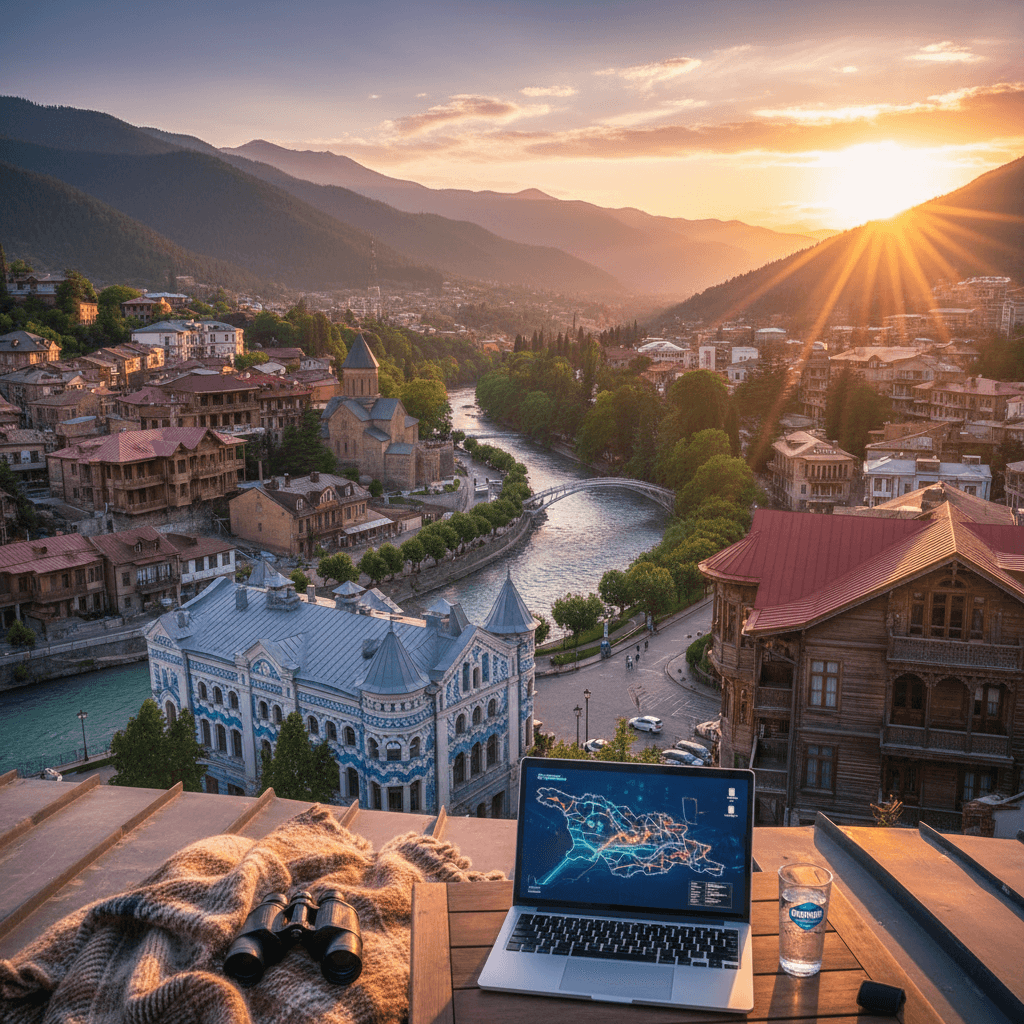
Borjomi isn't your typical high-octane nomad hub. While Tbilisi provides the grit and the late-night techno, Borjomi offers a deep, pine-scented exhale. It’s a town defined by its water, a salty, sulfuric mineral spring that Georgians swear can cure everything from a hangover to heartbreak. Living here feels like stepping into a vintage postcard of a Soviet-era health resort, but with enough modern Bolt rides and Magti 4G to keep you tethered to the 21st century.
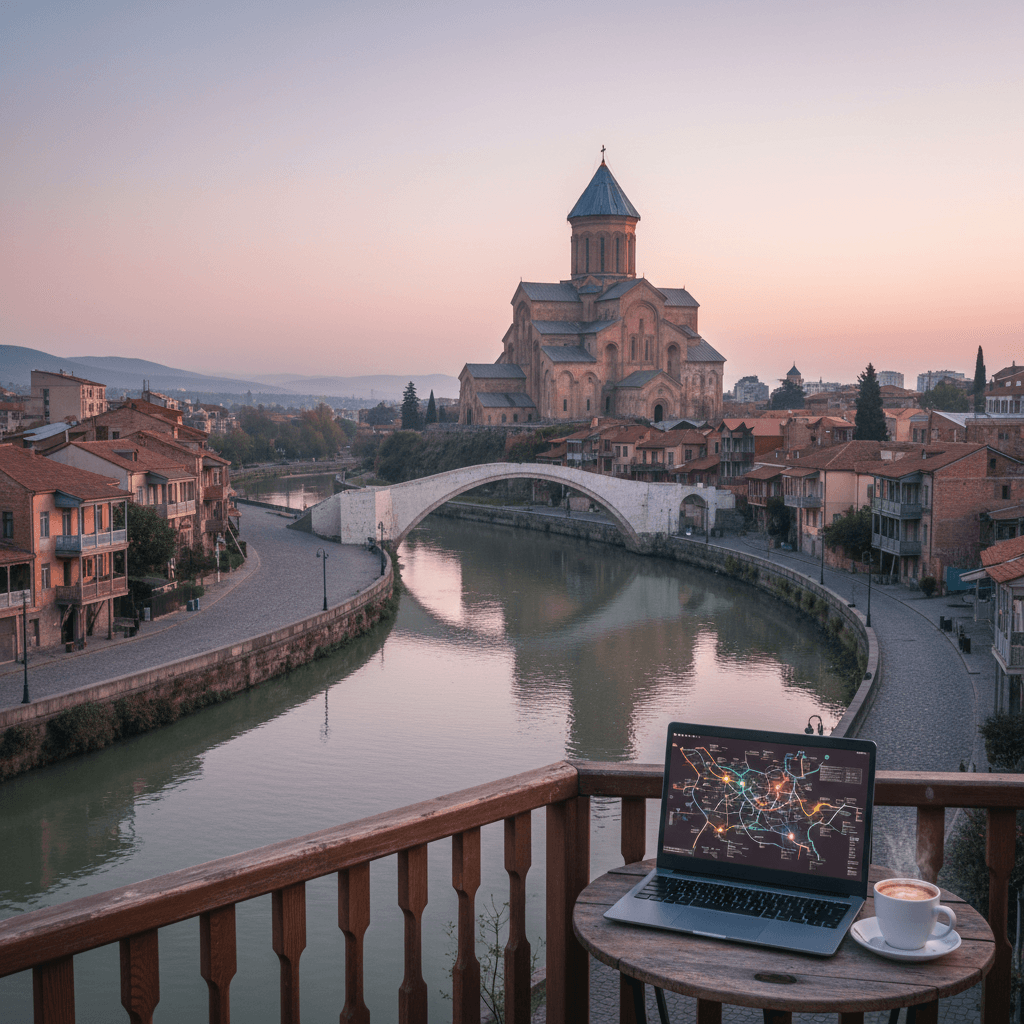
The vibe is decidedly slow. You'll spend your mornings working from a balcony overlooking the Mtkvari River and your afternoons hiking through the Borjomi-Kharagauli National Park. It’s the kind of place where the "commute" involves a cable car ride over a lush canopy or a walk to the local pavilion to fill up a bottle of warm, healing water for free. For nomads, it’s less of a place to network and more of a place to recover from burnout.
The Cost of Living
Your bank account will love Borjomi. With a total monthly average of around $1,389, it’s significantly cheaper than the capital. You can live well here without constantly checking your banking app.
- Budget Tier ($900 to $1,100): You'll snag a studio in the town center for $300 to $400. Meals consist of $3 street khachapuri and cheap produce from the local markets.
- Mid-range Tier ($1,200 to $1,500): This gets you a nice one-bedroom near the park for $400 to $600. You'll eat out often at spots like Cafe 21, spending $10 to $15 on dinner with wine.
- Comfortable Tier ($1,800+): You’re looking at modern, renovated apartments for $700+ and daily private taxis or Bolt rides to explore the surrounding mountains.
Where to Plant Your Laptop
The town is compact, so you won't need a car. Most nomads stick to the Town Center. It’s walkable, puts you right next to the Central Park and the springs, and has the best concentration of cafes with reliable WiFi. It gets a bit touristy in the summer, but the convenience is hard to beat.
If you prioritize silence and mountain air, look toward the National Park outskirts. The rent is lower and the nature is immediate, but be warned: the internet can be spotty and you’ll be reliant on Bolt to get groceries. Families or those looking for a bit of history often gravitate toward the Romanov Palace area, which feels more residential and established, though amenities are thinner on the ground.
The Digital Infrastructure
Let’s be real about the "digital" part of digital nomadism here. There are no dedicated coworking spaces in Borjomi. You’ll be working from your apartment or local cafes. Speeds average around 32 Mbps, which is plenty for Zoom calls but might feel sluggish if you’re used to Tbilisi’s fiber optics. Pick up a Magti or Beeline SIM for about $10 to use as a hotspot backup. If your job requires heavy data lifting, Borjomi is better suited for a week-long "workation" than a six-month stint.
Life Between the Lines
Safety is a non-issue; it’s a small town where everyone knows everyone. You’ll find the locals are friendly, though English proficiency is low once you leave the main tourist cafes. Learning a few words like "Gamarjoba" goes a long way. The social scene is quiet, centered around shared meals and outdoor activities rather than bars or meetups. If you need a community of fellow nomads, you’ll likely have to head back to Tbilisi for the weekend.
The best time to visit is May through October. The winters are chilly and quiet, but the shoulder seasons offer a perfect 15°C climate that makes those mountain trails irresistible. Just remember to pack layers for the rainy days in May and June, and always keep a few GEL in cash for the smaller shops and local buses.
A High-Value Retreat for Nature Seekers
Borjomi is where you go when the chaos of Tbilisi or the humidity of Batumi starts to wear thin. It is a town built on wellness, and that reflects in the price tag. While it lacks the high-end infrastructure of the capital, it makes up for it with a cost of living that allows your budget to stretch significantly further. Most nomads find they can live comfortably here for around $1,389 per month, though you can easily drop that closer to $1,000 if you are savvy with local markets and stick to a central studio.
The value proposition here is simple: you are paying for the air and the access to the Caucasus, not for high-speed fiber or a networking scene. For those who can handle slightly slower internet and a quieter social calendar, the financial trade-off is excellent. You will find that your biggest expenses are housing and imported goods, while local transport and fresh produce remain remarkably cheap.
The Monthly Breakdown
Living costs in Borjomi vary based on how much you prioritize modern amenities versus local charm. Since the town is small, the "premium" for living in the center is less about luxury and more about being within walking distance of the mineral springs and the best cafes.
- Budget Tier ($900 to $1,100): This covers a modest studio in the town center for $300 to $400. You will be eating $3 khachapuri for lunch, using local buses for $20 a month, and working from cafes where a coffee sets you back $2.
- Mid-range Tier ($1,200 to $1,500): The sweet spot for most nomads. This includes a nice 1BR near the park for $400 to $600, frequent Bolt rides, and a mix of home cooking and mid-range dinners at spots like Cafe 21 where meals cost $10 to $15.
- Comfortable Tier ($1,800+): For those who want the best available modern renovations, expect to pay $700 or more for rent. This tier allows for daily private taxis, upscale dining at $40 per person, and plenty of weekend excursions into the national park.
Day-to-Day Expenses
Groceries will likely run you about $173 a month if you shop at local markets and chains like Nikora or Spar. Base utilities, including electricity and heating, which is vital during those chilly mountain winters, average around $79. If you are coming from a major Western hub, these numbers feel like a steal.
Eating out is one of the highlights of Borjomi. Even if you aren't on a strict budget, the local food is incredibly affordable. You can grab a quick street snack for a few dollars or sit down for a full spread of trout and Georgian wine for under $20. Travelers often say the quality of the produce here, fed by the local mineral springs, is some of the best in the country.
Connectivity and Workspace Costs
Since there are no dedicated coworking spaces in Borjomi, you won't be paying a monthly membership fee. Instead, your "office" costs are usually the price of a few coffees or a lunch. Most nomads rely on Magti or Beeline SIM cards for backup data, which costs about $10 for 20GB. If you need a more formal setup, some nomads negotiate a monthly rate for a private desk in a local hotel, which can run upwards of $200, but it's rarely necessary if your home WiFi is stable.
Transportation
Getting around is rarely a financial burden. The town center is highly walkable, so your transport costs might actually be zero on most days. For longer trips or when the weather turns, the Bolt app is the dominant way to get around, with most rides within town costing between $2 and $5. If you are heading back to Tbilisi, a marshrutka (minibus) is the local way to go for about $5, while a private taxi for the 2.5 hour drive will cost between $50 and $70.
Solo Travelers and Short-Term Nomads
If you're heading to Borjomi for a quick mountain retreat or a two week "deep work" sprint, the Town Center is your best bet. This area puts you within walking distance of the Central Park and the famous mineral water springs. It's the most functional part of town, keeping you close to Cafe 21 for fresh trout and the local kiosks where you can grab a Magti SIM card for about $10.
- Rent: Expect to pay $300 to $400 for a studio or $30 to $50 per night for a well rated guesthouse.
- Vibe: Social and convenient. You'll meet other travelers at the cable car or the water tasting pavilion.
- The Draw: Everything is reachable on foot. You won't need to worry about the lack of public transport when you're steps away from the grocery stores and the main park entrance.
Digital Nomads and Remote Workers
For those staying a month or longer, the Outskirts near Borjomi-Kharagauli National Park offer the peace you probably came here for. While the town center is great, it gets crowded with tourists during the summer months. Moving slightly toward the park boundaries provides a quieter environment for focused work, though you'll need to be diligent about testing the WiFi before signing a lease. Most nomads here rely on mobile hotspots as a backup since speeds average around 32 Mbps.
- Rent: Mid range 1BR apartments go for $400 to $600, often with better views than the center.
- Vibe: Quiet and nature focused. It feels more like a mountain cabin retreat than a city.
- The Draw: Immediate access to hiking trails. You can finish a Zoom call and be deep in the pine forest within ten minutes.
Families and Long-Term Expats
The area around the Romanov Palace is the preferred choice for a more residential feel. It's historically charming and generally quieter than the tourist hub near the springs. While Borjomi doesn't have the massive expat infrastructure of Tbilisi, this neighborhood feels the most "settled." Families appreciate the proximity to flat walking paths and smaller local parks where kids can run around away from the main road traffic.
- Rent: Larger apartments or small houses typically start at $700.
- Vibe: Historic and relaxed. It has a slower pace even by Borjomi standards.
- The Draw: Safety and space. It’s a very secure area with low crime, making it comfortable for those traveling with children.
Practical Living Costs by Area
Regardless of where you plant your flag, Borjomi is significantly more affordable than the capital. Most expats find they can live comfortably on $1,389 per month. Here is how the costs generally break down across the town:
- Budget Living: Total $900 to $1,100 per month. Stick to the town center for cheap $3 khachapuri and use local buses for transport.
- Mid-Range Comfort: Total $1,200 to $1,500 per month. This covers a nice 1BR near the park, regular Bolt rides for $2 to $5, and dining out at mid range spots where meals cost $10 to $15.
- High-End Stay: Total $1,800+ per month. This gets you a modern apartment with top tier amenities, private taxi transfers to Tbilisi for $60, and upscale dining.
Since there are no dedicated coworking spaces, most people work from their apartments or set up in cafes. If you need a more robust professional community, travelers often recommend basing in Tbilisi and taking the $5 marshrutka for weekend trips to Borjomi instead of staying long term.
If you're coming from Tbilisi's high-speed fiber networks, Borjomi requires a bit of a mindset shift. It's a town built for breathing, not for heavy data crunching. While the internet infrastructure isn't as robust as the capital's, it's reliable enough for most remote work if you choose your base carefully.
Connection Speeds and Stability
Expect average download speeds of around 32 Mbps. This is plenty for Zoom calls and standard cloud work, but you'll notice the lag if you're trying to upload massive 4K video files or running complex syncs. The connection in the town center is generally stable, though it gets patchier as you move toward the outskirts near the National Park. Most guesthouses and hotels use standard ADSL or basic fiber; always ask for a speed test screenshot before booking a long-term stay.
Coworking and Laptop-Friendly Cafes
You won't find any formal coworking spaces with ergonomic chairs and networking events here. Borjomi is a "work from a cafe" kind of town. The local culture is laid back about people lingering over a laptop, provided you keep the coffee and snacks flowing. Cafe 21 is a favorite for its reliable signal and central location. Most nomads find that the best "office" is often a balcony in a central guesthouse, where you can pair the Wi-Fi with a view of the pine forests.
- Cafe 21: Good Wi-Fi, central, and decent power outlet access.
- Tourist Information Center: Occasionally offers a quiet spot to sit, though it's not a dedicated workspace.
- Hotel Lobbies: Larger hotels near the Mineral Water Park often have the most consistent corporate-grade internet.
Mobile Data and SIM Cards
Since home Wi-Fi can be hit or miss, a local SIM card is your best insurance policy. Georgia has excellent mobile coverage, even in mountainous areas. Magti is the gold standard for coverage and speed, though Cellfie is a popular budget alternative. You can pick up a SIM at small shops in the center for about $10, which usually gets you around 20GB of data for the month.
- Magti: Best coverage in the hills; expect to pay a small premium for the reliability.
- Cellfie: Great for local use but can struggle once you hit the hiking trails.
- Airalo: A solid eSIM option if you want to be online the second your marshrutka pulls into town.
The Digital Nomad Community
Don't expect a "scene" here. The nomad community is small and transient, with most people staying for a week or two to decompress rather than settling in for months. You won't find weekly meetups or Slack channels dedicated to Borjomi. If you're craving social interaction with other remote workers, you'll likely need to head back to Tbilisi or join the "Expats in Georgia" Facebook groups to see who else is passing through the region.
Practical Tech Tips
- Power: Electricity is generally stable, but power surges can happen during heavy mountain storms. A basic surge protector isn't a bad idea for expensive gear.
- Backup: Use your phone as a hotspot. Magti's 4G is often faster than the Wi-Fi in older guesthouses.
- Banking: Bank of Georgia ATMs are easy to find in the center. They play nice with Wise and Revolut, making it easy to pull out GEL without heavy fees.
A Safe Haven in the Mountains
Borjomi is one of those rare places where you can truly let your guard down. It feels more like a quiet alpine village than a regional center, and the crime rate reflects that. You'll find it incredibly safe to walk around at any hour, though the streets get very dark once you move away from the central park area. Most nomads feel perfectly comfortable exploring the forested outskirts alone, but it's smart to stick to the main paths after dusk simply because the terrain is uneven and lighting is sparse.
The biggest "safety" concern you'll likely face isn't crime, but the local traffic. While the town center is walkable, drivers can be aggressive on the main roads connecting Borjomi to Tbilisi or Akhaltsikhe. If you're using the Bolt app to get around, you'll find the rides are cheap, usually between $2 and $5, and generally more reliable than flagging down a random car.
Healthcare Essentials
For everyday health needs, Borjomi is well-equipped. Pharmacies are everywhere, and you should look for the Averso or PSP chains. They are well-stocked with European brands, and the pharmacists often speak enough English to help with basics like painkillers or allergy meds. Most medications that require a prescription in the US or UK are available over the counter here, which is a convenient plus for long-term travelers.
Local clinics in town are fine for minor issues, like a sprained ankle from a hike or a stomach bug. However, for anything serious or specialized, the standard nomad move is to head to Tbilisi. The capital is about a two and a half hour drive away and has high-end facilities like American Hospital Tbilisi or MediClub, where the staff is fluent in English and the equipment is modern. If you have an emergency, dial 112, which is the universal number for police, fire, and ambulance services in Georgia.
Insurance and Requirements
Georgia has tightened its rules recently, and as of 2026, you are required to have mandatory travel insurance to enter the country. Border officials don't check every single person, but they can ask for proof of coverage upon arrival. Even if they don't, having a policy that covers medical evacuation to Tbilisi or back home is a smart move given Borjomi's rural setting. Most expats recommend providers like SafetyWing or Genki because they handle the specific needs of digital nomads well.
Staying Healthy on the Road
The town's identity is built on wellness, so staying healthy here is easy. The air is crisp and pine-scented, and the local mineral water is famous for its digestive benefits. You can fill up your bottles for free at the Mineral Water Park pavilion. While the tap water in Borjomi is generally considered safe for brushing teeth, most nomads stick to filtered or bottled water for drinking to avoid any mineral-heavy stomach upsets.
- Emergency Number: 112 (English-speaking operators available)
- Pharmacy Chains: Averso, PSP, GPC
- Hospital Transfer: Plan for a 2.5-hour trip to Tbilisi for major care
- Insurance: Mandatory for all visitors as of 2026
- Safety Tip: Carry a headlamp or use your phone light if walking back to an outskirts rental at night
Getting Around Borjomi
Borjomi is a town built for walking. Because the center is compact and tucked into a narrow river valley, you can reach most of the main sights like the Mineral Water Park and the central shops on foot within 15 to 20 minutes. The air is crisp and pine scented, making the walk part of the appeal rather than a chore. If you are staying in the Town Center, you will rarely need wheels unless you are heading out for a major grocery haul or a hike in the deeper reaches of the national park.
Ride Hailing and Taxis
For longer distances or when you are carrying luggage, Bolt is the dominant app here. It is incredibly reliable and cheap. Most rides within the town limits will cost you between $2 and $5. While there are local "gypsy" taxis hanging around the bus station and park entrance, using the app saves you the trouble of negotiating prices in Georgian or Russian. If you do take a local taxi, expect to pay around 5 to 10 GEL for a quick hop, but always agree on the price before the car moves.
Public Transit and Marshrutkas
Georgia runs on marshrutkas, which are yellow or white minibuses that link Borjomi to the rest of the country. The main terminal is a bit chaotic but functional. If you are heading to Tbilisi, the trip takes about 3 hours and costs roughly $5. These depart regularly throughout the day. For local travel to nearby spots like Akhaltsikhe, you can hop on a passing bus for a few dollars. Just look for the destination sign in the front window or ask a driver; they are usually helpful even if their English is limited.
Exploring on Two Wheels
If you want to cover more ground without a car, you can find bike and scooter rentals near the entrance to the Central Park. Expect to pay about $10 per day for a decent mountain bike. It is a great way to explore the outskirts near the Romanov Palace, though keep in mind the terrain gets hilly very quickly once you leave the main road. The paths inside the national park are better suited for sturdy boots than tires, so check your route before you set off.
Regional Connections
Getting to Borjomi from the international airport in Tbilisi takes about 2.5 hours by car. Most nomads opt for a private Bolt transfer which costs between $50 and $70, providing a door to door service that is much easier than lugging bags through bus transfers. If you are on a budget, take the airport bus to the city center and then catch a marshrutka from the Didube station for about $10 total. There is also a slow train from Tbilisi that is incredibly cheap, though it takes significantly longer; it is more of a scenic experience than a practical transport method.
Transport Quick Guide
- Bolt Ride (Town Center): $2 to $5
- Marshrutka to Tbilisi: $5 (3 hours)
- Daily Bike Rental: $10
- Private Transfer to Airport: $50 to $70
- Emergency Services: Dial 112
Most travelers find that a combination of walking for daily errands and using Bolt for rainy days or heavy groceries is the perfect balance. If you are planning to explore the Borjomi Kharagauli National Park, your best bet is to take a taxi to the park guard station and then continue on foot, as public transport to the trailheads is spotty at best.
The Language Barrier
In Borjomi, the linguistic landscape is a bit different than the international bubble of Tbilisi. Georgian is the primary language, and you'll see the beautiful, curly Mkhedruli script everywhere. While younger people in the capital often speak fluent English, Borjomi is a traditional town where English proficiency remains limited outside of higher end hotels and the main tourist information center near Central Park.
Russian is widely understood and spoken by almost everyone over the age of thirty. It serves as the regional lingua franca, so if you have any Russian basics, they'll go a long way here. For English speakers, communication usually involves a mix of pantomime, smiles, and a heavy reliance on technology. You won't have trouble ordering a coffee at Cafe 21, but explaining a specific dietary restriction or negotiating a long term lease might require a translation app.
Digital Tools and Translation
Don't expect to wing it without a smartphone. Most nomads find that downloading the Google Translate offline Georgian pack is a lifesaver, especially when shopping at local markets where signs are rarely translated. The "camera translation" feature is particularly useful for reading menus or identifying household products at the pharmacy.
For getting around, the Bolt app is your best friend. It eliminates the need to negotiate prices in Georgian or Russian. Since the app handles the destination and the payment, it removes the most common point of linguistic friction for travelers.
Useful Phrases for Daily Life
Locals genuinely appreciate it when you make an effort with the local tongue. Even a few words can change the tone of an interaction from a transaction to a connection. Start with these basics:
- Gamarjoba: Hello (The standard greeting)
- Madloba: Thank you
- Ki / Ara: Yes / No
- Borjomi ts'q'ali: Borjomi water
- Gogo / Bicho: Girl / Boy (Useful for identifying restrooms)
- Me mqvia...: My name is...
Cultural Communication Nuances
Communication in Georgia isn't just about words; it's about hospitality. If you're invited to a supra (a traditional feast), be prepared for a lot of talking. The Tamada, or toastmaster, leads the evening with poetic, lengthy toasts. Even if you don't understand the language, the sentiment is usually clear. It's polite to wait for a toast before drinking your wine, and a simple "Madloba" after a toast is always well received.
In shops and markets, interactions are often direct and might feel brusque to Westerners. Don't mistake this for rudeness. It's just the local style. Once you become a "regular" at a specific fruit stand or bakery, you'll find the exterior softens quickly. Cash is still king in smaller shops, so knowing your numbers in Georgian or simply watching the display on the register is helpful.
Staying Connected
To keep your translation apps running, you'll need a local SIM. You can generally find a SIM with 10-20GB of data for about $5-10, which provides reliable coverage even if you plan on hiking in the nearby Borjomi-Kharagauli National Park. If your phone supports it, Airalo offers eSIMs for Georgia, though they are slightly more expensive than buying a physical card at a kiosk in the town center.
A Climate for Wellness
Borjomi sits in a unique forested microclimate that feels worlds away from the dry heat of Tbilisi. The air here is heavy with the scent of pine and remarkably fresh; it's the kind of place where you actually want to keep your windows open. This makes it a reliable escape for those who don't want to sweat through their work shirts.
Summer is the most popular time to visit, but it never gets truly oppressive. July highs hover around 25°C, which is perfect for hitting the trails in the Borjomi Kharagauli National Park without overheating. Even in the peak of summer, the evenings are cool enough that you'll likely want a light sweater when you're out for dinner near the cable car.
The Best Times to Visit
If you're looking for the sweet spot, aim for May through October. This window offers the best balance of outdoor accessibility and reliable weather. Here is a breakdown of what to expect throughout the year:
- May and June: This is the rainy season. You'll see frequent afternoon showers, but the landscape turns an incredible, deep green. It's the best time for photography, though you'll need to pack waterproof layers and sturdy boots for the muddy trails.
- July and August: This is peak season. The town fills up with families and tourists coming for the mineral springs. It's the liveliest Borjomi gets, and every cafe and shop is open late. Temperatures are mild, typically staying between 15°C and 25°C.
- September and October: Many long term travelers consider this the goldilocks zone. The crowds thin out, the air turns crisp, and the autumn colors in the national park are spectacular. Daytime highs sit around 15°C, which is ideal hiking weather.
- November to March: Winter is quiet and chilly. January lows hit 0°C, and while the town looks beautiful under a layer of snow, many tourist focused amenities shut down. It's a bit too cold for long hikes, and since the nomad community is already small, it can feel quite isolating during these months.
What to Pack
Because Borjomi is a mountain town, the weather can be a bit fickle. Even if you're visiting in July, the temperature drops significantly once the sun goes down behind the ridges. You'll want a versatile wardrobe that focuses on layers rather than one heavy coat.
Most nomads recommend bringing a solid pair of trail running shoes or hiking boots. You'll be doing a lot of walking, whether it's exploring the Central Park or trekking to the Sulphur Pools. Don't forget a reusable water bottle; you can fill it up for free at the mineral spring pavilions in the park, which is a daily ritual for locals and visitors alike.
The Seasonal Rhythm
The town's energy follows the sun. In the warmer months, the Bolt app is active, the marshrutkas to Tbilisi run frequently, and the outdoor terraces at spots like Cafe 21 are full of people. If you visit during the off season, you'll find a much slower pace. It's great for a focused "deep work" retreat, but keep in mind that December and February can feel a bit gloomy if you aren't prepared for the cold and the relative silence of a spa town in hibernation.
Making the Move
Living in Borjomi feels less like a city stay and more like an extended retreat into the woods. While it lacks the high energy of Tbilisi, it makes up for it with a $1,389 average monthly cost of living and air that actually feels good to breathe. It is a community of about ~11,000-25,000 residents, so you will get to know the local shopkeepers quickly.
Most nomads treat Borjomi as a "deep work" destination for a few weeks rather than a permanent base. The community is thin, so you will likely spend more time chatting with hikers than fellow tech workers. If you need a social scene, stick to the capital and come here when you need to finish a project or clear your head.
Cost of Living Breakdown
Your budget here goes significantly further than in Western Europe or even Tbilisi. A decent studio in the town center usually runs between $300 and $400, while a more modern one-bedroom near the park might hit $600.
- Budget ($900 to $1,100/month): Living simply with $3 khachapuri lunches, using the local marshrutkas, and working from basic cafes.
- Mid-range ($1,200 to $1,500/month): Renting a nice place near Central Park, eating out at spots like Cafe 21, and using Bolt for most trips.
- Comfortable ($1,800+/month): High-end rentals, private desks, and frequent weekend trips to nearby Akhaltsikhe or Gori.
Connectivity and Workspace
Internet is the main hurdle. The average download speed hovers around 32 Mbps, which is plenty for emails and Zoom but might struggle with heavy video uploads. You won't find traditional coworking spaces here. Most digital nomads set up shop in cafes near the mineral springs. Just buy a coffee, ask for the password, and you are usually good to go for a few hours.
For your phone, grab a SIM from Magti or Beeline. It costs about $10 for 20GB of data, and the coverage is surprisingly solid even near the forest edges. If you have a phone that supports it, Airalo works well for an immediate eSIM setup when you arrive.
Navigating the Neighborhoods
Since Borjomi is compact, your choice of neighborhood depends entirely on how much silence you can handle. Most people stick to the Town Center. It is walkable, close to the water tasting pavilion, and has the best access to groceries and pharmacies like Averso. It gets crowded with tourists in the summer, but it is the only place with a bit of a pulse.
If you want total isolation, look for rentals on the Outskirts near the National Park. The rent is cheaper and the hiking trails are right outside your door, but the internet can be spotty and you will rely heavily on the Bolt app to get into town. Families often prefer the Romanov Palace area for its historic feel and quieter parks, though prices there can spike during the peak season.
Getting Around and Staying Safe
You can walk almost everywhere in the center. For anything further out, Bolt is the dominant ride-hailing app, with most rides costing between $2 and $5. If you are heading back to Tbilisi, the $5 marshrutkas take about three hours, though a private taxi will cost you closer to $50 or $70.
Safety is rarely an issue. Crime is very low, and the town is welcoming to foreigners. Just keep in mind that as of 2026, you need mandatory travel insurance to enter the country. For any health concerns, local clinics can handle the basics, but for anything serious, you will want to head to a hospital in Tbilisi. Dial 112 for any emergencies.
Language and Culture
English proficiency is quite low once you leave the hotels and main tourist cafes. Georgian is the primary language, and while many older locals speak Russian, you will win a lot of points by learning a few Georgian basics. Use "Gamarjoba" for hello and "Madloba" for thank you. Having the Google Translate offline Georgian pack on your phone is a lifesaver when reading menus or signs.
Remember to take your shoes off when entering someone's home. If you get invited to a dinner, prepare for the supra tradition, which involves a lot of wine and many long toasts. Also, keep some cash (GEL) on you, as smaller shops and mountain guesthouses often don't take cards.
Need visa and immigration info for Georgia?
🇬🇪 View Georgia Country GuideHidden Gem
Worth the effort
Monthly Budget Estimates
More cities in Georgia
Batumi
🇬🇪 Georgia
Mestia
🇬🇪 Georgia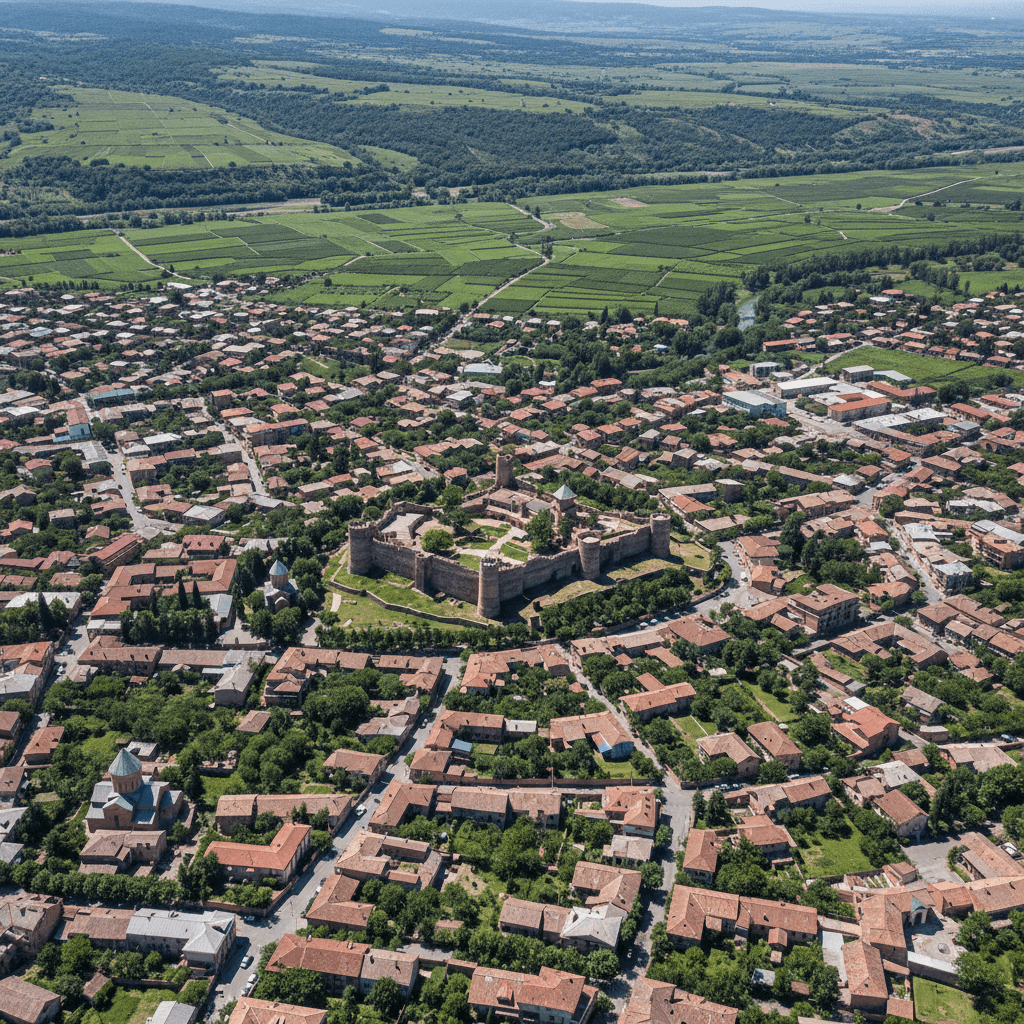
Telavi
🇬🇪 Georgia