Bologna
🇮🇹 Italy
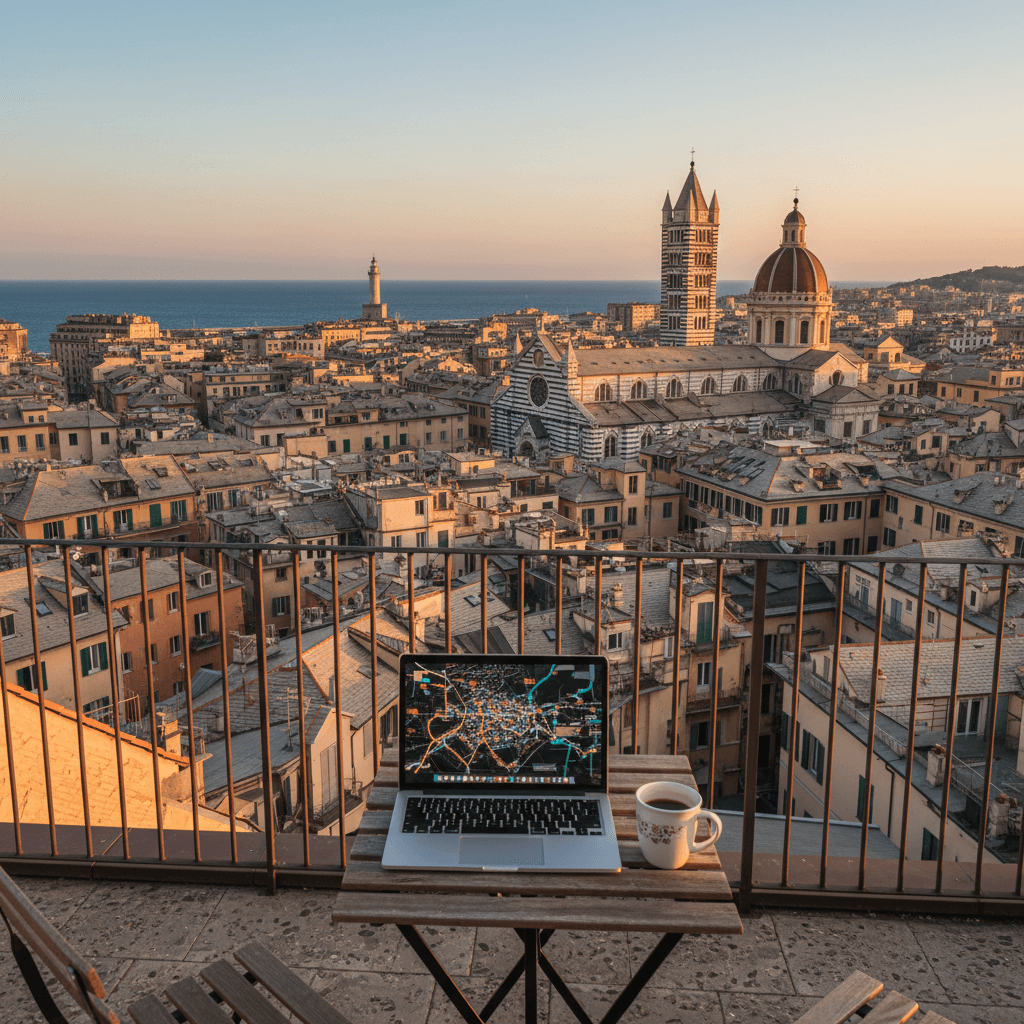
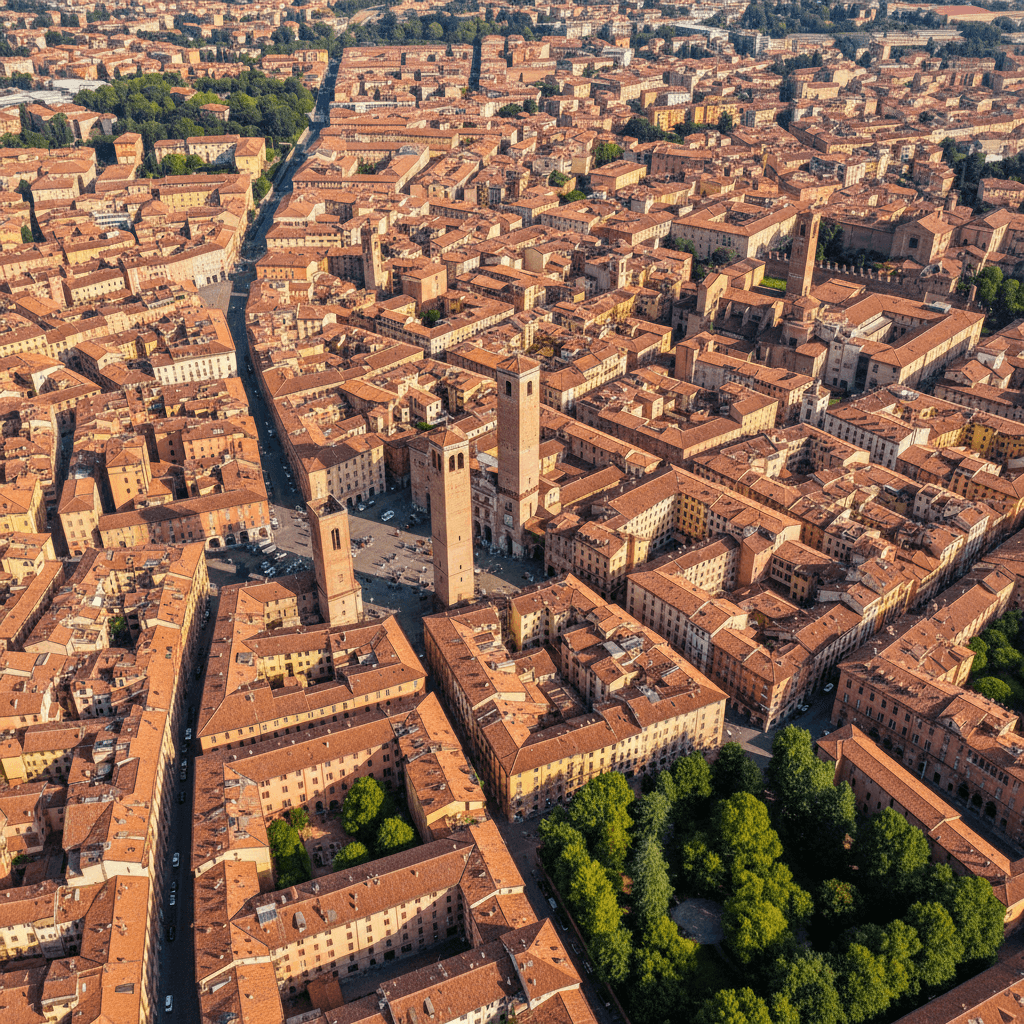
Bologna feels like a city that actually thinks, then eats well about it. Europe’s oldest university keeps the place young, international and a little argumentative, while the medieval towers and endless porticoes make daily life feel protected from sun, rain and the city’s constant scooter hum.
It’s slower than Rome, but not sleepy. The center smells like espresso, fresh pasta and wet stone after rain and the long walks under the porticoes are, honestly, one of the best parts of living here, because you can cross half the city without getting blasted by heat or traffic.
What stands out: the food is serious, the walkability is excellent and the social scene leans student-heavy, which keeps things open and curious. You’ll hear a mix of Italian, English and a lot of quick, overlapping conversation in bars and piazzas, then notice how fast the city quiets down after 10 p.m.
Cost & daily life
- Budget: about €1,500 to €1,800 a month, with studio rents outside the center around €550 to €750.
- Mid-range: roughly €2,000 to €2,500, with a central 1BR near €900 and coworking around €239 to €319.
- Comfortable: €2,800+, especially if you want a polished apartment in Centro Storico and eat out often.
- Meals: street food like piadina can run €10 to €15, mid-range dinners are usually €20 to €30 and the good stuff climbs fast.
Not cheap. Still, Bologna usually costs less than Milan or Rome and most nomads find that trade-off fair, especially when a monthly bus pass is around €38 and the center is compact enough to skip transit most days. The catch is rent, because central apartments get pricey fast and the bureaucracy for longer stays can feel maddening.
Best areas
- Centro Storico: best for first-timers, but noisy and expensive.
- Bolognina: cheaper, close to the station, with better-value food and a rougher edge at night.
- Santo Stefano: quieter, prettier and more residential.
- Murri: green and local, but you’ll need buses.
Bolognina is where the numbers make sense, though petty theft shows up more there and in crowded tourist pockets, so don’t leave your bag dangling on a café chair and don’t wander around distracted late at night. Centro Storico is prettier, obviously, but you pay for the privilege and the noise from scooters and late-night chatter can seep straight through old windows.
The city works well for remote workers, honestly, with reliable internet, decent coworking options like Copernico Rizzoli, Regus Central Station and Via del Monte, plus cafés where nobody stares if you open a laptop. Summers, weirdly, are the real test, humid and sticky enough to make the stone streets feel like an oven, so spring and early autumn are the sweet spot.
Bologna isn’t cheap, but it’s still easier on the wallet than Milan or Rome. A single person usually lands around €1,620 a month with rent or about €966 if you strip housing out, which sounds manageable until you start adding coffee, buses and the odd aperitivo that somehow turns into dinner.
The city works well for nomads who don’t need glossy luxury, just a solid apartment, decent WiFi and a walkable center. The catch, frankly, is rent, because the pretty parts of town get pricey fast and central studios can feel overpriced for the square meters you get.
Typical Monthly Budgets
- Budget: €1,500 to €1,800, with a studio outside the center around €550 to €750, street food at €10 to €15 and a bus pass for €38.
- Mid-range: €2,000 to €2,500, with a 1BR in the center near €900, coworking around €250 and a proper sit-down meal for two around €75.
- Comfortable: €2,800+, with an upscale 1BR around €1,200, fine dining at €50+ per person and taxi use that stops feeling like a treat.
What You’ll Actually Pay
- Rent, Centro Storico: €900 to €1,200 for a studio or 1BR, noisy though unbeatable for walking everywhere.
- Rent, Bolognina: €550 to €800, more affordable and close to the station, though petty theft pops up more often, so keep your bag zipped.
- Rent, outside the center: €500 to €750, better value if you don’t mind buses.
- Meals: €10 for piadina or other street food, €20 to €30 for a casual trattoria, €40+ for upscale dinners like All’Osteria Bottega.
- Transport: €2.30 for a single bus ticket, €38 for a monthly pass and buses are, honestly, the cheapest way to avoid sweaty walks in summer.
- Coworking: about €239 to €319 monthly, with spots like Via del Monte and Copernico Rizzoli sitting in that upper middle range.
Food can be reasonable if you don’t eat out every night, though Bologna makes that weirdly hard with the smell of ragù drifting out of doorways and cheap wine on every corner. The smartest move is to split your spending, live outside the Centro Storico if you can stand the commute, then spend on good lunches, decent coffee and a coworking desk that doesn’t make your back hate you.
Bottom line, Bologna rewards people who like a slower pace and don’t need flashy spending. It’s a city where your money goes further than in the big-name Italian hubs, just not so far that you’ll forget you’re in a popular, student-heavy place.
Bologna works best when you pick the right pocket of the city, because the center gets pricey fast and the outer districts can feel a bit too quiet after dark. The upside is real, though, you can still find decent rent, good food and fast walks to the station without giving up the city’s old arcades, espresso stops and that low hum of students spilling out of class.
Nomads
Most nomads end up in Centro Storico or Bolognina and honestly, that split makes sense. Centro Storico keeps you close to cafés, coworking spaces like Copernico Rizzoli and Via del Monte, plus trains and late aperitivo spots, but you’ll pay for the convenience.
- Centro Storico: Best if you want to walk everywhere, hear church bells and scooter noise under the porticoes and don’t mind rents around €900 to €1,200 for a studio or small one-bed.
- Bolognina: Better on budget, with rents around €550 to €800, strong street food and a more mixed, everyday feel near the station, though petty theft and sketchy late-night corners do happen.
Expats
If you’re staying longer, Santo Stefano usually feels the most livable and weirdly, it’s the area people stop complaining about after a month. It’s calmer, prettier and greener than the center, with better breathing room, but you’re still close enough to reach the action on foot in 10 to 15 minutes.
- Santo Stefano: Good for a quieter routine, local bars and a more elegant pace, especially if you want less tourist churn and fewer delivery scooters buzzing under your window.
- San Donato: Cheaper and student-heavy, handy if you want university energy and lower rents, but some streets feel rougher at night, so I’d be picky about the exact block.
Families
Families usually do best in Murri, because it feels residential instead of performative, with parks, wider sidewalks and a more normal evening rhythm. The trade-off is distance, so you’ll rely on buses more often and the city-center buzz starts to feel far away when you’ve got groceries and a stroller.
- Murri: Best for greenery, quieter streets and a local-life setup, with fewer noisy bars and more practical space for day-to-day routines.
Solo Travelers
If you’re coming alone, stay central unless you really want a neighborhood with a stronger local feel. Centro Storico is easiest, safe enough in the main streets and full of people at all hours, though the crowds, motorbike fumes and occasional pickpocketing mean you still need to keep your bag zipped.
- Best pick: Centro Storico for first-time visitors, because it’s simple, walkable and you won’t waste time on transport.
- Skip late-night wandering: Bolognina and quieter parts of San Donato can feel off after dark, especially around empty blocks and station edges.
Bologna’s internet is, honestly, good enough for real work. Speeds usually exceed 100 Mbps, averaging 130+ Mbps and in the center you’ll find cafés where the Wi-Fi doesn’t fall apart the second someone orders a cappuccino, though you should still test it before planting yourself for six hours.
The coworking scene, turns out, is smaller than Milan’s but easier to live with. Copernico Rizzoli, Regus Central Station and Via del Monte are the names nomads mention most, with monthly desks roughly in the €239 to €319 range, which isn’t cheap, but it’s a lot less annoying than paying Centro Storico rent just to work from a loud apartment.
Best coworking options
- Copernico Rizzoli: Around €289 to €319 per month for a dedicated desk, good if you want a proper office feel and don’t mind paying for it.
- Regus Central Station: Starts around €239 per month, practical for rail commuters and people who want something straightforward, frankly.
- Via del Monte: Roughly €289 per month, popular with remote workers who like a more central setup.
Cafés can work too, especially around Centro Storico, where the espresso smell hangs in the air and keyboards tap under the porticoes while scooters drone past outside. That said, don’t treat every café like your private office, some owners are fine with laptop lingering, others get visibly irritated after one drink and a battery drain.
For mobile data, TIM and Vodafone are the easiest buys, with tourist SIMs around €15-30 for generous data (check current offers). You can pick one up at the airport, in a shop or through a travel kiosk and eSIMs from services like Jetpac or GigSky are handy if you want to land connected and skip the tiny plastic card nonsense.
What nomads actually do
- Work from cafés: Best in Centro Storico, where Wi-Fi is usually strong and the foot traffic keeps things lively.
- Use coworking for long calls: Worth it if you’ve got client meetings, because apartment acoustics in Bologna can be weirdly bad.
- Buy a local SIM: Cheap, fast and less stressful than relying on café networks all week.
If you’re staying a month or longer, get your setup sorted on day one, because the bureaucracy for longer stays can be maddening and you don’t want to waste half a day hunting for a working router. Bologna’s online life is solid, the real issue is choosing between paying for convenience or putting up with a noisy apartment and honestly, most nomads end up doing a bit of both.
Safety & Healthcare
Bologna feels moderately safe for a big student city, but petty theft happens, especially around the station, Centro Storico and parts of Bolognina. Keep your bag zipped, don’t leave a phone on café tables and stay alert when the streets get quiet at night. Not glamorous. Just practical.
The center is usually fine if you’ve got your wits about you, though the noise, scooter buzz and trampling foot traffic can make it easier for pickpockets to blend in, honestly. San Donato and the area near the station deserve extra caution after dark, while Santo Stefano and the more residential streets feel calmer and less twitchy.
Staying Safe
- Petty theft: Biggest risk in crowded spots, especially stations, buses and tourist-heavy streets.
- Night movement: Stick to lit routes, don’t cut through empty side streets alone and use a taxi or Free Now if you’re uneasy.
- Common sense: Keep your phone pocketed on buses, because snatch-and-grab theft does happen.
Most nomads say Bologna feels safer than larger Italian cities, but it’s still a city and cities attract opportunists. The trick is simple, stay aware without acting scared, because looking distracted is basically an invitation.
Healthcare is one of Bologna’s better cards. The public system is strong, pharmacies are everywhere and major hospitals like Policlinico Sant'Orsola usually have English-speaking staff in the key departments, which, surprisingly, saves a lot of stress when you’re sick and foggy-headed.
Healthcare Basics
- Pharmacies: Easy to find, useful for basic meds, bandages and quick advice.
- Emergency numbers: Call 112 for general emergencies, 118 for medical help.
- Costs: Everyday pharmacy purchases are cheap, basic water and meds can be around €1.38.
If you need care, go early and bring ID, insurance details and any prescriptions, because paperwork can slow things down and the bureaucracy, frankly, can be maddening. For minor issues, the local pharmacist is often the fastest first stop and they’ll usually point you in the right direction without drama.
Heat is the other health issue people underestimate. Summer humidity clings to your skin, the apartment walls hold warmth and by late afternoon you can feel sticky, slow and slightly annoyed with everyone, so hydrate, take shade seriously and don’t pretend a mid-July walk across town is a fun idea.
Bologna’s center is built for walking, honestly. Porticoes cover long stretches of the old town, so you can move between the station, Piazza Maggiore and the university area without getting blasted by rain or sun and the city feels compact enough that most nomads skip bikes for daily errands.
Buses are the main backup. A single ride is €1.50-€2.50 depending on purchase method, while the monthly pass runs around €39 and the local lanes help them move faster than you’d expect, though they still get stuck behind delivery vans, scooters and the odd double-parked car. Quiet, it isn’t. You’ll hear the doors hiss, the engine hum and plenty of impatient Italian from the curb when service is running late.
Best ways to move around
- Walking: Best for Centro Storico, Santo Stefano and the university zone, where you can get almost anywhere in 15 to 25 minutes.
- Bus: Cheap, frequent and useful for Murri, San Donato or when the humidity makes even a short walk feel ridiculous.
- Bike and scooter shares: Bike and scooter shares like RideMovi; check app for current rates, handy for quick hops, though traffic can feel messy.
- Ride-hailing: Uber and Free Now work, but taxis are often easier when it’s raining or you’re leaving dinner late.
For airport runs, the Marconi Express is the cleanest option, about €12.80 and roughly seven minutes to the station, which, surprisingly, is faster than most people expect once you factor in traffic. Taxis usually land around €20 to €30 and they’re the better call if you’ve got heavy bags or you land in the thick, sticky summer heat.
Where movement feels easiest
- Centro Storico: Best if you want everything on foot, but it gets noisy and crowded around dinner.
- Bolognina: Convenient near the station, cheaper for living, though some streets feel rough after dark.
- Santo Stefano: Calm, elegant and still close enough to walk downtown.
- Murri: Better for longer stays, you’ll lean on buses more often.
The real trick is this, don’t overcomplicate Bologna. If you’re staying central, walk first, bus second and only grab a bike or taxi when the weather turns ugly or you’re crossing town with groceries, because the city rewards slow movement and punishes rushed ones with traffic, heat and a lot of pointless hassle.
Bologna runs on Italian first, English second and a lot of hand gestures in between. In the center and around the university, you’ll get by with decent English, though in a bakery, at the tabacchi or on a bus, Italian suddenly matters. Honestly, a few phrases go a long way.
Start with buongiorno, grazie and quanto costa?, then add scusi when you need to ask for help. That’s enough to keep things smooth in most everyday situations and locals usually warm up fast when you make the effort, even if your accent is a mess.
The city has a student-heavy rhythm, so people under 35 often switch into English more easily near Via Zamboni, the station and coworking spots like Copernico Rizzoli or Regus Central Station. Outside those circles, don’t expect magic, because older shopkeepers and landlords may speak little or no English and they won’t slow down for you. Turns out, Google Translate’s offline Italian pack is the real safety net.
- Best places for English: university areas, coworking spaces, hotels and most central cafés.
- Best places for Italian: local markets, pharmacies, apartment viewings and small family-run restaurants.
- Useful apps: Google Translate offline, DeepL for cleaner translations, WhatsApp for landlords and tradespeople.
Expect some friction in bureaucracy, because forms, appointments and utility setups can still feel weirdly old-school, with paperwork that’s almost aggressively paper-based. You’ll hear printers whirring, keyboards clacking and the occasional sigh from behind a counter, then someone will point at a box on a form like it’s obvious. It isn’t.
If you’re staying longer than a week, learn the basics of phone etiquette too, since many people answer formal calls with their last name or a clipped pronto. For apartment searches and local errands, text is often easier than calling, especially if your Italian is shaky and honestly, WhatsApp solves half the hassle.
Bologna isn’t hard to communicate in, but it does expect a little effort. Say hello first. Ask in Italian, then switch if needed. That approach works better here than pretending everyone should meet you halfway.
Bologna has a mild continental climate, so most of the year feels manageable, even pleasant, but the city can swing from damp winter chill to sticky summer heat fast. April to May and September to October are the sweet spots, with daytime highs around 15 to 22°C, lighter crowds and enough warmth for long walks under the porticoes without melting into your shirt.
Summer is another story. July and August get hot and humid and the heat sits on the pavement like a blanket, so you’ll hear more fans than birds and smell hot stone, espresso and bus exhaust all at once, which, surprisingly, can make a short stay feel longer than it should. Winter isn’t brutal, just gray and cold, with raw mornings and wet sidewalks that make the Centro Storico feel quieter, almost sleepy.
Best Months
- April to May: Mild, walkable and good for terrace lunches, though April brings some rain.
- September to October: Warm days, cooler nights and the city still has energy after summer.
- June: Fine if you want longer days, but prices can start creeping up and the humidity begins to build.
- July to August: Skip it if you hate sweat, crowds and that sluggish afternoon feeling.
- January to February: Cheapest and quietest, but cold tile floors and drizzle get old fast.
If you’re working remotely, shoulder season makes the most sense, because you can move between cafés, coworking spaces like Via del Monte or Regus near the station and evening aperitivo without fighting heat or rain all day. The city still feels alive, just less frantic and honestly that’s when Bologna is easiest to love.
Month-by-Month Feel
- Jan: Cold, around 6°C highs and 0°C lows, with about 50 mm of rain.
- Apr: Cooler and wetter, but green, bright and good for day trips.
- Jul: Hottest month, around 29°C highs, with humidity that clings to you.
- Oct: One of the best months, warm enough for outdoor dining and walking.
My take, skip the peak summer if you can, especially if you’re apartment hunting or settling in for a few months, because the heat plus bureaucracy is a miserable combo. If you want the city at its best, come when the air is still soft, the arcades offer real shade and the rain, when it falls, taps lightly instead of hammering the streets.
Bologna makes day-to-day life pretty easy, but it doesn’t hand you everything on a plate. The center is walkable, the buses are fine and the city feels safe enough if you keep your head up, though petty theft around the station and in crowded tourist areas still happens, honestly, more than locals like to admit.
If you’re staying more than a couple of weeks, sort your basics early. SIM cards are easy to buy at the airport or in town, Vodafone’s tourist deals around €15-30 for 10-100GB+ and banks like Wise and Revolut work smoothly for ATM withdrawals, card payments and online transfers. Amex is patchy, so don’t rely on it and cash still matters for small bars, market stalls and the occasional stubborn shop.
Housing can be the annoying part. Idealista.it, HousingAnywhere and Rentola are the usual places to check and the decent one-bedroom places near Centro Storico get scooped up fast, especially anything clean, quiet and under €1,000. Bolognina is cheaper, but you’ll want to be a bit choosy street by street, because the vibe changes fast after dark.
What to Book First
- SIM: Airport shops or Vodafone stores, about €15-30 for a data plan.
- Banking: Wise or Revolut for easier withdrawals and fewer card hassles.
- Apartment searches: Idealista.it, HousingAnywhere, Rentola.
- Backup plan: A few flexible nights if your lease starts later than your flight.
For getting settled, keep your routine simple. Greeting people with “buongiorno” goes a long way, aperitivo usually kicks off around 6 to 8 pm and quiet hours after 10 pm are taken seriously in residential areas, where you’ll hear scooters, clinking glasses and the odd argument echoing under the porticoes.
For quick escapes, Bologna’s train links are excellent, which, surprisingly, makes it one of the easiest bases in northern Italy for side trips. Florence is about 35 minutes away, Modena takes around 30 and Ravenna is a solid choice when you want mosaics, fewer crowds and a slower lunch that smells like seafood and espresso instead of exhaust.
Useful Daily Habits
- Transport: Keep a bus pass if you’re outside the center, it’s cheaper than lots of single tickets.
- Food: Try the local spots, skip the shiny tourist menus, they’re usually overpriced and boring.
- Language: Learn a few basics, people appreciate the effort even if your accent’s rough.
- Day trips: Florence, Modena and Ravenna are the easiest wins.
Need visa and immigration info for Italy?
🇮🇹 View Italy Country GuideEasy Landing
Settle in, no stress
Monthly Budget Estimates
More cities in Italy
Salerno
🇮🇹 Italy
Padua
🇮🇹 Italy
Lecce
🇮🇹 Italy