Bilbao
🇪🇸 Spain
The Industrial Soul Turned Art Icon
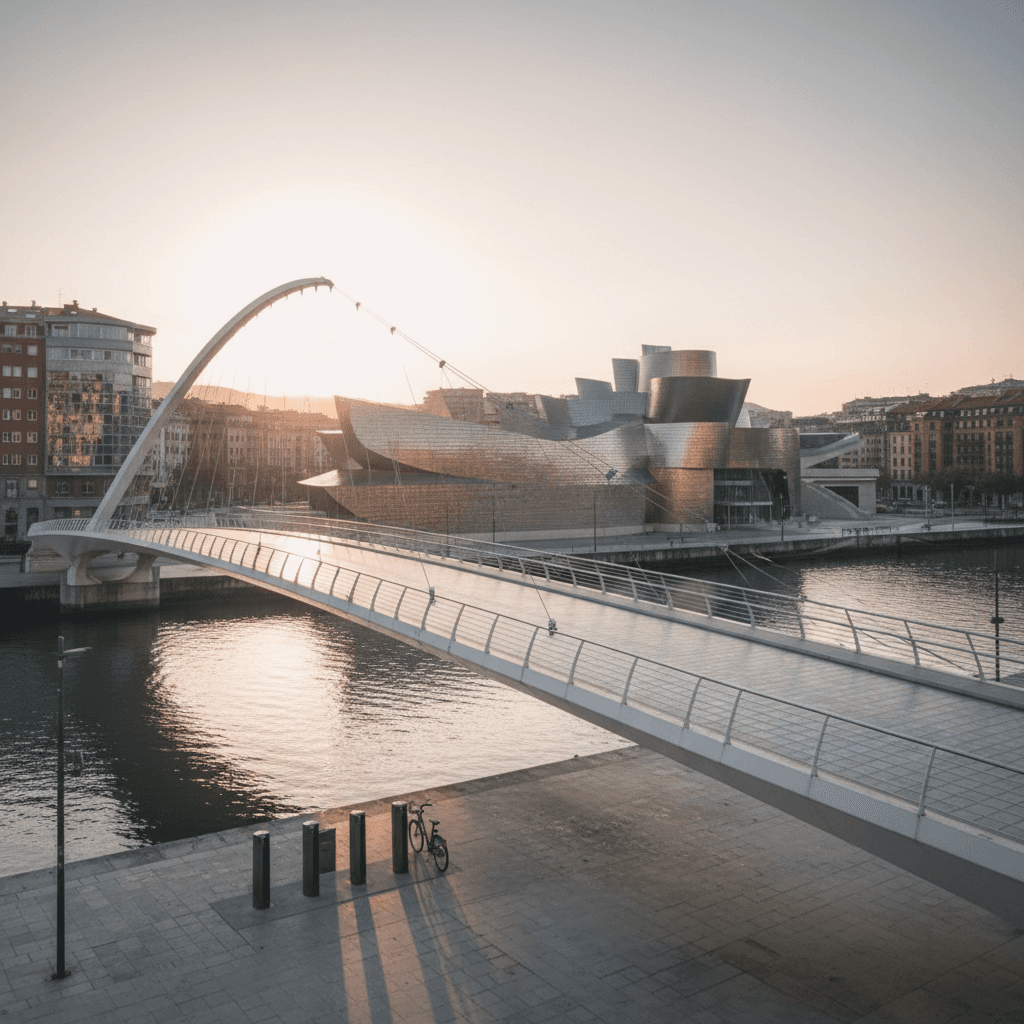
Bilbao doesn't try to seduce you with the Mediterranean glamor of Barcelona or the regal heat of Madrid. It's grittier, greener, and far more self-assured. For years, this was a gray port city defined by steel and sweat. That changed when the Guggenheim landed like a titanium spaceship on the riverbank, but don't let the shiny architecture fool you. At its heart, Bilbao remains a place of hard work, incredible food, and a fierce Basque identity that feels distinct from the rest of Spain.
Nomads who land here usually trade the beach club life for something more substantial. You're surrounded by jagged green mountains and a river that snakes through the city center, leading out to some of the wildest surf breaks in Europe. It's a city where you can finish a deep work session in a sleek riverside cafe and be hiking a coastal trail thirty minutes later. The vibe is sophisticated but unpretentious; people dress well, eat better, and value their privacy.
The Cost of Living Reality
While Spain is generally affordable, Bilbao sits in the Basque Country, one of the wealthiest regions in the country. You'll find that your budget needs to be a bit more robust here than in places like Valencia or Seville. Most digital nomads find that a comfortable lifestyle requires between $3,500 and $4,500 per month, especially if you want a modern apartment in the city center.
- Rent for a 1-bedroom: Expect to pay between €850 and €1,100 in popular areas like Abando or Indautxu.
- Monthly Utilities: Budget around €150 for electricity, heating, and water, which can spike in the damp winter months.
- Connectivity: A solid fiber optic connection will run you about €35 a month. Most cafes offer decent speeds, usually averaging 30 Mbps, though modern apartments often hit 100 Mbps or more.
- Daily Transport: A single journey on the sleek, Foster-designed metro is about €1.50, but most residents use a Barik card to keep costs lower.
Basque Culture and the Nomad Pace
Living here means adapting to the Basque rhythm. This isn't a "party all night" kind of city. Instead, it's a "pintxos crawl at 8:00 PM" kind of city. The social life revolves around the Casco Viejo, the medieval old town, where you'll find locals standing outside bars with a small glass of beer or Txakoli wine. It's an easy place to feel like a local because the city isn't overrun with tourists. You aren't just another nomad in a sea of laptops; you're part of the neighborhood fabric.
If you're planning to stay long term, the Spain Digital Nomad Visa is the standard route. You'll need to prove an annual income of at least €34,188. This works out to roughly €2,850 per month (200% of the current SMI). It's a straightforward process, but the Basque bureaucracy has its own quirks, so give yourself plenty of lead time for paperwork.
Why Bilbao Sticks With You
What sets Bilbao apart is the atmospheric mood. It rains often, giving the streets a cinematic, polished look. This "sirimiri," or light drizzle, is part of the charm. It forces you into the cozy cafes and world-class museums, creating a perfect environment for deep focus. When the sun does break through, the entire city heads to the parks or the nearby beaches of Sopelana and Getxo. It's a balanced, high-quality life for those who prefer mountains and museums over neon lights and crowded beaches.
Breaking Down the Monthly Budget
Bilbao sits in a unique spot for digital nomads. It is more expensive than the sunny southern coast of Spain, but it feels significantly more manageable than the sky high prices of Madrid or Barcelona. Most nomads find that a monthly budget between $3,500 and $4,800 allows for a comfortable lifestyle that includes a private apartment, eating out regularly, and taking weekend trips into the Basque countryside.
If you are applying for the Spain Digital Nomad Visa, you will need to prove a minimum monthly income of €2,442. While this meets the legal requirement, living on that amount in Bilbao requires a bit of discipline, especially regarding your choice of neighborhood. For a truly relaxed experience where you aren't counting every euro, aim for a higher cushion.
Housing and Utilities
Rent is your biggest hurdle here. The market is tight, and prices reflect the city's high quality of life. Expect to pay between €850 and €1,100 for a one bedroom apartment in the city center. If you look toward the outskirts or along the metro line in areas like Barakaldo, you might find three bedroom apartments for around €1,100 to €1,400, which is a great move if you are splitting costs with friends.
- Basic Utilities: Budget about €130 to €180 per month for electricity, heating, and water. Heating is a real cost here since Basque winters get damp and chilly.
- Home Internet: A reliable fiber connection costs between €30 and €40 a month.
- Public Transport: The Metro Bilbao is fantastic. A single journey costs roughly €1.50 to €2.00, but you will want to get a Barik card to bring those costs down.
Connectivity on the Go
The internet infrastructure in Bilbao is solid. While average speeds hover around 25 to 34 Mbps, many modern apartments and cafes offer fiber speeds reaching up to 124 Mbps. You won't have trouble with video calls or uploading large files in the city center.
For your phone, don't rely on roaming. Local SIM cards are cheap and easy to find. If you prefer the convenience of an eSIM, you can grab a 1GB data pack for about $4.00 to get you through your first week, or a 5GB 30 day plan for around $10.00. It is a small price to pay for having Google Maps and translation tools at your fingertips while you find your bearings.
Groceries and Dining
This is where Bilbao shines. While high end dining is world famous here, everyday costs are reasonable if you shop like a local. Heading to the Mercado de la Ribera for fresh produce is a ritual for many expats. It is not just about the quality; it is often cheaper than the smaller supermarkets in the city center. A typical grocery run for a couple usually averages out to about €400 to €500 a month, depending on how much wine and local cheese you're indulging in.
Eating out is a variable cost. You can spend €2 on a pintxo and a small beer, or €50 on a formal sit down dinner. Most nomads find the "Menu del Dia" to be the ultimate life hack. For about €12 to €18, you get a three course meal, bread, and wine. It is the most cost effective way to experience the local culinary scene without blowing your budget.
The Creative Nomad: Casco Viejo
If you want to step out of your door and feel the history of the Basque Country immediately, the Seven Streets of the Old Town are where you belong. It is a dense, pedestrianized maze where the ground floors are packed with pintxo bars and tiny boutiques. Living here means sacrificing a bit of natural light and quiet, but you are rewarded with the most authentic atmosphere in the city.
- The Vibe: Historic, social, and slightly gritty in a charming way.
- Coworking: Most nomads here head across the river to BBK Kuna or Impact Hub, which are a short walk away.
- Estimated Rent: Expect to pay around €900 to €1,100 for a renovated one bedroom apartment.
The Professional Expat: Abando and Indautxu
This is the modern heart of Bilbao. It feels more like a traditional European capital with wide boulevards, high end shopping, and the city's main train station. It is the most convenient spot for those who need to be near the action but prefer a polished environment. You will find the best gym chains and international grocery stores here.
Expats often choose this area because the apartments are larger and usually have elevators, which is not a guarantee in the older districts. Rent is at a premium here, often starting at €1,200 for anything modern.
Families: Deusto and Uribarri
Just across the river from the Guggenheim, Deusto offers a more residential, relaxed pace that works well for those traveling with kids or partners. It is a university district, so it stays lively without the late night noise of the city center. There are plenty of parks and the riverside path is perfect for morning runs or pushing a stroller.
- Local Perks: Easy access to the Artxanda Funicular for great views and green space.
- Housing: You can often find three bedroom apartments for €1,100 to €1,400, which is a steal compared to Madrid or Barcelona.
- Transport: The metro connections here are excellent, getting you to the city center in under 10 minutes.
Solo Travelers and Budget Seekers: San Francisco and Bilbao La Vieja
Locals call this area "Bilbi." It was once a rougher part of town but has transformed into the hipster headquarters of the city. It is full of street art, vegan cafes, and craft beer bars. If you are traveling solo and want to meet people quickly, this is the place to be. It is the most diverse neighborhood in Bilbao and feels less "touristy" than the Old Town.
While some streets still feel a bit edgy at night, the community is tight knit. You will find the most affordable studios here, often priced around €800.
The Coastal Alternative: Getxo
If the city feels too enclosed, many long term nomads take the metro 25 minutes out to Getxo. It is right on the Bay of Biscay. You get the beach, the famous Hanging Bridge, and a much slower pace of life. It is more expensive than the city center, but the sea breeze and the cliffside walks make it a top choice for those with a €2,500+ monthly budget who want a higher quality of life away from the urban hustle.
Connectivity in the City
Bilbao isn't just about art and pintxos; it's a surprisingly efficient hub for remote work. While it doesn't have the sheer volume of digital nomads you'll find in Lisbon or Barcelona, the infrastructure is rock solid. You can expect standard fiber speeds around 30 Mbps in most short term rentals, though many modern apartments in Abando or Indautxu easily clock in at 100 Mbps or higher.
For mobile data, don't rely on roaming. Grab a local SIM or an eSIM as soon as you land. Providers like Orange, Movistar, and Vodafone have excellent 5G coverage throughout the city center. If you prefer the convenience of an eSIM, plans start as low as $4 for basic data, but most long termers opt for 30 day packages around $10 to ensure they stay connected while riding the Euskotren through the mountains.
Top Coworking Spots
The coworking scene here is professional and understated. You won't find many "party hostels" with desks; instead, you'll find sleek spaces filled with local entrepreneurs and international freelancers. These spots are usually concentrated in the business district near the Guggenheim or in the trendy areas across the river.
- Monday Uribitarte: Located right on the riverfront, this is arguably the most popular spot for expats. It feels high end and offers great networking events. Expect to pay around €25 for a day pass or €200 to €300 for a monthly hot desk.
Digital Nomad Logistics
If you're planning to stay long term, the Spain Digital Nomad Visa is the gold standard. To qualify, applicants must prove a monthly income of at least €2,442 in 2026, twice the national minimum wage, though some consulates compute it as €2,849. The threshold rises whenever the minimum wage does. Most people find the application process smoother if they hire a local gestor to handle the paperwork.
Living costs in Bilbao are higher than in southern Spain but significantly more affordable than London or New York. A one bedroom apartment in the city center typically runs between €850 and €1,100. If you look toward the outskirts or nearby towns like Getxo, you can find three bedroom spots for €1,100. Budget about €150 for your monthly utilities and another €40 for high speed home internet.
Cafe Culture and Remote Work
Working from cafes is a bit of a mixed bag in Bilbao. Many traditional Basque coffee shops expect you to drink your espresso and move on. However, newer spots are much more laptop friendly. Look for places in the Casco Viejo or near the university where the "work from anywhere" culture is more accepted. Just remember to be respectful during the busy lunch rush, which usually hits between 1:30 PM and 3:30 PM. Most nomads find that as long as they keep the coffee orders coming, the staff is happy to let them stay for a few hours of productivity.
Peace of Mind in the Basque Country
Bilbao is one of the safest urban environments you will find in Spain. While larger hubs like Madrid or Barcelona have a reputation for aggressive pickpocketing in tourist zones, Bilbao feels significantly more relaxed. Most nomads find they can walk through the city center at 2:00 AM without a second thought. It is a city where people actually live and raise families in the heart of the district, which keeps the streets active and self policed by the community.
That said, petty theft isn't non existent. You should still keep an eye on your laptop if you are working on a patio in Abando or Casco Viejo. The San Francisco neighborhood, while undergoing a slow gentrification and home to some cool art galleries, can still feel a bit "edgy" late at night compared to the rest of the city. Most expats suggest sticking to the main thoroughfares there after dark, but generally, violent crime is incredibly rare.
- Emergency Number: Dial 112 for all emergency services (police, fire, or ambulance). The operators usually speak English.
- Local Police: Look for the Ertzaintza (Basque regional police) in their distinctive red and blue uniforms. They are generally helpful and professional.
- Solo Travelers: Women often report feeling much safer here than in other European cities, thanks to the well lit streets and the late night culture where families are often out until midnight.
Navigating the Healthcare System
Spain's healthcare is world class, and the Basque Country specifically boasts some of the highest health expenditures per capita in the country. If you are here on the Digital Nomad Visa, you will likely be paying into the social security system, which eventually grants you access to Osakidetza, the Basque public health service. It is efficient, but the paperwork to get your health card (SIP) can be a bit of a headache during your first month.
For those on a shorter stay or who prefer speed, private insurance is the way to go. Most nomads use providers like Sanitas or Adeslas. A private consultation usually costs between €60 and €100 if you are paying out of pocket. You will find that many specialists in the city center speak English, though the front desk staff at smaller clinics might not.
Hospitals and Clinics to Know
If you need immediate care, the Hospital Universitario Basurto is the main public facility. It is centrally located and easy to reach via the tram or metro. For private care, Clinica Guimon and Hospital Quirónsalud Bilbao are the top choices for expats. They offer faster turnaround times for scans and specialist appointments.
- Pharmacies: Look for the glowing green crosses. Pharmacies in Bilbao are highly regulated; you can't just buy ibuprofen at a grocery store. There is always a farmacia de guardia (on-call pharmacy) open 24 hours in every district.
- Water Quality: You can drink the tap water here without worry. It comes from the surrounding mountains and tastes better than the bottled stuff.
- Health Insurance for Visa: If you are applying for the nomad visa, your policy must have zero copayments and no waiting periods. Expect to pay around €50 to €80 per month for a policy that meets these government requirements.
Overall, the biggest health risk you will face in Bilbao is probably a bit of weight gain from the endless supply of pintxos. The city is walkable, the air quality is generally good due to the sea breeze, and the pace of life tends to keep stress levels much lower than in the typical tech hub.
The Pulse of the City: Metro Bilbao
Bilbao is remarkably compact, but the star of its infrastructure is the Metro. Designed by Norman Foster, the stations (affectionately called "fosteritos" by locals) are sleek, glass curved structures that make commuting feel like a scene from a sci-fi film. It is the most efficient way to get between the city center and the coastal surf towns like Sopela or Plentzia.
The system uses a zone-based fare. Most of your daily life will happen in Zone 1, which covers the city core. A single ticket costs around €1.70, but you should never pay the full cash fare. Instead, grab a Barik card at any station machine for €3. It is a rechargeable contactless card that slashes your per-trip cost to about €0.95 and works on the metro, buses, and even the funicular.
Buses and the Green Tram
For getting around the specific neighborhoods like Indautxu or Abando, the Bilbobus (the red city buses) covers every corner the metro misses. If you are staying in Casco Viejo and need to get to the Guggenheim area, the Euskotran (the green tram) is a scenic alternative. It runs along the river and offers a great view of the city's architecture for the same price as a bus ride.
The tram is particularly handy for nomads working out of spots in Uribitarte. Since the city is mostly flat along the riverbank, the tram is often faster than waiting for a bus if you are just moving a few stops down the waterfront.
Life on Two Wheels
Bilbao has leaned hard into cycling lately. The city's public bike-share program, Bilbaobizi, is everywhere. You will see the bright red electric bikes parked at docks throughout the center. It is incredibly cheap for residents, though short-term visitors might find the registration process a bit clunky compared to private apps.
The city speed limit is strictly 30km/h in almost all areas. This makes the streets feel much safer for cyclists than in Madrid or Barcelona. If you prefer a private rental, expect to pay around €15 to €20 for a full day. Many expats living in Deusto find that a bike is all they need to reach the coworking spaces in the center within ten minutes.
Walking and Topography
The best way to see the Siete Calles (the Seven Streets) in the old town is on foot. These narrow medieval alleys are pedestrian-only, so forget about calling an Uber to your door if you stay here. Be aware that while the riverside is flat, neighborhoods like Artxanda or Santutxu are quite steep.
To save your knees, look for the public elevators. Bilbao has dozens of free outdoor elevators and even outdoor escalators that connect the lower parts of the city to the hilltop districts. The Artxanda Funicular is the most famous, costing about €2.50 for a return trip, taking you to a plateau with the best sunset views of the valley.
Taxis and Ride-Hailing
Uber and Cabify do operate here, but they are not as dominant as they are in the States. Local taxis are plentiful and highly regulated. You can hail them on the street if the green light is on, or find them at designated stands near the Abando Train Station. A typical cross-town ride usually lands between €10 and €15. For a reliable local experience, download the Pidetaxi app, which is what most locals use to book a ride in advance for airport runs.
Getting Out of Town
If you want to explore the Basque Countryside, the Euskotren is your best friend. This regional train departs from Zazpikaleak/Casco Viejo station and winds through the mountains to San Sebastián. The trip takes about 2.5 hours and costs roughly €6.50. While the bus is faster (about 1 hour), the train ride is one of the most beautiful rail journeys in Northern Spain, passing through lush green valleys and tiny stone villages.
The Bilingual Balance
Living in Bilbao means immersing yourself in a unique linguistic environment. You are in the heart of the Basque Country, or Euskadi, where two languages live side by side: Spanish (Castellano) and Basque (Euskara). While Spanish is spoken by everyone, Basque is a point of immense local pride. You will see it on every street sign, menu, and government building. It is a language isolate, meaning it shares no roots with Latin or any other known language, so do not expect your high school Spanish to help you decipher it.
Most nomads find that a solid grasp of Spanish is enough to get by comfortably. In neighborhoods like Abando or Indautxu, service staff are generally fluent in Spanish and often have a working knowledge of English. However, if you head into smaller family run bars in Casco Viejo, the older generation might stick primarily to Spanish or Basque. Learning a few Basque words like Agur (Goodbye) or Eskerrik asko (Thank you) goes a long way in earning respect from the locals.
English Proficiency and Socializing
English levels in Bilbao are generally higher than in southern Spain but lower than in hubs like Madrid or Barcelona. Younger professionals and students often speak English well, especially in the tech and design sectors. If you are working from a space like BBK Kuna, you will have no trouble communicating with fellow coworkers in English. Outside of those professional bubbles, things can get a bit trickier.
Expats recommend using translation apps like DeepL for more complex interactions, especially when dealing with official paperwork or specialized services. For day to day tasks like ordering a pintxo or buying a metro ticket, English is usually sufficient in the city center. For those chasing the digital nomad visa, keep in mind that the government requires a minimum income of €2,850 per month (200% of current SMI, subject to annual adjustment). If you plan to stay for more than a month, joining a language exchange or intercambio is the best way to bridge the gap. Groups often meet at local bars near the University of Deusto, providing a low pressure environment to practice your Spanish while helping locals with their English.
Digital Communication and Connectivity
Staying connected is rarely an issue here. The city is well wired, and you will find reliable fiber optic internet in almost any long term rental. Speeds typically hover around 25 to 34 Mbps, though many modern apartments in the Ensanche area offer symmetrical connections up to 300 Mbps or even 1 Gbps if you ask the landlord to upgrade the plan.
- Mobile Data: You can pick up a local SIM card from providers like Movistar, Orange, or Vodafone. A prepaid plan with roughly 20GB to 50GB of data usually costs between €15 and €25 per month.
- eSIMs: If you want to hit the ground running, an eSIM is the easiest path. Expect to pay around $4 for a basic 1GB weekly plan or $10 for a 5GB monthly plan.
- Public WiFi: The Bilbao WiFi network offers free hotspots in many parks and plazas, though it is better suited for checking maps than taking Zoom calls.
Key Phrases to Know
While you can survive on English and Google Translate, using the local tongue changes the vibe of your interactions. Here are the essentials for your first week:
- Kaixo: Hello (Basque)
- Egun on: Good morning (Basque)
- ¿Cuánto cuesta?: How much does it cost? (Spanish)
- La cuenta, por favor: The bill, please (Spanish)
- Ez: No (Basque)
- Bai: Yes (Basque)
Most travelers say that the effort to speak the language is what transforms you from a tourist into a temporary local. Even if you stumble through your Spanish, the people in Bilbao appreciate the attempt. Just remember that while the city is bilingual, Spanish remains the primary tool for logistics, while Basque is the soul of the culture.
The Atlantic Vibe
Bilbao doesn't play by the same rules as Madrid or Seville. Nestled in the Basque Country, it trades the scorching Mediterranean heat for a temperate, oceanic climate. You'll hear locals call the light, misty rain sirimiri. It's a constant companion that keeps the surrounding mountains incredibly green, but it means you'll need a solid raincoat more than a parasol.
The city experiences four distinct seasons, though none of them are particularly aggressive. Summers are comfortable, rarely pushing past 26°C (79°F), while winters stay mild, usually hovering around 9°C (48°F). It's a goldmine for nomads who hate the heat and want to stay productive without a midday siesta to escape the sun.
When to Book Your Stay
Most expats and long term travelers agree that May through September is the sweet spot. The days are long, the outdoor terraces in Plaza Nueva are packed, and the humidity stays manageable. If you're looking to save on a monthly rental in areas like Abando or Indautxu, aim for the shoulder seasons in late April or October. You'll still get decent weather, but the tourist crowds at the Guggenheim will have thinned out.
August is a bit of a wild card. While the weather is peak, the city celebrates Aste Nagusia (Great Week) in late August. It's a nine day explosion of concerts, fireworks, and street parties. It's an incredible cultural experience, but expect accommodation prices to double and coworking spaces to be ghost towns as everyone heads to the streets.
Seasonal Breakdown for Nomads
- Spring (March to May): Expect a mix of sun and showers. It's the best time for hiking the nearby Artxanda hills. Temperatures sit between 12°C and 18°C.
- Summer (June to August): The most reliable weather for beach days at nearby Sopelana. It rarely gets "too hot" to work, making it a great refuge from the rest of Spain's 40°C heatwaves.
- Autumn (September to November): September is often the most pleasant month, with warm water for surfing and crisp air. By November, the rainfall picks up significantly.
- Winter (December to February): It's grey and damp, but rarely freezes. This is the time to lean into the indoor culture, spending your afternoons working from cozy cafes in the Casco Viejo.
The Rain Factor
You can't talk about Bilbao without mentioning the rain. It's the reason the Basque Country is so lush, but it can be a drag if you aren't prepared. Travelers often say that if you wait for a perfectly clear day to explore, you'll never leave your apartment. Locals just grab an umbrella and carry on. If you're planning a three month stint, make sure your apartment has good heating or a dehumidifier, as the Atlantic moisture can make the 10°C winter days feel much colder than they actually are.
For those chasing the digital nomad visa, keep in mind that the government requires a minimum income of €2,442 per month. If you're arriving in the rainy winter months, that budget goes a lot further since you'll spend less on social outings and more on settling into a routine at spots like any of the local libraries or quiet workspaces.
The Bottom Line: Monthly Expenses
Living in Bilbao isn't as cheap as the south of Spain, but it's significantly more affordable than Madrid or Barcelona. Most nomads find that a budget between $3,500 and $4,500 per month allows for a very comfortable lifestyle, including a nice apartment and plenty of nights out for pintxos. If you're frugal, you can certainly get by on less, especially if you move away from the city center.
- One bedroom apartment (City Center): Expect to pay between €850 and €1,100.
- One bedroom apartment (Outside Center): Prices drop to around €700 to €900 in neighborhoods like Deusto or Santutxu.
- Utilities: Budget about €150 for electricity, heating, and water.
- Groceries: A single person usually spends €300 a month if cooking at home frequently.
Connectivity and Remote Work
Internet reliability is excellent across the city. While general data shows averages around 30 Mbps, most modern apartments and dedicated workspaces offer fiber optic speeds reaching up to 124 Mbps. You won't have trouble with video calls or heavy uploads here.
For mobile data, don't rely on roaming. Pick up a local SIM or an eSIM before you land. You can find 5GB plans for around $10, which is perfect for navigating the winding streets of the Casco Viejo. If you need a professional environment, head to spaces like ZAWP Bilbao or Bilbao Lab Coworking. They offer reliable desks and a chance to meet the local startup crowd.
The Digital Nomad Visa
Spain's nomad visa has been a game changer for non-EU citizens. To qualify, applicants must prove a minimum monthly income of €2,442 in 2026, twice the national minimum wage. Keep in mind that these figures often tick upward every year or two, so it's smart to have a buffer. The application process requires some patience with Spanish bureaucracy, so many expats recommend hiring a local gestor to handle the paperwork.
Getting Around
Bilbao is incredibly walkable, but the public transit system is world class. The metro, designed by Norman Foster, is clean and efficient. A single journey costs between €1.50 and €2.00. If you're staying for more than a few days, grab a Barik card at any metro station. It's a rechargeable card that works on the metro, buses, and the iconic tram, significantly cutting your fare costs.
Local Logistics
Most shops close on Sundays, and many smaller businesses still observe a midday break between 2:00 PM and 4:00 PM. It's a different rhythm than North America or Northern Europe. You'll also want to download the Social24 app for local events and Bilbaobizi if you want to use the city's electric bike sharing program. The bikes are a great way to zip along the Nervión river between meetings.
Need visa and immigration info for Spain?
🇪🇸 View Spain Country GuideHidden Gem
Worth the effort
Monthly Budget Estimates
More cities in Spain
San Sebastián
🇪🇸 Spain
Coruña
🇪🇸 Spain
Cádiz
🇪🇸 Spain