Bhaktapur
🇳🇵 Nepal
The City of Devotees
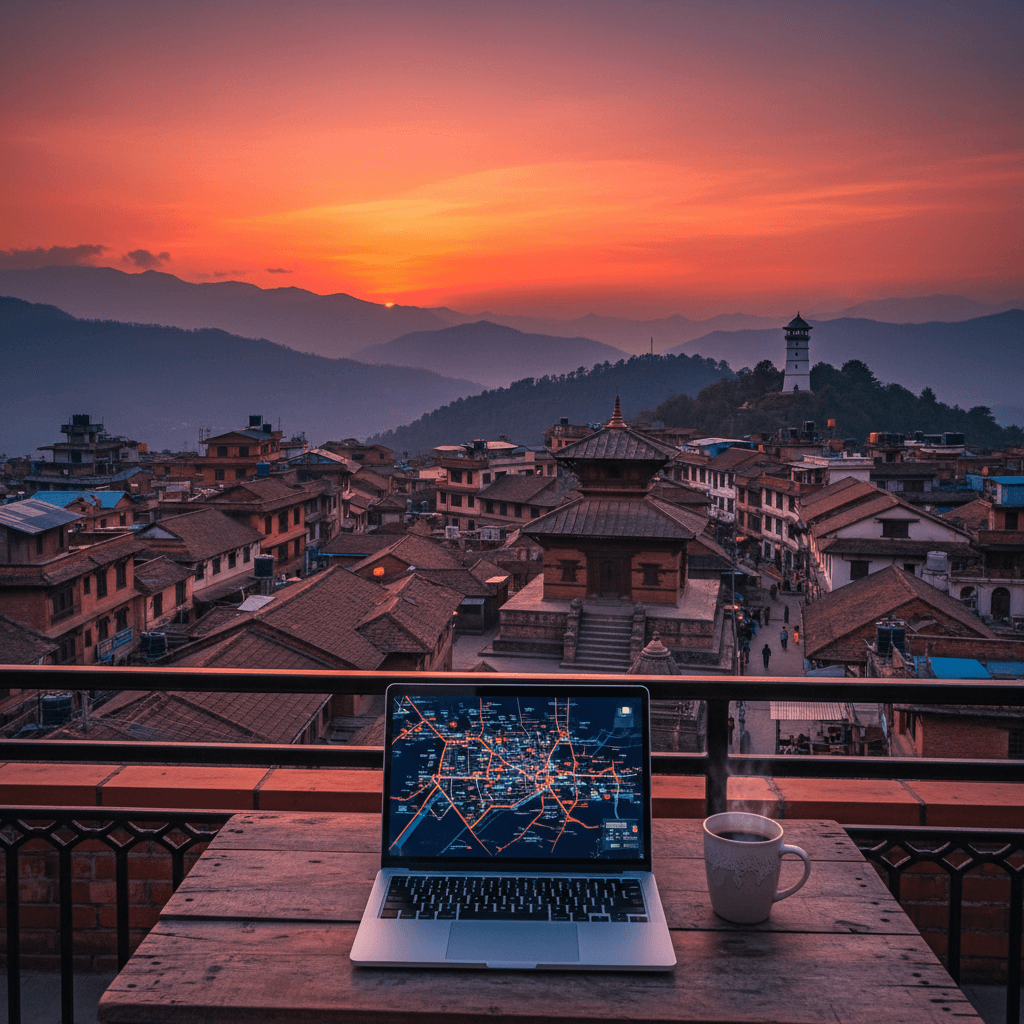
Stepping into Bhaktapur feels like walking through a living museum where the clocks stopped a few centuries ago. While Kathmandu is a whirlwind of motorbikes and exhaust, Bhaktapur is its quiet, contemplative cousin. It's known as the City of Devotees, and you'll feel that spiritual weight the moment you enter the ancient core. The vibe here is slow, intentional, and deeply rooted in Newari tradition.
For a digital nomad, the appeal isn't high-speed infrastructure; it's the sheer immersion. You'll spend your mornings watching locals dry grain in the sun and your evenings listening to the rhythmic pulse of traditional drumming in the squares. It’s a place for the "slowmad" who wants to trade a modern skyline for red-brick alleyways and intricate wood carvings. Just be prepared for the city to tuck itself in early. By 8:00 PM, the shops shutter and the streets go quiet, leaving you with nothing but the sound of temple bells.
What It Costs
Bhaktapur is remarkably affordable, even by Nepal standards. Most nomads can live comfortably on a budget of $983 per month. If you're willing to live like a local, you can squeeze that down even further.
- Budget Solo Nomad: $600 to $800 per month. This covers a basic guesthouse or shared room, plenty of street food, and getting around on foot.
- Mid-range Comfort: $900 to $1,200 per month. This gets you a private one-bedroom apartment, regular cafe meals, and frequent rides into Kathmandu.
- High-end Stay: $1,500+ per month. You'll have a premium renovated Newari home, dine at the best spots in town, and utilize coworking spaces in the valley.
The Neighborhood Breakdown
Bhaktapur is compact and best explored on foot. You won't find sprawling suburbs here, but rather a distinction between the heritage core and the developing fringes.
Durbar Square & Old Town
- The Vibe: Pure history. You're living among UNESCO-listed temples and ancient markets.
- Rent: NPR 15,000 to 30,000 ($110 to $220) for a central apartment or long-term guest room.
- Pros: Unbeatable atmosphere, highly walkable, and the best local food.
- Cons: Tourist crowds during the day, lingering earthquake damage, and zero nightlife.
Eastern Outskirts
- The Vibe: More functional and quiet, located near the main road to Kathmandu.
- Rent: Slightly lower than the old town, often with more modern fixtures.
- Pros: Easier access to the capital for errands and quieter nights.
- Cons: Lacks the medieval charm of the center; more traffic noise from the highway.
The Nomad Reality Check
Working from Bhaktapur requires a bit of grit. While the average download speed sits around 97 Mbps, reality often involves intermittent power cuts and patchy WiFi. Most nomads rely on an Ncell SIM card for a hotspot, which costs about $4 to $8 for a monthly data plan. You won't find dedicated coworking spaces within the old city walls yet, so you'll likely be working from your guesthouse or making the trek to Kathmandu's hubs.
The social scene is built around shared experiences rather than bars. You’ll meet people while eating NPR 150 ($1.10) plates of momos or during weekend hikes to Nagarkot. There’s a growing community through Digital Nomads Nepal, and the government has announced a five-year digital nomad visa for 2026, with procedures expected soon. For now, most people use the standard tourist visa, which costs $50 for 30 days or $125 for 90 days.
Getting around is simple. Use the Pathao app for motorbike taxis, which usually cost between $1.50 and $4.00 for most trips. If you're heading to the airport in Kathmandu, expect to pay around $10. It's a raw, beautiful, and sometimes frustrating place to live, but for those who value culture over convenience, there’s nowhere else like it.
The Cost of Living in Bhaktapur
Living in Bhaktapur feels like stepping back several centuries, but your bank account will appreciate the modern day affordability. It is widely considered one of the most budget friendly spots in the Kathmandu Valley, with a total monthly cost for a solo nomad averaging around $983. You aren't paying for high end nightclubs or flashy malls here; you're paying for a slower pace of life set against the backdrop of ancient Newari architecture.
Monthly Budget Tiers
- Budget ($600 to $800): Perfect for those who prefer staying in local guesthouses or shared rooms, eating mostly street food like momos or dal bhat, and getting around on foot.
- Mid-range ($900 to $1,200): This covers a private one bedroom apartment, regular meals at cafes, and frequent use of ride hailing apps for trips into Kathmandu.
- Comfortable ($1,500+): At this level, you can afford the nicest apartments in town, upscale dining every night, and dedicated coworking memberships or frequent weekend trips to Nagarkot.
Housing and Neighborhoods
Most nomads aim for the old town core near Bhaktapur Durbar Square. It is the heart of the city's cultural life, where you can wake up to the sound of temple bells. Rent for a decent studio or a one bedroom apartment in this area typically ranges from NPR 15,000 to 30,000 ($110 to $220) per month. While the atmosphere is unmatched, be prepared for older buildings and the occasional power cut.
If you want something quieter or more modern, look toward the eastern outskirts near the road to Kathmandu. These areas offer cheaper guesthouses and easier access to the capital, though you'll lose that historic charm. Expect to pay slightly less here, but factor in the cost of a Pathao ride to get back to the interesting parts of town.
Food and Drink
Eating out is where you'll save the most. A plate of street side momos or a filling portion of bara will only set you back NPR 100 to 200 ($0.75 to $1.50). Mid-range cafes where you can actually sit with a laptop usually charge between NPR 500 and 800 ($3.70 to $6) for a meal. If you're looking for a splurge at a more upscale spot, expect to pay NPR 1,500 ($11) or more.
Connectivity and Transport
While the city is incredibly walkable, you'll need the Pathao app for anything further than a few blocks. A typical ride costs between NPR 200 and 500 ($1.50 to $3.70). To use the app, you'll need a local Ncell SIM card, which you can pick up for about NPR 100. Data plans are cheap, usually around NPR 500 to 1,000 ($3.70 to $7.40) for 10 to 20GB of data.
Internet speeds average around 97 Mbps, but reliability is the real hurdle. Power outages and intermittent WiFi are common. Many nomads head to Kathmandu for dedicated coworking spaces, which cost roughly NPR 500 to 1,000 ($3.70 to $7.40) per day, or they use the Digital Nomads Nepal hub to find quiet spots with backup generators.
Visas and Practicalities
There is a dedicated five year digital nomad visa slated for 2026, which should make long term stays much simpler. For daily expenses, ATMs are easy to find near the main squares, though they almost always charge a local transaction fee. Most nomads recommend keeping a stash of cash, as many smaller shops and street vendors don't accept cards or digital wallets yet.
The Cultural Core (Old Town)
For digital nomads and solo travelers, living within the ancient gates of the old town is the only way to truly experience Bhaktapur. This area centers around Durbar Square, Taumadhi Square, and Dattatraya Square. It's a pedestrian-heavy zone where the sounds of motorbikes are replaced by evening drumming and temple bells. You'll be living in centuries-old Newari buildings, many of which have been converted into guesthouses or boutique apartments.
Most nomads find the vibe here perfect for deep work during the day, provided they have a backup data plan. While the aesthetics are unmatched, the infrastructure is old. Expect intermittent power cuts and WiFi that occasionally drops out. You'll want to grab an Ncell SIM at the airport or a local shop for about $4 to $8 to stay connected during outages. Life here slows down significantly after 8pm, so if you're looking for late-night coworking or bars, you'll be disappointed. Instead, you'll find yourself eating NPR 150 momos at a local stall while watching the sunset over the Nyatapola Temple.
- Rent: $110 to $220 for a basic studio or private room in a traditional house.
- Vibe: Deeply spiritual, quiet, and historically immersive.
- Best for: History buffs, solo travelers, and focused remote workers.
The Eastern Outskirts
Expats and long-term residents often gravitate toward the eastern edges of the city, closer to the road leading toward Kathmandu and Nagarkot. This area feels more like a standard Nepali suburb and less like a living museum. It's where you'll find slightly more modern apartment builds that haven't been affected by the 2015 earthquake. The buildings here usually offer better insulation and more reliable electrical wiring than the heritage homes in the center.
Living here makes it easier to commute into Kathmandu or Lalitpur for meetings or social events. You can use the Pathao app to hail a motorbike or taxi; a ride into the capital usually costs between $1.50 and $4. While you lose the charm of waking up next to a 15th-century shrine, you gain peace, lower prices, and easier access to larger grocery stores. It's a pragmatic choice for those staying six months or longer who need a break from the tourist crowds that swarm the squares during midday.
- Rent: $100 to $180 for a decent one-bedroom apartment.
- Vibe: Practical, residential, and quieter than the tourist core.
- Best for: Expats on a budget and long-term remote workers.
Suryabinayak and South Bhaktapur
Families and those seeking a bit of greenery should look toward Suryabinayak. Located just south of the main historic city, this neighborhood sits on a hill and serves as the gateway to the forest. It's a breath of fresh air compared to the dusty streets of the valley. You'll find larger homes here with small gardens or courtyards, which are rare in the tightly packed old town.
The air quality is generally better here, and the proximity to hiking trails makes it great for active families. You're still only a 15-minute walk or a quick Pathao ride from the cultural sites, but you have more space to breathe. There aren't dedicated coworking spaces yet, so most people work from home or head to local cafes like Mayur Restaurant or various guesthouse rooftops that offer enough space for a laptop and a pot of tea. With the 5G rollout planned for 2026 and the new digital nomad visa on the horizon, this area is expected to see more modern amenities soon.
- Rent: $200 to $350 for a larger multi-room house or floor.
- Vibe: Green, family-oriented, and slightly more modern.
- Best for: Families and outdoor enthusiasts.
Living Costs by Lifestyle
Bhaktapur is remarkably affordable, even by Nepali standards. Most nomads can live comfortably on $983 per month, though your spending will vary based on how much you rely on Western-style cafes versus local eateries.
- Budget Nomad ($600 to $800): Staying in a simple guesthouse, eating dal bhat or street food for $1.50, and walking everywhere.
- Mid-range ($900 to $1,200): Private one-bedroom apartment, frequenting mid-range cafes with meals around $5, and using Pathao for transport.
- Comfortable ($1,500+): High-end heritage hotel or renovated apartment, dining at the best restaurants in town, and taking weekend trips to Nagarkot or Kathmandu.
Digital Connectivity in the Ancient City
Working from Bhaktapur requires a shift in mindset. You aren't here for high speed fiber and ergonomic office chairs; you're here for the atmosphere of a living museum. While the city boasts an average download speed of around 10-20 Mbps, the reality on the ground feels more intermittent. Power cuts and fluctuating WiFi signals are part of the daily rhythm, so having a backup plan is non-negotiable if you have back to back Zoom calls.
Most nomads rely heavily on mobile data to bridge the gaps. Pick up an Ncell SIM card immediately upon arrival at the airport or one of the small shops near the city gates. You can get 10GB to 20GB of data for roughly $3.70 to $7.40 (NPR 500 to 1,000). This isn't just for work; you'll need that data to use Pathao, the local ride hailing app, and to tether when the guest house router decides to take a nap.
Coworking and Cafe Culture
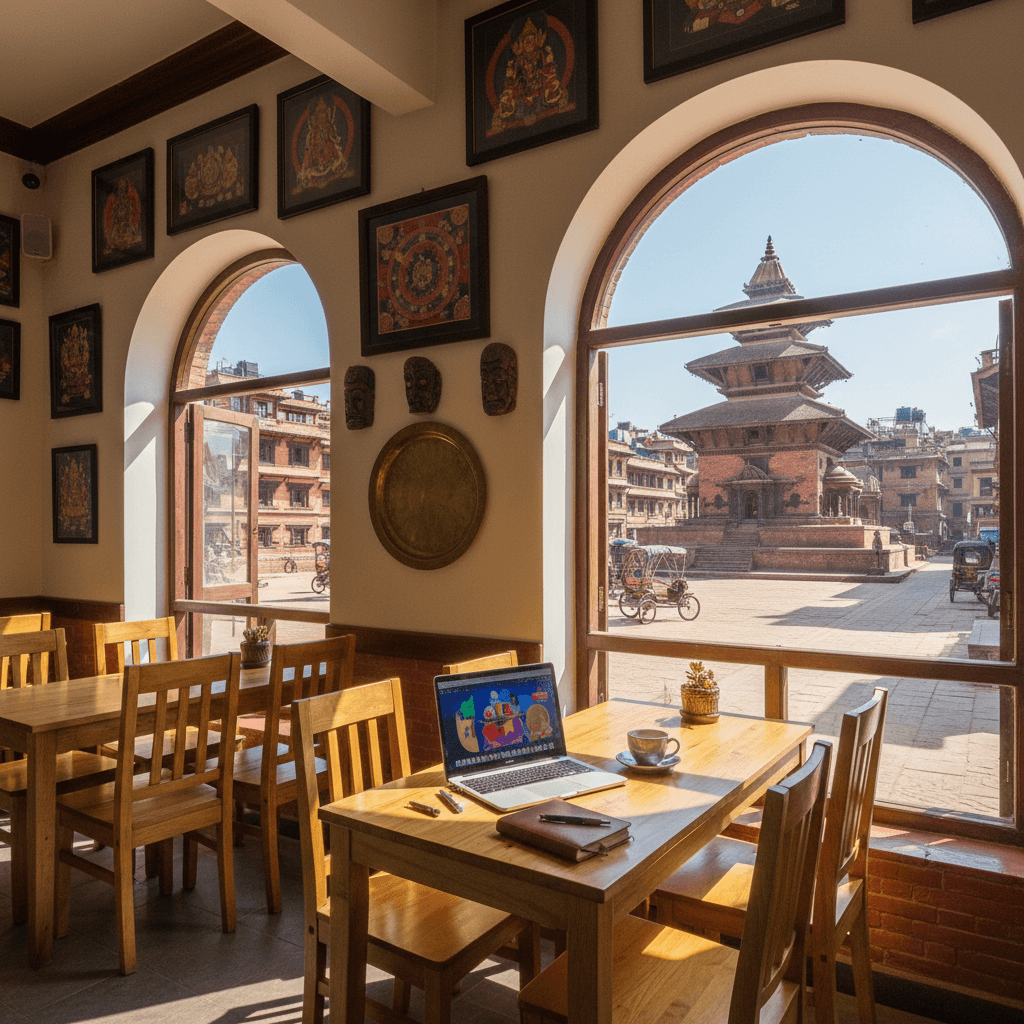
Bhaktapur doesn't have dedicated, modern coworking spaces like you'll find in Ubud or Chiang Mai. If you need a formal office setup with community events, you'll likely need to head into Kathmandu or connect with the Digital Nomads Nepal hub, which coordinates resources across the valley. Most remote workers in Bhaktapur set up shop in guest house courtyards or local cafes around Durbar Square.
The cafe scene is charming but comes with challenges. Outlets are often scarce, and the noise from bells, drums, and street vendors provides a constant soundtrack. While the 5G rollout, in advanced preparation, promises better speeds, for now, it's best to hunt for spots with "Power Backup" signs. Expect to pay between $3.70 and $7.40 for a day's worth of coffee and snacks while you work. If you need a serious deep work session, many expats recommend taking a 45 minute bus or Pathao ride into Kathmandu for more robust infrastructure.
Productivity Tips for Bhaktapur
- Time your tasks: The city starts shutting down by 8pm. If you work for US or European companies, be prepared for a very quiet evening with limited food options once the shops close.
- Download offline maps: Google Translate's Nepali pack and offline maps are vital. English proficiency is low among shopkeepers and drivers outside the main tourist gates.
- Carry a power bank: Even with improved infrastructure, small local outages are common. A high capacity power bank will save your deadline.
- Stay overnight: To get the best out of the internet, work during the early mornings when the day trippers haven't arrived yet and the bandwidth isn't being stretched by dozens of hotels.
Cost of Working Remotely
Bhaktapur is remarkably affordable, even by Nepal standards. Your biggest "work" expense will likely be the data and the occasional taxi into the capital for networking.
- Daily Coworking/Cafe Budget: $4 to $8
- Monthly Mobile Data (20GB+): $7.50
- Pathao ride to Kathmandu: $1.50 to $3.70
- Monthly Budget (Mid-range Nomad): $900 to $1,200
The upcoming 5 year digital nomad visa, slated for a 2026 launch, is expected to bring more dedicated infrastructure to the city. Until then, Bhaktapur remains a destination for the "slow nomad" who values heritage and spiritual vibes over lightning fast pings.
Staying Safe in the City of Devotees
Bhaktapur is widely considered one of the safest spots in the Kathmandu Valley. The city maintains a small town feel where local community ties are strong, and the "City of Devotees" moniker translates into a respectful, low crime environment for outsiders. You'll find that the spiritual atmosphere keeps things peaceful, even after the sun goes down and the temples begin their evening chanting.
While the U.S. State Department maintains a Level 2 caution for Nepal generally, nomads in Bhaktapur rarely encounter issues beyond the occasional pushy souvenir vendor. Violent crime is almost unheard of here. That said, the streets are ancient and lighting is sparse once the shops close around 8:00 PM. It's smart to avoid unguided walks in the darker outskirts of the city late at night, mostly to avoid tripping on uneven stones or startling the local street dogs.
The primary safety concerns are actually environmental. The 2015 earthquake left some structures unstable, so be mindful when exploring older, unrepaired buildings. During the monsoon season from June to September, heavy rains can make the brick alleyways slippery, so wear shoes with decent grip. If you're heading out on a hike toward Nagarkot, let your guesthouse know your route, as trails aren't always clearly marked.
Healthcare and Medical Facilities
Healthcare in Bhaktapur is functional but basic. You'll find small pharmacies, or "Medical Halls," on almost every major corner in the old town. These are great for minor ailments like "Delhi Belly" or altitude headaches, and pharmacists often speak enough English to help with over the counter needs. Most nomads recommend stocking up on specific Western brands of medication before arriving, as local versions can vary in strength.
For anything serious, you'll need to head into Kathmandu. The Teaching Hospital is the standard recommendation for expats and travelers needing reliable care. In an emergency, you can dial 100 for the police or 102 for an ambulance, though in a city as compact as Bhaktapur, catching a Pathao ride or a taxi is often faster than waiting for a vehicle to navigate the narrow streets.
Staying Healthy on the Ground
The most common health hurdle for nomads here isn't a major virus, it's the air quality and water. Like much of the valley, dust can be an issue during the dry season. Many long term residents wear light masks when commuting near the main Kathmandu road to protect their lungs. When it comes to hydration, never drink the tap water. Stick to bottled water or, better yet, use a high quality filter bottle to reduce plastic waste.
- Emergency Police: Dial 100
- Ambulance: Dial 102
- Nearest Quality Care: Kathmandu (approx. 45 minutes by car)
- Common Costs: A basic doctor's consultation usually runs between $5 and $15
If you're planning an extended stay, make sure your insurance covers medical evacuation. While the local clinics can handle a fever or a sprain, anything requiring surgery or specialized equipment will involve a trip to the capital or even a flight to Bangkok or Delhi. Most nomads find that as long as they're careful with street food hygiene and stay hydrated, Bhaktapur is a remarkably stress free place to live.
Bhaktapur is a place where your feet do most of the heavy lifting. Unlike the sprawling chaos of Kathmandu, the "City of Devotees" is a compact, pedestrian-friendly maze of brick-paved alleys and ancient squares. Most nomads find that once they’ve settled into a guesthouse near Durbar Square, they rarely need wheels to get through their daily routine.
On Foot
Walking is the only way to truly see Bhaktapur. The core heritage zones are largely closed off to heavy traffic, making it one of the few places in the Kathmandu Valley where you can wander without constantly dodging motorbikes. You’ll spend most of your time navigating the narrow lanes between Taumadhi Square and Dattatraya Square. The streets are uneven and historic, so leave the fancy footwear behind and stick to sturdy sneakers.
Ride-Hailing and Taxis
When you need to venture further out or head into Kathmandu, Pathao is the undisputed king of the road. It’s Nepal's version of Uber or Grab and is significantly cheaper than flagging down a random taxi. You’ll need a local Ncell SIM card to use the app, as drivers will almost always call you immediately to confirm your location. Since many drivers speak limited English, nomads often ask a local shopkeeper or guesthouse host to help give directions over the phone.
- Pathao Bike: Expect to pay NPR 200 to 500 ($1.50 to $3.70) for trips within the valley. It’s the fastest way to cut through traffic.
- Pathao Car/Taxi: A more comfortable but slower option, usually costing NPR 600 to 1,200 ($4.50 to $9) depending on the distance.
- Traditional Taxis: If you hail one on the street, always negotiate the price before getting in. A trip from Tribhuvan International Airport to Bhaktapur should cost between NPR 1,000 and 1,500 ($7.40 to $11).
Public Transport
For the budget-conscious or those looking for a local experience, public buses and microvans run frequently between Bhaktapur and Kathmandu. You can catch these at the Bhaktapur Bus Park or along the main road on the eastern outskirts. The fare is usually a steal at NPR 50 to 100 ($0.35 to $0.75). Be prepared for a cramped, bumpy ride that takes anywhere from 30 to 45 minutes, depending on the notorious traffic at the Koteshwor intersection.
Two-Wheeled Rentals
If you’re staying for a month or more, renting a scooter gives you the freedom to explore nearby Himalayan gateways like Nagarkot. Rental shops near the main squares offer scooters for NPR 500 to 1,000 ($3.70 to $7.40) per day. While the freedom is great, the roads can be treacherous with potholes and unpredictable drivers. Expats recommend only renting if you have solid experience on two wheels and an international driving permit.
Practical Transit Tips
- Download Google Translate: The offline Nepali pack is a lifesaver when communicating with bus conductors or older taxi drivers.
- Payment: While digital wallets like Khalti are growing, transport is still a cash-heavy world. Always keep small denominations of NPR 10, 20, and 50 notes for bus fares.
- Night Travel: Bhaktapur effectively goes to sleep by 8:00 PM. Public buses stop running early, and finding a Pathao becomes much harder after dark. Plan to be back in your neighborhood by dusk.
- Entry Fees: Remember that foreign tourists must pay a one-time entry fee of NPR 1,800 ($13.50) to enter the historic core. If you’re staying long-term, you can get this fee extended at the tourist office if you have a long-term visa.
Navigating the Local Lingo
In Bhaktapur, language is more than just a tool for commerce; it's a window into the city's ancient soul. While Nepali is the national language and the primary way you'll interact with government officials or younger locals, Bhaktapur remains the heartland of the Newari people. You'll hear Nepal Bhasa (Newari) spoken constantly in the courtyards and squares. It's a distinct Tibeto-Burman language with its own script and sounds, quite different from the Indo-Aryan roots of Nepali.
For digital nomads, the English proficiency level here is noticeably lower than in the tourist hubs of Kathmandu or Pokhara. While hotel staff and younger shop owners around Durbar Square speak decent English, your daily interactions with vegetable vendors, older residents, or bus conductors will likely require some patience and a few key phrases. Most nomads find that a friendly "Namaste" and a smile go a long way in breaking the ice.
Digital Communication and Essential Apps
Communication isn't just about what you say, but how you connect. If you're using ride-hailing apps like Pathao to get between Bhaktapur and Kathmandu, be prepared for a phone call. Drivers almost always call immediately after you book to confirm your exact location. Since their English might be limited, expats often recommend asking a nearby local or a shopkeeper to talk to the driver for you. It's a common practice and people are usually happy to help.
To stay connected, grab an Ncell SIM card as soon as you land at the airport or from a small shop in the old town. You'll need your passport and a photo for the registration. Data is affordable, around NPR 400-600 for 10-30GB packs. This is your lifeline for using Google Translate, which is indispensable here. Make sure to download the Nepali offline pack so you can translate signs or menus even when the intermittent WiFi drops out.
Key Phrases for Your Toolkit
Learning even five words in the local tongue changes the way people treat you. It shows you're not just a day-tripper passing through, but someone respecting the "City of Devotees."
- Namaste: The universal greeting (Hello/Goodbye).
- Dhanyabad: Thank you.
- Kati?: How much? (Useful at the local markets near Taumadhi Square).
- Mitho chha: It is delicious (A surefire way to make a restaurant owner beam).
- Hunchha / Hunna: Yes / No (or "It's okay" / "It's not okay").
Social Nuances and Etiquette
Non-verbal communication is just as vital in Bhaktapur. When you're visiting temples or entering someone's home, always remove your shoes. It's also polite to use your right hand for giving or receiving money and food. If you're pointing at a sacred shrine or a statue, try to use your chin or an open palm rather than a single finger, as pointing is often seen as disrespectful.
Socializing as a nomad often happens in the evenings when the city slows down. Since there's no real nightlife, the "social" scene revolves around the communal drumming and chanting that happens in the squares until about 8pm. Joining a group of locals sitting on the temple steps is the best way to soak in the atmosphere. For more structured networking, many remote workers keep an eye on Digital Nomads Nepal or Facebook groups centered in Kathmandu, as Bhaktapur-specific meetups are still quite rare.
Planning Your Stays Around the Seasons
Bhaktapur sits at an average of 22°C (71°F) year round, but don't let that steady average fool you. The Kathmandu Valley follows a distinct rhythmic pattern that dictates everything from your WiFi reliability to whether you can actually see the Himalayas from your guesthouse balcony. Most nomads aim for the sweet spots in October and November or February through April. During these windows, the air is crisp, the dust settles, and daytime highs hover between 15°C and 25°C.
The post monsoon period in October is arguably the peak of the year. The rains have washed away the haze, leaving the brickwork of Durbar Square glowing under clear blue skies. It is also festival season. You might find yourself working to the sound of ritual drumming and chanting that lasts well into the evening, providing a soundtrack you won't find in Kathmandu's more modernized hubs.
The Monsoon Reality
If you are planning to hunker down for a few months of deep work, be wary of the monsoon from June to September. This isn't just a light afternoon shower; it is heavy, persistent rain that can lead to localized flooding and unpredictable power cuts. While the valley turns a brilliant, deep green, the humidity hits about 28°C and the clouds rarely break. For a digital nomad, this is the most challenging time because the already intermittent infrastructure faces its biggest tests. If you do visit then, make sure your accommodation has a solid power backup and you have a loaded Ncell SIM for hotspotting.
Winter and the Shoulder Months
Winter in Bhaktapur, specifically December and January, is surprisingly chilly. While 18°C days sound pleasant, the ancient Newari buildings are designed for cooling, not heating. Nights can drop toward freezing, and most local guesthouses lack central heating. You will find yourself wearing a down jacket indoors while typing. However, the light in January is spectacular for photography, and the tourist crowds are at their thinnest.
Seasonal Breakdown for Remote Workers
- Spring (March to May): Warm and dusty but vibrant. Great for hiking nearby trails in Nagarkot. Highs around 25°C.
- Summer/Monsoon (June to August): Wet, humid, and buggy. Best avoided if you need to move around frequently, though it is the cheapest time for long term rentals.
- Autumn (September to November): The goldilocks zone. Perfect weather, clear mountain views, and major cultural celebrations.
- Winter (December to February): Sunny days but freezing nights. Bring layers and check if your host provides electric blankets.
Expats often suggest timing your arrival for late September. This allows you to snag a decent apartment or guesthouse before the October rush. If you are looking to save money, the shoulder months of May and February offer a good balance of lower prices and manageable weather. Just remember that regardless of the season, the city starts to quiet down significantly by 8pm, so plan your evening meals and grocery runs accordingly.
Living Costs and Budgeting
Bhaktapur is remarkably affordable, even by Nepal standards. Most solo nomads can live comfortably on $900 to $1,200 per month, though budget travelers often get by on $600 to $800 if they stick to guesthouses and local eateries. A private one-bedroom apartment near the historic core typically runs between NPR 15,000 and 30,000 ($110 to $220).
Daily expenses are low. You'll pay about $0.75 to $1.50 for a plate of momos or dal bhat at a local spot, while a mid-range meal costs around $4. If you're looking for something upscale, expect to pay $11 or more. For getting around, the Pathao app is your best friend; a typical ride costs between NPR 200 and 500.
Choosing Your Neighborhood
- Durbar Square & Old Town: This is the heart of the city. It's perfect if you want to wake up to the sound of temple bells and evening drumming. It's walkable and immersive, though it gets quiet early as shops close by 8pm.
- Eastern Outskirts: If you need a break from the tourist crowds or easier access to the road leading to Kathmandu, look here. It's better for long-term stays where you want a bit more quiet, though you'll sacrifice some of that ancient charm.
Internet and Connectivity
While internet speeds average around 97 Mbps, the infrastructure can be temperamental. Power cuts and intermittent WiFi are part of the experience here. To stay connected, grab an Ncell SIM card at the airport or a local shop for about NPR 100. Data plans are cheap, usually $4 to $7 for 10-20GB. There aren't dedicated coworking spaces in Bhaktapur yet, so most nomads work from cafes or head into Kathmandu for a day at a proper hub. Keep an eye out for the 5G rollout and a new five-year digital nomad visa expected by 2026, which should improve the tech scene significantly.
Getting Around and Safety
The ancient core is best explored on foot. For longer distances, use Pathao for ride-hailing. Just a heads up: drivers will often call you to confirm your location, and since English proficiency can be low among drivers, you might need a local to help you explain where you are. You can also rent a scooter for $4 to $7 a day, but the roads can be chaotic if you aren't used to them.
Safety is rarely a concern here. Crime rates are low, and the spiritual atmosphere makes it feel very secure. For healthcare, stick to basic pharmacies for minor issues and head to Tribhuvan University Teaching Hospital (TUTH) for anything serious. Always keep a stash of basic meds on hand since specialized facilities are limited in the city center.
Cultural Etiquette and Practicalities
- Banking: ATMs are easy to find but charge fees. Apps like Khalti or IMePay are popular for local digital payments.
- Visas: You can get a visa on arrival for $30 (15 days), $50 (30 days), or $125 (90 days).
- Language: Learn a few phrases. Namaste (hello), Dhanyabad (thank you), and Kati? (how much?) go a long way. Use the Google Translate offline Nepali pack for everything else.
- Respect: Always remove your shoes before entering temples and use your right hand for greetings or handling money.
When to Go
The best weather hits between October and November or February and April. You'll get dry days and comfortable temperatures between 15°C and 25°C. Avoid the monsoon season from June to September unless you enjoy heavy rain and potential flooding.
Need visa and immigration info for Nepal?
🇳🇵 View Nepal Country GuideEasy Landing
Settle in, no stress
Monthly Budget Estimates
More cities in Nepal
Lalitpur (Patan)
🇳🇵 Nepal
Kathmandu
🇳🇵 Nepal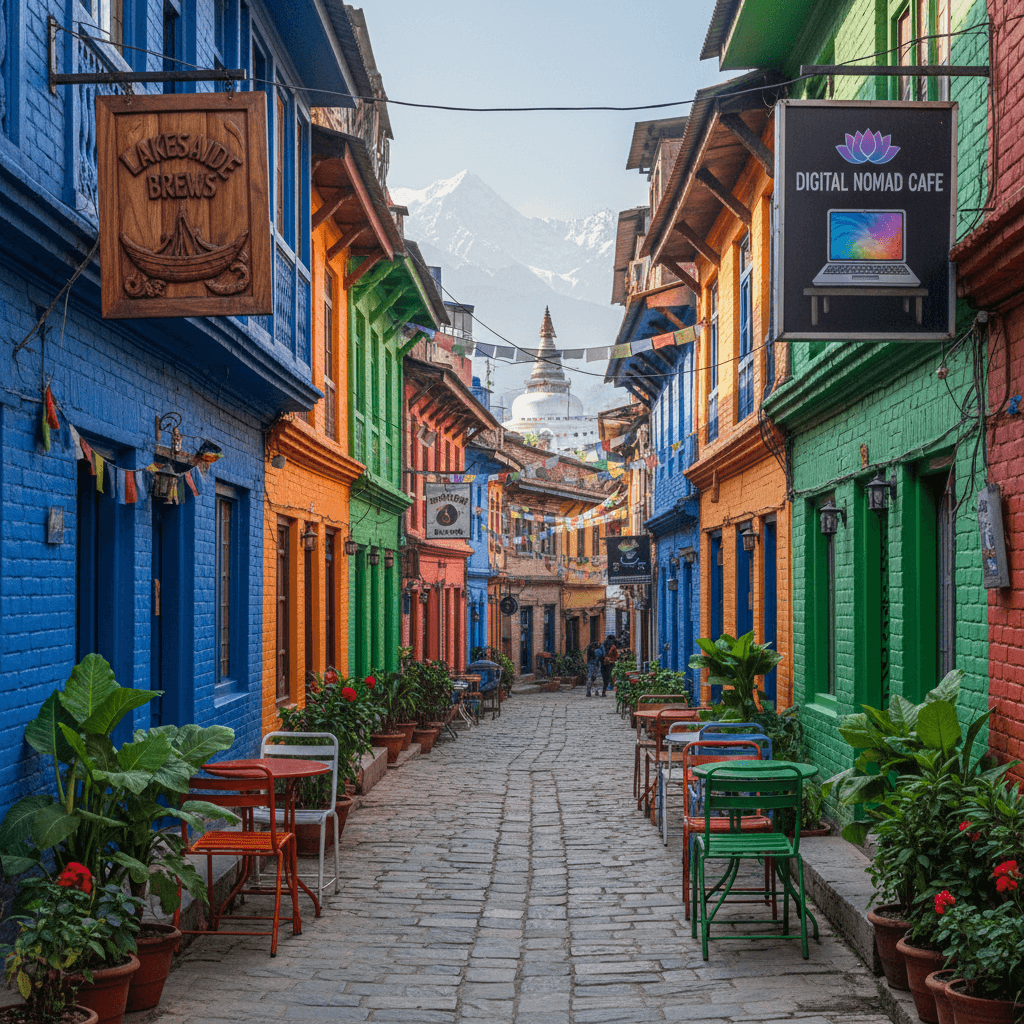
Pokhara
🇳🇵 Nepal