Berlin
🇩🇪 Germany
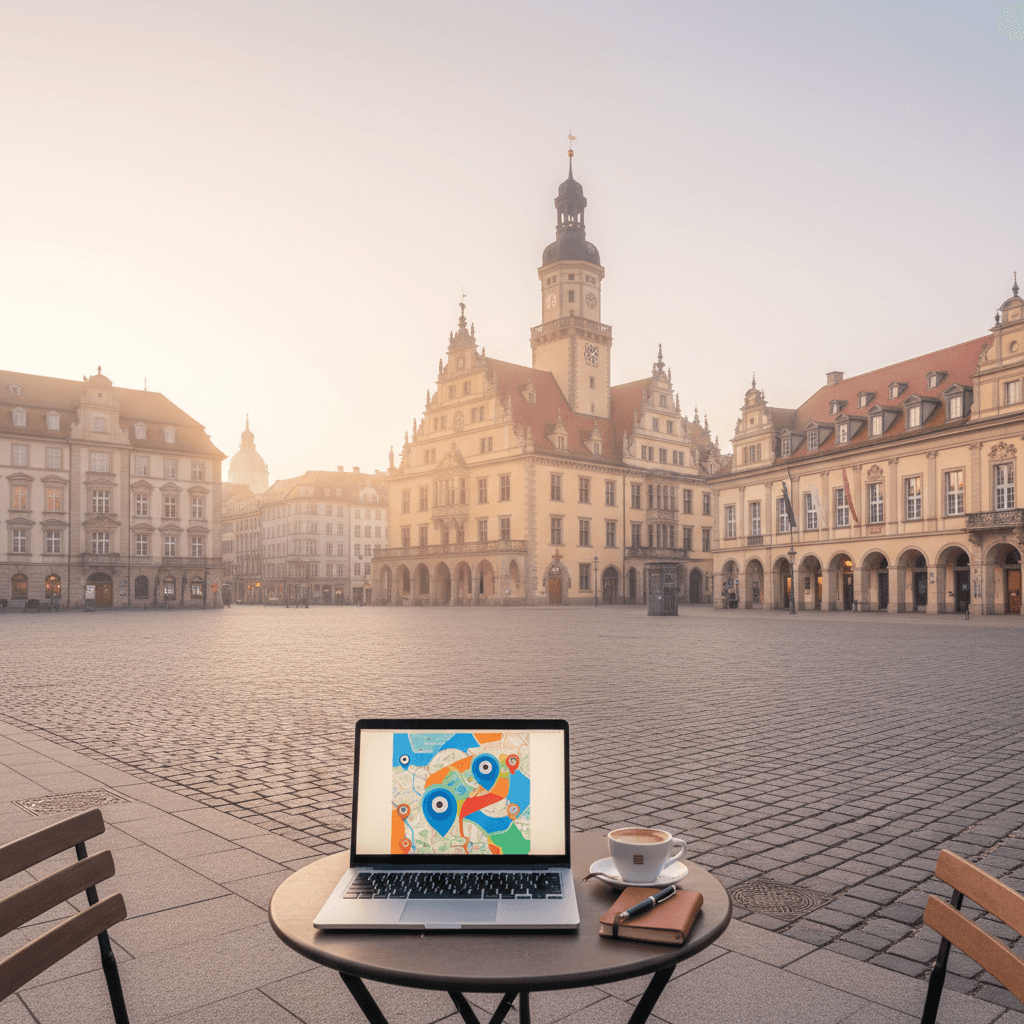
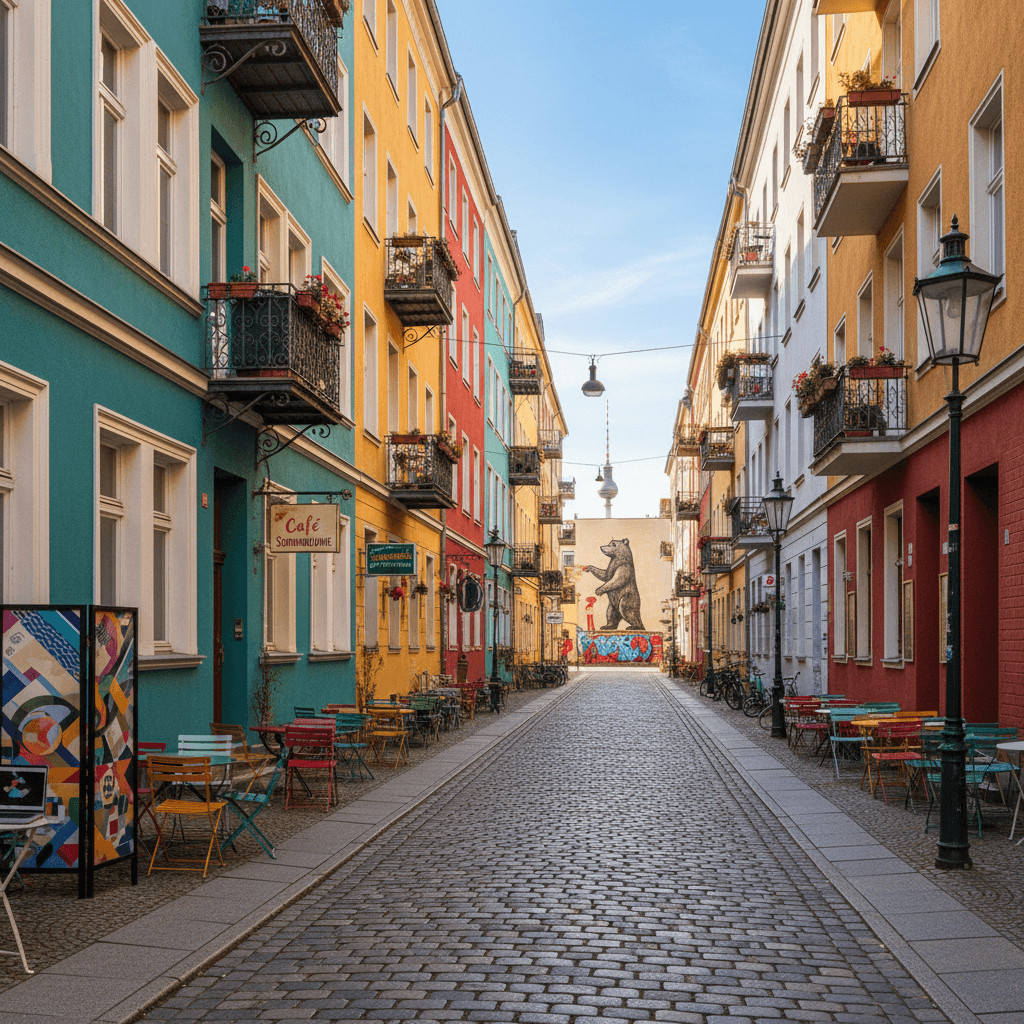
Berlin is a city that wears its scars and its soul on its sleeve. It doesn't try to be pretty or polished like Paris or Munich; instead, it offers a raw, chaotic energy that feels incredibly liberating for anyone working outside a traditional office. It is a place where you can spend your morning coding in a high tech incubator and your midnight dancing in a concrete bunker. The vibe is unapologetically edgy, blending a gritty punk history with a sophisticated third wave coffee scene and a massive startup ecosystem that rivals London.
The Daily Rhythm
Nomads here tend to adopt a laid back but productive pace. You will find the city is built on a "work hard, play harder" ethos. Mornings usually start slow with a €4.80 flat white at a local cafe, followed by a focused afternoon at a coworking space. By 6:00 PM, the "Feierabend" culture kicks in, and the city shifts toward its famous social life. Whether it is grabbing a €1.50 beer at a Späti (late night convenience store) to sit on a canal bridge or heading to a tech meetup, the community is always active. It is diverse, welcoming, and fiercely creative, though you should prepare for the "Berliner Schnauze," a direct, blunt style of communication that can feel a bit cold until you realize it is just efficiency in disguise.
Cost of Living Breakdown
While prices have climbed, Berlin remains more affordable than many Western European capitals. Your budget will depend heavily on your neighborhood choice.
- Budget Nomad (€1,500 to €2,000 per month): This usually involves a room in a shared flat (WG) for €600 to €800, relying on €5 to €10 street food like Currywurst or Döner, and using the €49 Deutschlandticket for transport.
- Mid-range Nomad (€2,500 to €3,500 per month): You can afford a private studio for €1,000 to €1,400, a dedicated desk at a coworking space for €250, and regular dinners out at €15 to €25 per meal.
- Comfortable Nomad (€4,000+ per month): This covers premium apartments in Mitte or Prenzlauer Berg for €1,500+, upscale dining, and plenty of weekend travel.
The Neighborhood Personality
Where you live in Berlin dictates your entire experience. Each district feels like a different city altogether.
- Kreuzberg: The heart of the creative and anarchist scene. It is edgy, diverse, and famous for its nightlife. It can be noisy and touristy, but the energy is unmatched.
- Neukölln: Once a gritty underdog, it is now the trendiest spot for nomads. It is packed with galleries, vegan cafes, and a massive international community.
- Friedrichshain: If you are here for the clubs, this is your base. It is young and rowdy, especially on weekends around the RAW-Gelände area.
- Prenzlauer Berg: Polished, green, and family friendly. It is quieter and more expensive, perfect for those who want a calm environment with beautiful parks.
- Wedding: An up and coming option for those on a budget. It is less central but offers a more authentic, "old Berlin" feel that hasn't been fully gentrified.
Connectivity and Workspace
Internet speeds generally range from 23 to 96 Mbps. While Germany is sometimes criticized for its slow digitization, the infrastructure for remote work in Berlin is solid. Most nomads skip the unreliable home Wi-Fi setups and head to established hubs.
- Betahaus (Kreuzberg): A legendary spot with a great cafe and community feel. Day passes cost €35, while monthly memberships sit around €250.
- Workish.Berlin (Neukölln): Very popular for its community focus, offering yoga sessions and maker spaces alongside fast Wi-Fi.
- Factory (Mitte): A high end, Google backed space that is excellent for networking with the tech elite.
The Reality Check
Berlin isn't all street art and techno. The bureaucracy is legendary and notoriously difficult, often requiring physical paperwork and long waits for simple appointments. The housing market is also incredibly competitive; finding a long term apartment can feel like a full time job. Winters are another factor to consider. From January to February, the city is gray, cold, and dark, with temperatures hovering between 0 and 5°C. However, when the sun comes out in May or June, the city transforms into a giant outdoor festival, and you will quickly understand why everyone puts up with the gray months just to be here for the summer.
The Price of Berlin Life
Berlin used to be the poster child for "poor but sexy," and while the "poor" part is fading as prices rise, it remains significantly more affordable than London, Paris, or New York. You can still live a high-quality life here on a mid-range budget, provided you understand how the city's neighborhood-based economy works. The biggest hurdle you'll face isn't the price of a beer, it's the fierce competition for a decent apartment.
Monthly Budget Tiers
How much you spend depends heavily on whether you're willing to share a flat or if you need your own place in a trendy district. Here is how the monthly costs usually break down for solo nomads:
- The Budget Nomad (€1,500 to €2,000): This lifestyle involves a shared flat (WG) for €700 to €900, relying on €5 currywurst or Döner for quick meals, and sticking to the €49 Deutschland-Ticket for transport. You'll likely work from laptop-friendly cafes or affordable community hubs.
- The Mid-range Nomad (€2,500 to €3,500): Most expats fall into this bracket. You'll budget €1,000 to €1,400 for a private studio or one-bedroom, spend about €400 on a mix of groceries and dining out, and keep a dedicated desk at a coworking space for roughly €250.
- The Comfortable Nomad (€4,000+): This covers premium, furnished apartments in Mitte or Prenzlauer Berg starting at €1,500, frequent upscale dining at €40 per meal, and plenty of room for weekend trips or high-end gym memberships.
Housing and Neighborhood Costs
Rent is your biggest variable. Prices fluctuate wildly depending on the "Kiez" (neighborhood) you choose. If you're looking for value, nomads often head to Wedding or parts of Neukölln, where studios can still be found for €800 to €1,200. These areas are gritty but full of character and cheap international food.
If you want to be in the heart of the action, Kreuzberg and Friedrichshain are the go-to spots for nightlife and creative energy. Expect to pay €1,000 to €1,500 for a decent one-bedroom here. For a more polished, family-friendly, or "grown-up" vibe, Prenzlauer Berg and Mitte are the most expensive, with prices often soaring past €1,800 for modern furnished units.
Eating, Drinking, and Socializing
Berlin is a champion of the cheap lunch. You can grab a massive Döner kebab or a plate of falafel for €5 to €8. If you prefer a sit-down meal at a mid-range Turkish or Korean restaurant in Neukölln, you're looking at €15 to €25 per person. Coffee culture is huge here, with a flat white at a specialty shop like those in Mitte costing around €4.80.
Socializing doesn't have to be expensive. One of the most "Berlin" things you can do is buy a €1.50 beer at a Späti (late-night convenience store) and sit on a canal-side bench with friends. Even the legendary techno clubs are relatively accessible, with cover charges usually ranging from €15 to €25, though the door policies are famously unpredictable.
Productivity and Connectivity
Internet speeds are generally reliable but not world-leading, typically ranging between 23 and 96 Mbps. While many cafes are laptop-friendly, the city's coworking scene is where most nomads get real work done. Betahaus in Kreuzberg is a staple, offering day passes for €20 to €25. Workish.Berlin in Neukölln is another favorite for its community focus and fast WiFi.
For mobile data, most expats recommend grabbing a local SIM from Vodafone or Telekom for about €20 a month, or using an eSIM like Jetpac for immediate connectivity upon arrival. Getting around is easy with the BVG network; a monthly pass for the AB zone costs €49 and covers all trains, trams, and buses.
Practical Savings Tips
- Use the Apps: Download BVG Fahrinfo for transport and Free Now for ride-hailing to avoid overpaying for taxis.
- Shop Smart: Discounters like Aldi and Lidl will keep your grocery bill low, while Rewe and Edeka are slightly more premium.
- Bike It: Berlin is incredibly flat. Renting a bike via Nextbike for €1 per unlock is often faster and cheaper than the U-Bahn for short trips.
- Cash is King: While cards are more widely accepted than they used to be, many smaller bars and cafes still insist on cash. Keep some Euros on you to avoid high-fee ATMs in tourist traps.
For the Social Nomad: Kreuzberg and Neukölln
If you want to be in the thick of Berlin's creative energy, look no further than Kreuzberg. It's the heart of the city's alternative scene, packed with street art, third-wave coffee shops, and a legendary nightlife. Most nomads head here for the gritty, artistic vibe and the sheer density of coworking spaces like Betahaus, where a day pass runs you about €20 to €25. It's noisy and can get touristy, but the social payoff is huge.
Neukölln is Kreuzberg's trendier, slightly more affordable sibling. It's a mix of old-school Berlin charm and international grit. You'll find a massive community of artists and digital nomads working out of spots like Workish.Berlin, which offers fast WiFi and community events for around €250 a month. The canal-side bars and Turkish markets make it one of the most diverse places to live, though some areas still feel a bit rough around the edges.
- Rent: €800 to €1,500 depending on how close you are to the canal.
- Vibe: High energy, diverse, and unapologetically punk.
- Best for: Networking, nightly events, and cheap street food.
For the Settled Expat: Mitte and Friedrichshain
Mitte is the literal center of the city and the go-to for professionals who want everything within walking distance. It's where the tech startups live and where you'll find the most English-speaking amenities. It's polished and convenient, but you'll pay a premium for it. Expect to spend €1,200 to €2,000 for a decent apartment. It's the best spot if you hate commuting and want easy access to the U-Bahn and high-end dining.
Friedrichshain offers a middle ground between the chaos of Kreuzberg and the polish of Mitte. It's famous for its club culture, specifically around the RAW-Gelände area, but it's also a solid base for long-term expats. There's a young, productive energy here during the week, supported by spaces like Launch/co. Just be prepared for rowdy crowds on the weekends when the techno tourists arrive.
- Rent: €1,000 to €2,000+.
- Vibe: Professional, central, and tech-focused.
- Best for: Short commutes and being near the startup hub.
For Families and Slow Travelers: Prenzlauer Berg and Charlottenburg
Prenzlauer Berg is the undisputed champion for nomad families. Once a bohemian enclave, it's now a leafy, quiet neighborhood filled with playgrounds, organic markets, and strollers. It's incredibly safe and calm, with plenty of green space like Mauerpark. You can still find great work spots like the Google-backed Factory, but the pace of life is much slower here. Rents are higher, often starting at €1,500 for family-sized flats.
If you prefer a more traditional, upscale European lifestyle, Charlottenburg in the west is the place. It's quiet, safe, and sophisticated. It lacks the edgy "Berlin vibe" found in the east, but it offers beautiful architecture and a peaceful environment for those who don't care about being near the 4:00 AM club scene. It's well-connected to the rest of the city via the S-Bahn.
- Rent: €1,200 to €2,000+.
- Vibe: Clean, quiet, and family-oriented.
- Best for: Peace and quiet, parks, and long-term stability.
For the Budget-Conscious Solo Traveler: Wedding
Wedding is often described as "up-and-coming," which is code for being affordable while everyone else gets priced out. It's less central, but the U6 and U9 lines make getting to Mitte a breeze. Solo travelers on a budget can find rooms or small studios for €800 to €1,200, which is a steal in the current market. It's grittier and lacks the polish of the southern districts, but it's authentic and has a growing community of remote workers looking to escape the high rents of Kreuzberg.
- Rent: €800 to €1,200.
- Vibe: Unpretentious, raw, and residential.
- Best for: Saving money while staying connected to the city.
Connectivity on the Go
Berlin ranks as a mid-tier European city for internet speeds, but what it lacks in raw fiber optics, it makes up for in reliability. You can expect average download speeds between 23 and 96 Mbps. Most nomads find the connection stable enough for video calls even when working from the S-Bahn or U-Bahn trains.
For mobile data, skip the hassle of physical stores if your phone supports it. Travelers recommend using Jetpac for an instant eSIM setup. If you prefer a local provider, Vodafone or Telekom offer unlimited data plans ranging from €10 to €20 per month. These are easy to pick up at major transit hubs like Alexanderplatz or BER Airport.
The Coworking Heavyweights
Berlin is the startup capital of Germany, so the coworking scene is incredibly developed. You aren't just paying for a desk; you're paying for access to a community of founders and creatives. Most spaces offer day passes between €15 and €25, while monthly memberships typically sit between €200 and €400.
- Betahaus (Kreuzberg): This is the original Berlin nomad hub. It has a gritty, creative hackerspace vibe with an excellent ground-floor cafe. A day pass costs €20 to €25.
- Factory (Prenzlauer Berg): Backed by Google, this space is more polished and tech-heavy. It is famous for high-profile networking events and a sleek, industrial design.
- Workish.Berlin (Neukölln): A favorite for those who want a neighborhood feel. It is community-focused, offering fast WiFi alongside yoga classes and maker spaces.
- Co-Up (Kreuzberg): If you are a developer, this is your spot. They host frequent tech meetups and have a strong focus on open-source culture.
- Launch/co (Friedrichshain): Located in the heart of the party district, this space is known for being Bitcoin-friendly and attracting a younger, adventurous crowd.
Cafe Culture and Laptop Etiquette
The third-wave coffee scene in Berlin is massive, especially in neighborhoods like Neukölln and Mitte. You will find plenty of laptop-friendly spots, but the unwritten rules are strict. If you are taking up a table, keep the coffee flowing. Expect to pay around €4.80 for a flat white.
Expats recommend keeping calls to a minimum in cafes. Berliners value a certain atmosphere, and loud Zoom meetings in a quiet coffee shop will earn you some very blunt German stares. If you have a day of heavy meetings, stick to a dedicated coworking space or a private booth.
Practical Considerations
While the city is tech-forward, Germany still has a lingering love affair with paper and bureaucracy. However, the digital nomad lifestyle is supported by fintech apps like N26 and Revolut. These are the go-to banking options for nomads because they bypass the painful paperwork of traditional German banks.
For those planning a longer stay, look into the Freelancer Visa. It is one of the few pathways in Western Europe specifically designed for remote workers and creative professionals. Just be prepared for a long wait time at the Ausländerbehörde, the city's immigration office.
Berlin is a city where you can generally let your guard down, but it keeps a gritty edge that requires a bit of common sense. Most nomads feel perfectly secure walking home after a late night at a Späti, but the city's chaotic energy means you shouldn't get too complacent in the heavy traffic areas.
Staying Safe on the Streets
Violent crime is rare here, but petty theft is the local specialty. Pickpockets frequent the high traffic transit hubs like Alexanderplatz and Kottbusser Tor. If you're working from a cafe in Neukölln or Kreuzberg, don't leave your MacBook unattended while you grab a second flat white; it's a rookie mistake that happens more often than people admit.
- Nightlife: While the club scene is legendary, stay aware of your surroundings in the lines outside Berghain or Watergate. Stick to well lit main streets when walking home, as some side streets in Friedrichshain can feel a bit desolate at 4:00 AM.
- Public Transport: The U-Bahn and S-Bahn are safe around the clock, though you might encounter some loud, colorful characters late at night. Most travelers find them harmless, if a bit intense.
- Biking: This is arguably the biggest safety risk in Berlin. The bike lanes are excellent, but drivers and pedestrians can be unpredictable. Always use lights at night, or the Polizei will be quick to hand you a fine.
Healthcare for Nomads
If you get sick, you're in one of the best places in Europe for medical care. The Charité hospital in Mitte is world renowned, and you'll find high quality clinics scattered across every neighborhood. English is widely spoken by doctors in central areas, so you won't have to struggle through your symptoms in German.
Pharmacies, or Apotheken, are easy to spot by the big red "A" sign. They're everywhere, but keep in mind they mostly close on Sundays. If you have an emergency on a weekend, there's always a rotating "Notdienst" pharmacy open in each district.
- Insurance: If you're from the EU, your EHIC card covers the basics. For everyone else, private travel insurance is a must. If you're applying for the Freelance Visa, you'll need specific German-compliant health insurance, which is a bit more rigorous.
- Emergencies: Dial 112 for fire or medical emergencies and 110 for the police. The operators usually speak English, especially in a city as international as this.
- Cost: A standard GP visit without insurance usually runs between €30 and €60. Prescription meds are relatively affordable, often costing between €5 and €20 for common ailments.
Expats often mention that while the medical care is top tier, the bureaucracy can be slow. Don't expect a same day appointment for a non-urgent specialist unless you're lucky. For a quick fix, most nomads use apps like Doctolib to book appointments online, which saves you from navigating a German phone menu.
The Pulse of the BVG
Berlin is a sprawling city, but its public transport system, the BVG, is legendary for its efficiency. You can get almost anywhere using the U-Bahn (underground), S-Bahn (suburban trains), trams, and buses. Most nomads find the €63 Deutschland-Ticket (updated 2026 price) is the best value if they plan to stay for a full month, as it offers unlimited travel on all local transit across the country.
If you are just staying for a few weeks, the BVG Fahrinfo app is your best friend. You can buy tickets directly on your phone and check live departures. A single trip for the AB zone costs around €3.50, while a 24-hour pass is roughly €9.90. Just remember to validate your paper ticket at the small red or yellow boxes on the platform before you board; local ticket inspectors are famously strict and won't accept "I'm a tourist" as an excuse.
Pedal Power and Two-Wheeled Freedom
Berlin is remarkably flat, making it a dream for cyclists. The city is crisscrossed with bike lanes, and locals often prefer two wheels over the train during the warmer months. Expats recommend using rental apps like Nextbike or Lime if you aren't ready to buy a second-hand frame from a flea market. Prices usually start at €1 to unlock plus about €0.10 per minute.
For those who prefer a bit more speed without the sweat, electric scooters from companies like Tier and Voi are scattered on nearly every corner in Mitte and Kreuzberg. They are great for short "last mile" trips, but the costs can add up quickly if you use them as your primary mode of transport. Stick to the bike lanes and stay off the sidewalks to avoid glares from pedestrians.
Navigating by Foot
While the city is massive, the individual neighborhoods are incredibly walkable. You can spend an entire day wandering the leafy streets of Prenzlauer Berg or exploring the canal-side paths in Neukölln without ever needing a vehicle. Most nomads find that once they arrive in a "Kiez" (neighborhood), their feet do most of the work.
The city layout is decentralized, so there isn't one single "downtown." Instead, each district feels like its own small town with a grocery store, a Späti (late-night convenience store), and a park within a ten-minute walk. This neighborhood-centric design is a huge part of the city's appeal for remote workers.
Taxis and Ride-Hailing
Uber and Free Now are the dominant players if you need a private ride. A trip across town usually costs between €20 and €35 depending on traffic. Taxis are also reliable and can be hailed on the street or found at designated stands near major stations like Alexanderplatz or Zoologischer Garten. Most drivers take cards now, but it is always smart to have some cash on hand just in case.
Getting to and from BER Airport
The Berlin Brandenburg Airport (BER) is located south of the city. The fastest way to reach the center is the FEX (Flughafen-Express) train, which takes about 30 minutes to reach Berlin Hauptbahnhof. A standard ABC zone ticket costs €5.00 and covers the entire journey. If you prefer a door-to-door service, a taxi or Uber to the central neighborhoods will set you back about €50 to €60.
- BVG Monthly Pass: €63 to €90 depending on the plan.
- Single Ticket (AB Zone): €3.50.
- Bike Rental: €1 unlock fee plus €0.10/min.
- Airport Train (FEX): €5.00 for an ABC ticket.
- Taxi to Mitte: €50+.
The Language Barrier (or Lack Thereof)
You can easily survive in Berlin for months without knowing more than three words of German. In neighborhoods like Neukölln, Kreuzberg, and Mitte, English is the unofficial second language. Most baristas, bartenders, and tech workers are international expats themselves, so ordering a €4.80 flat white or asking for the WiFi password is rarely an issue.
That said, Berlin has a funny way of making you feel like an outsider the moment you step into a government office or a traditional supermarket. While the startup scene is English-first, the local bureaucracy is stubbornly German. If you are dealing with the Ausländerbehörde for a freelancer visa, don't expect the clerks to switch languages for you. Most nomads recommend bringing a German-speaking friend or hiring a translator for these appointments to avoid getting stuck in a loop of paperwork.
The "Berliner Schnauze"
Newcomers often mistake the local communication style for rudeness. It is called Berliner Schnauze, a form of direct, blunt, and sometimes gruff honesty. If a bus driver yells at you for boarding through the wrong door or a waiter doesn't smile when taking your order, don't take it personally. They aren't trying to be mean; they are just being efficient and direct. Once you get used to it, the lack of fake small talk can actually feel quite refreshing.
Digital Communication and Apps
The city is well-connected, but you will want to have your digital toolkit ready before you land. WhatsApp is the primary way people communicate here, from social groups to business contacts. For navigating the city and translating menus on the fly, locals and expats alike rely on a few specific tools:
- DeepL: Developed in Germany, this is far more accurate for local nuances and formal emails than other translation apps.
- Google Translate: Use the camera feature for deciphering those confusing letters from the tax office or signs at the U-Bahn station.
- BVG Fahrinfo: The essential app for public transport. It is available in English and helps you buy tickets without fumbling at a kiosk.
Essential Phrases to Know
Even though you can get by in English, learning a few basics goes a long way in softening that famous Berlin bluntness. Locals appreciate the effort, even if they immediately reply to you in English. Start with these basics:
- Hallo / Guten Tag: Hello / Good day.
- Danke: Thanks.
- Entschuldigung: Excuse me. Use this when you are trying to squeeze past someone on a crowded S-Bahn train.
- Tschüss: A casual "bye" you will hear everywhere from cafes to Spätis.
- Mit Karte, bitte: "With card, please." While Berlin is becoming more card-friendly, some smaller spots still prefer cash, so it is always good to ask.
Staying Connected
WiFi in Berlin is generally reliable, with average speeds between 23 and 96 Mbps. Most nomads find the connection at spaces like Betahaus or Workish.Berlin more than sufficient for video calls. For mobile data, you can grab a local SIM from Vodafone or Telekom for about €10 to €20 a month. If you want to hit the ground running, an eSIM is the easiest way to get data the second your plane touches down at BER.
The Seasonal Shift
Berlin is a city of two distinct personalities. In the warmer months, the city exhales. People flock to the banks of the Landwehr Canal in Kreuzberg with €1.50 beers from the local Späti, and the parks like Tiergarten become communal living rooms. When winter hits, the city turns inward, focusing on its world class club scene and cozy, candlelit cafes.
Most nomads find that May, June, and September are the sweet spots. During these months, the weather is mild with highs around 20°C to 25°C, making it perfect for biking between coworking spaces like Betahaus or Factory. You get the best of the outdoor lifestyle without the sweltering humidity or the biting winter winds.
Summer: The Peak Nomad Season
From June through August, Berlin is at its most kinetic. The sun doesn't set until nearly 10:00 PM, giving you plenty of daylight for post work sessions at Markthalle Neun or a quick dip in a nearby lake. Average highs hover around 24°C, though heatwaves can push temperatures higher.
- Pros: Beer gardens are open, street festivals are frequent, and the city is incredibly bike friendly.
- Cons: Accommodation prices peak, and popular neighborhoods like Mitte and Friedrichshain get crowded with tourists.
- Rain: Expect about 8 rain days per month; summer storms are usually quick but heavy.
Winter: The Gray Grit
If you arrive in January or February, be prepared for the Berliner Schnauze (the city's famous bluntness) to feel a little sharper. Temperatures sit between 0°C and 5°C, and the sky can stay a flat, uniform gray for weeks. It is the cheapest time to find a sublet on WG-Gesucht, but the lack of sunlight is a real factor for your productivity and mood.
Expats recommend leanings into the indoor culture during this time. It is the best season for late night techno marathons or focusing on deep work at community focused spots like Workish.Berlin in Neukölln. If you are here in December, the Christmas markets provide a much needed dose of light and mulled wine.
What to Pack and When
Berlin is famously casual. Even in high end startups or trendy restaurants, a hoodie and sneakers are the standard uniform. Your packing list should focus more on layers than labels.
- Spring/Fall: A light, waterproof jacket is non negotiable. The weather is unpredictable, and you will likely be walking or biking everywhere.
- Winter: A heavy coat, gloves, and thermal layers. Berlin's wind can feel much colder than the thermometer suggests.
- Summer: Breathable fabrics and sunglasses. Most apartments do not have air conditioning, so lightweight clothing is a must for working from home.
Climate by the Numbers
While the yearly average is 10°C, the swings between seasons are significant. Here is what to expect for your monthly planning:
Typical Winter (January)
- Average High/Low: 3°C / 0°C
- Rainy Days: 18
- Vibe: Dark, moody, and great for focus.
Typical Summer (July)
- Average High/Low: 24°C / 14°C
- Rainy Days: 8
- Vibe: High energy, social, and outdoorsy.
Travelers often say that if you can survive a Berlin winter, you've truly earned your status as a local. If you have the flexibility, aim for a May arrival. You will catch the city as it wakes up, giving you a few months to build a social circle before the winter hibernation begins.
Getting Settled
Berlin is a sprawling, decentralized beast. Most nomads gravitate toward the eastern neighborhoods where the creative pulse is strongest. Kreuzberg and Neukölln are the go-to spots for an edgy, artsy atmosphere, though they can get gritty. If you want something cleaner and more family-friendly, Prenzlauer Berg is your best bet, while Wedding offers the most affordable rents for those on a tighter budget.
The housing market is notoriously competitive. Expats recommend using Flatio for furnished short-term stays or WG-Gesucht if you are looking to share a flat. Expect to pay between €800 and €1,200 for a basic studio in outlying areas, while central Mitte or trendy Friedrichshain can easily climb past €1,500 to €2,000.
Cost of Living
While prices have risen, Berlin remains more affordable than London or Paris. You can tailor your lifestyle based on these typical monthly spends:
- Budget (€1,500 to €2,000): Focuses on shared housing at €600, street food like €5 currywurst, and public transport.
- Mid-range (€2,500 to €3,500): Covers a private 1BR apartment around €1,200, regular coworking memberships, and dining out at mid-range Turkish or Korean spots.
- Comfortable (€4,000+): Includes premium housing in Mitte, upscale dining, and plenty of weekend travel.
Connectivity and Workspace
Internet speeds generally range from 23 to 96 Mbps. While reliable, Berlin is not the fastest city in Europe, so a local SIM is a smart move. You can grab an eSIM via Jetpac for immediate data or visit a Vodafone or Telekom store for a local plan around €20.
The coworking scene is world-class. Many nomads start at Betahaus in Kreuzberg, which feels like a classic hackerspace with a €25 day pass. Factory in Prenzlauer Berg is great for networking with the tech crowd, while Workish.Berlin in Neukölln offers a more community-focused vibe with fast WiFi and yoga sessions. If you prefer cafes, look for laptop-friendly spots but keep your calls to a minimum; a flat white will usually set you back about €4.80.
Getting Around
The BVG public transport system is excellent. The U-Bahn and S-Bahn run frequently, and a monthly pass for zones A and B typically costs €49. Download the BVG Fahrinfo app to manage tickets and routes. For shorter trips, Nextbike and Lime scooters are everywhere, costing roughly €1 to unlock plus €0.10 per minute. When arriving, the FEX train from BER takes about 30 minutes to reach the city center for €5.00.
Safety and Local Customs
Berlin is generally safe, but pickpocketing is common in high-traffic areas like Alexanderplatz or around nightlife hubs in Neukölln. Use common sense after dark in poorly lit areas. For healthcare, Charité in Mitte is a top-tier hospital, and you will find Apotheken (pharmacies) on almost every corner.
Be prepared for the "Berliner Schnauze," a direct and sometimes blunt communication style that can feel rude but is rarely personal. Also, remember that Sundays are quiet; almost all shops and supermarkets close, so do your grocery shopping on Saturday. Recycling is taken very seriously here, so make sure you learn the different bin colors early on.
Weather and Timing
The city transforms with the seasons. Summer is glorious, with temperatures around 20 to 25°C and everyone drinking beers at Spätis or lounging in Tiergarten. Winter is a different story. January and February are often gray, cold, and rainy with averages around 0°C. Most travelers find May, June, and September to be the sweet spots for mild weather and outdoor festivals.
Need visa and immigration info for Germany?
🇩🇪 View Germany Country GuideNomad Haven
Your home away from home
Monthly Budget Estimates
More cities in Germany
Cologne
🇩🇪 Germany
Heidelberg
🇩🇪 Germany
Düsseldorf
🇩🇪 Germany