Bengaluru
🇮🇳 India
The Silicon Valley of the East
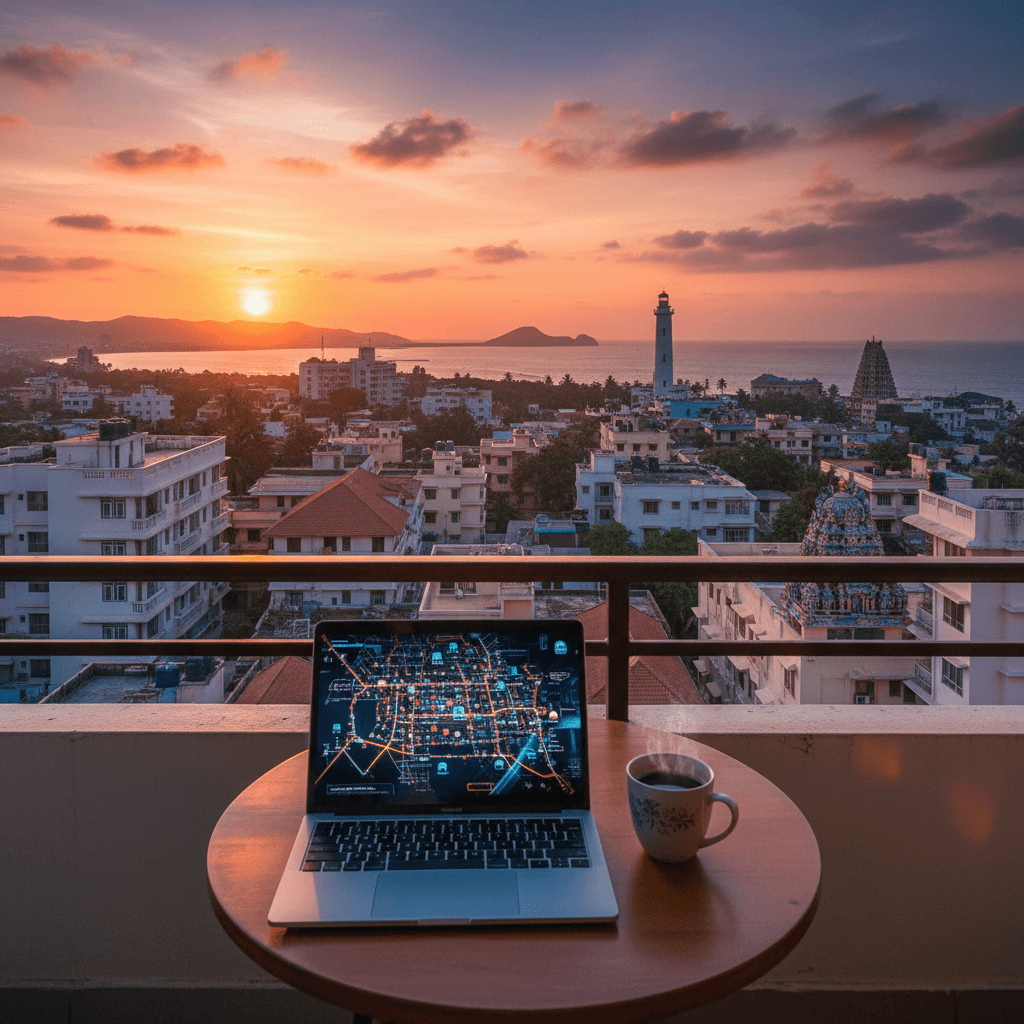
Bengaluru is a city of high contrast where the traditional "Garden City" roots are locked in a friendly wrestling match with its status as India's tech powerhouse. It feels different from the frantic energy of Delhi or the coastal humidity of Mumbai. Here, the air is thinner, the weather is remarkably mild, and there is a pervasive sense of intellectual ambition. You aren't just in another tropical outpost; you're in the engine room of modern India.
For nomads, the vibe is distinctly professional yet social. It is a place where you can spend your morning coding in a high-tech hub like Whitefield and your evening sipping craft IPAs at a rooftop microbrewery in Indiranagar. The city operates on a "work hard, play hard" frequency that suits freelancers and startup founders perfectly. While the scale of the city can be intimidating, the local community is incredibly welcoming, especially if you speak the language of tech and innovation.
The Daily Rhythm
Life here revolves around the "eternal spring" climate. With temperatures hovering between 20°C and 30°C for much of the year, you'll find yourself walking through lush parks like Cubbon Park or sitting on cafe terraces without the oppressive heat found elsewhere in the country. This temperate weather is Bengaluru’s greatest luxury, allowing for a lifestyle that feels balanced despite the urban sprawl.
The emotional experience of the city is one of constant motion. You'll likely spend a fair amount of time in the back of an Ola or Uber, watching the world go by through a car window. While the traffic is a legitimate part of the local identity, it’s also where many nomads catch up on podcasts or emails. Once you reach your neighborhood "bubble," the city becomes walkable, leafy, and surprisingly intimate.
The Nomad Cost of Living
Bengaluru provides a high standard of living for those earning in foreign currencies, though it is more expensive than rural India or smaller coastal towns. Most nomads find they can live a very comfortable life on ₹80,000 to ₹1,20,000 per month. This budget covers a modern studio, frequent dining out, and memberships at premium coworking spaces.
- Budget Tier (₹40,000 to ₹60,000): Best for those staying in hostels or shared flats, eating local street food, and using the Metro or buses.
- Mid-Range Tier (₹70,000 to ₹1,00,000): Includes a private 1BR studio in a popular area, regular cafe visits, and a dedicated desk at a space like b-hive.
- Comfortable Tier (₹1,50,000+): High-end apartments in gated communities, upscale dining, and private car hires for getting around.
Where to Plant Your Flag
Choosing the right neighborhood is the most important decision you'll make here. Because of the traffic, your neighborhood effectively becomes your world. Most digital workers gravitate toward the eastern and southern pockets where the infrastructure is most modern.
Indiranagar
- The Vibe: The undisputed heart of the nomad scene. It’s packed with 24/7 coworking options, boutiques, and the city’s best nightlife.
- Pros: Highly walkable within the neighborhood; incredible food scene; central location.
- Cons: Can be noisy on weekends; rent prices are among the highest in the city.
Koramangala
- The Vibe: A sprawling mix of residential lanes and commercial blocks. It’s a favorite for expats and long-term travelers.
- Pros: Endless cafes for "laptop work"; great shopping; a more established community feel.
- Cons: Extremely crowded during peak hours; can feel a bit chaotic.
Whitefield
- The Vibe: The corporate tech heart. If you are here to network with major IT players or global startups, this is where they live.
- Pros: Modern infrastructure; large malls like Phoenix Marketcity; closer to many international offices.
- Cons: Far from the cultural center; feels more like a suburb than a city.
English is the bridge that connects everyone here. While Kannada is the local language, English is the primary tongue for business, tech, and social life. You'll find that navigating menus, apps like PhonePe, and networking events is seamless. This ease of communication, combined with the "startup energy" in the air, makes Bengaluru a uniquely productive base for anyone looking to grow their business while experiencing the complexity of modern India.
The Price of Living in India's Tech Capital
Bengaluru is a bit of a paradox. While it remains significantly more affordable than Western tech hubs or even Mumbai, the influx of venture capital and high-earning developers has pushed prices up in the trendy neighborhoods. You'll find that your budget stretches further here than in London or San Francisco, but you'll pay a premium for the lifestyle conveniences nomads typically crave, like high-speed fiber and specialty coffee.
Most nomads find that a monthly budget falls into one of three tiers. If you're keeping it lean, staying in hostels or shared flats and eating local South Indian fare, you can get by on ₹40,000 to ₹60,000. A mid-range lifestyle with a private studio in a good area and a dedicated desk at a coworking space usually lands between ₹70,000 and ₹1,00,000. For those wanting luxury apartments in gated communities and frequent dinners at high-end gastropubs, expect to spend ₹1,20,000 or more.
Housing and Neighborhood Costs
The biggest variable in your budget will be rent. Prices fluctuate wildly based on how close you are to the "action" in neighborhoods like Indiranagar or Koramangala. Be prepared for the "security deposit" culture; while locals often pay ten months' rent upfront, nomads can usually negotiate shorter stays or use platforms like NoBroker to find serviced apartments with more flexible terms.
- Indiranagar: The gold standard for social life. A 1BR studio here typically runs between ₹35,000 and ₹50,000. It's pricey, but you save on transport because everything is walkable.
- Koramangala: Popular with the startup crowd. Expect to pay ₹30,000 to ₹45,000 for a decent apartment. It's slightly more residential but just as connected.
- Whitefield: If you're here for specific tech projects, you'll find modern high-rises for ₹25,000 to ₹40,000. It's cheaper, but the commute to the city center is a legendary time-sink.
Food, Drink, and Socializing
Dining is where Bengaluru shines for the budget-conscious. You can grab a world-class masala dosa and filter coffee at a local "darshini" for under ₹150. On the flip side, the city has a massive craft beer scene. A pint at a popular brewery like Toit or Arbor Brewing Company will cost around ₹400 to ₹600 including taxes.
Groceries are affordable if you shop at local markets, but most expats use apps like BigBasket or Zepto for convenience. A weekly grocery haul for one person usually averages ₹2,000 to ₹3,500. If you prefer eating out, a mid-range meal at a trendy cafe in Koramangala will set you back about ₹800 to ₹1,200 per person.
Connectivity and Coworking
Since you're in the Silicon Valley of India, you shouldn't settle for bad internet. Most nomads skip the "cafe hopping" for serious work and opt for a dedicated space. B-hive is a favorite for its 24/7 access in Indiranagar, with daily passes usually hovering around ₹500 to ₹1,000. Monthly hot desk memberships typically cost between ₹8,000 and ₹12,000.
For mobile data, grab a SIM from Airtel or Jio immediately. Data is incredibly cheap in India; you can get a heavy daily data plan for 30 days for less than ₹500. It's often faster than hotel WiFi, so many travelers use their phones as a reliable hotspot backup.
Transport and Hidden Extras
Don't bother driving. The traffic is a beast, and parking is worse. Most nomads rely exclusively on Uber or Ola. A typical 5km trip in an "Auto" (rickshaw) booked through an app costs about ₹80 to ₹150, while a car will be ₹200 to ₹350. If you're brave, the Bengaluru Metro is clean and cheap, with fares rarely exceeding ₹60, but it doesn't cover every corner of the city yet.
Keep a small buffer for "convenience fees." Whether it's a small delivery charge on a food app or a slightly higher price for imported goods at the supermarket, these small costs add up. Most expats recommend keeping an extra ₹10,000 in your monthly budget for these miscellaneous expenses and weekend trips to the hills.
For Solo Nomads: Indiranagar
If you want to be where the action is, Indiranagar is the undisputed heavyweight champion. It's the city's social heart, packed with craft breweries, third-wave coffee roasters, and a high concentration of startup founders. Most nomads choose this area because it's one of the few places in the city that feels somewhat walkable, provided you can handle the local traffic rhythm.
The work infrastructure here is top-tier. You'll find b-hive coworking spaces that stay open 24/7, which is a lifesaver if you're syncing with North American or European time zones. While it's one of the more expensive pockets of the city, the networking potential is unmatched. You'll likely pay between ₹35,000 and ₹55,000 for a decent studio or a room in a managed apartment. The downside is the noise; between the nightlife on 100 Feet Road and the constant construction, you'll definitely want high-quality noise-canceling headphones.
- Rent: ₹35,000 to ₹55,000 per month
- Coworking: b-hive, WeWork, and numerous "work-friendly" cafes
- Vibe: High energy, social, and tech-heavy
For Long-Term Expats: Koramangala
Koramangala has a slightly more "lived-in" feel compared to the frantic pace of Indiranagar. It’s a massive neighborhood divided into blocks, with 3rd and 4th Blocks being the most popular for their mix of leafy residential streets and trendy eateries. Expats often settle here because it strikes a better balance between a local neighborhood feel and modern amenities.
The cafe culture here is legendary. You can spend your mornings working from places like Third Wave Coffee or Blue Tokai and your evenings at some of the best bars in the country. It’s crowded, yes, but it feels more like a community. Expect to spend around ₹30,000 to ₹50,000 for mid-range housing. It’s a bit more central than the tech parks out east, making it a good base if you plan on exploring different parts of the city using Uber or Ola.
- Rent: ₹30,000 to ₹50,000 per month
- Food: Incredible variety, from cheap South Indian tiffins to high-end global fusion
- Vibe: Established, diverse, and culinary-focused
For Tech-Focused Professionals: Whitefield
Whitefield is essentially a city within a city. If your work involves visiting major IT parks or you're collaborating with the big tech giants, living here saves you hours of daily commuting. It’s a suburban sprawl characterized by gated communities, massive shopping malls like Phoenix Marketcity, and large-scale apartment complexes.
It’s not the most "authentic" Indian experience, but it’s incredibly convenient. You have everything you need within a three-mile radius, including international hospitals and big-box retailers like Decathlon. The main trade-off is the isolation; getting to the city center can take 90 minutes during peak hours. It’s best for those who want a quiet, predictable environment with modern comforts. Pricing for a comfortable apartment usually starts around ₹40,000.
- Rent: ₹40,000 to ₹70,000 for premium gated communities
- Transport: Heavily dependent on ride-hailing apps; less walkable than central areas
- Vibe: Corporate, modern, and self-contained
For Families and Quiet Seekers: Jayanagar or Lavelle Road
For families or those who find the tech-hub noise exhausting, Jayanagar offers wide, tree-lined streets and a glimpse into "Old Bangalore." It’s much greener and quieter, though you’ll still find modern supermarkets and parks for the kids. If budget isn't an issue and you want the ultimate luxury experience, Lavelle Road is the city's most prestigious address. It’s central, sophisticated, and puts you within walking distance of Cubbon Park, the city's premier green space.
- Rent: ₹25,000 to ₹40,000 (Jayanagar) or ₹1,00,000+ (Lavelle Road)
- Pros: Proximity to parks, better air quality, and less frantic traffic
- Vibe: Residential, prestigious, and calm
Connectivity and Speed
Bengaluru isn't called India's Silicon Valley for nothing. You'll find some of the most reliable fiber optic internet in the country here, with speeds often reaching 100 Mbps to 300 Mbps in modern apartment complexes and dedicated workspaces. Most nomads find that a high speed home connection is standard, but having a backup is a smart move given the occasional power cut during monsoon season.
For your mobile data, grab a SIM card from Airtel or Jio as soon as you land. You can usually pick these up at Kempegowda International Airport or at small kiosks in Indiranagar. A monthly prepaid plan with 2GB of daily 5G data typically costs around ₹300 to ₹500. Most expats recommend Jio for its 5G coverage, though Airtel is often praised for better indoor penetration in older buildings.
Top Coworking Spots
The coworking scene here is massive and professional. It's less about the "beach vibe" and more about the "startup hustle." You'll be sharing desks with software engineers, venture capitalists, and entrepreneurs. If you need a consistent base, b-hive is a top choice with over 20 locations across the city. Their Indiranagar branch is particularly popular because it's open 24/7, making it perfect if you're working for clients in European or North American time zones.
- b-hive (Indiranagar): Known for its community events and flexible desks. Expect to pay roughly ₹500 to ₹1,500 per day for a hot desk.
- WeWork: There are multiple massive WeWork locations in Koramangala and near MG Road. They're pricier but offer the most "global" standard of amenities and reliable backup power.
- 91springboard: Great for networking. It has a more grassroots startup feel and often hosts tech meetups in the evenings.
The Cafe Office Culture
If you prefer a more relaxed environment, Bengaluru has a legendary cafe culture. Unlike some cities where laptop users are frowned upon, many cafes here embrace the "work from anywhere" crowd. The Koramangala and Indiranagar neighborhoods are packed with spots that have decent WiFi and plenty of power outlets.
- Third Wave Coffee: This is a staple for local nomads. They have fast internet, excellent pour-overs, and a community that won't give you the side-eye for staying three hours.
- Blue Tokai Coffee Roasters: Another favorite for high quality beans and a quiet atmosphere. It’s usually less noisy than the bigger chains.
Practical Tech Tips
While the infrastructure is solid, the city's power grid can be temperamental. Most professional coworking spaces and high end apartments have 100 percent power backup (diesel generators), but smaller Airbnbs might not. Always ask your host if they have a "power backup" or a "UPS" for the router specifically.
For payments, download PhonePe or Google Pay. India's UPI system is the gold standard for digital payments. You can pay for everything from a ₹20 chai at a street stall to your monthly coworking membership with a quick QR code scan. You'll need an Indian phone number linked to a bank account to use it fully, but many international travelers find that digital wallets and international cards work fine at larger establishments.
Safety Essentials
Bengaluru is generally one of the safer major metros in India, especially if you stick to the nomad heavy areas like Indiranagar and Koramangala. Most people find the city welcoming, and the massive tech presence means people are used to seeing foreigners and remote workers. However, the biggest safety hazard isn't crime; it's the traffic. The city is sprawling, and pedestrian infrastructure is often an afterthought. Always use apps like Uber or Ola for late night travel rather than trying to hail a rickshaw on the street.
Solo travelers rarely report major issues, but standard urban precautions apply. Keep your phone tucked away when walking near busy roads to avoid opportunistic snatching, and be wary of poorly lit side streets after 11:00 PM. If you're out late in the 100 Feet Road area, you'll find plenty of company, as the nightlife keeps these zones active well into the night.
- Emergency Police: Dial 100
- Ambulance: Dial 108
- Safety Apps: Download Suraksha (the Bengaluru City Police app) for quick emergency triggers.
Healthcare and Hospitals
The quality of private healthcare here is world class. Since this is the country's tech hub, the hospitals are equipped with the latest tech and staffed by doctors who usually speak perfect English. If you have an emergency or need a specialist, you won't be struggling with a language barrier. For routine issues, Manipal Hospital and Apollo Hospitals are the big names expats trust. They have multiple branches, including large facilities near Whitefield and Jayanagar.
For minor ailments like the "Delhi Belly" or seasonal allergies, you'll find a pharmacy (locally called a chemist) on almost every corner. Many are open 24/7. You can also use apps like Tata 1mg or Apollo 24/7 to get medicines delivered to your doorstep within an hour or two. This is a lifesaver if you're working a deadline and don't want to lose time running errands.
Staying Healthy as a Nomad
The "Eternal Spring" weather is great for your mood, but the air quality can dip during the peak of the dry season. If you have sensitive lungs, check the AQI apps before planning long outdoor walks. Most high end coworking spaces and modern apartments in Indiranagar have air purifiers, which makes a noticeable difference.
Water safety is the one area where you shouldn't take risks. Never drink tap water. Most nomads rely on 20 liter Bisleri or Kinley jugs for their apartments, or they ensure their rental has a working RO (Reverse Osmosis) filter. When eating out, the high turnover at busy spots in Koramangala usually means the food is fresh, but stick to bottled water even at trendy cafes.
Insurance and Costs
Medical costs are significantly lower than in the US or Europe, but they can add up if you end up in a private suite at a top tier hospital. A standard consultation with a GP might cost between ₹800 and ₹1,500. Most nomads find that a basic international health insurance policy covers everything they need here. If you're staying long term, look into local providers like Star Health or Niva Bupa, though most short term visitors stick to their global nomad insurance.
- GP Visit: ₹800 to ₹1,500
- Specialist Consultation: ₹1,500 to ₹3,000
- Private Room (Per Night): ₹5,000 to ₹12,000
Expats often suggest keeping a digital copy of your blood group and any allergies on your phone. In a city this size, being prepared helps you navigate the system much faster if you ever need a quick trip to the ER.
The Traffic Reality Check
Let's address the elephant in the room immediately: Bengaluru's traffic is legendary, and not in a good way. It’s a sprawling tech hub where a five-kilometer trip can easily take 45 minutes during peak hours. Most nomads quickly learn that your choice of neighborhood is actually a lifestyle choice. If you live in Indiranagar but work in Whitefield, you’ll spend half your day staring at brake lights.
The city is currently expanding its Metro lines, but for now, your daily rhythm will likely revolve around your smartphone. You’ll become very familiar with the "Silicon Valley of India" through the window of a ride-hailing vehicle.
Ride-Hailing: Your Daily Lifeline
Forget trying to hail a yellow-and-green auto-rickshaw on the street unless you’re prepared to haggle in Kannada. Instead, download Ola and Uber the moment you land. These are the gold standard for getting around safely and predictably.
- Uber/Ola Auto: These are the three-wheeled rickshaws. They're the fastest way to squeeze through gridlock, though they can be noisy and dusty. Expect to pay ₹50 to ₹150 for short cross-neighborhood hops.
- Uber/Ola Cabs: Best for longer hauls or when the afternoon heat kicks in. A trip from Indiranagar to the airport usually costs between ₹800 and ₹1,200 depending on the surge pricing.
- Rapido: If you're solo and brave, this bike-taxi app is a game changer. It’s the cheapest way to bypass stationary cars, often costing less than ₹60 for a quick trip.
The Namma Metro
The Metro is the cleanest and most efficient way to travel, provided your destination is near a station. The Purple Line is particularly useful for nomads, connecting the tech corridor of Whitefield to the nightlife of Indiranagar and the central business district.
Trains are frequent and air-conditioned. Fares are incredibly cheap, usually ranging from ₹10 to ₹60. If you’re staying for more than a week, buy a smart card at any station to avoid the token lines. Just be prepared for intense crowds during the 9:00 AM and 6:00 PM commutes; it gets tight.
Walking and Micromobility
Bengaluru isn't a walkable city in the traditional sense. Sidewalks can be uneven or non-existent once you leave the main drags. However, pockets like Indiranagar 100 Feet Road or Koramangala 4th Block are great for exploring on foot once you've actually arrived in the area.
For short distances, look for electric scooter rentals which occasionally pop up near tech parks and Metro stations. They’re a fun way to cover that "last mile" to your coworking space without breaking a sweat. Most expats recommend avoiding self-driving cars or motorbikes unless you’ve spent years driving in chaotic urban environments; the local "unwritten rules" of the road take some serious getting used to.
Airport Transfers
Kempegowda International Airport is located about 40 kilometers north of the city center. While Uber and Ola have dedicated pickup zones, many seasoned travelers prefer the Vayu Vajra airport buses. These are blue, air-conditioned Volvo buses that run 24/7. They cost around ₹250 to ₹350 and are surprisingly comfortable, with luggage racks and reliable schedules. It’s a much more budget-friendly way to reach the city than a private cab, especially if you're arriving during the day.
Pro Tips for the Road
- Avoid the 5:00 PM to 8:00 PM window: This is peak gridlock. If you can, stay put at your coworking space or a cafe until the rush subsides.
- Check Google Maps: Always check the "live traffic" layer before leaving. It’s remarkably accurate here and might suggest a Metro route you hadn't considered.
- Keep small change: While most drivers prefer UPI (PhonePe or GPay), having a few ₹10 or ₹20 notes is handy for the occasional cash-only rickshaw driver.
The Linguistic Landscape
In Bengaluru, you'll find that language is rarely a barrier to getting things done. While Kannada is the official state language and the heart of the local identity, the city's status as a global tech hub means English is the unofficial primary tongue for business, tech, and social life. You can comfortably navigate a whole day, from morning stand-ups at a coworking space to late-night drinks in Indiranagar, using only English.
Most nomads find the level of English proficiency here higher than in almost any other major Indian city. It's the default language for menus, road signs, and official apps. However, the city is a massive melting pot. You'll hear a mix of Hindi, Tamil, and Telugu on the streets; a byproduct of the thousands of young professionals moving here every month from across the country.
Navigating Daily Life
While you won't need to be fluent in local dialects, knowing which language to use in specific situations makes life smoother. In professional environments like b-hive or during networking events, English is standard. In more casual settings or when interacting with service staff, a blend of English and basic local terms works best.
- Tech & Coworking: English is 100% sufficient.
- Transport: Drivers for Uber and Ola usually have a functional grasp of English, but they might call you to clarify your location in Kannada or Hindi. Learning numbers in Hindi or Kannada can help during these calls.
- Street Markets: Vendors often speak basic English, but knowing how to ask "How much?" in Kannada can sometimes get you a better "local" price.
Key Phrases to Know
Locals genuinely appreciate it when you make an effort to speak a few words of Kannada. It breaks the ice and shows you're not just another transient worker. Here are the basics to keep in your back pocket:
- Namaskara: The standard greeting. Use it instead of "hello" to start a conversation on a friendly note.
- Dhanyavaadagalu: Thank you. It's a mouthful, so many people shorten it to "Dhanyavaada" or just say "thanks," which is widely understood.
- Eshtu?: How much? This is your most used phrase at fruit stalls or with auto-rickshaw drivers.
- Beda: No / I don't want it. Very useful for politely declining persistent street hawkers.
- Houdu: Yes.
The "Auto" Dialect
Dealing with auto-rickshaws is a rite of passage. While apps like Uber or Namma Yatri handle the pricing, you'll still need to communicate. If a driver asks "Ondu nimisha," he's asking you to wait "one minute." If they say "Goithu," it means they understand the destination. Most expats recommend using Google Translate for complex directions, though the city's 4G and 5G networks are so reliable that you can usually just show the driver the map on your phone.
Digital Communication and Slang
The local dialect has a unique flavor often called "Bangalore English." You'll hear the word "da" or "macha" added to the end of sentences between friends; it's similar to "bro" or "mate." If someone tells you "it's just nearby," be skeptical; in this city, "nearby" could mean a 45 minute crawl through traffic.
For your digital life, WhatsApp is the king of communication. From your landlord to the local grocery delivery guy, everyone uses it. If you're staying for more than a week, get a local SIM from Airtel or Jio immediately. Foreign numbers often struggle with the OTP (One-Time Password) system that governs almost every transaction in India, from booking a movie ticket to ordering food on Swiggy.
The Eternal Spring Vibe
Unlike the sweltering humidity of Mumbai or the bone dry heat of Delhi, Bengaluru is famous for its mild, pleasant climate. Locals call it the eternal spring because the temperature usually hovers between 20°C and 30°C (68°F to 86°F) throughout the year. For digital nomads, this means your laptop won't overheat on a balcony and you can actually walk to your favorite cafe in Indiranagar without needing a shower the moment you arrive.
The air is often crisp in the mornings, and the city's massive canopy of rain trees provides plenty of shade. While much of India retreats indoors during the peak of summer, Bengaluru stays relatively cool, making it one of the few places in the country where you can comfortably work from an outdoor patio year round.
The Best Window: December to February
If you want the absolute peak experience, aim to land between December and February. This is the dry season, where the skies are clear and the evenings get just chilly enough to warrant a light hoodie or a denim jacket. It is the best time for exploring the city's green lungs, like Cubbon Park, or taking weekend trips to the nearby Nandi Hills.
Expats and long term travelers prefer this window because the humidity is at its lowest. You will find the social scene is at its most active during these months, with plenty of tech meetups and outdoor markets happening across Koramangala and Whitefield. Just keep in mind that because the weather is so perfect, this is also when rental demand spikes in popular nomad hubs.
The Monsoon Shift: June to September
The rainy season kicks off around June and lingers through September. Bengaluru does not usually get the violent, city halting deluges seen in coastal India, but you should expect frequent, heavy afternoon showers. The city turns incredibly lush and green, but there is a major trade off: the traffic.
When it rains in Bengaluru, the already congested roads can become a standstill. Most seasoned nomads plan their deep work days during these months. It is the perfect time to get a dedicated desk at a space like b-hive or settle into a cozy corner at a Third Wave Coffee Roasters. If you are someone who enjoys the "cozy productivity" vibe, the monsoon months are actually quite charming, provided you don't have to commute across the city during a downpour.
What to Pack and When to Avoid
You won't need a heavy winter coat here, but don't show up with only tank tops and shorts. The city has a bit of a professional edge due to the tech scene, and the cooler evenings require layers. A versatile light jacket and a sturdy umbrella are the two most important items in a nomad's kit here.
- April and May: These are the "hottest" months. While temperatures might hit 34°C (93°F), it is still mild compared to the rest of the country. It is a great time to find deals on long term stays before the monsoon crowd arrives.
- October and November: This is the post monsoon transition. You will get occasional "retreating" rains, but the weather is generally cooling down and the city starts gearing up for the major festival season.
- Peak Monsoon (July/August): Avoid these months if you hate being stuck indoors or if you rely heavily on walking to get around. The sidewalks can get muddy and ride hailing apps like Uber and Ola see massive price surges during rain.
Most nomads find that late October is the sweet spot for a long term move. You arrive just as the rains are tapering off, the city is vibrant with festivals, and you are perfectly positioned to enjoy the flawless weather of the winter months without the last minute scramble for an apartment in Indiranagar.
Connectivity and Tech Setup
You can't work in India's Silicon Valley without a solid data plan. Most nomads head straight for an Airtel or Jio kiosk at Kempegowda International Airport or a local shop in Indiranagar. You'll need your passport and a couple of photos to get a SIM card. Once you're set up, download PhonePe or Google Pay. India runs on the Unified Payments Interface (UPI), and you'll find even the smallest roadside tea stall prefers a quick QR code scan over cash.
For a dedicated workspace, b-hive is the gold standard in the city. Their Indiranagar location is open 24/7, which is a lifesaver if you're syncing with US or European time zones. Expect to pay between ₹500 and ₹1,500 for a day pass. If you prefer a "work from cafe" vibe, the coffee shops in Koramangala are packed with founders and freelancers. Just check the Wi-Fi speeds before you order your second pour-over.
Budgeting for the Garden City
Bengaluru is generally more affordable than Mumbai, but costs can creep up if you insist on living in the trendy bubbles. Most expats recommend a monthly budget based on your comfort level:
- Budget (₹40,000 to ₹60,000): This covers a room in a shared flat, plenty of street food, and using the Metro or buses to get around.
- Mid-range (₹70,000 to ₹1,00,000): You'll get a private 1BR studio in a decent area, regular coworking access, and frequent meals at mid-range cafes.
- Comfortable (₹1,20,000+): This buys you a high-end apartment in a place like Indiranagar, daily ride-hailing, and dinners at the city's better restaurants.
Getting Around the Gridlock
The city's traffic is legendary, and not in a good way. To keep your sanity, use Uber or Ola rather than haggling with auto-rickshaw drivers on the street. If you're brave enough to handle the chaos, bike rentals are available, but most nomads find the Metro is the only way to bypass the afternoon standstill. When you arrive at the airport, expect a 45 to 90 minute trek to the city center depending on the hour.
Where to Plant Your Flag
Choosing the right neighborhood defines your experience here. Most digital workers gravitate toward these three hubs:
Indiranagar
- Best For: Solo travelers and nightlife lovers.
- Pros: It's the heart of the social scene with the best coworking density.
- Cons: It can get loud on weekends and rent is at a premium.
Koramangala
- Best For: Families and long-term expats.
- Pros: Great shopping and a huge variety of international food.
- Cons: Extremely crowded during peak hours.
Whitefield
- Best For: Tech professionals working with local firms.
- Pros: Proximity to major IT parks and modern malls like Phoenix Marketcity.
- Cons: It feels like a suburban island far from the city's cultural heart.
Health and Etiquette
The weather is Bengaluru's secret weapon. It stays between 20°C and 30°C most of the year, though you should prepare for heavy rains from June to September. For healthcare, the facilities near the tech hubs are world-class. If you need a doctor, hospitals like Manipal or Apollo are the standard choices for expats.
Socially, the city is easy to navigate. English is the bridge language for almost everyone in professional and social circles. Just remember a few local norms: take your shoes off before entering someone's home, use your right hand for eating or passing items, and don't be surprised by the "Indian stretchable time" when meeting friends for drinks. If you're looking for a community, show up to a tech meetup or a weekend social at a coworking space; the networking culture here is incredibly open.
Need visa and immigration info for India?
🇮🇳 View India Country GuideNomad Haven
Your home away from home
Monthly Budget Estimates
More cities in India
Dehradun
🇮🇳 India
Thiruvananthapuram
🇮🇳 India
Rishikesh
🇮🇳 India