Belfast
🇬🇧 United Kingdom
The Industrial Soul Meets a Startup Spirit
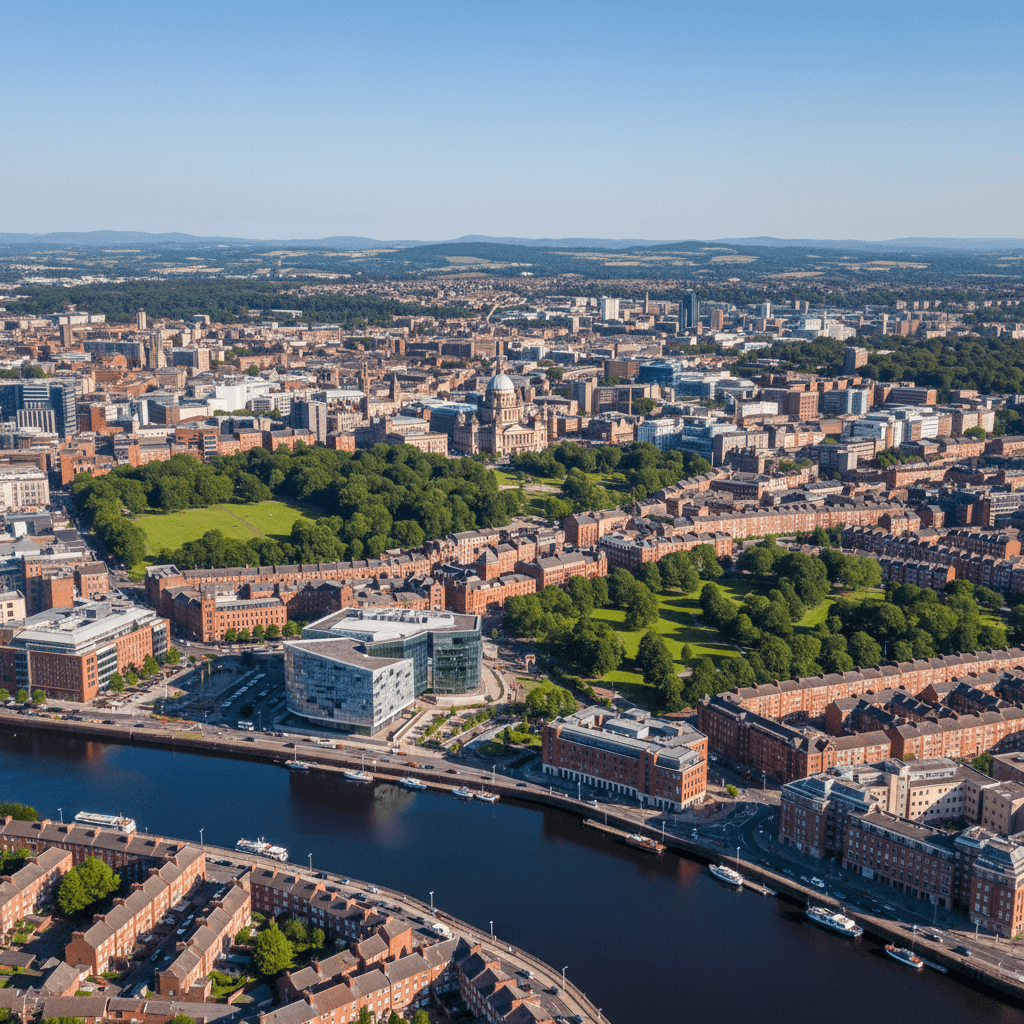
Belfast doesn't try to be London, and that’s exactly why nomads are starting to flock here. It feels like a city that’s finally exhaling. For decades, it was defined by its history, but today the Victorian red-brick linen mills have been gutted and reborn as tech hubs and craft beer bars. There is a gritty, honest charm to the place. You’ll see world-class street art on one corner and a quiet, polished coworking space on the next.
The vibe is noticeably slower and friendlier than the English capitals. People will actually talk to you in the pubs. Because of Northern Ireland's unique post-Brexit trading status, there’s a fresh energy in the air, a sense of being in an "up-and-coming" hub that hasn't been completely sterilized by gentrifiation yet. It’s perfect if you want a base that feels authentic, affordable, and deeply rooted in its own story.
Living the Belfast Life
Most nomads find the city center incredibly walkable, which cuts down on the stress of commuting. You can grab a £6 lunch at a street food stall and be back at your desk in ten minutes. However, the nomad community here is still in its "early adopter" phase. You won't find the massive digital nomad meetups of Lisbon or Bali, but the people you do meet at spots like LoftSpace are usually deeply invested in the local scene. It’s a quality-over-quantity situation.
The weather is the main trade-off. It rains often, over 150 days a year, which makes the cozy pub culture a necessity rather than a luxury. When the sun does come out, the city heads straight for the beer gardens or takes the 20-minute train ride to the coast. It’s a place that rewards those who don't mind a bit of mist in exchange for a high quality of life and a lower cost of living.
Neighborhood Breakdown
Choosing where to plant your laptop depends on whether you want the energy of the students or the polish of the city center.
- Linen Quarter: Located just south of City Hall, this is the trendy heart of the city. It's packed with converted warehouses and upscale bars. It's great for networking but can get loud on Friday nights. Rent: £800 to £1,200 for a solid one-bedroom.
- Queen's Quarter: This is the university district. It’s leafier, more affordable, and has a great mix of budget cafes and indie bookshops. It feels more lived-in and residential. Rent: £700 to £1,000.
- City Center (Victoria Square): Best for short-term stays. You’re steps away from the best shopping and the main transport hubs, though you’ll pay a premium for the convenience. Rent: £1,000 to £1,500.
The Essentials: Cost and Connectivity
While Belfast is cheaper than Dublin or London, it’s not a "budget" destination in the global sense. You’ll want a monthly budget of around $4,500 (£3,500) to live comfortably, though frugal nomads can get by on closer to $2,000 (£1,600) if they opt for shared housing in the Queen's Quarter.
- Coworking: LoftSpace is the go-to. It has a New York loft aesthetic and costs about £25 for a day pass or £200 a month. Book early, as desks are limited.
- Internet: Expect speeds over 100 Mbps. It’s enough for Zoom calls, but you won't be breaking any world records.
- Transport: A monthly Translink pass is £60. If you prefer two wheels, Nextbike rentals are everywhere for about £0.10 per minute.
- Dining: A mid-range dinner at a spot like Made in Belfast will run you about £30. For a quick bite, local cafes offer great value.
Practicalities and Visas
There isn't a specific digital nomad visa for Northern Ireland for 2025 or 2026. Most remote workers from outside the UK or Ireland enter on a Standard Visitor Visa, which allows you to stay for up to 6 months. You can technically work for your overseas employer or clients during this time, but you cannot take a job with a local UK company. Always have your proof of remote employment and sufficient funds ready for border agents.
For staying connected, skip the expensive roaming. Most expats recommend grabbing a Holafly eSIM or a local Tesco Mobile SIM for about £10 to get 20GB of data. If you need to see a doctor, the Royal Victoria Hospital provides excellent care, and the NHS is generally free for visitors for up to six months, though travel insurance is always a smart move.
The Bottom Line on Belfast Budgets
Belfast used to be the UK's best kept secret for affordability, but its growing popularity with the tech crowd has pushed prices into a more mid-range bracket. You can expect to spend around $4,588 per month if you're aiming for a comfortable, high-end nomad lifestyle. While it's still cheaper than London or Manchester, it isn't exactly a bargain basement destination anymore.
Most nomads find that their biggest expense is housing, especially if they want to be near the action. If you're looking for a studio or a one-bedroom apartment in the trendy Linen Quarter or the academic Queen's Quarter, budget between £800 and £1,200. For those who want to be right in the thick of it near Victoria Square, prices often jump to £1,500 per month. To keep costs down, many expats recommend looking for shared housing through sites like PropertyPal, which can bring your total monthly spend closer to £1,500 if you're happy with a more communal vibe.
Daily Expenses and Dining
Eating out in Belfast is a highlight, and you can manage your budget effectively by mixing street food with sit-down meals. A quick lunch from a street food stall will set you back about £5 to £8, while a mid-range dinner for one usually lands between £15 and £25. If you're celebrating, upscale spots like Made in Belfast serve incredible local seafood with mains starting around £30.
- Monthly Translink Pass: £60 for unlimited bus and train travel within the city.
- Coworking at LoftSpace: £25 for a day pass or roughly £200 for a monthly desk.
- Pint of beer: Usually £5 to £7 depending on the neighborhood.
- Nextbike Rental: £1 to unlock plus £0.10 per minute.
Where to Plant Your Laptop
The neighborhood you pick dictates your daily cost of living. The Linen Quarter is the go-to for many because of its converted industrial spaces and proximity to networking events, though it gets loud on weekends. Queen's Quarter offers a more relaxed, student-driven atmosphere with plenty of cheap cafes that won't mind if you work for an hour or two on your laptop.
For a dedicated workspace, LoftSpace near Victoria Square is the gold standard. It has a calm, New York loft feel and includes free drinks, but it's small, so you'll want to book your spot in advance. If you prefer the cafe route, the Linen Quarter has several spots with reliable WiFi, though the city's average internet speed of 23 Mbps means you might want a backup plan for heavy video calls.
Practical Logistics
Getting around is straightforward and won't break the bank. The city is highly walkable, but the Translink system is efficient for longer trips. If you're arriving at Belfast International (BFS), a bus into the center is £10, while an Uber will cost you about £20. For data, most nomads skip the local shops and grab a Holafly eSIM or a Tesco Mobile SIM for ~£15 to get 20GB of data.
While there isn't a specific digital nomad visa for Northern Ireland, the Standard Visitor visa allows you to stay for up to 6 months and work remotely for clients based outside the UK. Just make sure you have your documentation ready to prove your employment status if asked at the border.
For Digital Nomads: The Linen Quarter
If you want to be in the heart of the action without the tourist crowds of the main shopping district, the Linen Quarter is your best bet. Located just south of City Hall, this area is defined by its industrial past. You'll find yourself working from trendy bars and cafes housed in converted Victorian linen mills, which gives the neighborhood a gritty, upscale feel that nomads usually love.
- Rent: Expect to pay between £800 and £1,200 for a modern one bedroom apartment.
- Vibe: Professional yet social. It is the city's unofficial networking hub.
- Workspaces: You are a short walk from LoftSpace near Victoria Square, which is the go-to spot for deep work. It costs about £25 for a day pass or £200 a month.
- Downside: The nightlife is active here, so it can get noisy on Friday and Saturday nights.
For Solo Travelers and Students: Queen's Quarter
The area surrounding Queen's University is easily the most eclectic part of Belfast. It has a youthful energy that makes it incredibly easy to meet people, whether you are grabbing a pint at a local pub or browsing the shops on Botanic Avenue. It is remarkably walkable and feels like a self-contained village within the city.
Most solo travelers gravitate here because the cost of living is slightly lower than the city center. You can find plenty of budget friendly street food for £5 to £8, and the botanical gardens provide a great outdoor escape when you need a break from your screen. While it is student heavy, it doesn't feel immature; there is a sophisticated mix of bookshops and high end bistros like Made in Belfast, where you can get fresh local seafood for around £30.
For Expats and Long-Termers: City Center
Living right in the center near Victoria Square is the most convenient option if you don't plan on buying a car. You have immediate access to the Translink hub for weekend trips and the best grocery options. Expats often choose this area to be close to the Glider rapid transit system and the main coworking communities.
- Rent: Prices are higher here, typically ranging from £1,000 to £1,500 for a central apartment.
- Connectivity: This is where you'll find the most reliable Wi-Fi, often averaging 23 Mbps, which is plenty for video calls.
- Social Life: You are steps away from the best street art and the historic entries (narrow alleys) that house some of the city's oldest pubs.
For Families: South Belfast Suburbs
While the city center is great for the hustle, families usually head further south toward the leafy streets of Malone or Upper Ormeau. These areas offer more space and proximity to parks while remaining just a 15 minute bus ride from the center. You'll find a more relaxed pace of life here, with local bakeries and family run cafes that are much quieter than the university district.
Safety is a common question for newcomers. Generally, Belfast is very safe with low crime rates. Most residents suggest avoiding certain stretches of Falls Road or Shankill Road late at night due to their complex history, but the primary residential and nomadic hubs are welcoming and secure. If you need healthcare, the Royal Victoria Hospital is top tier, and most visitors can access NHS services for up to six months.
Practical Logistics
Getting between these neighborhoods is simple. A monthly Translink pass costs £60, but the city is compact enough that you can often just walk. If you are in a rush, Uber and Free Now are the primary ride hailing apps. For those who prefer two wheels, Nextbike rentals cost just £1 to unlock and £0.10 per minute, making it the cheapest way to hop between the Linen Quarter and Queen's Quarter.
The Connectivity Reality
Belfast isn't exactly a high speed tech hub like Seoul or Tallinn, but it gets the job done for most remote roles. Average speeds now over 100 Mbps. While that might make a heavy video editor sweat, it’s perfectly fine for standard Zoom calls and cloud based workflows. Most nomads find the residential Wi-Fi in areas like the Linen Quarter reliable enough, though if your work depends on zero latency, you'll want to head to a dedicated workspace.
Mobile data is your best friend here. If you're staying short term, grab a Holafly eSIM for instant data. If you’re sticking around for a month or more, expats usually recommend picking up a local SIM from Vodafone or Tesco Mobile. You can snag 20GB of data for about £10, which is a steal compared to roaming fees. Most cafes in the Queen’s Quarter have decent free Wi-Fi, but they can get crowded with students from the university during term time.
Top Coworking Spots
The coworking scene in Belfast is intimate. You won't find a massive WeWork on every corner, which is part of the charm, but it means you need to plan ahead. Spaces fill up fast, especially during the middle of the week.
- LoftSpace: Located right near Victoria Square, this is the gold standard for nomads in the city. It has a New York loft aesthetic with plenty of natural light and a calm, focused atmosphere. A day pass runs about £25, while a monthly desk goes for around £200. They offer free drinks and have solid meeting rooms if you need to look professional for a pitch.
- Linen Quarter Cafes: If you prefer a more casual vibe, the converted linen mills in this district are full of trendy spots. Many nomads spend their mornings at local coffee shops where the staff are used to laptops, provided you keep the caffeine orders coming.
- Queen’s University Area: While technically for students, the surrounding libraries and cafes are great for those who thrive in a high energy, academic environment. It’s the best spot to find a budget friendly lunch while you work.
Practical Workflow Tips
Because the digital nomad community here is still relatively small, networking takes a bit more effort. Don't expect a massive Slack group with daily meetups. Instead, travelers often use the Digital Nomads Belfast Facebook group or Meetup.com to find fellow remote workers. The best way to meet people is actually through the events hosted at LoftSpace or by grabbing a pint at a pub in the Linen Quarter after 5:00 PM.
One thing to keep in mind is the power outlet situation. You’ll need the Type G (three-pin) UK plug. If you’re coming from the US or EU, bring a sturdy adapter. Most coworking spaces have plenty of outlets, but older cafes in historic buildings might only have one or two tucked away in a corner. If you're planning a full day of work at a cafe, arrive early to scout a spot near a wall.
Coworking Cost Breakdown
Budgeting for your "office" in Belfast is straightforward. It’s significantly cheaper than London, though slightly more expensive than some Eastern European hubs.
- Daily Pass: £20 to £30 depending on the amenities.
- Monthly Hot Desk: £150 to £250.
- Coffee Shop "Rent": £10 to £15 per day (roughly three coffees and a sandwich).
- Mobile Data Backup: £10 for a 20GB local SIM.
Overall, Belfast offers a relaxed pace that suits "slowmads" who value a cozy atmosphere over lightning fast infrastructure. It’s a city where you can actually get work done without the frantic noise of a massive metropolis, provided you secure your desk space early.
Staying Safe in the City
Belfast has shed its old reputation and transformed into one of the safer cities in the UK for remote workers. Most nomads find the city center and the surrounding quarters perfectly fine to walk through at any hour. Violent crime is low, and you'll mostly just need to keep the same common sense you'd use in any European capital, like keeping an eye on your laptop at a cafe or your phone in a crowded pub.
While the city is welcoming, it pays to be aware of its history. You'll still see "peace walls" and political murals in certain areas. Most locals suggest avoiding long walks through the Falls Road or Shankill Road late at night. These neighborhoods carry the weight of the city's sectarian past, and while they are fascinating for a daytime history tour, they can occasionally feel tense during marching seasons or late-night hours. Stick to the well-lit, social hubs like the Linen Quarter or Queen's Quarter and you'll likely never run into an issue.
If you do find yourself in a pinch, the emergency number is 999 or 112. For non-emergencies, like reporting a lost wallet, you can dial 101 to reach the Police Service of Northern Ireland (PSNI).
Healthcare and Medical Services
The quality of care in Belfast is excellent, anchored by high-standard facilities like the Royal Victoria Hospital. Since Northern Ireland is part of the UK, the healthcare system is managed by the NHS. If you're visiting on a Standard Visitor visa for up to 6 months, you can often access primary care or emergency services, though you should always have your own travel insurance to cover specialized treatment or repatriation.
For minor ailments like a stubborn cold or a skin rash, skip the hospital and head to a pharmacy. You'll see Boots locations all over the city, especially near Victoria Square. They have pharmacists on hand who can give advice and sell over-the-counter meds without a doctor's note. If you need a GP for a non-urgent matter, many private clinics in the Queen's Quarter offer same-day appointments for a fee, which is often faster than trying to register as a temporary patient at an NHS surgery.
Safety Tips for Solo Nomads
- Nightlife: If you're out late at the bars in the old linen mills, use apps like Uber or Free Now to get home rather than walking alone through unfamiliar side streets.
- Public Transport: The Glider buses are reliable and safe, but always keep your Translink app updated so you aren't standing at a dark stop for too long.
- Pedestrian Safety: Belfast is highly walkable, but remember they drive on the left. It sounds simple, but it's the most common way for expats to get into a scrape during their first week.
Insurance and Documentation
Most digital nomads here use services like SafetyWing or World Nomads. While the NHS is a great safety net, having private coverage ensures you can use private providers if wait times for public specialists are too long. Keep a digital scan of your passport and your Standard Visitor entry stamps on your phone. Because there is no specific Northern Ireland nomad visa, having proof that you're working for clients outside the UK is helpful if you ever need to verify your status during a medical intake or a formal report.
Navigating the Streets
Belfast is a refreshingly compact city. Most nomads find they can cover the city center on foot in about 20 minutes, which is a major perk if you're staying near Victoria Square or the Linen Quarter. The layout is intuitive, but the weather is famously unpredictable. You'll want a solid raincoat because those 150+ rainy days a year aren't an exaggeration.
When your legs need a break, the Translink network is your go-to. It covers the Metro buses, Northern Ireland Railways, and the Glider, which is a sleek, purple rapid transit bus that cuts through the main corridors. A monthly Translink Zone 1 pass is £75. To make life easier, download the mLink app for ticketing; it saves you from fumbling with change or trying to find a kiosk in the rain.
The Glider and Local Buses
The Glider is particularly useful for nomads staying in cheaper hubs further out and commuting into spots like LoftSpace. It runs frequently and has its own dedicated lanes, so you aren't stuck in 5:00 PM gridlock. For standard buses, look for the pink Metro branding. Just remember that buses can be a bit sparse on Sunday mornings, so plan your brunch trips accordingly.
Biking and Ride-Hailing
If the clouds clear, the Belfast Bikes (Beryl) rental scheme is a great way to move between the Queen's Quarter and the city center. Rentals are approximately £1.90 for 20 minutes. The city is becoming more bike-friendly, though some of the older industrial areas still lack dedicated lanes. For late nights after a few pints in the Cathedral Quarter, Uber and Free Now are the dominant apps. A typical cross-city ride usually lands between £8 and £12.
Airport Transfers
Getting into town from Belfast International Airport (BFS) is straightforward. You have two main options:
- Airport Express 300: This bus runs 24/7 and takes about 30 to 40 minutes to reach the city center. A one-way ticket is roughly £9.50.
- Ride-hailing: An Uber or local taxi will set you back about £20 to £30 depending on the time of day. It’s significantly faster if you’re hauling heavy luggage to an Airbnb.
Exploring Beyond the City
One of the best things about Belfast is how quickly you can leave it. The train station at Great Victoria Street or Lanyon Place connects you to the rest of the coast. Expats often recommend the £20 round trip to the Giant's Causeway or a quick hop over to the Titanic Quarter. For these day trips, the rail service is reliable, clean, and offers some of the best coastal views in the UK.
Quick Transport Stats
- Monthly Translink Zone 1 Pass: £75
- Belfast Bikes (Beryl) 20 mins: £1.90
- Airport Bus: £9.50
- Uber across town: £10
The Local Lingo
You won't have any trouble getting by in Belfast with English, but don't expect the Queen's English you might hear in London. The local accent is fast, melodic, and carries a distinct rising inflection that makes even a simple statement sound like a question. Most nomads find the locals incredibly talkative; people will strike up a conversation at a bus stop or while you're waiting for a flat white at a cafe in the Linen Quarter.
While English is the universal language for business and daily life, you'll see Irish Gaelic on some street signs and cultural centers, particularly in the Gaeltacht Quarter. It's a point of pride for many, though you don't need to learn it to navigate the city. If you want to show some local flair, a simple "Cheers" works for everything from "thank you" to "goodbye."
Belfast Slang and Social Cues
The real trick to communicating here is understanding the "craic" (pronounced crack). It basically means fun, news, or gossip. If someone asks "What's the craic?", they're just asking how you are or what's happening. You'll also hear "Alright?" used as a standard greeting. It's not a genuine inquiry into your well-being; it's just a "hello." A quick "Not bad, you?" is the standard response.
Expect a fair amount of "banter" in social settings. Northern Irish humor is self-deprecating and often involves lighthearted ribbing. Expats suggest leaning into it rather than taking it personally. At pubs in Queen's Quarter, this is how friendships are forged. If someone is "taking the mickey," they're just joking with you.
Digital Communication and Connectivity
For staying connected, most remote workers skip the legacy contracts and go straight for an eSIM. Holafly is the go-to for many because it activates instantly. If you prefer a physical SIM, head to a Tesco Mobile or Vodafone shop. You can usually grab a plan with 20GB of data for about £10 to £20 without a long-term commitment.
Internet speeds in the city now average over 100 Mbps with gigabit options widely available. It's stable enough for Zoom calls and standard uploads, but if you're pushing heavy video files, you'll want to camp out at LoftSpace near Victoria Square. They have the most reliable infrastructure for nomads, though you should book your day pass (contact for current pricing) in advance since the community is growing and desks fill up fast.
Practical Interactions
When it comes to the logistics of living here, communication is straightforward but polite. In restaurants like Made in Belfast, a 10% tip is standard for good service. If you're using apps to get around, Uber and Free Now are the primary choices, though the Translink app is better for checking Glider bus times. For housing, you'll likely be communicating with landlords through PropertyPal or Daft.ie; they tend to be responsive, but the market moves quickly, so don't be afraid to follow up with a phone call rather than just an email.
- Greeting: "Alright?" or "What's the craic?"
- Thanks: "Cheers" or "Dead on."
- Affirmation: "Grand" (means anything from okay to excellent).
- Navigation: Use Google Maps or the Translink app for public transit.
The Belfast Forecast
Expect rain. If you can handle that, you can handle Belfast. The city sits under a temperate maritime climate, which is a fancy way of saying it's mild, damp, and unpredictable. You'll often hear locals joking about seeing four seasons in a single afternoon. It rarely gets bone-chillingly cold, but the humidity makes a 4°C (39°F) January day feel much sharper than the numbers suggest.
The wettest months stretch from October through March. This is when the Atlantic storms roll in, bringing grey skies and consistent drizzle. If you're visiting during this window, a high-quality waterproof shell is more important than a heavy coat. Most nomads find the short daylight hours in December the toughest part, as the sun sets before 4:00 PM, making those cozy sessions at LoftSpace even more appealing.
When to Book Your Stay
For the best balance of weather and outdoor life, aim for May through September. This is when the city truly wakes up. July is the warmest month with average highs of 19°C (66°F), though it can occasionally spike into the mid-twenties. These months offer the longest days, giving you plenty of light for a post-work train trip to the Giant's Causeway or a walk through the Queen's Quarter parks.
Late spring (May and June) is often the sweet spot. It's generally the driest time of year and the city's gardens are in full bloom. You'll find the beer gardens in the Linen Quarter packed with locals soaking up every bit of Vitamin D. If you prefer a quieter vibe, September offers mild temperatures and fewer crowds than the peak summer months, though you'll want to keep an umbrella handy as the autumn rains start to pick up toward the end of the month.
Seasonal Survival Tips
- The Layers Rule: Even in mid-summer, keep a light sweater or jacket with you. The temperature drops quickly once the sun dips or the wind picks up off the Lagan.
- The "Dry" Myth: Don't let a sunny morning fool you. Check the Met Office app before heading out; it’s more reliable for Northern Ireland's microclimates than the standard phone weather apps.
- Winter Perks: While December to February is stormy, it's also the cheapest time for short-term rentals. If you don't mind working from a cafe while it pours outside, you can find better deals on sites like PropertyPal.
- Festival Season: August brings a lot of life to the city, but it also drives up the price of short-term accommodation. Book at least two months in advance if you're planning a summer stint.
Ultimately, Belfast isn't a destination for sun-seekers. It's a city for those who appreciate a moody, atmospheric backdrop for their work. The constant threat of rain is exactly what makes the pub culture so strong; there is nothing quite like ducking into a warm bar in an old linen mill when the clouds finally burst.
Getting Settled and Staying Connected
Belfast is a compact, walkable city where the industrial past meets a modern tech scene. You'll find that most nomads gravitate toward the Linen Quarter or Queen's Quarter. The former is perfect if you like working in converted mills and being near the best cocktail bars, while the latter offers a more laid-back, academic atmosphere thanks to the proximity to Queen's University.
Internet speeds average around 23 Mbps. It's reliable enough for standard Zoom calls, but it isn't the fastest in the UK. For a professional setup, LoftSpace near Victoria Square is the go-to spot. It has a calm, New York loft feel with free drinks and meeting rooms. Day passes run between £20 and £30, while a monthly desk costs about £200. Just be sure to book ahead, as the digital nomad community here is growing and spots fill up fast.
For your phone, skip the physical SIM hunt and grab a Holafly eSIM for easy data. If you're staying longer, a Vodafone or Tesco Mobile SIM with 20GB of data usually costs around £10. For banking, Wise or Revolut are the standard choices here, making it easy to pay in GBP without getting hit by conversion fees.
Cost of Living
Belfast is more affordable than London or Manchester, but it's not exactly a budget destination. A comfortable monthly budget for a nomad is roughly $4,588 (£3,600), though you can get by on much less if you're savvy.
Housing:
- Queen's Quarter: Expect to pay £800 to £1,200 for a studio or one-bedroom apartment. This area is great for finding mid-range eateries and a younger crowd.
- Linen Quarter: Prices sit between £900 and £1,300. It's central and trendy, though it can get noisy on weekend nights.
- City Center: Near Victoria Square, rents jump to £1,000 to £1,500. You're paying for convenience and proximity to the best shopping.
Daily Expenses:
- Meals: Street food averages £5 to £8. A mid-range dinner at a spot like Made in Belfast will cost around £25 to £30 for a main course.
- Transport: A monthly Translink pass is £60. If you prefer two wheels, Nextbike rentals are £1 to unlock and then £0.10 per minute.
Safety and Health
The city is generally very safe with low rates of violent crime. While the history of the Troubles is visible in the street art and murals, the atmosphere today is welcoming. Most locals suggest avoiding long walks through the Falls Road or Shankill Road late at night, but even these areas are largely peaceful now. If you have an emergency, dial 999 or 112. For minor health issues, Boots pharmacies are everywhere. Visitors can access NHS services at hospitals like the Royal Victoria for up to six months, though travel insurance is always a smart move.
Visa Requirements (2025-2026)
Northern Ireland doesn't have a specific digital nomad visa. Most remote workers enter on a Standard Visitor Visa, which allows you to stay for up to 6 months. Under this status, you can work remotely for clients or employers based outside of the UK. Make sure you have documentation proving your employment and sufficient funds to support your stay without seeking local work.
The Social Scene and Weather
Belfast locals are famous for their "craic" (good conversation and fun). Pub culture is the heart of social life here. If you're looking to meet other nomads, join the Digital Nomads Belfast group on Facebook or head to InterNations events. The community is smaller than what you'd find in Lisbon or Berlin, so you'll often meet the same faces at LoftSpace events.
Prepare for the weather; it rains about 150 days a year. The best time to visit is from May to September, when temperatures hit a mild 19°C (66°F). Winters are dark and damp, with January lows around 4°C (39°F). Always carry a waterproof jacket, even if the sun is out when you leave your apartment.
Need visa and immigration info for United Kingdom?
🇬🇧 View United Kingdom Country GuideHidden Gem
Worth the effort