Beirut
🇱🇧 Lebanon
The Chaos and the Charm
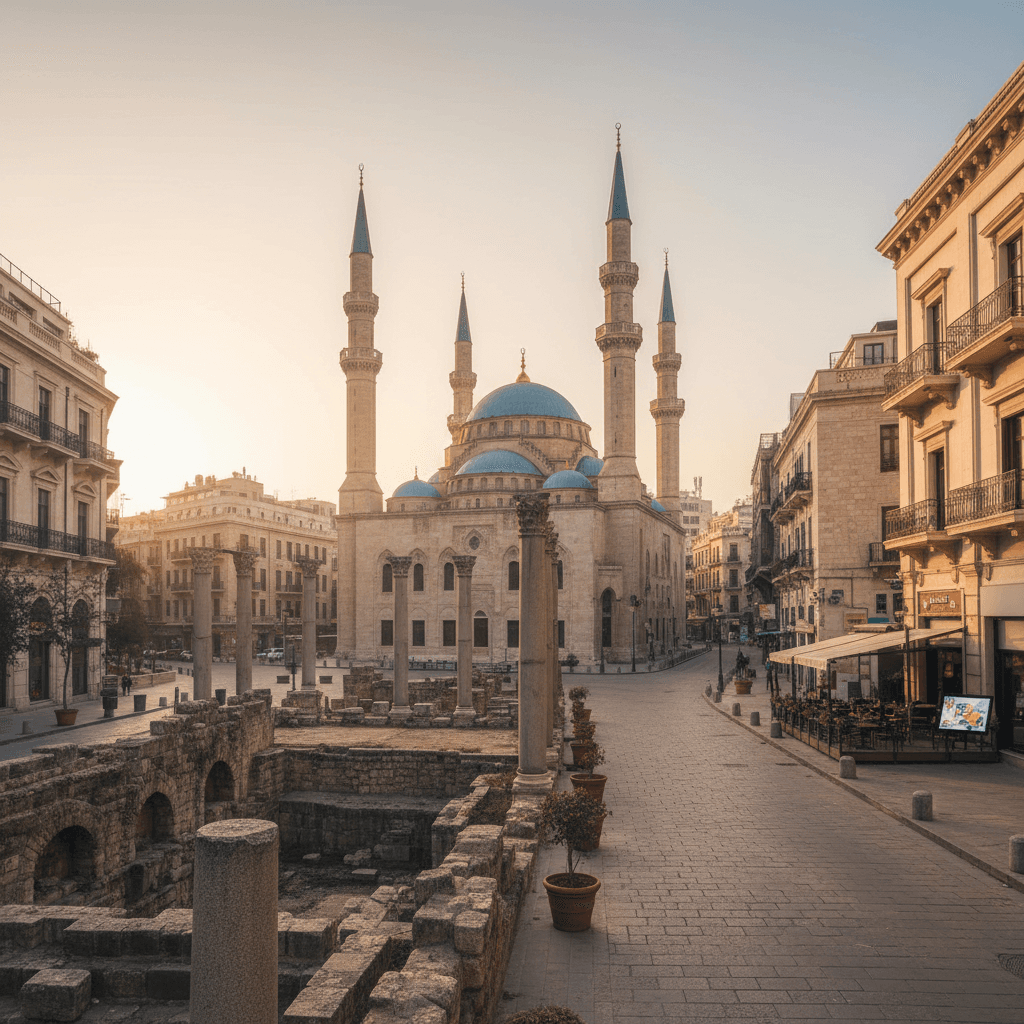
Beirut doesn't just exist; it pulses. Often called the Paris of the Middle East, it's a city defined by a relentless, defiant energy that you won't find in more "orderly" nomad hubs like Lisbon or Bali. It’s a place where Ottoman architecture stands next to bullet-scarred ruins and sleek modern high-rises, all set against the backdrop of the Mediterranean. You’ll hear a seamless blend of Arabic, French, and English in a single sentence while dodging chaotic traffic on your way to a third-wave coffee shop.
Living here means embracing unpredictability. The infrastructure is famously finicky, with scheduled power outages and internet speeds that average around 13 Mbps. Yet, nomads are drawn to the sheer soul of the place. There’s a profound sense of resilience and hospitality here. It’s the kind of city where a stranger will invite you for coffee, and by sunset, you’re part of a sprawling group dinner in a hidden courtyard. It’s intense, beautiful, and occasionally frustrating, but it’s never boring.
The Cost of Living
The economy is heavily dollarized, so you’ll want to keep USD on hand. While prices have fluctuated, most nomads find they can live well on a mid-range budget of $2,000 to $3,400 per month. If you're sticking to a tighter budget of $1,000 to $1,500, you'll be eating more manakish and staying in more modest studios in areas like Hamra.
- Rent: Expect to pay $500 to $800 for a budget studio, while a stylish flat in a social neighborhood like Gemmayze runs $800 to $1,200.
- Dining: Street food like shawarma or manakish costs $2 to $5. A nice meal at a spot like Mayrig or Em Sharif will set you back $30 to $50.
- Transport: Most rides via Uber cost between $2 and $5.
Where to Plant Your Flag
Beirut is a collection of distinct villages, each with its own personality. Most nomads gravitate toward the eastern side of the city for the social scene or the west for a more traditional, academic feel.
Hamra
- The Vibe: Intellectual, gritty, and deeply nostalgic. It’s home to the American University of Beirut and has a legendary cafe culture.
- Best For: Solo travelers and those who want a walkable, English-friendly neighborhood with plenty of dive bars and bookstores.
- Downside: It’s loud and the traffic can be suffocating.
Mar Mikhael & Gemmayze
- The Vibe: The city’s creative heart. Expect narrow streets filled with art galleries, upscale bistros, and the best nightlife in the region.
- Best For: Social butterflies and nomads who want to be steps away from the party.
- Downside: It can be noisy late into the night and is generally pricier.
Badaro
- The Vibe: A greener, more relaxed residential area that feels like a neighborhood in Europe.
- Best For: Families or expats looking for a quieter pace and better value for housing.
- Downside: You’ll need to commute for the major nightlife and coworking hubs.
Connectivity and Workspace
Working from Beirut requires a backup plan. Most nomads rely on local SIM cards from Alfa or Touch to supplement patchy home Wi-Fi; a monthly data plan usually costs between $10 and $30. For a stable environment, coworking spaces like Beirut Digital Nomad Hub or Station offer reliable power and high-speed connections for $100 to $300 a month.
The cafe culture is a viable alternative if you don't need total silence. Cafe Younes is a staple for locals and visitors alike, offering a great atmosphere and decent connectivity. Just remember that the "legal" status for remote work is a bit of a gray area, so most travelers enter on a standard tourist visa.
Safety and Logistics
Beirut has a moderate Numbeo safety score of around 53. Most risks are related to economic instability rather than violent crime. Stick to well-traveled areas like Downtown, Gemmayze, and Hamra. For healthcare, the American University of Beirut Medical Center is world-class, though you should expect to pay in cash for most services.
When it’s time to explore, the ACTC PT Lebanon app is the best way to track the new bus routes, though Uber remains the most reliable way to get around the city. If you’re heading out of town for a weekend in the mountains or the beach at Jounieh, pre-booking a car or using a hiking group like Vamos Todos is the way to go.
The Reality of a Dollarized Economy
Living in Beirut requires a bit of mental gymnastics when it comes to your wallet. The economy is heavily dollarized, meaning while the Lebanese Pound exists, USD is the king of transactions. You'll find that prices for high end dinners or rent are often quoted in dollars to stay stable against local currency fluctuations. Most nomads find they can get by on a wide range of budgets, but the floor for a decent lifestyle starts around $1,000 to $1,500 per month.
If you're looking for a mid range experience with a private apartment in a social neighborhood and frequent nights out, expect to spend between $2,000 and $3,500. For those who want the high life in Downtown or Zaitunay Bay, budgets easily climb past $4,600 once you factor in luxury high rises and fine dining at spots like Em Sharif.
Monthly Budget Breakdowns
- The Budget Nomad ($1,000 to $1,500): This covers a modest studio in Hamra for about $600, plenty of $2 manakish for breakfast, and sticking to local buses or shared rides. You'll have enough left for a $100 coworking membership and basic socializing.
- The Mid-Range Expat ($1,998 to $3,427): You'll likely land in Gemmayze or Badaro with rent around $900. This budget allows for $400 in dining out at places like Mayrig, a $200 dedicated desk at a coworking hub, and weekend trips to the mountains.
- The High-End Resident ($4,662+): This buys you a premium apartment for $1,500 or more, daily dinners at upscale bistros, private drivers, and the best gym memberships in the city.
Housing and Neighborhoods
Where you park your suitcase defines your overhead. Hamra is the go to for many solo travelers because it's walkable and packed with affordable cafes. Expect to pay $500 to $800 for a one bedroom here. It's trilingual, loud, and feels like the intellectual heart of the city.
If you want to be steps away from the best bars and artsy boutiques, Mar Mikhael and Gemmayze are the spots. Rents jump to $800 to $1,200 here. It's the social epicenter, though the noise levels can be a challenge if you're working from home. For a quieter, greener vibe, Badaro offers great value for families and expats who don't mind being a short Uber ride away from the coastal action.
Eating, Drinking, and Moving Around
Food is where Beirut shines, regardless of your budget. Street food is a steal; you can grab a filling shawarma or a cheese manakish for $2 to $5. A nice sit down meal with mezze and a couple of drinks usually lands between $15 and $25. If you're hitting the trendy spots in Mar Mikhael, a night of cocktails can easily run you $40 or more.
Getting around is mostly done via Uber, with most rides within the city costing between $2 and $5. While there's a new bus service accessible via the ACTC PT Lebanon app, most expats stick to ride hailing for reliability. If you're heading to the airport, a pre booked car or an Uber will cost around $15 to $25 depending on the time of day.
Connectivity and Workspace Costs
Infrastructure is the main hurdle in Beirut. Power outages are a daily reality, so you'll want to ensure your apartment has a "moteur" (generator) subscription. Internet speeds on fixed lines average a sluggish 13 Mbps, which is why most nomads rely on Alfa or Touch mobile hotspots. A prepaid SIM with a solid data plan costs between $10 and $30 a month.
To guarantee a stable connection, coworking spaces like Station or the Beirut Digital Nomad Hub are popular choices. Monthly memberships range from $100 to $300, while a day pass usually goes for $10 to $20. Many locals also work from Cafe Younes in Hamra, which is famous for its reliable WiFi and excellent coffee.
The Nomad Hub: Hamra
If you want to be in the thick of Beirut's intellectual and creative pulse, Hamra is your base. It has a gritty, hipster charm fueled by the nearby American University of Beirut. You'll find yourself surrounded by 1960s architecture, crowded sidewalk cafes, and a trilingual crowd that jumps between Arabic, French, and English without missing a beat.
- The Vibe: Academic, bustling, and unpretentious. It is the most walkable part of the city for daily life.
- Work & Social: Most nomads spend their afternoons at local cafes like Cafe Younes. For a dedicated desk, the Beirut Digital Nomad Hub is the go to spot for stable power and fast fiber.
- Cost: Expect to pay between $1200 and $2000 for a decent studio.
- The Catch: The traffic on Hamra Street is legendary in the worst way possible. It is loud, and the air quality can take a hit during peak hours.
The Socialites and Creatives: Mar Mikhael and Gemmayze
Expats who prioritize a social life usually head straight for these twin neighborhoods. This is the heart of Beirut's artsy scene, packed with renovated traditional Lebanese houses, art galleries, and the city's best nightlife. It feels like a village within a city, where everyone eventually knows your name at the local pub.
- The Vibe: High energy, bohemian, and very social. It is the place for late night mezze and craft cocktails.
- Dining: You are steps away from Mayrig for incredible Armenian dishes and endless bars along Armenia Street.
- Cost: Rents are slightly higher here, usually $800 to $1,200 for a mid range apartment.
- The Catch: It is noisy. If you live on the ground floor near a bar, don't expect to sleep before 2:00 AM on weekends. Some back alleys can feel a bit dark and sketchy at night, though they are generally safe.
The Family Retreat: Badaro
For families or expats who need a break from the chaos, Badaro is the "green" neighborhood. It is located right next to Horsh Beirut, the city's largest park. It feels more European and residential than the city center, with wide sidewalks and a sophisticated, quiet atmosphere.
- The Vibe: Leafy, calm, and upscale. It is where you go when you want a neighborhood feel without the 24/7 party.
- Living: Housing here offers better value for larger spaces. You can find comfortable family apartments starting around $1500+.
- The Catch: It is a bit removed from the coastal action and the main coworking hubs. You'll rely on Uber or the ACTC PT Lebanon bus app to get into the city center.
The Solo Explorer: Downtown and Jounieh
Solo travelers often split their time between the polished Downtown area and the coastal outskirts. Downtown is where you'll find the iconic Mohammad Al-Amin Mosque and high end shopping, while Jounieh offers a more relaxed, seaside pace about 30 minutes north of the city.
- Downtown: Best for those with a high budget ($1,500+ for rent) who want proximity to Zaitunay Bay and luxury dining like Em Sharif. It feels a bit more "touristy" and less lived in than Hamra.
- Jounieh: A great budget alternative for solo travelers who want to be near the beach. You can find places for $700 to $1000, though the internet is noticeably slower, often hovering around 10 Mbps.
- Transportation: From Jounieh, a ride into Beirut will cost you about $5 to $10 depending on the time of day.
The Reality of Staying Connected
Working from Beirut requires a bit of tactical planning. You can't just rely on the first Wi-Fi password you're handed. Fixed broadband in the city is averaging around 18-20 Mbps, and it fluctuates wildly depending on the neighborhood's infrastructure. Most nomads treat home Wi-Fi as a backup and lean heavily on mobile data to stay productive.
Your first move should be grabbing a local SIM card from Alfa or Touch. You'll find kiosks at the airport or small shops throughout Hamra and Gemmayze. You'll need your passport to register. Expect to pay between $10 and $30 for a monthly plan. Alfa is generally the favorite for speed and coverage, often hitting 50 Mbps on 4G or 5G, which is plenty for Zoom calls and uploading large files.
Power outages are a part of life here, but most cafes and dedicated workspaces have private generators. When the city goes dark for a few hours, these spots stay lit and connected. It's a quirk of the city that creates a shared sense of resilience among the remote work crowd.
Coworking Spaces and Nomad Hubs
Beirut has a small but tight-knit coworking scene where the community is just as important as the desk space. Prices typically range from $100 to $300 per month, or about $10 to $20 for a day pass.
- Beirut Digital Nomad Hub: This is the go-to for travelers. It's designed specifically for the remote work lifestyle, offering reliable speeds and a chance to meet others living the same "gray" legal work status.
- Station: Located near the industrial edge of Mar Mikhael, this space doubles as a cultural venue. It's artsy, spacious, and perfect if you want to be surrounded by the city's creative class.
- Antwork: A more corporate and polished option with multiple locations. It's great if you need a professional backdrop for client meetings or a silent environment for deep focus.
The Cafe Culture
If you prefer the hum of a coffee shop over a quiet office, you're in luck. Beirut has a legendary cafe culture. In the Hamra district, Cafe Younes is an institution. It's been around for decades and is always filled with students from the American University of Beirut and writers hunched over laptops. The Wi-Fi is dependable and the staff won't hover if you stay for a few hours.
Over in Mar Mikhael and Gemmayze, you'll find more "hipster" leaning spots. These neighborhoods are walkable and packed with sunlight-filled cafes that transition into bars at night. Just keep an eye on your battery levels; while many spots have outlets, they're in high demand during peak hours. Expats often recommend carrying a high-capacity power bank just in case you're working from a smaller boutique spot during a scheduled power rotation.
Internet at a Glance
- Fixed Broadband: ~18-20 Mbps (Median)
- Mobile Data: 50 Mbps via Alfa or Touch 4G/5G
- Monthly SIM Cost: $10 to $30
- Coworking Day Pass: $10 to $20
- Coworking Monthly: $100 to $300
Most nomads find that as long as they have a solid mobile hotspot and a favorite neighborhood cafe with a generator, the infrastructure challenges become manageable. It's a small price to pay for the social energy and world-class food you'll find right outside the door.
Navigating the Chaos with Confidence
Beirut is a city of layers, where a high-end medical clinic might sit right next to a bullet-scarred facade from the civil war. Beirut has a moderate Numbeo safety score of around 53, and most nomads find the day to day experience less about crime and more about managing local logistics. Petty theft exists, but it is not nearly as common as in many European capitals. You should feel comfortable walking through Hamra or Gemmayze during the day, though it is smart to keep your wits about you after dark in poorly lit side streets.
The most important safety rule is geographical. Stick to the central hubs like Downtown and Badaro. Expats generally advise against exploring the southern suburbs or areas near the borders without local guidance. Political protests can pop up quickly; if you see a crowd gathering, simply head the other way. Most locals are incredibly hospitable and will go out of their way to help a visitor if things get tense.
Healthcare Standards and Emergencies
If you get sick, you are in good hands. Beirut is a regional hub for medical tourism, and the quality of private care is excellent. The American University of Beirut Medical Center (AUBMC) is the gold standard, staffed by world class doctors who almost all speak fluent English. You will find that the medical equipment and expertise here rival what you would find in the US or Europe.
- Emergency Number: Dial 112 for police or an ambulance.
- Payment: Expect to pay in cash. Even with great insurance, hospitals often require an upfront deposit in USD before admission.
- Pharmacies: You will find them on almost every corner. Large chains like Pharmacy 1 often stay open 24/7 and carry most international brands.
Practical Street Smarts
Infrastructure is the real "safety" concern here. Power outages are a daily reality, which means streetlights often go dark at night. Carry a small flashlight or keep your phone charged to avoid tripping on uneven sidewalks. Traffic is also famously aggressive. Pedestrians do not have the right of way, so wait for a clear gap before crossing any major road.
For getting home after a night out in Mar Mikhael, use ride hailing apps like Uber rather than flagging down random cars. It provides a digital trail and a set price, usually between $2 and $5 for a cross city trip. If you decide to explore abandoned buildings or "gray zone" urban ruins, do so with a group. These spots are popular with photographers but can be structurally unsound or occasionally monitored by local authorities.
Money and Stability
The economic situation is volatile, but for a nomad with USD, it is manageable. The economy is heavily dollarized, so keep a mix of small bills on you at all times. Avoid using local bank ATMs if possible; instead, rely on services like Wise or Revolut for transfers and bring enough physical cash to cover your first few weeks. Most high end restaurants and hospitals will accept USD directly, often preferring it over the local currency.
The Rhythm of the Streets
Moving through Beirut feels like a choreographed dance with chaos. The city wasn't built for modern traffic, and the infrastructure often reflects years of economic strain. However, for a nomad, getting from a coworking spot in Hamra to a sunset drink in Mar Mikhael is manageable if you know which apps to download and when to stay off the road.
Walking is your best bet for short distances within specific neighborhoods. Districts like Gemmayze and the Downtown City Center are compact and visually stunning, filled with colonial architecture and street art. Outside of these pockets, the lack of consistent sidewalks and the aggressive driving style make long treks on foot a bit of a gamble.
Ride-Hailing and Apps
Forget trying to decipher local bus routes unless you're feeling particularly adventurous. For daily reliable transport, Uber is the undisputed king. It’s the safest way to get around, especially at night, with most rides within the city limits costing between $2 and $5. It removes the stress of haggling over prices in a fluctuating economy.
- Uber: Best for standard city hops. It's reliable and tracks your route.
- ACTC PT Lebanon: A newer app that helps you track the specialized Beirut bus service. It's a massive improvement for those trying to use public transit.
The Airport Arrival
Beirut-Rafic Hariri International Airport is about 20 to 40 minutes from the city center, depending entirely on the notorious Mediterranean traffic. Avoid the aggressive unmetered taxis waiting at the arrivals gate. Instead, use the airport WiFi to book an Uber or pre-arrange a pickup through your accommodation. Expect to pay between $15 and $25 for a private transfer into the heart of the city.
Navigating the Traffic
Traffic in Beirut isn't just a nuisance; it's a lifestyle. The peak hours are brutal, particularly on the coastal highway heading north toward Jounieh or south toward Saida. If you have a meeting or a dinner reservation, give yourself a 30-minute buffer. Locals are famously trilingual and social, so if you're ever lost, asking for directions in English or French usually results in a friendly, detailed explanation.
Day Trips and Beyond
When you need to escape the city heat, Lebanon’s small size is a major perk. You can reach the mountains or the historic ruins of Byblos in under an hour if you timing it right. Most nomads recommend hiring a private driver for the day for around $80 to $100 if you're heading to the Cedars or the wineries in the Bekaa Valley. It’s more expensive than a bus, but it saves you from the headache of navigating mountain roads that aren't always well-marked.
Practical Transit Tips
- Cash is still king: While apps handle payments, keep small USD bills or local currency for tips or if you decide to hop in a "Service" (a shared taxi).
- Safety first: Stick to reputable ride-hailing apps after dark, especially when leaving bars in Mar Mikhael.
- Avoid the suburbs: Travelers generally advise staying clear of the southern suburbs and specific war-damaged zones where navigation is difficult and security is tighter.
The Trilingual Pulse
In Beirut, you aren't just navigating a city; you're navigating a linguistic symphony. While Arabic is the official language, the reality on the ground is far more fluid. Most locals in the central districts like Hamra and Gemmayze switch between Arabic, French, and English within a single sentence. This trilingualism is a point of pride and makes Beirut one of the easiest cities in the Levant for English speakers to call home.
You'll find that 90% of people in nomad heavy areas speak excellent English. Whether you're ordering a flat white at Cafe Younes or negotiating a monthly rate at Beirut Digital Nomad Hub, language barriers are rarely an issue. However, picking up a few local phrases goes a long way in building rapport with shopkeepers and taxi drivers who might not be as fluent as the university crowd.
Essential Levantine Arabic
The local dialect is Lebanese Arabic, which is softer and more melodic than the versions spoken in the Gulf or North Africa. While you can get by with just English, travelers often say that a well timed "shukran" (thank you) opens doors. Here are the basics to keep in your back pocket:
- Marhaba: Hello (Universal and easy).
- Keefak? (m) / Keefik? (f): How are you?
- Shukran: Thank you.
- Yalla: Let's go / Hurry up (You will hear this a hundred times a day).
- Biddi qahweh: I want coffee.
- Wayn...?: Where is...?
Digital Communication and Connectivity
Communication isn't just about what you say, it's about staying connected. While the city's fixed broadband is notoriously temperamental, averaging around 13 Mbps, the mobile network is surprisingly robust. Most nomads skip the erratic hotel Wi-Fi and rely on local SIM cards for 4G and 5G speeds that can hit 50 Mbps.
Pick up a prepaid SIM from Alfa or Touch as soon as you land. You can find kiosks at the airport or throughout the city. Expect to pay between $10 and $30 per month depending on your data needs. Having a local number is also vital for using Uber, which is the most reliable way to get around without getting lost in translation with traditional taxi drivers.
Social Etiquette and Nuance
Beirutis are famously sociable and direct. If you're invited for tea or a meal, it's polite to accept; hospitality is a cornerstone of the culture here. In professional settings or upscale neighborhoods like Downtown, the vibe is quite Westernized. However, it's respectful to dress modestly when visiting religious sites like the Mohammad Al-Amin Mosque.
Expats recommend using Google Translate for its offline Arabic feature if you plan on venturing into the southern suburbs or taking day trips to Saida or Tripoli, where English proficiency drops slightly. For everything else, your smartphone and a friendly "Marhaba" will be your best tools for integration.
The Sweet Spot: Spring and Autumn
If you want to experience Beirut at its peak, aim for the shoulder seasons. April through June and September through November are the goldilocks windows. During these months, temperatures hover between 18°C and 25°C (64°F to 77°F), meaning you can comfortably walk from a meeting in Hamra to a rooftop bar in Mar Mikhael without breaking a sweat.
October is a personal favorite for many long term residents. The intense humidity of the Mediterranean summer finally breaks, the sea is still warm enough for a swim at the beach clubs in Jounieh, and the city feels energized. It is the perfect weather for exploring the abandoned architecture or joining hiking groups like Mashaweer or Vamos Todos for weekend trips into the mountains.
Surviving the Summer Swelter
July and August are a different beast. Temperatures regularly climb above 30°C (86°F), but it is the humidity that really gets you. The air becomes thick and heavy, making the city's famous traffic feel even more claustrophobic. Most nomads who stay through the summer shift their schedule, working from air conditioned hubs like Beirut Digital Nomad Hub during the day and only emerging after the sun sets.
This is also when the Lebanese diaspora returns home, so expect the city to be packed and prices for short term rentals to spike. If you are here in July, do what the locals do: flee to the mountains on weekends where the air is thin, crisp, and significantly cooler.
Winter: Rain and Resilience
Winter in Beirut, specifically December through February, is mild but wet. Temperatures rarely drop below 13°C (55°C), so you won't need a heavy parka, but you will definitely need a solid umbrella and waterproof shoes. This is the rainy season, and Beirut's infrastructure can struggle with heavy downpours, leading to flooded streets and even slower traffic than usual.
The silver lining of a Beirut winter is the proximity to the slopes. You can spend a morning answering emails at Cafe Younes and be at a ski resort in Faraya by lunchtime. Just keep in mind that power outages can be more frequent during stormy weather, so having a backup power bank and a solid 4G data plan from Alfa or Touch is a must.
Seasonal Breakdown
- Spring (March to May): Flowers bloom in the mountains and the city is lush. Highs of 19°C to 24°C. Ideal for outdoor cafes and walking tours.
- Summer (June to August): Hot, humid, and high energy. Highs of 30°C+. Great for nightlife and beach parties, but tough for those who dislike heat.
- Autumn (September to November): The most pleasant time for digital nomads. Highs of 23°C to 28°C. Clear skies and perfect for day trips to Saida or Tripoli.
- Winter (December to February): Cool and rainy with highs around 17°C. Best for budget travelers and skiers, though the "gray" weather can dampen the city's usual sparkle.
Whenever you choose to visit, remember that Beirut's charm is its unpredictability. Whether you are caught in a January rainstorm or a July heatwave, the city's cafe culture and trilingual social scene remain wide open and welcoming.
The Ground Reality
Living in Beirut requires a certain level of adaptability. The city operates on a dual-currency system where the US Dollar is king. Most nomads find that while the Lebanese Pound exists, everything from rent to high-end dinners is quoted and paid in USD. You'll want to bring crisp bills and rely on apps like Wise or Revolut for transfers, as local banking remains volatile. Power outages are a daily occurrence, but most cafes and coworking spaces use private generators to keep the lights on and the Wi-Fi running.
Budgeting for the Levant
Your monthly spend depends heavily on how much you lean into the local lifestyle versus the expat bubble. A $1,500 monthly budget covers a basic studio in Hamra and plenty of street food, while $3,500 gets you a stylish apartment in Gemmayze and regular nights out.
- Housing: Expect to pay $500 to $800 for a budget studio, or $1,200 for a modern flat in a social neighborhood.
- Dining: A manakish or shawarma on the street costs $2 to $5. A full spread of mezze at a mid-range spot runs about $15, while upscale dinners at Em Sharif can top $50.
- Transportation: Short Uber rides across the city typically cost between $2 and $5.
Where to Plant Your Flag
The neighborhood you choose defines your experience. Most nomads gravitate toward the eastern or western hubs of the city center.
- Hamra: The intellectual heart of the city. It's home to the American University of Beirut and feels like a hipster enclave. It's walkable, filled with legendary cafes like Cafe Younes, and generally more affordable.
- Mar Mikhael and Gemmayze: These adjacent neighborhoods are the epicenter of Beirut's famous nightlife. You'll find the best bars, art galleries, and a high concentration of expats. It can get noisy on weekends, so pick your street carefully.
- Badaro: A leafier, quieter alternative. It's popular with families and long-term expats who want a neighborhood feel without the constant thrum of clubs.
Connectivity and Workspace
Don't rely on hotel Wi-Fi. Fixed broadband averages a sluggish 13 Mbps, so most serious workers buy a local SIM from Alfa or Touch immediately. A prepaid data plan costs between $10 and $30 and often provides much faster 4G or 5G speeds, reaching up to 50 Mbps.
For a stable environment, head to a dedicated workspace. Beirut Digital Nomad Hub and Station are reliable choices, with daily rates around $15 and monthly memberships between $100 and $300. These spots guarantee electricity and high-speed internet during the frequent city-wide blackouts.
Getting Around and Staying Safe
Traffic in Beirut is legendary for all the wrong reasons. Avoid driving yourself. Uber is the most reliable way to get around, though a new bus service via the ACTC PT Lebanon app is making public transit more viable. If you're staying in Hamra or Downtown, your own two feet are often the fastest way to travel.
Safety is a common question. While the city ranks #78 on the Numbeo index, most travelers feel secure in the main nomad hubs. Stick to well-lit areas at night and avoid the southern suburbs or war-damaged zones. For medical needs, the American University of Beirut Medical Center offers world-class care, though they usually require cash payments upfront.
Timing Your Visit
The sweet spots are April to June and September to November. During these months, temperatures hover between 18°C and 27°C, perfect for exploring the mountains or the coast. July and August are brutally humid, while January and February bring heavy rains that can turn the chaotic streets into a muddy mess.
Social Life and Customs
Lebanese hospitality is real. Don't be surprised if a shopkeeper offers you tea or a neighbor invites you over. It's a trilingual city where almost everyone in the service and tech sectors speaks excellent English and French. To meet people, join local hiking groups like Mashaweer or Vamos Todos, which organize weekend trips to the cedars or the ruins in Baalbek.
Need visa and immigration info for Lebanon?
🇱🇧 View Lebanon Country GuideHidden Gem
Worth the effort